Hand Tools
Channellock 17-Inch Pry Bar Review: American Made, But Underpowered
The Channellock 17-inch pry bar costs $20, but a set of four Titan pry bars costs the same. We look at where it falls short and what to buy instead.
Introduction
Channellock is an iconic American tool company best known for its pliers, but it has branched out into other spaces including pry bars, screwdrivers, picks, and awls. The Channellock 17-inch pry bar costs around $20 on Amazon, which sounds reasonable for an American-made hand tool. The problem is that the same $20 buys a set of four Titan pry bars, and a comparable Snap-On pry bar costs about $71.50. After spending time with all three, the Channellock is the one that left the weakest impression.
First Impressions: Handle, Shaft, and Fit
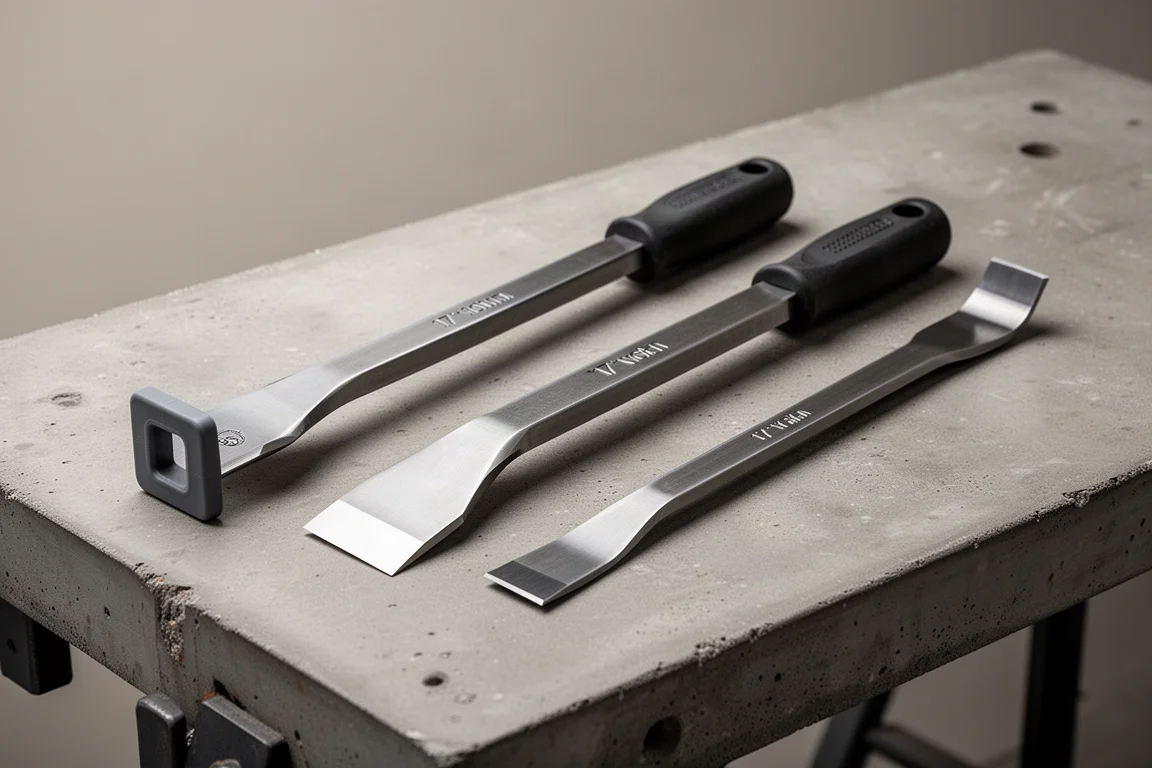
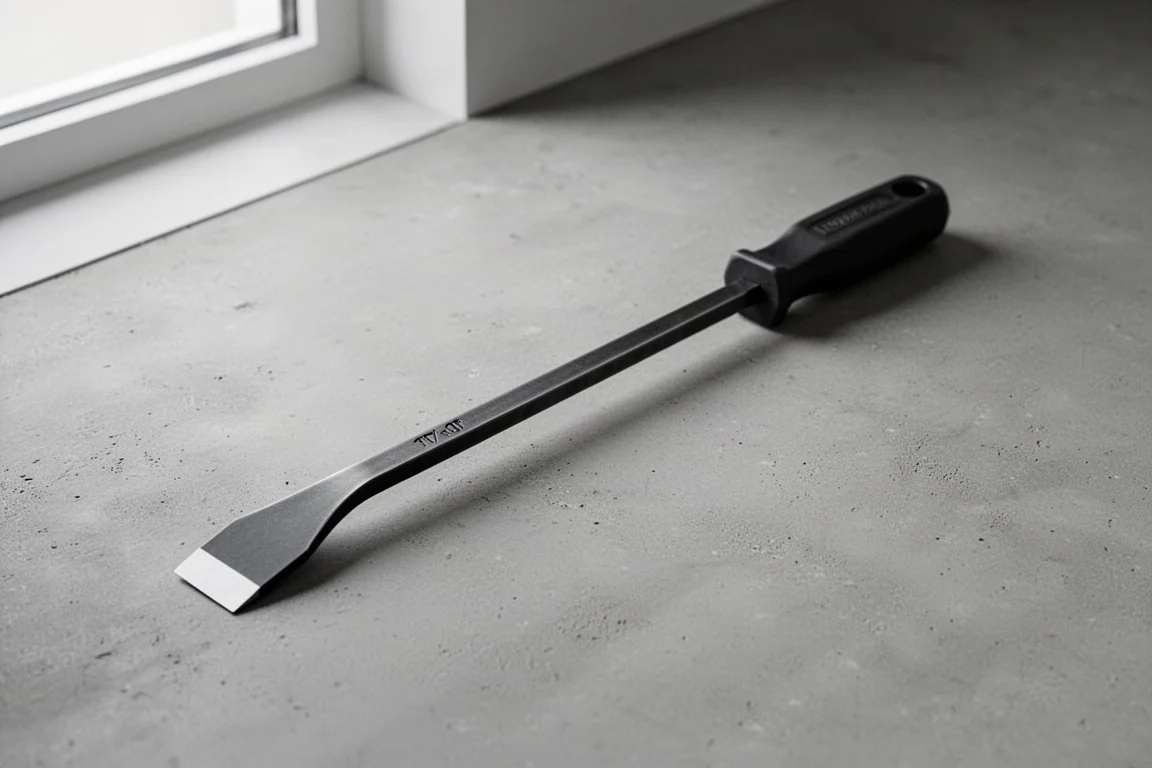
The Channellock uses a traditional square screwdriver-style handle made of hard plastic. It provides some orientation in the hand, but it is tiny, almost disappearing in the grip, which means you effectively get one grip position and cannot comfortably use two hands on it. It is not the worst handle design out there, but the lack of real estate limits how much force you can apply.
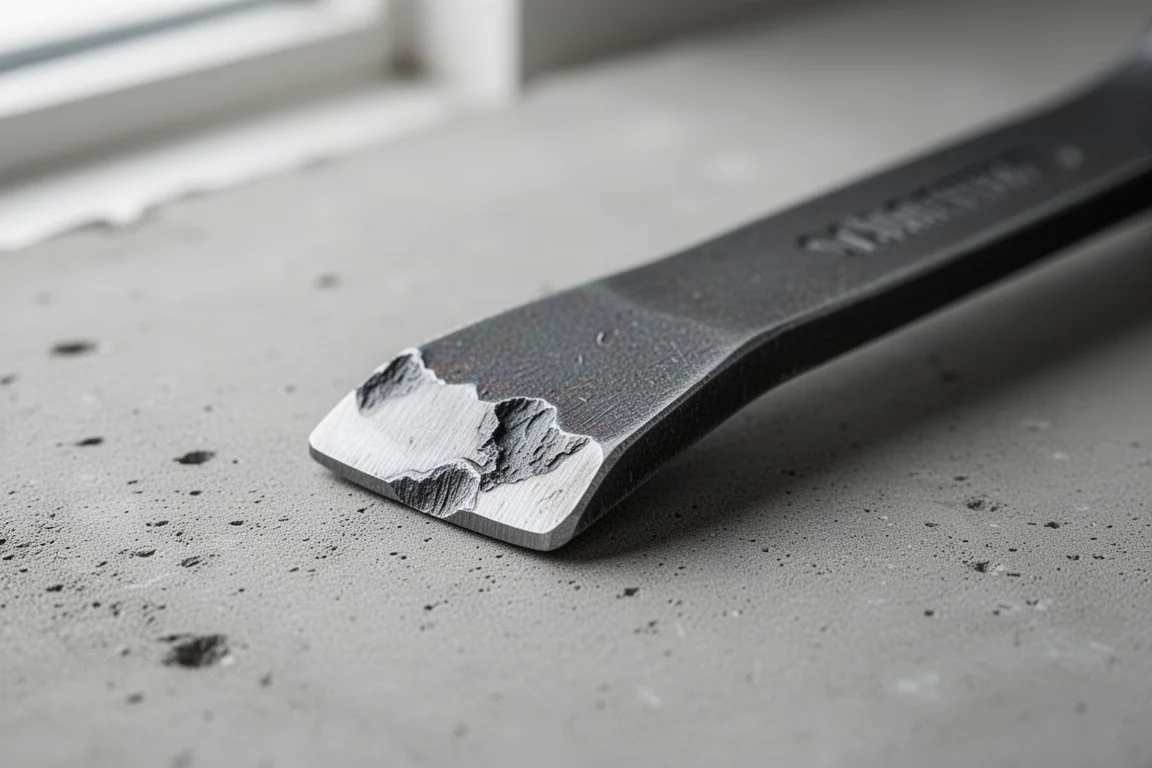
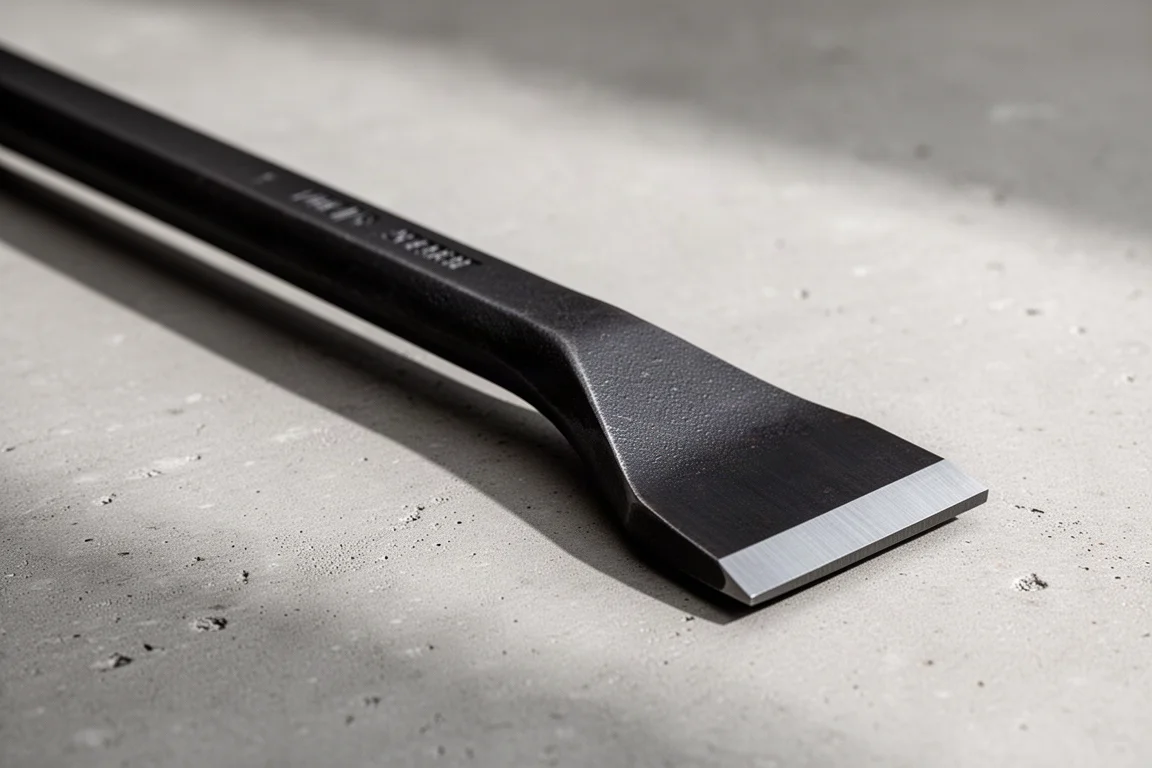
The bigger issue is the shaft. At only 3/8 of an inch, it is noticeably slimmer than the 7/16-inch shafts common on competing pry bars. That slim shaft translates directly into flex, and the fit and finish at the front end does not help. There is a large burr across the working tip, which is disappointing when many pry bars arrive shaving sharp from the factory, sometimes even shipped with covers over the tips.
How It Handles Real Force: The Deflection Test
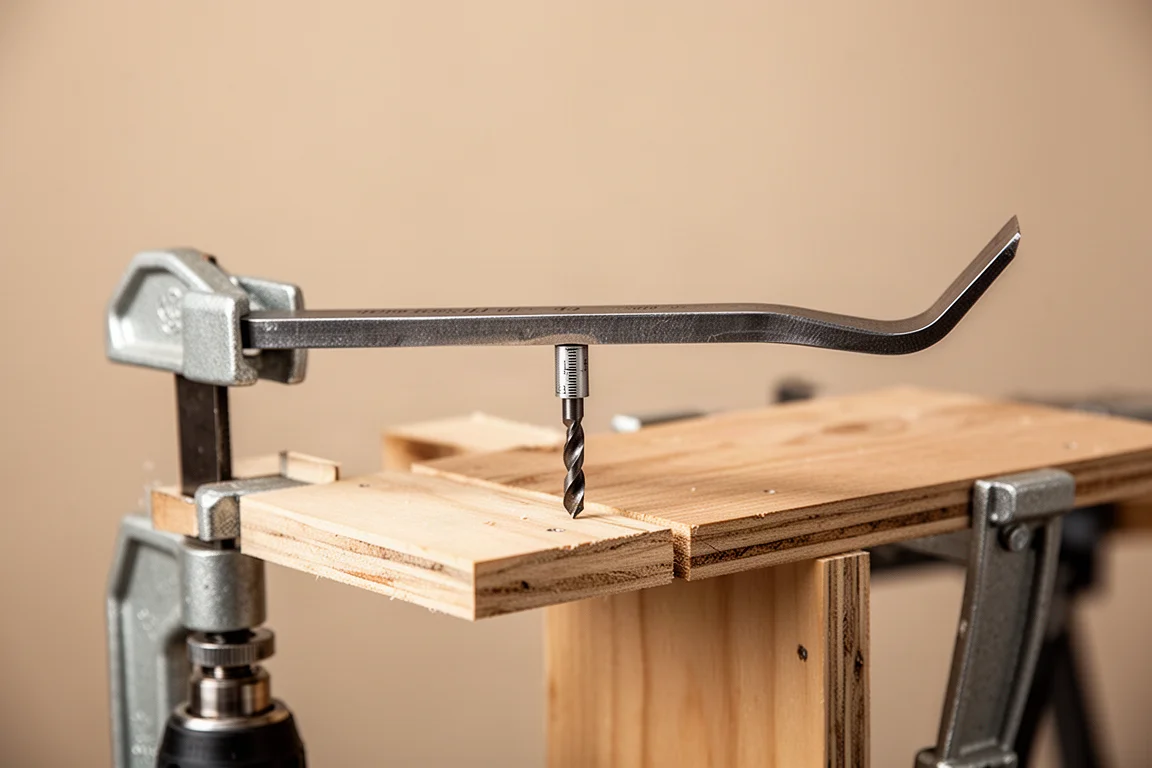
A simple test rig makes the difference obvious: a board with a clamp holds each pry bar while a blade and a drill bit gauge measure how far the tip deflects under a one-handed load. With just one hand, the Channellock bends dramatically. That is the entire force applied, and it still flexes significantly.
Compare that with the Snap-On, which has a much beefier design and deflects far less under the same one-handed force. The Titan falls in between: a little more deflection than the Snap-On, but considerably less than the Channellock. Some people actually want a springy pry bar and argue that a tool that deforms is safer than one that snaps, but the Channellock feels spongy rather than stout.
The Alternative at the Same Price: Titan Pry Bar Set
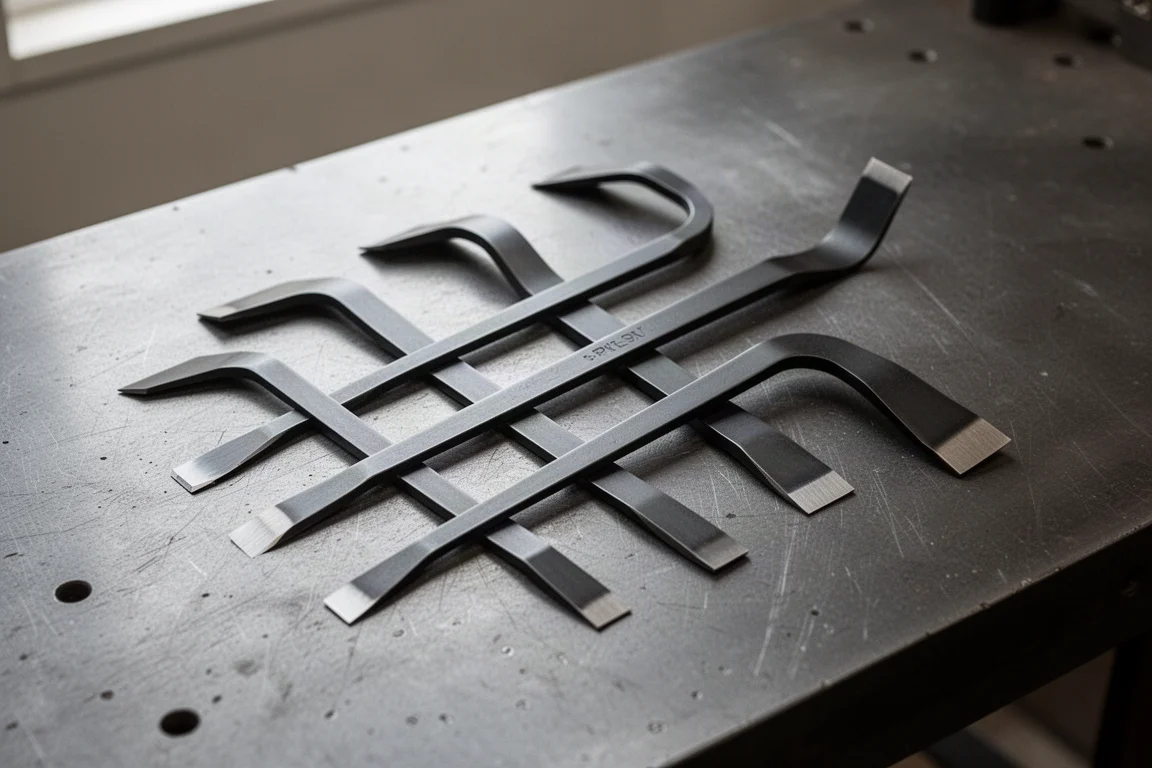
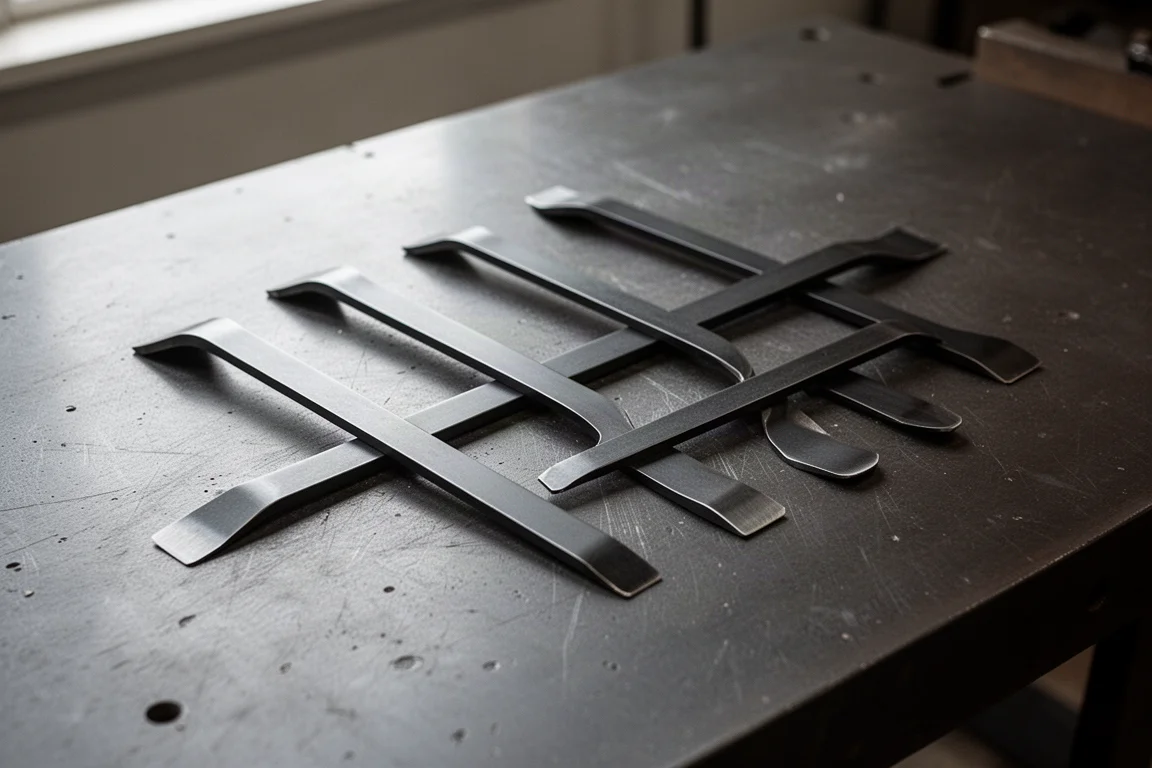
For the same $20, Titan sells a set of four pry bars that includes both bigger and smaller sizes. They are made overseas and have no striking caps, but the finish is respectable: black oxide along the shaft, a modestly dressed tip with only a slight burr, and a working end that is still fairly sharp out of the package. Deflection under the one-hand test is noticeably lower than the Channellock.
If you are choosing based on value alone, four pry bars that flex less than the Channellock for the same money is a hard argument to beat.
The Premium Option: Snap-On Pry Bar
The Snap-On pry bar costs $71.50 at full off-the-truck retail, and it shows in the hardware. The shaft is a full 3/4 of an inch, the tip is wide and cleanly finished, and the tool deflects the least of the three under identical force. It bends under heavy load rather than coming close to breaking, which is a good property for a striking-adjacent tool.
The warranty story matters here too. Broken Snap-On pry bars, including 12-inch and 18-inch models, have been warrantied out with no problem under the lifetime warranty. The caveat is that a warranty only helps if the tool performs in the first place, and at this price it genuinely does.
Buying Advice
The Channellock’s weaknesses add up in an odd way: it is nominally a 17-inch pry bar next to 18-inch competitors, but the missing inch shows up almost entirely in the handle, leaving a tiny grip on a slim, springy 3/8-inch shaft with a dull, burred tip. For $20, an American-made tool should feel better than this, and paying a bit more for a stronger tool is the better trade.
If you want maximum value, the Titan four-piece set is the obvious pick. If you want a pry bar you can really lean on with a lifetime warranty behind it, the Snap-On is worth the premium. It is harder to make a case for the Channellock unless you specifically want a light-duty, flexible bar for delicate work.
Conclusion
Channellock’s entry into pry bars is underwhelming. A tiny handle, a springy 3/8-inch shaft, mediocre tip finish, and noticeably more deflection than both a $20 four-piece Titan set and a $71.50 Snap-On make it a tough recommendation at $20. The brand’s pliers legacy is real, but this first pry bar does not live up to it.
Further reading
Related Reviews
Hand Tools
Best Diagonal Cutters 2026: 16 Pliers Tested for Cutting Power and Durability
We put 16 diagonal cutters through nail, screw, drill bit, and hex key tests to find the best value picks for your toolbox.
Hand Tools
Best Hex L Key Sets 2026: Nine Sets Tested for Real-World Torque
Nine hex L key sets from budget to premium, tested for torque, fit, and durability. See which sets deliver real performance and which ones to skip.
Hand Tools
Best Locking Pliers 2026: Top Picks Tested for Grip and Durability
We tested 18 brands of 10-inch locking pliers for grip strength, jaw bite, build quality, and ease of release to find the best options for tough jobs.