EDC Tools
Cevivi Tack and Tweeze Review: Tactical Tweezers That Actually Earn the Label
A precision tweezer set designed by a legendary tactical knife designer, with tip alignment that outperforms almost everything we compared it against.
Introduction
Most people roll their eyes at anything marketed as “tactical,” and we get it. But the Cevivi Tack and Tweeze is one of the rare products where the word actually means something, because it was designed by Bob Terzuola, the man widely credited with coining the term “tactical knife” in the first place.
Terzuola is best known for combat knives, including his popular Advanced Technology Combat Folder, and for a long list of industry firsts: the first G10 scales on a production knife, the first ATS-34 steel on a production knife, the first laser-cut blanks instead of stamped blanks, and the first commercially produced liner lock. He has also collaborated with major brands like Spyderco and Microtech. If anyone can legitimately call a tool tactical, it is him. After extended use, the more we worked with this tweezer set, the more impressed we became.
First Impressions and Design
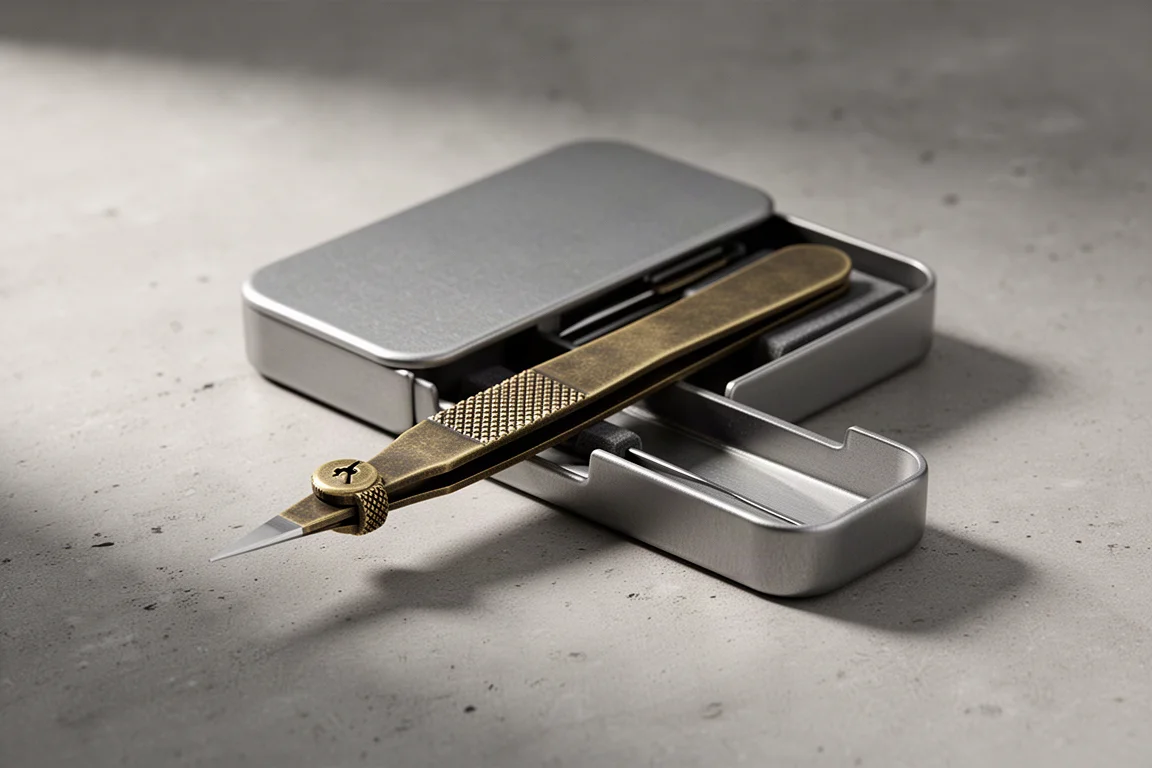
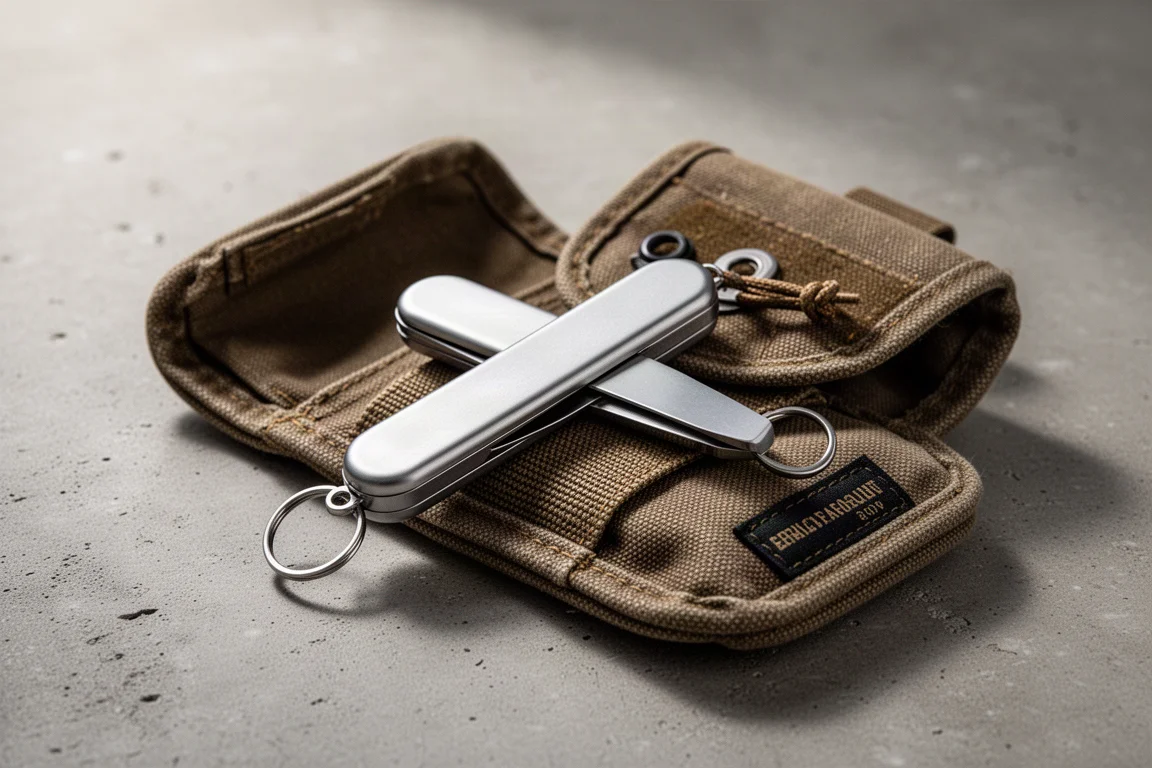
The set has two components: the tweezers themselves and a compact metal storage case. That case matters more than it sounds, because it protects the fine tips, which are the whole point of the tool. A small locking wheel holds the tweezer body snugly in position so it will not slide in or out during use, yet retracts easily with minimal pressure.
The build quality is genuinely beautiful. The body has a faux aged brass finish, and a magnet test suggests that part is non-magnetic, possibly real brass. The tweezer section itself is magnetic, which is common for most tweezers unless you specifically need non-magnetic options like titanium. The balance is tail-heavy, which is typical for tweezers, and the knurled jimping near the tip gives good control and precision. Add a lanyard or key ring and it becomes an easy everyday carry.
How the Tips Perform Under Magnification
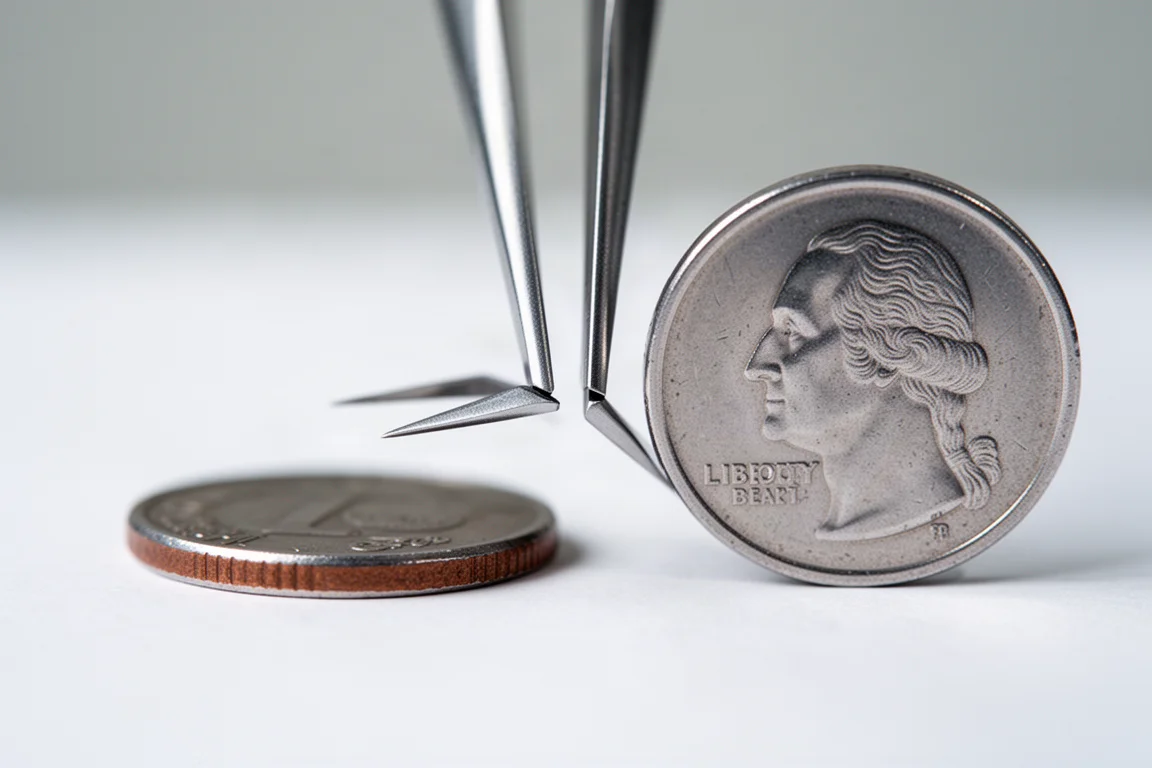
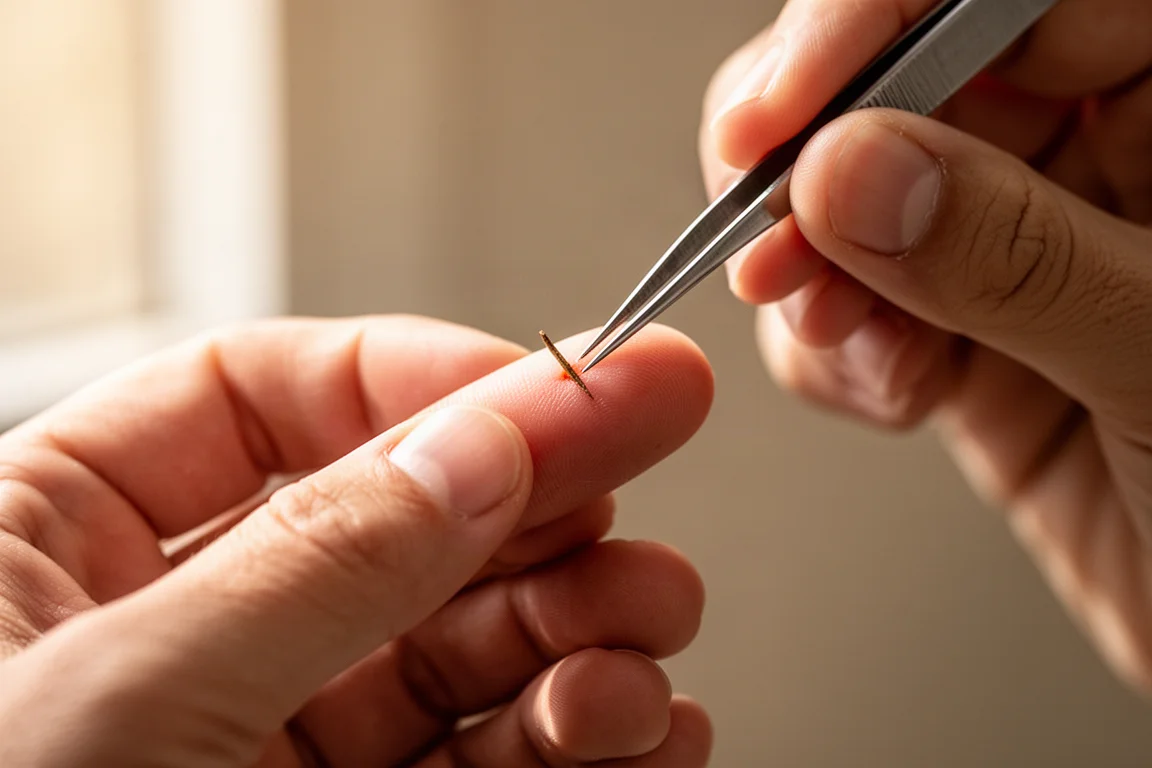
This is where the Tack and Tweeze separates itself from the pack. We generated splivers in various places to test real splinter removal, and these became our favorites by a wide margin. You can snug down on something with real force at the tip, which is essential for grabbing a flush spliver, and the geometry keeps the tips biting tighter as you squeeze rather than sponging apart like cheaper designs.
Under a microscope, the tip closure is remarkably precise. The classic test: can you pick up a coin raised profile? Yes, easily. The tips meet cleanly and hold.
Compared With Everyday Tweezers
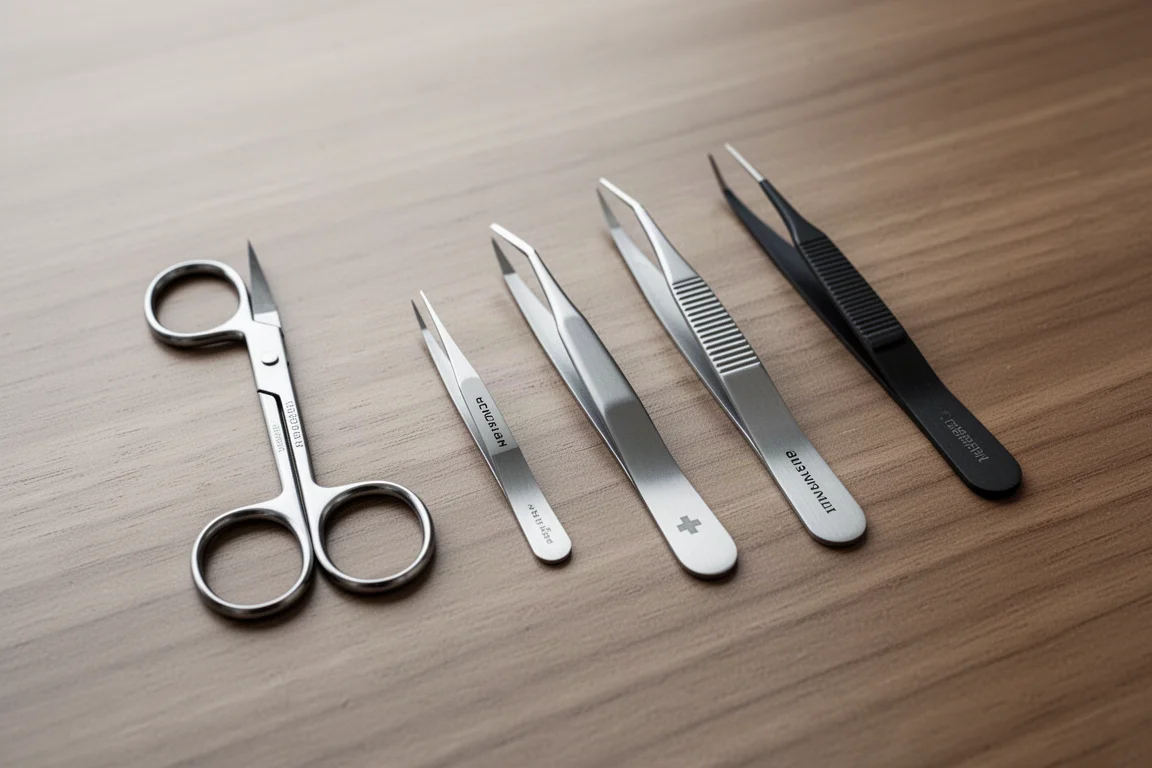
We put a range of common tweezers under the same magnification for context:
- iFixit ESD tweezers: the best of the comparison group, but the tips pancake out and do not actually meet under magnification, and they are even slightly different sizes.
- Hackensack stainless steel tweezers: a longtime favorite with a good bite at the tip, but noticeably blunter and, as a stamped design, they lose some squeezing strength as you press.
- Basic drugstore tweezers: often do not close at the very tip at all, which is why people bend the tips to fix them.
- Swiss Army classic tweezers: surprisingly good alignment, but almost no strength and too blunt for slivers.
- Plastic tweezers: fine for larger items like coins, but they do not line up or close well.
- Titanium tweezers: more for handling objects than grabbing tiny things, with a notch at the very tip that prevents grabbing anything almost flush.
- Budget first aid tweezers: a stamping flaw leaves extra material that keeps the tips from fully closing, so they only work on larger splinters and ticks unless you do finish work yourself.
Things to Consider Before Buying
The main trade-off is obvious: this is a premium-priced pair of tweezers, currently running around $26 to $27 on Amazon, which is far more than a basic drugstore pair. You are paying for tip precision, machining quality, and the designer’s name, and the finish is a deliberate aesthetic choice you either like or do not.
Also note that like most precision tweezers, the working section is magnetic. If you need truly non-magnetic tools for electronics work, titanium or plastic tweezers remain the better route.
Buying Advice
If you only need tweezers occasionally for big splinters or coins, cheaper options will do the job. But if you regularly deal with slivers, fine debris, or small work where tip alignment decides success, the Cevivi Tack and Tweeze is one of the few tools on the market that genuinely delivers at the tip, not just in the marketing.
Who Should Buy the Cevivi Tack and Tweeze
This set makes sense for everyday carry enthusiasts, first aid kit builders who want a serious splinter-extraction tool, and anyone who appreciates finely machined small tools from a designer with a genuine legacy. The compact case and key ring option make it easy to carry, and the tip quality means it will not disappoint the way most “tactical” accessories do.
Conclusion
The Cevivi Tack and Tweeze looked like an overbuilt gimmick until we actually used it. In practice, the precision of the tips, the locking case, and the solid squeeze-to-grip geometry make it the best-performing pair of tweezers we have tested. If you have seen it around and dismissed it, it deserves a second look.
Product link
View more details for Cevivi Tack and Tweeze
This product is mentioned in the review. Check the specifications, options, and compatibility before buying.
View more details for Cevivi Tack and TweezeFurther reading
Related Reviews
EDC Tools
7ElevenL Leatherman Bit Driver Add-Ons: Two Compact Upgrades for Your Multitool
Two well-built bit driver add-ons that work with Leatherman bit systems and standard quarter-inch bits, including a keychain-friendly design and an articulating ratchet version.
EDC Tools
12 Compact EDC Screwdrivers Worth Carrying in 2026
From bike-kit ratcheting drivers to titanium keychain tools, these 12 compact screwdrivers cover pocket carry, small pouches, and ultralight toolkits.
EDC Tools
Best EDC Pliers: Nine Compact Options From Budget to Premium
Nine dedicated EDC pliers that add grip, cutting, and clamping capability without carrying a full plier-based multi-tool.