Gravel Bikes
Cervélo Áspero Review: A Fast Gravel Racer With Clear Trade-Offs
A quick, race-focused gravel bike with useful updates, strong speed on hardpack and honest compromises in comfort, mounts and value.
Introduction
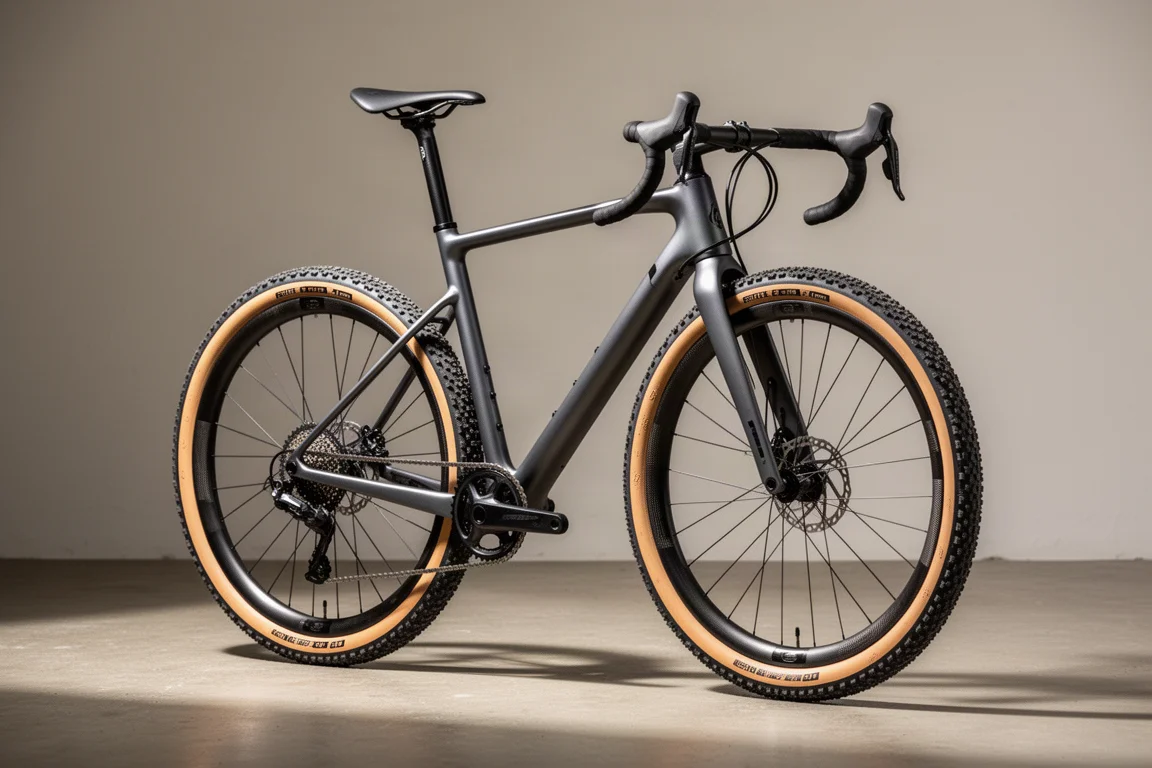
The Cervélo Áspero has been part of the gravel landscape since 2019, when the original arrived as a race-first drop bar bike that felt closer to a fast road bike than a load-carrying adventure machine. The current version keeps the same overall silhouette and adds a set of targeted updates: a more heavily sloped top tube, deeper dropped chain stays, a curved seat tube for rear wheel clearance, a SRAM UDH dropout, a threaded T47 bottom bracket and fully internal routing through the head tube.
Cervélo positions the new Áspero as faster, smoother and more versatile than the bike it replaces. Two of those three claims hold up better than the third, and the sections below explain where the Áspero shines and where riders may want to look at other options.
Who This Bike Is For
The Áspero suits riders who treat gravel as a speed discipline. Its geometry sits close to an endurance road bike, with a lower stack and shorter reach than a Canyon Grail and a long top tube paired with a short stem. Anyone moving across from road riding will recognise the fit quickly, and the position rewards long, fast efforts on hardpack rather than upright cruising.
It also appeals to riders who value straightforward maintenance. A round 27.2mm seatpost with an external seat clamp, a threaded bottom bracket and a replaceable derailleur hanger are details that make home servicing easier than fully integrated alternatives. The build tested here uses a carbon seatpost, a flared carbon handlebar and a Prologo saddle.
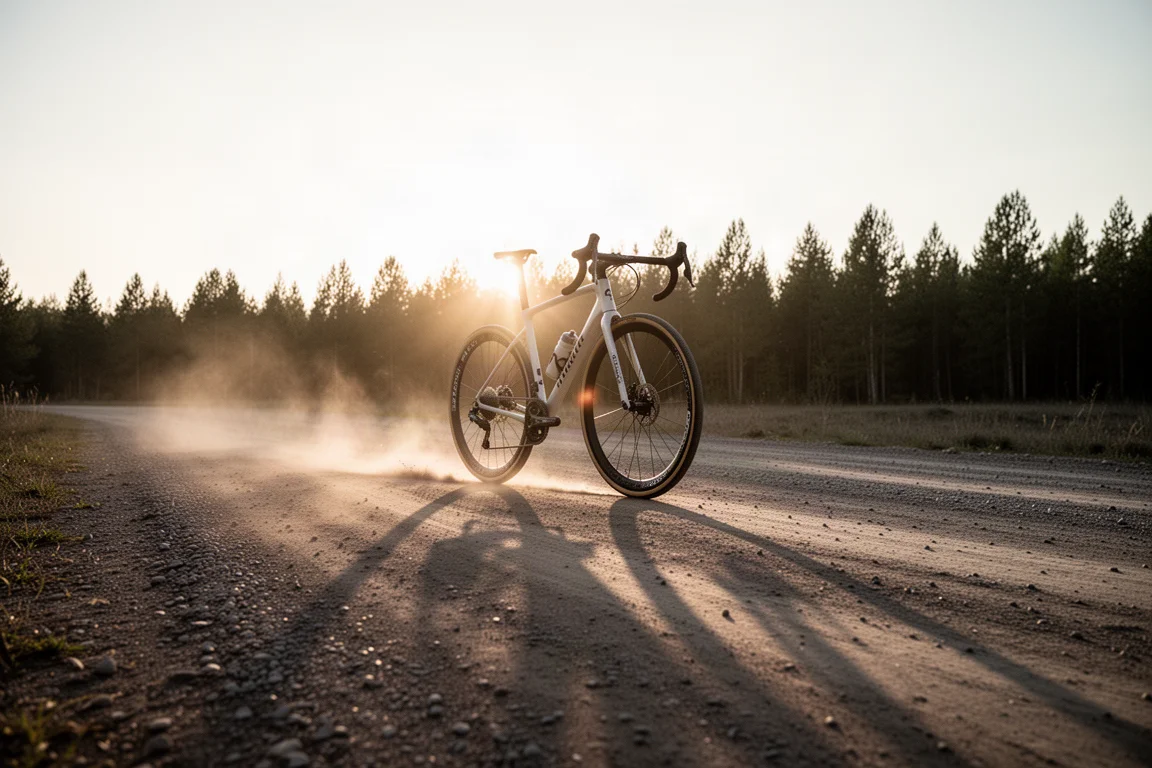
Riders who want to carry luggage, fit mudguards or explore rough, technical terrain are better served elsewhere, because the frame has no fork mounts and no fender mounts.
Frame and Design Changes
The most visible change is the top tube, which is now more sloped to increase standover clearance when the bike is being thrown around on singletrack. At the rear, the seat stays remain dropped for saddle compliance, the chain stays drop further than before, and the seat tube is curved to open up space around the rear tire.
Tire clearance rises from 40mm to 42mm on 700c wheels, with around 7.4mm of gap between the tire and the frame for mud to pass through. A 40mm tire comes fitted as standard, and there is visibly generous room around it, so a 45mm may well fit depending on the specific tire and rim combination, although that has not been confirmed.
A flip chip in the fork dropout carries over from the previous model. It maintains or adjusts fork trail when wheel or tire sizes change, and with a 40mm tire the trail sits at roughly 62mm, a long figure chosen to give stable, planted handling at speed over rough ground. The rear dropout now uses the SRAM UDH standard, so a broken or bent hanger is a simple off-the-shelf replacement, and the frame accepts SRAM T-Type transmissions such as an Eagle mullet setup.
Front end compliance comes from reduced head tube stiffness. Routing now runs fully internally through a D-shaped steerer, with a two-piece cockpit as standard and a one-piece option available, sharing the routing system used elsewhere in the range. The down tube is slimmer and feeds a T47 threaded bottom bracket with an external cup on the drive side and an internal cup on the non-drive side, so a Cervélo-specific unit is required. Practical touches include top tube bolts for a bento bag, a third bottle cage mount on the down tube and a bash guard protecting the carbon frame from rock strikes.
Ride Quality and Handling
Speed is the Áspero’s defining quality. On a repeatable test loop ridden at the same power output, the bike sat right alongside the Canyon Grail, the Scott Addict Gravel and the 3T RaceMax. It carries the same sense of speed as the original, and frame stiffness under hard climbing efforts is a particular strength, with power transfer that feels immediate when the gradient steepens.
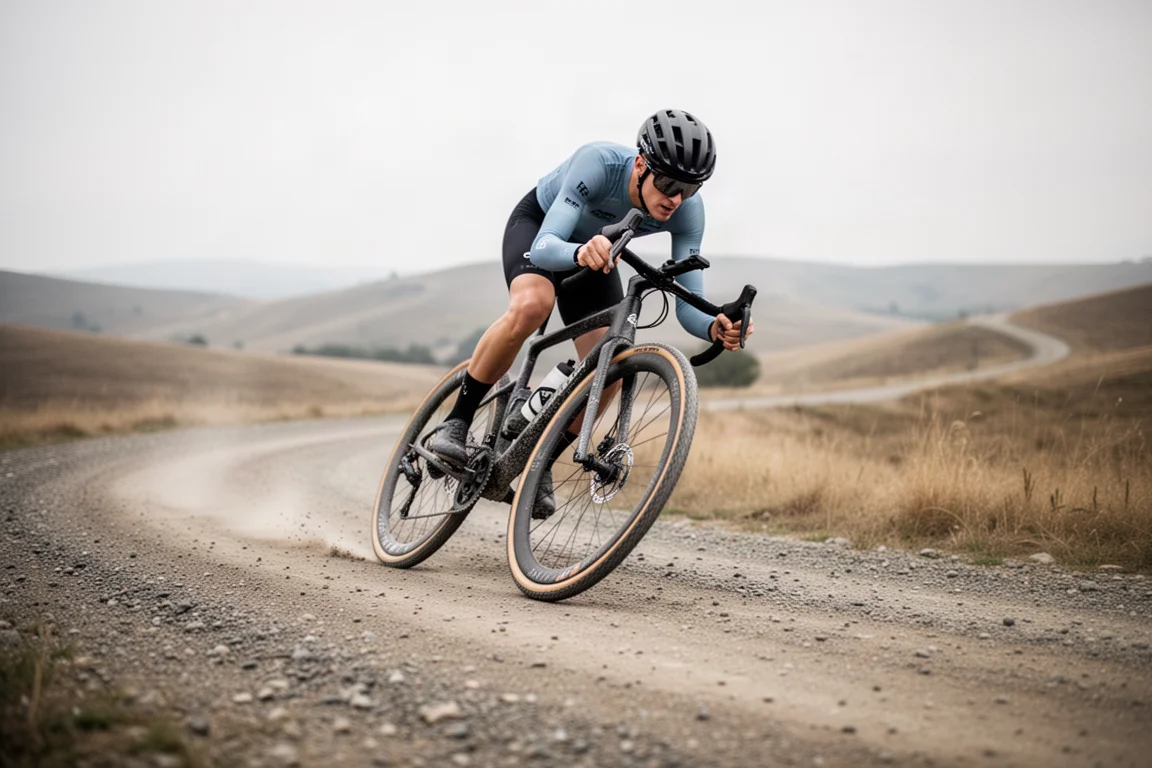
Handling is calm rather than lazy. Steering tracks predictably through mud and holds a line over hardpack at high speed, yet the bike stays nimble enough to change direction when a trail demands it. A longer wheelbase and longer chain stays than the previous model add a touch more stability, and the bottom bracket sits fairly high.
None of the geometry numbers are extreme. The angles and dimensions of this size 56 frame deliver dependable handling across a wide range of trail conditions rather than a single specialist feel.
Tire Clearance and Everyday Practicality
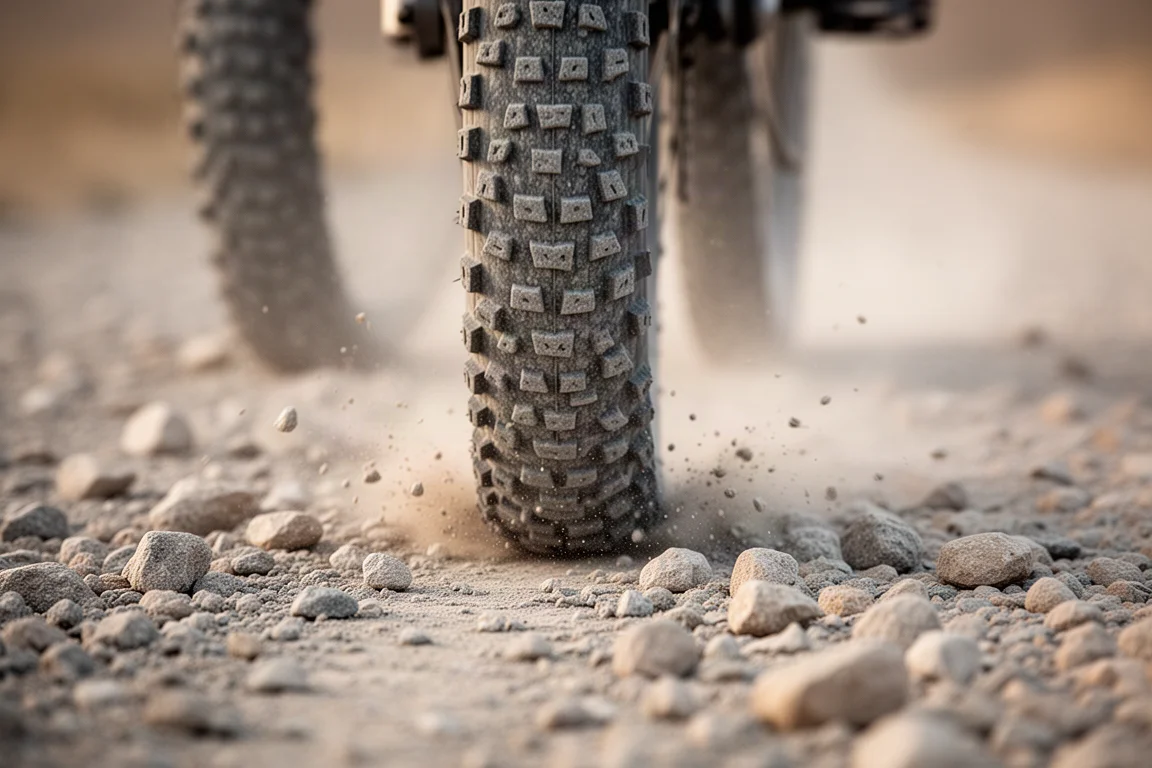
WTB Vulpine tires in 40mm come as standard, with a closely packed tread pattern that rolls quickly on dry, hardpacked surfaces. In mud the same tread offers limited bite, and loose, wet climbs demand careful control of power and body weight to avoid spinning out. That trade-off is inherent to a fast-rolling gravel tire, and riders in consistently wet conditions may prefer a more aggressive tread.
The 42mm official clearance is modest by current standards, and the frame lacks fork mounts and fender or mudguard mounts, so the Áspero is not a bikepacking platform. Within its intended use, however, the mounting points that are present make sense: bento bag bolts on the top tube, a third bottle position under the down tube and the bash guard for rocky terrain.
Weight, Pricing and Specification
On the scales, a size 56 build with pedals removed, a computer mount and a bottle cage came in at 8.5kg, or 18.14lb. That is neither remarkable nor heavy for a bike with a SRAM Rival specification, and the figure matters less than how the Áspero puts its weight to use on the road and on gravel.
Pricing starts at around £3,000 with a Shimano GRX groupset and climbs to £5,200 for the range-topping model, which pairs SRAM Rival AXS with Reserve carbon wheels, WTB Vulpine 40mm tires, a flared carbon handlebar, a carbon seatpost and a Prologo saddle. It is a well-equipped package for the money, although Canyon and Giant both offer comparable specifications for less, so the Áspero is not the value leader in this category.
Buyers weighing specification against price should compare groupset and wheel choices carefully, since the frame is shared across the range and the ride character stays broadly consistent from one build to the next.
Things to Consider Before Buying
Comfort is the area where the Áspero gives up ground. Cervélo claims the new frame is smoother than the old one, but in isolation the difference is hard to detect, and the bike rides firmer than the Canyon Grail, the Giant Revolt, the Cannondale Topstone and the GT Grade. The carbon seatpost helps take the edge off, yet this remains a bike tuned for pace rather than bump absorption.
Existing owners of the original Áspero have little reason to upgrade, because the updates refine the formula rather than change it. Riders who want frame storage, a sleeker bag solution, more comfort, more versatility or bigger tire clearance will find the Canyon Grail, the Giant Revolt and the Trek Checkpoint more convincing on those specific points.
Buying Advice
The Áspero makes the most sense for riders whose gravel riding is fast and race-oriented. Its geometry rewards riders arriving from road bikes, its frame details are easy to live with day to day, and it delivers the sense of pace that made the original model so enjoyable.
If your riding leans toward comfort, luggage capacity, wider tires or technical terrain, the case for choosing the Áspero is weaker. The wider gravel market offers more accommodating designs, and the updates here do not lift the bike clear of that competition.
Conclusion
The new Cervélo Áspero is a genuinely quick gravel bike with a coherent design and a set of sensible updates. It keeps everything that made the original appealing, adds modern standards such as the SRAM UDH dropout and a threaded T47 bottom bracket, and offers a fit that road riders will understand immediately.
Where it falls short is in comfort and versatility. Riders looking for a plusher ride, generous tire clearance or mounting options for bags and mudguards will find better matches elsewhere, and the price premium over comparable Canyon and Giant builds is worth weighing. As a fast gravel race bike for hardpack and dry conditions, however, the Áspero still delivers.
Product link
View more details for Cervélo Áspero
This product is mentioned in the review. Check the specifications, options, and compatibility before buying.
View more details for Cervélo ÁsperoFurther reading
Related Reviews
Gravel Bikes
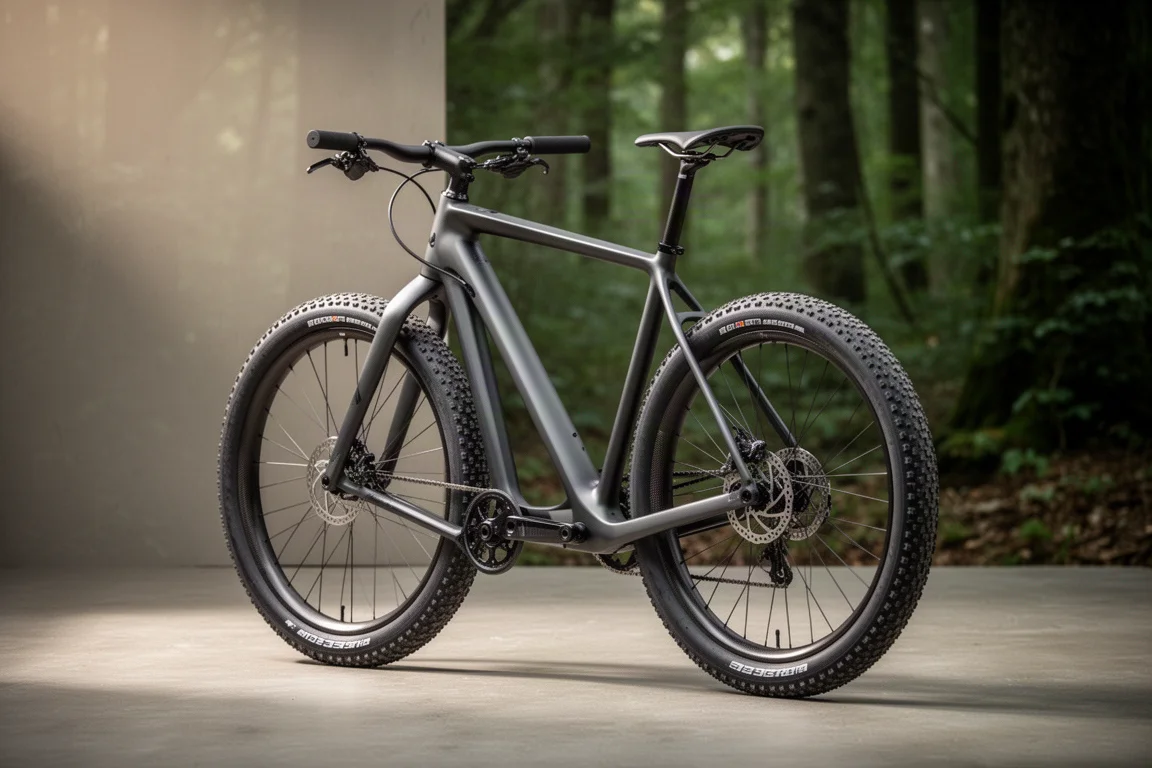
3T Exploro Ultra Review: A Fast Gravel Bike Built for Big Tyres
A close look at the 3T Exploro Ultra, an aero carbon gravel bike designed around wide tyres, with road-like handling, a 980 g frame and genuine rough-terrain capability.
Gravel Bikes
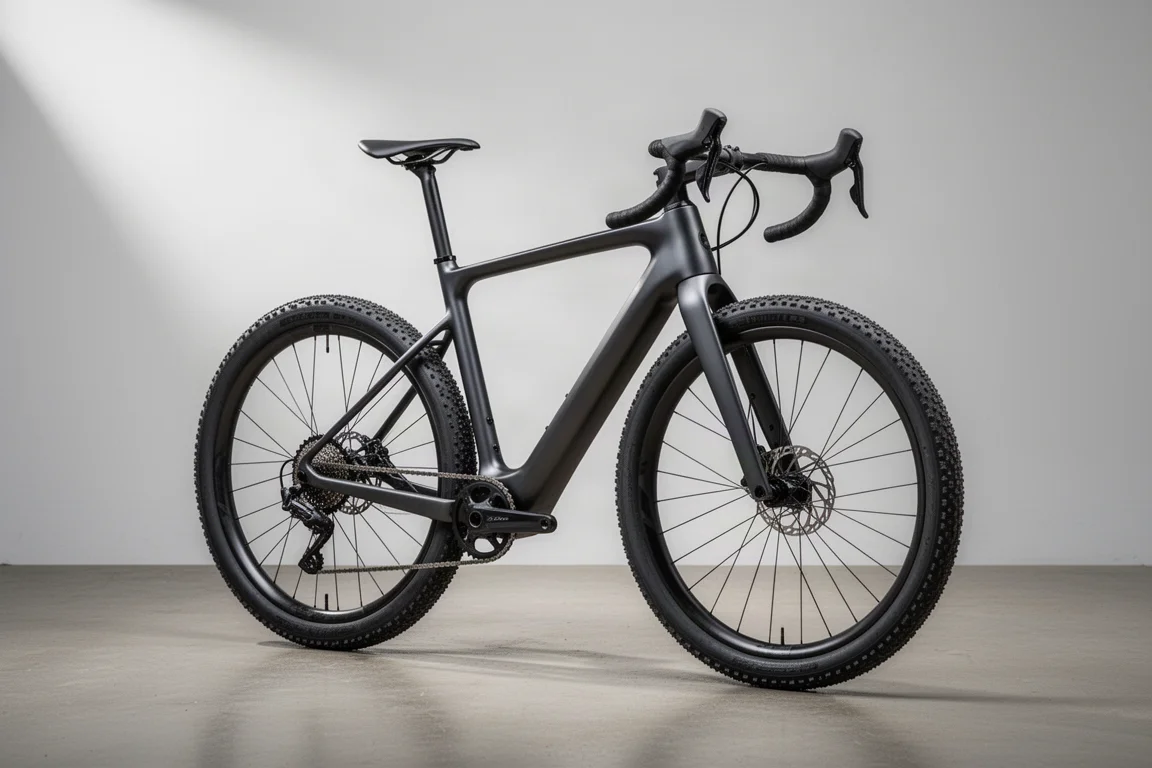
3T Extrema Italia Review: Aero Gravel Speed With Room for 57 mm Tires
The 3T Extrema Italia pairs an aero frame with huge tire clearance, Italian-made carbon and a more comfortable ride than the RaceMax. Here is what to know before buying.
Gravel Bikes
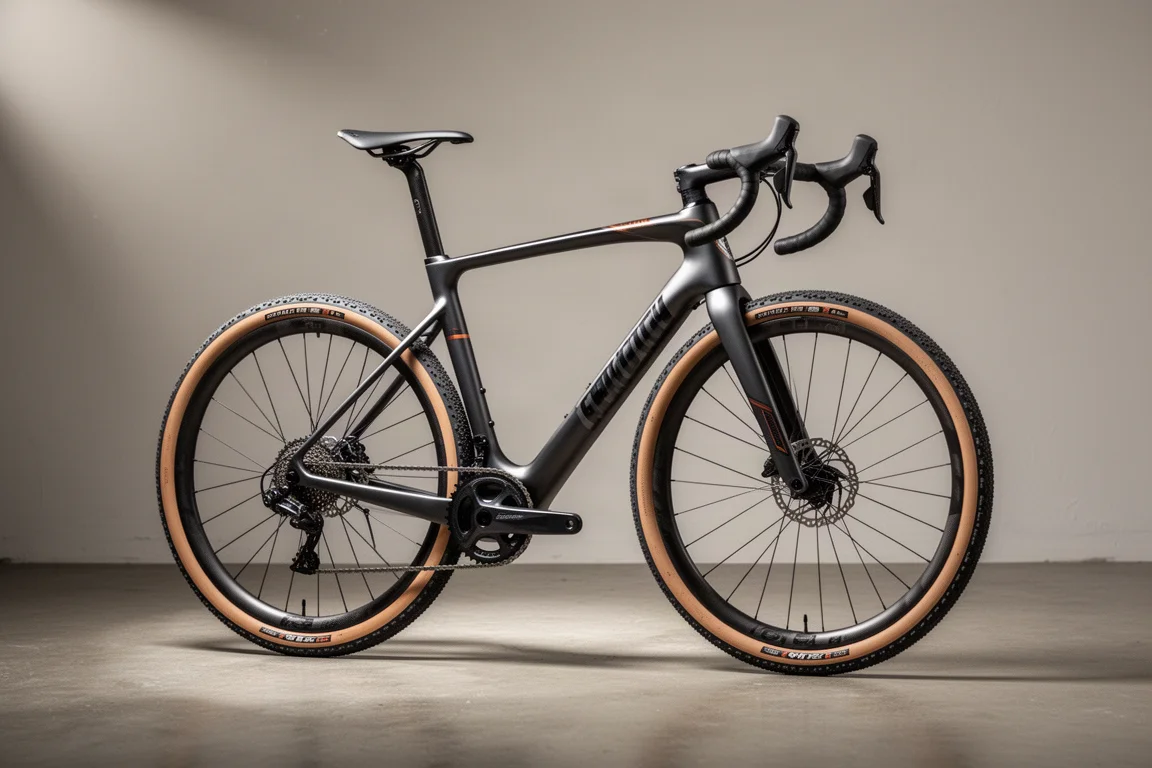
3T Race Max 2 Italia Review: An Aero Gravel Race Bike Made in Italy
A closer look at the second-generation 3T Race Max 2 Italia, covering its aero updates, ride character, tire clearance, internal storage and who it suits.