Gravel Bikes
Cell Asaro Gravel Bike Review: Fast, Focused and Firmly Race-Ready
An updated carbon gravel race bike with a sloped top tube, 42mm tyre clearance and a SRAM UDH dropout. Here is how the Cell Asaro rides and who it suits.
Introduction
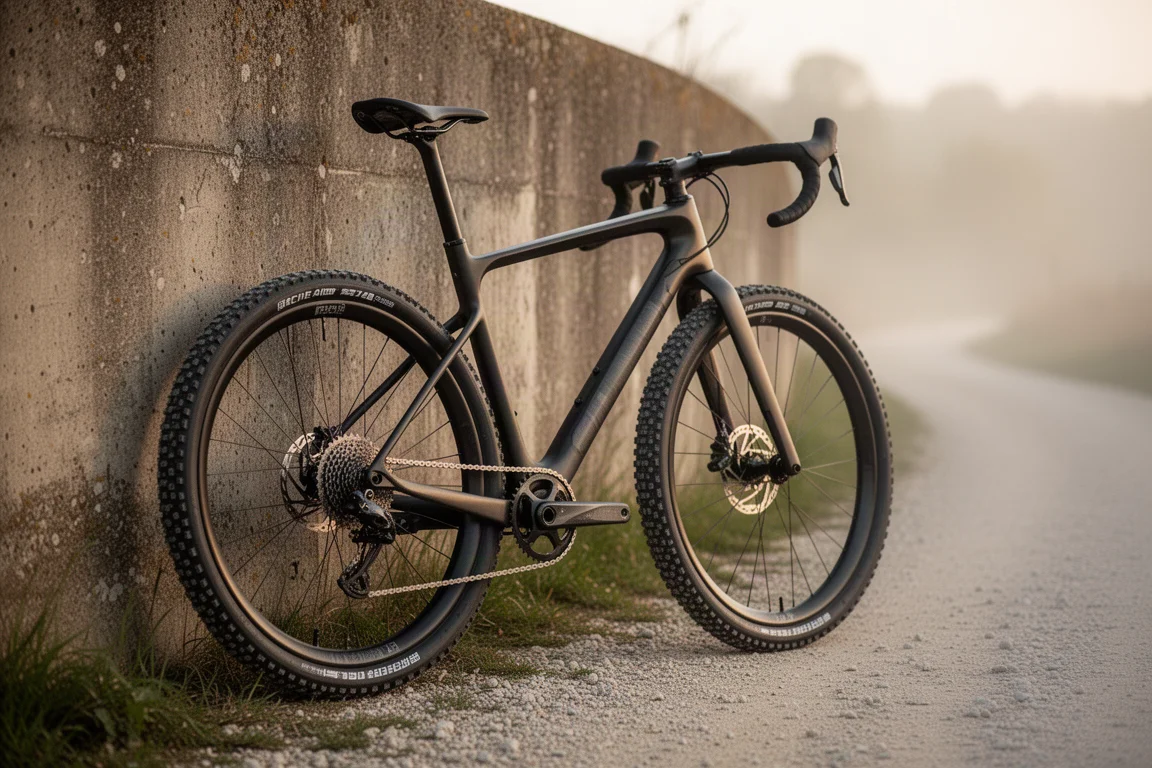
The Cell Asaro has been part of the gravel landscape since the original launched in 2019, and the latest version keeps that recognisable silhouette while reworking several important details. Cell describes the new bike as faster, smoother and more versatile, and the changes are easy to spot once you look closely: a more sloped top tube, deeper dropped chain stays, a curved seat tube and a move to a SRAM UDH rear dropout.
Pricing runs from around £3,000 for a Shimano GRX build up to £5,200 for the range-topping model with a SRAM Rival AXS groupset. This is a bike built around speed and racing rather than loaded touring, so the real question is whether the updates do enough to keep it competitive.
Who the Asaro Is Built For
The Asaro suits riders who treat gravel as a fast surface rather than a touring one. Its fit feels close to an endurance road bike, which makes it a natural step for road riders moving onto mixed surfaces, and the geometry is largely carried over from the previous model. Compared with a Canyon Grail, the stack is lower and the reach slightly shorter, with a long top tube paired to a short stem.
It is not a bikepacking platform. There are bolts on the top tube for a bento bag and a third bottle cage position on the down tube, along with a neat bash guard to protect the carbon frame from rock strikes, but there are no fork mounts and no fender or mudguard mounts.
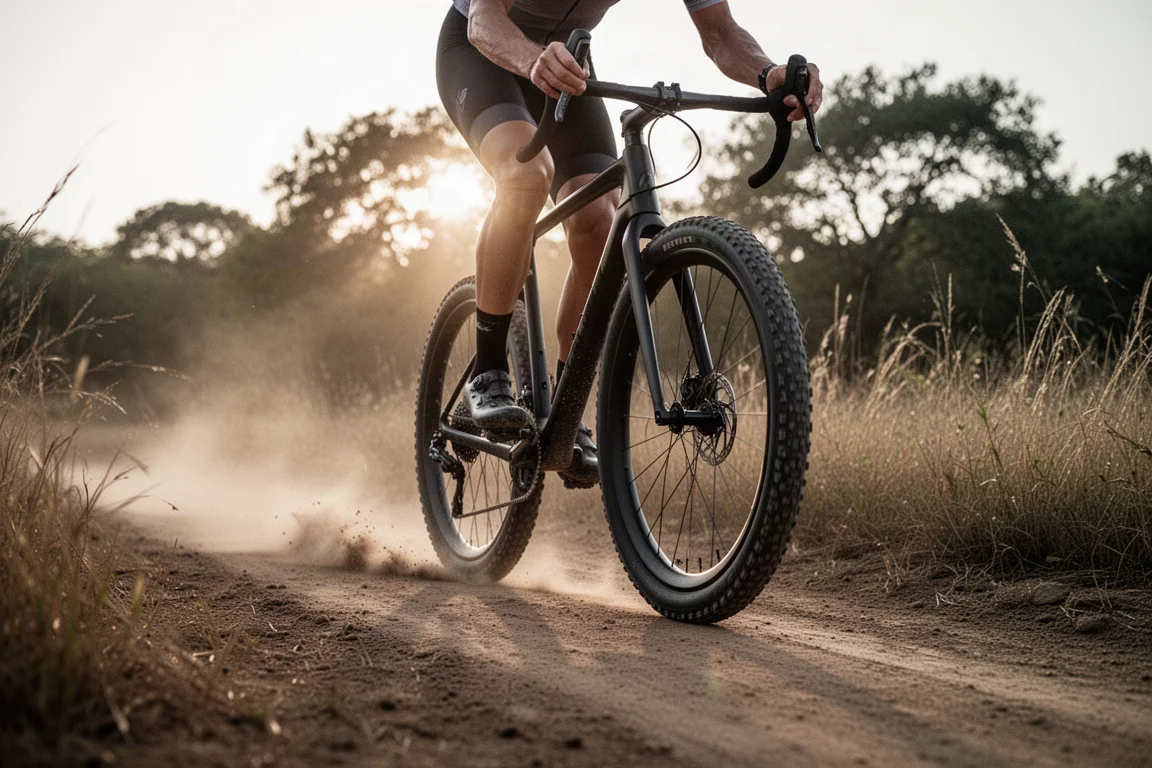
That combination points to a rider who wants pace on hardpacked and dry trails, and long gravel race days, rather than a bike loaded up for multi-day trips.
Main Strengths
Frame Design and Tyre Clearance
The updated frame keeps the dropped seat stays of the original for saddle compliance, but the chain stays are dropped further and the seat tube is now curved to open up space at the back of the bike. Tyre clearance rises from 40mm on a 700c wheel to 42mm, and Cell claims up to 7.4mm of gap between rubber and frame for extra mud clearance.
The fork dropout retains a flip chip, a detail carried over from the previous model. With the standard 40mm tyres fitted, fork trail sits at around 62mm, a deliberately long figure chosen to give stable, planted handling at speed over rough ground. The chip also lets you maintain trail if you switch to a smaller wheelset, or adjust it to suit a narrower tyre.
At the rear, the SRAM UDH dropout turns the mech hanger into a single easily replaced standard, and it opens the frame up to SRAM T-Type transmissions such as an Eagle mullet setup. Up front, stiffness at the head tube has been reduced to add a little more front end compliance. A threaded T47 bottom bracket replaces press-fit, though Cell uses an external cup on the drive side and an internal cup on the non-drive side, so a standard off-the-shelf T47 unit will not fit.
Ride Quality and Speed
The bike is quick. Across a repeatable test loop ridden at the same power output, the Asaro sits right alongside other fast gravel race bikes. Frame stiffness under hard climbing efforts stands out, and power transfer feels immediate when the gradient steepens.
Handling is on the calm side rather than twitchy. Steering is not lazy, but it is easy to control through mud and over hardpacked trails at speed, and it stays nimble enough to change direction when a trail demands it. A slightly longer wheelbase and chain stays make it a touch more stable than the original, and the bottom bracket remains fairly high.
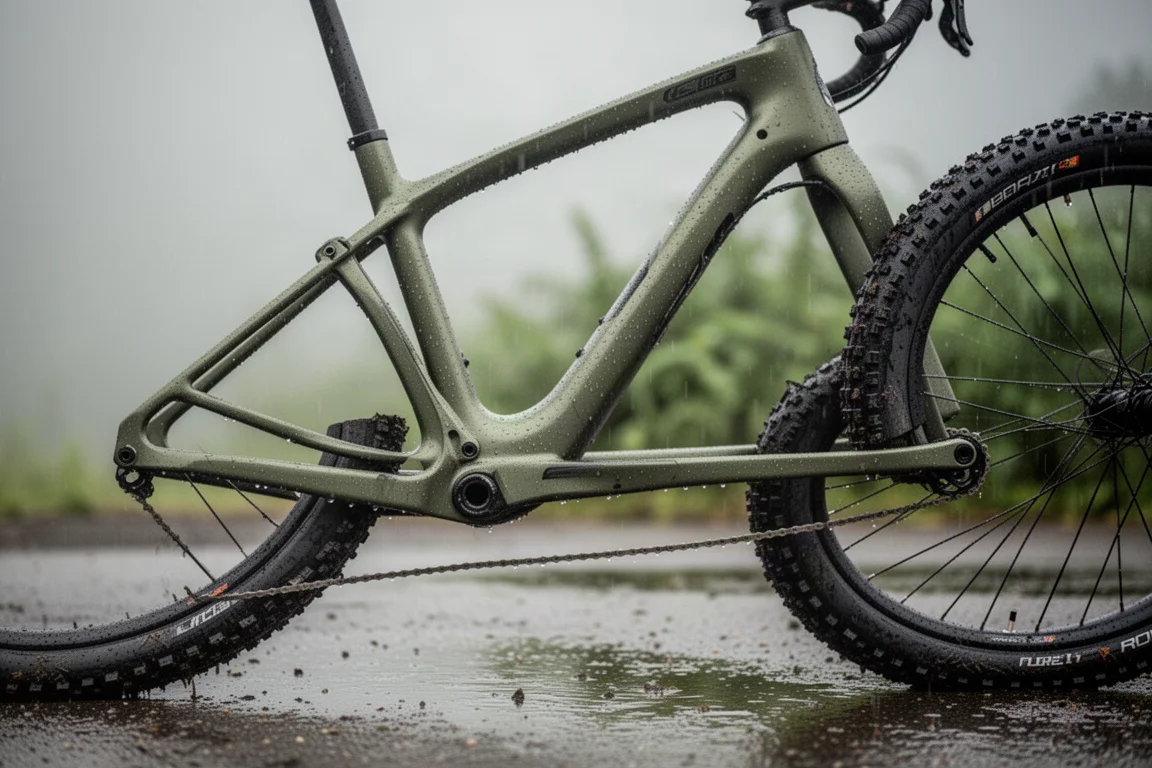
The 40mm WTB Vulpine tyres fitted as standard reinforce that speed-first character. Their closely packed tread rolls well on dry, hardpacked surfaces but gives up grip in mud, where power delivery and weight balance need managing to avoid spinning out on a loose climb.
Component Highlights
The range-topping build is well equipped: Cell’s own carbon Reserve wheels, WTB Vulpine tyres in a 40mm width, a flared carbon handlebar, a carbon seat post and a Prologo saddle. Cables and hoses are fully internal, routed through a D-shaped steerer tube using the same system found on Cell’s other models, and it is compatible with those bikes as well. The setup is two-piece, but a one-piece bar and stem can be fitted if you want the brake hose fully hidden.
On the scales, a size 56 with the pedals removed and a computer mount and bottle cage left in place weighed 8.5kg (18.14 lb). That is a reasonable figure for a bike with a SRAM Rival specification, neither remarkably light nor unusually heavy.
Things to Consider Before Buying
Tyre Choice and Traction
Forty-two millimetres of official clearance is a modest step up, and the frame leaves enough room that a 45mm tyre may well fit, though that will depend on the specific tyre and rim combination. For a bike designed around high-speed racing on dry surfaces, a narrower tyre is arguably all you need.
Tyre choice also varies enormously by region. A fast, closely packed tread that works beautifully on dry hardpack is a poor match for the mud, roots and rocks that define many trails in wetter climates, and swapping tyres is the simplest way to change the bike’s character.
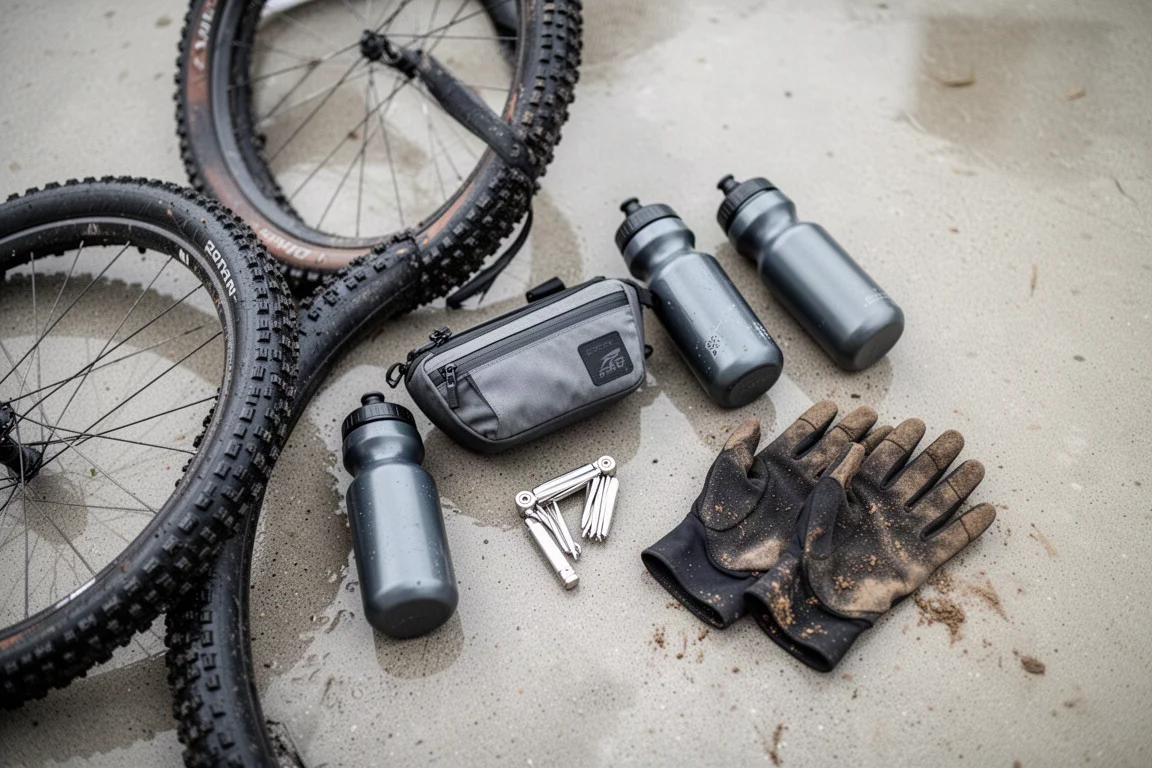
If your riding regularly involves loose, muddy climbs, it is worth budgeting for a second set of tyres with a more open tread.
Comfort and Positioning in the Market
Cell says the new Asaro is smoother than the old bike, but without a direct back-to-back comparison that difference is hard to confirm. What is clear is that it rides firmly. The carbon seat post helps, and a 27.2mm post with an external seat clamp keeps setup and saddle changes straightforward, but the Asaro is not as bump-taming as several rivals in the category.
The gravel market has also moved on considerably since 2019. Bikes with frame storage and integrated bag solutions, or with greater comfort, more versatility and bigger tyre clearance, now occupy space the Asaro once owned. The updates here preserve what was good about the original without pushing the design dramatically forward. For anyone already riding the previous Asaro, the changes are unlikely to justify an upgrade on their own.
Buying Advice
The range starts at around £3,000 with a Shimano GRX groupset and runs to £5,200 for the SRAM Rival AXS model, which also brings the carbon Reserve wheels, carbon bar and carbon seat post. There are builds mixing Shimano and SRAM across the range as well.
Value is decent rather than outstanding. Cheaper bikes from Canyon and Giant offer similar specifications and configurations, so the Asaro is not the sharpest value option available. What you are paying for is a proven, speed-focused platform with sensible standards: a replaceable UDH hanger, a threaded bottom bracket, an external seat clamp and full internal routing.
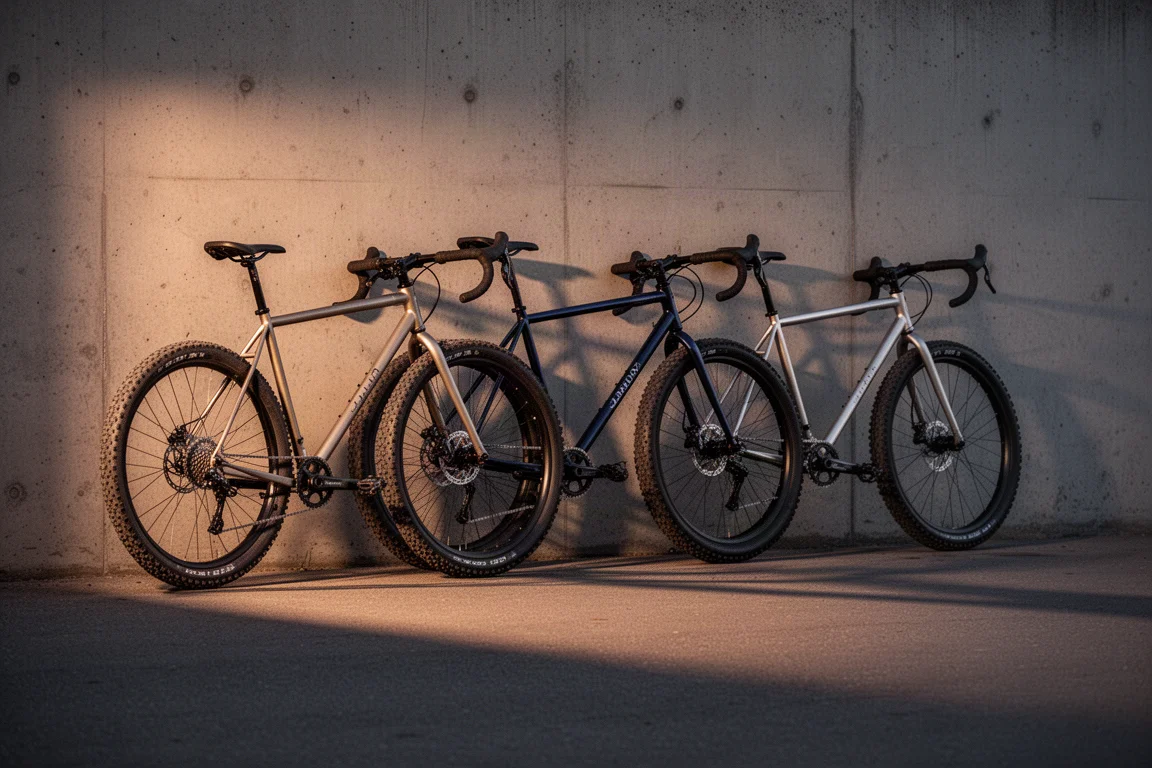
If your priorities are pace on dry, hardpacked trails and a fit that feels close to an endurance road bike, the Asaro delivers exactly that. If you want more comfort, more mounting points or room for wider tyres, other bikes in the category will serve you better.
Conclusion
The new Cell Asaro remains a genuinely quick gravel bike. The sloped top tube, deeper dropped chain stays and curved seat tube are useful refinements, the UDH dropout future-proofs the frame for modern drivetrains, and the ride still carries the sense of speed that made the original so appealing.
It is not the plushest or most versatile option, and its updates feel more like careful evolution than a bold step. Riders chasing speed and race-day performance on hardpacked trails will find a lot to like. Those who want comfort, cargo capacity or bigger tyre clearance should look more widely before deciding.
Product link
View more details for Cell Asaro
This product is mentioned in the review. Check the specifications, options, and compatibility before buying.
View more details for Cell AsaroFurther reading
Related Reviews
Gravel Bikes
3T Exploro Ultra Review: A Fast Gravel Bike Built for Big Tyres
A close look at the 3T Exploro Ultra, an aero carbon gravel bike designed around wide tyres, with road-like handling, a 980 g frame and genuine rough-terrain capability.
Gravel Bikes
3T Extrema Italia Review: Aero Gravel Speed With Room for 57 mm Tires
The 3T Extrema Italia pairs an aero frame with huge tire clearance, Italian-made carbon and a more comfortable ride than the RaceMax. Here is what to know before buying.
Gravel Bikes
3T Race Max 2 Italia Review: An Aero Gravel Race Bike Made in Italy
A closer look at the second-generation 3T Race Max 2 Italia, covering its aero updates, ride character, tire clearance, internal storage and who it suits.