Telescopes
Celestron StarSense Explorer DX5 SCT Review: A Compact Telescope That Finds Targets for You
A Schmidt-Cassegrain telescope with a smartphone-guided alignment system, easy setup, and the flexibility to grow from planetary viewing to imaging.
Introduction
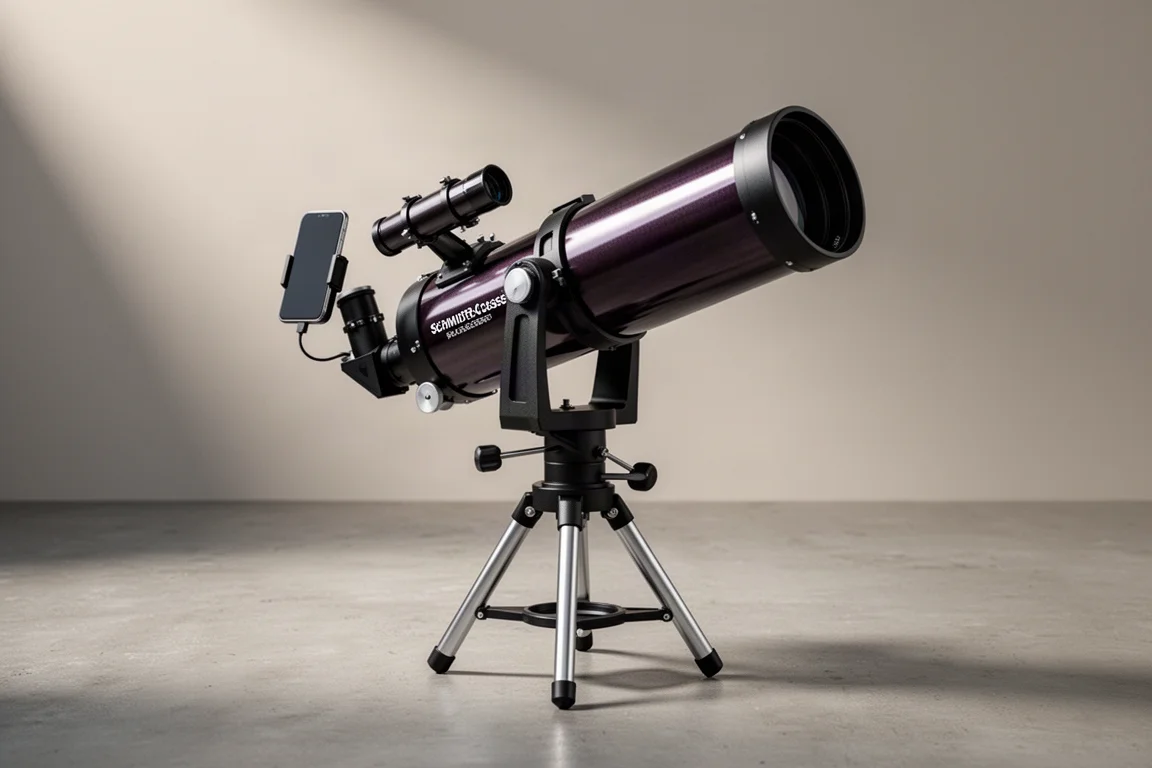
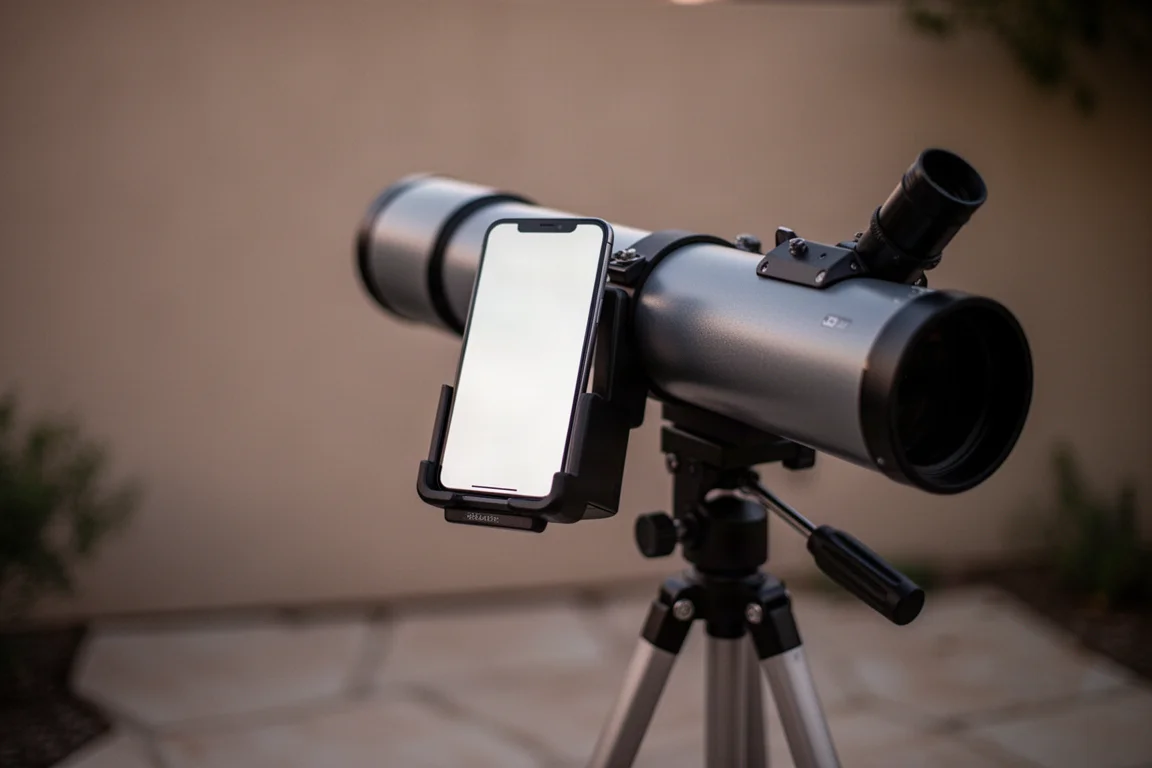
The Celestron StarSense Explorer DX5 SCT is a Schmidt-Cassegrain telescope built around an idea that genuinely changes how beginners experience stargazing: your phone does the hard part of finding objects in the sky. The StarSense Explorer system uses your phone’s camera to identify stars and align the telescope’s position, then guides you to targets precisely.
This is a relatively large aperture telescope that stays super compact and ready for adventure, which is exactly the combination many first-time buyers are looking for. After extended hands-on time, including a bitterly cold night of observing, this scope proved adaptable, easy to set up, and genuinely fun to use.
Who This Product Is For
This telescope suits anyone who wants a capable, compact instrument without wrestling with star charts or complicated alignment routines. If you have ever felt intimidated by finding planets or deep sky objects manually, the phone-guided system removes most of that friction.
It also works well for families and casual observers: the included erect image diagonal corrects the mirror-image view inherent to this type of telescope, so it can be used for terrestrial observations too, not just night sky targets.
Setup and What’s in the Box
Assembly is straightforward, with a few unique touches worth knowing about. There is an Allen wrench hidden in the mount, included for attaching the slow motion controls. These controls can loosen over time and occasionally need tightening, so keeping that wrench handy is smart. The StarSense dock attaches easily and is also removable for travel.
Beyond the telescope, tripod, and StarSense Explorer dock, the box includes:
- A 25mm eyepiece offering 50x magnification
- A 10mm eyepiece offering 125x magnification
- An erect image 90-degree diagonal for terrestrial viewing
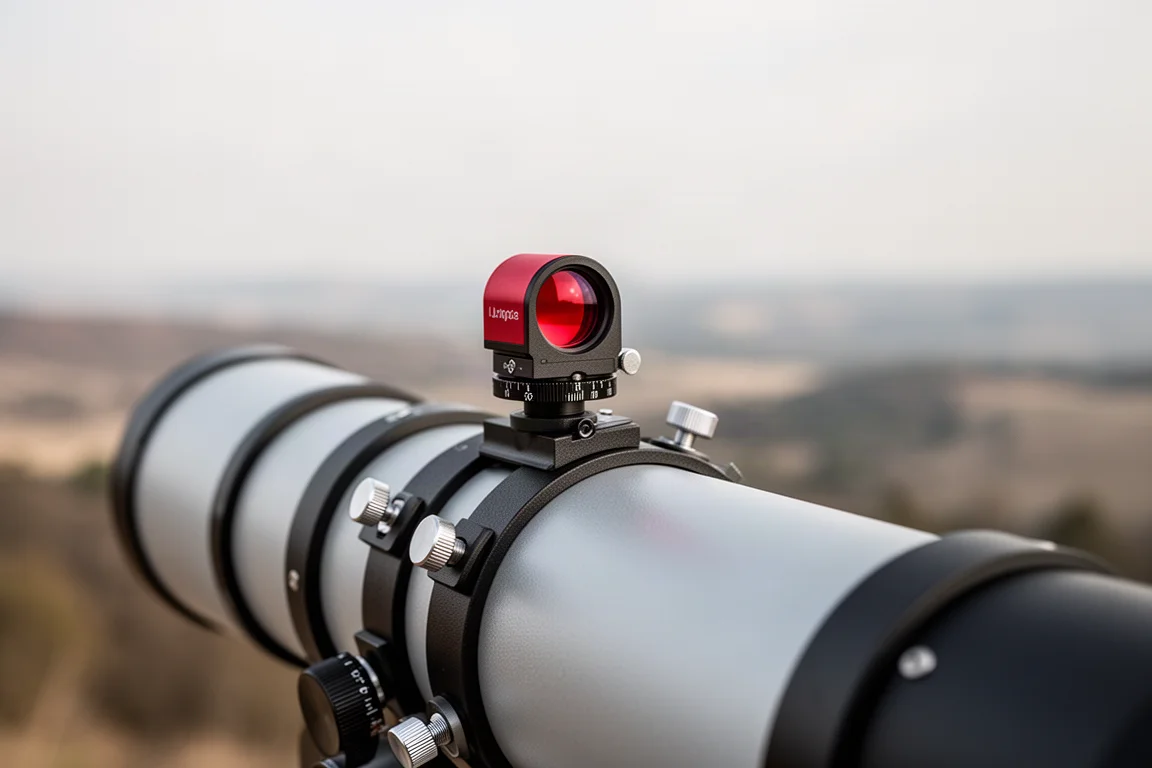
- A red dot finder to assist with alignment and manual object finding
- A unique code that activates the StarSense app
How the StarSense Alignment Works
Before your first night out, align the finder with the telescope. Turn the finder on with its knob, point the telescope at a distant object such as a chimney, center it, then use the finder’s adjustment knobs to center the same object in the finder. Move back and forth between the two until they point at precisely the same spot.
At night, open the StarSense app and hit “Needs Alignment.” First-time users get a series of walkthrough videos, accessible again anytime through the help button. You center the phone over the camera, center an object like Jupiter in the finder and then in the eyepiece itself, then pinch on the phone screen to align that object precisely onto the crosshairs. Once confirmed, the system knows exactly where the telescope is pointed.
Finding targets is then delightfully simple. Search for a planet, hit Locate, push the telescope with two hands toward the target, and when the StarSense indicator turns green, the object is centered in the eyepiece. The system does not need realignment when you move the telescope, which makes hopping between targets, even ones briefly hidden behind a neighbor’s house, effortless.
Observing Planets and Deep Sky Objects
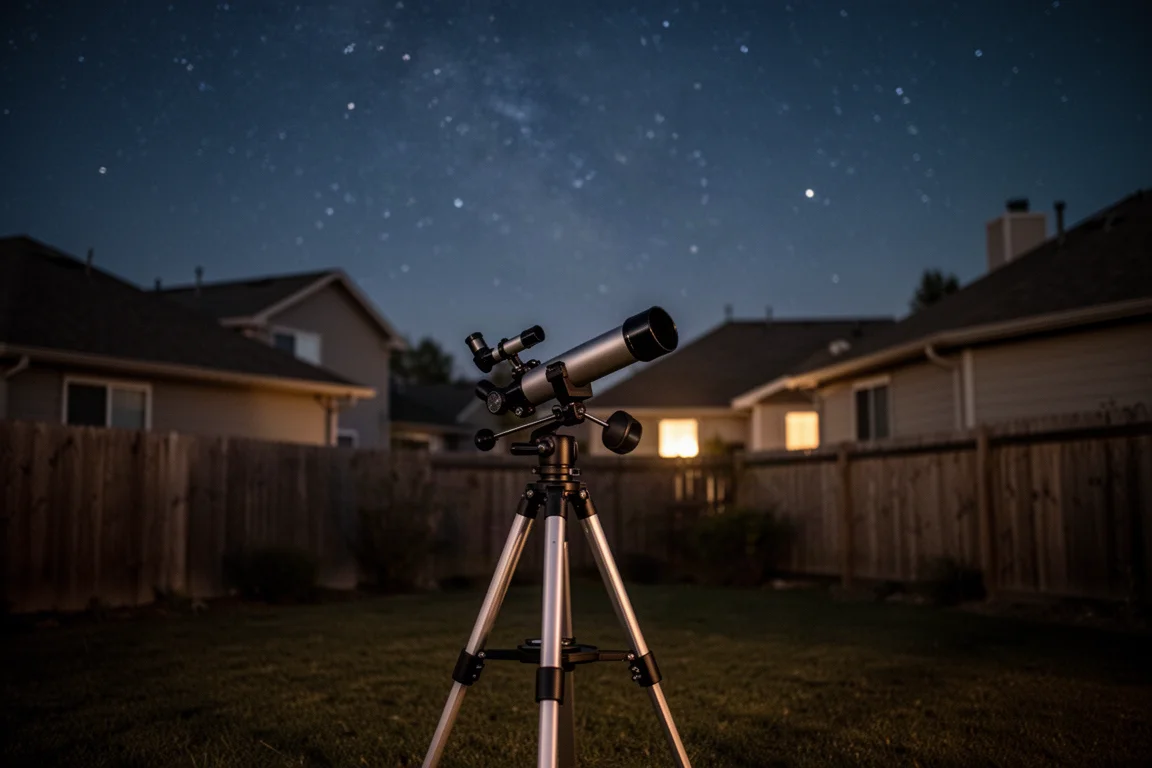
SCT telescopes are known for their epic views of the planets, and this one delivered. Saturn was observed perfectly centered in the eyepiece, and Jupiter offered enough detail to justify recording video through the app for later processing. With the Pleiades, the telescope showed slightly too much magnification for a wide cluster view, though the slow motion controls made repositioning easy.
On the Orion Nebula, under poor light pollution, averted vision, which means looking just to the side of the target, brought out genuine visible detail in the nebula. That is a meaningful result from a suburban backyard.
For imaging, the workflow is approachable: remove the eyepiece, attach a dedicated planetary imaging camera, record a short video on a laptop or phone, then stack the frames into a single sharpened image. A six-second video of Jupiter was enough to produce a satisfying planetary shot after adjusting sharpness and contrast.
Customization and Long-Term Flexibility
One of this telescope’s biggest strengths is how adaptable it is. It accepts 2-inch eyepieces for more immersive views: swap the included visual back for a 2-inch version, add a 2-inch diagonal, then your 2-inch eyepiece of choice.
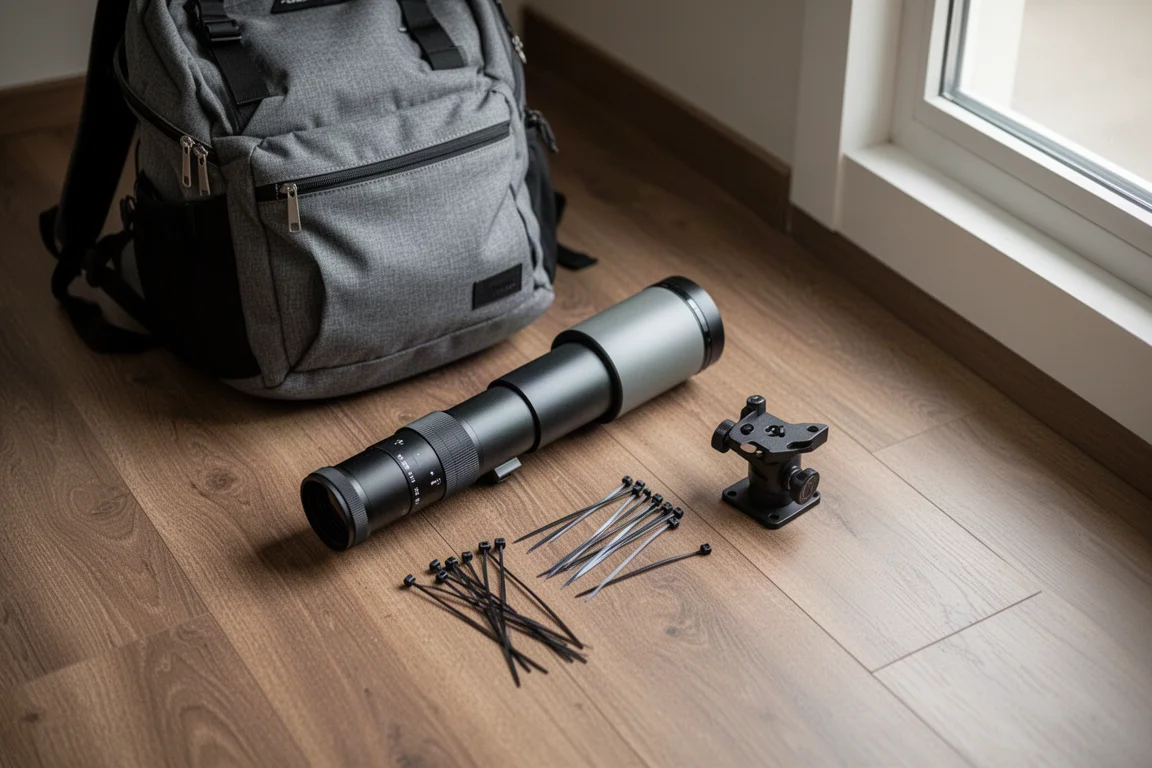
It also converts into a remarkable travel scope. In one configuration, the telescope was mounted to an inexpensive children’s Dobsonian mount, with the StarSense system zip-tied firmly to the telescope’s dovetail bracket, making the whole setup compact enough to fit in a backpack.
How It Compares
Some astronomers joke that telescopes like this SCT contain a little pixie dust, claiming their performance seems better than their specifications imply. In a direct comparison against a well-collimated Newtonian and an F10 refractor, all three with matching focal ratios and similar light collecting area, observing both Mars and the Orion Nebula with the same eyepiece produced nearly identical performance across all three.
Yet when asked which single telescope to bring to a stargazing event, the answer was clear: the StarSense Explorer SCT. Its compact size combined with the StarSense Explorer system makes it the ideal telescope for visual astronomy in its class.
Buying Advice
If you are new to stargazing and want a telescope that will not leave you lost in the dark, this is a compelling choice. The guided finding system, planetary performance, imaging capability, and genuine portability give it room to grow with you. If you already own a well-tuned manual telescope and do not value the guided workflow, the optical performance alone may not justify the switch. For everyone else, especially first-time and family buyers, the DX5 SCT makes the night sky far more accessible.
Conclusion
The Celestron StarSense Explorer DX5 SCT combines a compact Schmidt-Cassegrain optical design with a phone-guided alignment system that genuinely works. Easy assembly, useful included accessories, strong planetary views, and impressive versatility, from 2-inch eyepieces to backpack travel setups, make it one of the most approachable serious telescopes in its class. The future is looking up.
Product link
View more details for Celestron StarSense Explorer DX5 SCT
This product is mentioned in the review. Check the specifications, options, and compatibility before buying.
View more details for Celestron StarSense Explorer DX5 SCTFurther reading
Related Reviews

Telescopes
Sightron SJ75 UF and Sky-Watcher HS125: Two Telescopes Worth Watching
A look at two notable telescopes from a recent camera and optics expo: a sharp new astrograph from Sightron Japan and a compact fast reflector from Sky-Watcher.

Telescopes
SV503 102ED Review: A Budget 102mm Refractor That Surprises
The SV503 102ED is an affordable 102mm doublet refractor that delivers surprisingly decent star shapes and a smooth focuser, despite some chromatic aberration and light falloff.

Telescopes
SVBony MK127 Review: A Compact Maksutov-Cassegrain That Surprises
The SVBony MK127 is a 127mm Maksutov-Cassegrain telescope with a unique 0.65x reducer, making it a versatile option for visual astronomy and even some deep-sky imaging.