Telescopes
Celestron NexStar 8SE Review: A Go-To Schmidt Cassegrain Built for Planetary Viewing
An 8-inch go-to Schmidt Cassegrain with a 2032mm focal length, optical coatings, and a no-fuss design that makes it a strong pick for viewing the planets.
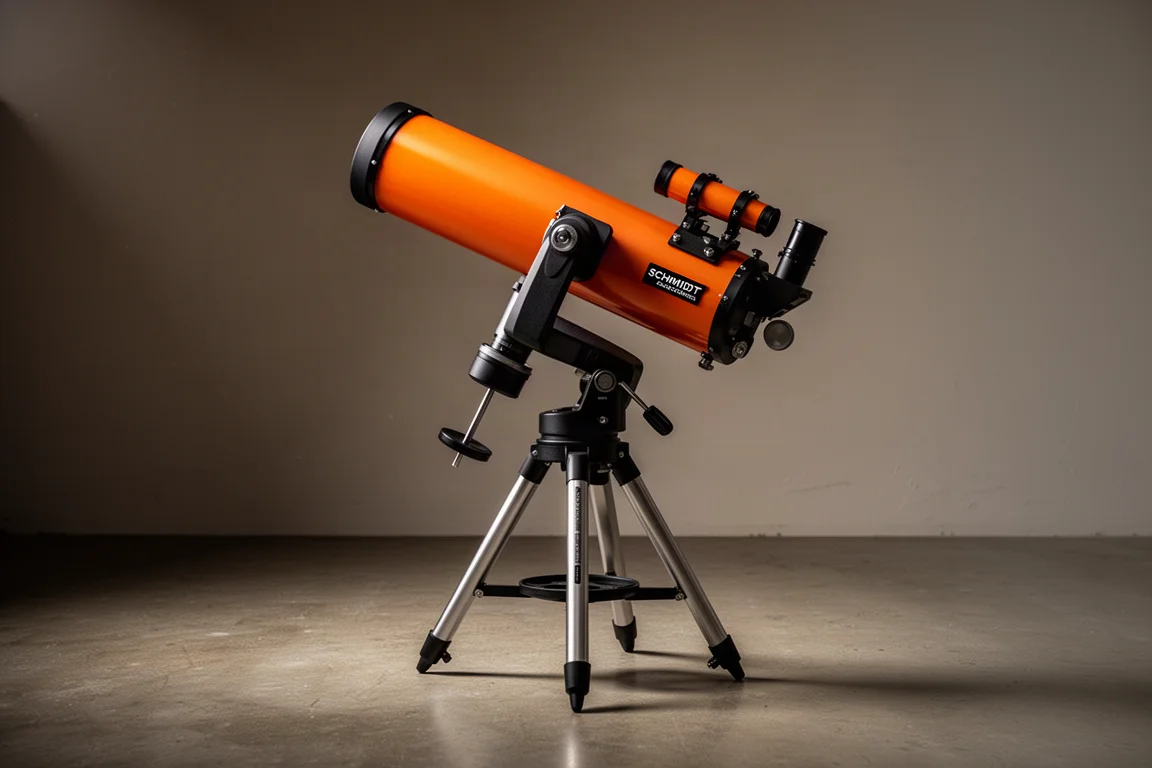
Introduction
Many people’s first real look through a telescope comes from the Moon or one of the gas giants like Jupiter and Saturn, and seeing those objects in genuine detail can be deeply memorable. The challenge is choosing an instrument that actually delivers that experience. The best telescope for planetary viewing needs a specific combination of attributes: enough aperture to gather light, a long focal length for high magnification, and an optical design that stays easy to live with.
By that measure, one telescope stands out as a single, clear recommendation: the Celestron NexStar 8SE.
Who This Telescope Is For
The NexStar 8SE suits anyone who wants serious planetary and lunar views without wrestling with a complicated setup. Its fully computerized go-to mount finds objects for you, which matters more than beginners expect when planets drift across the sky. If your goal is crisp views of the lunar surface, the bands of Jupiter, or the rings of Saturn, this is the kind of instrument designed for exactly that.
It is also a reasonable entry point for anyone curious about basic astrophotography later on, since the same platform supports planetary imaging with the right camera.
What Makes It Good for Planets
Three attributes drive the recommendation, and the NexStar 8SE checks all of them.
Aperture. Aperture size is one of the most important factors in a telescope’s light-gathering ability. The larger the aperture, the more light the telescope collects, producing brighter and more detailed views through the eyepiece. At 8 inches, the NexStar 8SE offers an excellent balance of light gathering and portability, which is a big part of why this design is so widely recommended for planetary viewing.
Focal length. The NexStar 8SE has a focal length of 2032mm. That means that with any given eyepiece, you can push magnification higher on the planets and the lunar surface, and that is where the fine detail really starts to appear.
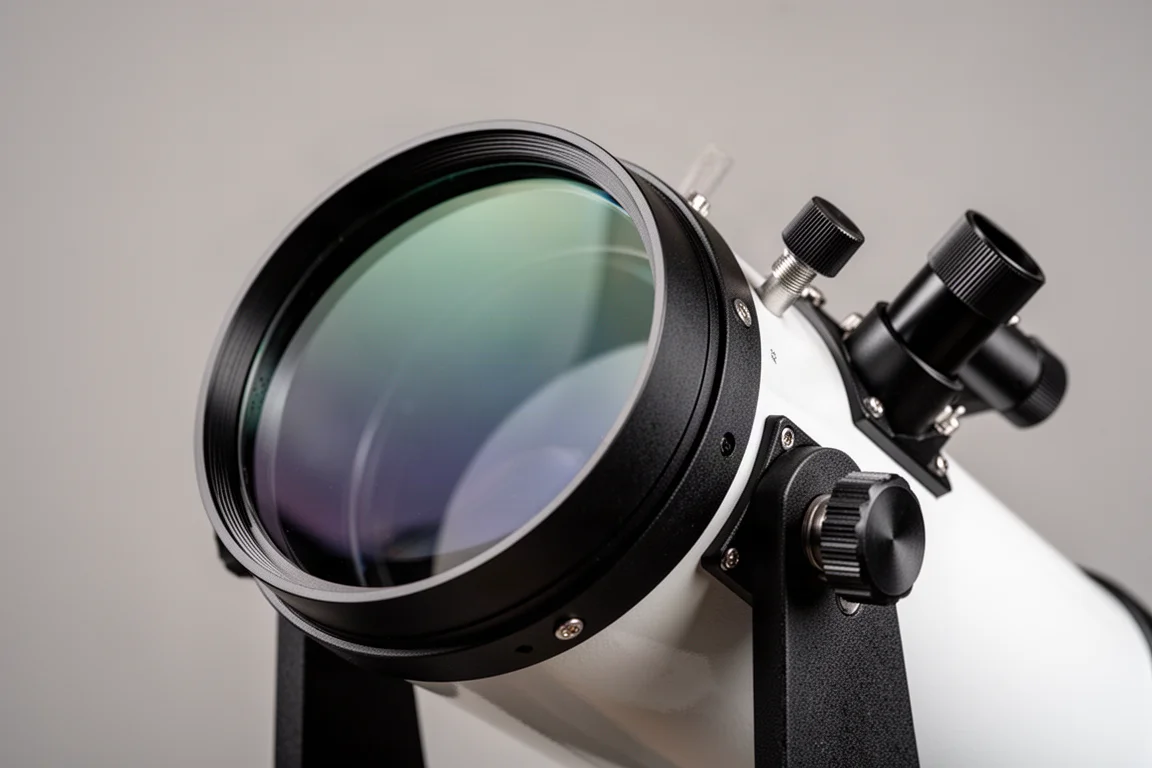
Schmidt Cassegrain design. Schmidt Cassegrain telescopes are known for their advanced optics and coatings, and the NexStar 8SE carries optical coatings designed to increase light transmission. The compact design makes it easy to transport and set up, and these telescopes require minimal maintenance. For anyone who wants a no-fuss route into planetary viewing, that combination of optical quality and convenience is hard to beat.
Accessories That Make a Difference
Several accessories pair well with the NexStar 8SE if you want to get more out of viewing or planetary imaging.
The Apertura SWA eyepiece kit includes four premium eyepieces designed for wide-angle views of the night sky, with comfortable eye relief and sharp, clear images of the planets and the lunar surface.
Because go-to telescopes need power, a portable battery is worth planning for before you head out to dark skies. The Apertura Portable Power Supply is a lightweight rechargeable battery pack that can power the telescope, plus smartphones, tablets, and other USB-powered devices.
If planetary imaging is the goal, a dedicated planetary camera is the next step. These cameras use high frame rates and high sensitivity to capture impressive planetary images.
One accessory that is genuinely near-essential: a dew heater strip. With a Schmidt Cassegrain, the corrector plate sits front and center, and on humid nights dew will settle on it. A dew heater prevents that build-up on the optics, and the Apertura Dew Heater Strip is available in the exact size needed for the 8SE.
Celestron also makes accessories designed specifically for its go-to telescope series, including a Wi-Fi dongle, a GPS module, and StarSense AutoAlign, all of which are compatible with the 8SE.
Buying Advice
The NexStar 8SE is one of the most beloved telescopes of its kind, and the enthusiasm is easy to understand: a capable 8-inch aperture, a long 2032mm focal length, quality Schmidt Cassegrain optics, and a computerized mount in a compact, low-maintenance package.
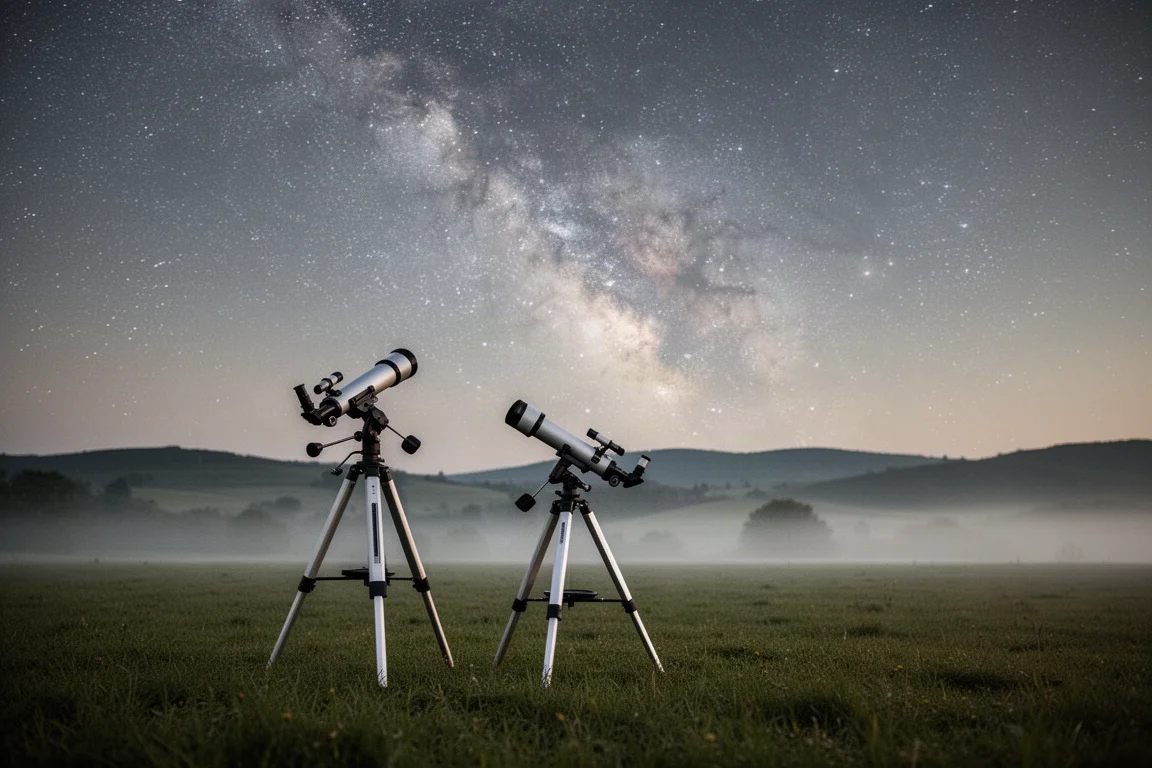
If planetary and lunar viewing is your priority, buy the telescope first and budget for the accessories that genuinely change the experience: a portable power supply, a dew heater strip, and eventually a planetary camera if imaging interests you. If you are unsure about setup, a dedicated NexStar 8SE setup guide and planetary imaging guide are worth reading before your first night out.
Conclusion
For viewing the planets, the Celestron NexStar 8SE delivers on every attribute that matters: aperture, focal length, and an easygoing Schmidt Cassegrain design. Add the right accessories and it scales from first light to serious planetary imaging, which is exactly why it remains such a popular choice among amateur astronomers. Clear skies.
Product link
View more details for Celestron NexStar 8SE
This product is mentioned in the review. Check the specifications, options, and compatibility before buying.
View more details for Celestron NexStar 8SEFurther reading
Related Reviews

Telescopes
Sightron SJ75 UF and Sky-Watcher HS125: Two Telescopes Worth Watching
A look at two notable telescopes from a recent camera and optics expo: a sharp new astrograph from Sightron Japan and a compact fast reflector from Sky-Watcher.

Telescopes
SV503 102ED Review: A Budget 102mm Refractor That Surprises
The SV503 102ED is an affordable 102mm doublet refractor that delivers surprisingly decent star shapes and a smooth focuser, despite some chromatic aberration and light falloff.

Telescopes
SVBony MK127 Review: A Compact Maksutov-Cassegrain That Surprises
The SVBony MK127 is a 127mm Maksutov-Cassegrain telescope with a unique 0.65x reducer, making it a versatile option for visual astronomy and even some deep-sky imaging.