Power Tools
CCGU vs Metabo HPT Cordless Angle Grinder: Which Budget Grinder Makes More Sense?
Two budget-friendly cordless angle grinders compared on grip, power, battery compatibility, and warranty to help you pick the right kit.
Introduction
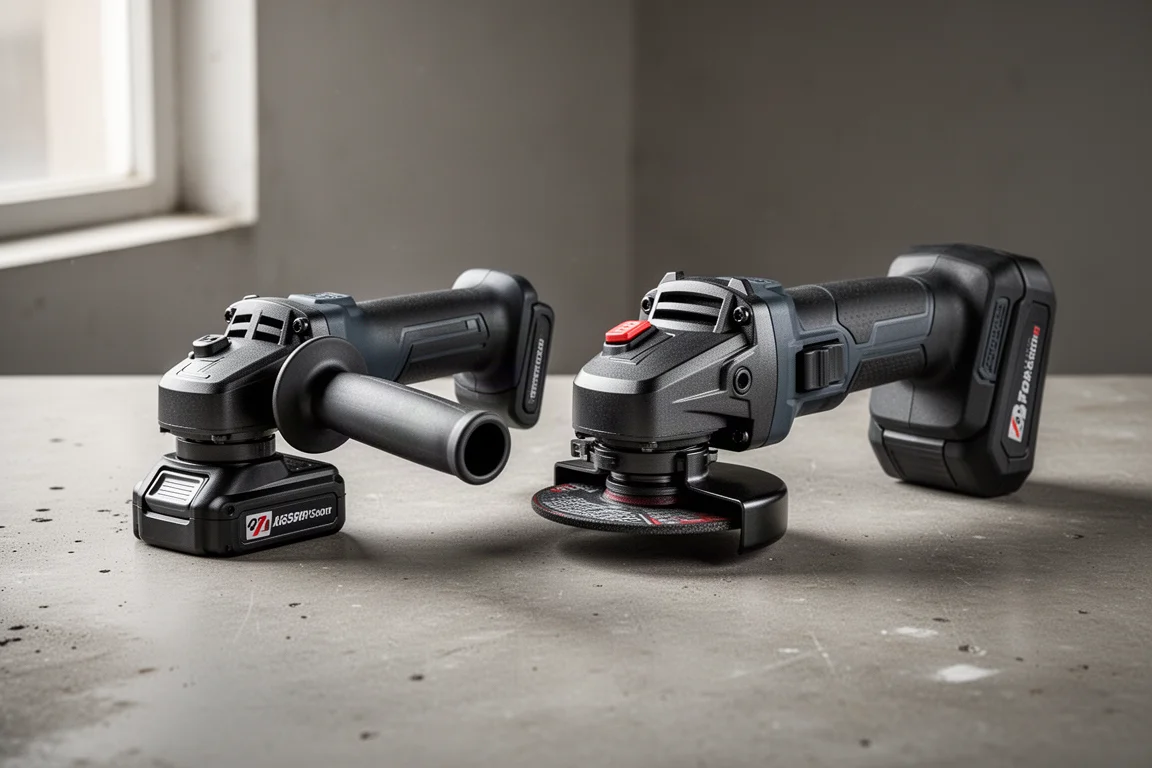
Cordless angle grinders are one of those tools where the brand-name version often costs significantly more, and where budget kits have quietly become genuinely competitive. Two options illustrate that well: the CCGU Cordless Angle Grinder, a newer kit that runs on Makita-compatible batteries, and the Metabo HPT Cordless Angle Grinder, a compact grinder that has been around long enough to prove itself in real projects.
Both sell in the roughly $70 to $120 range depending on promotions, and both come with batteries and a charger. But they take noticeably different approaches to grip, kit contents, and warranty support. Here is how they compare.
CCGU Cordless Angle Grinder: Versatile Kit Value
The CCGU kit currently lists for about $120 on Amazon, with a 20% off coupon that brings it down to roughly $99. That price includes the grinder, two batteries, a charger, and a generous pile of accessories: flap discs, grinding discs, and more.
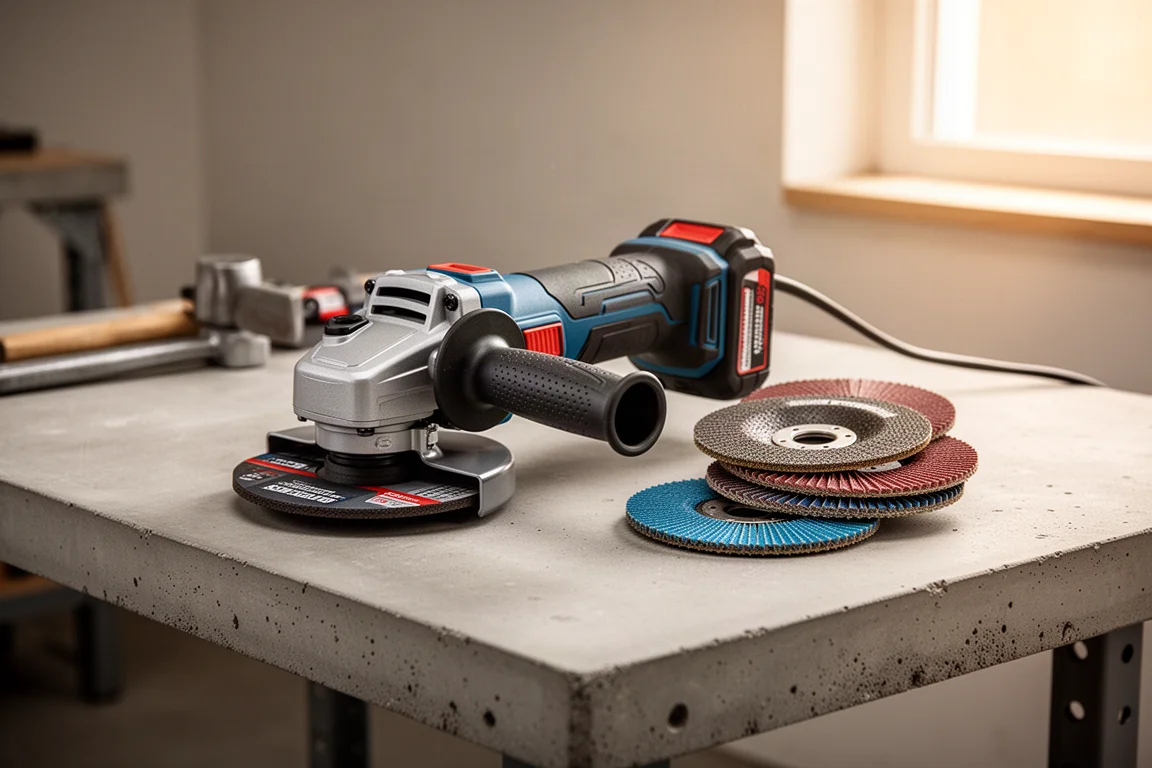
The standout feature is battery flexibility. The CCGU runs on Makita batteries, so if you already own Makita tools you can skip buying extra packs, and if you are considering the Makita platform later, this grinder works as a low-cost entry point. It also carries a claimed three-year warranty, which is notably longer than what Metabo HPT offers on its grinders.
One caveat: the kit includes wood shaping discs, and these are worth avoiding entirely. These turbo-style carving discs have caused serious injuries when the disc grabbed and whipped the grinder back toward the user, and they are best left in the box or discarded.
Metabo HPT Cordless Angle Grinder: Compact and Proven
The Metabo HPT grinder was picked up for around $70 during holiday sales, with a free 3Ah battery included. It has seen heavy use, including a full day spent cutting up an old jungle gym, and it has held up well.
It ramps up smoothly, delivers a decent amount of power, and sits a bit shorter than comparable Makita grinders, which helps in tight spaces. It is still a chunky, fairly heavy tool, though, and it burns through batteries quickly like any grinder in this class.
Grip and Handling: The Biggest Practical Difference
The most meaningful difference between these two grinders is how they feel in the hand. The Metabo HPT has an awkward grip: no matter where the hand sits, it never lands flat. The main body is chunky, the thinner section of the grip sits too low, and fingers end up contorting to reach the switch or the safety lever. It works, but it is not a comfortable hold.
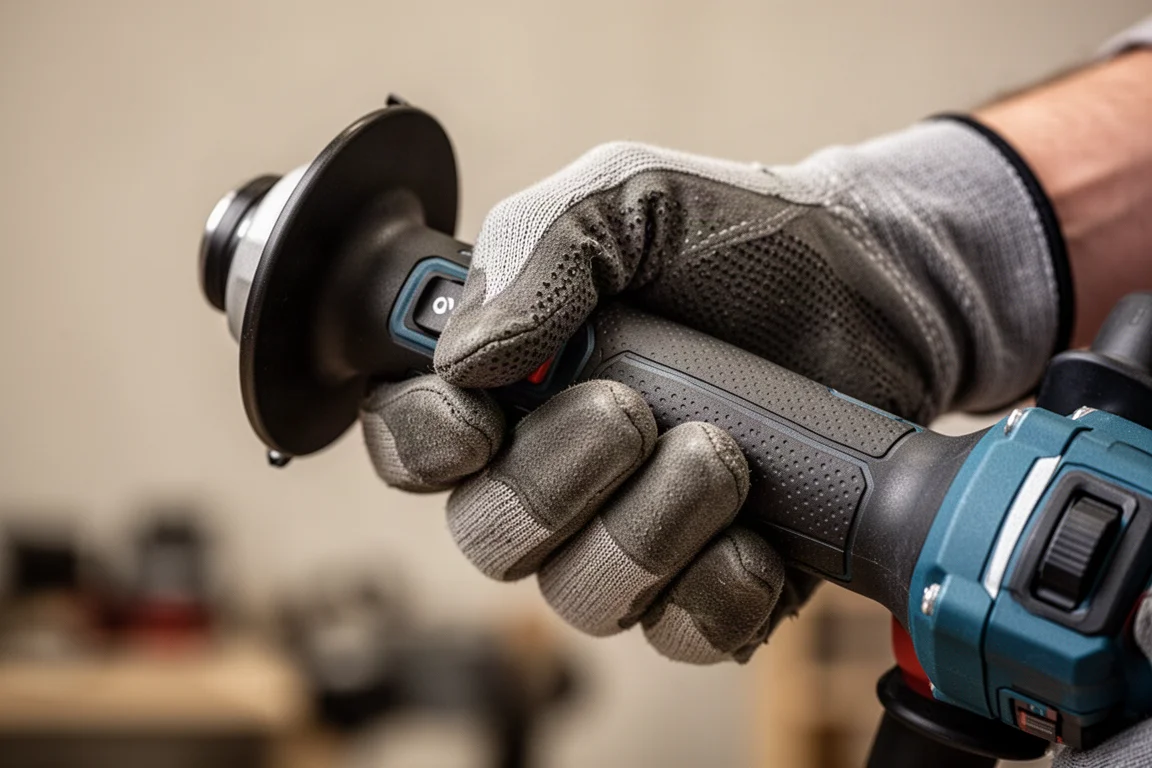
The CCGU nails this part. The slim upper grip accommodates a full hand wrap, the thumb reaches the switch easily, and the whole tool feels secure and balanced during use. It is the kind of grip detail that more manufacturers should copy, and it makes longer cutting sessions noticeably less fatiguing.
Cutting Performance and Battery Life
In actual cutting, the CCGU has plenty of power. It takes a second or two to reach full speed since there is no auto ramp-up, and the motor has a slightly unusual sound compared with more refined tools, but it cuts confidently and has some satisfying heft to it. Long-term durability remains to be seen, but the three-year warranty offers some reassurance at this price.
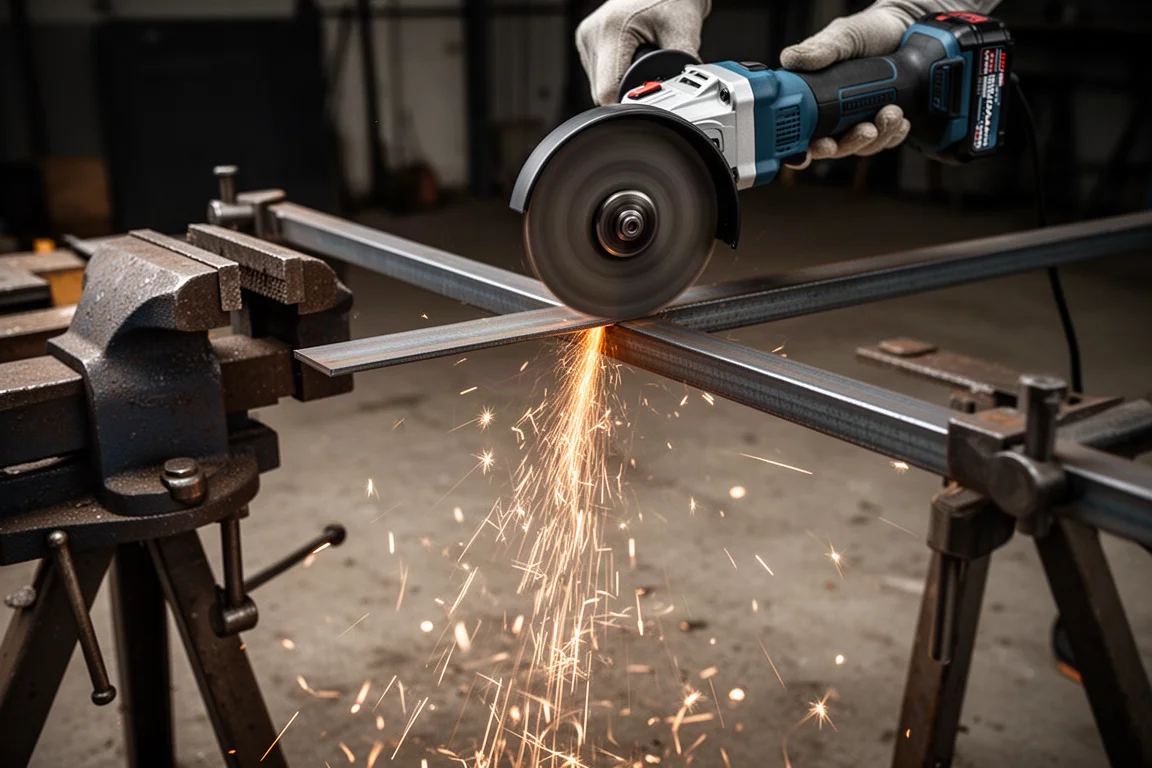
The Metabo HPT ramps up nicely and had enough power for a full day of demolition cutting. Like every cordless grinder, neither tool will win any battery endurance contests, so having a second pack on hand matters. The CCGU’s two-battery kit and Makita compatibility give it an edge here.
Which Grinder Should You Buy?
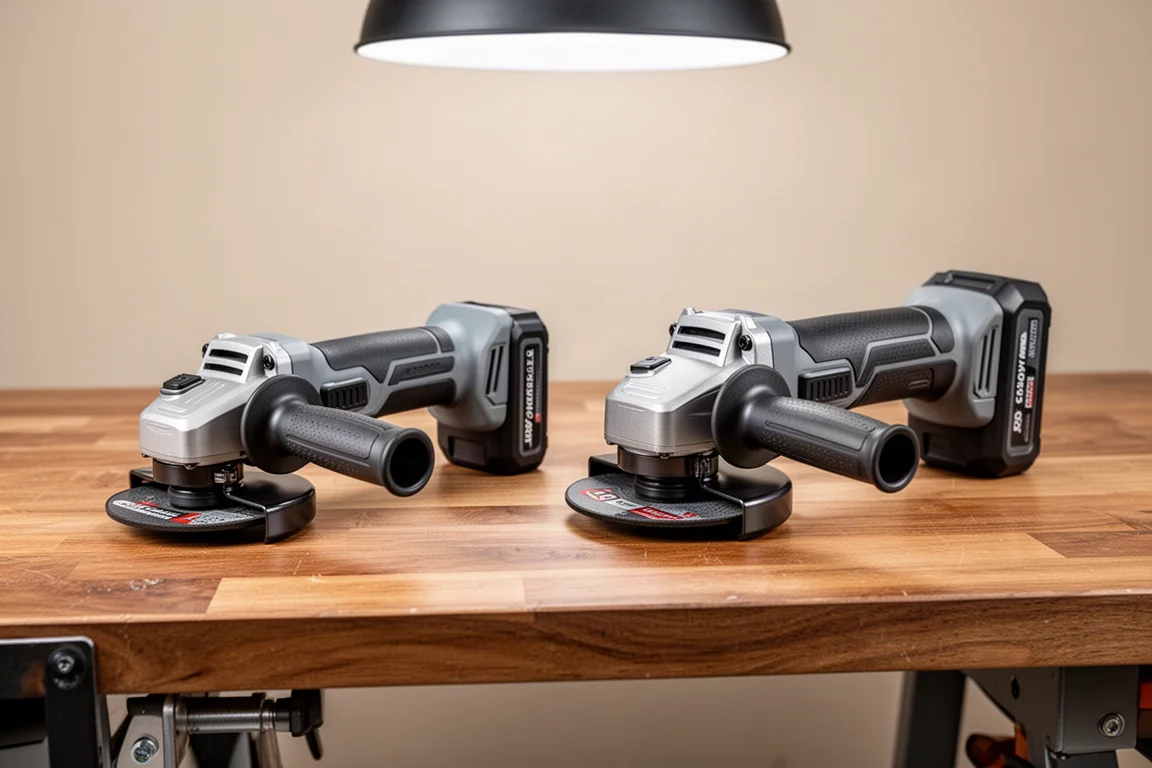
For occasional users who want a complete standalone kit, the CCGU is the stronger value. At around $99 with the coupon, you get two batteries, a charger, a full set of discs, Makita battery compatibility, a comfortable grip, and a three-year warranty. Skip the wood shaping discs and it is hard to beat as a package.
For anyone running a grinder daily or professionally, the Metabo HPT or a Makita grinder remains the safer bet, with better-known build quality and longevity. Just be aware that Metabo HPT only backs its grinders with a one-year warranty, and the grip takes some getting used to.
Conclusion
The CCGU Cordless Angle Grinder is a genuinely good deal at its discounted price: strong power, a well-designed grip, Makita battery flexibility, and a long warranty, all bundled into a complete kit. The Metabo HPT is the more proven, compact option for frequent users, despite its weaker grip and shorter warranty. Match the choice to how often you will actually reach for it, and both can earn their place in a garage.
Product link
View more details for CCGU Cordless Angle Grinder
This product is mentioned in the review. Check the specifications, options, and compatibility before buying.
View more details for CCGU Cordless Angle GrinderFurther reading
Related Reviews
Power Tools
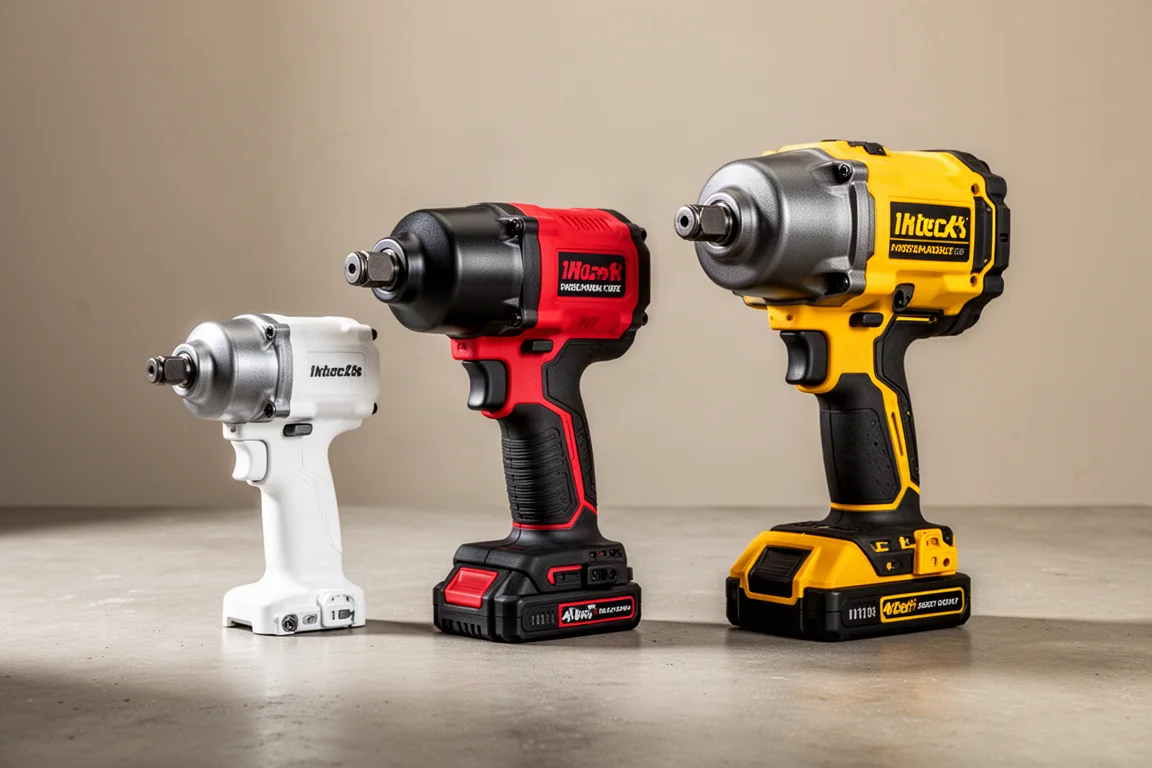
Best 1-Inch Pistol Impact Wrenches: Three Heavy-Duty Options Compared
We compare three 1-inch pistol impact wrenches, from a budget-friendly Harbor Freight model to a premium Caterpillar unit, to help you choose the right one.
Power Tools
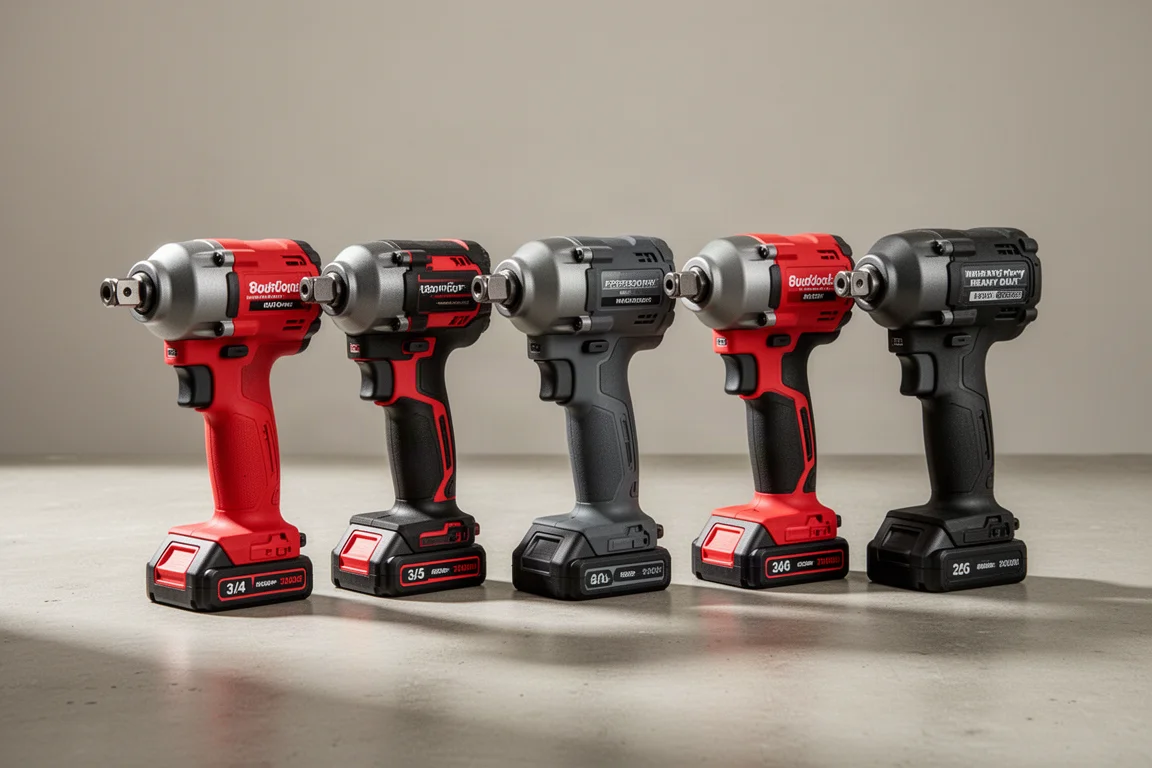
Best 3/4-Inch Impact Wrenches 2026: Five Contenders Compared
We compare five 3/4-inch impact wrenches across price and performance, from a budget Amazon option to Snap-on's most powerful model yet.
Power Tools
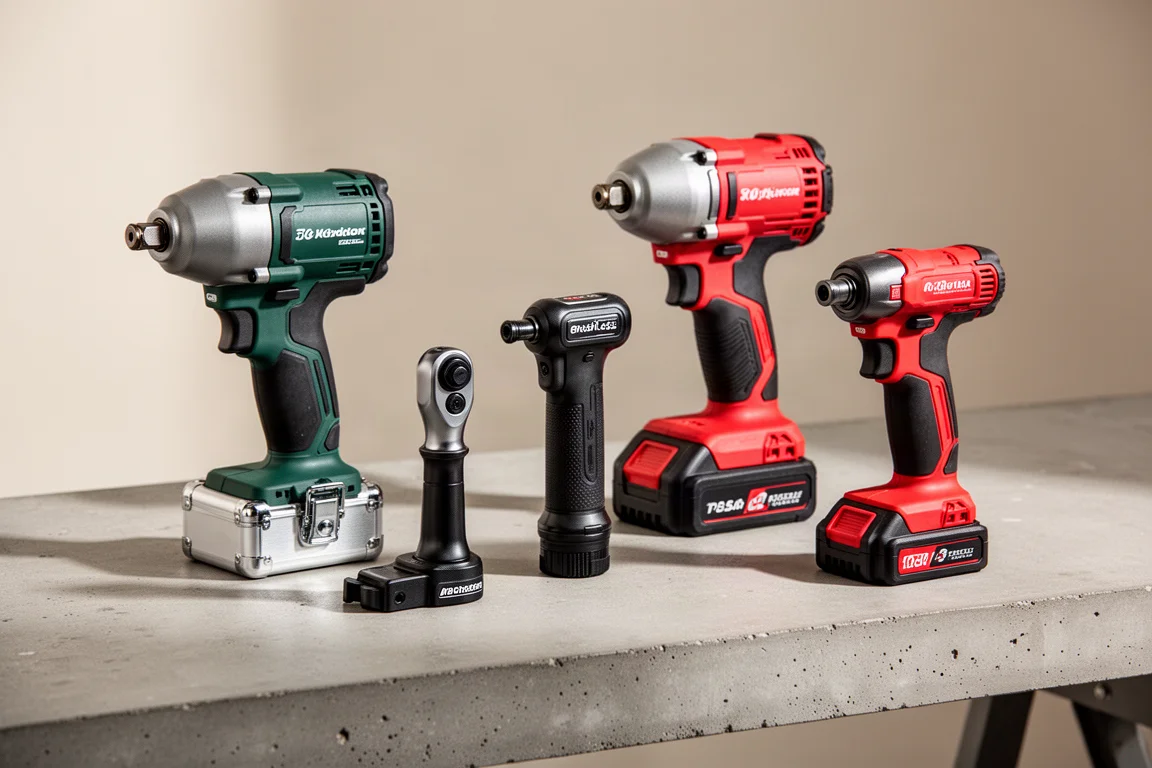
Best Budget Cordless Tools 2026: Walmart Finds That Punch Above Their Price
We tested five cordless tools from Walmart, including a high-torque impact wrench that trades blows with Milwaukee and a $35 duster that outperforms its price class.