Cycling Clothing
Castelli Aero Race Jersey and Free Aero Bib Shorts Review: Testing the Aero Kit Against the Espresso Jersey
A real-world road test of Castelli's eighth-generation Aero Race jersey and Free Aero bib shorts against the Espresso kit, with the measured time savings and comfort notes that matter before you buy.
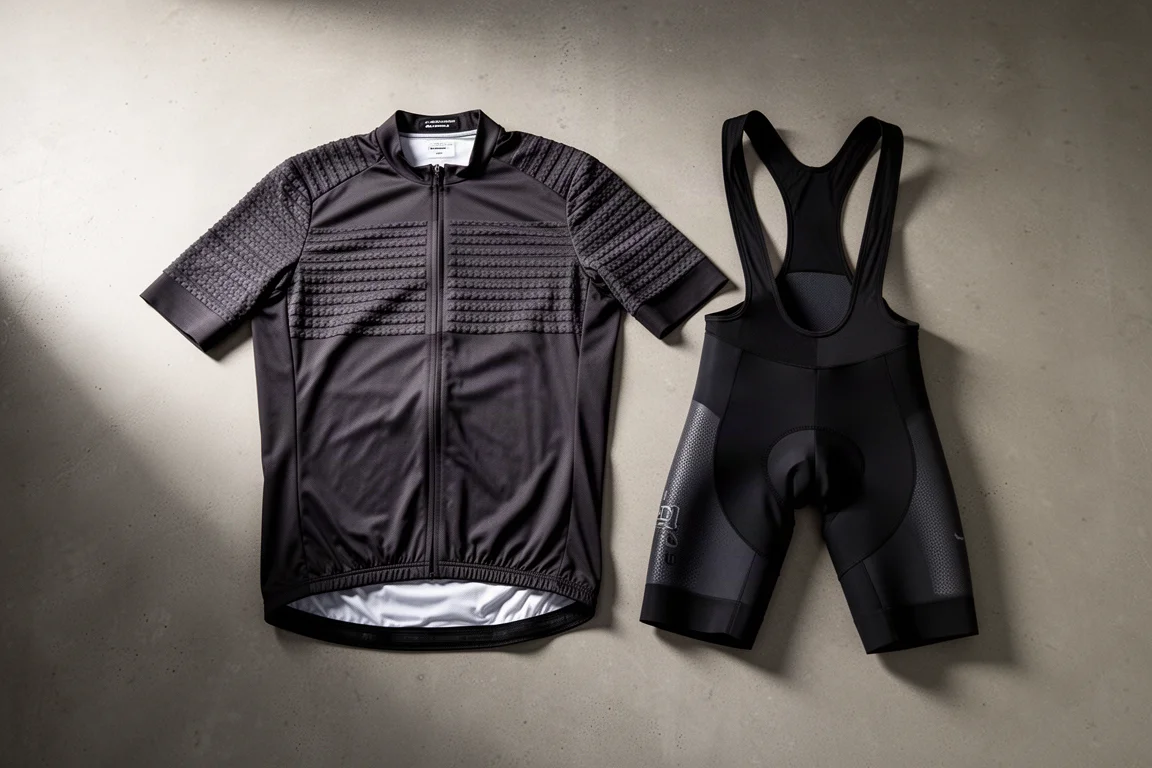
Introduction
Aerodynamics matter a great deal on a road bike, and the most useful number to keep in mind is that the rider’s body accounts for around 80 percent of the drag at speed. Before spending on a new frame, a set of wheels, or narrower handlebars, it is worth considering that clothing is one of the easiest and most cost-effective ways to go faster.
Castelli has released its eighth-generation Aero Race jersey and matching Free Aero bib shorts. To find out what the kit is actually worth, the new aero outfit was tested against the brand’s Espresso jersey and shorts on a one-mile road loop, at a steady 250 watts, with the same cadence and the same position on the hoods.
How Castelli Approaches Aero Clothing
Castelli was a pioneer in bringing aerodynamic performance to road race clothing. Twenty years ago, only time trialists cared much about aero gains, and the idea of an aerodynamic road jersey met plenty of skepticism. Castelli carried on regardless, and much of that work has been done alongside a pro test team known for chasing every possible technological edge.
Development runs through computational fluid dynamics first, then real wind tunnel time in Milan, where variables such as rider position and cadence can be measured directly. Products then go to pro riders for feedback on comfort before anything is signed off. One recent prototype used the aerodynamic fabric all the way around the sleeve, and rider feedback asked for a better fit over the shoulders and, more importantly, better cooling and breathability. A mesh panel was added under the arm, and further testing showed the extra comfort could be added without giving up the aerodynamic benefit.
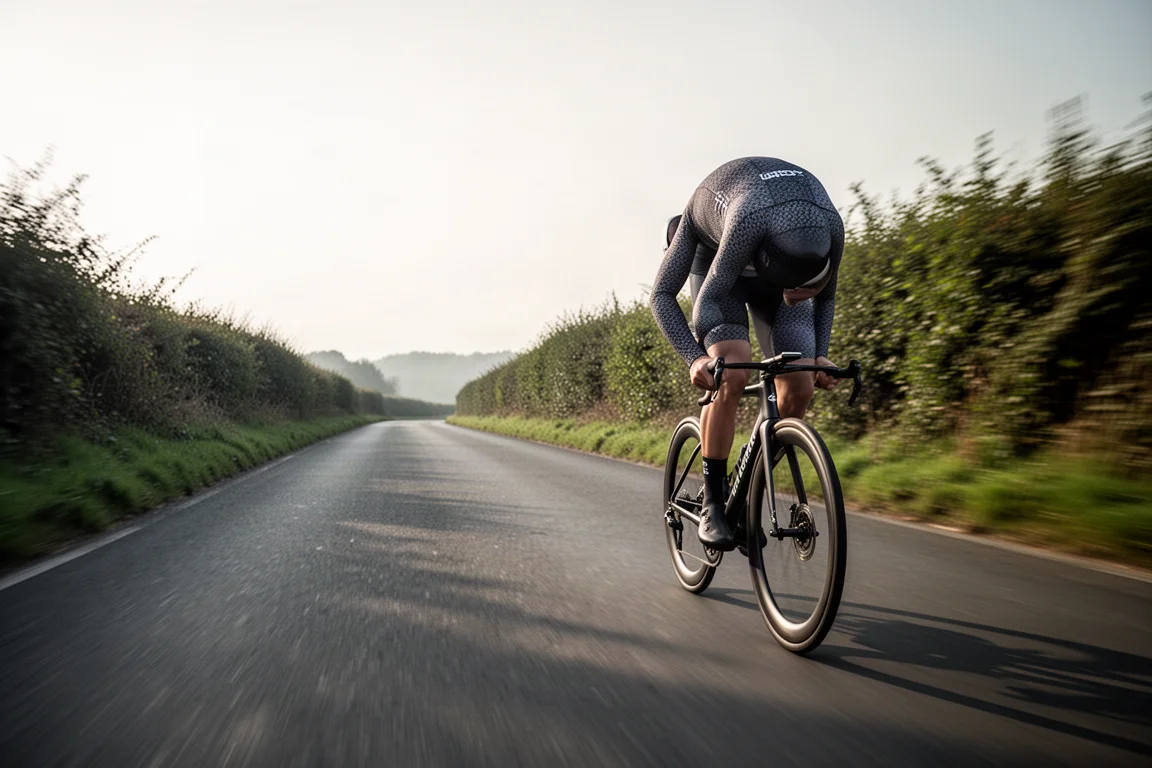
That loop of measurement and rider feedback is the reason the current kit looks the way it does.
Castelli Aero Race Jersey
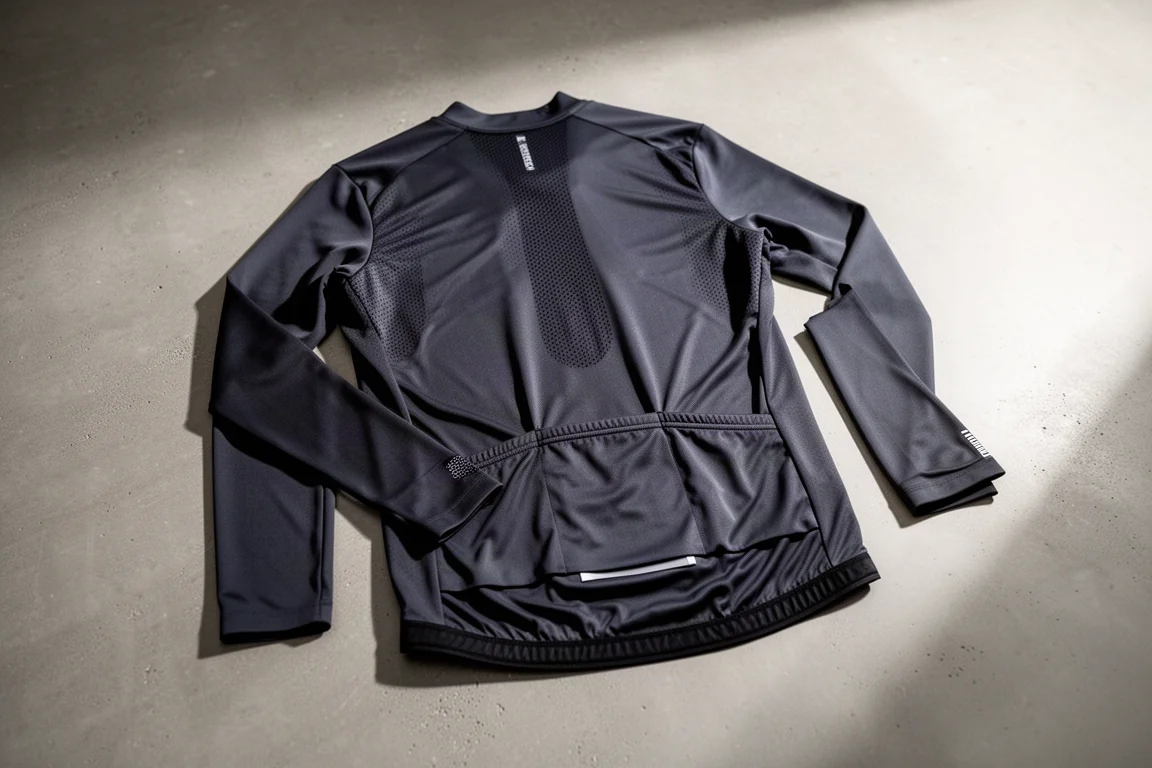
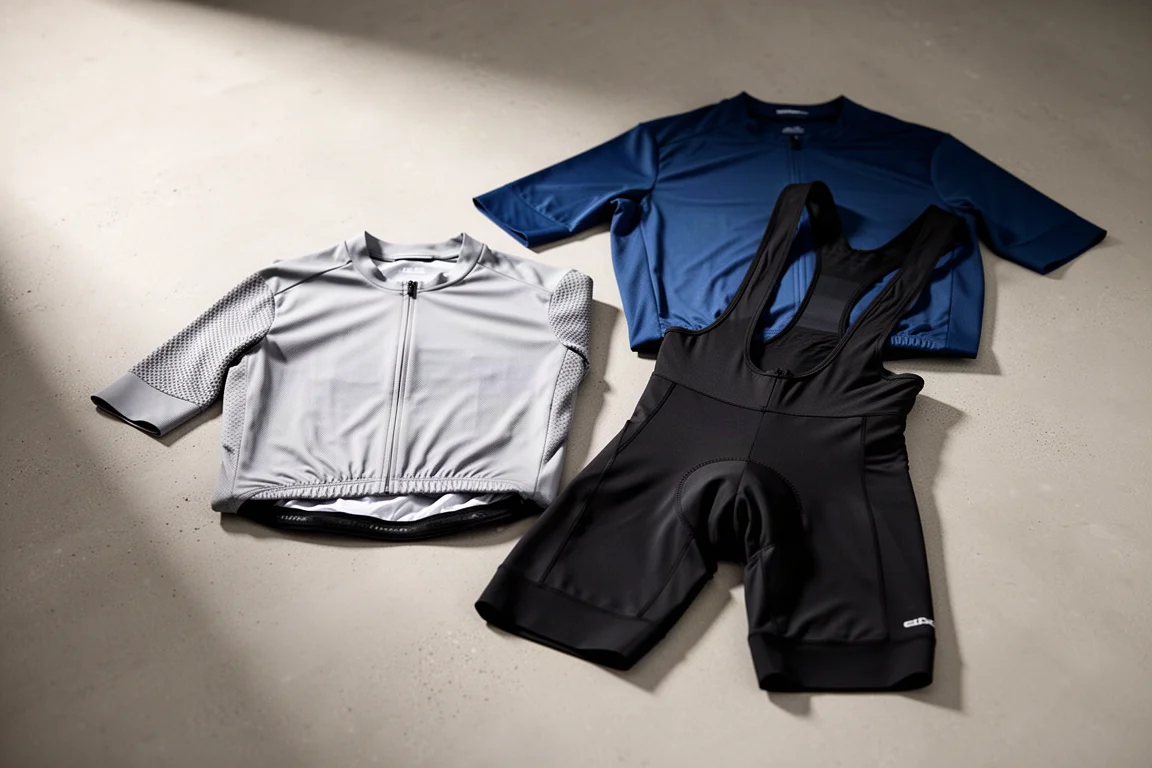
The Aero Race jersey is the unapologetically performance-led piece in the range, designed to be the best garment Castelli can make rather than the one that hits a particular price point. The most visible difference from the Espresso jersey is in the sleeves and shoulders, where a raised fabric texture is used to trip the airflow rather than let it separate.
The panels around the shoulder and arm are where most of the development work sits. Compared with a conventional jersey, the surface is noticeably more textured, and the cut is more compressive through the arms and body. It is available in several colourways, not only white.
Castelli Free Aero Bib Shorts
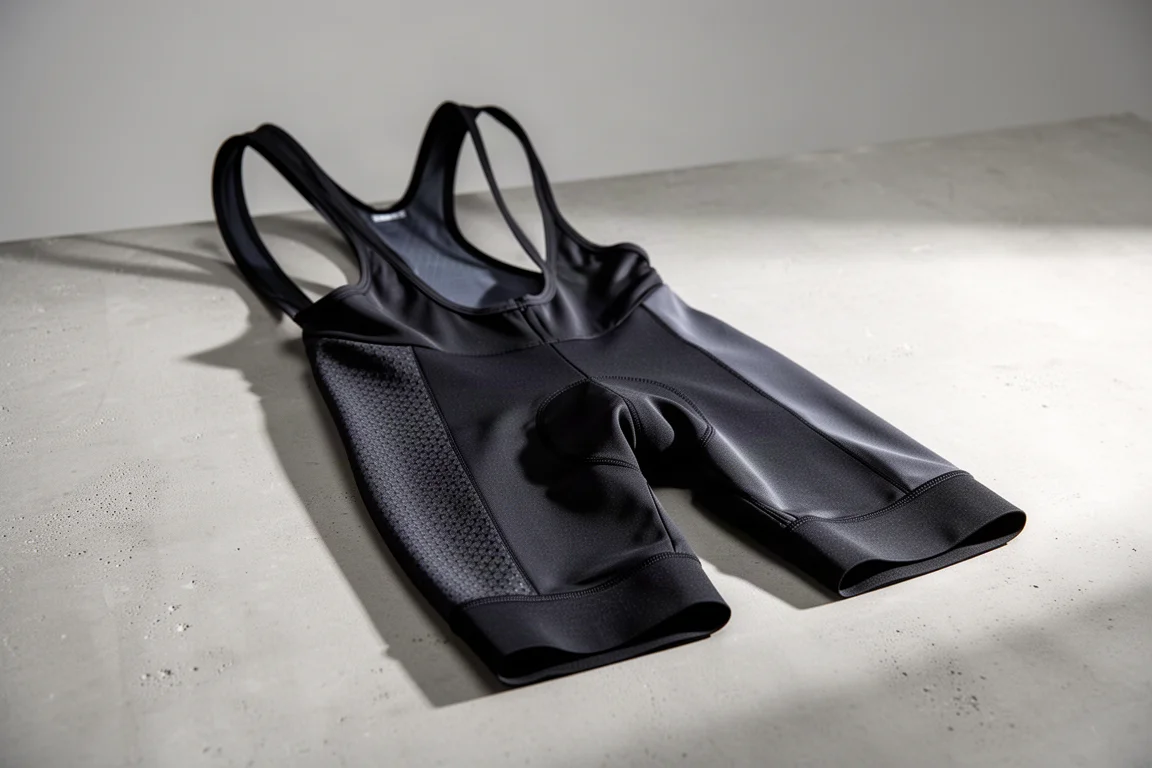
Bib shorts matter as much as the jersey here. The legs are a large moving surface area, and the turbulence they create is a meaningful part of total drag. Castelli produced its first aero bib short back in 2007, and the current Free Aero short is the eighth generation of that idea.
The rear silhouette, with its panel and seam placement, has been kept deliberately consistent for around 18 years. The Free name describes the intent: the short should feel as though it is not there, so that speed never comes at the cost of comfort. Inside is a dual-layer chamois pad, which works a little like the two layers of Lycra track cyclists wear, allowing the layers to slide over one another instead of creating friction against the skin.
The side panel uses a heat-printed texture to trip airflow, similar in principle to the sleeves on the jersey. Raised strips were tested as well, but wind tunnel work showed the heat print was the faster option.
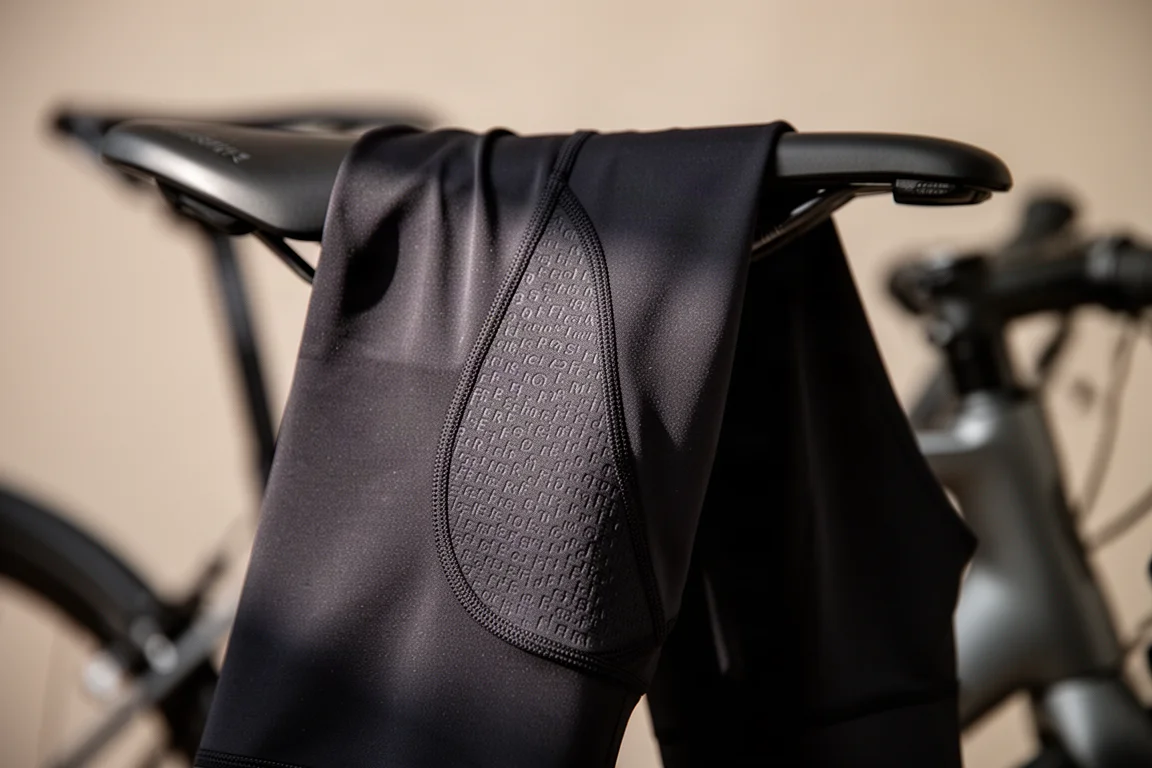
That detail is a good example of how small the margins are at this level, and how much testing sits behind a surface that looks almost plain from a distance.
Castelli Espresso Jersey
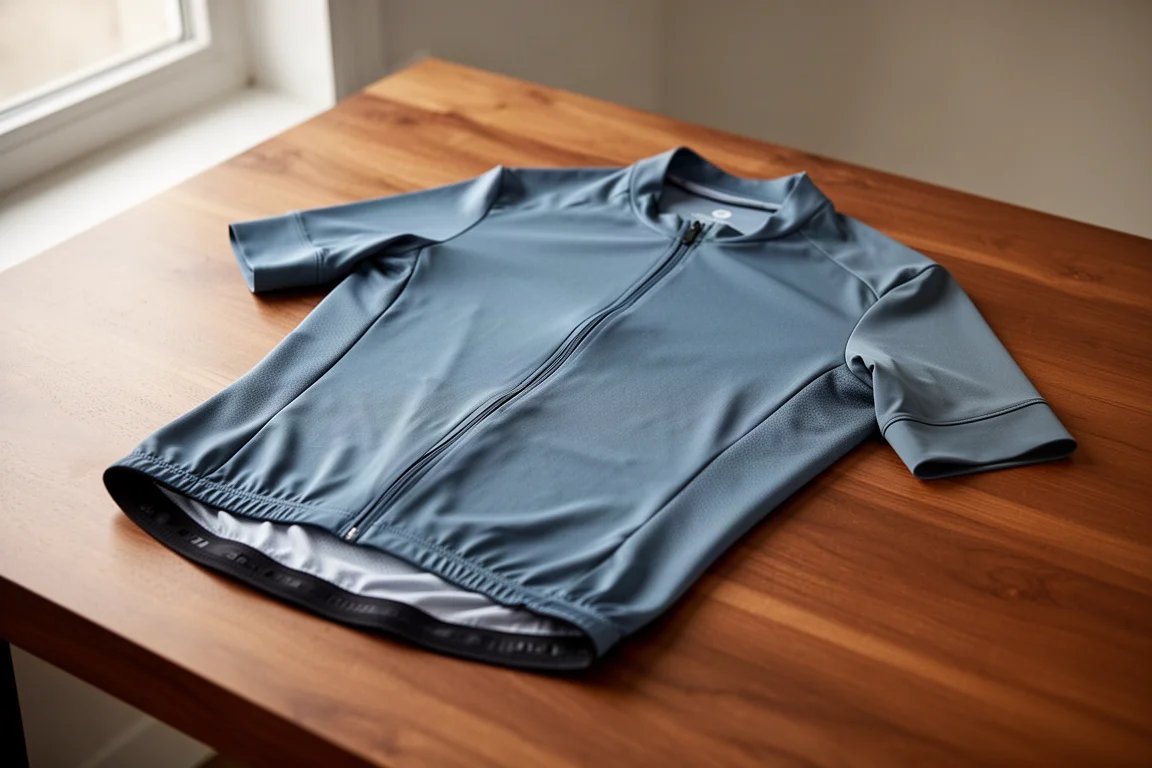
The Espresso jersey is the kit most riders will recognise. It has a genuinely athletic, aero-looking silhouette, but its fabrics are chosen for comfort in warmer weather rather than for drag reduction. There is no real aerodynamic angle to it, which is precisely the point: it is a strong all-rounder for the majority of summer rides, and it has proved popular for exactly that reason.
In practice the Espresso kit sits at a different point in the range. The Aero Race kit is the race piece, while the Espresso is the premium all-day option, and both exist because riders want different things from their clothing.
What the Road Testing Showed
The test protocol was deliberately simple. Both riders held 250 watts over a one-mile stretch of road, aiming for 90 rpm and the same position on the hoods, with three runs in each outfit. The first attempt was compromised when the wind picked up noticeably between runs, so a second session was run back to back, with one rider changing kit at the roadside in a much tighter window and more consistent conditions.
The second dataset was cleaner. On the slower, uphill direction at around 20 mph, the aero outfit was on average 8 seconds faster over the mile. On the return leg, where speeds were closer to 22 to 23 mph, the advantage was 6 seconds. Stretched over a longer ride, those margins add up.

The comparison is worth putting in context. Finding 8 seconds over a mile through equipment alone would typically mean a very expensive frame, a set of fast wheels, or very narrow handlebars. Here it came from changing clothing.
Fit, Comfort, and Real-World Feel
The pleasant surprise was how the aero kit felt on the bike. It is tighter and more compressive around the arms and torso than the Espresso kit, but it did not feel restrictive, and it remained comfortable enough for a long ride rather than a short effort.
The difference between the two kits was also obvious in a crosswind. The Espresso jersey fabric moved around on the body as the wind pushed against it, while the aero jersey stayed close to the skin and barely shifted.
Buying Advice: Choosing Between the Aero Kit and the Espresso Kit
The choice comes down to what you want from your clothing. If you race, or if you enjoy chasing small gains, the Aero Race jersey and Free Aero bib shorts are the performance option, and the comfort penalty that usually comes with aero kit does not really show up here. The measured benefit appeared at around 20 to 23 mph, so riders who spend time at those speeds are the ones most likely to feel the difference.
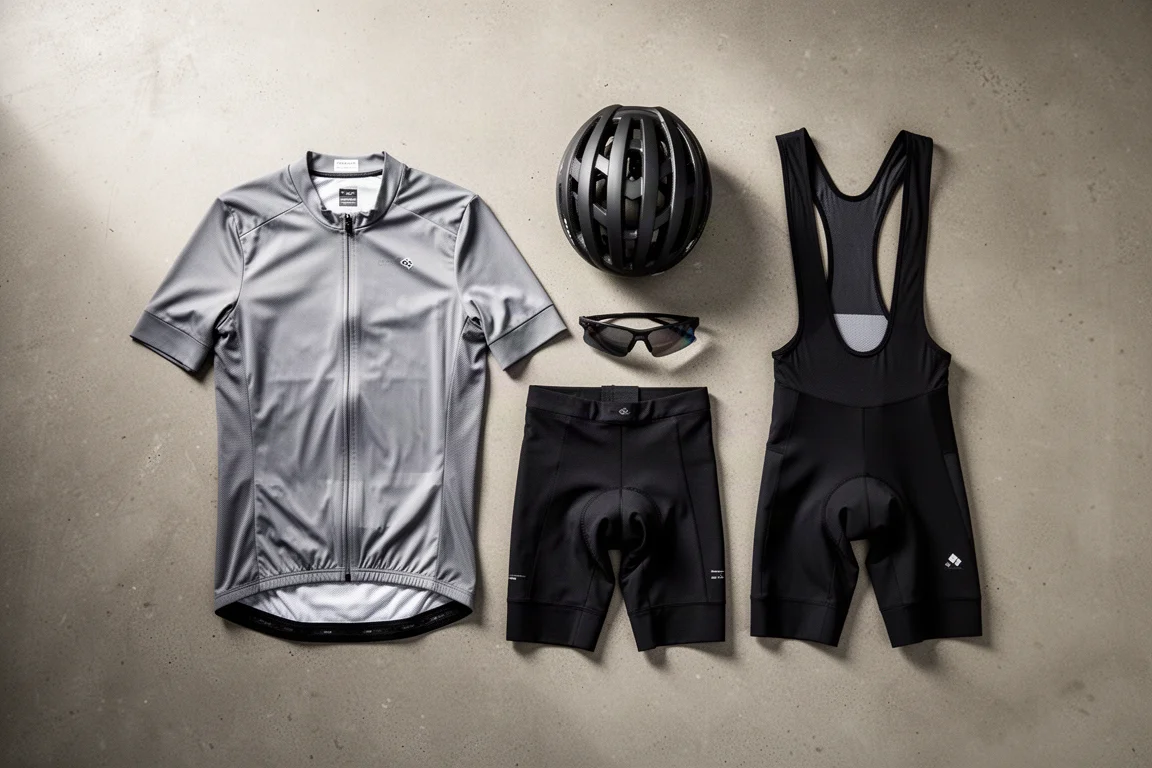
If your priority is comfort across the widest range of summer conditions, the Espresso jersey and shorts remain the sensible all-rounder, and the aero-focused kit is not a requirement for enjoying long days on the road.
Either way, it is worth remembering that clothing is one of the few upgrades that improves the rider rather than the bike, and that the rider is where most of the drag comes from in the first place.
Conclusion
Castelli’s eighth-generation Aero Race jersey and Free Aero bib shorts delivered a measurable advantage over the Espresso kit in real-world testing, 8 seconds over a mile on the slower direction and 6 seconds on the faster return leg, without giving up comfort. The Espresso kit stays the better choice for riders who want an easy, comfortable all-rounder for everyday summer riding. For anyone chasing speed, the aero outfit is the more compelling purchase.
Further reading
Related Reviews
Cycling Clothing
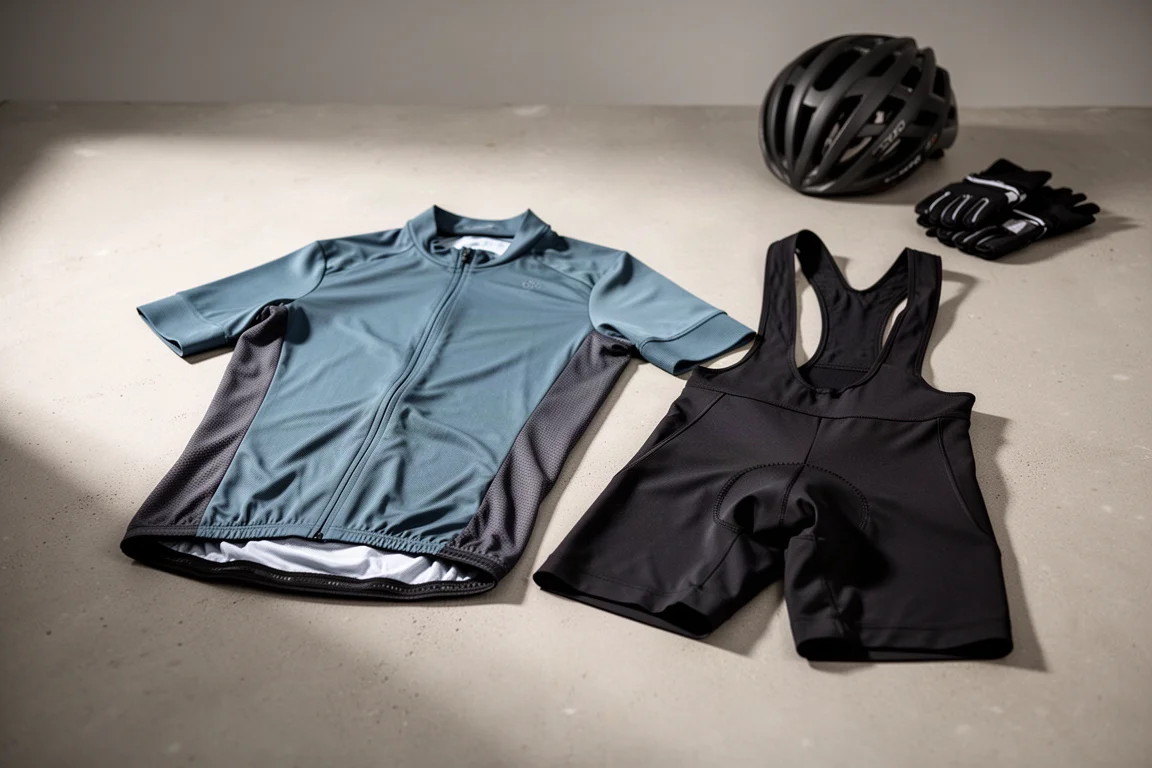
Castelli Aero Kit Review: Aero Race Jersey, Free Aero Bib Shorts, and Espresso Jersey
Castelli's eighth-generation Aero Race Jersey and Free Aero Bib Shorts promise measurable real-world speed, while the Espresso Jersey stays the comfort-first all-rounder. Here is how the three compare.
Cycling Clothing
dhb Core Jersey and Aeron Bib Shorts Review: Is Mid-Range Cycling Kit Worth It?
A practical look at dhb's Core Jersey and Aeron Bib Shorts, where mid-range cycling kit sits between entry-level clothing and premium kit, and who should buy which.
Cycling Gear
8 Cycling Products Riders Keep Coming Back To
Eight cycling components and accessories with clear strengths, honest trade-offs and long-standing reputations among riders and mechanics.