Watches
Casio Pro Trek PRW-B1000 Review: Three Months With a Solar Atomic Outdoor Watch
A practical look at the Casio Pro Trek PRW-B1000, covering atomic timekeeping, Tough Solar power, the triple sensor, and what it gives up compared with a smartwatch.
Introduction
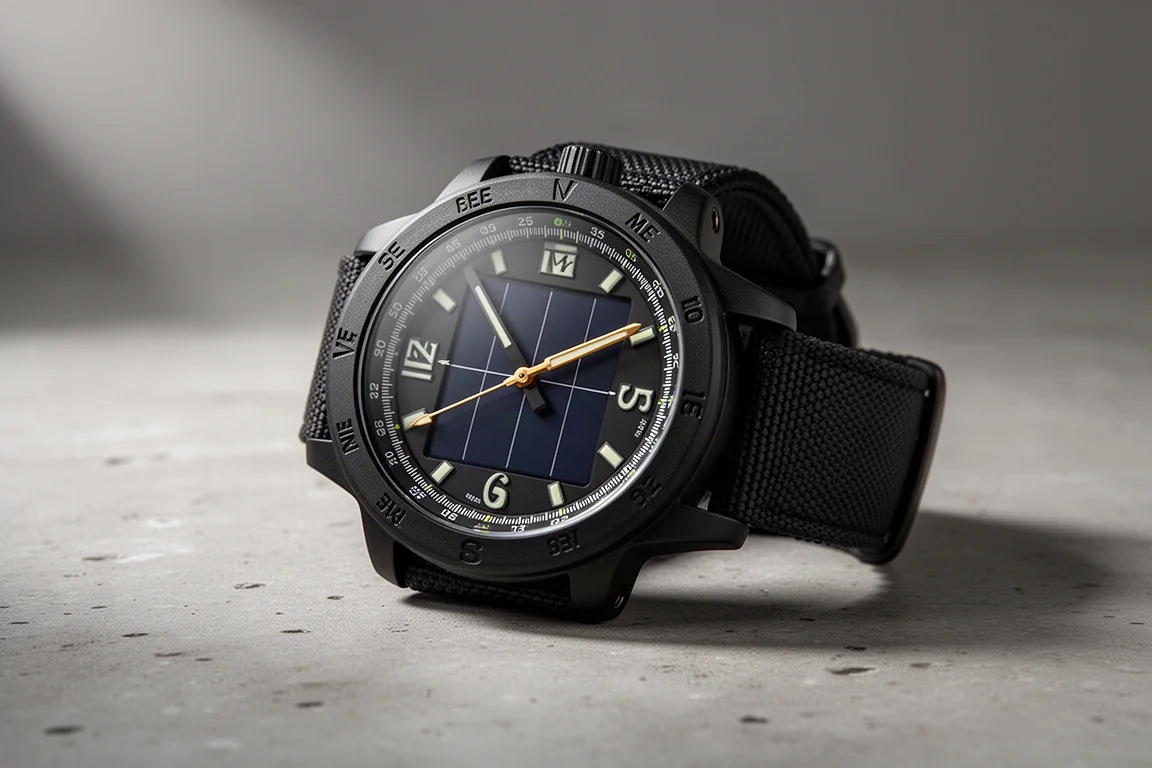
The Casio Pro Trek PRW-B1000 is a solar-powered outdoor watch with radio-controlled timekeeping and a full triple sensor package: compass, barometer, altimeter and thermometer. It shares its movement and feature set with the bulkier G-Shock Mudmaster B1000, but it sits in a slimmer case that is easier to live with every day.
It is aimed at people who want dependable trail data on the wrist without the constant pull of a smartwatch. There are no notifications, no step goals and no turn-by-turn prompts here. What you get instead is a set of measurements, a legible dial and a battery that looks after itself.

After three months of regular use, the watch has held up well and its readings have tracked closely with independent sources. This review covers what works, where the compromises sit, and who should think seriously about buying one.
Who this product is for
The PRW-B1000 suits hikers, walkers and general outdoor users who already carry a phone or a paper map for serious navigation but want fast access to elevation, air pressure and heading. It also appeals to anyone deliberately stepping away from a connected watch and the stream of alerts that comes with it.
If you rely on stand reminders, step counts, message previews or wrist-based turn-by-turn directions, this is not the right watch. Those features are simply not part of the design, and the phone remains the tool for that kind of information. Buyers who want a watch to do less, but do it reliably for years, will feel at home immediately.
Main strengths
Timekeeping is the standout. The watch uses Multiband 6, syncing with atomic time over radio waves each day so it corrects itself to the second. In practice it has been spot on every single day, which is a meaningful step up from watches that rely on quartz drift alone.
Tough Solar is the second big advantage. The watch constantly recharges itself from sunlight and even from indoor light, so there is no charging routine to remember and no planned battery replacement to budget for. Most G-Shock models carry a 10-year battery guarantee, and this one is expected to run well beyond that.
The built-in light is genuinely good and the lume on the dial is excellent, which matters on early starts and late finishes. On top of that you get the expected Casio basics: world time, stopwatch, timer and alarms.
Living with the triple sensor
The altimeter is the sensor used most often. Pressing the bottom right button returned an elevation of 201 m at a spot where an independent mapping app read between 200.7 and 200.9 m, which is a close match. Scrolling with the bottom left button brings up the thermometer, which showed 18.6°C against a forecast of 19°C.
The barometer adds a useful weather signal. A reading below 1,000 with a downward trend points to incoming bad weather, while an upward trend suggests better conditions are on the way, and the watch plots a small trend graph to make the direction obvious.
The compass has its own dedicated button on the top right. Pressing it swings the second hand to point north. You need to hold the watch straight, stand still for a moment and keep it away from metal or magnetic objects. Beyond simple headings, you can set a bearing, store a memory location such as a parked car, or plot a point on a map and have the watch point you toward it with a small gold arrow and a distance readout.
Those location and bearing features need the companion app, since they do not work with the watch alone. The app itself is well put together and also handles alarms, location points, route logs, time sync and manual hand adjustments.
Design and durability
Compared with the Mudmaster B1000, the Pro Trek is noticeably less bulky and less chunky on the wrist, which is the main reason to choose it. The sapphire crystal glass is a welcome addition at this level, and the strap is comfortable enough to wear all day.
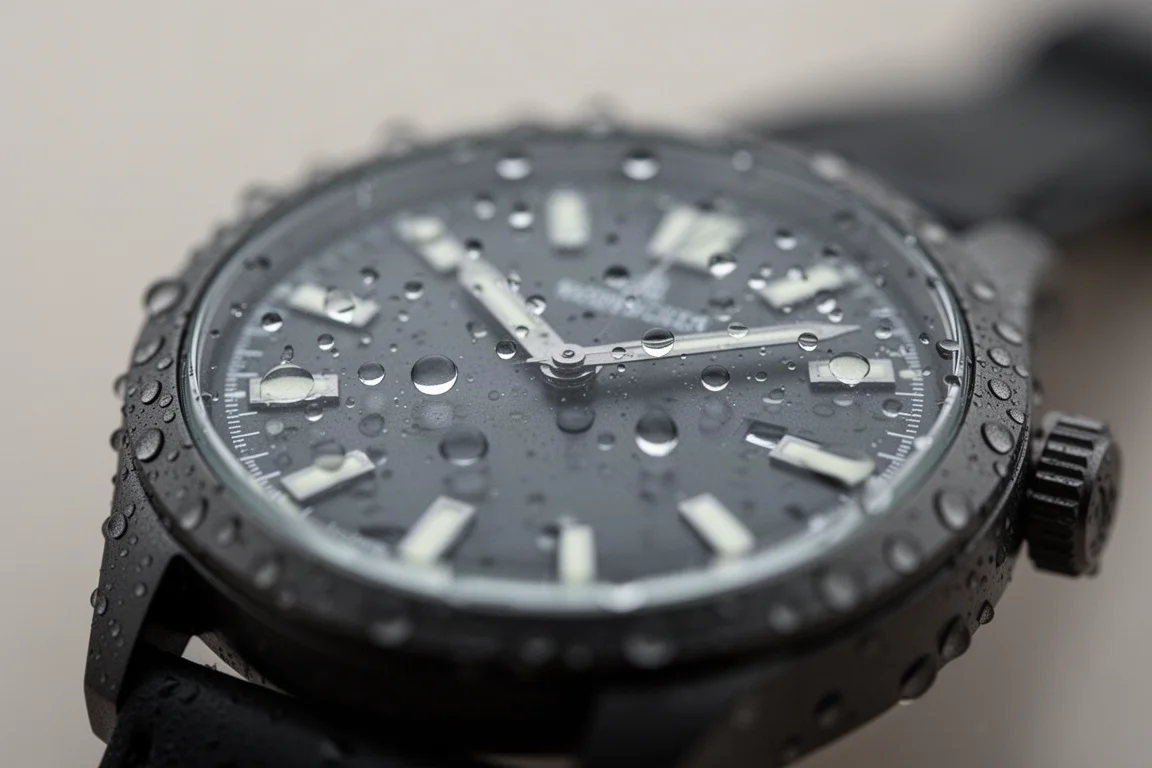
The trade-off for the slimmer case is that it is not built to the same level of armour as the Mudmaster. It will take a knock without complaint, but repeated contact with rock faces would eventually scuff and damage it. Treated with the same care you would give any other piece of outdoor kit, it should stay in good shape.
Things to consider before buying
The biggest consideration is what the watch deliberately leaves out. There are no notifications, stand reminders, step counts, messaging or turn-by-turn navigation, and no built-in maps. If those features matter to you, a smartwatch is the better fit.
The location, bearing and map point functions depend on the app, so they are not available from the watch alone. And while the case is tough, it is less protected than the Mudmaster it borrows its movement from.
Availability is worth checking before you commit. At launch this model was difficult to find in the UK while other markets had it, and buying one meant ordering from overseas.
Buying advice
Pricing is where the Pro Trek makes its strongest case. This watch was ordered from Singapore at £350, which is not cheap, but it delivers the same movement and feature set as the Mudmaster B1000, a watch that sells for roughly £600 to £700. For context, an Apple Watch was around £800 at the time, with a Garmin not far behind it.

If you want the Mudmaster’s heavier armour and don’t mind paying for it, that watch remains the obvious choice. If you want the same sensor package and the same atomic timekeeping in a lighter, less expensive case, the Pro Trek is the more sensible purchase.
Conclusion
The Casio Pro Trek PRW-B1000 does a small number of things extremely well. Atomic timekeeping that is correct to the second, solar power that removes charging from your routine entirely, and a triple sensor that reads close to dedicated reference tools. It is less armoured than the Mudmaster, and it makes no attempt to be a smartwatch.
For outdoor users who want simple, robust instruments on the wrist and are happy to keep the phone in the pocket for everything else, it is an easy recommendation after three months of steady use.
Product link
View more details for Casio Pro Trek PRW-B1000
This product is mentioned in the review. Check the specifications, options, and compatibility before buying.
View more details for Casio Pro Trek PRW-B1000Further reading
Related Reviews

Watches
Best Moonphase Watches 2026: From Budget to High-End
A curated look at some of the most compelling moonphase watches across the market, from an affordable Casio to a spectacular Arnold & Son.

Watches
Best Tissot Watches 2026: The Models Collectors Voted For
A look at the Tissot models that stood out in a collector-driven tournament, from the PRX Titanium 38 mm to the Heritage 1938.

Watches
Best Watches Under $500 in 2026: A Brand-by-Brand Guide
A practical guide to the best watches around the $500 mark in 2026, covering mainstream Swiss and Japanese brands plus a few standout microbrands.