Kitchen Gear
Capsule Kitchen Gear: Seven Practical Tools Worth Adding
From a flexible fish spatula to a budget paring knife, seven kitchen tools that earn their place in a small, versatile setup.
Introduction
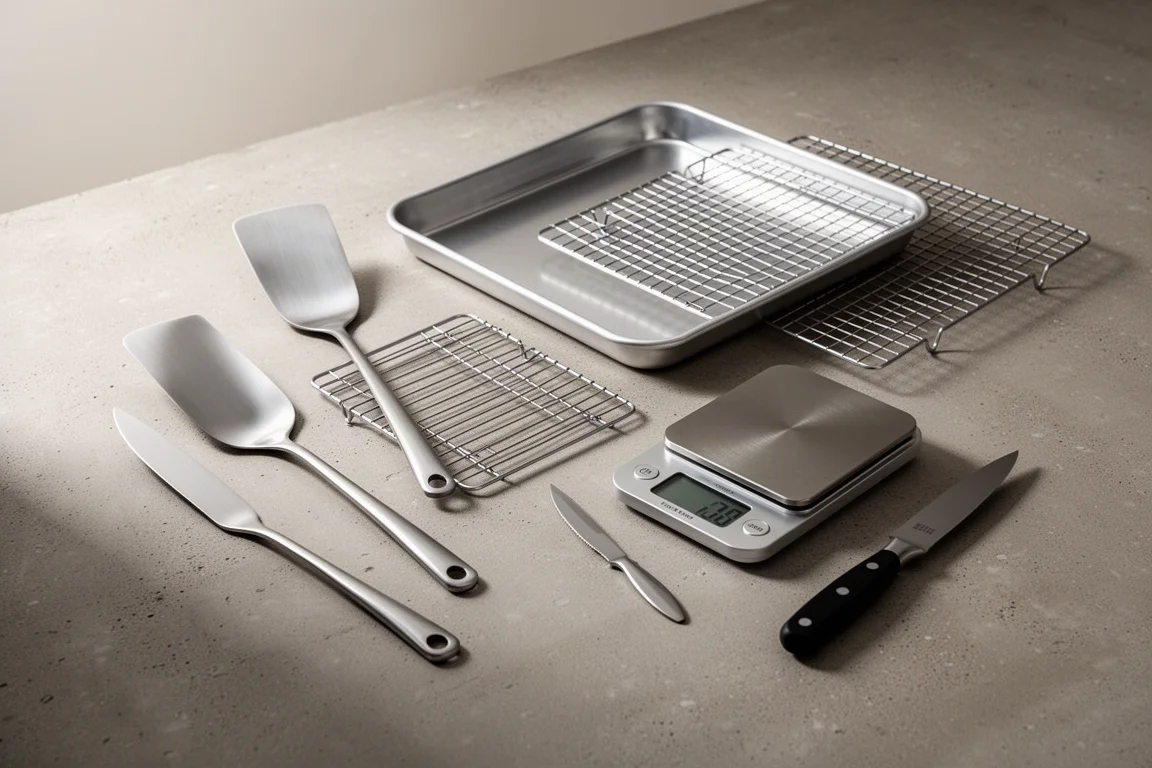
A capsule kitchen is all about choosing pieces that do double, triple, even quadruple duty. That philosophy shapes every pick here: tools that are versatile, space-efficient, and genuinely used day after day. These seven items answer the most common questions about rounding out a minimal kitchen setup, from sheet pans to scales to a surprisingly affordable paring knife.
Fish Spatulas: Premium and Budget Picks
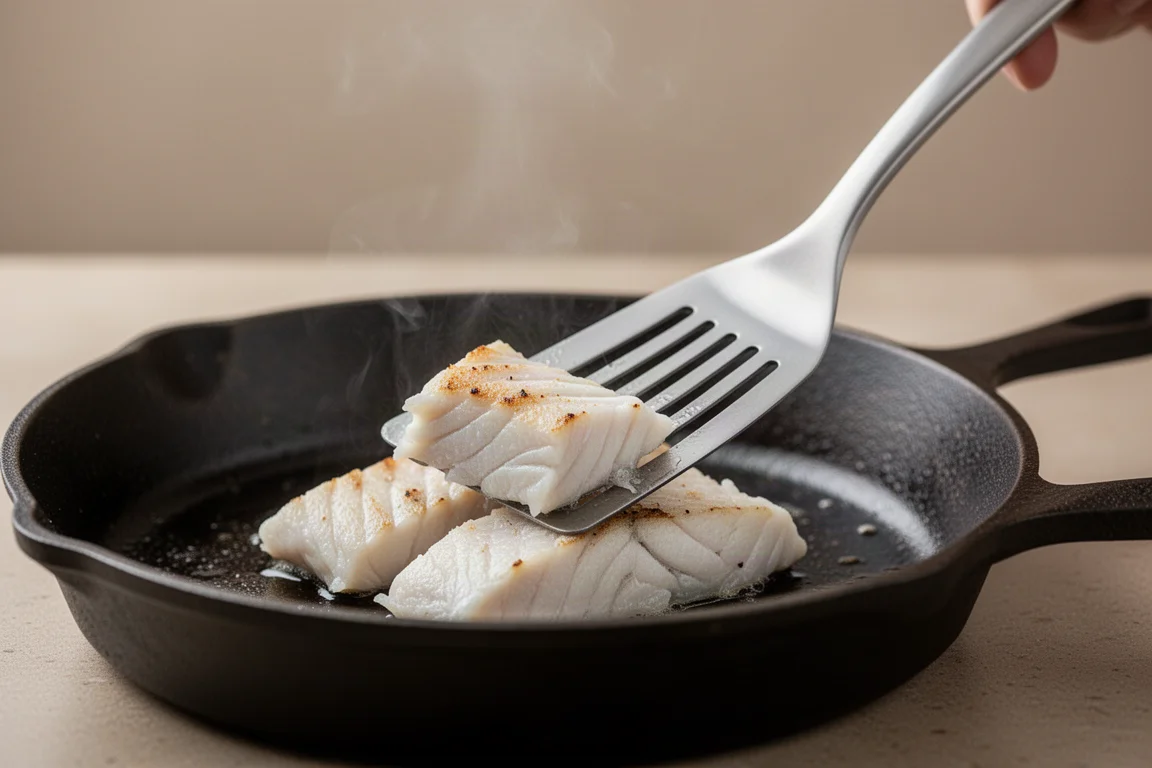
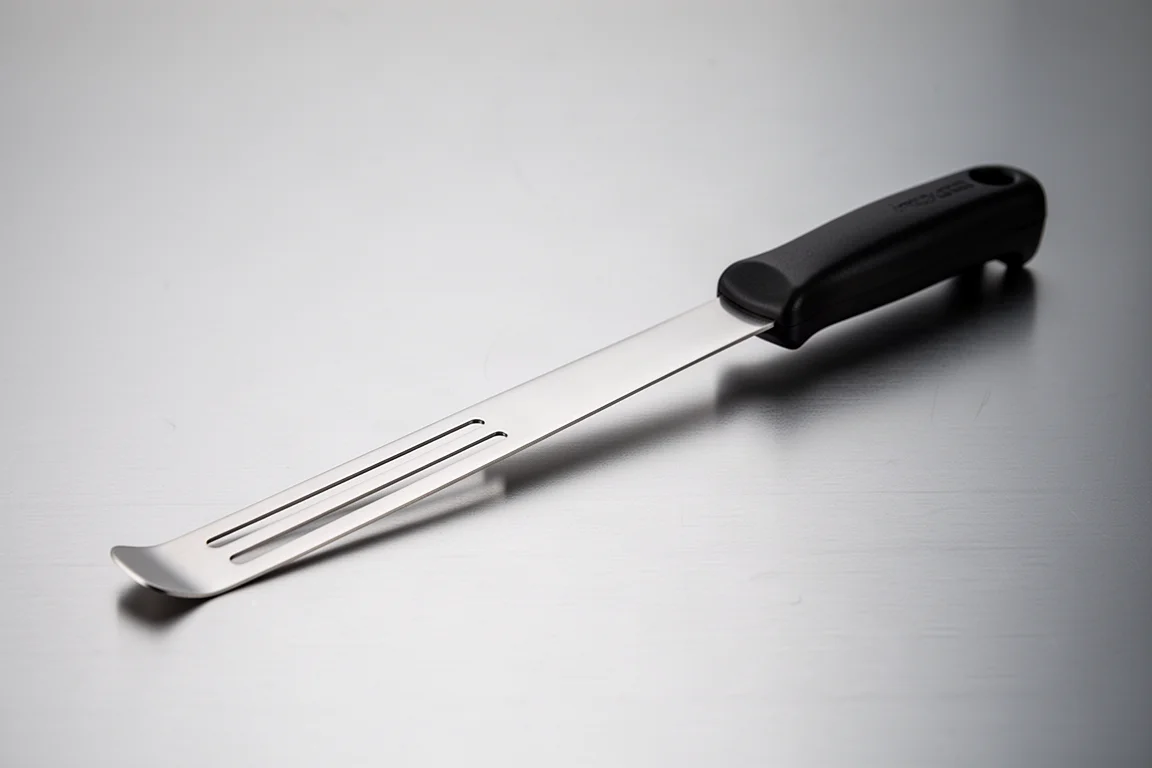
The Wusthof Gourmet fish spatula is the premium pick, and it works wonderfully for every kind of spatula task. It has a lovely little curve, a thin profile, and excellent maneuverability, which is exactly what you want when turning delicate fish or sliding under anything fragile in the pan.
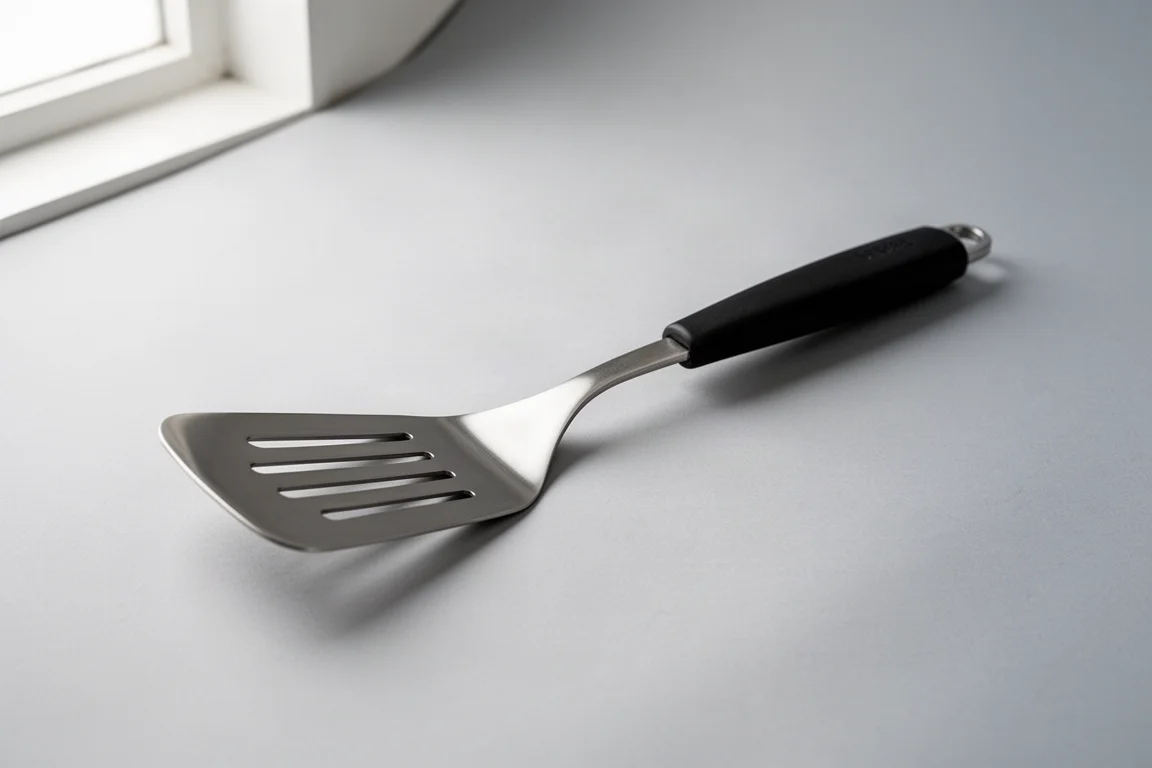
If that price feels steep, the MIU stainless steel fish spatula is a very similar alternative. It does not have quite the same upturned curve, though it has a little bit of one, and it otherwise performs just as well for a fraction of the price. It is a great all-purpose spatula and a genuinely smart buy.
The Sheet Pan You Should Own
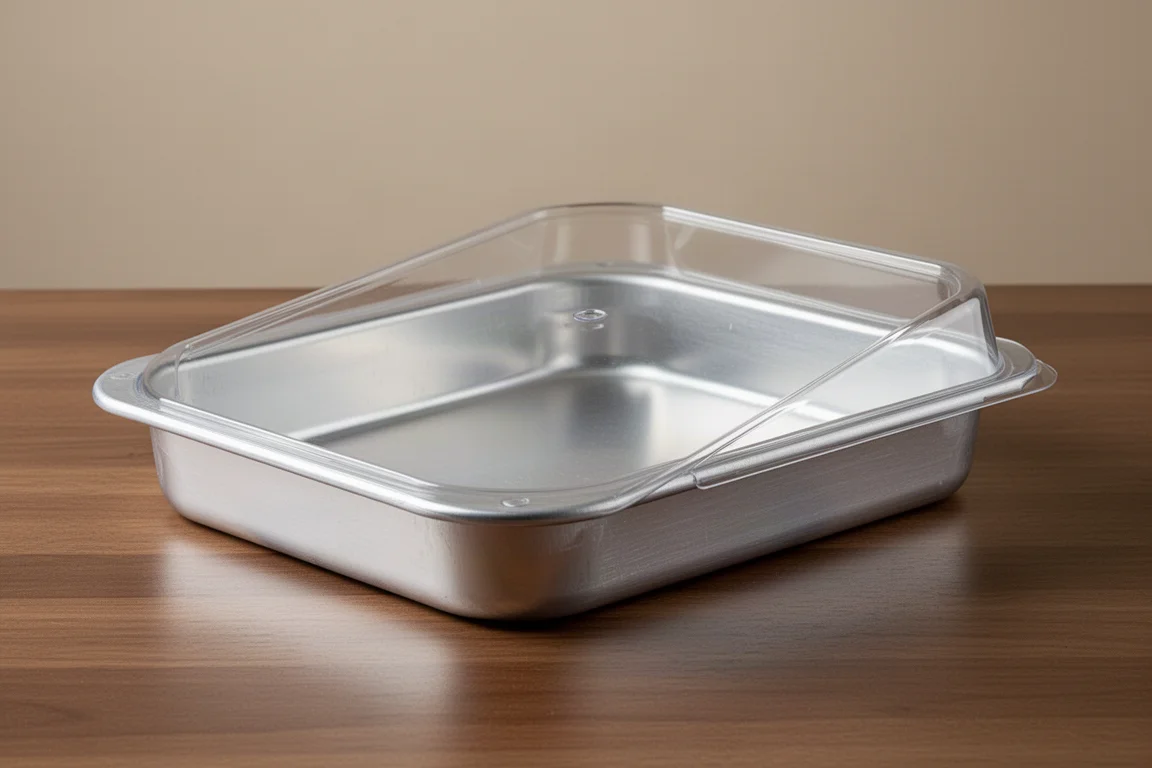
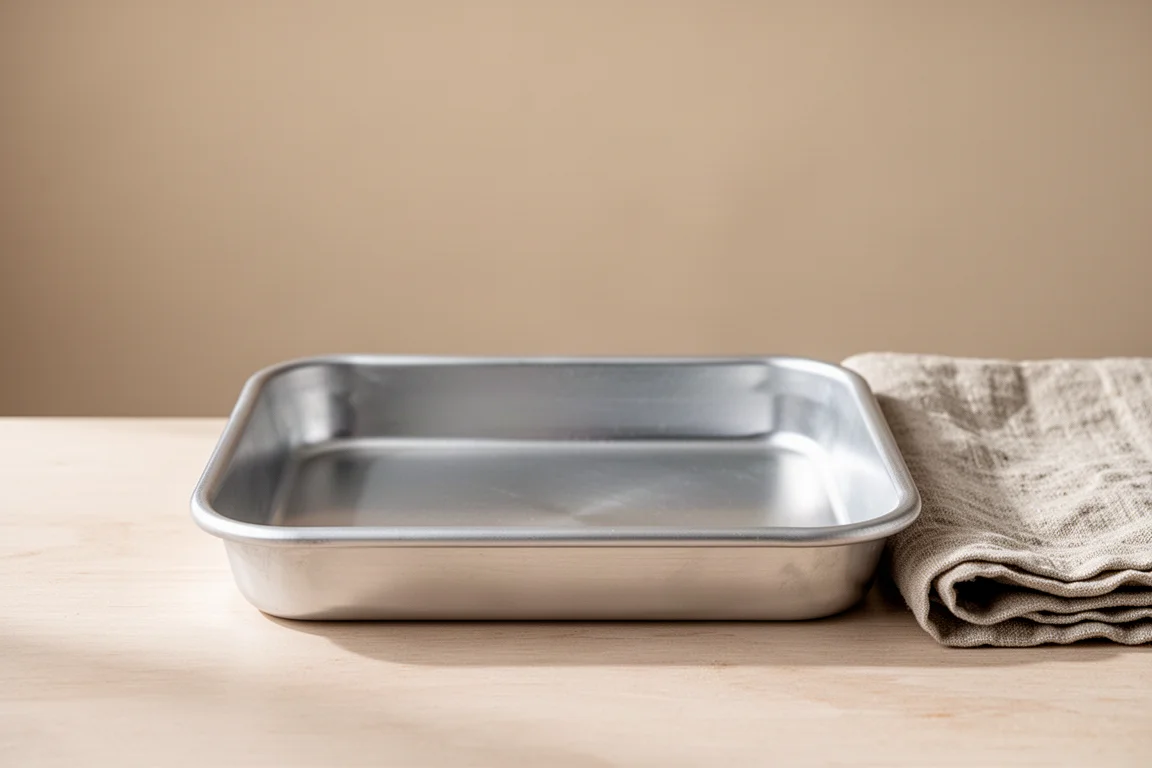
A sheet pan may be the single best addition to a compact kitchen. The Nordic Ware half sheet pan is the favorite here, and it earns its spot through sheer versatility. Its rim makes it far more useful than a cookie sheet: you can roast vegetables, bake jelly roll cakes, and handle all kinds of jobs a flat cookie sheet simply cannot do. If space is limited, the Nordic Ware quarter sheet pan from the same company is a very handy companion at half the size of the half sheet.
The Perfect Pairing: A Cooling Rack Inside the Pan
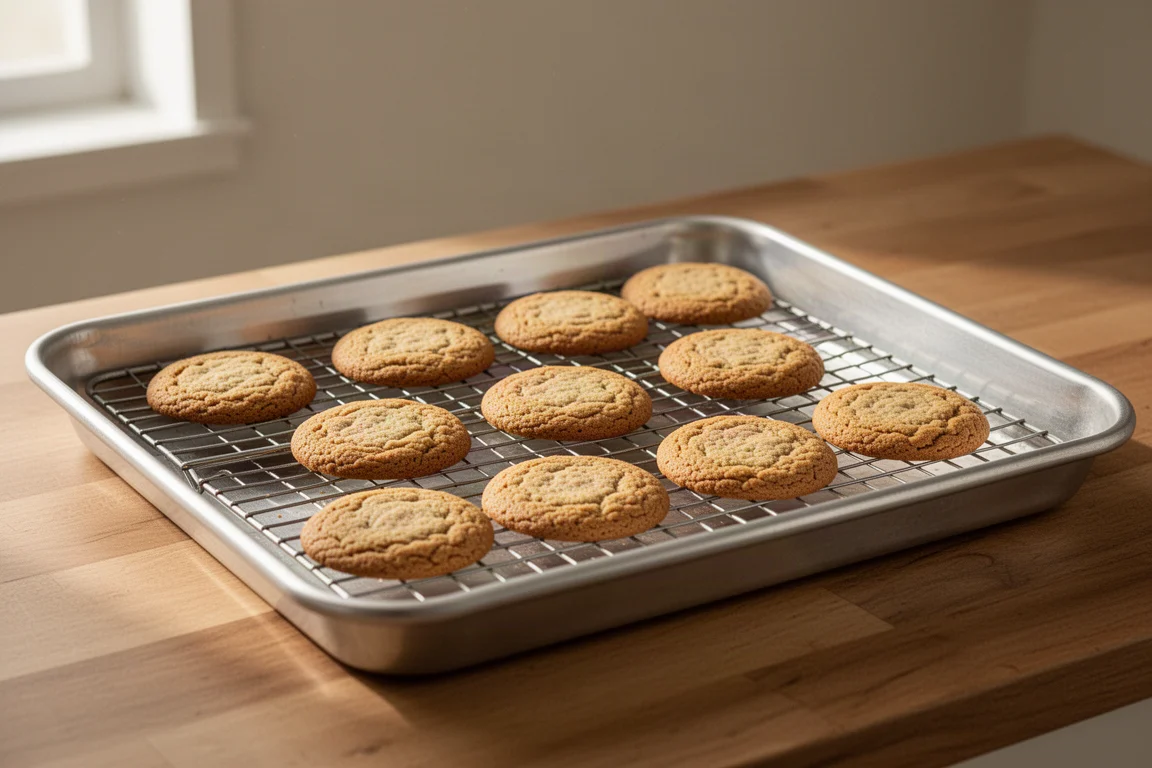
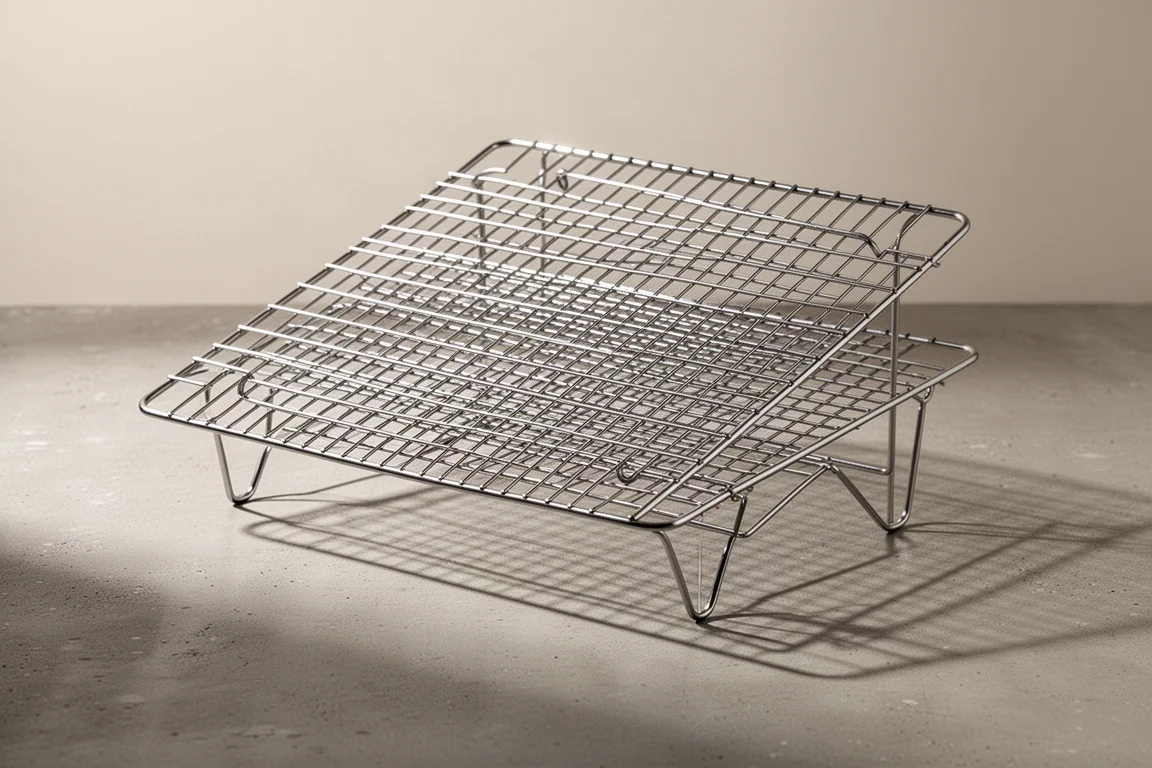
The Checkered Chef cooling rack fits right inside the half sheet pan and makes the combination far more versatile. Use it as a broiling rack, rest fried foods on it so they do not go soggy, or bake cookies on the pan and cool them on the rack. It is a combination used for everything in a busy test kitchen, and it turns one pan into a multi-role workstation.
Why Not a Cookie Sheet?
The honest answer: a sheet pan is simply more versatile. The rim helps contain drips and opens the door to jelly roll cakes and many other bakes. It is also worth noting that a lot of baking can happen right in a cast iron skillet or a Dutch oven. Pies, cakes, skillet cookies, roasting, even frying: one good pan covers an enormous range, which is why a capsule kitchen leans on those pieces rather than a drawer full of bakeware.
Scale or Measuring Cups: Do You Need Both?
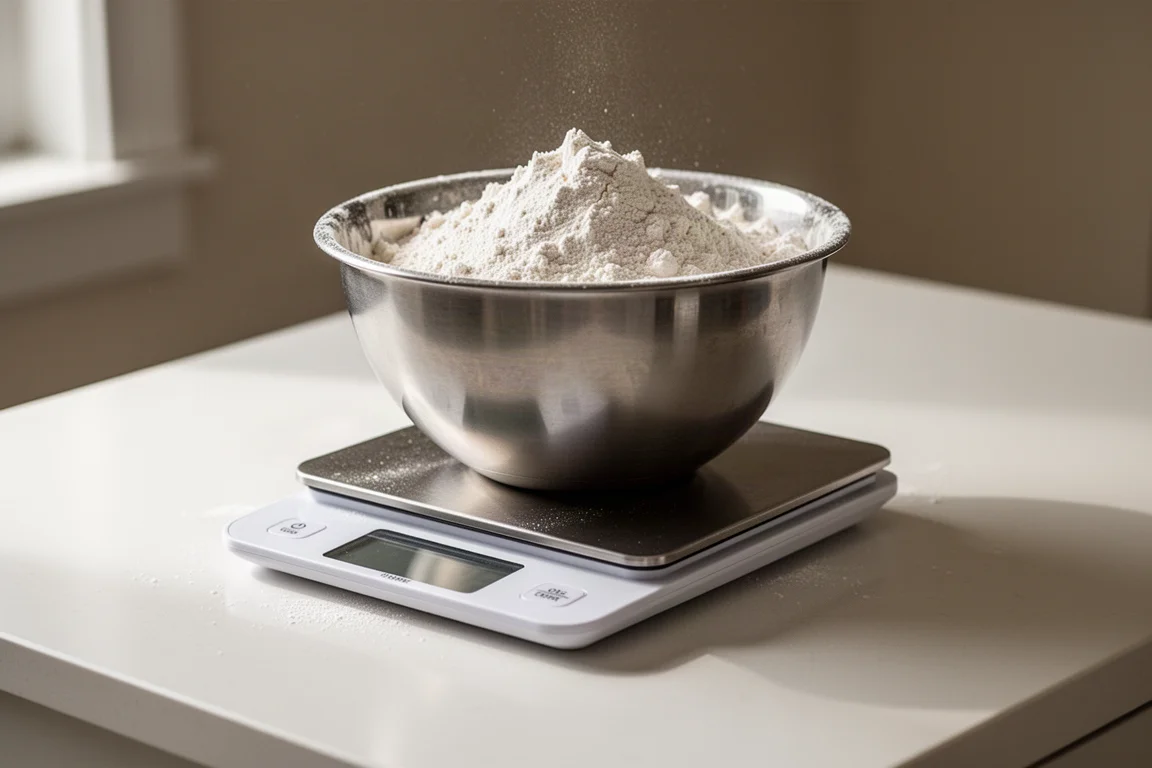
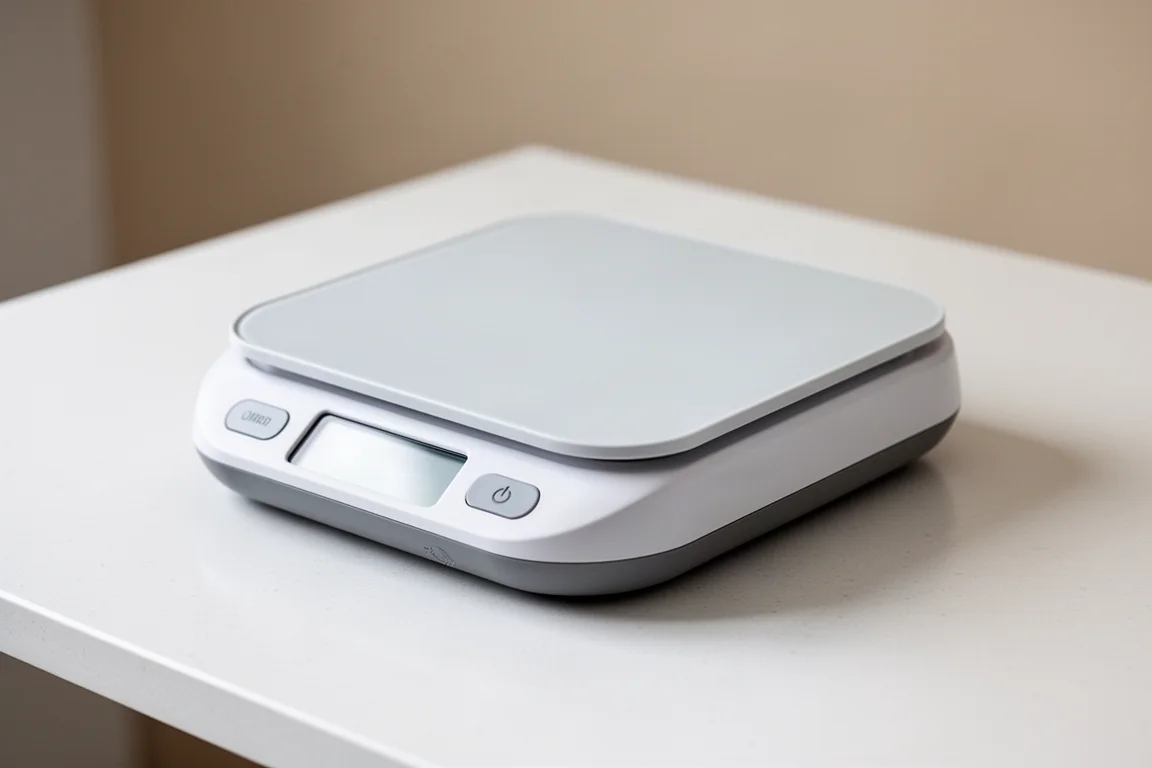
Both have a place. A scale is the preferred tool for baking, and many recipes include weight as well as volume measurements. But plenty of recipes, especially in the U.S., use volumes, so measuring cups still matter. If you can add a scale to your setup, the Oxo 11-pound scale is the favorite. It converts from ounces to grams with the push of a button right on the face of the controls, and it is the kind of tool that ends up in use five times a day because it is never out of reach.
A Small Knife That Punches Above Its Price
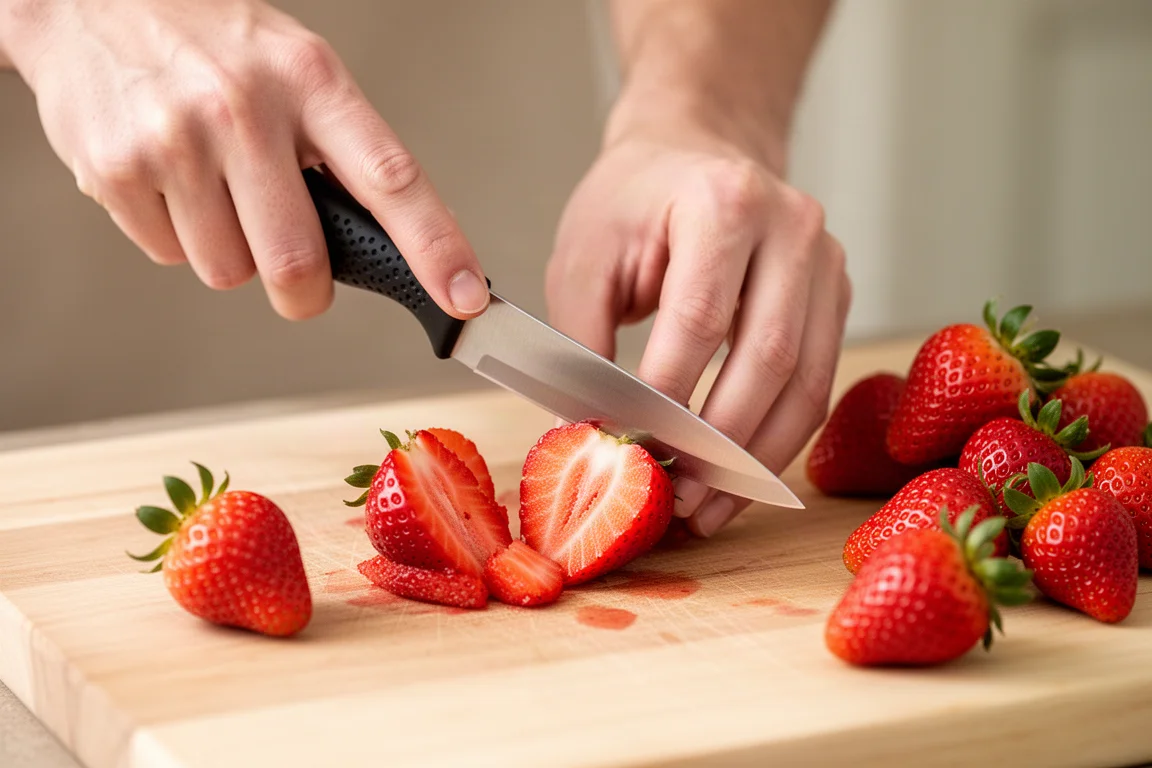
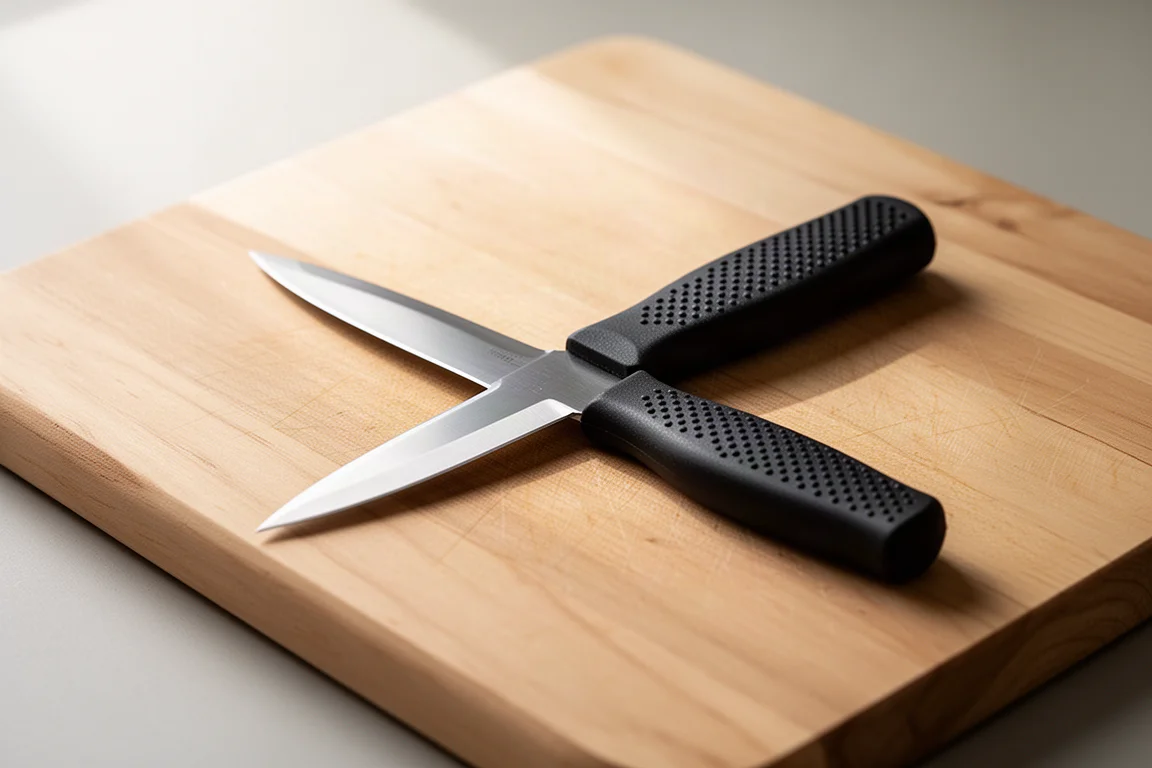
Some cooks would add a paring knife to a capsule kitchen alongside the chef’s knife, and it is a reasonable idea. Keep your chef’s knife sharp and it can handle many of the same tasks, but the Victorinox 3.5-inch paring knife is still fantastic. It has a nice grippy handle, a very sharp narrow blade, and a sharp point for real precision work, whether you are cutting in your hand or on the board. Best of all, it is a great bargain at under $10, takes up almost no space, and earns a permanent spot without regret.
A Note on Cast Iron Color
If your cast iron pan stays light to darkish brown instead of turning jet black, do not worry. Pans that arrive black from the factory are pre-seasoned with oil applied evenly at just the right temperature. Unseasoned pans start out a dark silver-gray, then turn blotchy brown as you use them, much like carbon steel. Over time, possibly years, they darken and eventually become solidly black. To even out the color faster, spread a very thin layer of oil over the pan, wipe off most of it, bake it upside down in the oven for an hour at around 500 degrees, then let it cool inside. Honestly, though, the pan is doing its job. With patience, it will get there. It is a many-lifetime pan.
Conclusion
Every piece here follows the same rule: it has to work hard and cover multiple jobs. A curved fish spatula for delicate turns, sheet pans and a rack that replace a drawer of specialty bakeware, a scale that makes baking more precise, and a sub-$10 paring knife for detail work. Add the pieces that match how you actually cook, and a compact kitchen can handle nearly anything.
Further reading
Related Reviews

Kitchen Gear
Best and Worst Kitchen Gear for 2026: Stand Mixers, Pressure Cookers, and More
A practical guide to kitchen appliances worth buying and models to avoid, based on hands-on testing of stand mixers, pressure cookers, citrus juicers, dish racks, and espresso machines.

Kitchen Gear
Best Budget Kitchen Gear: Eight Value Picks That Punch Above Their Price
Eight kitchen tools that delivered excellent performance at a reasonable price, plus the trade-offs to weigh before you buy.
Kitchen Gear
Best Kitchen Gear Gifts: Seven Tested Picks From Budget to Splurge
Seven kitchen tools that earned their place, from a $15 vegetable peeler to a $1,000 indoor pizza oven.