Snowboarding
Capita Kazu Pro Review: A Damp, Poppy Big Mountain Snowboard
The Capita Kazu Pro pairs cam-rocker versatility with a surprisingly damp, smooth ride, making it a strong pick for big mountain riders who want freestyle playfulness.
Introduction
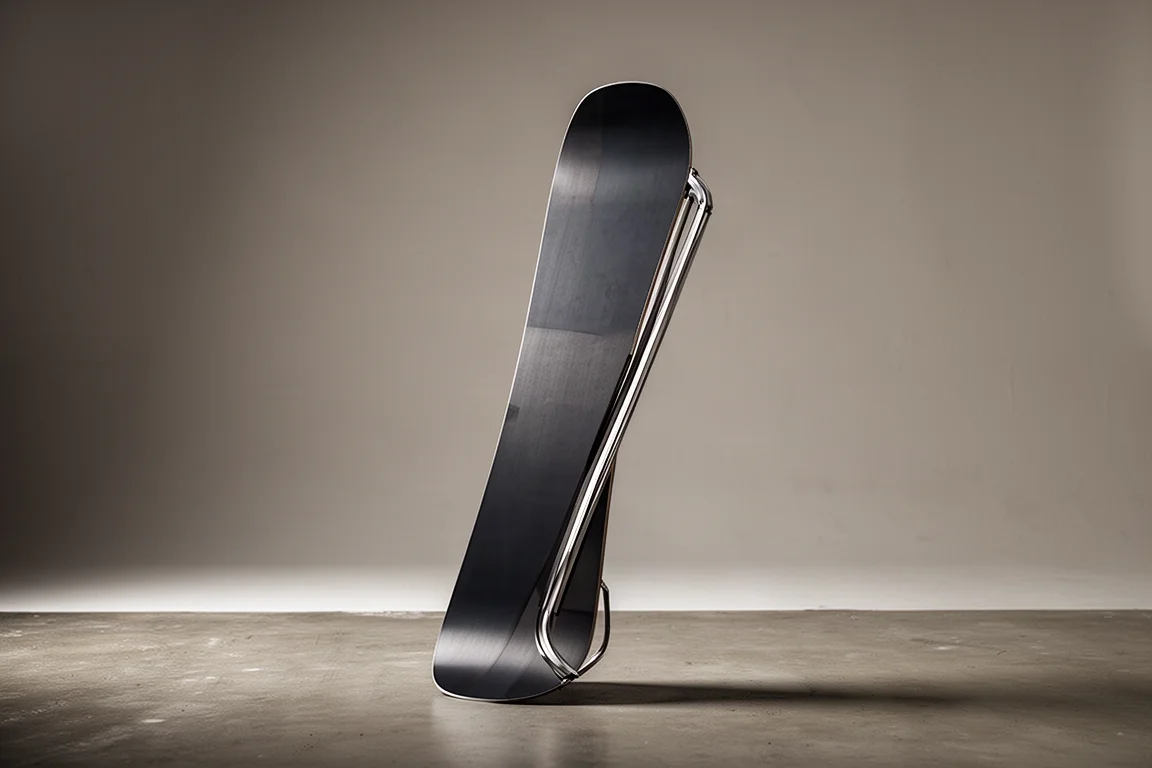
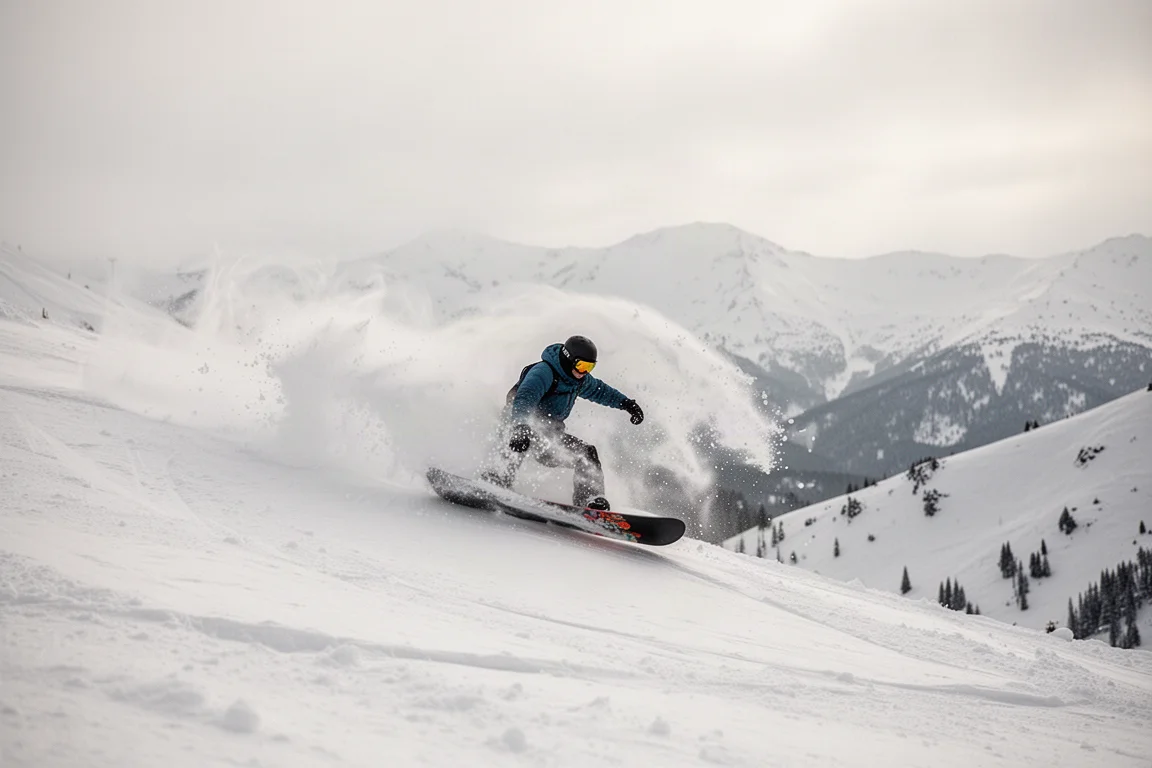
The Capita Kazu Pro is a directional all-mountain snowboard built around the brand’s Resort V3 camber profile: rocker in the tips with slightly set-back camber through the midsection. In practice, that means you get the pop, snap, and drive of traditional camber underfoot, while the rocker in the tips makes turn entry and exit easier and improves float in powder. We spent a full day on it at Copper Mountain in genuinely mixed conditions, and it turned out to be one of the more versatile big mountain decks we have ridden.
Who This Board Is For
This board is aimed at the big mountain rider who wants freestyle versatility: something you can drive hard on demanding terrain but still play around with when the mood strikes. Available sizes include 151, 154, 157, 160, 155W, 158W, and 161W, so there is a fit for most riders. For the terrain conditions we tested it in, it was hard to imagine wanting anything else underfoot.
Damping and Ride Quality
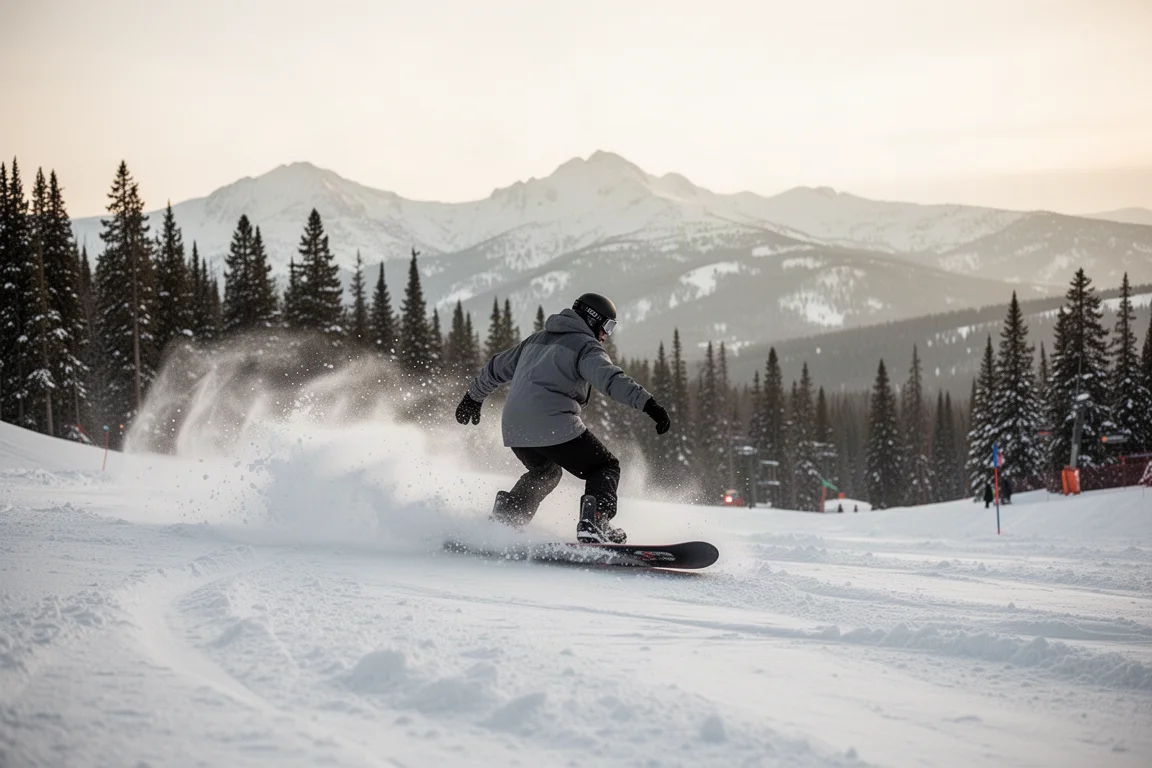
The standout trait is how damp and smooth this deck feels. On groomers at speed, chatter gets killed off before it reaches your feet. In rutted and chopped-up terrain, the camber profile and tip shape let the board climb on top of everything, and even abrupt hits do not send jarring energy back underfoot. Crusty snow produces only a faint vibration, not enough to fatigue you over a long day. For a Capita, it is notably smooth and forgiving.
Pop and Playfulness
Despite that damping, the Kazu Pro still snaps. The camber section is easy to load, and rolling back on the tail feels like a springboard. Side hits, cat track gaps, and rollers in powder all work in your favor: you can pop out of a landing, get back on top, and pop again. Compared with the previous version, this generation feels softer and more approachable, with a bit more play in the tips where the rocker sits, then stiffening through the midsection. Torsional flex is present but consistent, so you can ankle-steer without the board fighting you.
Butter Performance and Flex
Buttering is genuinely enjoyable here. The rocker in the tips flexes easily when you pop the board around to land on it, then the camber engages and snaps you back out. The rebound is solid, and most powder butter variations come off without trouble. Lighter riders may have to work a little harder to load the flex, while average to heavier riders should find it manageable.
Edge-to-Edge Power and Carving
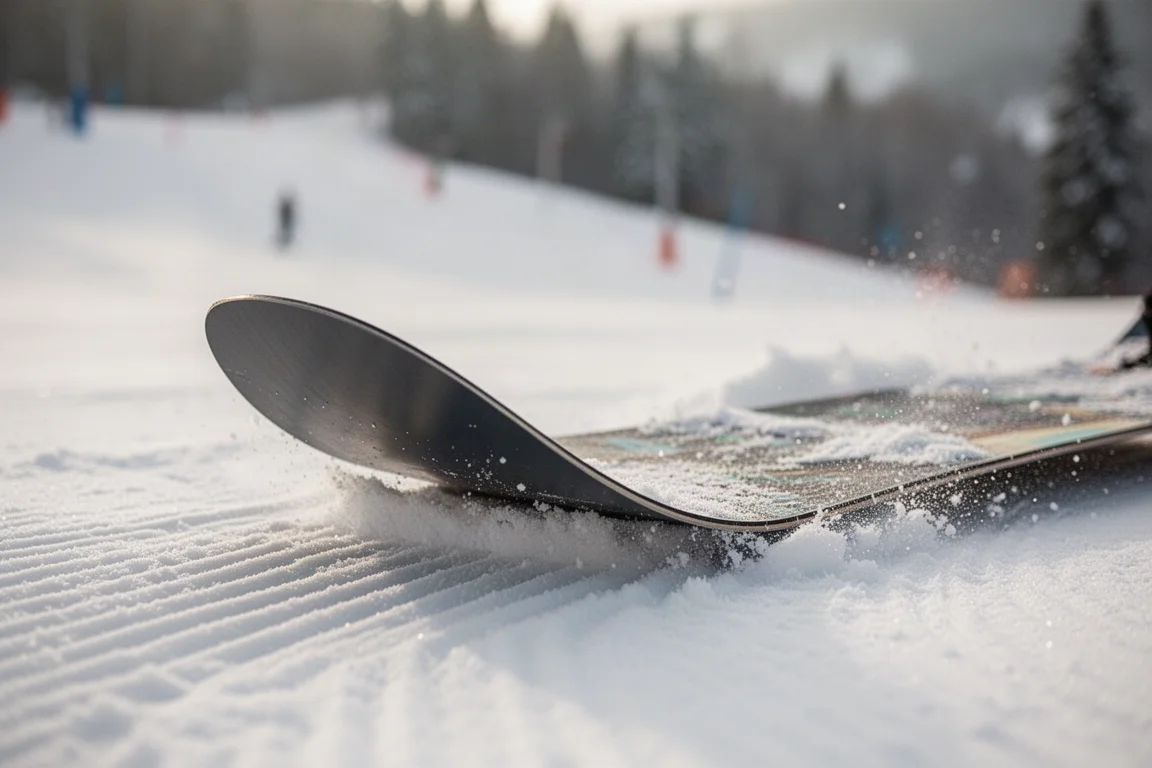
Power transmission edge to edge is strong and snappy, which lets you really drive a carve. At speed and on mellow arcs, the board locks in and transitions cleanly; laying it over is not a problem. The one area that takes a bit more effort and intention is short, tight, quick carves on flatter terrain, where you need to put more weight into the camber to drive the edge. It is not a dealbreaker, just something to be aware of. Even in chopped-out terrain while carving, the ride stays smooth and composed.
Things to Consider Before Buying
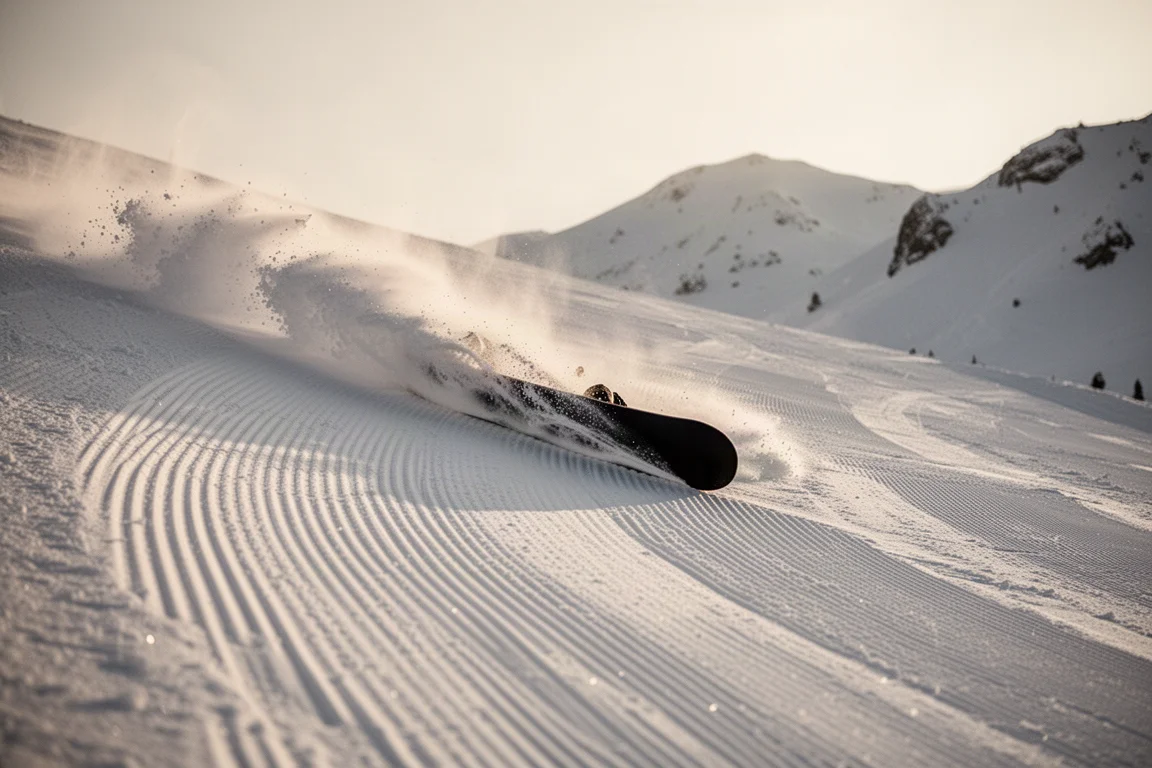
If you are a lighter rider, expect to put in a bit more effort to load the camber and flex. And if your riding style centers on quick, tight carves in flat terrain, plan to be a bit more deliberate with your weight. Beyond those notes, the board’s ability to sit on the transition where the camber drops into the rocker at the tail makes for satisfying, aggressive slashes in powder. The mixed conditions we tested in, from firm crust to midday chop to soft groomers, played to every one of its strengths.
Buying Advice
If it matches your style, this deck pairs well with bindings such as the Union Atlas Pro, Jones Mercury, or Ride C-8. Comparable boards to consider include the Rome Ravine Pro, Borealis Artifact, and K2 Antidote. And if you can, support your local shop when picking one up in person; supporting snowboarding is good for everyone.
Conclusion
The Capita Kazu Pro has matured into a more approachable, more versatile board than earlier versions. It is smooth and damp on edge, explosive when loaded, and genuinely fun to butter and slash. For the big mountain rider who wants freestyle range without giving up stability, it deserves a close look.
Product link
View more details for Capita Kazu Pro
This product is mentioned in the review. Check the specifications, options, and compatibility before buying.
View more details for Capita Kazu ProFurther reading
Related Reviews
Snowboarding
2025 Snowboard Gear List: Five Picks That Earned Their Place on the Mountain
From Zeiss-lens goggles to a hybrid step-in binding, here are five pieces of 2025 snowboard gear that held up across a full season of riding.
Snowboarding
2026 Snowboard Gear List: Boards, Bindings, Boots and Outerwear Worth a Look
A season-ready snowboard setup built from the bottom up: base layers, Strafe outerwear, Ride and Union boots, Union bindings, and two new Capita boards.
Snowboarding
32 Cold World Review: A Playful Hybrid Camber Board for Park Laps
The 32 Cold World blends classic camber underfoot with flat nose and tail sections for a predictable, butter-friendly ride aimed at intermediate park riders.