Snowboarding
Capita DOA vs Super DOA: Which All-Mountain Freestyle Board Fits Your Riding?
A side-by-side comparison of the Capita DOA and Super DOA covering construction, flex, park performance, and carving power to help you pick the right board.
Introduction
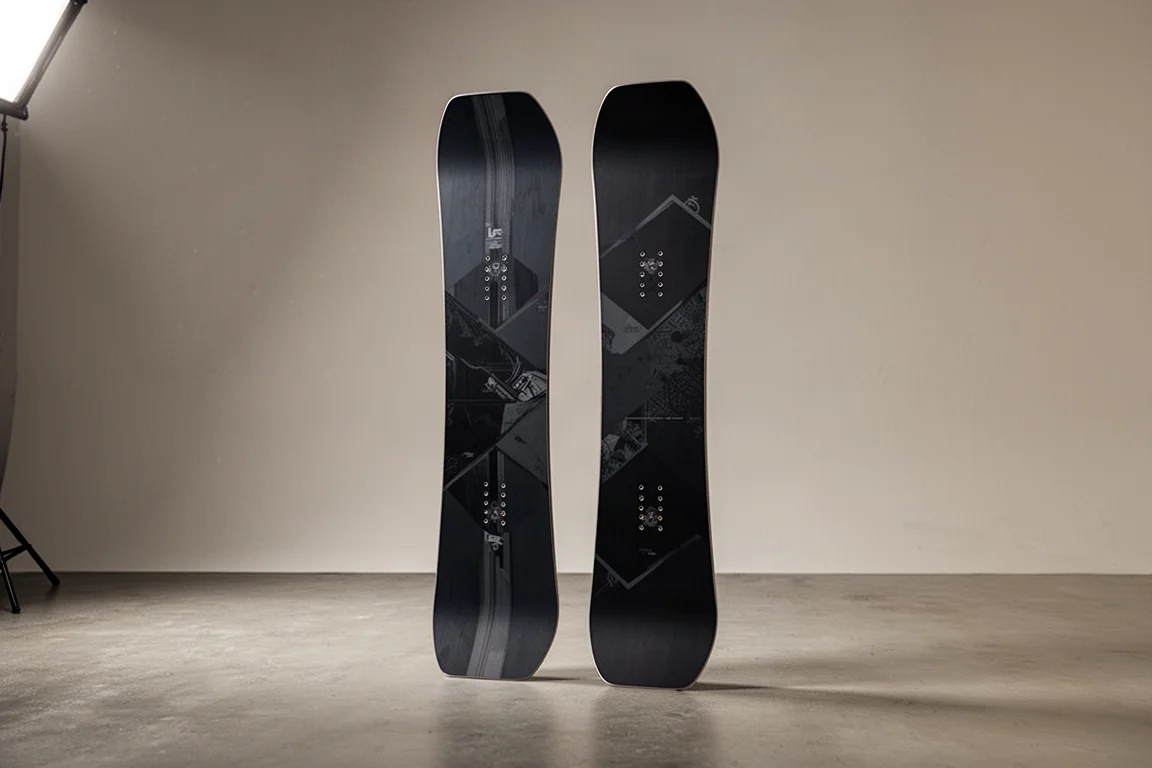
The Capita DOA and Super DOA are two of the most talked-about freestyle snowboards around, and they share far more DNA than most board comparisons. The Super DOA is essentially the big brother to the DOA: same shape, same geometry, same profile, but with a noticeably more performance-focused construction underneath. This comparison is based on riding both boards side by side on the same day, in the same 154 size, with the same Union Force bindings, across park laps and resort carving. Here is how they actually differ.
Shared DNA: Same Shape, Same Profile
Both boards are true twins, so they ride the same in either direction, and both use Capita’s Resort V1 profile: camber-dominant through the body, running past the inserts to a small flat zone and then rocker in the tips. Both also feature the Fortress Aramid Bound Sidewall, an aramid fiber reinforcement (the same resilient fiber used in bulletproof vests) that improves durability if you like to beat on your boards.
Carbon is built into both boards as well, with carbon strips running the full length of each one. That shared foundation is why both boards feel energetic and camber-positive, and why both are a lot of fun for butters and flat-ground tricks.
Where the Super DOA Goes Further
The construction differences are where the Super DOA pulls ahead. It carries twice as much carbon as the DOA, which is the backbone of its extra power and torsional response.
The core story matters too. The DOA uses a popular Poplar core, while the Super DOA blends a similar core with a lightweight recycled material to cut weight significantly. The Super DOA also gets a 3D milled core, a visible profiling that makes the board beefier and sturdier torsionally while still allowing flex in the tips. On top of that, the Super DOA uses the Megalight Skin topsheet for a claimed 60% weight reduction over a standard topsheet like the one on the DOA.
Bases differ as well. The DOA runs a high-quality high molecular weight sintered base, but the Super DOA steps up to one of Capita’s XT bases: thicker base material, more durability, and a visible structure of grooves and channels that moves moisture out from under the base faster.
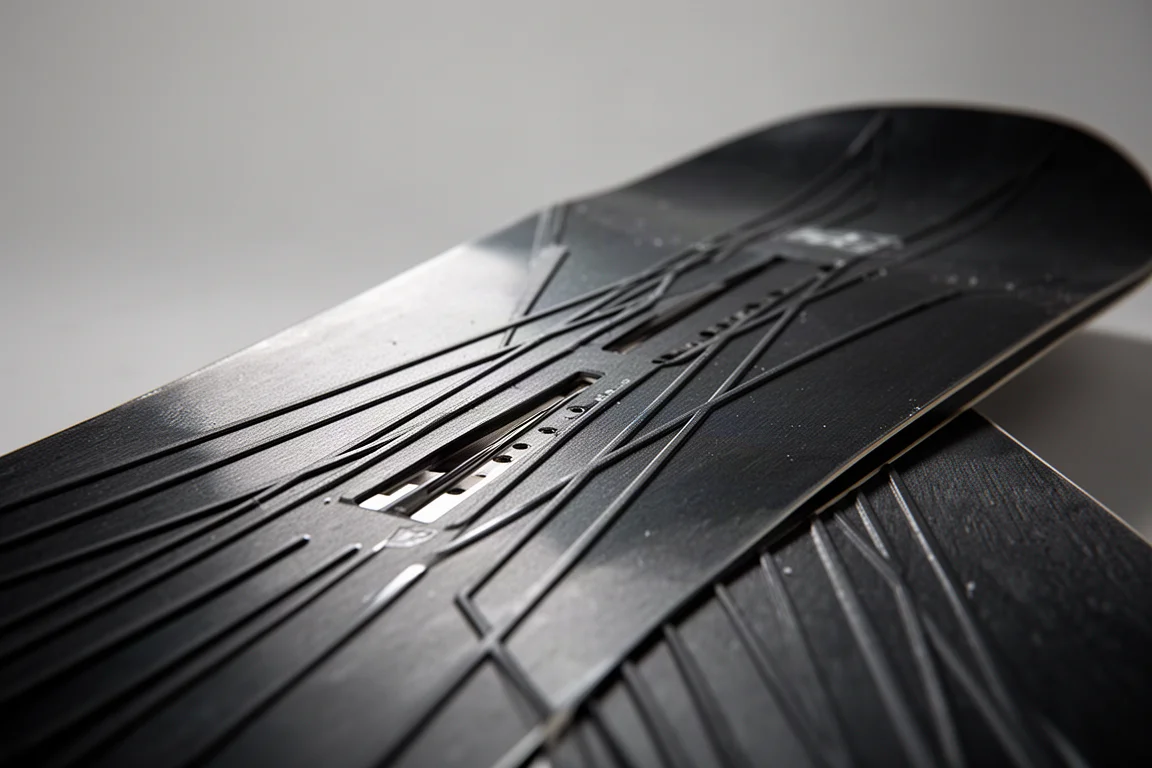
That base structure makes the Super DOA faster in all snow conditions, and it is extremely noticeable in spring when moisture content rises and lesser boards start suctioning to the snow.
Flex and Feel on Snow
At a high level, the Super DOA is a more powerful version of the DOA, and it is also notably lighter underfoot. If the DOA is a five out of ten flex both lengthwise and torsionally, the Super DOA sits around a six lengthwise and closer to a six and a half or seven torsionally. That extra torsional stiffness gives the Super DOA more response and a more locked-in feel around the resort, and it is a touch stiffer lengthwise too.
Because of the 3D core profiling, the Super DOA still flexes nicely in the tips and stays genuinely fun in the park, but it takes a bit more effort to bend, and it flexes a little differently than the DOA.
Park and Freestyle Feel
Both boards are seriously poppy thanks to their camber-dominant, energetic feel, but the Super DOA wins the energy contest: when you load it up, it snaps back with even more pop and snap than the already impressively poppy DOA.
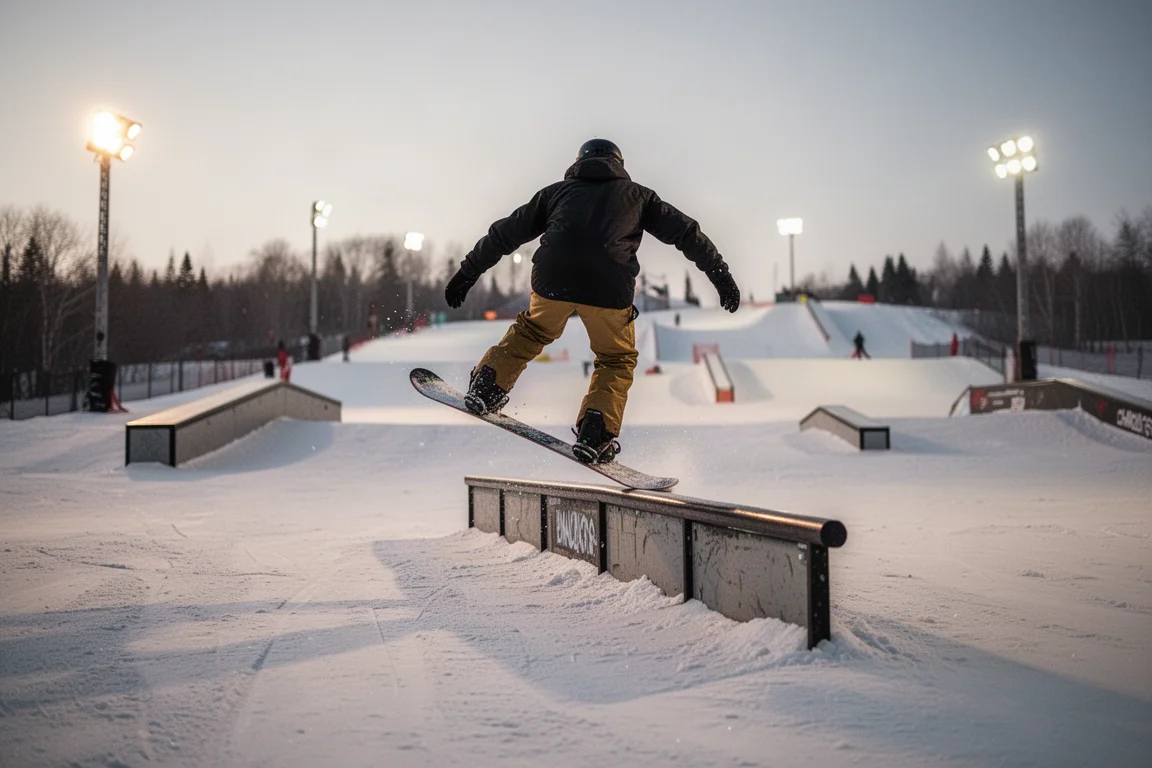
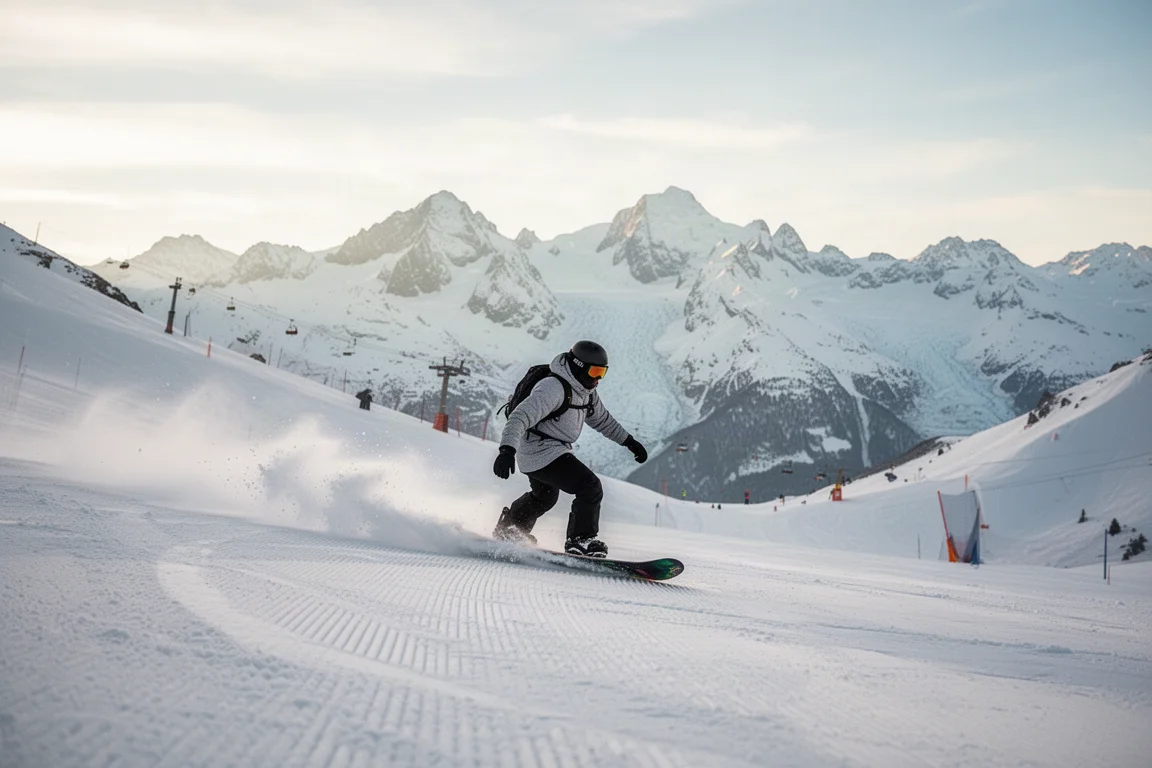
For all-around park riding, though, the DOA has the more comfortable feel. It is more maneuverable with that softer torsional flex, more pressable, and easier for jibs, while still carrying the stability to step up to larger features. The Super DOA leans more toward jumps, with more stability and precision that make it slightly less comfortable on rails. If you want a dedicated park board, the DOA is the pick of the two.
Carving and Resort Performance
With identical geometry, both boards carve with a fairly comparable feel, and the DOA is a bit easier to maneuver and easier to initiate turns. But the Super DOA delivers noticeably more power to the edges. It feels much more locked in, more precise, and more capable at higher speeds. In variable conditions especially, that extra torsional power makes a real difference around the resort. As a resort explorer, the Super DOA is clearly a step ahead.
Buying Advice: Which One Should You Get?
After multiple days on each board and a proper same-day side-by-side test, the split is clear. The DOA is a true freestyle snowboard: maneuverable for park laps, ready to jib, jump, and butter, with a comfortable, natural feel for that style of riding.
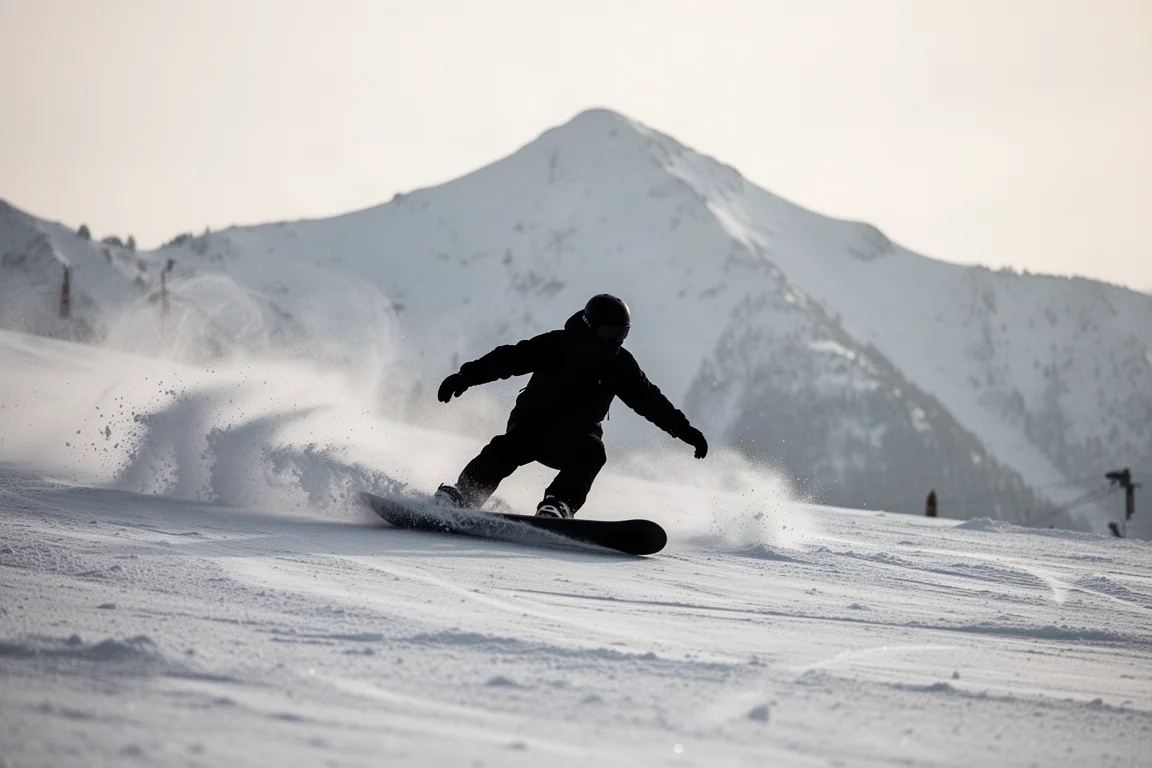
The Super DOA is more of a true do-it-all, all-mountain freestyle board. It stays comfortable in the park but adds more precision, more stability, and much more torsional power, which pays off most when carving and dealing with variable conditions around the resort. Pick the DOA if the park is your home base; pick the Super DOA if you want one board that handles everything with extra authority.
Conclusion
These two boards share the same shape and profile, but they are aimed at slightly different riders. The DOA remains one of the most comfortable and poppy freestyle boards for dedicated park laps, while the Super DOA turns that same formula into a lighter, stiffer, more powerful all-mountain weapon. Match the board to where you actually spend your time, and either choice will deliver a lot of fun.
Product link
View more details for Capita DOA
This product is mentioned in the review. Check the specifications, options, and compatibility before buying.
View more details for Capita DOAFurther reading
Related Reviews
Snowboarding
2025 Snowboard Gear List: Five Picks That Earned Their Place on the Mountain
From Zeiss-lens goggles to a hybrid step-in binding, here are five pieces of 2025 snowboard gear that held up across a full season of riding.
Snowboarding
2026 Snowboard Gear List: Boards, Bindings, Boots and Outerwear Worth a Look
A season-ready snowboard setup built from the bottom up: base layers, Strafe outerwear, Ride and Union boots, Union bindings, and two new Capita boards.
Snowboarding
32 Cold World Review: A Playful Hybrid Camber Board for Park Laps
The 32 Cold World blends classic camber underfoot with flat nose and tail sections for a predictable, butter-friendly ride aimed at intermediate park riders.