Snowboarding
Capita Black Snowboard of Death 25th Anniversary Review: A Freeride Charger That Rewards Speed
After 25 years in the line, the Black Snowboard of Death comes back with a softer, more approachable flex while keeping the speed-hungry carve and pop that made it a legend.
Introduction
Few boards have the longevity of the Capita Black Snowboard of Death. Now in its 25th anniversary edition, it has been part of the lineup for a quarter century, and it has quietly evolved with the brand the whole way. After spending time on it in variable late-spring conditions, the takeaway is clear: this is still a freeride charger’s board, but this version feels slightly softer and more approachable than previous iterations, which makes it friendlier for a broader range of riders without losing its character.
The Anniversary Edition Explained
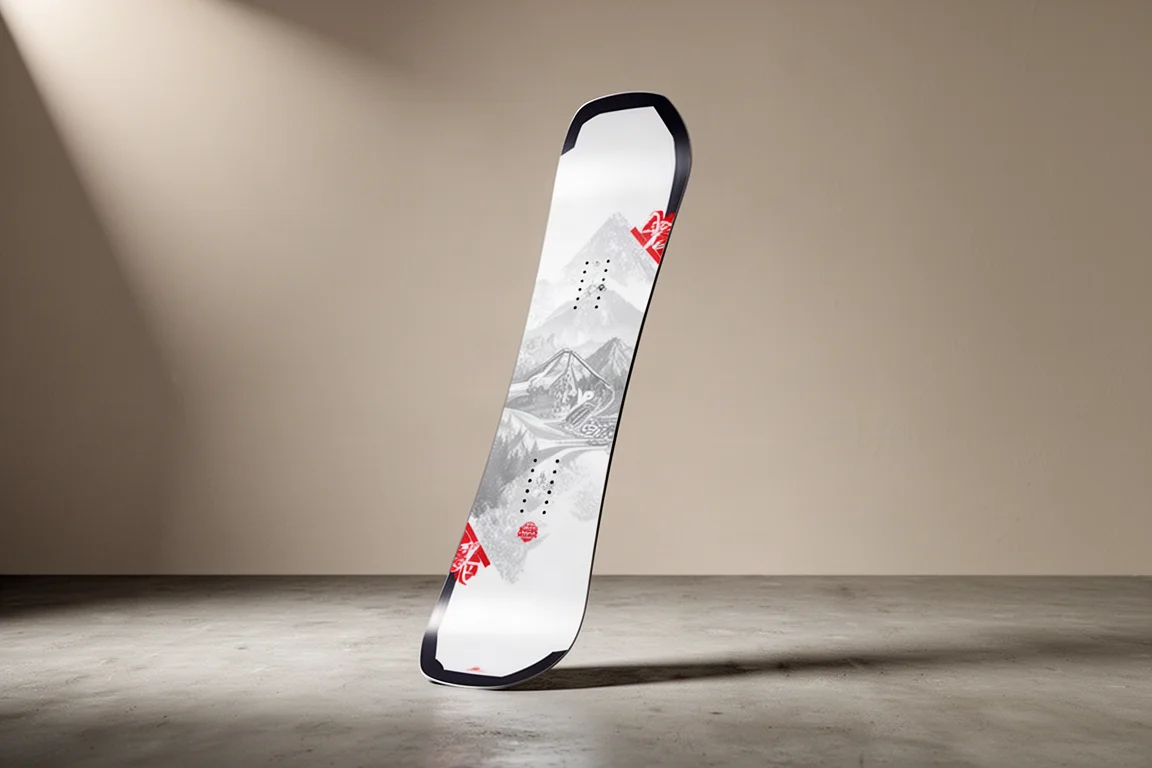
There is an interesting twist to the 25th anniversary topsheet: it is white, not black. The 159 tested here is red because it is a Kevin Jones pro model, a nod to the board’s roots. Originally, the Black Snowboard of Death was supposed to be the Black Snowboard of Kevin, so having him on the pro model brings the story full circle. It is a nice bit of heritage for a board that has survived this long by simply being good at what it does.
Construction and Camber Profile
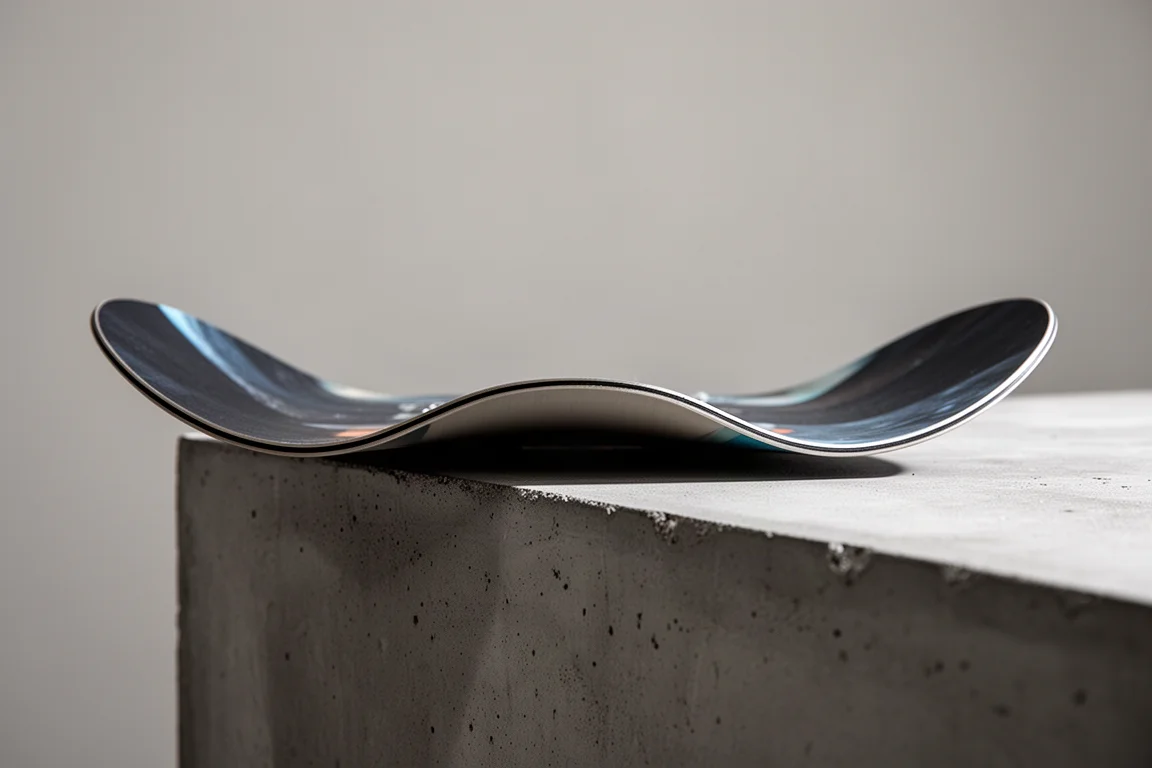
The board uses Capita’s Alpine V1 directional camber profile with flat kick. In practice, that means rocker in the nose, camber through the insert area, a small flat section in the tail, and then rocker again, with the tips in both nose and tail. Camber underfoot delivers load, pop, snap, and drive, while the rocker in the tips makes turn entry and exit easier and improves powder float. That combination also shapes the flex pattern in a useful way.
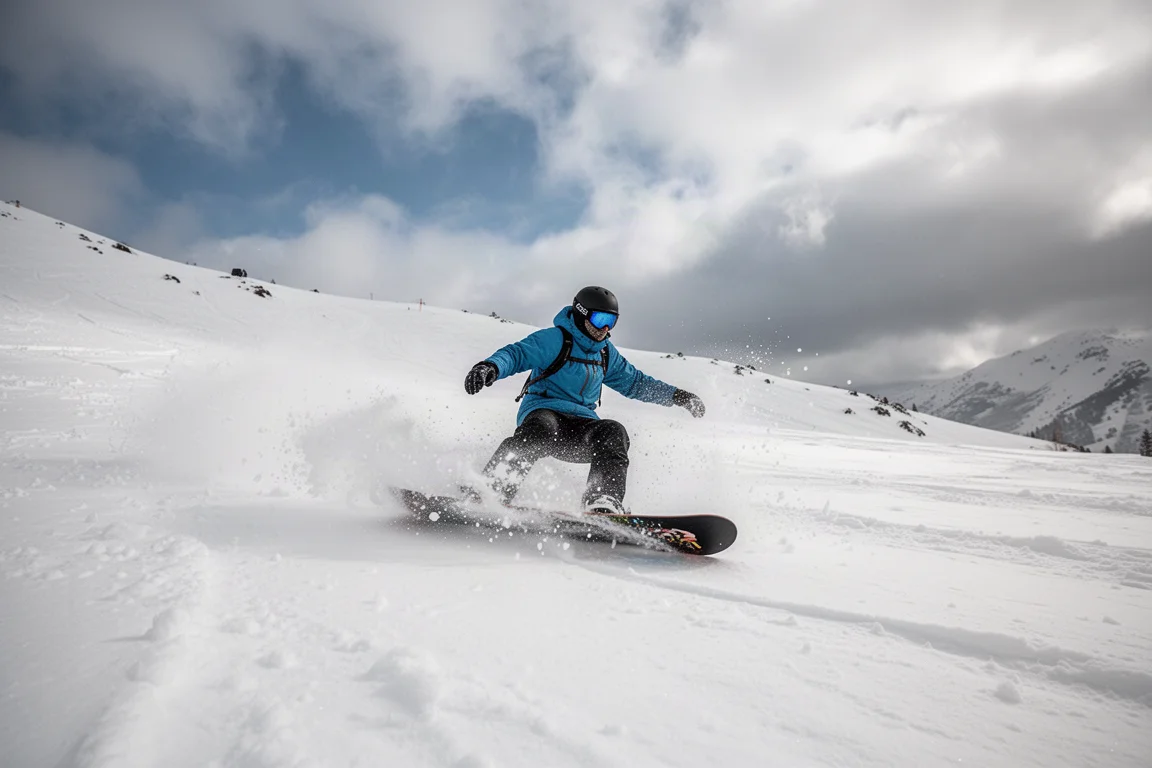
Sizing is generous: 156, 159, 162, 157 wide, 161 wide, 165 wide, and 169 wide, so bigger riders have real options. The review board was ridden with Rome Black Label bindings and K2 Thoraxis boots on a day of chop, chunder, slush, and the occasional patch of hero snow, which is about as honest a test as variable conditions allow.
Flex, Pop, and Stability
The flex is directional with clearly defined points. The nose is the softest part, accentuated by the rocker, and it progressively stiffens toward that flat tail section before releasing into tail rocker. Torsionally it matches, feeling springy when engaged but not abrupt.
Stability is where speed matters most. The faster you go, the better this board disperses chatter. At slower speeds you feel more of the kinetic energy underfoot, and the nose can flap slightly and resonate back. In rutted terrain at lower speeds it is manageable, but it genuinely comes alive when opened up. Keep your knees more bent than you think and be ready for abrupt hits that can jar you if you are coasting.
Pop is consistent rather than violent. The longer camber section means you do not have to abruptly load the board to get spring out of it. You will not boost to the moon, but you can reliably pop off anything, with a quick rebound that works well in pillow lines or rapid side hits. It is not so demanding that you need your A-game every run, but what you put in is what you get out. It also feels a touch more butterable than before: the flex points in nose and tail lock in well, and engaging the camber for spring does not require overleveraging your weight.
Carving Performance
This is where the board shines. Entry into a carve is fluid yet abrupt in a good way: you feel the power guide you in and it grips. From the middle back through the tail, there is a ton of power to snap you out or keep you locked in and driving harder.
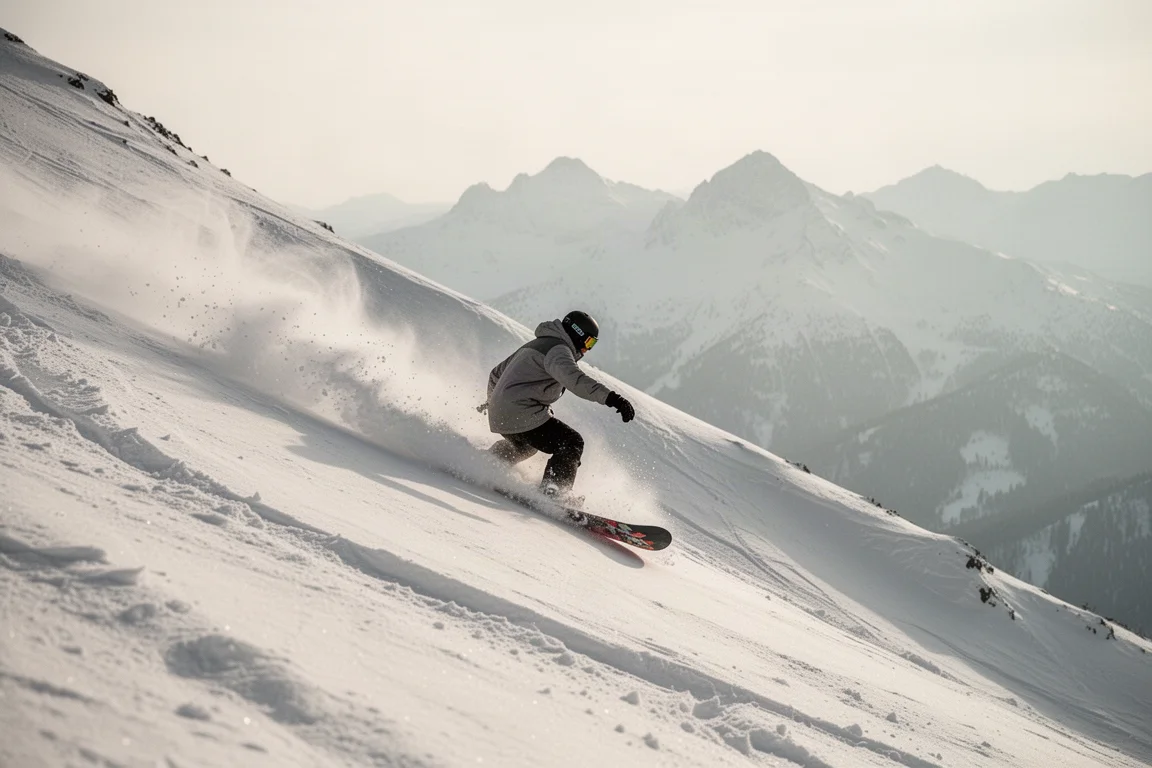
Short, tight, and mellow carves take a bit more work. Deep, hard carves at speed are what this board was built for, and it lays trenches when you commit. It can handle lazy cruising, but it is designed to be opened up: all gas, no brakes.
Ride Feel and Base Performance
The base tune deserves a mention: it glides exceptionally well in variable snow. Even when the surface turned sticky late in the day, the board never slowed down noticeably. Getting back on it after a few years, the ride feels consistent, with a slightly softer character than before that makes it more approachable for the everyman rider.
Comparable Boards and Binding Pairings
If you are cross-shopping, comparable boards include the K2 Alchemist, the Jones Howler, and the Ride Deep Fake. On the binding side, the Union Falcor, Rome Katana Pro, and Yes Drive are recommended pairings that suit the board’s freeride character.
Who This Board Is For
This is a board for the freeride charger who wants something that will not overpower them on every run. Advanced riders will get the most out of it, particularly those who like to point it and ride fast through variable terrain.
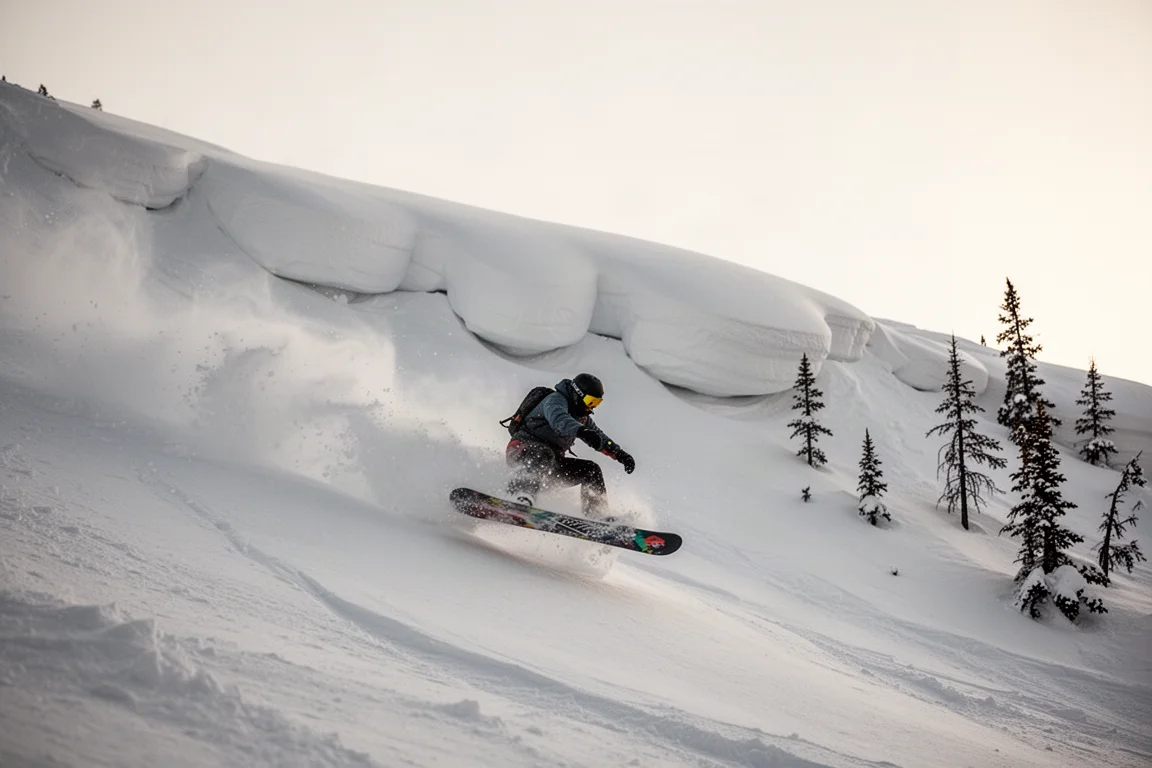
If most of your days involve cruising mellow groomers at moderate speeds, other boards will feel better. But if speed, deep carves, and big mountain lines are your thing, this anniversary edition is a genuinely satisfying ride.
Buying Advice
Consider the 25th anniversary Black Snowboard of Death if you are an advanced rider shopping for a directional freeride board with camber underfoot, defined flex points, and a base that shrugs off variable snow. Pick your length based on weight and terrain: the wide sizes up to 169 make it one of the more inclusive big-mountain boards around. Pair it with a stiff-to-medium-stiff binding such as the Union Falcor or Rome Katana Pro to match its power delivery.
Conclusion
Twenty-five years in, the Black Snowboard of Death remains what it has always been: a fast, powerful freeride board that rewards commitment. The slightly softer, more butterable feel of this edition broadens its appeal, while the carving power and speed-stable ride stay intact. For chargers, it is an easy recommendation.
Product link
View more details for Capita Black Snowboard of Death 25th Anniversary
This product is mentioned in the review. Check the specifications, options, and compatibility before buying.
View more details for Capita Black Snowboard of Death 25th AnniversaryFurther reading
Related Reviews
Snowboarding
2025 Snowboard Gear List: Five Picks That Earned Their Place on the Mountain
From Zeiss-lens goggles to a hybrid step-in binding, here are five pieces of 2025 snowboard gear that held up across a full season of riding.
Snowboarding
2026 Snowboard Gear List: Boards, Bindings, Boots and Outerwear Worth a Look
A season-ready snowboard setup built from the bottom up: base layers, Strafe outerwear, Ride and Union boots, Union bindings, and two new Capita boards.
Snowboarding
32 Cold World Review: A Playful Hybrid Camber Board for Park Laps
The 32 Cold World blends classic camber underfoot with flat nose and tail sections for a predictable, butter-friendly ride aimed at intermediate park riders.