Gravel Bikes
Canyon Grizl vs Canyon Grail: Which Gravel Bike Fits the Way You Ride?
A practical look at how Canyon's adventure-focused Grizl and performance-focused Grail differ in tire clearance, geometry, weight, comfort and mounting points.
Introduction
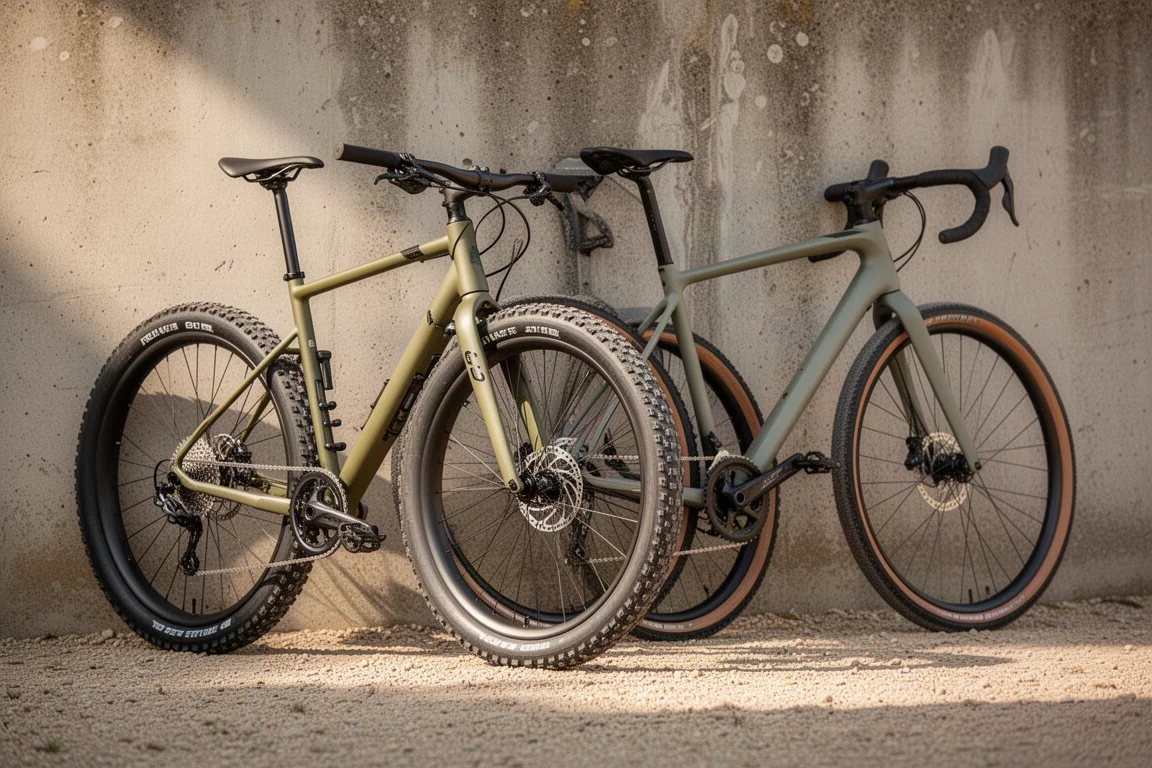
Gravel means different things to different riders. Some want a stable machine loaded with bags for multi-day trips on rough tracks. Others want something close to a road bike that happens to accept wider tires and goes as fast as possible on mixed surfaces.
Canyon splits its gravel range along exactly that line. The Grizl is positioned as a gravel adventure bike. The Grail is positioned as a gravel performance bike. Both are gravel bikes, both come from the same brand, and both can be ridden fast or loaded up. The differences live in the details.
This comparison works through the factors that actually separate the two: tire clearance, geometry, frame weight, comfort features, gearing options and mounting points.
Two Gravel Bikes, Two Design Briefs
Canyon’s own framing is simple. The Grizl is the adventure option. The Grail is the performance option. That distinction shows up in the top-tier build of each line. The Grail CFR is the lightest gravel bike Canyon makes, while the Grizl CF SLX carries slightly more material in the frame because it is designed to take more knocks.
The useful part is that most riders want something between the two extremes. Gravel bikes reward flexibility, and unless a bike sits at the very racy or very rowdy end of the spectrum, it can handle fast group rides and bag-laden overnights on the same frame.

What matters is understanding which compromises a given frame makes, because those compromises show up as measurable numbers rather than marketing language.
Canyon Grizl: Gravel Adventure Focus
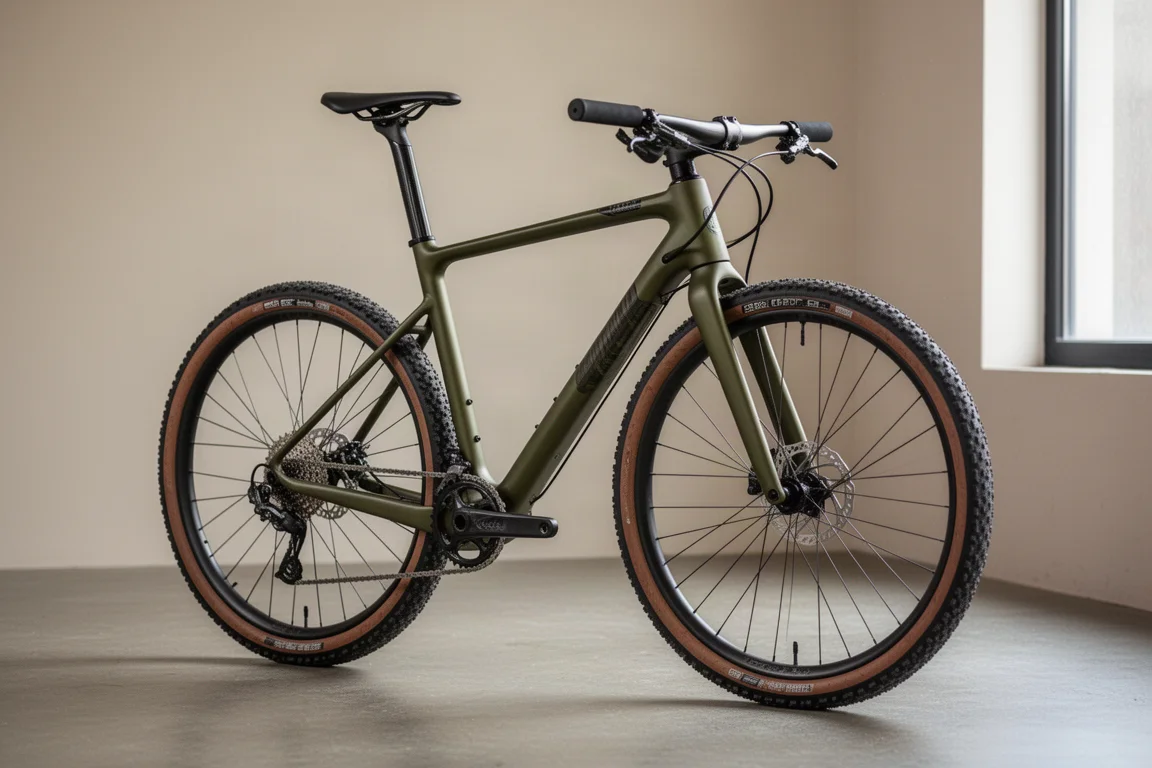
The Grizl is built around clearance for tires up to 50 mm wide. It keeps a leaf spring seat post, a design chosen specifically to add compliance and take the edge off rough surfaces. Fork mounting points come as standard, and the aluminium version of the Grizl adds rack mounts at the rear as well.
The Grizl also accepts a 30 mm gravel-specific suspension option, which is not offered on the Grail. Suspension at that travel sounds modest next to a mountain bike, but on gravel it changes how confident the bike feels in technical terrain and adds comfort over long distances.
The CF SLX frame here weighs 955 g. That is slightly heavier than the lightest option in Canyon’s range, and the extra material is deliberate: it is engineered to withstand the knocks that come with bike packing. The Grizl also runs a 2x drivetrain.
Canyon Grail: Gravel Performance Focus
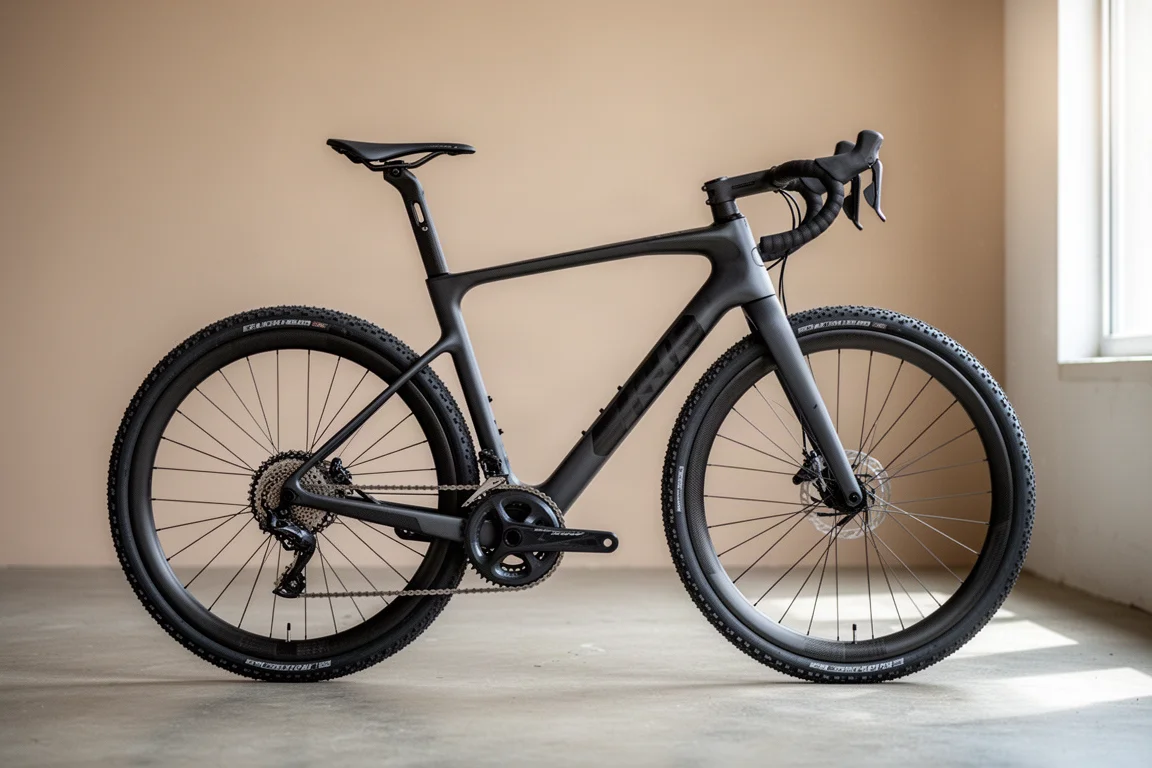
The Grail caps tire clearance at 42 mm. Canyon says it consulted its professional gravel athletes during development, and those riders reported they would not race on anything wider than 42 mm.
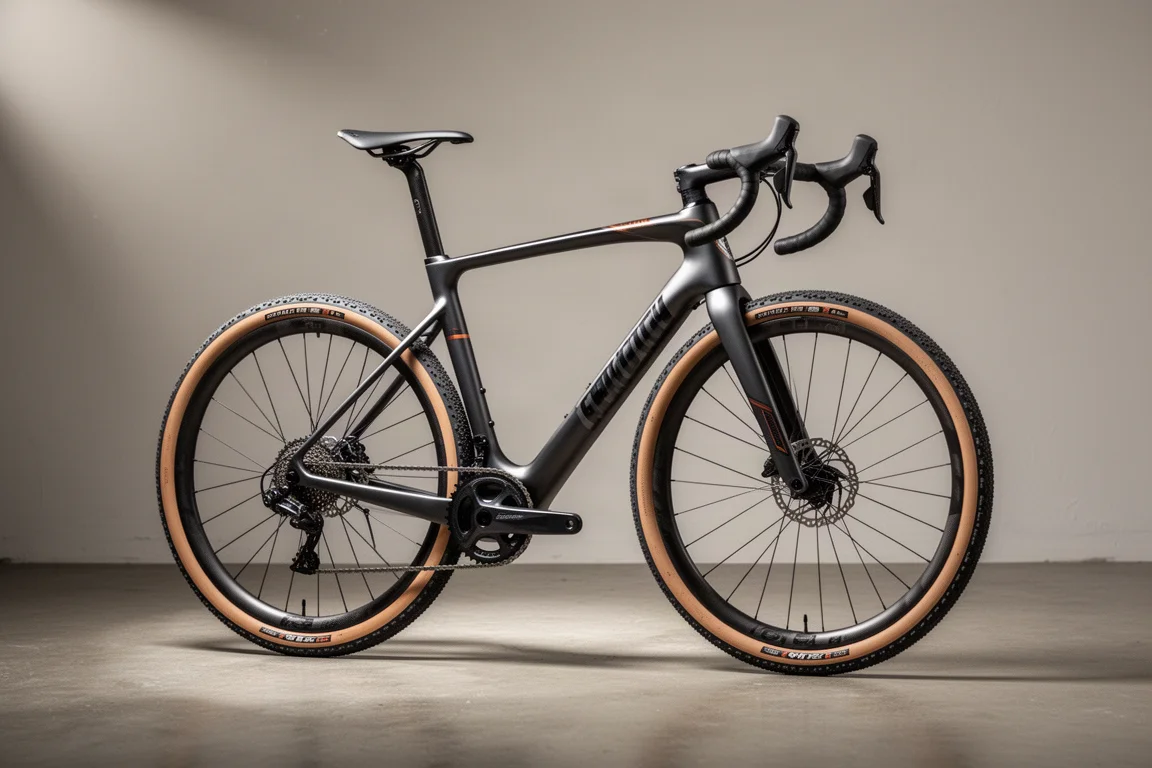
The CFR frame weighs 850 g, making it the lightest gravel frame in Canyon’s line. It runs 2x gearing and can also take road cranks with correspondingly larger chain rings, which matters if you want to push hard on fast gravel or use the same bike as a road machine.
The new Grail also has mounts for a bespoke frame bag, plus optional aero bars and onboard storage. It has been made stiffer at the request of Canyon’s professional gravel racers. The leaf spring seat post is gone across the whole Grail line, replaced by a D-shaped post that Canyon engineered for real compliance, though not as much as the Grizl’s leaf spring design offers. That post shape also means an aftermarket leaf spring post cannot be fitted.
Tire Clearance and Terrain Intent
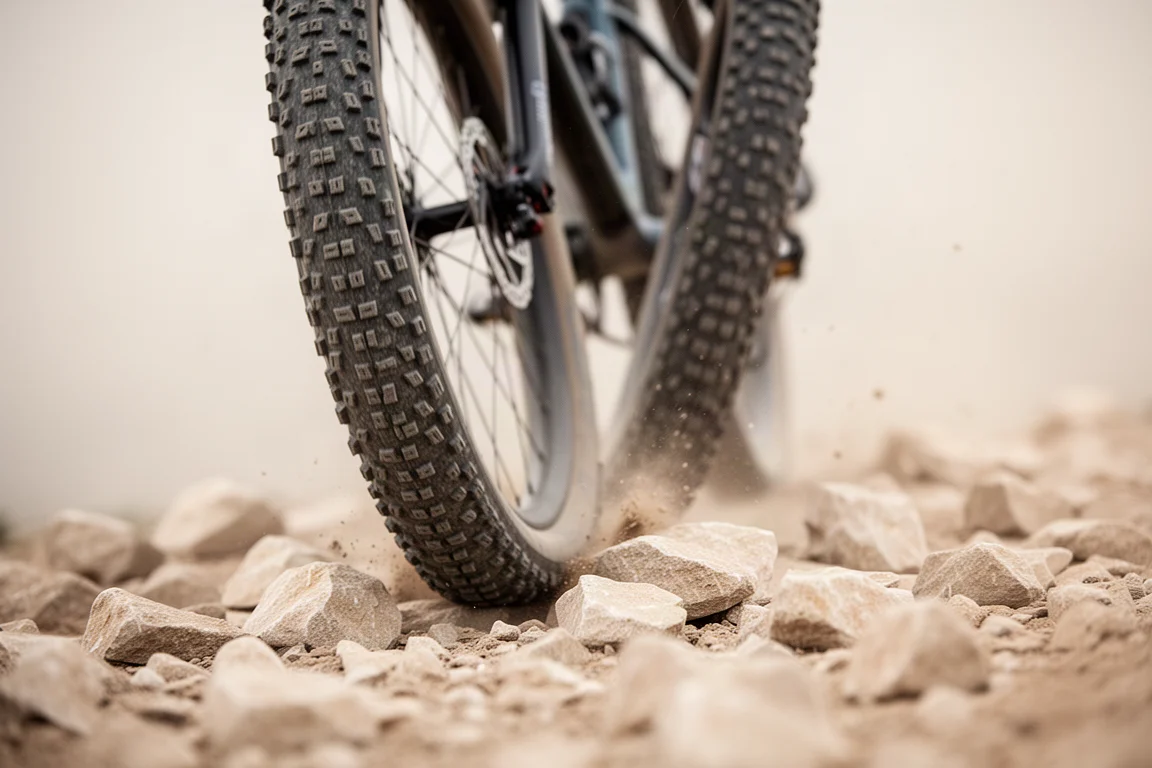
Tire clearance is the single clearest statement of what a gravel bike is designed to do. It is not about how wide the tires currently fitted happen to be, since those are easy to swap. It is about how wide a tire the frame can physically accept. The Grizl takes 50 mm. The Grail stops at 42 mm.
On a rocky descent the difference is easy to feel. Wider tires at lower pressure smooth out the surface, and reducing vibration losses means the bike rolls faster for the same effort, even though a larger tire of the same model carries slightly more rolling resistance and needs lower pressure to stay comfortable. On road or mellow gravel, the trade-off flips: a narrower tire is more aerodynamic, and at performance speeds the gap between a 50 mm and a 40 mm tire can be felt and measured.
One asymmetry is worth remembering. You can fit a narrow tire to a frame with generous clearance, but you cannot fit a wide tire to a frame with less of it.
Gearing and Road Versatility
Tighter tire clearance brings engineering advantages beyond aerodynamics. With less room needed at the rear, chain stays can potentially be made shorter, which can make the bike feel livelier and more agile, save a little weight and improve stiffness. It also opens up gearing choices.
Some gravel bikes with very wide tire clearance can only run a single chain ring setup. The Grizl runs 2x. The Grail runs 2x and can also take road cranks with larger chain rings, which is useful both for chasing speed on fast gravel and for riders who want one bike to serve as a road bike as well.
Geometry, Weight, and Comfort
Geometry is what really separates one gravel bike from another. At one end sit road bikes with slightly wider tires, which can feel fun on easy gravel. At the other end sit genuinely stable machines built for rough surfaces.
Interestingly, wider tire clearance does not automatically mean more stable geometry. When Canyon designed the new Grail, it analyzed steering dynamics and settled on a geometry that made the bike longer for stability while keeping it responsive through a shorter stem and increased fork offset. The stack and reach figures of these two bikes turn out to be fairly similar despite their different intended uses, which is a reminder that the geometry chart does not always tell the whole story.
Stack describes how high the handlebars sit, and reach describes how far away they are. A low stack and long reach stretch the rider into an aggressive position that suits fast riding but will not suit everyone. A high stack is more relaxed.
Weight works in a similar way. Light gravel bikes are likely to be fast gravel bikes, but lighter frames tend to be less robust than heavier ones when engineered to the same standard, simply because there is less material present. The Grail CFR frame weighs 850 g and the Grizl CF SLX weighs 955 g. That does not make the lighter frame fragile, only differently prioritized toward weight and stiffness. Equally, a heavy bike is not automatically a strong bike, since design and engineering quality matter more than mass. Still, if you want a workhorse to cover in bags and lock up outside, a little extra weight is not a bad thing.
Comfort is where the performance priority shows most clearly. The Grail CFR has been made stiffer at the request of Canyon’s professional racers, and the whole new Grail line drops the leaf spring seat post. Canyon built meaningful compliance into the D-shaped post instead, but not as much as the Grizl delivers. If comfort is your main concern, larger tires and suspension are the more effective routes.
Mounting Points and Suspension
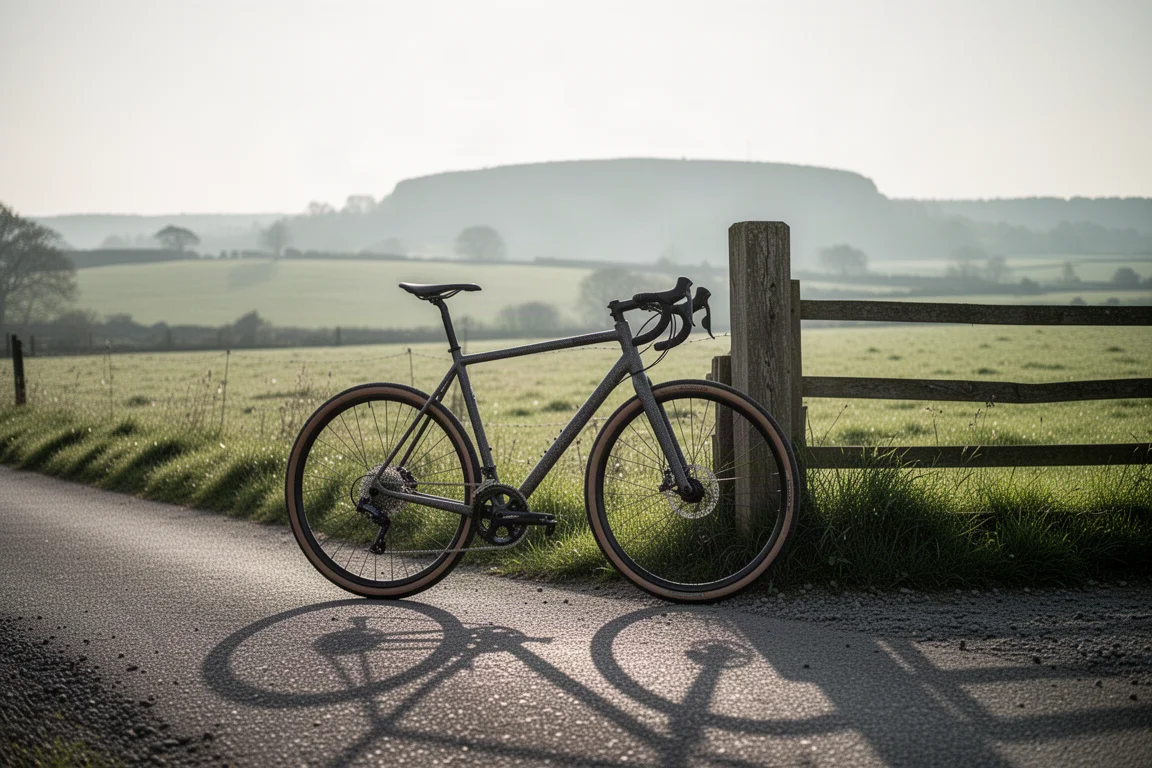
Mounting points are a reliable indicator of intent. Generally, the more mounting points a frame has, the more adventurous it is meant to be.
The Grizl comes with fork mounting points as standard, and the aluminium version adds rack mounts at the rear. The Grail offers mounts for its own bespoke frame bag, which is small and in keeping with the racing aesthetic, and special fork sleeves are available for carrying gear on the front.
Performance-oriented gravel bikes tend to have fewer mounting points because they do not need them. Omitting them saves weight and produces a cleaner look. That does not stop a determined rider from applying protective frame tape and attaching a full set of bags for a long trip.
Suspension follows the same logic. The 30 mm gravel-specific suspension option is available on the Grizl and not on the Grail. On gravel it delivers noticeably more point-and-shoot confidence and allows faster progress in technical terrain, along with better comfort. Suspension options are appearing on more gravel bikes, but they are still not commonplace.
Buying Advice
When choosing between bikes like these, look past the headline category and check the details that will shape your riding.
Start with tire clearance and work through its consequences, because it drives terrain capability, aerodynamics, gearing options and frame design. Then look at the gearing the frame can actually run, particularly whether it accepts road cranks and larger chain rings if you want road-bike speed. Consider the position the geometry puts you in, since a long and low setup suits fast riding but not every rider or every long day out. Weigh the comfort features on offer, including seat post design and whether suspension is an option. Finally, count the mounting points if you plan to carry luggage.
If your riding leans toward multi-day trips, rough tracks and carrying gear, the Grizl’s wider clearance, leaf spring seat post, standard fork mounts and suspension option line up with that use. If your riding leans toward fast gravel, racing and possibly doubling as a road bike, the Grail’s lighter frame, tighter clearance, road crank compatibility and stiffer ride line up with that one.
Conclusion
The Canyon Grizl and Canyon Grail are both capable gravel bikes that share the same broad purpose, and the differences between them are deliberate rather than accidental. The Grizl is built for adventure, with 50 mm tire clearance, a more compliant seat post, standard fork mounts and an available suspension option. The Grail is built for performance, with a lighter CFR frame, a 42 mm clearance limit chosen for speed, road crank compatibility and a stiffer ride.
Neither approach is better in the abstract. The right choice depends on whether your gravel rides are defined by where you go or how fast you get there. Checking tire clearance, gearing, geometry, comfort features and mounting points before you buy will tell you far more about a gravel bike than its category label ever will.
Further reading
Related Reviews
Gravel Bikes
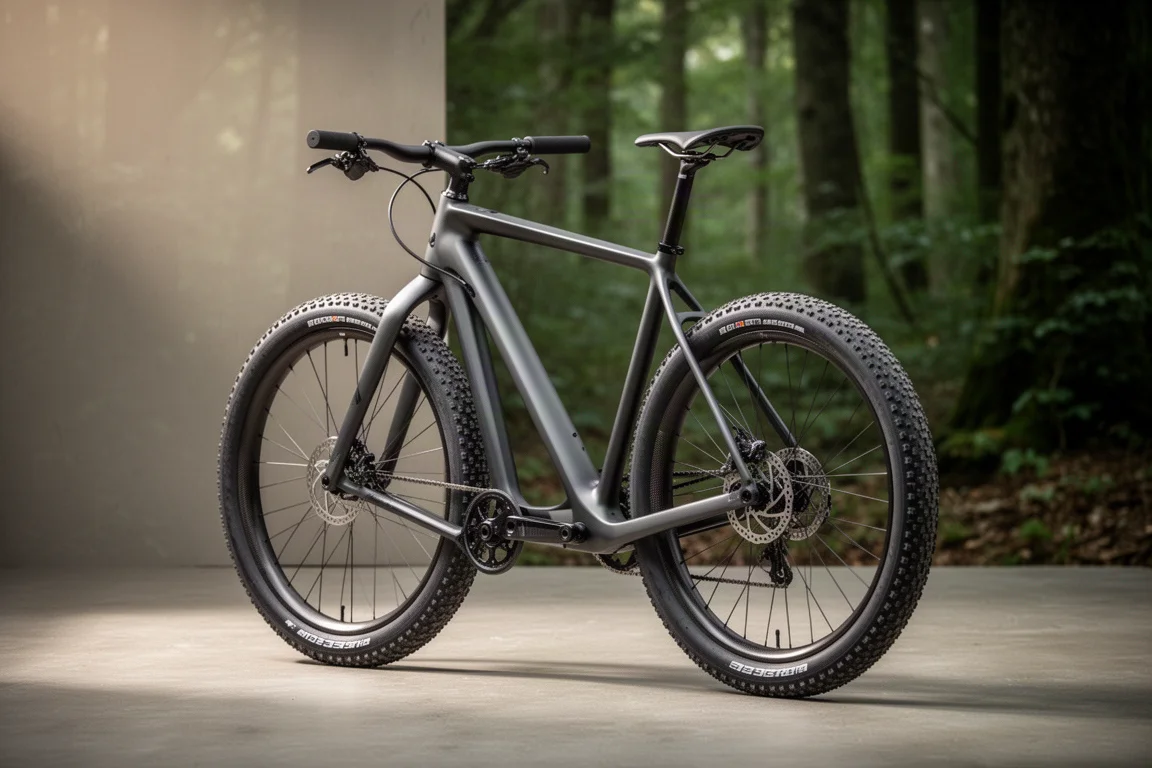
3T Exploro Ultra Review: A Fast Gravel Bike Built for Big Tyres
A close look at the 3T Exploro Ultra, an aero carbon gravel bike designed around wide tyres, with road-like handling, a 980 g frame and genuine rough-terrain capability.
Gravel Bikes
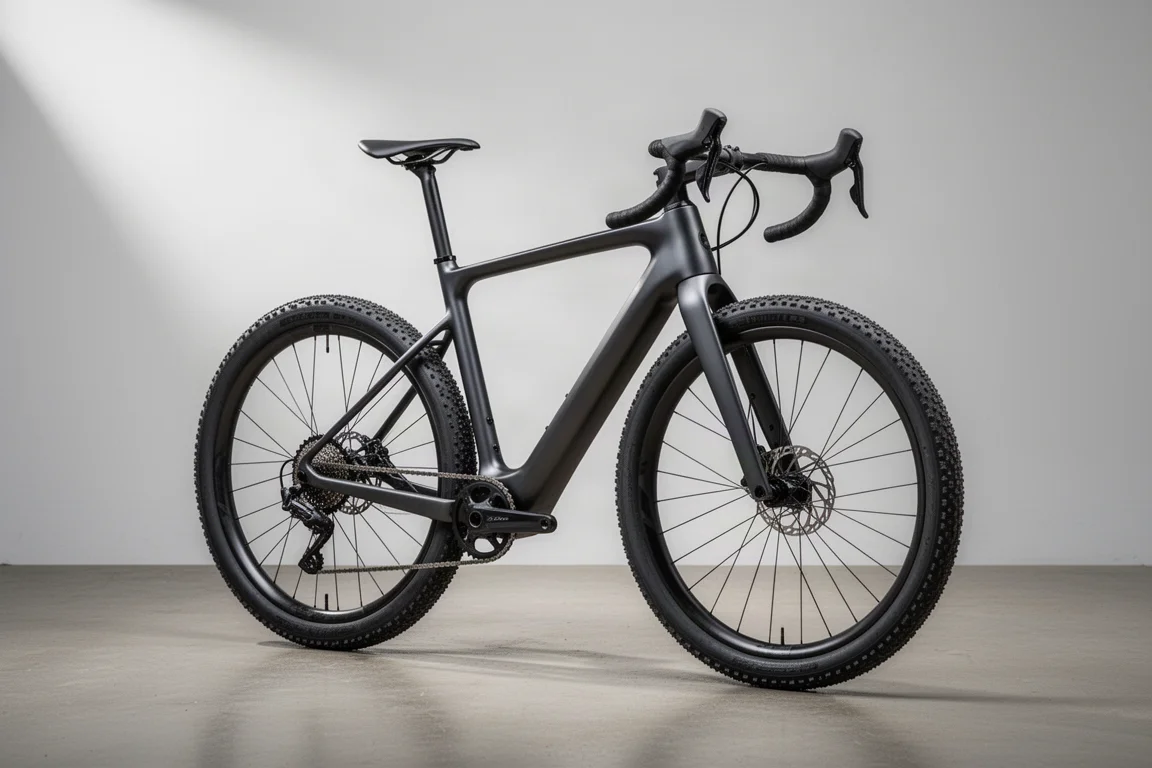
3T Extrema Italia Review: Aero Gravel Speed With Room for 57 mm Tires
The 3T Extrema Italia pairs an aero frame with huge tire clearance, Italian-made carbon and a more comfortable ride than the RaceMax. Here is what to know before buying.
Gravel Bikes
3T Race Max 2 Italia Review: An Aero Gravel Race Bike Made in Italy
A closer look at the second-generation 3T Race Max 2 Italia, covering its aero updates, ride character, tire clearance, internal storage and who it suits.