Gravel Bikes
Canyon Grizl CF8 Rift Review: A Versatile Gravel Bike Built for Adventure
The second-generation Canyon Grizl CF8 Rift pairs 53 mm tyre clearance, slacker adventure geometry and a 40 mm suspension fork with direct-to-consumer value.
Introduction
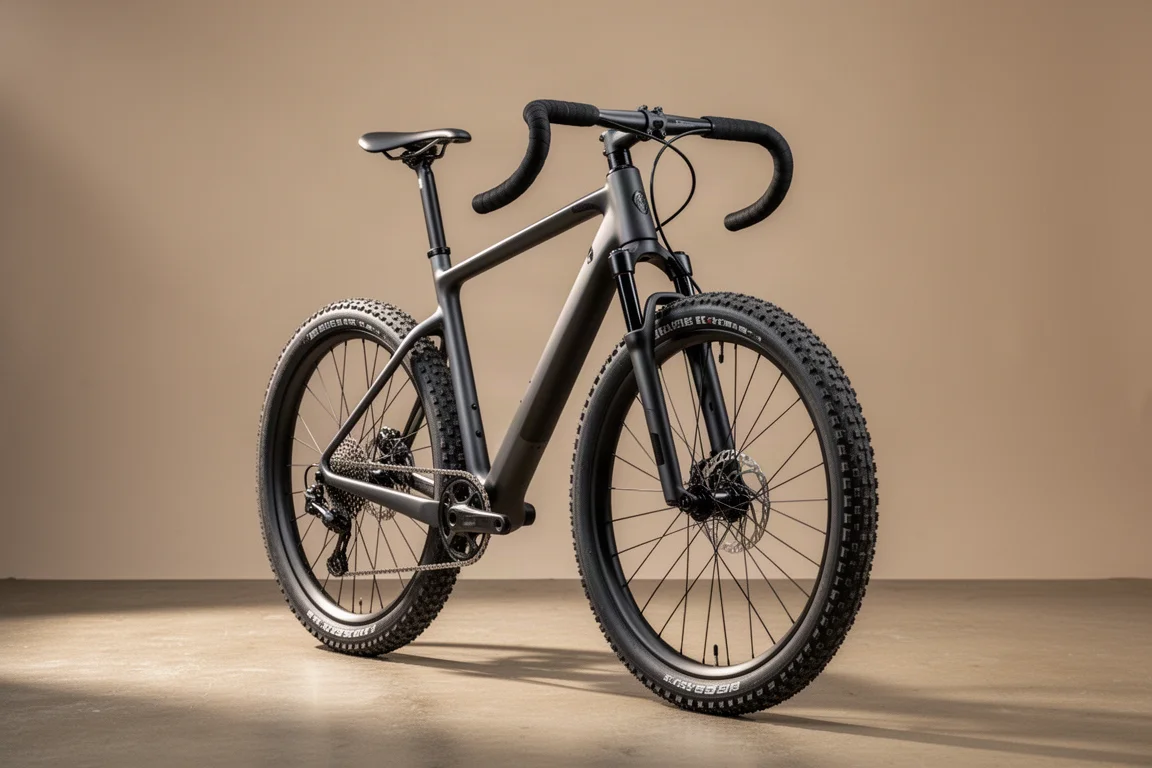
Canyon’s Grizl has long been one of the easiest gravel bikes to recommend, and the second generation keeps that reputation intact while refining the details that matter most. It stays true to what made the original appealing: a versatile, adventure-ready platform with generous tyre clearance and geometry that favours control over twitchy race handling.
The update brings clearance for tyres up to 53 mm, a longer and slacker geometry, down tube storage, extra mounts for bikepacking cargo, and semi-internal routing that runs the brake hoses under the stem and into the head tube. Canyon sells direct, without dealers taking a slice of the margin, which is why the Grizl range starts at £2,250 in the UK and runs up to £7,500.
The build reviewed here is the Grizl CF8 Rift at £3,300, pairing a SRAM Rival Explore 1x13-speed groupset with DT Swiss alloy wheels and a DT Swiss suspension fork. A version with a rigid carbon fork is also available for riders who prefer to keep things simple.
Who the Canyon Grizl CF8 Rift Is For
This is not a race-first gravel bike, and Canyon does not pretend otherwise. The Grizl is built for riders who want one bike for local trails, country lanes, bridleways and woodland tracks, plus bikepacking trips and tame mountain bike trails where a bit of extra composure goes a long way.

If chasing marginal gains and aerodynamic tube profiles is the priority, the Canyon Grail or a racier option such as the Ridley Astra will feel quicker. The Grizl trades some of that urgency for calm, stable handling across a wider range of surfaces. Riders who want to explore rather than race, and who value comfort over long days out, are the natural audience here.
Main Strengths: Geometry, Comfort, and Control
The revised geometry is the headline change. Longer and slacker than before, it gives the bike a more laidback feel and noticeably more control on technical, rough and slippery trails. It is not as whippy or agile as a dedicated race gravel bike, but the payoff is stability when the surface turns chunky.
Comfort is another strong point. A split seat post takes the edge off rough terrain, the wide flared handlebar with a round top section offers plenty of leverage, and the short stem keeps the front end predictable. Canyon also fits a bash guard and clear tape in key places to protect the frame.
Tyre choice matters too. The tyres fitted here deliver excellent grip in slippery, muddy conditions, which makes a real difference on winter trails where traction is limited.
Suspension Fork: Performance and Trade-offs
The DT Swiss suspension fork is the defining feature of this build. It offers 40 mm of travel, which sounds modest, yet it works remarkably well. Where a suspension stem mainly adds comfort, a fork delivers more control and more speed on technical descents, and it does so without an obvious, distracting sensation of movement. The bike simply feels smoother and faster.
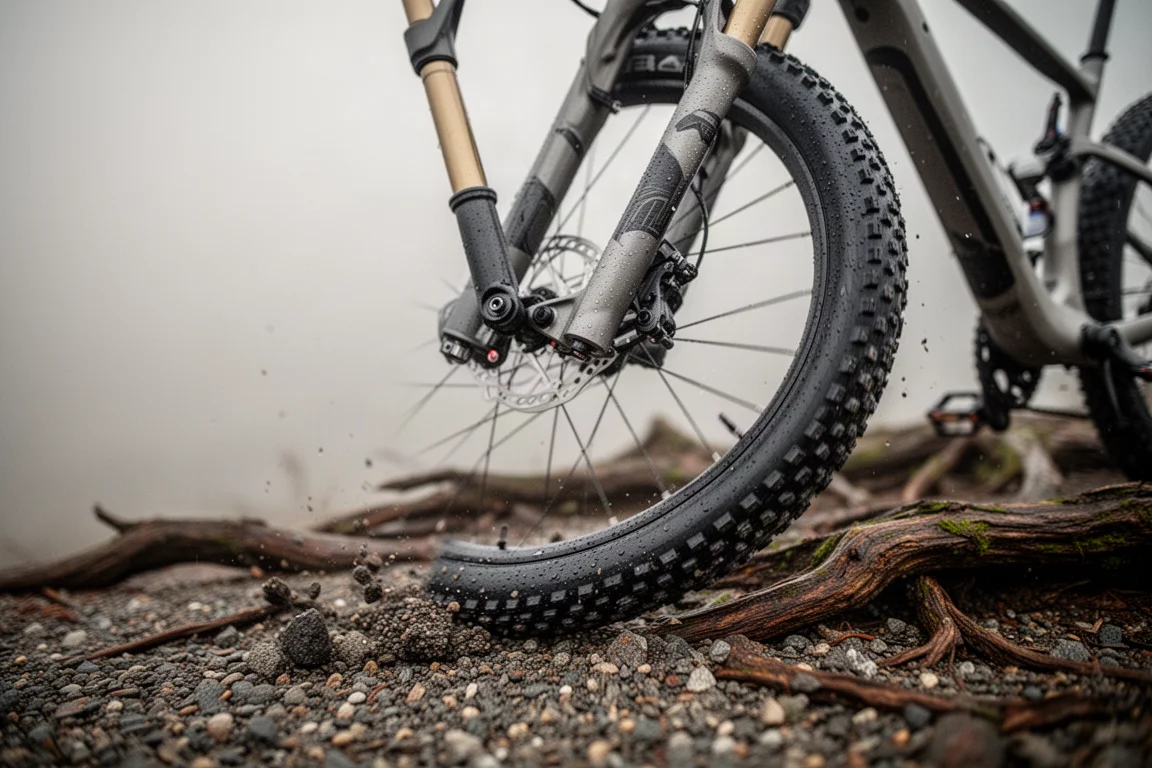
The trade-offs deserve a close look. The fork adds weight over a carbon fork, changes the look of the bike, and introduces shorter service intervals plus another component to maintain. It also costs more, although the complete bike remains just over £3,000 with the fork fitted, and the fork alone would be around £1,000 if it were sold separately, which it currently is not.
For the riding this bike is designed for, that trade is a reasonable one, but it is worth being honest about the extra maintenance involved.
Drivetrain, Wheels, and Build Details
The CF8 Rift runs SRAM’s Rival Explore 1x13-speed groupset, made possible by the UDH dropout. It offers all the range most gravel riders need, with strong ergonomics and very powerful brakes. The 1x setup does mean there is no option to fit a front mech, which will matter to some riders and not at all to others.
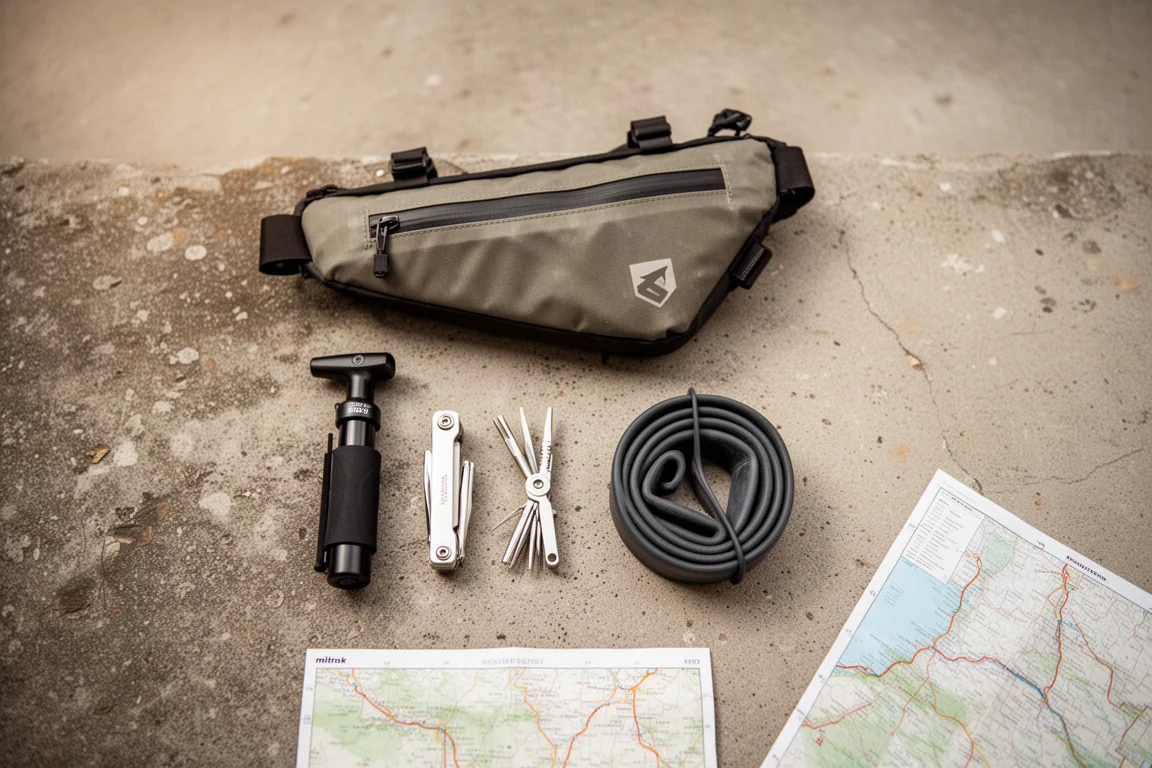
Wheels are DT Swiss alloy, a sensible choice at this price, though carbon wheels can be found elsewhere for similar money. Down tube storage is a neat touch and includes a multi-tool, with room for a mini pump, but the access hole is small and capacity is modest compared with systems such as Specialized’s SWAT.
Semi-internal routing splits opinion. Brake hoses run under the stem into the head tube, and headset bearing maintenance is more involved as a result. It is a job most riders tackle rarely, and plenty of mechanics take it in their stride.
Things to Consider Before Buying
Several details are worth weighing before you commit. The suspension fork is the biggest: it brings genuine performance and comfort benefits, but it also brings extra weight, a distinctive silhouette and shorter service intervals. If long-term simplicity matters more than trail control, the rigid carbon fork version is the safer route.
Down tube storage is smaller than photographs suggest, so plan on a multi-tool and perhaps a mini pump rather than a full toolkit. And if you want a front derailleur, this frame will not accommodate one, since the 1x13 drivetrain is the only option.
Riders who prioritise a sharper, more focused feel may also prefer alternatives. A Giant Revolt at a comparable price offers Shimano GRX 2x mechanical shifting with carbon wheels and feels more responsive, though it comes with narrower 40 mm tyres and a rigid fork.
How the Canyon Grizl Compares to Other Gravel Bikes
Value is where the Grizl makes its strongest case. Canyon’s direct-to-consumer model removes dealer margin from the equation, and it shows. A Specialized Diverge with the same SRAM Rival Explore groupset costs over £5,200 in the UK, close to £2,000 more than the Grizl CF8 Rift at £3,300.
The Giant Revolt sits at a similar price to this bike but takes a different approach, with Shimano GRX 2x mechanical shifting and carbon wheels rather than a 1x13 setup and alloy wheels. Neither route is wrong: the Grizl leans toward adventure capability and comfort, while the Revolt feels sharper and more focused.
Within Canyon’s own range, the Grail is the race-oriented option, although its tyre clearance is more limited at a time when gravel tyres keep growing. The Grizl remains the more versatile and easier-to-recommend of the two.
Buying Advice
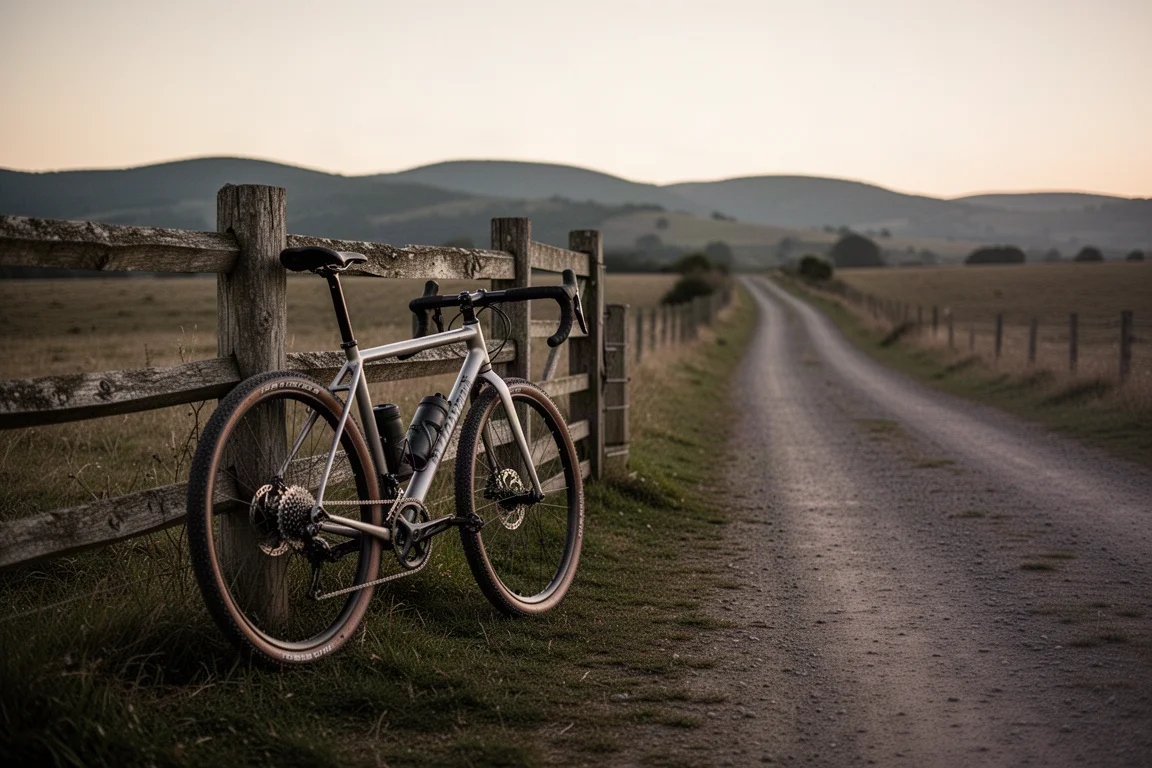
If the Grizl’s brief matches the way you ride, it is an easy bike to recommend. The second generation improves on the original without undoing what worked, adding tyre clearance, mounts and geometry that make it more capable once the tarmac runs out.
Choosing between the suspension and rigid fork versions comes down to priorities. The suspension fork carries more speed down rough trails, adds confidence and improves comfort, and it suits exactly what this bike is designed for. The rigid version is lighter, simpler and cheaper to maintain. Given the choice, the suspension build is the more compelling package for adventure riding.
Which groupset and wheels matter to you is the other decision to make. The SRAM Rival Explore 1x13 setup delivers the range, ergonomics and braking power most gravel riders want, and the alloy DT Swiss wheels keep the price sensible.
Conclusion
The Canyon Grizl CF8 Rift takes a very good bike and makes it slightly better where it counts. Bigger tyre clearance, more bikepacking mounts and calmer geometry all serve the adventure riding it was built for, and the suspension fork adds real control and comfort on rough ground.
It is not the sharpest or most agile gravel bike on the market, and the fork brings extra weight and shorter service intervals with it. Weighed against the specification and the direct-to-consumer pricing, though, it remains one of the easier gravel bikes to recommend for riders who want one bike to cover trails, lanes, bikepacking and everything in between.
Product link
View more details for Canyon Grizl CF8 Rift
This product is mentioned in the review. Check the specifications, options, and compatibility before buying.
View more details for Canyon Grizl CF8 RiftFurther reading
Related Reviews
Gravel Bikes
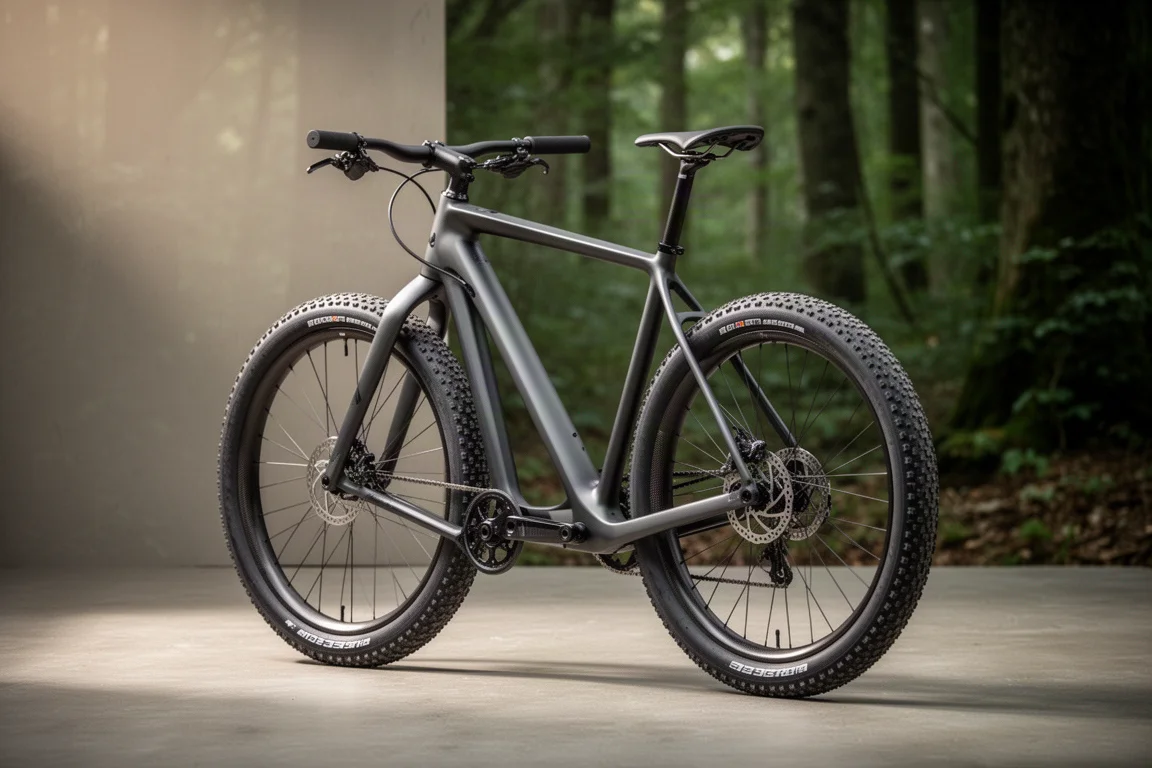
3T Exploro Ultra Review: A Fast Gravel Bike Built for Big Tyres
A close look at the 3T Exploro Ultra, an aero carbon gravel bike designed around wide tyres, with road-like handling, a 980 g frame and genuine rough-terrain capability.
Gravel Bikes
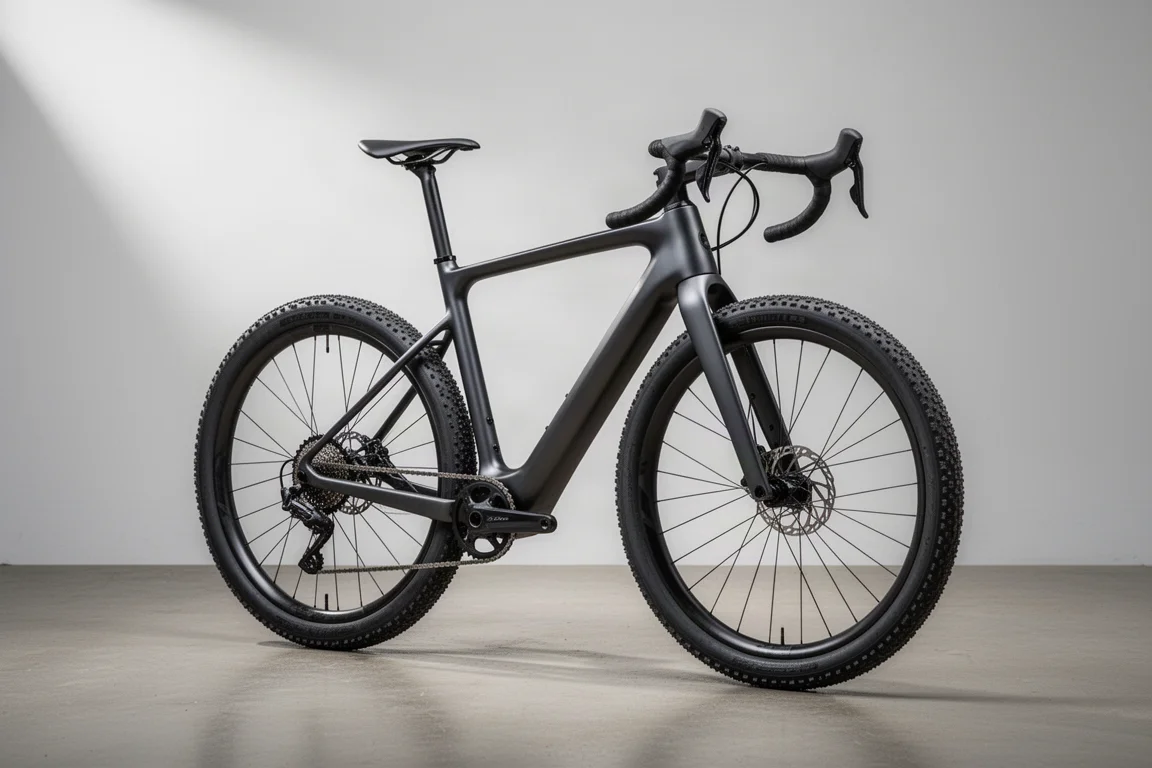
3T Extrema Italia Review: Aero Gravel Speed With Room for 57 mm Tires
The 3T Extrema Italia pairs an aero frame with huge tire clearance, Italian-made carbon and a more comfortable ride than the RaceMax. Here is what to know before buying.
Gravel Bikes
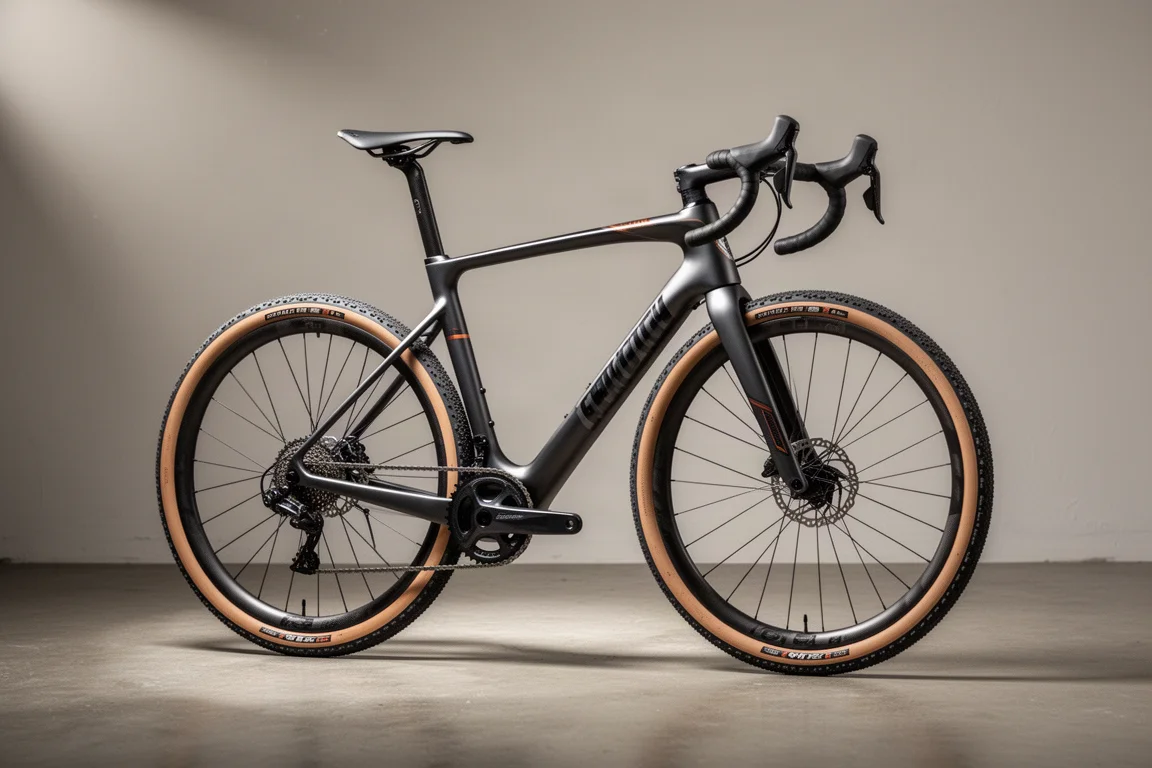
3T Race Max 2 Italia Review: An Aero Gravel Race Bike Made in Italy
A closer look at the second-generation 3T Race Max 2 Italia, covering its aero updates, ride character, tire clearance, internal storage and who it suits.