Gravel Bikes
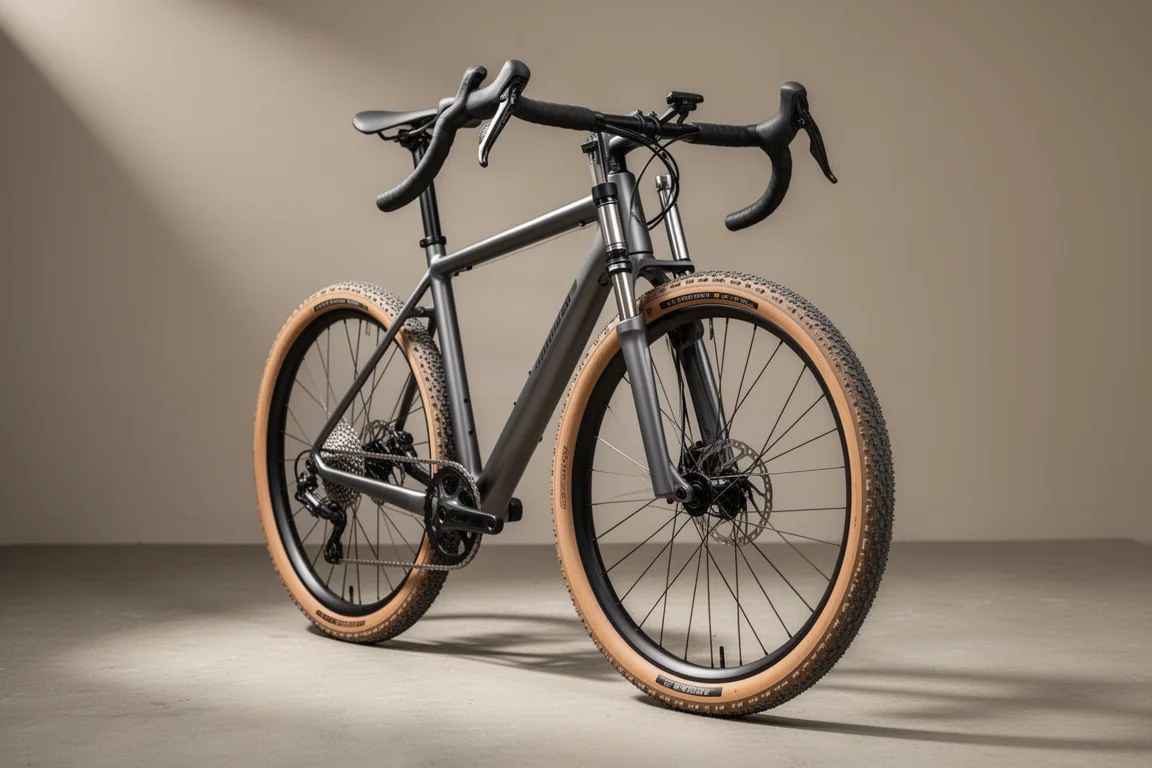
Canyon Grail Review: Does a DT Swiss Suspension Fork Earn Its Place?
A close look at the Canyon Grail and its DT Swiss collaboration suspension fork: what it adds on rough terrain, where it makes no difference at all, and who should realistically pay for it.
Introduction
Gravel suspension is one of the most divisive ideas in off-road riding right now. Supporters say a front shock improves a bike in countless ways. Sceptics argue it adds weight, cost and complexity for very little return. The Canyon Grail, built around a suspension fork developed in collaboration with DT Swiss, sits directly in the middle of that debate.
The only fair way to judge it is to ride it somewhere that genuinely demands the hardware: long climbs, rocky descents, sticky mud and the sort of bomb holes and drainage ditches that make up the gravel roads around Girona. That is what this review covers, along with the questions that matter most. Does it change how the bike descends? Does it reduce hand, arm and shoulder fatigue? Does it help over rough ground, or does the extra weight simply slow you down?
Who This Grail Build Is For
This is a bike for riders whose local terrain is genuinely technical. If your regular loop includes rocky descents, loose chutes and repeated impacts, the suspension fork starts to make sense in a way a spec sheet cannot communicate. It also suits riders who want to stay fresher over long distances, particularly those who spend hours on rough surfaces rather than minutes.
It is not a universal upgrade. If your riding is mostly smooth gravel, hardpack, or a mix of gravel and tarmac, the fork becomes an expensive way of adding mass and moving parts. On the road it made no measurable difference at all, and on smoother gravel it is simply unnecessary.
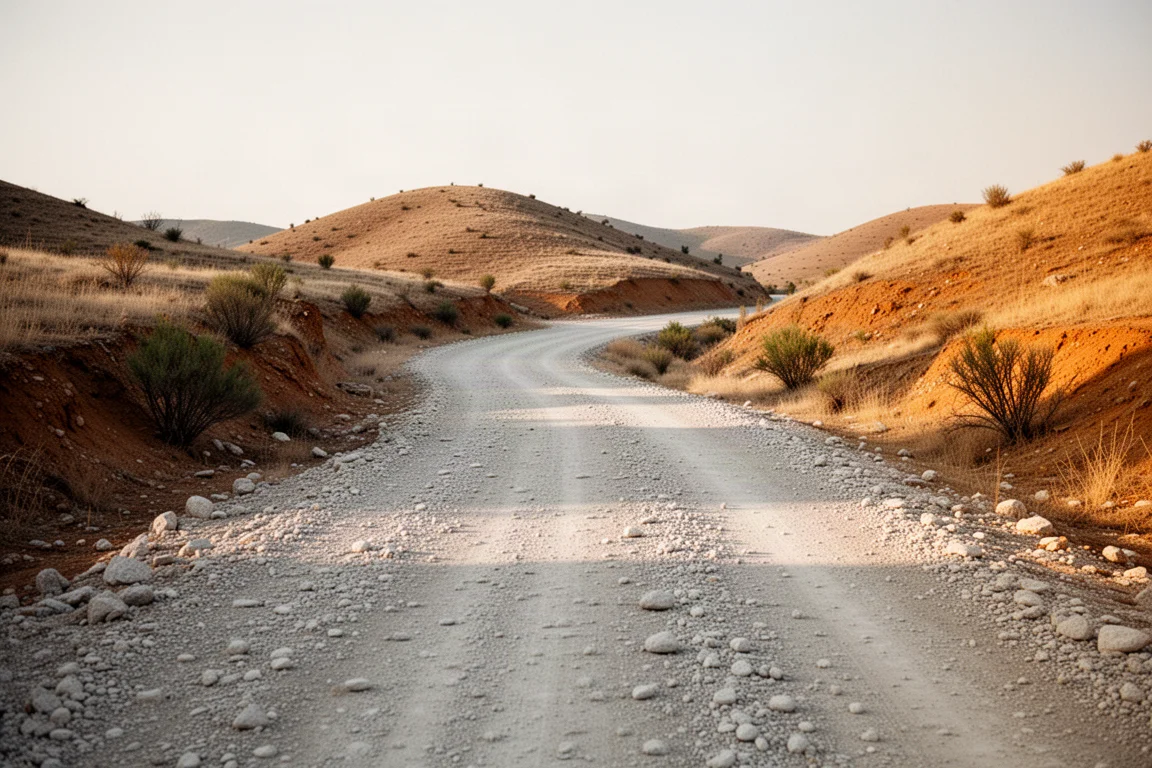
Riders who already manage rough ground well through tyre choice and line selection may also find the fork duplicates work they are doing already. The question to ask is straightforward: does your terrain punish the front end often enough that you would notice the difference?
Main Strengths
The clearest argument in favour of the suspension fork is control. Over rough terrain it adds a significant amount of it, absorbing the kind of repeated hits that normally travel straight up through the bars. Riders who are not the most technically gifted will notice this first, because the fork quietly covers for imperfect line choices.
Comfort is the second genuine benefit. By the later stages of a long ride, when the body is tired and the road is still rough, a calmer front end helps you keep the bike upright and pointed in the right direction. That combination of control and reduced fatigue is where gravel suspension earns its reputation.
Rough Terrain Performance
Over rough terrain, the fork was immediately convincing. On rock gardens and rocky descents it allowed more speed to be carried with far more composure than a rigid fork allows, and the bike felt more controlled on descents than a rigid gravel setup. Under braking there was no noticeable dive, and the suspension did not appear to make cornering worse. The poor cornering on that ride came from slick mud and tyres that were not designed for the conditions, not from the fork.
There is also a subtler benefit on technical climbs. Being able to ride at obstacles rather than carefully picking a line means less disruption to rhythm, which helps keep effort steady on long ascents.
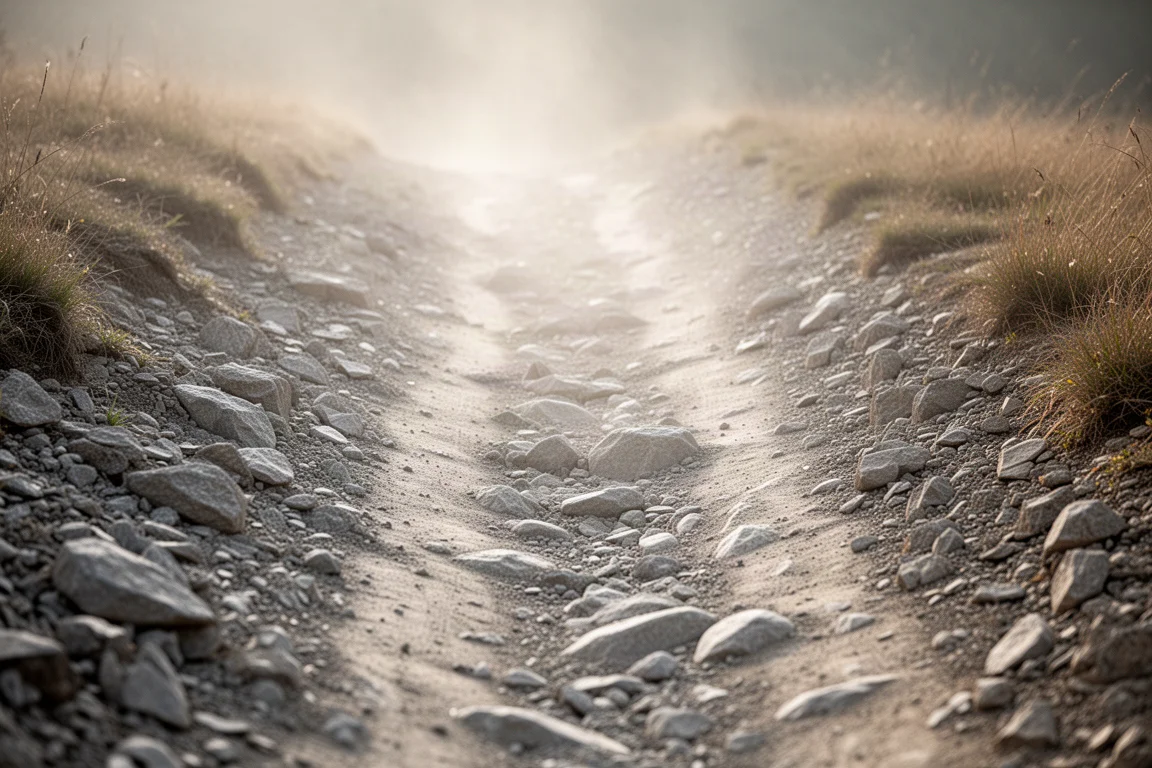
That said, the terrain has to justify it. On smoother surfaces the same fork disappears entirely from the experience, which is the strongest signal that this is a terrain-specific tool rather than a general upgrade.
Climbing and Smooth Gravel
On climbs, the advantage is not about raw speed but about consistency. The fork absorbed enough of the rough surface that pedalling stayed smooth and heart rate stayed steady, which matters on long, loose ascents where a rigid fork forces constant micro-adjustments. The weight penalty is real and works against you on the way up, but it was outweighed by the ability to keep pedalling without interruption.
On tarmac the fork makes no difference whatsoever, beyond the option of locking it out for a perfectly stable feel. On smooth gravel and mixed road surfaces it is effectively pointless. It adds complexity and mass, and it is very likely less aerodynamic than a rigid equivalent. Riders who spend most of their time on fast, smooth surfaces should treat this as a clear no.
Comfort Over Longer Distances
Comfort is where the fork quietly proves itself. On flat gravel roads littered with bomb holes and drainage ditches, the front end barely registered them. The rear wheel still transmitted every hit, but the front of the bike stayed composed, which is exactly the kind of difference that shows up after several hours rather than several minutes.
Comparing the two setups on the same route was revealing. By around the 40 km mark, the rigid fork had left arms noticeably sore, while the suspension bike kept fatigue lower and remained easier to control when tired. Hand, arm and shoulder fatigue is one of the most common complaints on long gravel rides, and this is the area where the fork delivers its most practical, everyday benefit.
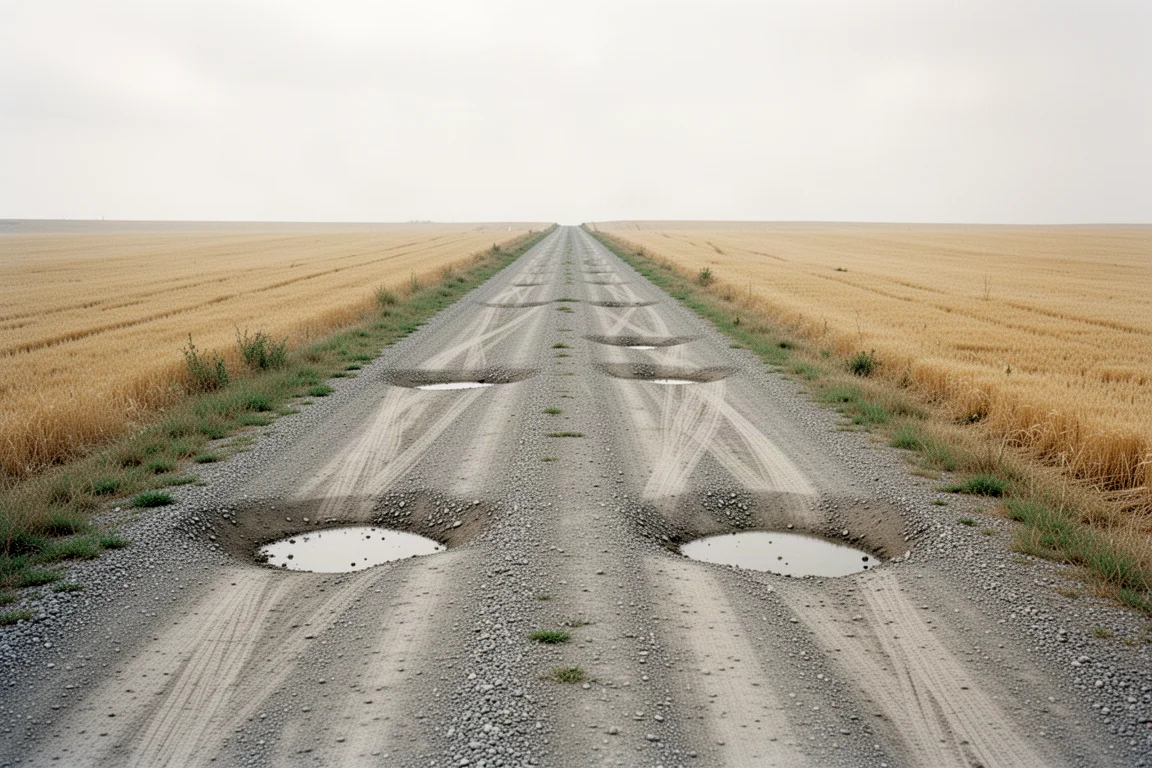
For riders who regularly finish long days on rough surfaces feeling beaten up, this is the benefit that is easiest to justify.
Things to Consider Before Buying
The first consideration is weight. The fork is heavier, and there is no way around that. On climbs and on smooth surfaces, that mass is dead weight.
Cost is the second. The suspension fork upgrade represents the best part of a thousand, which is a significant outlay for a component that only pays off on rough terrain.
Reliability and complexity matter too. On the unit ridden, the lockout lever did not work as it should. It tended to stick, whether because of grip, setup or the lever itself, and the practical result was leaving the fork open all day. That is a small but telling example of how extra hardware creates extra ways for something to go wrong.
Finally, there is aerodynamics. A suspension fork is very likely less aerodynamic than a rigid one, which matters if your riding is fast and smooth rather than technical.
Buying Advice
If you are considering a bike like the Grail that can be specified with either a standard fork or a suspension fork, look closely at that upgrade option. It can be genuinely brilliant, but only if the terrain you ride warrants it. Rocky descents and technical gravel justify the cost and the weight without much argument.
If your terrain does not warrant it, the same money buys a lighter, simpler and likely faster bike. Lower tyre pressure, bigger tyres and riding within your limits can close a surprising amount of the gap on rough ground, and none of those options add weight or another lever to maintain.
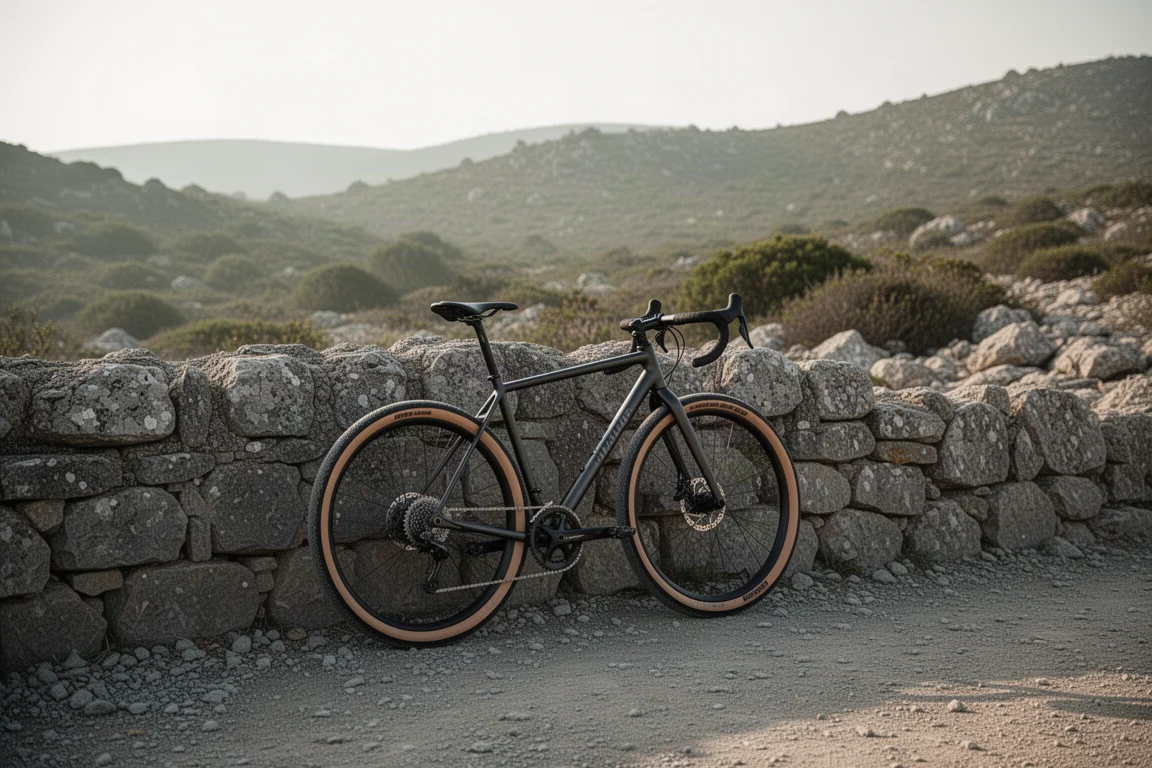
The honest summary is that gravel suspension makes sense for the right terrain, the right rider and the right bike. Get those three aligned and it is a genuine improvement. Miss any one of them and it is simply extra weight and complication.
Conclusion
Gravel suspension is not a gimmick, but it is not for everyone either. On the rocky descents and rough gravel roads it was built for, the Canyon Grail’s DT Swiss collaboration fork delivered more control, more comfort and more confidence, especially for riders who are not chasing perfect lines. On tarmac and smooth gravel, it delivered nothing at all.
For riders whose local terrain is technical, the upgrade deserves serious consideration. For everyone else, a rigid fork, sensible tyre pressure and a lighter setup remain the smarter choice.
Product link
View more details for Canyon Grail
This product is mentioned in the review. Check the specifications, options, and compatibility before buying.
View more details for Canyon GrailFurther reading
Related Reviews
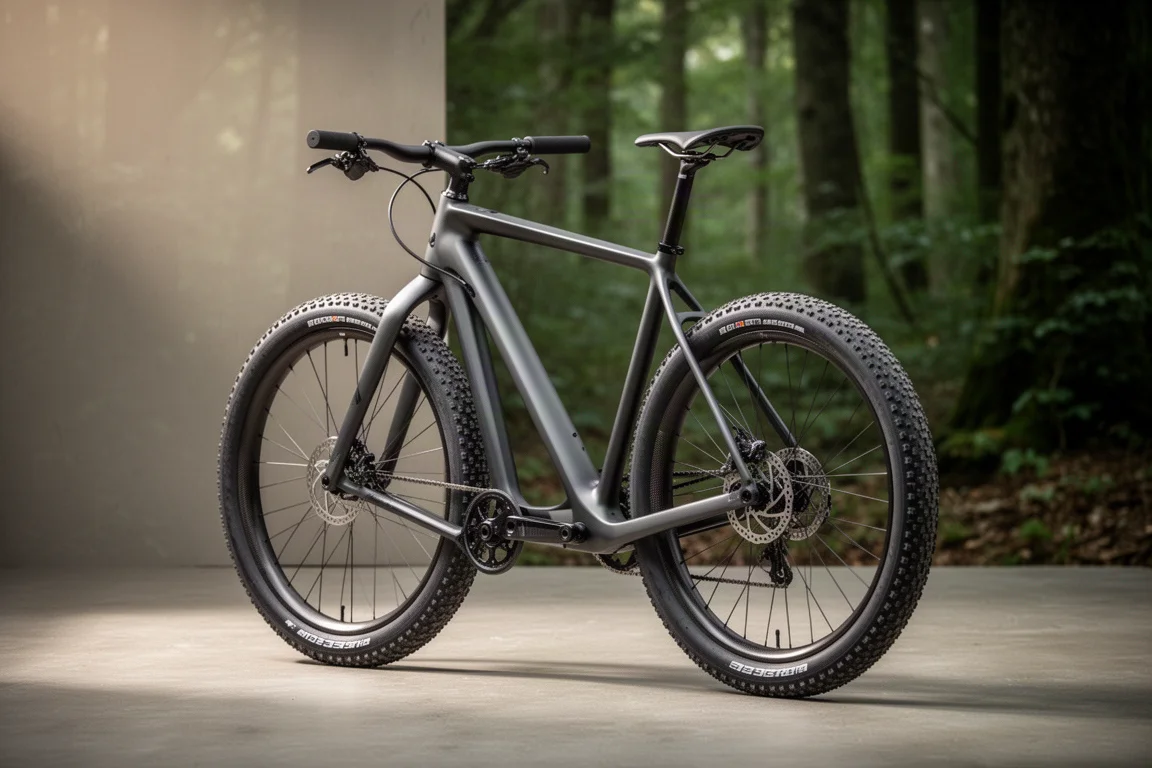
Gravel Bikes
3T Exploro Ultra Review: A Fast Gravel Bike Built for Big Tyres
A close look at the 3T Exploro Ultra, an aero carbon gravel bike designed around wide tyres, with road-like handling, a 980 g frame and genuine rough-terrain capability.
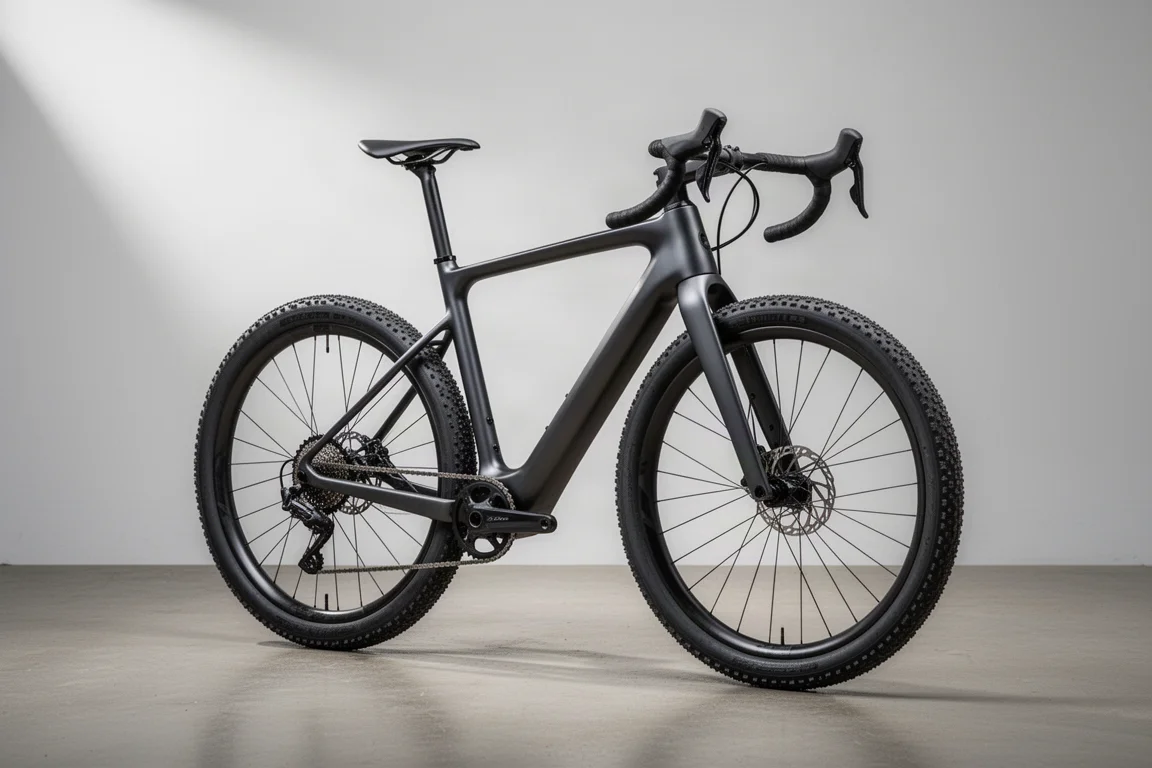
Gravel Bikes
3T Extrema Italia Review: Aero Gravel Speed With Room for 57 mm Tires
The 3T Extrema Italia pairs an aero frame with huge tire clearance, Italian-made carbon and a more comfortable ride than the RaceMax. Here is what to know before buying.
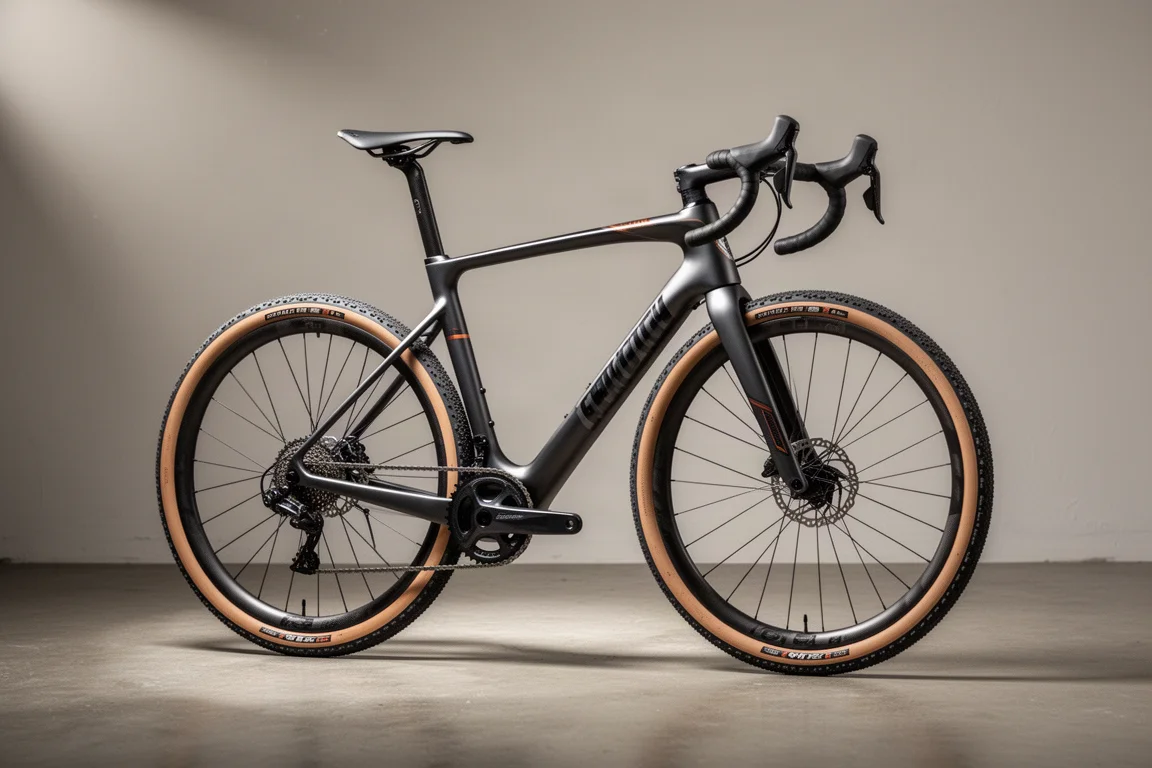
Gravel Bikes
3T Race Max 2 Italia Review: An Aero Gravel Race Bike Made in Italy
A closer look at the second-generation 3T Race Max 2 Italia, covering its aero updates, ride character, tire clearance, internal storage and who it suits.