Gravel Bikes
Canyon Grail Review: The Tire Clearance Detail to Check Before You Buy
The Canyon Grail is quick, capable, and genuinely fun on mixed surfaces, but its rear tire clearance is a real limitation worth understanding before you buy.
Introduction
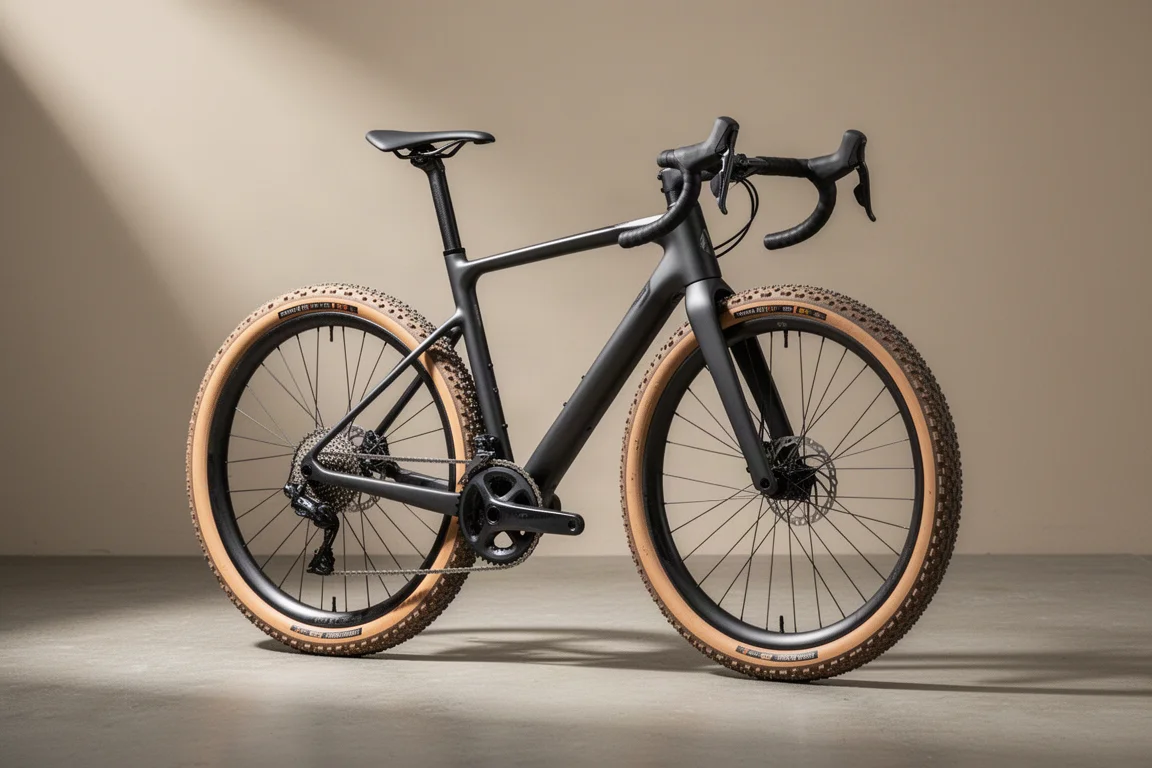
The Canyon Grail is a gravel race bike that gets a great deal right. It is quick, it handles well, and across weeks of mixed-surface riding it proves to be a genuinely enjoyable machine. There is, however, one limitation that deserves attention before you commit to buying: rear tire clearance.
Canyon ships the Grail with 40mm tires and rates the frame for up to 42mm. On smooth gravel, fine dirt, and tarmac that is a workable setup. On chunky, rough trails it becomes a constraint. Fitting a 45mm tire to the front was straightforward. Fitting the same width to the rear was not, because the tire rubbed the chainstay on the drive side.
This article covers who the bike suits, where it shines, and what the clearance ceiling means once you leave the smooth stuff behind.
Who the Canyon Grail Is For
The Grail is built for riders who want speed on mixed surfaces. Canyon’s decision to cap clearance at 42mm is tied to the frame supporting a front derailleur and larger chainrings, the kind of gearing fast gravel racers rely on in high-speed events. If your priority is covering smooth gravel, hardpack, and road quickly, the stock setup makes complete sense.

The bike is a harder sell for riders whose idea of gravel involves rocky descents, rooty singletrack, and rough bridleways around the edges of fields. On that kind of terrain, tire volume is the simplest way to add control and comfort, and the rear of the Grail makes it difficult to go wider.
Main Strengths
Where the Grail excels is pace. It feels lively under acceleration, holds speed well on smoother gravel and tarmac, and stays composed when the surface turns loose and uneven.
A large part of that composure comes from the front end. With a 45mm tire fitted up front, the bike felt notably smoother over rough trails, with more grip and more confidence to let it run down rocky descents. The difference between a 40mm and a 45mm tire sounds small on paper, but on trails you know well it is easy to feel. More comfort, fewer vibrations through the bars, and noticeably less arm fatigue at the end of a five to six hour ride.
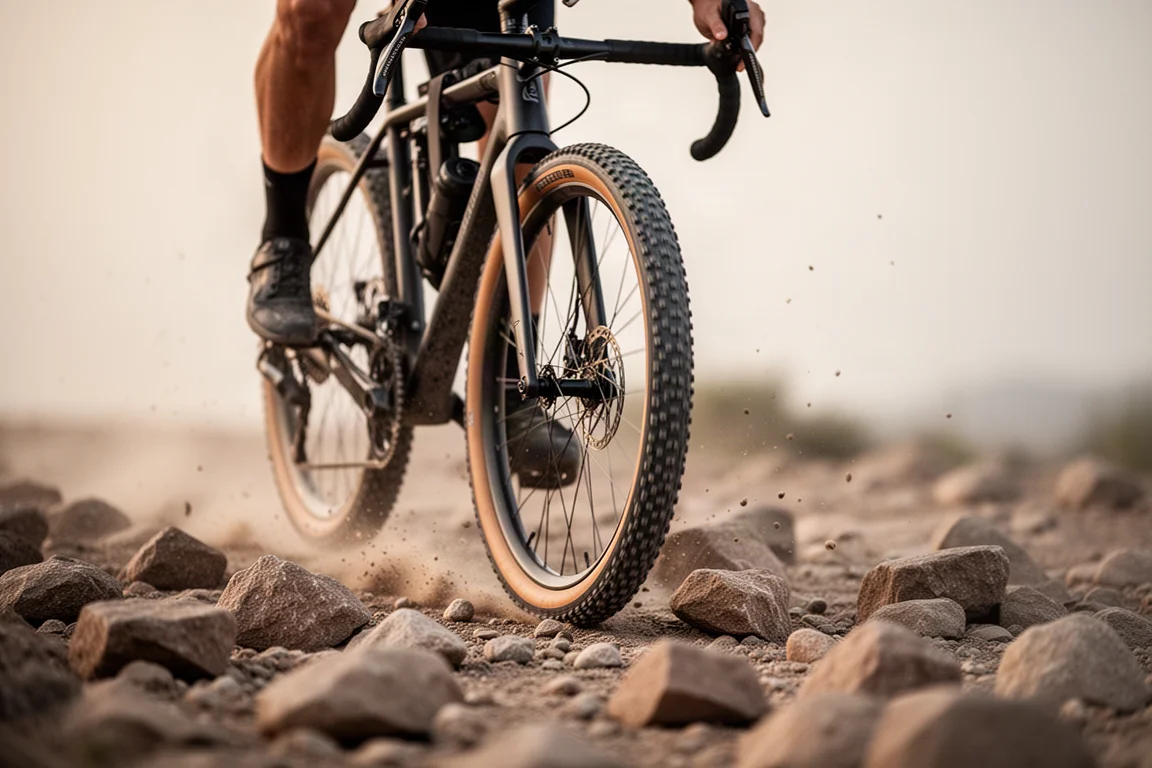
That front-end stability is a big part of why the Grail feels so capable when the terrain gets loose. It is a fast bike that can still be pushed hard when the surface is not perfect.
Tire Clearance in Practice
The clearance question became concrete on a 100km route that mixed smooth gravel, rugged singletrack, country lanes, and rough bridleways along field edges. Up front, a 45mm GravelKing X1 fitted without any issue at all. At the rear, a 45mm tire rubbed the drive-side chainstay, so a narrower 40mm GravelKing SK went on instead. The SK uses a smaller knob profile and rolls faster than the wider X1.
The result was a bike with a genuinely appealing blend of traits: front-end grip and confidence from the larger tire, and a little extra speed on road and smoother gravel from the faster-rolling rear. The narrower rear was noticeably less comfortable than a 45mm would have been, and the speed difference was not dramatic, more of a useful margin than a transformation.
For context, some rival gravel frames accept tires up to 47mm, and a few go as wide as 50mm. Even some endurance road bikes now take 40mm tires, which is close to the Grail’s own 42mm ceiling.
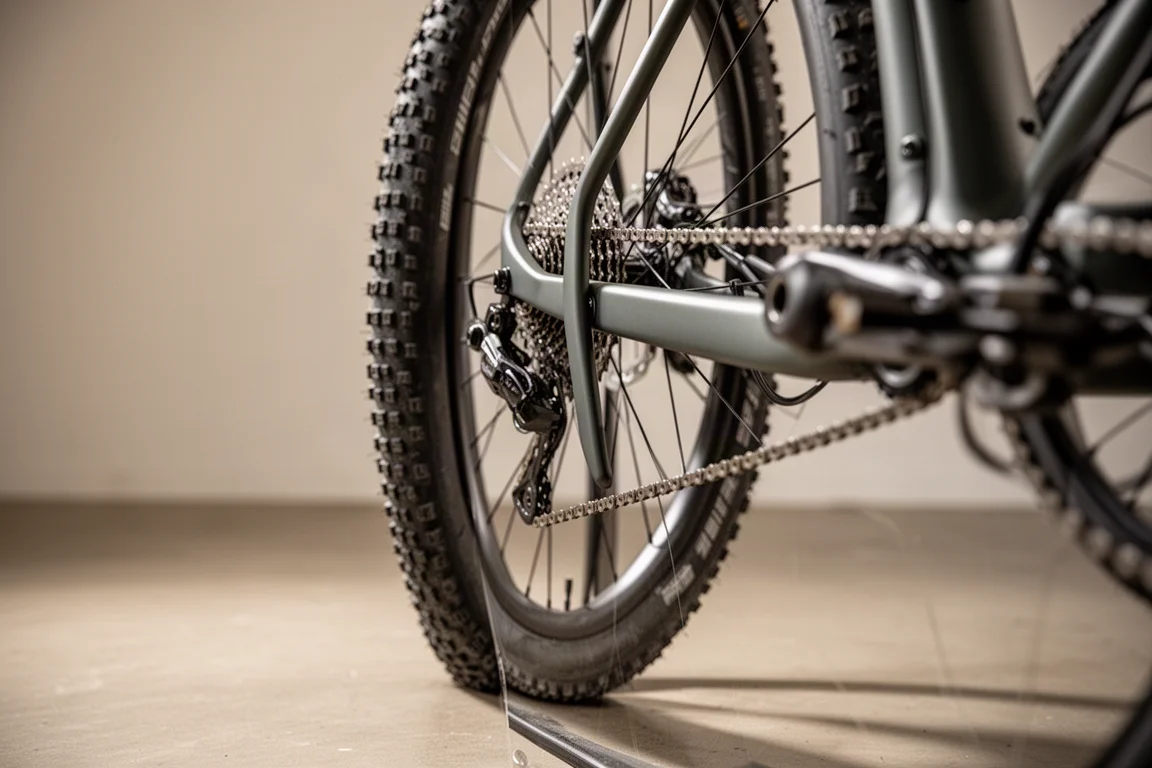
Mixed tire sizes are a familiar idea in mountain biking, where a larger front tire is used for grip and control and a smaller rear tire for speed. It works here too. It is also a workaround, and a new gravel bike at this level should not really require one.
Things to Consider Before Buying
The clearance ceiling is the single most important factor to weigh. A 42mm maximum is fine for racing and fast riding on smoother surfaces, but it limits how far you can push comfort and traction on rough terrain.
Comfort tuning options are also narrower than usual. Because of the seatpost and stem design, a suspension seatpost cannot be fitted, so tires carry most of the responsibility for smoothing out rough ground. If you want more compliance, you are largely working with tire volume and wheel choices rather than adding suspension components.
Wider rubber is clearly where gravel is heading. A 45mm tire is becoming a common default, and 50mm and wider setups are gaining ground quickly. Buying a bike with a 42mm ceiling means accepting that direction of travel.
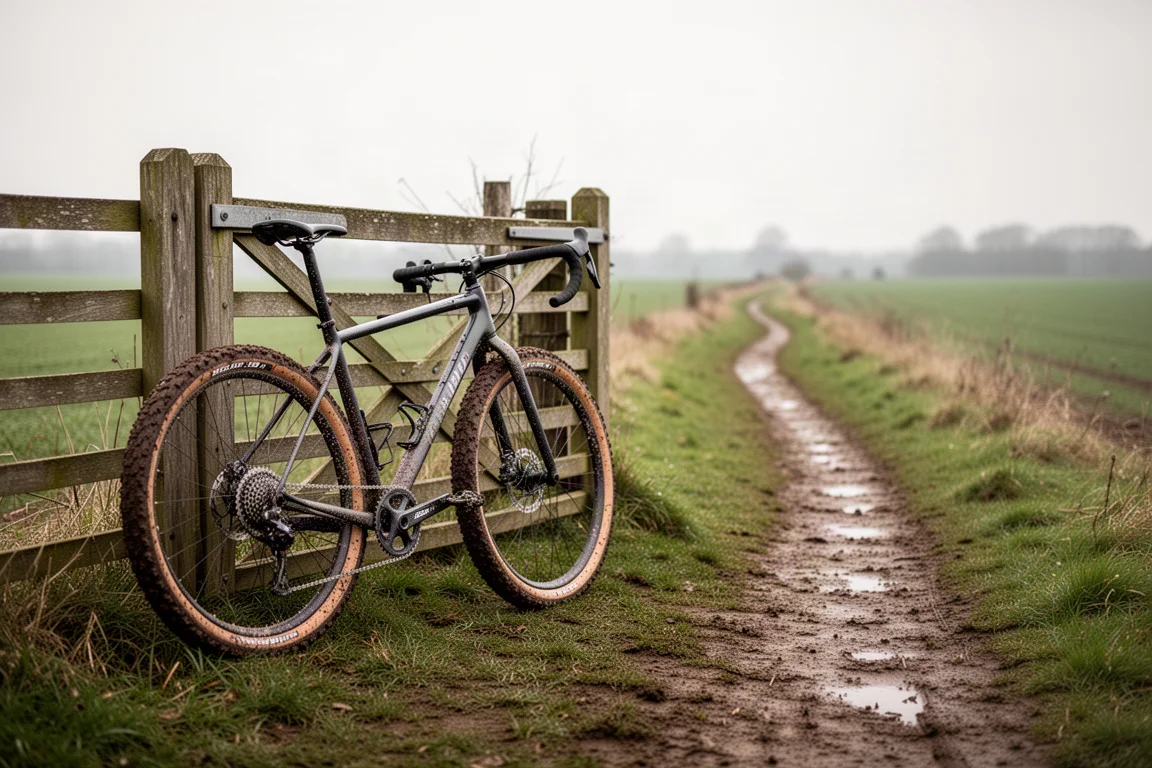
If your riding stays mostly on smooth gravel, lanes, and road, none of this is likely to bother you. The limitation only becomes real when the terrain gets rough and you want a wider tire at both ends.
Buying Advice
If you race, or if speed on smoother gravel is the priority, the Grail is an easy bike to recommend. It is fast, it handles well, and the stock 40mm setup suits the surfaces it was designed around.
If you want one bike for everything, including chunky trails and long comfort-focused days, weigh the clearance limit carefully. You can improve the ride with a mixed tire setup, and you can lean on tire choice for comfort, but the rear of the frame will not accept the wide rubber that many riders now consider standard. Buyers who plan to run 45mm or wider at both ends should look at frames with more generous clearance, or go in knowing they will be working around the limit.
Conclusion
The Canyon Grail remains a fast and genuinely capable gravel bike, and the experience of riding it on rough ground with a larger front tire shows how much potential the platform has. The rear tire clearance is the one flaw that holds it back from being an easy recommendation for every rider.
If your riding is fast, smooth, and race-oriented, buy with confidence. If you want a gravel bike that can comfortably run wide tires front and rear on rough terrain, this is the detail to check before you spend your money.
Product link
View more details for Canyon Grail
This product is mentioned in the review. Check the specifications, options, and compatibility before buying.
View more details for Canyon GrailFurther reading
Related Reviews
Gravel Bikes
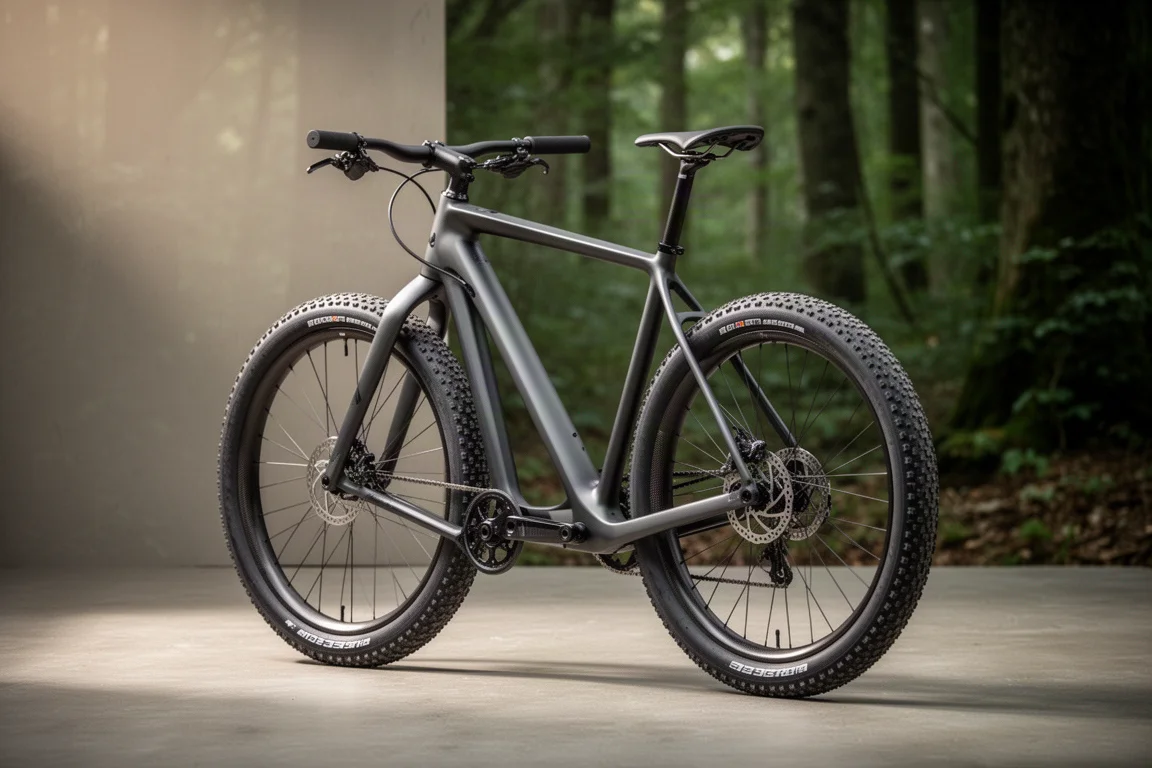
3T Exploro Ultra Review: A Fast Gravel Bike Built for Big Tyres
A close look at the 3T Exploro Ultra, an aero carbon gravel bike designed around wide tyres, with road-like handling, a 980 g frame and genuine rough-terrain capability.
Gravel Bikes
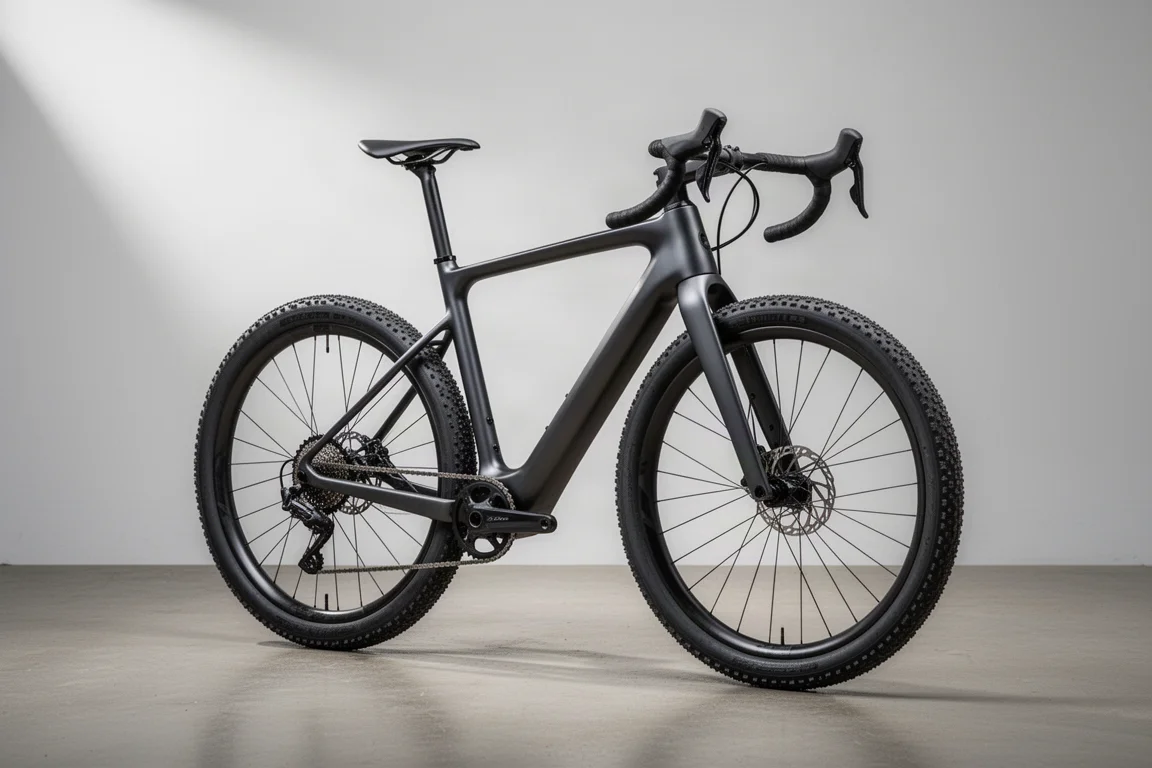
3T Extrema Italia Review: Aero Gravel Speed With Room for 57 mm Tires
The 3T Extrema Italia pairs an aero frame with huge tire clearance, Italian-made carbon and a more comfortable ride than the RaceMax. Here is what to know before buying.
Gravel Bikes
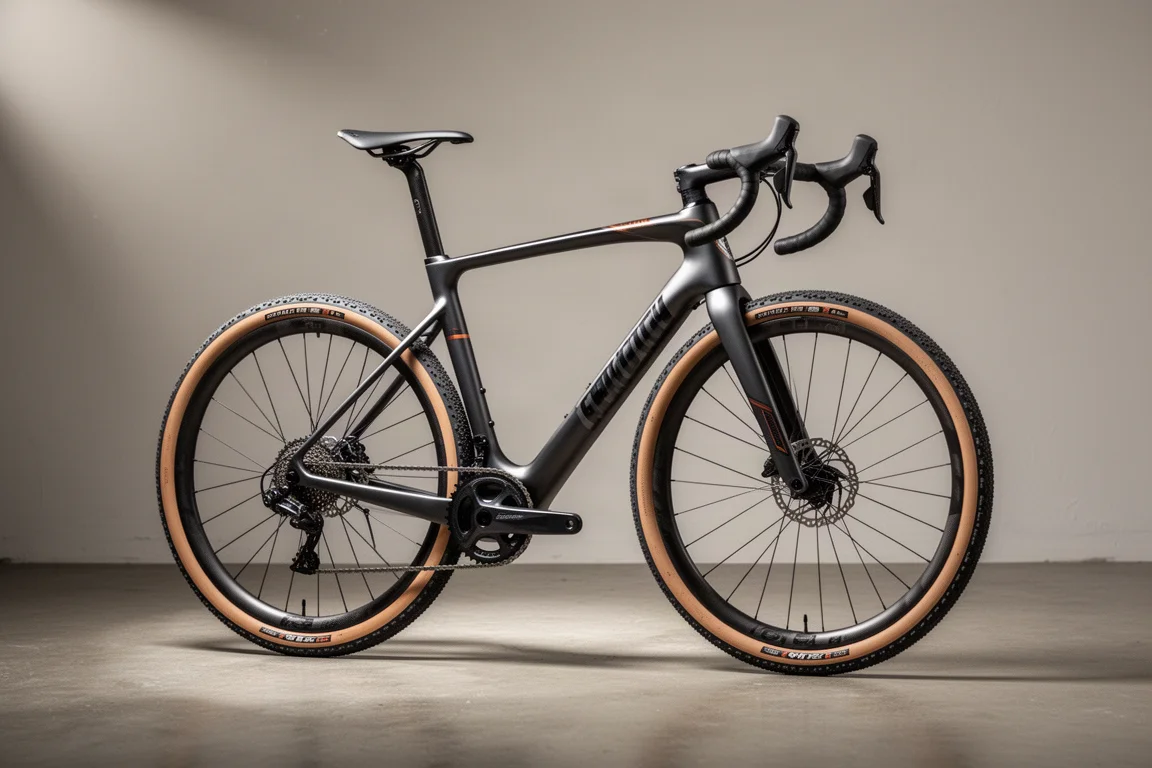
3T Race Max 2 Italia Review: An Aero Gravel Race Bike Made in Italy
A closer look at the second-generation 3T Race Max 2 Italia, covering its aero updates, ride character, tire clearance, internal storage and who it suits.