Gravel Bikes
Canyon Grail CFR vs Specialized Crux: Which Premium Gravel Race Bike Fits You Better
A close comparison of two top-tier gravel race bikes covering design, tire clearance, weight, geometry, ride feel, and value.
Introduction
The premium gravel race category has split into two clear philosophies. One camp builds a dedicated aerodynamic race platform with integrated everything. The other keeps a light, simple, classic frame that can wear several hats across a season.
The Canyon Grail CFR and the Specialized Crux sit at the top of their respective ranges and go after the same rider from opposite directions. This comparison looks at design, tire clearance, weight, geometry, ride feel, and value so you can decide which set of strengths matters more for the way you ride.
How These Two Gravel Bikes Compare
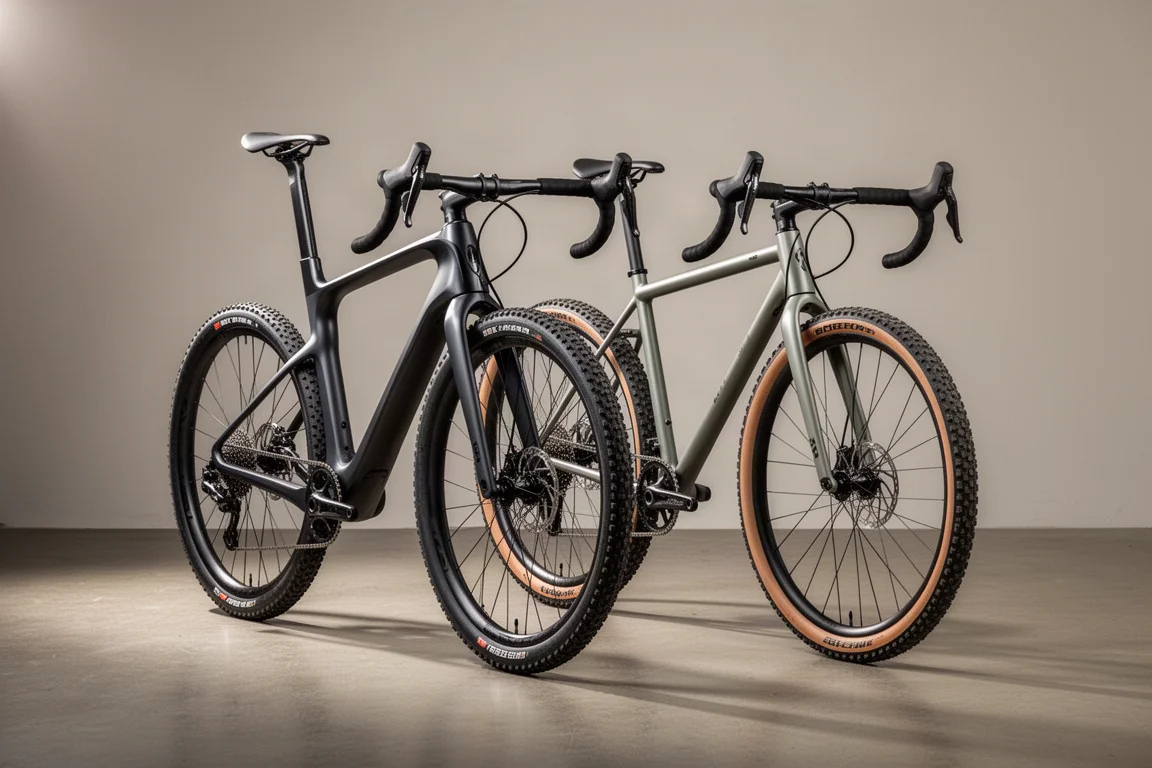
Start with what each bike is trying to be. The Canyon Grail is a purpose-built aerodynamic gravel race bike with a one-piece bar and stem, aero tube profiles, and a range of integrated storage and mounting solutions. The Specialized Crux began life as a cyclocross frame and has been gradually widened into gravel territory, keeping round tubes and simple standards along the way.
The practical differentiators are tire clearance, front-end integration, mounting options, component flexibility, and price. Both bikes are genuinely light and genuinely quick, so the decision usually rests on which compromises you can live with across a full season rather than on any single headline number.

Riders who spend most of their time on long, fast gravel courses tend to value stability and integration. Riders who mix cyclocross, singletrack, and gravel lean toward agility and the freedom to swap stems, bars, and seatposts. Keeping those two profiles in mind makes the rest of this comparison much easier to read.
Canyon Grail CFR: Aero, Integration, and Speed
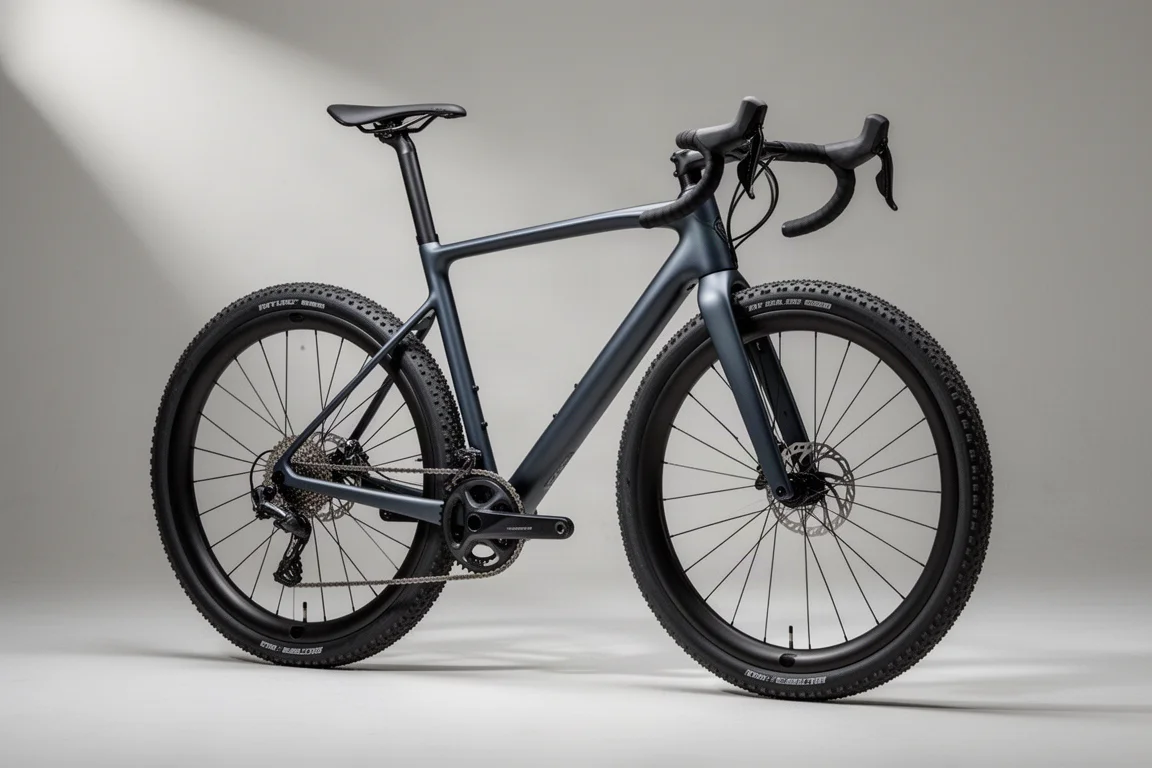
The Grail CFR is Canyon’s range-topping gravel race model, and it is clearly the more modern of the two bikes here. Full integration comes through a one-piece handlebar and stem, and the frame uses aero tube profiles throughout. The aero seatpost is designed to flex for compliance, though not quite as much as a dedicated split seatpost design.
Practical touches are unusually thorough. A groove in the top tube area accepts accessories such as extensions, a computer mount, or lights. There are mounts for a top tube bag, downtube storage, and mudguards, and the bike can be run with either a single chainring or a double. The full carbon frame carries a claimed weight of 855 grams, and a complete SRAM Red AXS build in size medium weighed 7.7 kilograms on the scales.
Tire clearance is the main limitation. The bike ships with 40 mm tires and is designed around 42 mm. A 45 mm tire will physically fit, but rear clearance becomes very tight and it is not a setup most riders should plan around, especially in mud.
Specialized Crux: Light Weight and Simplicity
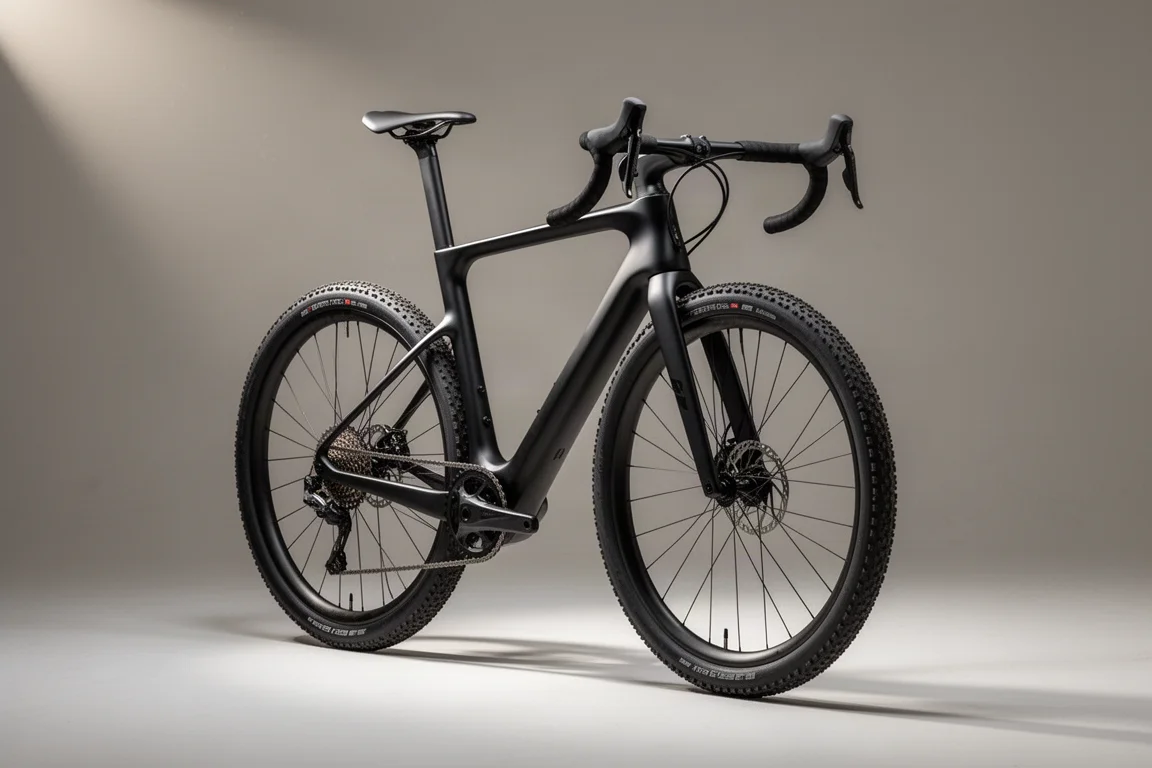
The Crux launched in 2021 with a focus on low frame weight, claiming 725 grams and drawing on lessons from an even lighter road platform that comes in under 600 grams. Complete build weights reflect that focus. A top-end groupset can bring the bike to roughly 7.25 kilograms, while a mid-range build with deeper wheels lands closer to 7.6 kilograms.
The design is deliberately straightforward. Round tubes, non-dropped rear stays, no front-end integration, and external cable routing make for a classic silhouette that is easy to live with. The round seatpost prioritises weight and stiffness over compliance, and a simple external seat clamp keeps adjustments simple. Servicing the headset bearings is easier than on a fully integrated front end, and swapping stems or handlebars is entirely practical.
Tire clearance is generous, with room for up to 47 mm and 45 mm fitted comfortably. What the frame does not offer is mounting points. There are no top tube bag mounts, no downtube mounts, no integrated storage, and no mudguard mounts. It is also a capable cyclocross bike with narrow 33 mm tires, which is where the platform originally made its name.
Geometry and Handling on Gravel
On paper the geometry differences are surprisingly small. The Grail is longer and slacker than the previous generation, with a longer wheelbase and reach and a head angle half a degree slacker than the Crux. Bottom bracket drop is nearly identical and the chainstays are the same length. The biggest single difference is stack: the Crux sits much lower at the front, which is immediately noticeable.
Cockpit sizing differs too. The Crux is supplied with a 42 cm handlebar and a 100 mm stem, while the Grail comes with a wider 44 cm bar and a short stem.
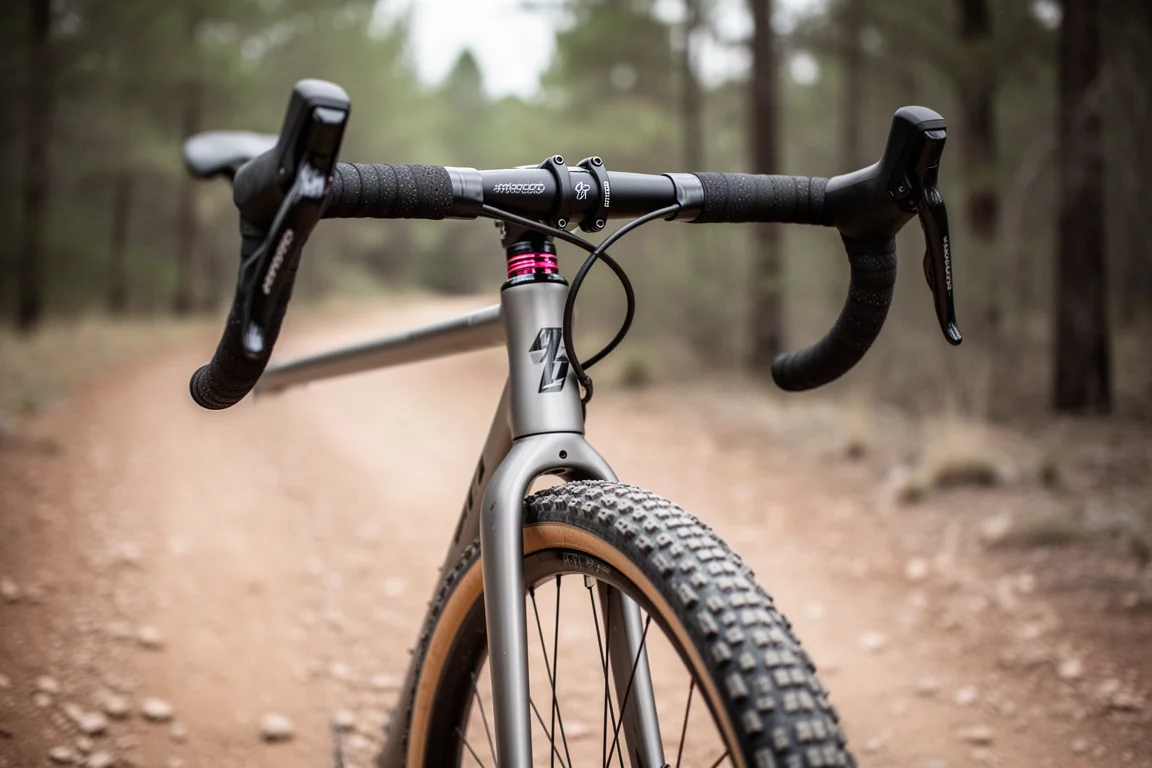
Out on the trail, the Grail feels the more planted and calmer of the two. The longer wheelbase and taller front end make it stable at speed and easy to hold on long, fast gravel. The Crux is quicker to steer, more agile, and noticeably better on singletrack, though it asks for more attention from the rider, particularly with a short stem fitted.
With identical wheels and tires, the Grail is the smoother ride, largely thanks to how much its seatpost flexes. The Crux feels firmer by comparison, but its generous clearance means 45 mm tires transform the ride quality, and its standard round seatpost opens the door to a suspension post or a split design. Weight is close between the two builds, yet the Crux feels lighter and more energetic on climbs.
Tire Clearance and Everyday Practicality
Tire clearance shapes how each bike behaves across a season. The Grail ships with 40 mm and is optimised around 42 mm. Going wider is possible but rear clearance gets tight, and muddy conditions make that a poor idea. The Crux accepts 47 mm and runs 45 mm with room to spare, which gives it a clear advantage on loose, rough, or wet surfaces.
Mounting points tell a similar story. The Grail provides a top tube accessory groove, top tube bag mounts, downtube storage, and mudguard mounts, making it well suited to long supported races and light bikepacking. The Crux offers none of those, so bags and mudguards need strap-on or alternative solutions.
Serviceability favours the Crux. External cable routing and a conventional front end make routine maintenance simpler, and swapping components takes far less planning than on a fully integrated setup.
Ownership, Customization, and Support
How each bike reaches you matters as much as how it rides. Canyon sells direct, which means the bike arrives in a box and any issue or return is handled remotely, a process that can take longer and require more patience. Canyon also does not allow component changes at the point of purchase, so the specification you order is the specification you get. That matters with the Grail, because its stock 42-tooth chainring can feel overgeared on steep terrain, and changing it means spending money after the fact.
Specialized takes the opposite approach. Buying through a local bike shop brings the support and servicing that comes with it, and the Crux can be purchased as a frameset and built to your own specification. Because the frame uses conventional standards, changing stem length, handlebar shape, or seatpost type is straightforward and can meaningfully change how the bike feels.
The trade-off is cost. The Specialized route is the more expensive one, particularly at the top of the range, and the gap widens considerably against an equivalent Canyon build. A more affordable Crux model exists with mechanical 11-speed SRAM Rival, which softens the entry point but keeps the same frame philosophy.
Price and Value
Value clearly favours the Canyon. The Grail is well specified for its price, with the version tested pairing a SRAM Red groupset, a power meter, and lightweight carbon wheels into a cohesive race package. The Grail range also starts with more accessible CF SLX and CF SL models, though the entry model does not include the downtube storage found higher up the line.
The Crux is a premium proposition throughout. A top SRAM Red build costs substantially more than the comparable Canyon, and while a cheaper SRAM Rival model brings the price down, the frame remains the pricier starting point of the two.
Buying Advice
Choose the Canyon Grail CFR if you race long, fast gravel courses and want an aerodynamic, fully integrated platform with storage and mounting options built in. It is the better value of the two, the more stable at speed, and the smoother ride on matching tires. Accept the tight clearance beyond 42 mm, the fixed specification at purchase, and the remote support model.

Choose the Specialized Crux if low weight, simple maintenance, and generous tire clearance matter more than integration. It is quicker handling, more agile on technical terrain, feels more eager on climbs, and can be configured and serviced through a local shop or built from a frameset. Budget for the higher price and plan around the absence of mounts.
Conclusion
These are two excellent gravel race bikes with very different priorities. The Canyon Grail CFR brings aerodynamics, full integration, storage, and strong value into a fast and stable package, with tire clearance beyond 42 mm as its main limitation. The Specialized Crux counters with a very light frame, up to 47 mm of clearance, easy maintenance, and an engaging, agile ride that responds well to component changes.
If outright speed on long gravel courses and value per pound matter most, the Grail is the sensible pick. If you want the lightest, simplest, most versatile frame of the two and you are willing to pay for it, the Crux is the more rewarding long-term choice.
Further reading
Related Reviews
Gravel Bikes
3T Exploro Ultra Review: A Fast Gravel Bike Built for Big Tyres
A close look at the 3T Exploro Ultra, an aero carbon gravel bike designed around wide tyres, with road-like handling, a 980 g frame and genuine rough-terrain capability.
Gravel Bikes
3T Extrema Italia Review: Aero Gravel Speed With Room for 57 mm Tires
The 3T Extrema Italia pairs an aero frame with huge tire clearance, Italian-made carbon and a more comfortable ride than the RaceMax. Here is what to know before buying.
Gravel Bikes
3T Race Max 2 Italia Review: An Aero Gravel Race Bike Made in Italy
A closer look at the second-generation 3T Race Max 2 Italia, covering its aero updates, ride character, tire clearance, internal storage and who it suits.