Gravel Bikes
Canyon Grail CFR Rift Edition Review: 40mm of Suspension on a Gravel Race Bike
Canyon's updated Grail arrives with a DT Swiss F1321 suspension fork. Here is where the 40mm of travel helps, and the trade-offs to weigh before buying.
Introduction
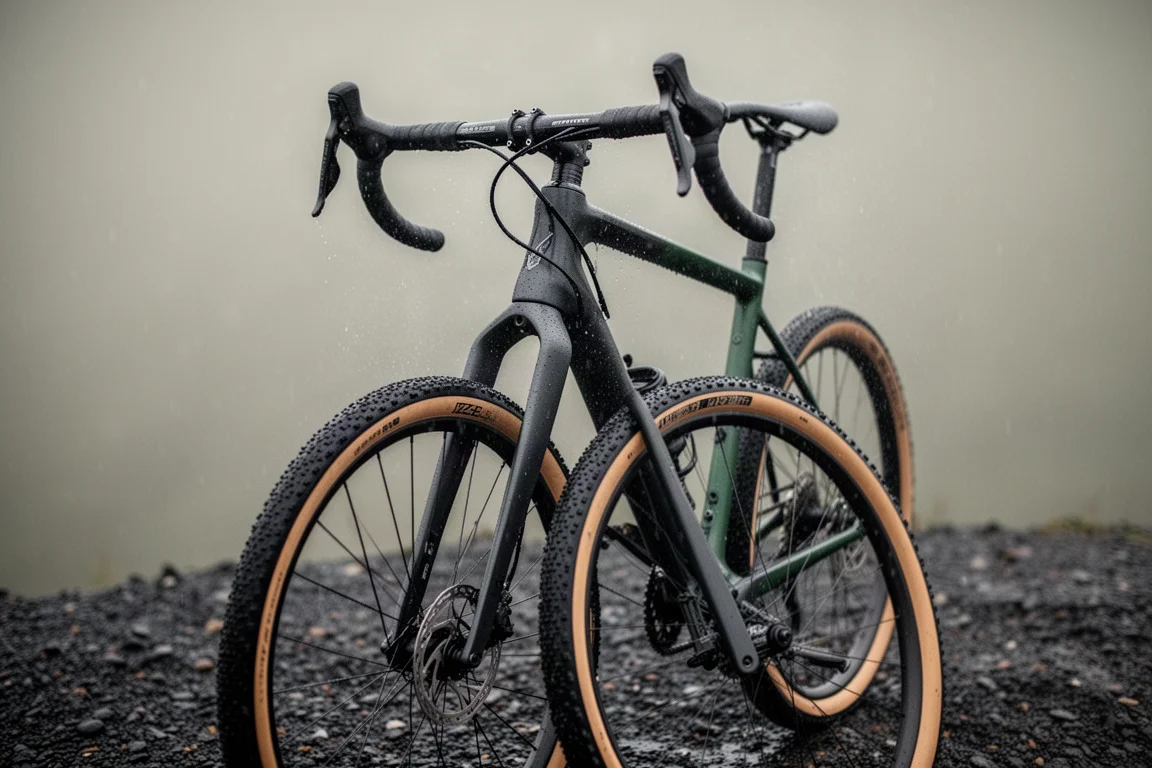
Canyon has updated its Grail gravel race platform, and the headline change is not in the frame. The second version of the bike arrives with a new DT Swiss F1321 suspension fork offering 40mm of travel, a product the two brands developed together over roughly four years.
The chassis itself carries over unchanged from the version introduced three years earlier, including its tire clearance. According to Canyon, the geometry was planned from the outset to accommodate a suspension fork, so the frame did not need to be reworked for the new front end to fit. What has changed is how the bike behaves over rough ground.

At launch, the fork is available on one model only: the Grail CFR Rift Edition, priced at €8,000 and built with a Shimano GRX Di2 groupset and a Canyon Gear Groove handlebar.
Riding that bike over a 100km gravel race near Girona, Spain, in relentlessly wet and muddy conditions, roughly four hours in the saddle, gives a useful picture of where the suspension genuinely helps and where the compromises sit.
Who the Canyon Grail CFR Rift Edition Is For
This bike is aimed at riders who race gravel or cover long distances across mixed terrain, where smooth tarmac sections and rough, technical tracks appear in the same ride. On that kind of route, the case for suspension is straightforward: more control on rough trails, less fatigue in the arms over long distances, and the ability to carry more speed into broken surfaces.
It is not aimed at riders who would simply prefer a hardtail mountain bike. Nothing forces anyone toward a suspension fork, and riders who mostly stay on smooth gravel or paved roads will get little from it. The benefits concentrate in rough, loose, or technical terrain and in long events where arm comfort accumulates into a real performance factor.
It is also less suited to riders who want to run the widest possible rear tire. The rear clearance is unchanged, so a 50mm or 2.1in mountain bike tire fits up front but not at the back. Canyon has acknowledged that this is unfortunate for now, and has suggested changes could come in the future, but nothing has been confirmed.
The DT Swiss F1321 Fork in Detail
The fork delivers 40mm of travel from a linear air spring with positive and negative air chambers. Only the 40mm option exists at launch, with no shorter or longer travel variants listed. Rebound is adjustable across nine levels, and setup using the recommended settings for a combined rider and kit weight produced a good base tune quickly.
Lockout is handled by a cable-operated remote lever mounted inside the drop bar, shaped as a large U-bend. It is a simple push to lock and push to unlock, which makes it easy to operate on the fly, and it can be reached from both the drops and the tops.
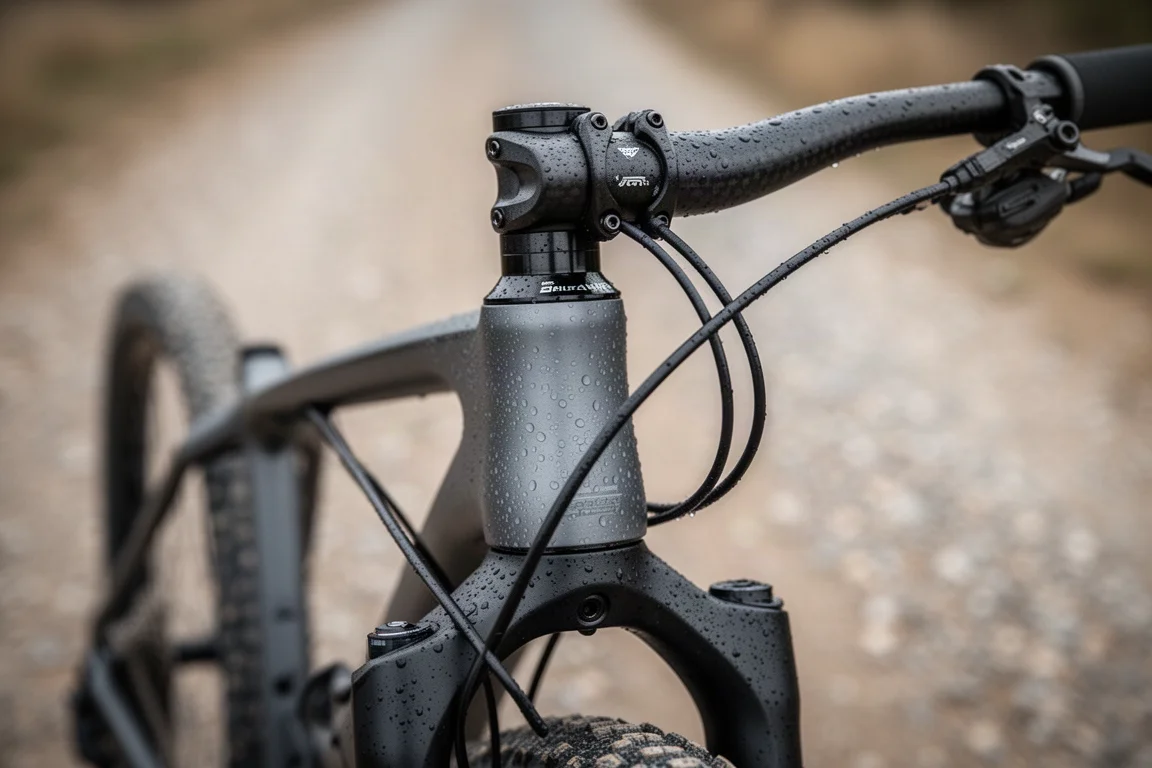
Visually, the fork integrates unusually well with a carbon frame. The angled crown avoids the squared-off look of a mountain bike derived design, and a reverse arch keeps the profile slender from the front. The standout detail is full internal routing for the brake hose and the lockout cable, which suits a frame with internal routing throughout and avoids the untidy external hose run common on suspension forks.
Practical details are strong. There is clearance for a 50mm tire, and Canyon athletes have run a 2.1in mountain bike tire. A mudguard can be fitted, and the fork legs accept bikepacking mounts rated for up to 3kg of load per leg, which is a genuinely useful option for ultra distance riding and can be left off for racing.
The main compromise is weight. The fork carries a claimed 1,340g, which is heavier than a RockShox Rudy at 1,300g, a Fox 32 at around 1,230g, and a Cane Creek Invert SL at just 990g. That is a meaningful penalty against the lightest options in this category.
Availability is the other limitation. There is no price for the fork because it cannot be bought on its own yet. For the first year it is exclusive to Canyon on the new Grail, after which it should reach other OEM partners, and possibly the aftermarket later still. Owners of an existing Grail cannot upgrade to it, which is a real frustration given how easily the fork fits the frame.
Suspension Versus Bigger Tires
The obvious question is why add suspension rather than simply fitting larger tires. The answer is that the two solve different problems. Bigger tires bring clear benefits on rough descents and on fast, technical flat sections where responsiveness from the tire matters, but a tire mainly manages vibration. It cannot absorb the big impacts that a fork can.
The two approaches also combine well. A 40mm to 45mm tire paired with the suspension fork can deliver more overall benefit than a 50mm or 54mm front tire on its own. There is also a tuning argument: tire pressure and air spring can be adjusted to work together, which may allow lower tire pressures with the fork acting as a backstop against hard impacts, or a larger tire at higher pressure with comfort coming from the suspension instead. That flexibility is the real appeal as gravel tires keep growing in size.
DT Swiss has published in-house test data comparing a rigid fork and the suspension fork over a wooden plank with both 40mm and 50mm tires. It shows a clear reduction in peak force at higher speeds, particularly for the 50mm tire with suspension compared with the 40mm tire with suspension, and both against a rigid setup. As with any manufacturer supplied figures, these should be read with some caution, but the direction of the result is consistent with how the bike feels on rough ground.
Main Strengths
The 40mm of travel is well damped and well controlled, and it does what suspension is supposed to do on a gravel bike. Rough, technical trails become noticeably more manageable, arm fatigue over long distances drops, and it is easier to carry speed into broken surfaces instead of bracing for them.
On tarmac the fork stays composed. It does not bob or wallow in the way riders unfamiliar with suspension might expect, and the damping keeps movement minimal on smooth surfaces. Riders coming from a road background have found the added control on descents to be a genuine skills boost, helping them hold pace with more experienced off-road riders where they would previously have been dropped.
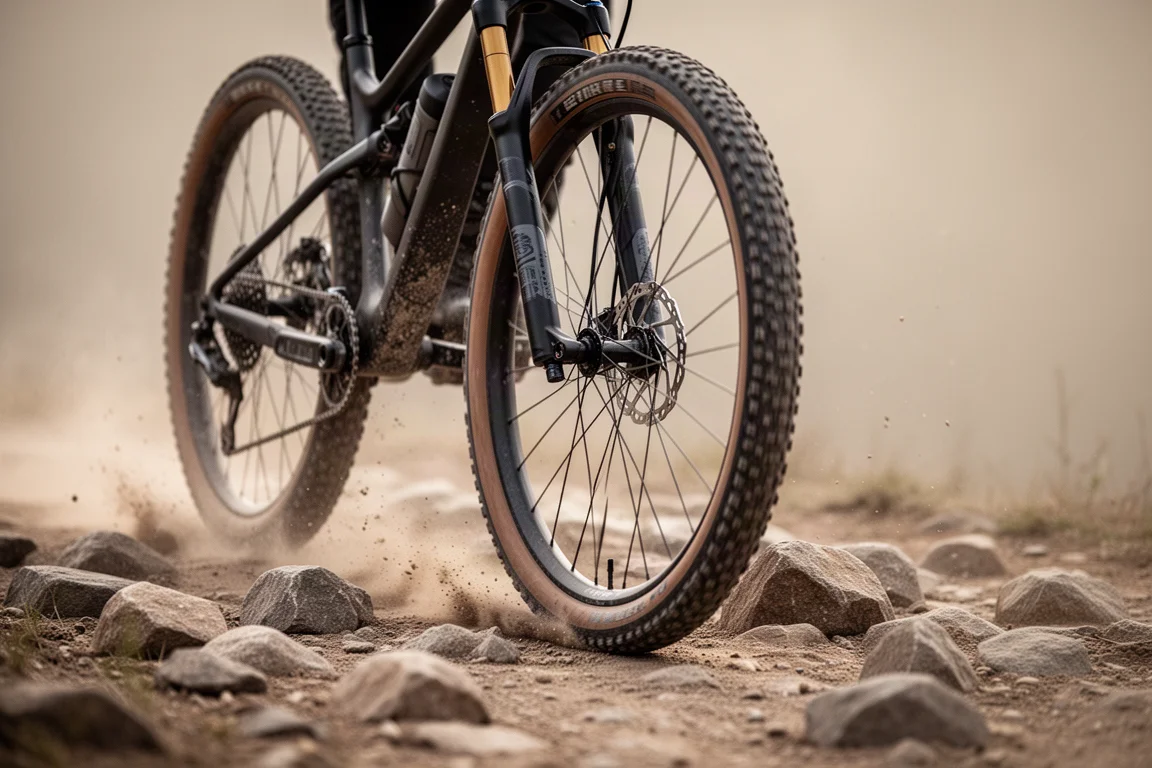
The lockout lever is useful for long road sections, and the internal routing keeps the front end looking clean on a bike that is otherwise fully internally routed. For bikepackers and ultra distance riders, the fork leg mounts add load capacity without permanent changes.
Setup is straightforward. Using the recommended air pressure and rebound settings based on combined rider and kit weight produced a solid starting point with no experimentation required.
Things to Consider Before Buying
Weight is the clearest trade-off. At a claimed 1,340g, the fork is heavier than the main alternatives in this space, and that matters on a race bike where climbing response is part of the appeal.
The lockout lever has practical drawbacks. Its position inside the drops sits where a natural hand position would otherwise be, so hand placement has to change slightly, sitting lower than some riders would choose. Over a long, wet, gritty ride the lever became noticeably crunchy toward the end, and after around two hours of switching between locked and open it became easy to lose track of which mode the fork was in. Leaving it open most of the time is a workable compromise, since the fork is composed enough on the road, but a clearer indication of lock state would help. An electronic lever would address much of this.
Long-term reliability is an open question with a cable operated system used through wet winters, and that is worth weighing for riders in consistently wet climates.
Then there is the frame. The Grail chassis is unchanged and its rear tire clearance remains limited, which sits awkwardly against the front end’s ability to take a 50mm or 2.1in tire. Riders who want to match wide rubber front and rear will not find that here yet.
Finally, the fork cannot be bought separately. If you already own a Grail, the only way to get this suspension setup is to buy a complete new bike.
Buying Advice
At €8,000, the Grail CFR Rift Edition is a premium package built around a Shimano GRX Di2 groupset and a Canyon Gear Groove handlebar, with the suspension fork as the defining feature. The value question comes down to how much of your riding happens on rough, technical, or long-distance gravel.
If that describes most of your riding, the fork earns its place. The control and comfort gains are real, and the ability to tune tire pressure and air spring together gives a useful range of setup options. If your gravel riding is mostly smooth and fast, the extra weight and the lever compromises are harder to justify, and a rigid fork remains the lighter, simpler choice.
For anyone who already owns a current Grail, there is no upgrade path to this fork at present, so the decision effectively means a new bike. The fork is expected to reach other bike brands after its first year of exclusivity and possibly the aftermarket later, so riders who want the suspension without changing platforms may find it worth waiting.
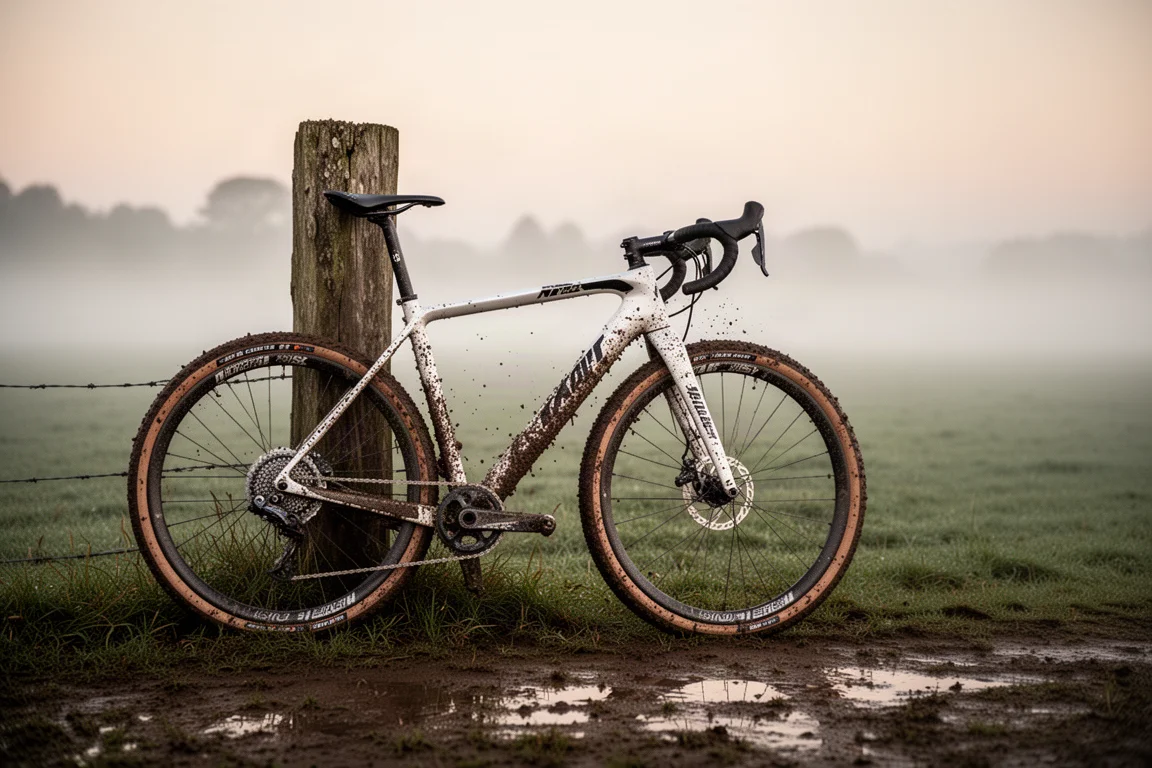
If you are shopping for a gravel race bike and rough terrain is part of the plan, this is a genuinely capable option. Weigh the weight penalty and the rear tire clearance against the ride quality gains, and be honest about the surfaces you actually ride most often.
Conclusion
The Grail CFR Rift Edition is an interesting, well executed take on gravel suspension. The DT Swiss F1321 fork works: 40mm of well damped travel, a clean integrated look, internal routing, sensible mounting options, and easy setup. On rough terrain and over long distances it makes the bike more comfortable and more confident.
The reservations are equally clear. It is heavier than its rivals, the mechanical lockout lever is awkward in position and in feedback, the frame carries over unchanged with limited rear tire clearance, and the fork is tied to a single model with no aftermarket option for existing Grail owners.
For riders who race or ride long, rough gravel, those trade-offs are reasonable. For everyone else, the honest answer is that a rigid gravel bike remains the simpler and lighter choice.
Product link
View more details for Canyon Grail CFR Rift Edition
This product is mentioned in the review. Check the specifications, options, and compatibility before buying.
View more details for Canyon Grail CFR Rift EditionFurther reading
Related Reviews
Gravel Bikes
3T Exploro Ultra Review: A Fast Gravel Bike Built for Big Tyres
A close look at the 3T Exploro Ultra, an aero carbon gravel bike designed around wide tyres, with road-like handling, a 980 g frame and genuine rough-terrain capability.
Gravel Bikes
3T Extrema Italia Review: Aero Gravel Speed With Room for 57 mm Tires
The 3T Extrema Italia pairs an aero frame with huge tire clearance, Italian-made carbon and a more comfortable ride than the RaceMax. Here is what to know before buying.
Gravel Bikes
3T Race Max 2 Italia Review: An Aero Gravel Race Bike Made in Italy
A closer look at the second-generation 3T Race Max 2 Italia, covering its aero updates, ride character, tire clearance, internal storage and who it suits.