Gravel Bikes
Canyon Grail CFR Rift Edition and DT Swiss F1321: Gravel Suspension Arrives
Canyon's Grail CFR Rift Edition debuts the DT Swiss F1321 gravel suspension fork with 40 mm of travel, internal routing and a handful of trade-offs worth weighing.
Introduction
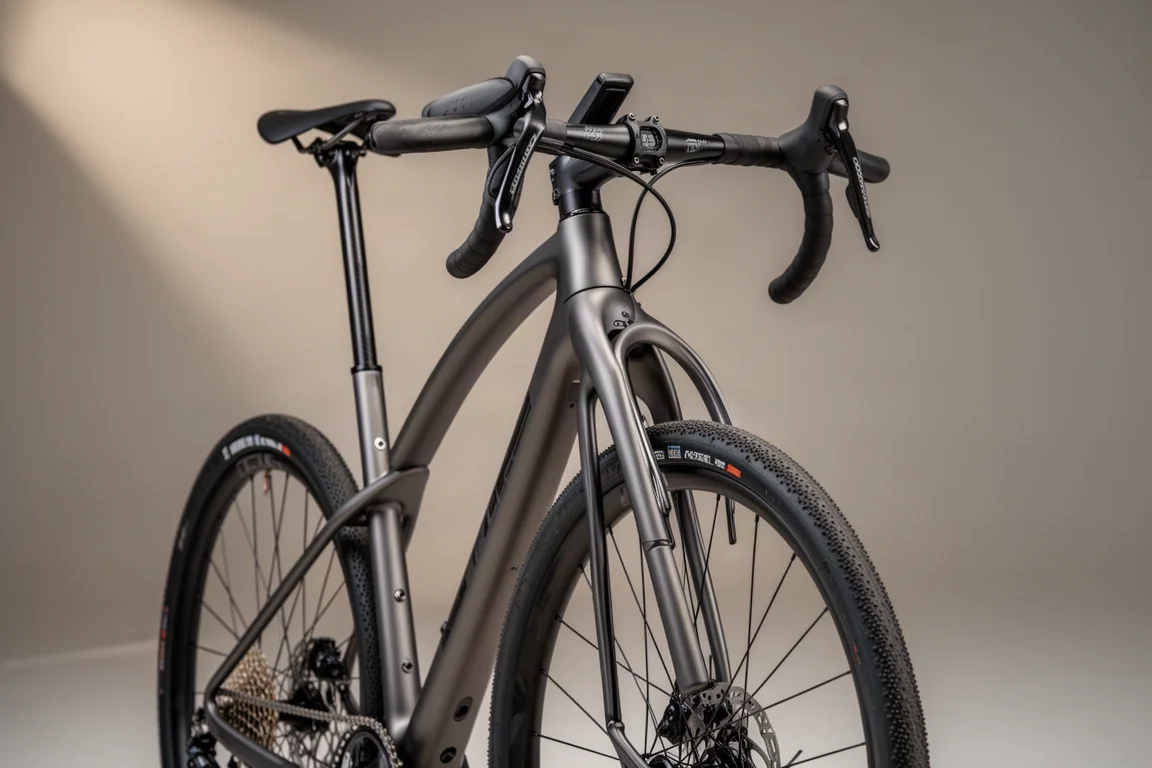
Canyon has launched the second version of its Grail gravel race bike, and the biggest change is not in the frame. It is in the fork. The new DT Swiss F1321 brings 40 mm of suspension travel to a carbon gravel race platform that was previously rigid, and it does so with a design built to look integrated rather than added on.
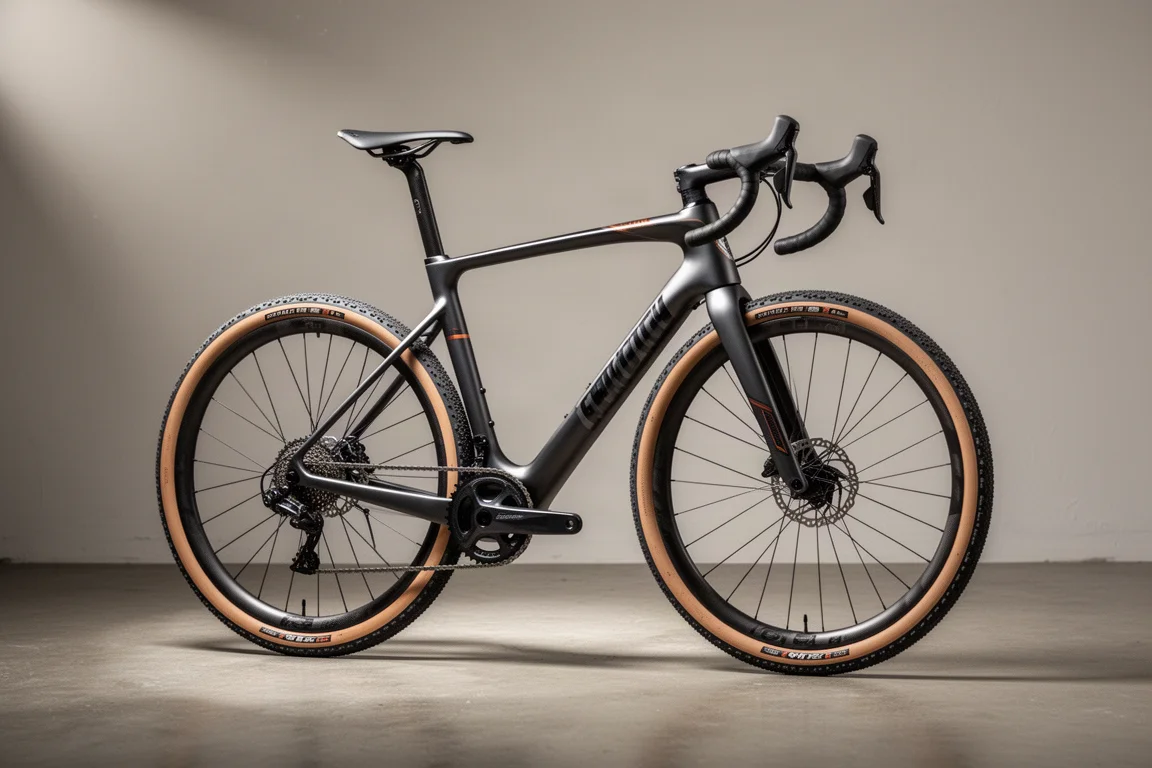
The bike that debuts the fork is the Canyon Grail CFR Rift Edition, a single model that pairs the suspension fork with a Shimano GRX groupset and a Canyon Gear Groove handlebar. The frame underneath is unchanged from the Grail that arrived three years ago, including its tire clearance. A genuinely new front end sitting on an unchanged rear end is the central tension of this launch, and it is worth understanding before deciding whether the setup suits your riding.
What the DT Swiss F1321 Fork Brings to Gravel
DT Swiss is best known for wheels and hubs, but the company has also built suspension forks for mountain bikes. The F1321 is the result of roughly four years of development and testing, co-developed with Canyon for the Grail platform.
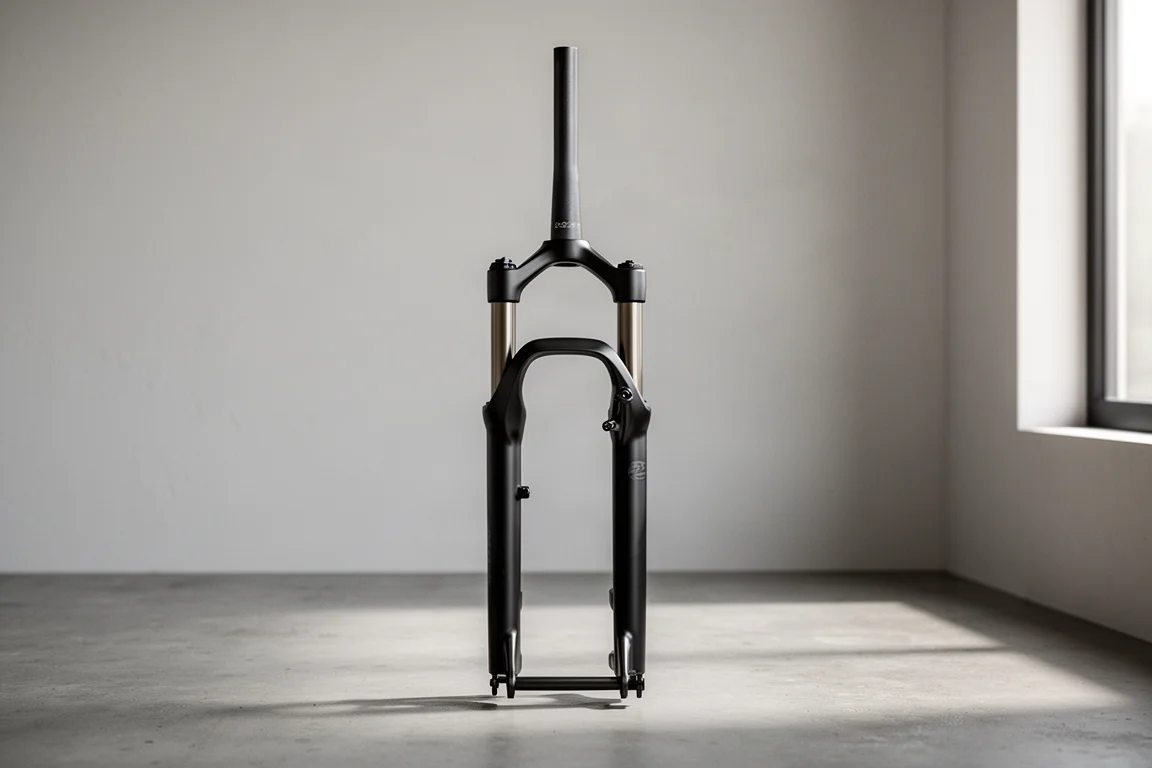
The headline number is 40 mm of travel, delivered by a linear air spring with positive and negative air chambers. At launch there is no 30 mm or 50 mm version, and no longer or shorter travel options were listed alongside the bike. Rebound is adjustable across nine levels.
Visually, the fork separates itself from mountain bike derived designs. An angled crown and a reverse arch keep the profile slim from the front, and the brake hose and lockout cable both route internally, which matters on a frame with full internal routing. Clearance allows a 50 mm tire, and Canyon athletes have run a 2.1 inch mountain bike tire up front. A mudguard can be fitted, and the fork legs accept bikepacking mounts rated for up to 3 kg of load on each leg, which can be left off for race day.
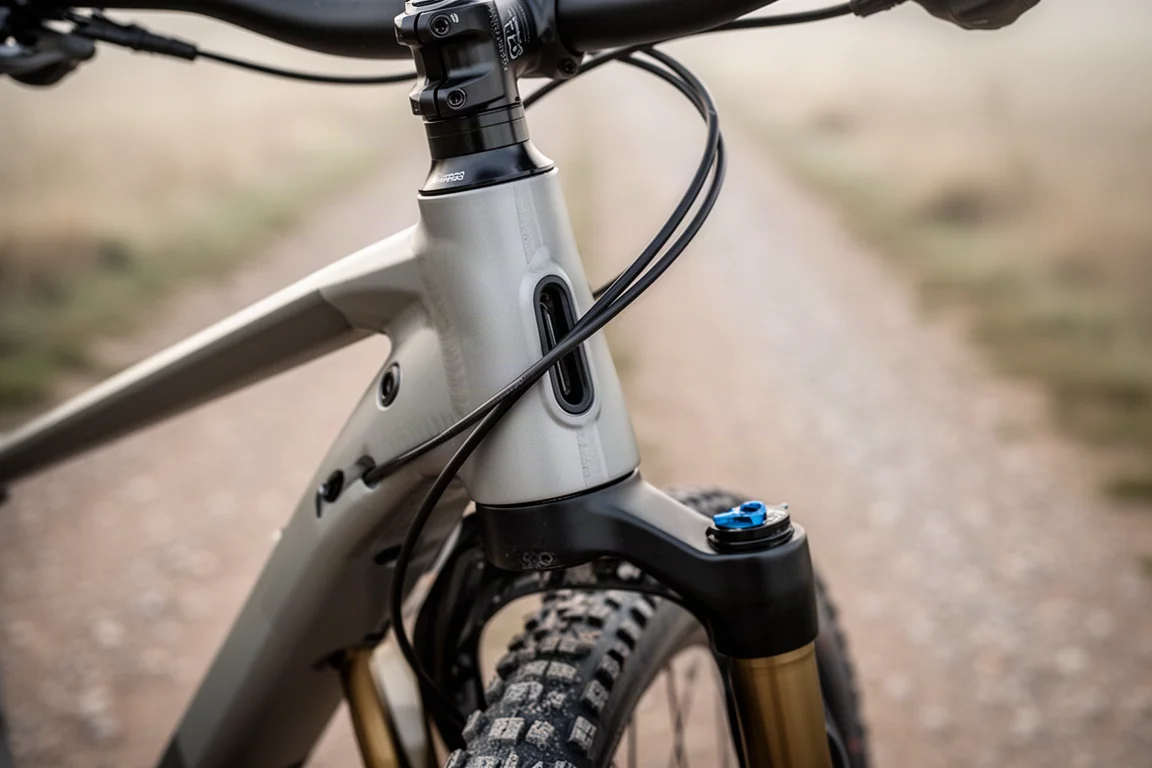
On the bike, the fork sets up quickly and a good base tune can be reached using the recommended settings for combined rider and kit weight. The travel is well damped and composed, moving very little on road sections rather than feeling bouncy or vague.
The Canyon Grail CFR Rift Edition at a Glance
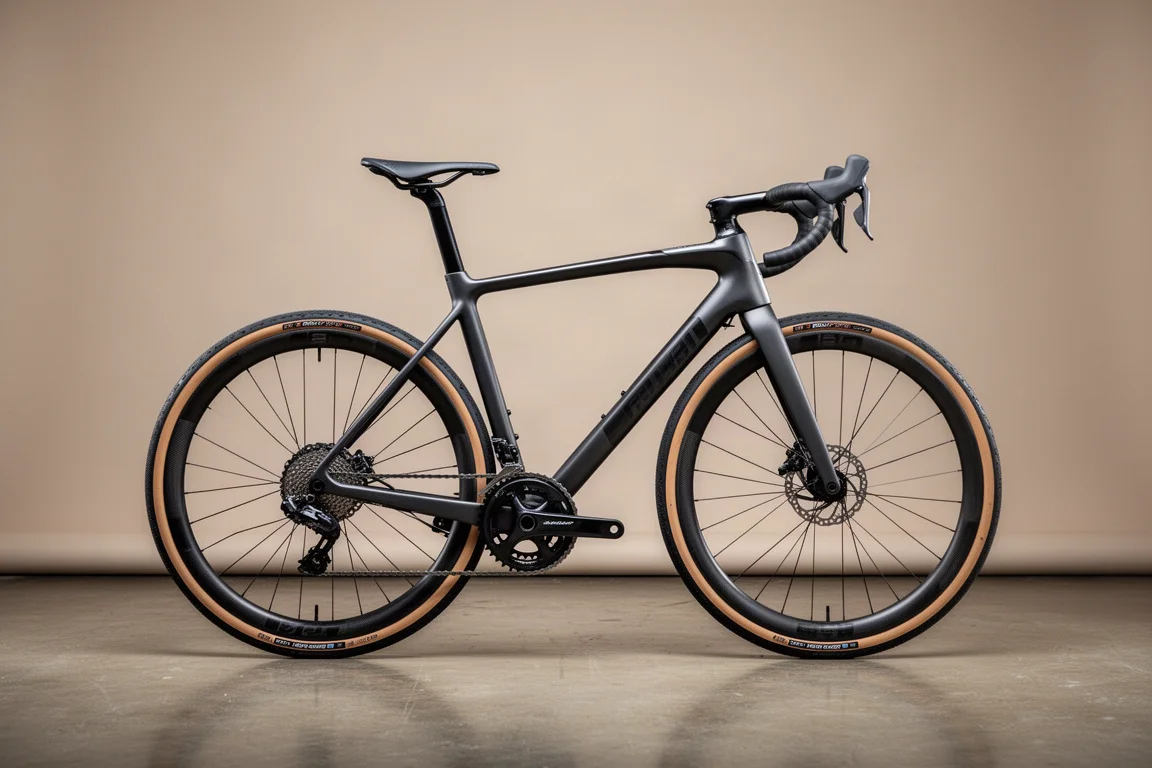
The fork debuts on one model only. The Grail CFR Rift Edition is priced at around €8,000 and pairs the suspension fork with a Shimano GRX groupset and a Canyon Gear Groove handlebar. The CFR carbon frame is unchanged from the Grail platform introduced three years ago, and so is its tire clearance.
That combination creates an obvious imbalance. With the new fork you can run up to a 50 mm tire or a 2.1 inch mountain bike tire at the front, but the rear of the frame will not accept the same size. Canyon’s product manager acknowledged that this is a little unfortunate for now and suggested changes could come in the future, while confirming that suspension geometry was designed into the frame from the outset.
Suspension Versus Bigger Tires
Bigger tires are the obvious alternative to a suspension fork, and the question of why add suspension when you could simply fit wider rubber is a fair one. Wider tires help most on rough descents and on fast, technical flat sections where responsiveness from the tire matters. What a tire does well is absorb vibration. What it does less well is absorb larger impacts.
A suspension fork addresses both the bigger bumps and the vibration. The practical argument is that a 40 to 45 mm tire paired with suspension can deliver more benefit at the front than a 50 or 54 mm tire on its own, and that running both lets you tune tire pressure and air spring together so the two work as a system rather than competing for the same job.

DT Swiss shared in-house test data from running a fork over a plank of wood with rigid and suspension setups and 40 mm and 50 mm tires. It shows a clear reduction in peak force at higher speeds, particularly for the 50 mm tire combined with the suspension fork. As with any manufacturer-supplied data, it is best treated as a starting point rather than a settled result.
Living With the Lockout Lever
Lockout is handled by a cable operated remote lever mounted inside the drops, a large U-bend plastic lever that is easy to operate while riding. It is a simple push to lock and a push to unlock, and it can be reached from both the drops and the tops.
Two things stand out in use. The lever sits where a natural hand position falls on the drops, so grip has to shift lower than most riders would choose. Over a long, wet and gritty ride the lever also began to feel crunchy, and after a couple of hours of switching between road and off-road sections it was often left open simply because it was easy to lose track of whether it was locked or unlocked.
There is a longer-term question about how a cable operated lever copes with a wet winter of gravel riding. An electronic lever would sidestep both the position and the reliability concerns. On the road the fork is composed enough that leaving it open is not a serious penalty.
Weight, Price, and Availability
The claimed weight is 1,340 g. That is heavier than a carbon fork and heavier than several rivals in this space, including the RockShox Rudy at 1,300 g, the Fox 32 at around 1,230 g and the Cane Creek Invert SL at 990 g.
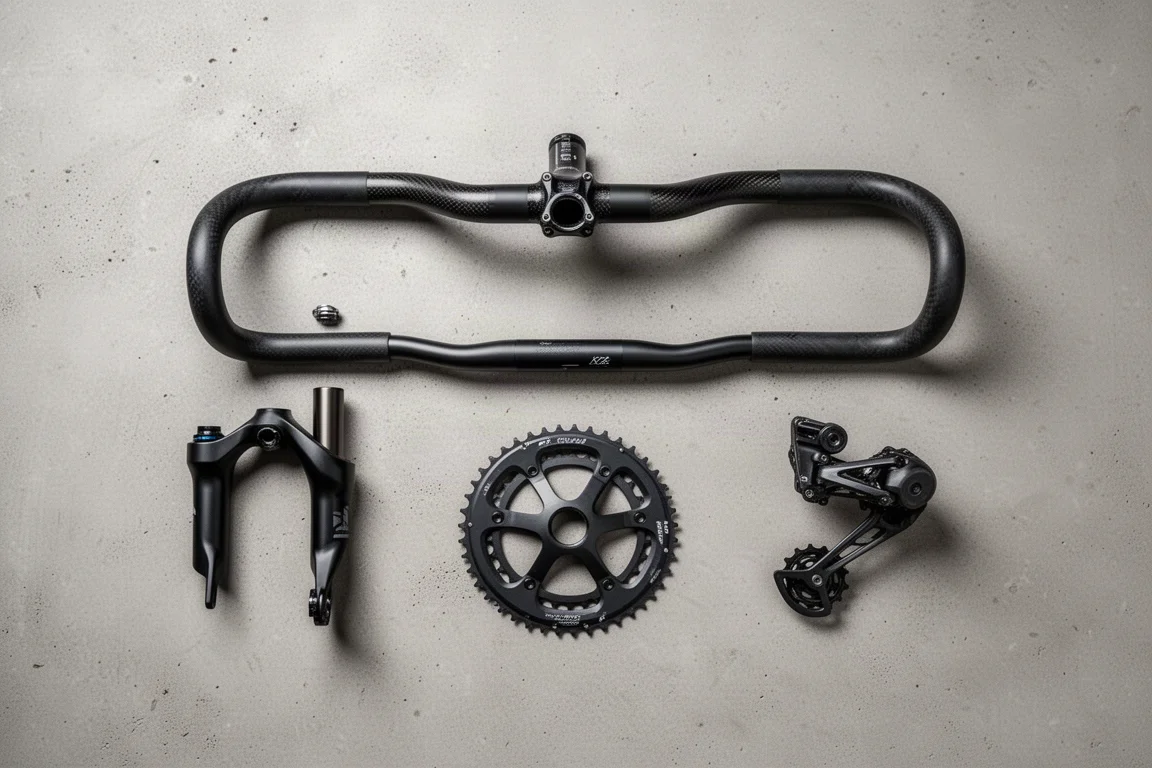
There is no standalone price, because the fork is not sold on its own yet. For the first year it is exclusive to Canyon on the new Grail. After that it is expected to appear with other bike brands as an OEM partner product, with aftermarket availability as the hoped-for step beyond that. For anyone who already owns a Grail, that means no upgrade path: the only way to get the fork is to buy a whole new bike.
Who Should Consider This Setup
Suspension on a gravel bike is not for everyone, and nobody is obliged to want it. Riders who stick to smooth surfaces and shorter distances will get little from 40 mm of travel, and a hardtail mountain bike remains a straightforward alternative for anyone who wants more capability off road.
The case is stronger for riders covering long distances over mixed terrain, where rough and smooth sections follow one another. The reported benefits are more control on rough, technical trails, noticeably more comfort in the arms over long distances, and more speed carried into rough sections. One road-oriented rider described the fork as a genuine skills boost on descents, helping hold position against faster company where he had previously been dropped.
Buying Advice
The practical question is whether you are buying the bike or the fork. In the first year, the fork comes only with the Canyon Grail CFR Rift Edition, so the decision is really about the complete bike rather than a component you can add later.
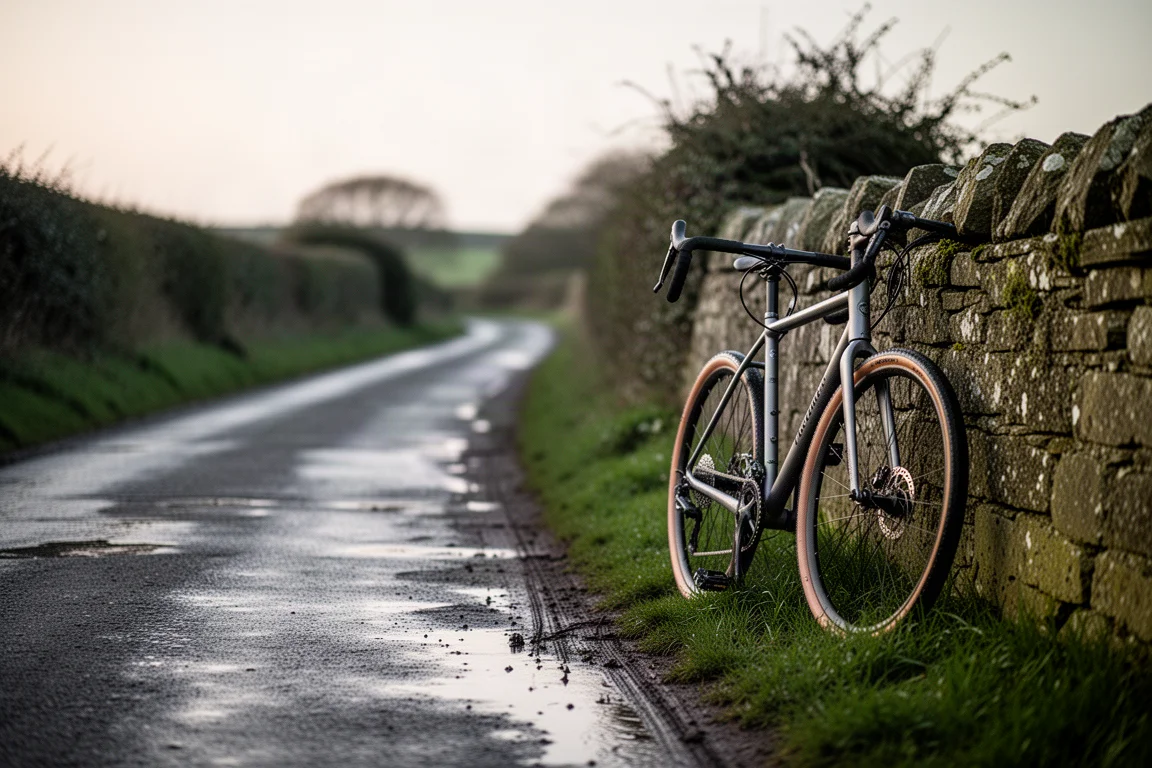
If your riding is mostly smooth gravel and road, the extra weight over a rigid fork and the limited rear tire clearance are harder to justify. If your calendar is built around long, rough gravel races, the combination of a damped front end and a wide front tire is a more convincing proposition. It is also worth going in with clear eyes about the fork being heavier than several rivals and the lockout lever being the least refined part of the package. Those are trade-offs to accept rather than overlook.
Conclusion
The DT Swiss F1321 works well in the role it was designed for. The 40 mm of travel is well damped and well controlled, the integration with the frame is clean, and the front end of the Grail is genuinely changed by it. The Canyon Grail CFR Rift Edition is the only way to get it for now, and the unchanged rear end of the frame keeps the overall package short of what it could be.
If you race long, rough gravel and want more control and comfort at the front, this is a coherent setup with a clear purpose. If you want a simple, light gravel bike, or you already own a Grail and hoped to upgrade it, this launch leaves more questions than answers.
Further reading
Related Reviews
Gravel Bikes
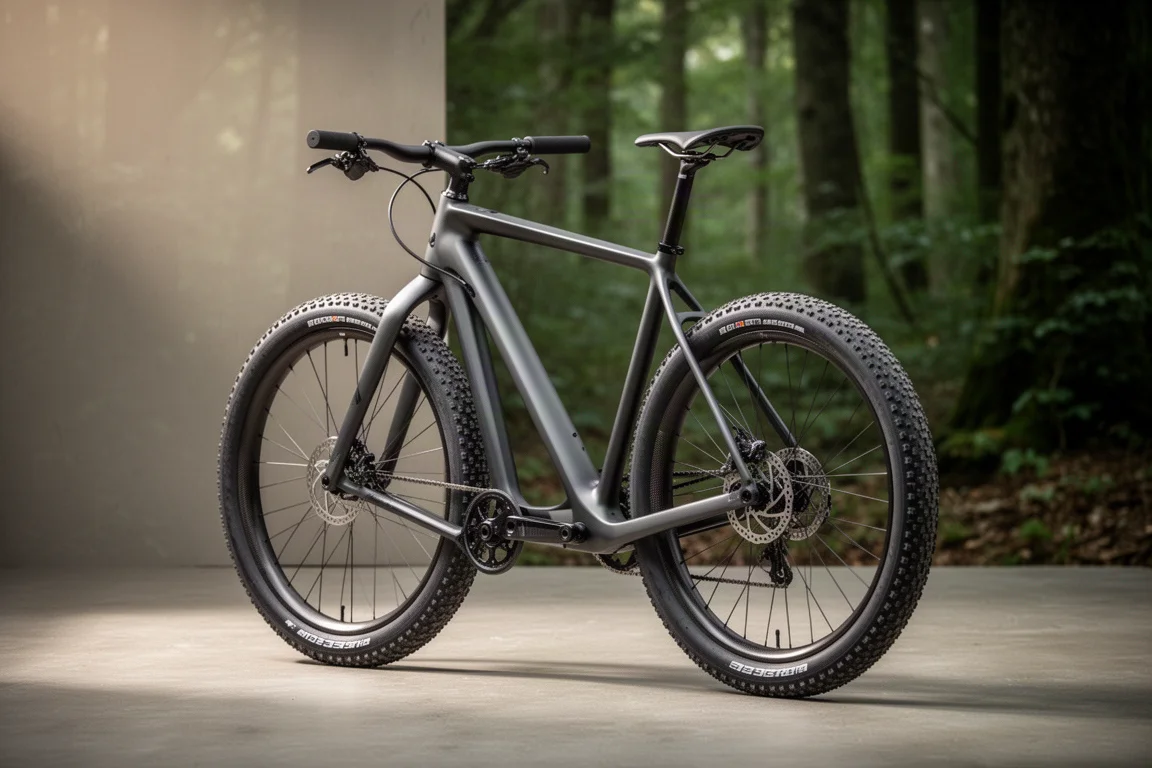
3T Exploro Ultra Review: A Fast Gravel Bike Built for Big Tyres
A close look at the 3T Exploro Ultra, an aero carbon gravel bike designed around wide tyres, with road-like handling, a 980 g frame and genuine rough-terrain capability.
Gravel Bikes
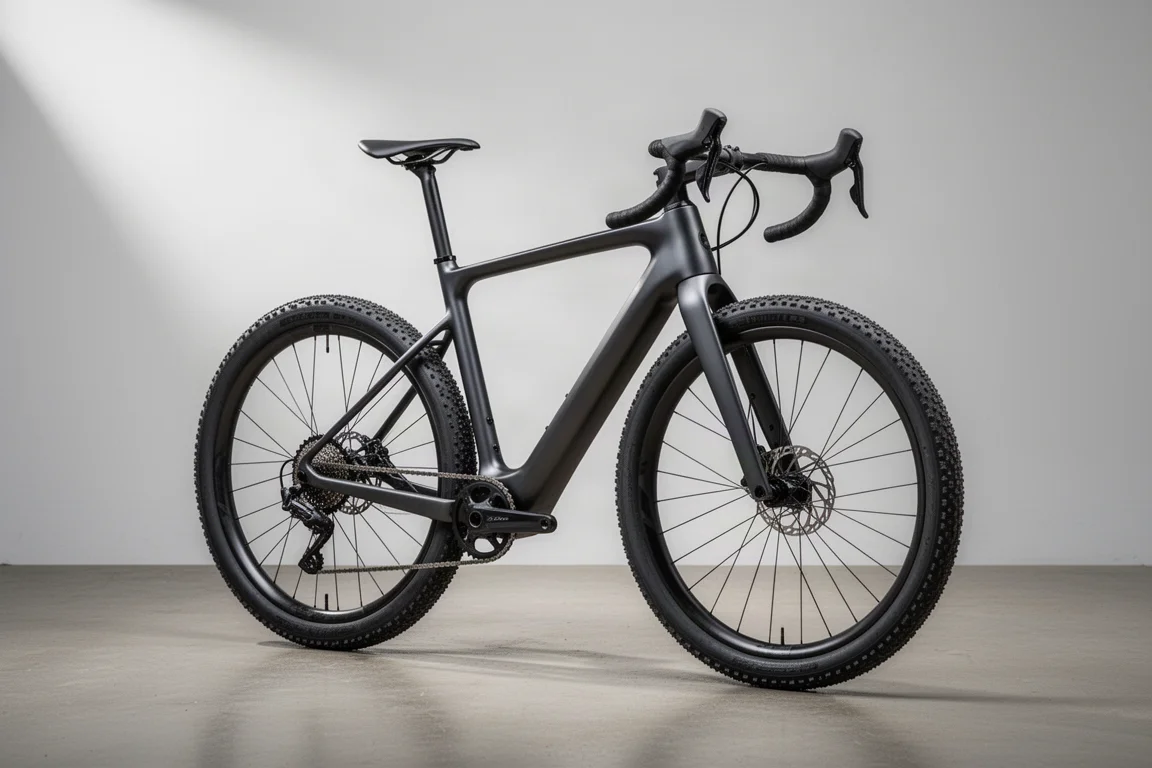
3T Extrema Italia Review: Aero Gravel Speed With Room for 57 mm Tires
The 3T Extrema Italia pairs an aero frame with huge tire clearance, Italian-made carbon and a more comfortable ride than the RaceMax. Here is what to know before buying.
Gravel Bikes
3T Race Max 2 Italia Review: An Aero Gravel Race Bike Made in Italy
A closer look at the second-generation 3T Race Max 2 Italia, covering its aero updates, ride character, tire clearance, internal storage and who it suits.