Gravel Bikes
Canyon Grail CF SLX 7 Di2 Review: A Fast Gravel Race Bike With One Frustrating Detail
The third generation Canyon Grail brings 57 mm tire clearance, internal frame storage, and a highly adjustable cockpit. Here is what it does well and where it falls short.
Introduction
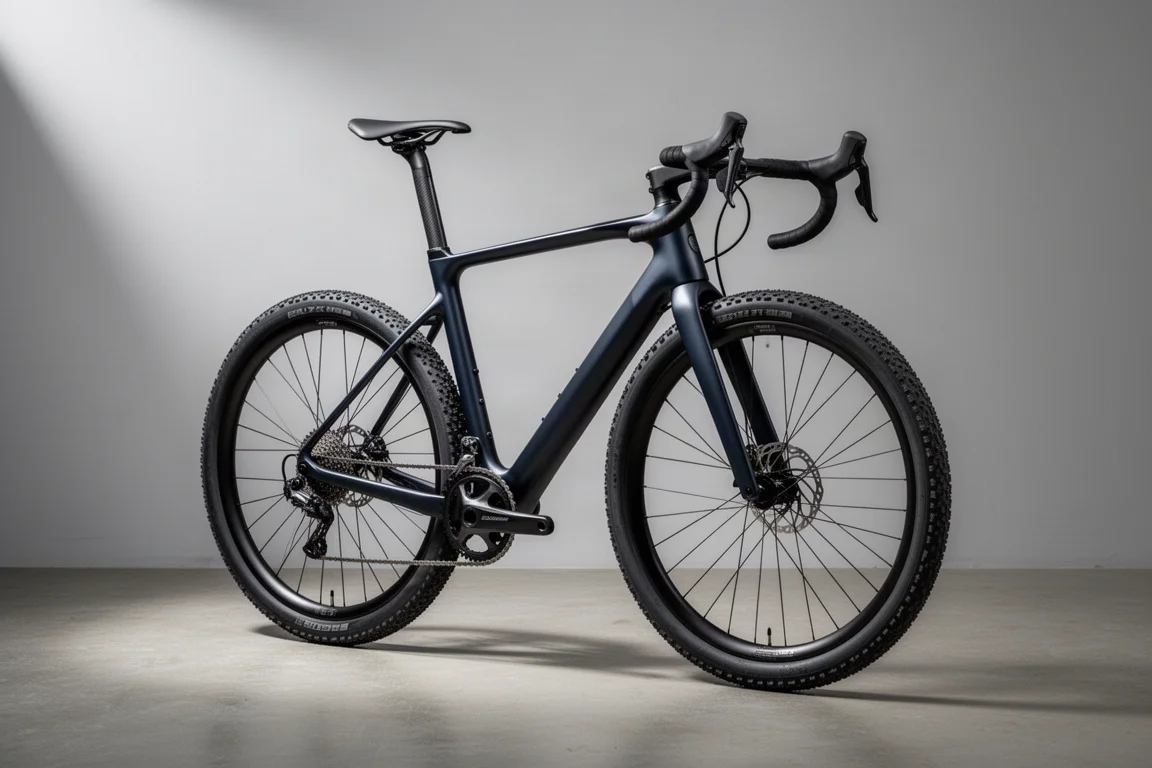
The Canyon Grail has reached its third generation, and Canyon has now split its gravel range into two clear paths. The Grizl handles exploration and adventure riding, while the Grail has been narrowed down to a single purpose: getting around a gravel race as quickly as possible.
That focus shows in the numbers. Tire clearance has grown substantially, the cockpit has been redesigned, and Canyon has added storage features that were previously reserved for adventure bikes. The result is a machine that is genuinely quick and genuinely comfortable, with one specification decision that will leave a lot of riders reaching for their tool kit on day one.
Who the Canyon Grail CF SLX 7 Di2 Is For
This bike is aimed squarely at gravel racers and fast-paced gravel riders. If your idea of a good weekend involves a timed event, a long mixed-surface loop, or chasing a personal best on loose terrain, the Grail is built for exactly that. The elongated front end and high-volume tire capacity also make it a sensible choice for riders who mix smooth gravel with rocky descents and want stability rather than twitchiness.
It is less obviously the right bike for riders who want one machine to cover loaded bikepacking, technical singletrack, and casual commuting. Canyon has the Grizl for that. The Grail is a race bike first, and every design decision flows from that.
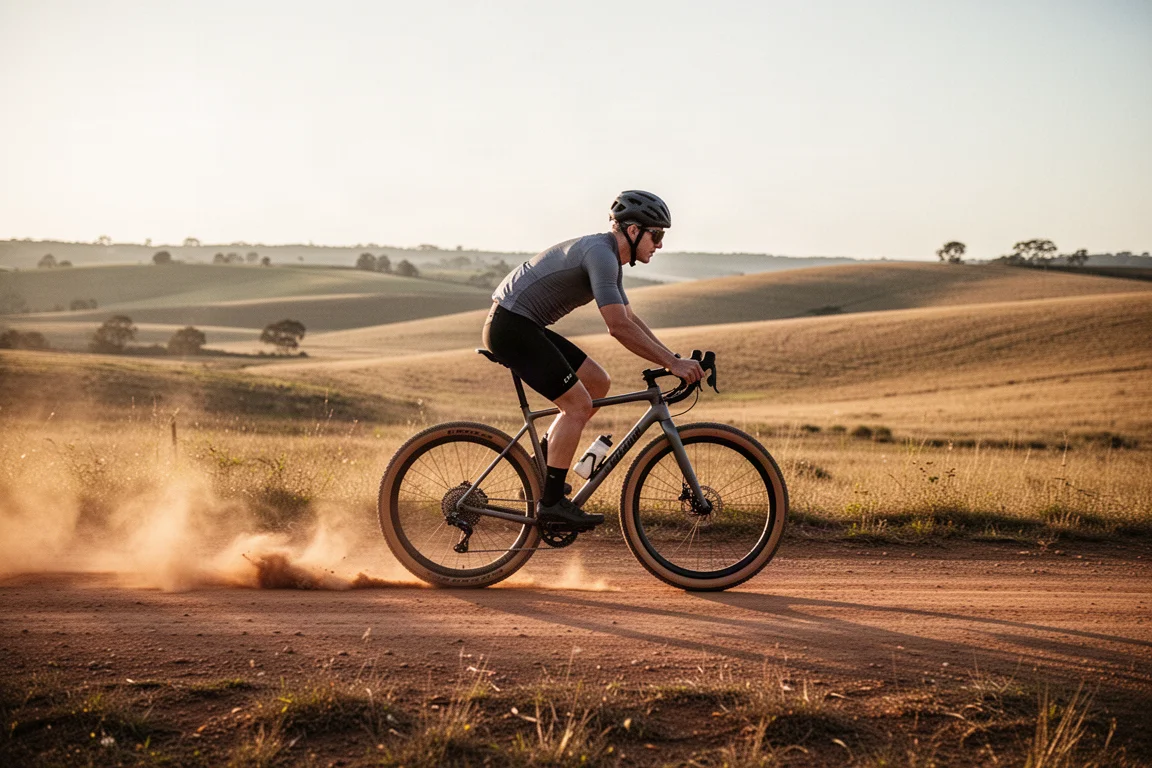
That said, the frame’s capacity means it can be pushed well beyond pure racing if you want it to be. It is the stock setup, not the frame, that keeps it feeling narrowly focused.
Tire Clearance and the 1x Frame
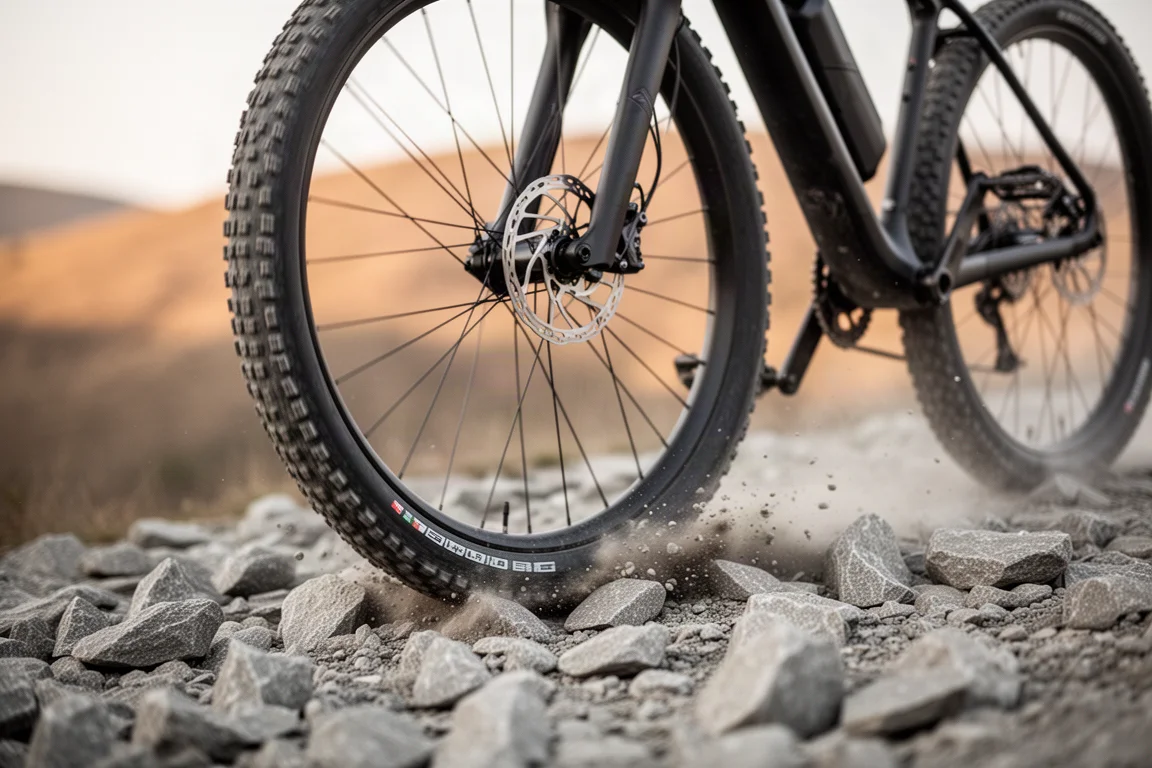
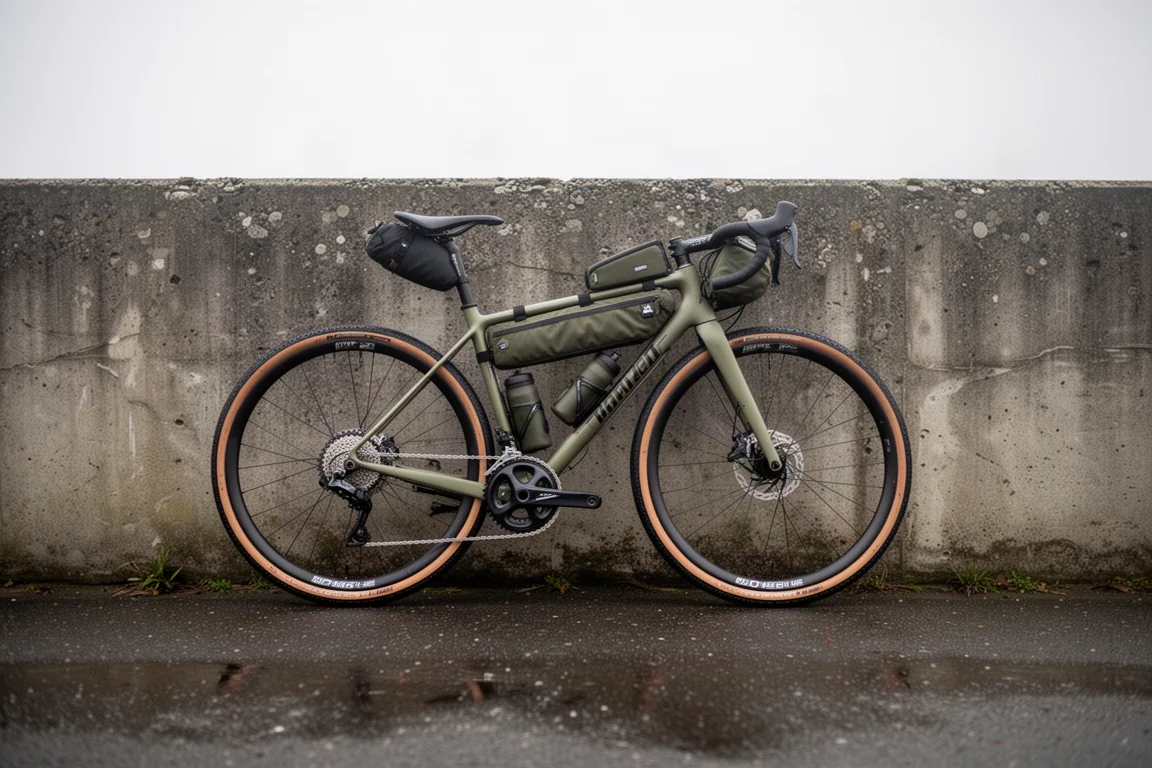
The headline figure is 57 mm of tire clearance, roughly 2.25 inches. That is enough room for a wide selection of cross-country mountain bike tires, and Canyon has achieved it by making the frame 1x only. Restricting the frame to a single front chainring means the chain line stays sensible without needing a wider Q factor or a wider bottom bracket shell. It is not a new idea, but it is a sound one, and it delivers clearance that most aero-leaning gravel frames simply cannot match.
The important detail is that this is real clearance rather than a squeeze. With 57 mm tires mounted, there is still roughly 4 to 5 mm of space on either side. That matters for mud clearance and for anyone who has spent a wet race listening to a tire grind against a chainstay.
The frustration is what comes fitted from the factory. The bike ships with 45 mm tires across the range, which leaves a large part of the frame’s capability unused until you spend more money. It is the single most common upgrade owners are likely to make, and it feels like a decision that should have been made at the factory rather than in the workshop.
Frame Storage, Bags, and the New Cockpit
Internal down tube storage appears on this SLX model and on the range-topping CFR, but not on the lower specification bikes. The system holds a multi-tool and a CO2 canister, and crucially it stays quiet. Internal storage that rattles is a common complaint, and Canyon appears to have solved it here. The compartment is quick and easy to open, and it adds practicality without adding meaningful weight.
Canyon has also introduced a new set of frame bags developed with Cyclite. They are described as lightweight, water resistant, and resistant to rips, and Canyon says they were wind tunnel tested so that they will not make the bike any faster, but will not make it any slower either. In practice they integrate neatly with the frame lines. Fender mounts are included as well, which opens the door to winter riding and muddy conditions with proper mudguards fitted.
The cockpit will look familiar to anyone who has seen the latest Canyon Aeroad. It uses a swappable computer mount system, so you can fit clip-on aero bars, camera mounts, or other accessories depending on the ride. Bar width is adjustable, with options down to 37 cm, and the flared drops can be changed too. Adjustment is handled with two Torx bolts underneath, and nearly every bolt on the bike is a T25, which keeps the tool kit simple.
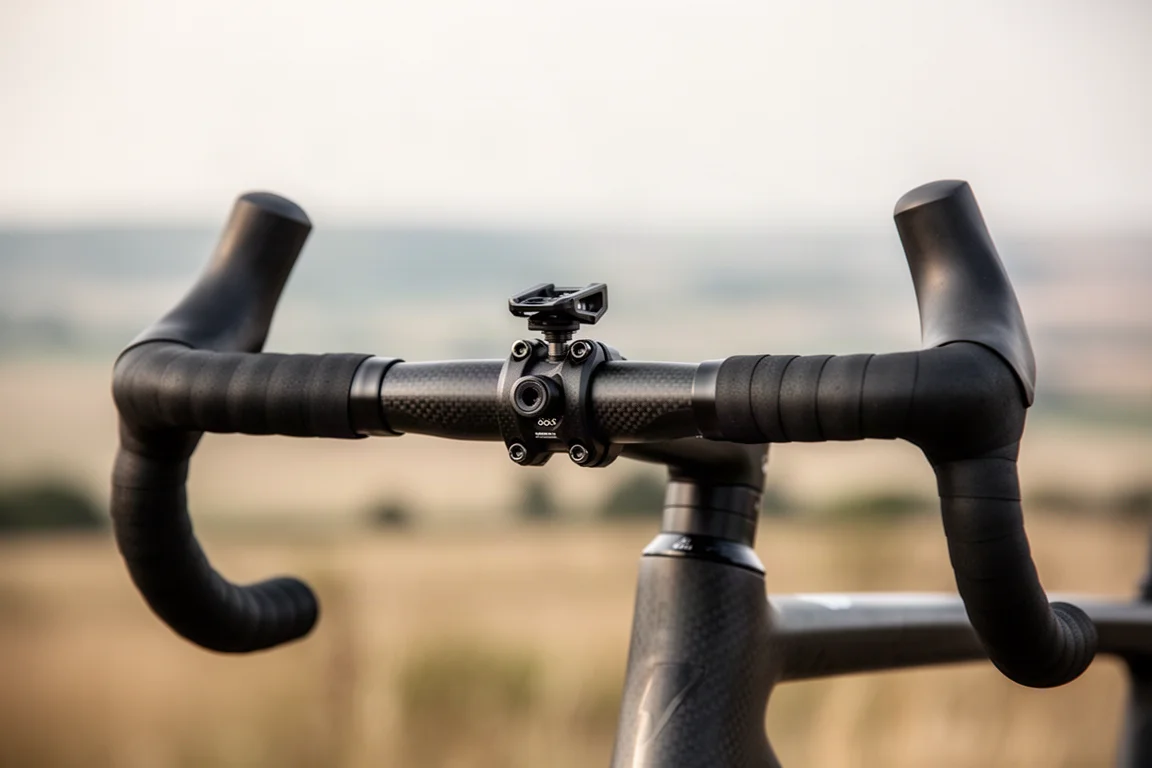
The one limitation is the stem, which is on the short side and is not adjustable. Many riders will be perfectly happy with it, but taller or longer riders may find themselves wishing for the same range of tuning that the bars offer.
Ride Quality and Real-World Performance
Comfort is where the Grail genuinely impresses. The wide tires do a lot of the work, but the seatpost deserves credit too. Canyon has been refining its VCLS seatpost for years, and the cutout in the seat tube junction appears to add real compliance over bumps. Combined with the extra tire volume, the bike traverses fast gravel extremely well.
The elongated front end, which is necessary to make room for the wider tires, pays off on rocky descents. The bike feels stable and planted when the surface gets loose and steep. It has not lost agility in the process, and it rides very similarly to the previous generation Grail despite the changes.
The weak point is acceleration. This is not the lightest build in the range, and on slow, technical climbs it does not deliver the sharp, eager response you might expect from a dedicated race bike. A large part of that comes down to rear hub engagement, which leaves a brief dead spot between pedal strokes on steep pitches.
Wheels, Hubs, and Rolling Speed
Canyon has fitted its own gravel wheels for the first time here. The GR50 CF wheelset is 50 mm deep with a 37 mm internal width, which pairs well with wide gravel tires. They are hookless, a choice that tends to concern road riders more than gravel riders, and the lower pressures used off-road make it a less significant issue in this context. The hubs are DT Swiss 350 units, a dependable and widely respected choice.
The criticism is engagement. The DT Swiss 350 hub does not offer a particularly high number of engagement points, and on slow technical terrain that becomes noticeable. Canyon’s upgrade kit allows the ratchets to be swapped for a higher-engagement setup, which is a worthwhile addition for anyone planning to ride this bike on tighter, more technical trails.
Aerodynamic claims are ambitious. Canyon states the new Grail is 0.8 watts faster than the Cervélo Áspero 5, a distinctly aero gravel bike with far less tire clearance, and faster than many of its competitors. It is worth noting that some of that testing predates newer rivals, so the comparison set is not complete. Still, the shape of the frame and the deep-section wheels suggest the bike is genuinely efficient at speed.
Weight is a mixed picture. The claimed complete weight for this build is 9.5 kg, the heaviest in the range. The frame itself is 1,100 g, so the frame is not the culprit. A large share of the mass sits in the very large 12-speed cassette, and the wheelset adds 1,675 g. For comparison, aftermarket wheels of similar depth and greater width can weigh around 200 g less for similar money.
Things to Consider Before Buying
The first consideration is tires. Budget for a set of wider rubber almost immediately, because the 45 mm tires fitted as standard do not let the frame show what it can do. That is an extra cost on top of an already significant purchase.
The second is hub engagement. If your local trails involve tight, technical climbs, factor in the ratchet upgrade kit or plan for a wheel upgrade.
The third is the drivetrain choice. This build uses 12-speed Shimano GRX with an exceptionally large cassette, and that cassette contributes meaningfully to the bike’s overall weight. Riders who prefer SRAM on gravel will find a lighter alternative in the same frame.
Finally, consider long-term value. This is not the cheapest way into the Grail range, and some of the aerodynamic comparisons used to promote the frame have not been updated against the newest competitors.
Buying Advice and Pricing
This model retails at around £3,899 or €3,999, which is reasonable given that it shares the same frame shape and features as the range-topping CFR, and in some respects carries more features than the bike that will be raced at major events.
The more interesting alternative sits just below it. The SRAM Rival AXS Grail CF 7 costs around £3,499 and has a claimed weight of 9.1 kg, which is roughly 400 g lighter than this build. It uses the same frame, the same wheels, the same internal storage, and the same bags. The savings could go toward wider tires, a lighter wheelset, or simply staying in your pocket.
If you are weighing the two, the lighter and cheaper SRAM build is the one that makes the strongest case, particularly if you plan to upgrade the wheels anyway. The Shimano GRX version tested here is still an excellent bike, and the 12-speed groupset works well, but the weight penalty is hard to ignore on a race-focused machine.
For riders who want the absolute lightest build, the CFR model remains the top of the range, though it costs considerably more. For everyone else, the sweet spot sits in the middle of the range, where you get the frame, the cockpit, and the storage without paying for the halo specification.
Conclusion
The third generation Canyon Grail is a genuinely excellent gravel race bike. The tire clearance is class-leading and honest, the internal storage is quiet and practical, the cockpit is unusually adjustable, and the ride is comfortable and stable without losing the sense of speed that defines the model.
The reservations are specific rather than fundamental. A bike with this much clearance should not leave the factory on 45 mm tires, hub engagement could be sharper, and this particular build is the heaviest in the range. Address those points, and the Grail becomes very difficult to argue with. Even as it stands, it is a fast, well-integrated, thoroughly enjoyable machine that will suit anyone whose priority is covering loose ground quickly.
Product link
View more details for Canyon Grail CF SLX 7 Di2
This product is mentioned in the review. Check the specifications, options, and compatibility before buying.
View more details for Canyon Grail CF SLX 7 Di2Further reading
Related Reviews
Gravel Bikes
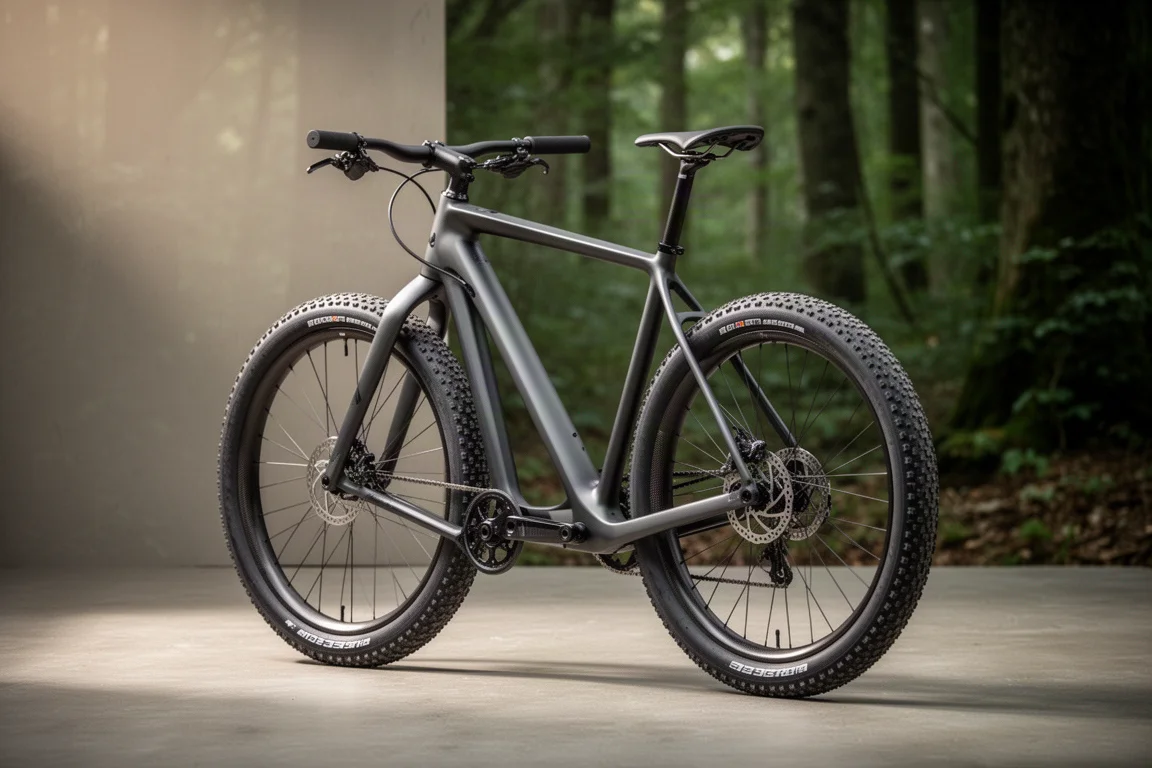
3T Exploro Ultra Review: A Fast Gravel Bike Built for Big Tyres
A close look at the 3T Exploro Ultra, an aero carbon gravel bike designed around wide tyres, with road-like handling, a 980 g frame and genuine rough-terrain capability.
Gravel Bikes
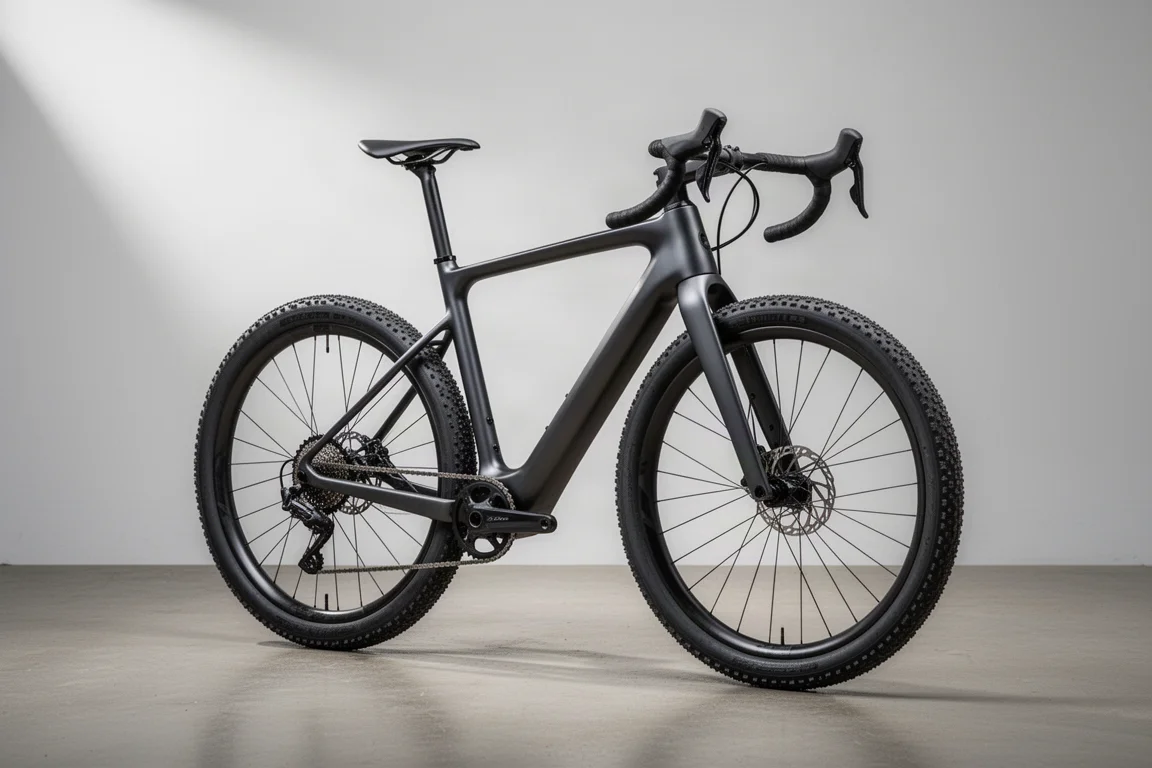
3T Extrema Italia Review: Aero Gravel Speed With Room for 57 mm Tires
The 3T Extrema Italia pairs an aero frame with huge tire clearance, Italian-made carbon and a more comfortable ride than the RaceMax. Here is what to know before buying.
Gravel Bikes
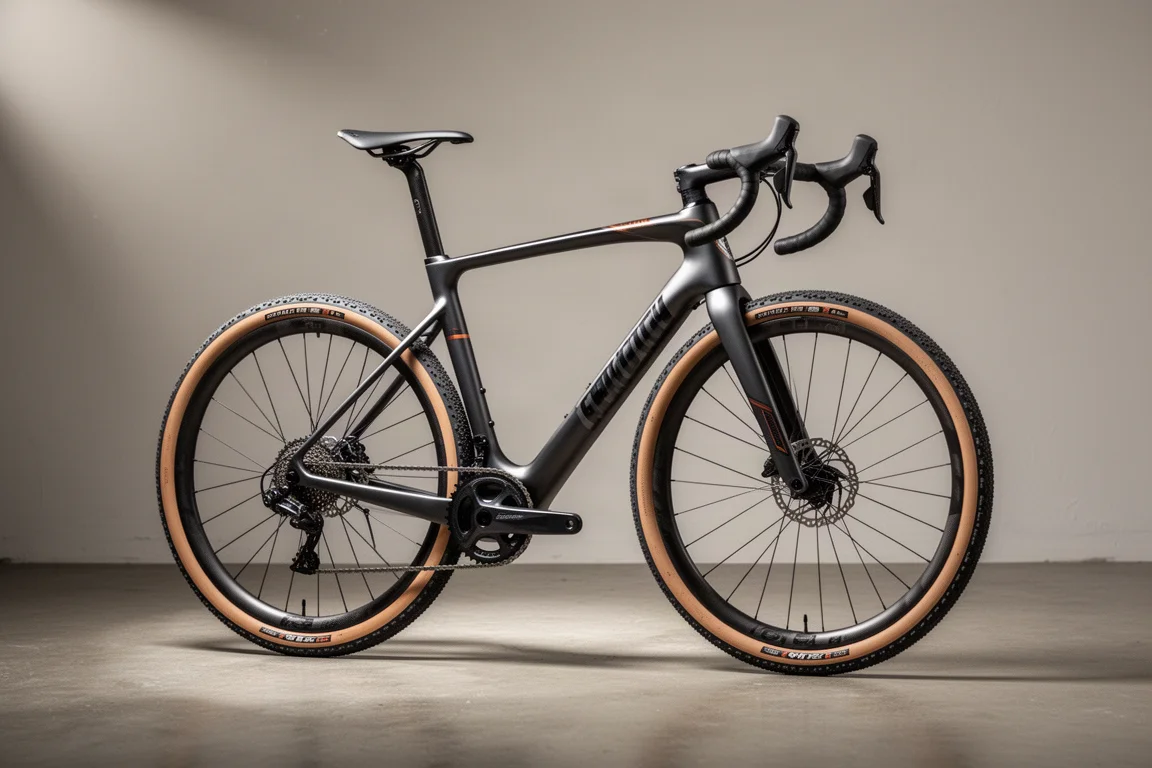
3T Race Max 2 Italia Review: An Aero Gravel Race Bike Made in Italy
A closer look at the second-generation 3T Race Max 2 Italia, covering its aero updates, ride character, tire clearance, internal storage and who it suits.