Gravel Bikes
Canyon Grail and Grail CFR Review: A Faster Gravel Race Platform
The new Canyon Grail retires the double-decker handlebar, adds down tube storage and leans harder into aerodynamics. Here is how the CFR build rides and what to weigh up before buying.
Introduction
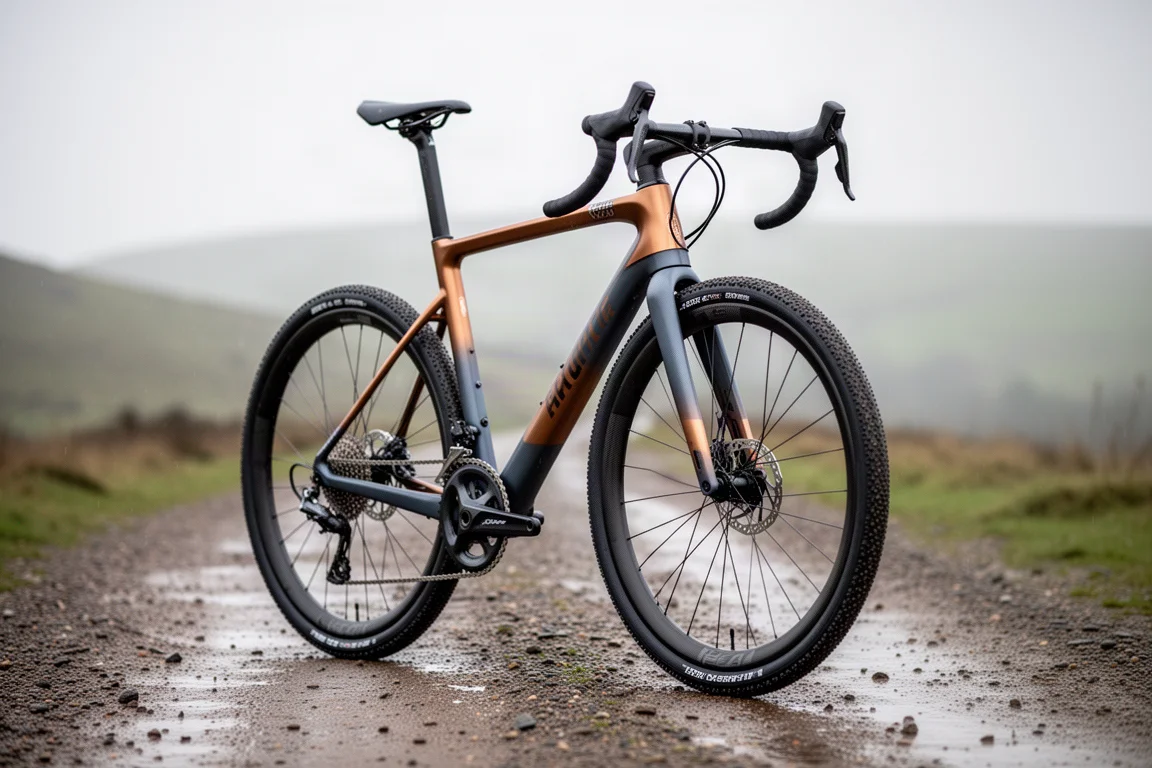
Canyon has replaced the Grail, and the headline change is not a frame number. The double-decker hover handlebar that defined the previous generation is gone, and it has not been replaced by another radical shape. Instead, the new Grail chases speed, with a more conventional cockpit, deeper aero thinking and genuinely useful storage built into the frame.
Two weeks of riding on mixed terrain, including rough forest tracks and steep, loose climbs, give a solid first impression. The bike is quick, and it is quick in the way that matters for gravel racing: on the road, on smooth gravel and on the rolling dirt sections in between.
What Changed On The New Canyon Grail
The old hover handlebar was removed for one reason, and that reason is aerodynamics. The previous design was not competitive against a more conventional bar, and the brand wanted a faster platform for the riders it supports at the sharp end of gravel racing, where races are won on long, exposed, fast courses.
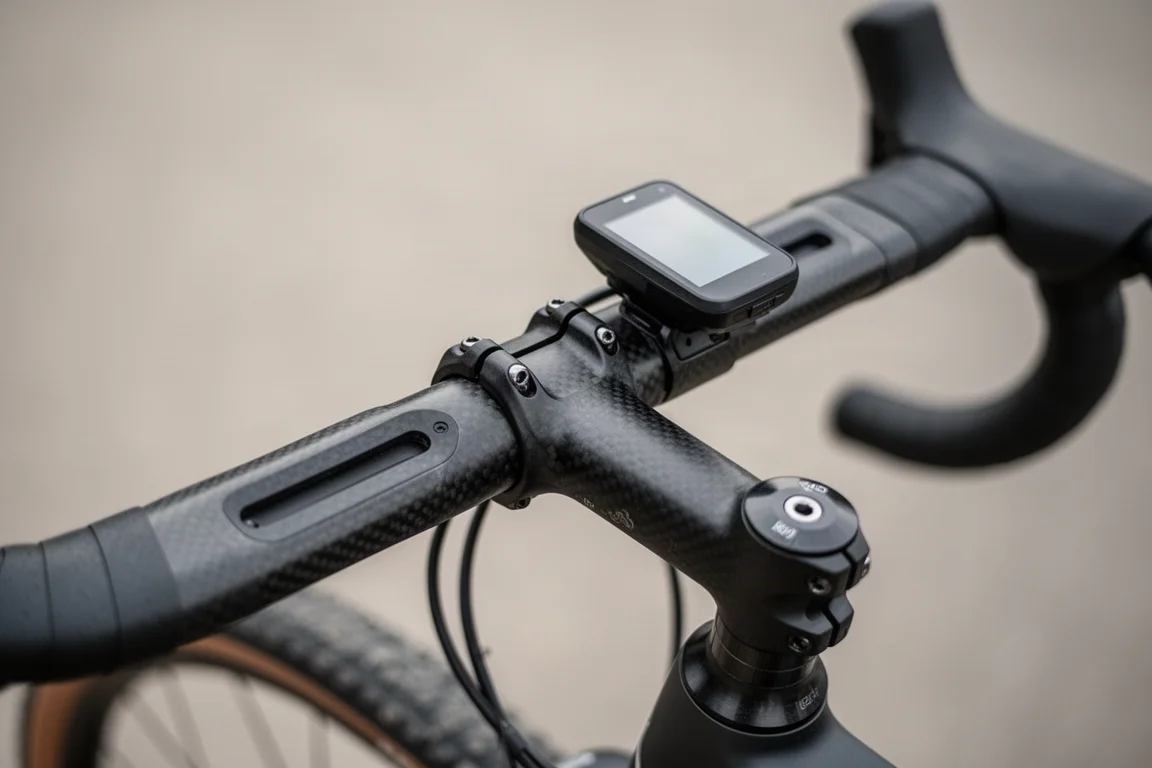
The replacement is still unusual in shape. It uses what the brand calls a double drop profile, with a 5 degree back sweep across the tops, then a double flare through the drops: 5 degrees at the hoods opening to 16 degrees at the ends. The result is an ergonomic curve rather than an aggressive one, with a slightly swept back position on the tops and wider, more stable control when riding low in the drops.
The centre of the bar carries a flat channel, described as a Gear Groove, which is designed to accept accessories directly. A computer mount fits there, and so do action camera mounts for lights, phone mounts and even time trial extensions for flat-out aero gravel racing. It is a neat answer to a genuine problem with carbon handlebars, where clamping accessories onto a slim round profile is always awkward. Wider third party support for that channel would make the idea considerably more useful.
The frame itself borrows heavily from the Ultimate road platform, and that is deliberate. Tube shapes and aero performance were drawn from that bike, including a D-profile seatpost and matching seat tube. The seatpost looks similar to the one on the road bike but is a different design, built around the priorities of the new Grail: speed and weight. Canyon claims it delivers almost the comfort of its split VCLS seatpost in a lighter and more aerodynamic package.
Canyon Grail CFR: Build and Ride Impressions
The CFR badge is the brand’s top tier of carbon, already used on its fastest road and cyclocross frames, and the Grail now gets the same treatment. The CFR frame is claimed to be over 100 grams lighter than the CF SLX and stiffer around the fork, head tube and bottom bracket. That is a meaningful combination for a race bike: less weight to lift on steep pitches, and a more direct feel when power goes down.
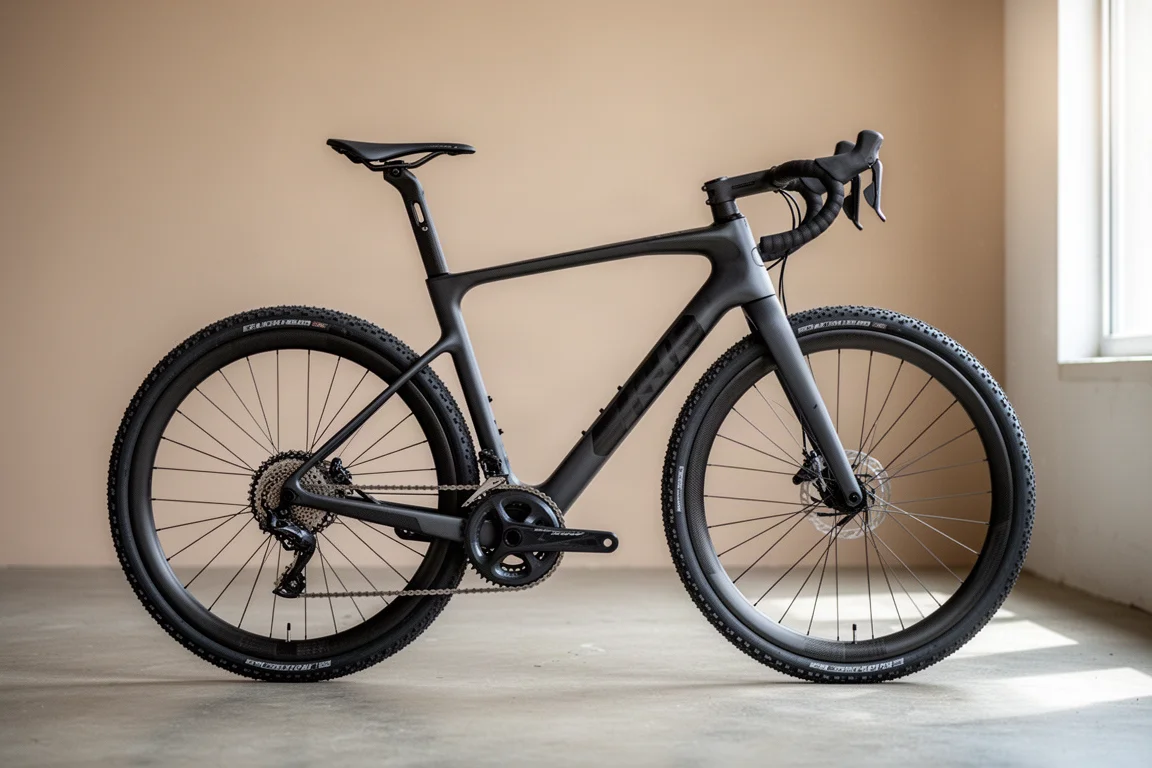
The build tested here is a top of the range CFR, with SRAM Red AXS XPLR gearing, hydraulic disc brakes and a power meter, plus lightweight carbon wheels from DT Swiss on the brand’s highest quality 180 hubs. Tyres are 40mm Schwalbe G-One RS with a semi-slick tread. On the scales, a size medium without pedals came in at 7.7 kg, which is impressive for a gravel bike with this much capability. The paint also deserves a mention: a half and half split finish with a bronze section that sparkles in sunlight, executed with real care.
On the trail, the bike feels fast immediately. It sits comfortably alongside the quickest flat-out gravel bikes around, and a large part of that initial impression comes from the tyres, which roll extremely well on tarmac. On smooth gravel they are excellent, and even in mud they cope better than a semi-slick has any right to, clearing tricky climbs that looked doubtful. Comfort is decent rather than plush. The seatpost does a good job of softening bigger impacts so the saddle never feels punishing, and the front end, helped by the fork and handlebar, takes the edge off rough hits without becoming jarring.
Canyon Grail CF SL and CF SLX: Range Overview
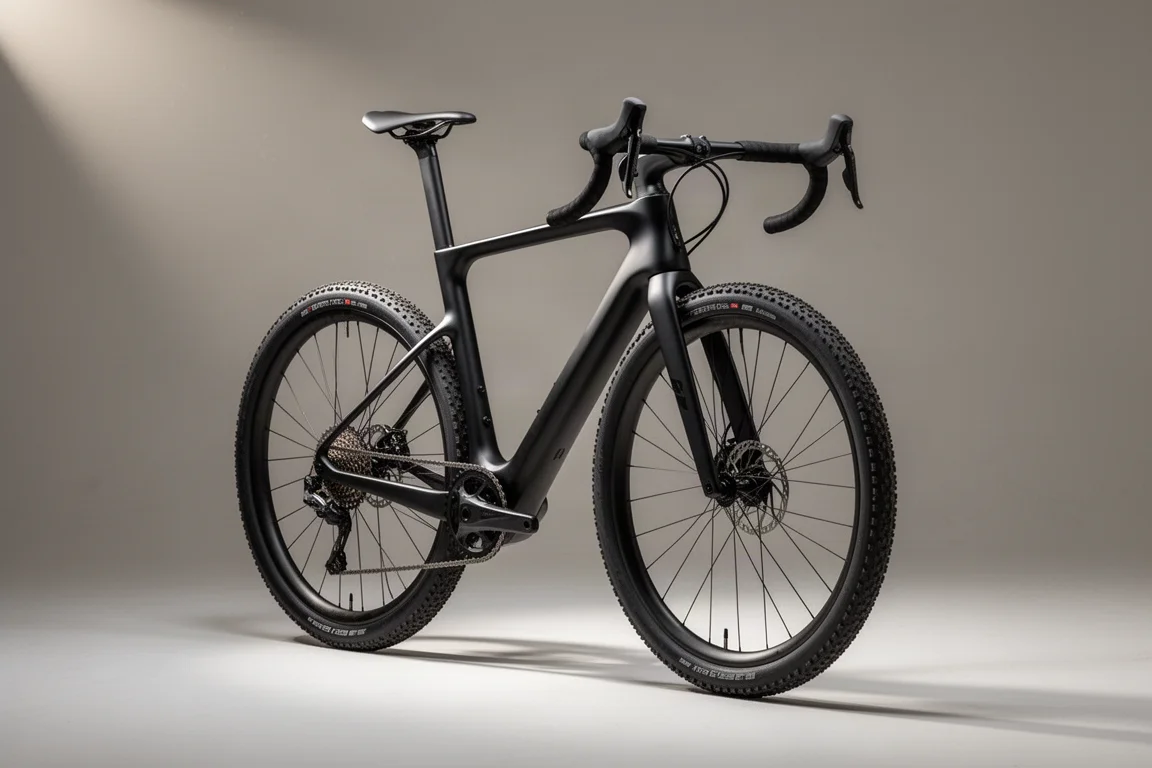
The range runs across three tiers. The CF SL is the entry point, the CF SLX sits in the middle, and the CFR tops the line, marking the first time the Grail platform has received the brand’s flagship carbon layup. Pricing and specification vary by region and build, so it is worth checking the current line up locally rather than assuming an equivalent parts mix across tiers.
The practical difference between the tiers comes down to the frame and the parts hung on it. Stepping up to CFR brings the lighter, stiffer frame, which matters most to riders chasing race results, while the CF SLX and CF SL share the same geometry and the same core design features, including the handlebar, the aero tube shapes and the frame storage. For most riders, the mid and entry tiers deliver the character of the bike rather than a diluted version of it.
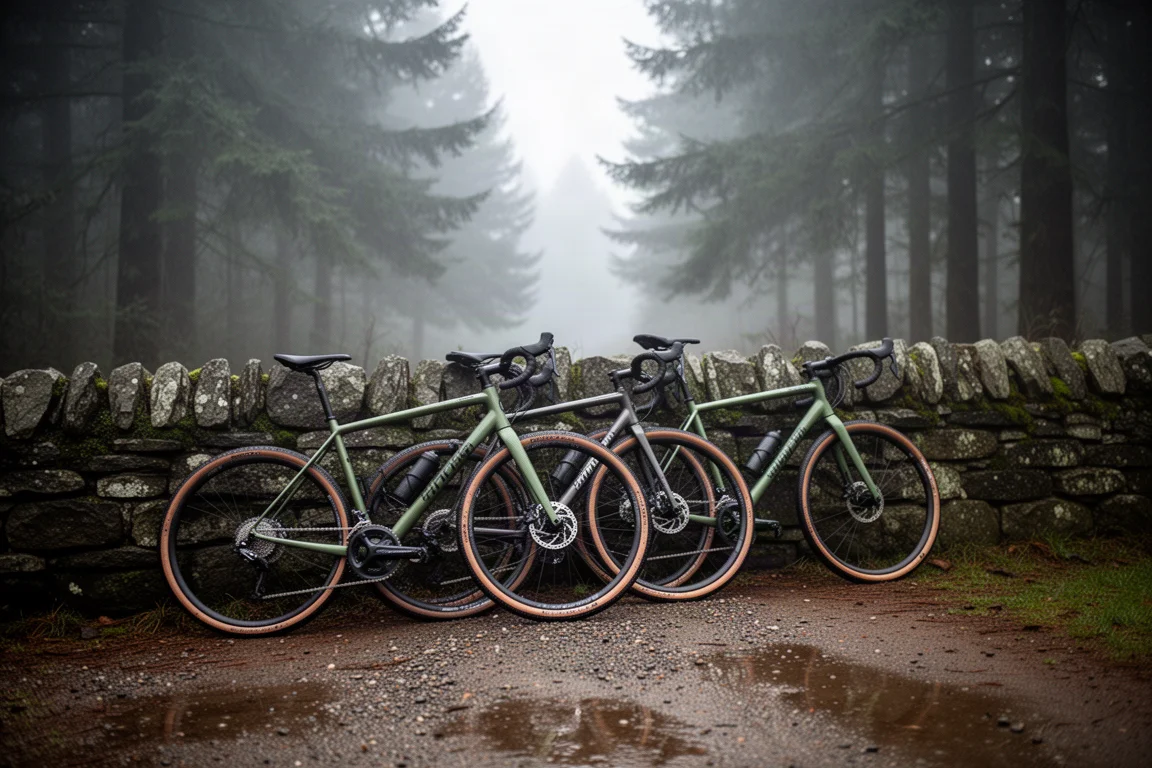
Choosing between them is mostly a question of priorities. Racers will notice the reduced weight of the CFR frame on steep, repeated climbs, while riders who care more about getting the platform, the storage and the aero shape at a lower outlay will find the CF SL and CF SLX hit the same marks. All three share the refinements that define the new model, so the decision rarely comes down to missing features.
Practical Details: Frame Storage, Bags, and Mudguard Mounts
Down tube storage is one of the most sensible additions here. A small flap on the down tube opens to reveal a carbon fibre pump and a multi-tool, and a strap inside releases a bag holding a plastic inner tube, a gas canister and a tyre lever. It is a neat layout that keeps the essentials on the bike rather than strapped to the saddle or bulging in a jersey pocket, and across the rides covered so far it stayed quiet with no rattle or movement.
There is also an optional frame bag designed specifically for the bike. It uses a Fidlock mounting system with three stubby mounts rather than velcro straps, so there is nothing to scratch the paint or rub against a rider’s knees. Those mounts can be removed and replaced with rubber bungs when the bag is not in use. The bag itself is roomy enough for snacks, arm warmers and a bar, and it proved waterproof during a deliberately harsh jet wash. A quick release strap on the underside lets it come off in seconds, and a small port allows a charging cable to run from a battery inside the bag to a computer or light.
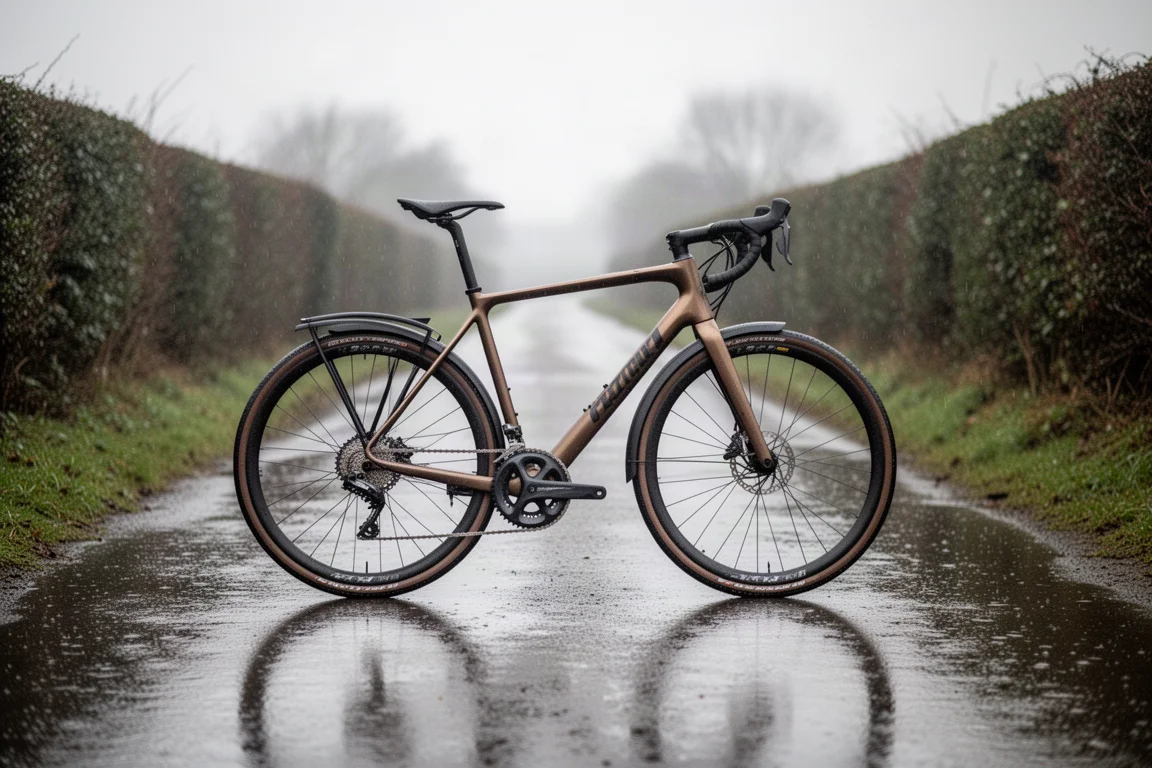
Mudguard mounts on the frame and fork are another welcome detail, and guards can be fitted around 42mm tyres, which turns the bike into a viable option through a wet winter. The remaining question is long-term durability of the internal storage and its fixings, simply because it is a newer idea on this platform rather than a long proven one.
Tire Clearance, Comfort, and Terrain
Tyre clearance maxes out at 42mm, with 40mm fitted as standard. That is a deliberate limit rather than an oversight. Part of the reasoning is to avoid stepping on the toes of the brand’s bigger tyre gravel platform, and part of it is about keeping the sponsored riders happy: 42mm leaves room for a double road chainset with 52/36 rings and the necessary clearance around it, which is what fast gravel racing demands.
In practice, the rear looks tight even with a 40mm tyre fitted, while the front appears to have more room to spare. Riders who want more cushioning and more margin in loose or muddy conditions will find the limit frustrating, and a 45mm option would suit a lot of mixed terrain riding without giving away much speed.
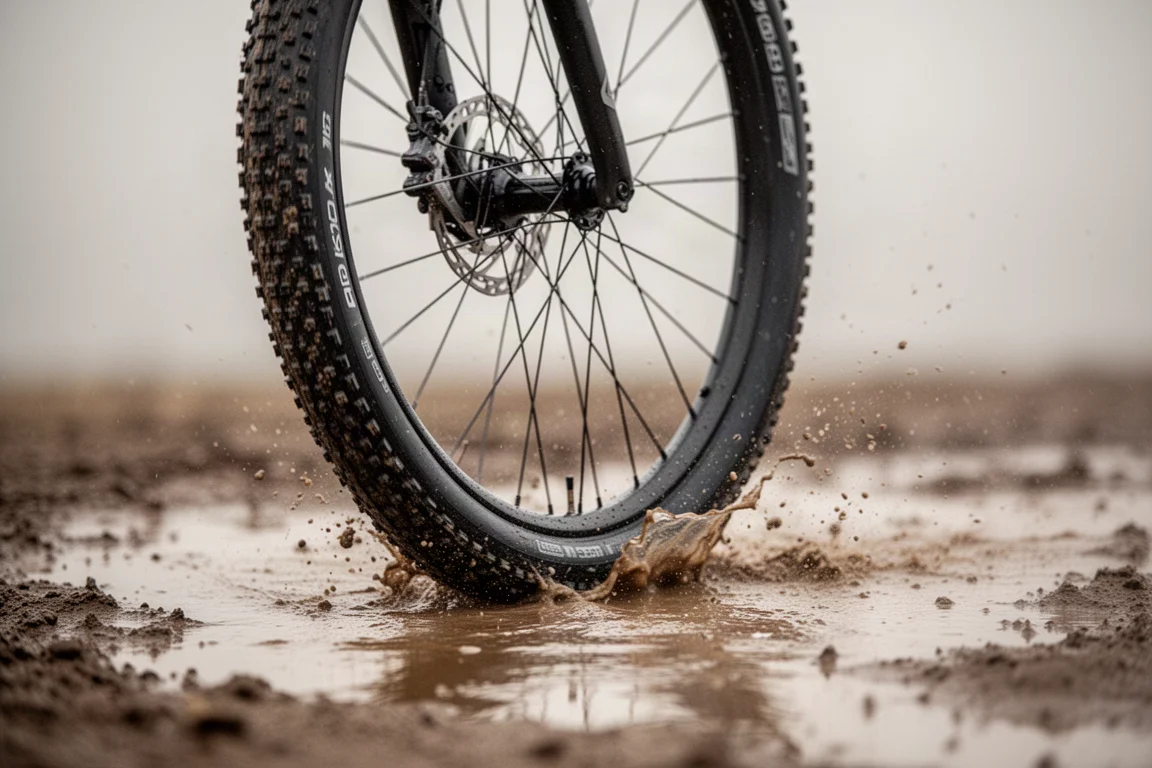
Comfort overall is defined by that tyre choice as much as by the frame. The seatpost and front end smooth the edge off rough surfaces, but the bike is not as compliant as a gravel design built around wider rubber. It is fast and composed rather than floating, and the semi-slick tyres that make it fly on tarmac and hardpack become the weak point once conditions turn properly wet.
Fit, Handlebars, and Configuration Notes
The new handlebar is a clear success over the previous design. The shape works well, with a little sweep back from the stem and grippy bar tape making the tops genuinely comfortable for long, steady stretches. The flared drops give two or three usable hand positions on descents, and the hoods are angled over only slightly, which keeps the position natural rather than extreme. Overall, the fit feels very close to the previous Grail, with similar reach and stack, so existing fans of the platform should feel at home straight away.
The one real limitation is a familiar one for one-piece carbon cockpits: stem length and bar width cannot be specified at the point of purchase. The stock dimensions work well here, but riders who fall outside the middle of the size range should factor that in, because changing the setup later means replacing the whole bar and stem unit.
There is also a question mark over the Gear Groove. The old double-decker handlebar lasted five years on the market, and whether this accessory channel enjoys the same long-term support, or fades with the next update, is impossible to predict. More third party accessories built around it would go a long way toward making it a lasting standard rather than a single generation feature.
Buying Advice
As a one-bike solution, the new Grail makes a strong case. It is fast enough to race, comfortable enough for long days, practical enough for winter with mudguards fitted, and the down tube storage removes a lot of everyday faff. Riders looking for a single bike to cover fast gravel, mixed surface training and road miles will find the priorities here well judged.
The deciding factor is likely to be tyre clearance. Anyone who regularly rides deep mud, loose technical terrain or long, rough backcountry routes may prefer a platform that accepts wider rubber, and the brand’s own bigger tyre model is the obvious alternative. For riders whose gravel is mostly fast, dry or hardpack, the 42mm limit is a reasonable trade for the aero shape, the low weight and the sharper handling.
On specification, the CFR build tested here is the performance flagship, with the lighter frame, the top tier groupset and light carbon wheels. Riders who want the same platform without the flagship price should look at the CF SL and CF SLX tiers, which keep the geometry, the storage and the aero design.
Conclusion
The new Grail is a clear step forward. Dropping the double-decker handlebar makes the bike easier to live with and faster, the Gear Groove and the frame storage add genuine practicality, and the CFR frame delivers the low weight and stiffness that racers expect at this level. The 42mm tyre limit is the one compromise worth thinking through carefully before committing, because it shapes what kind of gravel rider the bike suits best. For fast gravel racing and quick mixed surface riding, it is one of the most compelling options available.
Further reading
Related Reviews
Gravel Bikes
3T Exploro Ultra Review: A Fast Gravel Bike Built for Big Tyres
A close look at the 3T Exploro Ultra, an aero carbon gravel bike designed around wide tyres, with road-like handling, a 980 g frame and genuine rough-terrain capability.
Gravel Bikes
3T Extrema Italia Review: Aero Gravel Speed With Room for 57 mm Tires
The 3T Extrema Italia pairs an aero frame with huge tire clearance, Italian-made carbon and a more comfortable ride than the RaceMax. Here is what to know before buying.
Gravel Bikes
3T Race Max 2 Italia Review: An Aero Gravel Race Bike Made in Italy
A closer look at the second-generation 3T Race Max 2 Italia, covering its aero updates, ride character, tire clearance, internal storage and who it suits.