Gravel Bikes
Canyon Endurace Review: A Value-First Drop-Bar Bike After 4,000 km
A long-term look at the Canyon Endurace: aluminum frame, carbon fork, Shimano Cues drivetrain, hydraulic brakes, and genuine 40 mm tire clearance, plus the wear to expect.
Introduction
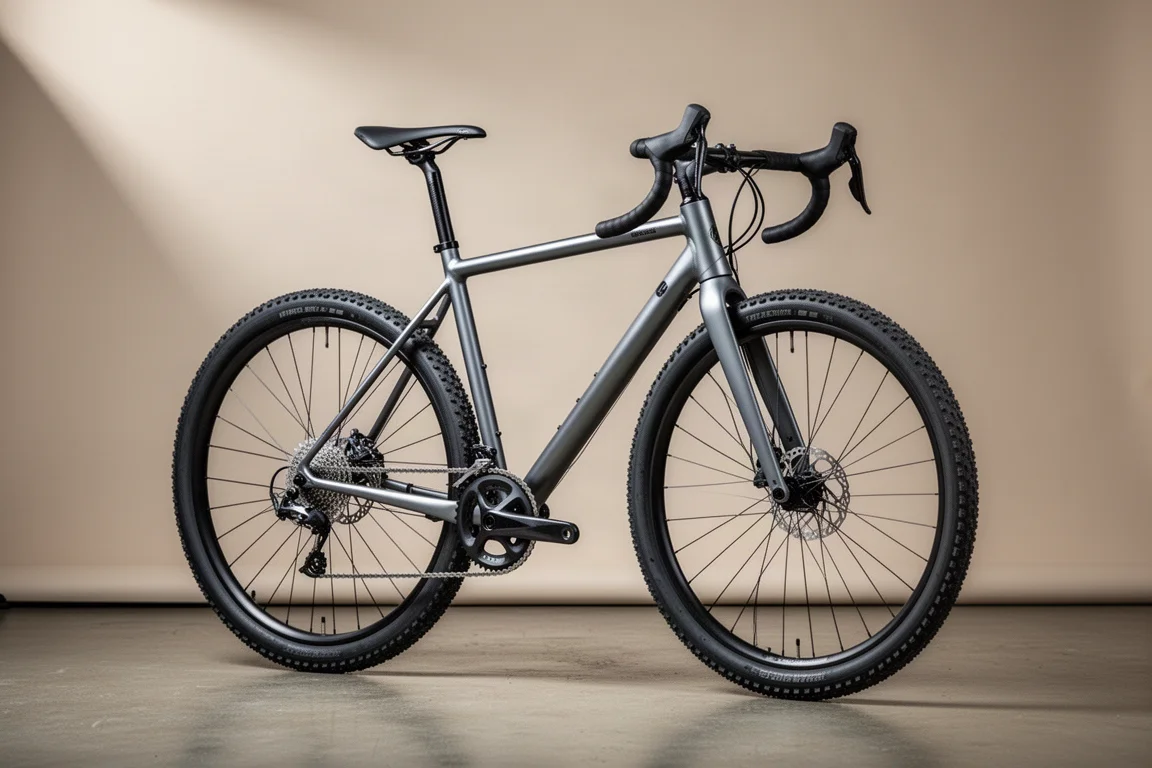
Canyon’s most affordable drop-bar bike earns its reputation on the specification sheet: an aluminum frame, a carbon fork, a 10-speed Shimano Cues groupset with hydraulic brakes, and a wheelset with room for real gravel tires. In Europe and the UK it has been positioned as one of the strongest value propositions in the drop-bar market.
The more useful question is whether that value survives contact with a wet winter. After roughly 4,000 km of mixed riding, most of it in damp conditions and in genuinely hilly terrain, this bike has been ridden hard enough to answer it. The headline is that the value is real, though a few details deserve attention before you order.
Who This Bike Is For
This is a bike for riders who want one machine to cover several jobs. It sits somewhere between a road bike and a gravel bike, which makes it a practical commuter, a capable hardpack gravel bike, and a reasonable choice for long steady road miles.
It also suits riders who like to work on their own bikes. The frame uses normal-sized components rather than proprietary shapes, so a zero-offset seatpost, a longer stem, or a different handlebar can all be fitted without hunting for unusual parts. That flexibility is rare at this end of the price range.
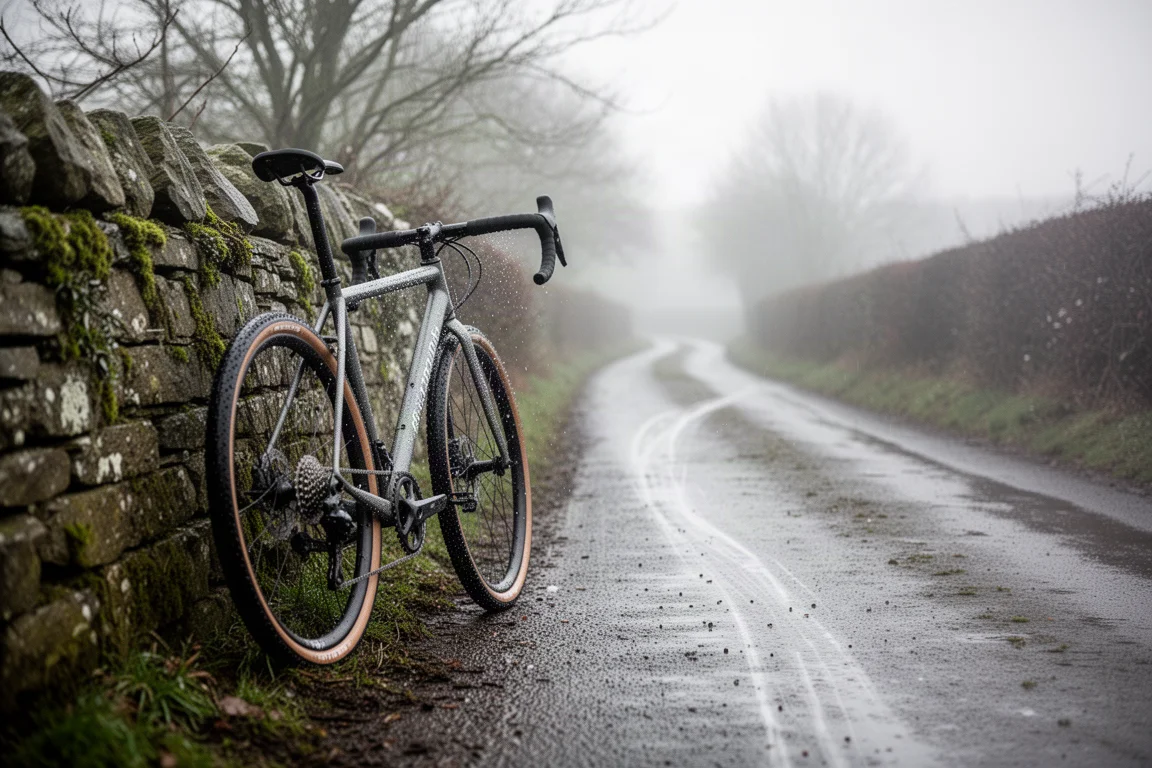
For anyone who rides through autumn, winter, and spring, the combination of hydraulic disc brakes and generous tire clearance is a real advantage. Riders who only venture out in dry summer weather will still enjoy it, but they will not be extracting the most from what the bike is designed to do.
Frame, Tire Clearance, and Real-World Comfort
The frame is aluminum, paired with a carbon fork, which is the classic formula for keeping cost down without making the ride harsh. It looks good too, which matters more than most specification lists admit.
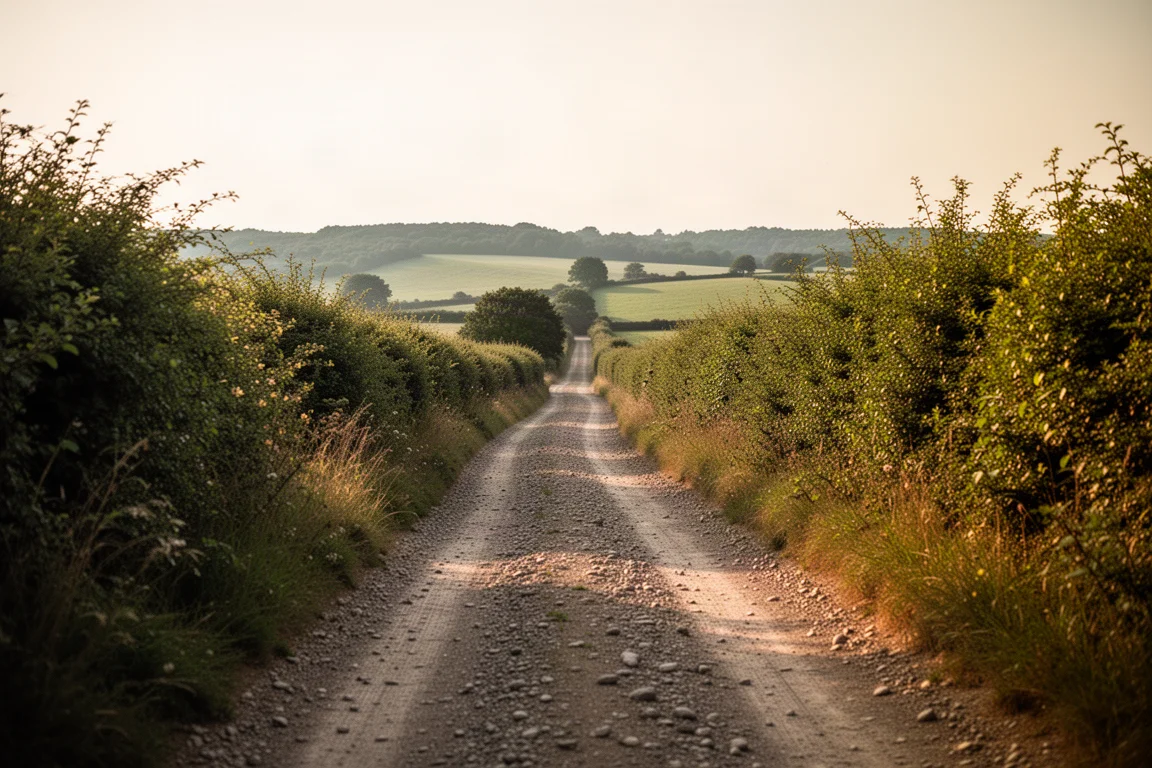
Tire clearance is a genuine strength. The bike ships with 35 mm Schwalbe tires that have a light tread, a perfectly serviceable entry-level option that sells online for around 12 euros. For wet, muddy winters, 40 mm tires with proper knobs can be fitted without breaking the rules, and the warranty stays intact. That is a meaningful amount of clearance for a bike in this class.
On hardpack tracks the bike is composed, though those surfaces turn sloppy outside the height of summer. More clearance would always be welcome, and there is no arguing with the idea that more gears and more tire room are generally good things. In this case, 40 mm is enough to make the bike genuinely useful year round rather than only in the dry.
Shifting and Braking with Shimano Cues
The 10-speed Shimano Cues groupset is the most pleasant surprise on the bike. It does not shift with the absolute precision of Shimano 105, but the difference is smaller than the price gap suggests. Shifts feel locked in and dependable, to the point where the drivetrain can feel almost electric in its consistency.
Shifter ergonomics are another win. Cheaper groupsets often end up with bulky, bulbous lever bodies, and Cues avoids that. The levers sit comfortably in the hand and the overall feel is tidy rather than cheap.
The brakes are strong and predictable, and the hydraulic setup is a large part of why the bike works so well in poor weather. Gearing is more than adequate for most terrain, and it is easy to switch to easier ratios for steep gradients. On a 25 percent climb, the biggest gears will still ask a lot of the rider, but the option to spin a lighter gear is there. Taken together, the drivetrain punches well above its price bracket.
Fit and Component Choices on the Smallest Size
The smallest size is where the bike is least convincing out of the box. That build comes with a 40 cm handlebar, a 70 mm stem, and a 170 mm crank. The stem length is fine, but a 38 cm bar and a 165 mm crank would suit the smallest frame better.
The geometry itself is excellent. The bike feels small, compact, and agile, and it feels like the right size underneath the rider, which is exactly what you want from a smaller frame. The frame sizing is sound, and because the components are standard, owners can swap them to suit. It is a case of getting the build right through personal preference rather than living with a frame that cannot be adjusted.
It is worth noting that the bike as ridden had been personalized with a different saddle, a 38 cm handlebar, and cloth bar tape. The tape held up well over a long season and can reportedly be machine washed, which is a small but welcome detail for riders who rack up wet miles.
Wear, Corrosion, and Servicing After a Hard Season
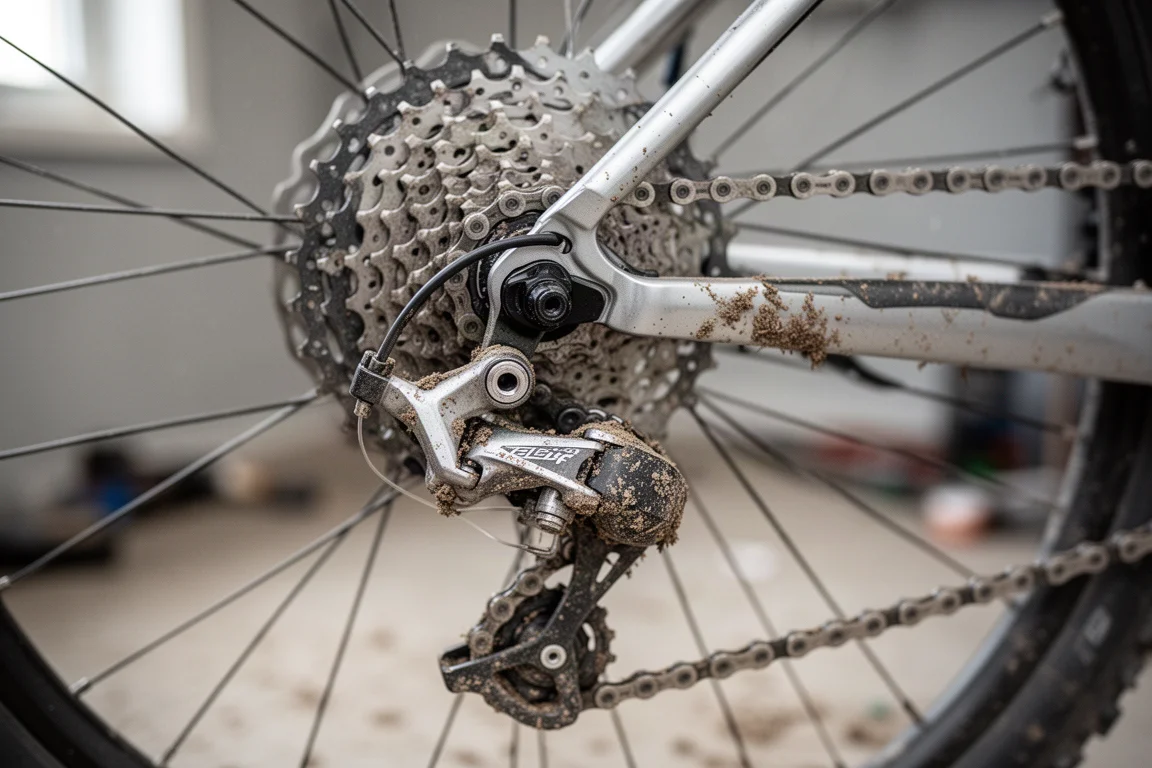
This is the section that matters most for anyone considering the bike, because the wear pattern is entirely predictable. The bike was ridden through freezing rain and winter, over roughly 3,000 km with only one wash, and left wet between rides.
Under those conditions, the chain reached 0.75 wear, the rear disc brake rotor corroded and was replaced, and the rear derailleur developed rust along with pivot play that will eventually affect shifting. A worn rear derailleur can be worked around for a while by avoiding the smallest cog, but it will need replacing. The rear wheel also developed bearing play and will need new bearings.
The good news is what did not fail. Brake pads still had plenty of life left, and the tires held up far better than expected given the mix of road and off-road riding. A professional mechanic’s assessment was that this is exactly the wear you would expect from a groupset that has covered that distance and been properly looked after, and that the neglect had actually accelerated chain wear and the rest. In other words, the bike survived abuse that would punish most machines.
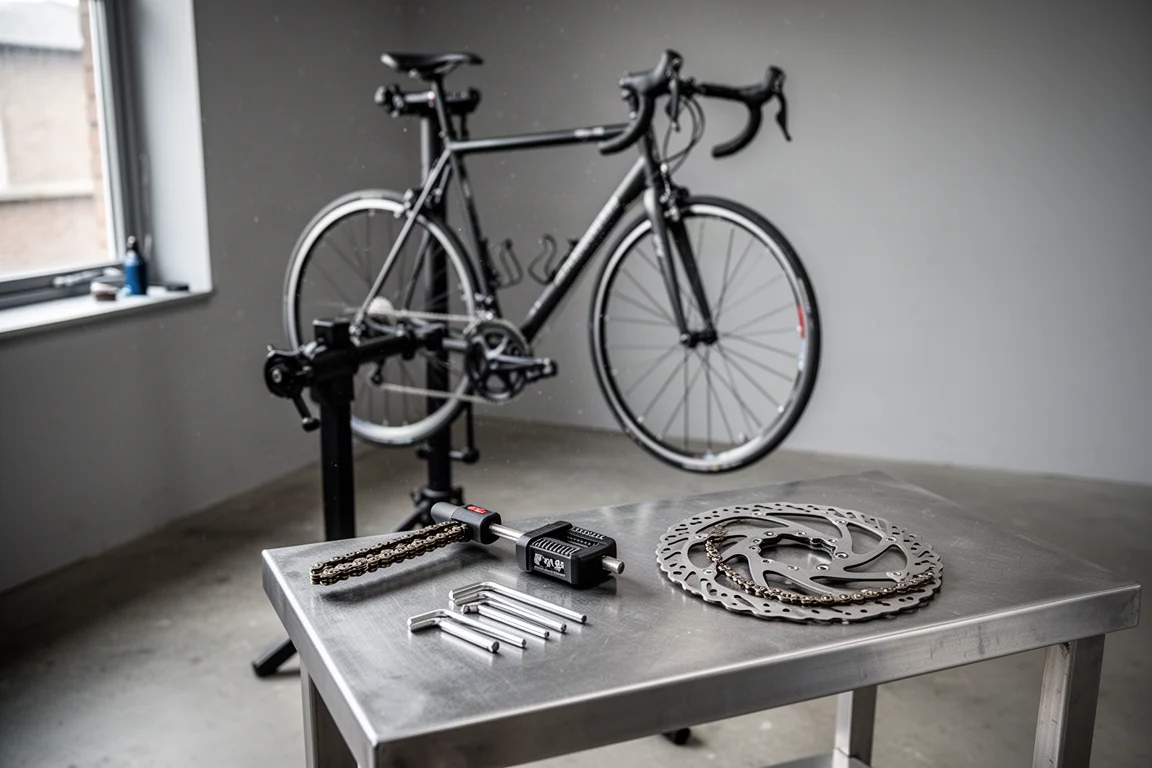
The one component choice to think about seriously is the bottom bracket. This bike uses a press-fit bottom bracket, where bearings are pressed directly into the frame. Servicing it requires a dedicated press tool that most home mechanics do not own, and the process is fiddlier and more time consuming than the threaded alternative, where cups simply screw into the frame. Some riders treat press-fit as a deal breaker for exactly that reason. Both designs work well when they are maintained carefully, and riders who prefer to hand their bike to a shop will not mind either way. If you do your own maintenance and already own threaded tools, this is worth knowing before you buy.
Long-Term Value and Availability
The case for the bike remains strong. It is arguably the best value drop-bar option from a major brand, and it has held up to riding that would expose weak points quickly. It has become a genuine go-to for gravel, commuting, and steady interval sessions, which is high praise for a bike that many riders initially write off as entry level.
Availability is the recurring frustration. Smaller sizes have been in and out of stock for long stretches, and the brand has acknowledged that its road models attracted proportionately more smaller riders than anticipated. The advice from the manufacturer is straightforward: if the size you want is out of stock, submit a back-in-stock request, which helps signal where supply needs to increase. Practically speaking, that means being patient or flexible about when you buy.
Buying Advice
Buy this bike if you want the most capability per pound or euro from a big brand and you are willing to look after it. The frame, carbon fork, hydraulic brakes, drivetrain quality, and 40 mm tire clearance combine into a package that is hard to beat at this price point.
Plan for three things. First, budget for basic maintenance: a chain checker, chain lube, and a habit of washing and drying the bike after wet rides will prevent exactly the corrosion and drivetrain wear described above. Second, if you ride the smallest size, expect to change the handlebar and possibly the crank to get a fit that matches the excellent frame geometry. Third, understand the press-fit bottom bracket before you commit if you service your own bikes.
On tires, the stock 35 mm Schwalbe option is a fine all-rounder, and at around 12 euros it is cheap to run. Riders who face mud and sloppy hardpack should move to 40 mm knobbly tires, which the frame accepts without compromising the warranty. Canyon’s own guidance on stock is to register a back-in-stock request, which is the most reliable way to get notified when your size returns.
Conclusion
The Canyon Endurace delivers on its promise. An aluminum frame, a carbon fork, dependable Shimano Cues shifting, strong hydraulic brakes, and real 40 mm tire clearance add up to a bike that handles commuting, gravel, and road riding without complaint. It is not flawless, and the smallest builds need component changes to fit properly, but those are correctable details rather than design failures.
Look after it and it rewards you. Neglect it through a wet winter and it will age exactly as any bike would. For riders who want maximum value and are willing to spend a little time on upkeep, this is one of the easiest recommendations in the category, provided you can find your size in stock.
Product link
View more details for Canyon Endurace
This product is mentioned in the review. Check the specifications, options, and compatibility before buying.
View more details for Canyon EnduraceFurther reading
Related Reviews
Gravel Bikes
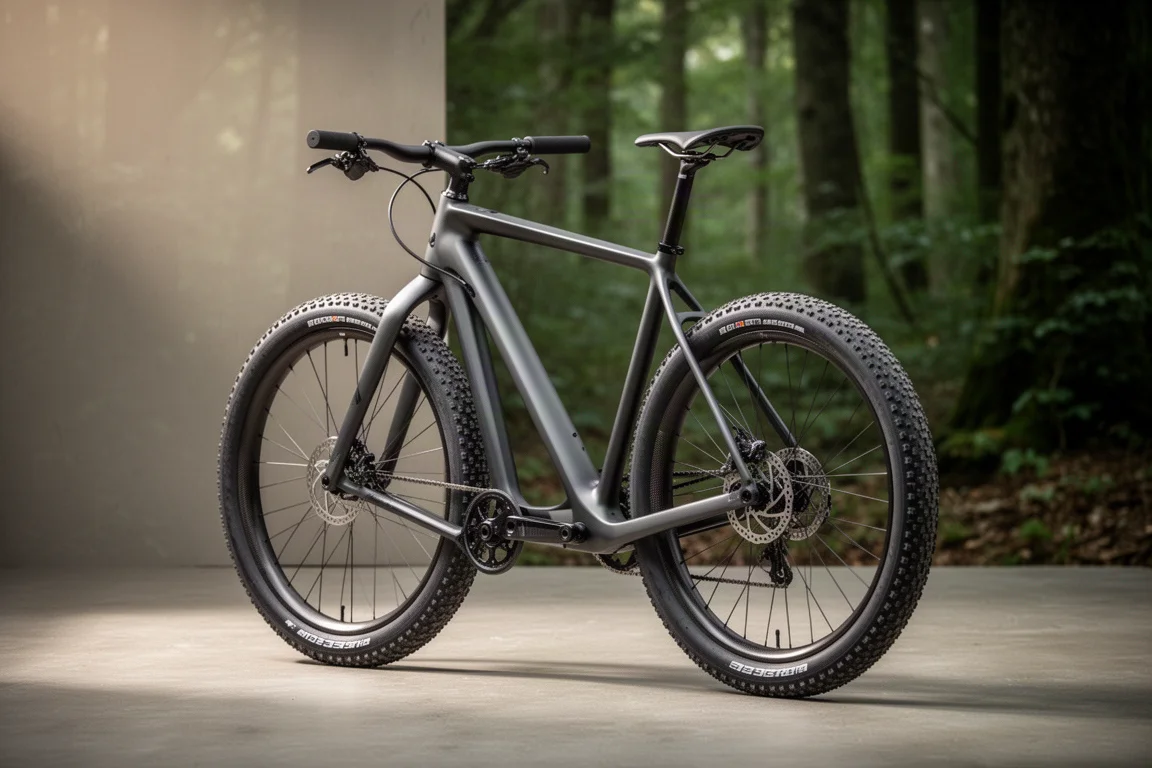
3T Exploro Ultra Review: A Fast Gravel Bike Built for Big Tyres
A close look at the 3T Exploro Ultra, an aero carbon gravel bike designed around wide tyres, with road-like handling, a 980 g frame and genuine rough-terrain capability.
Gravel Bikes
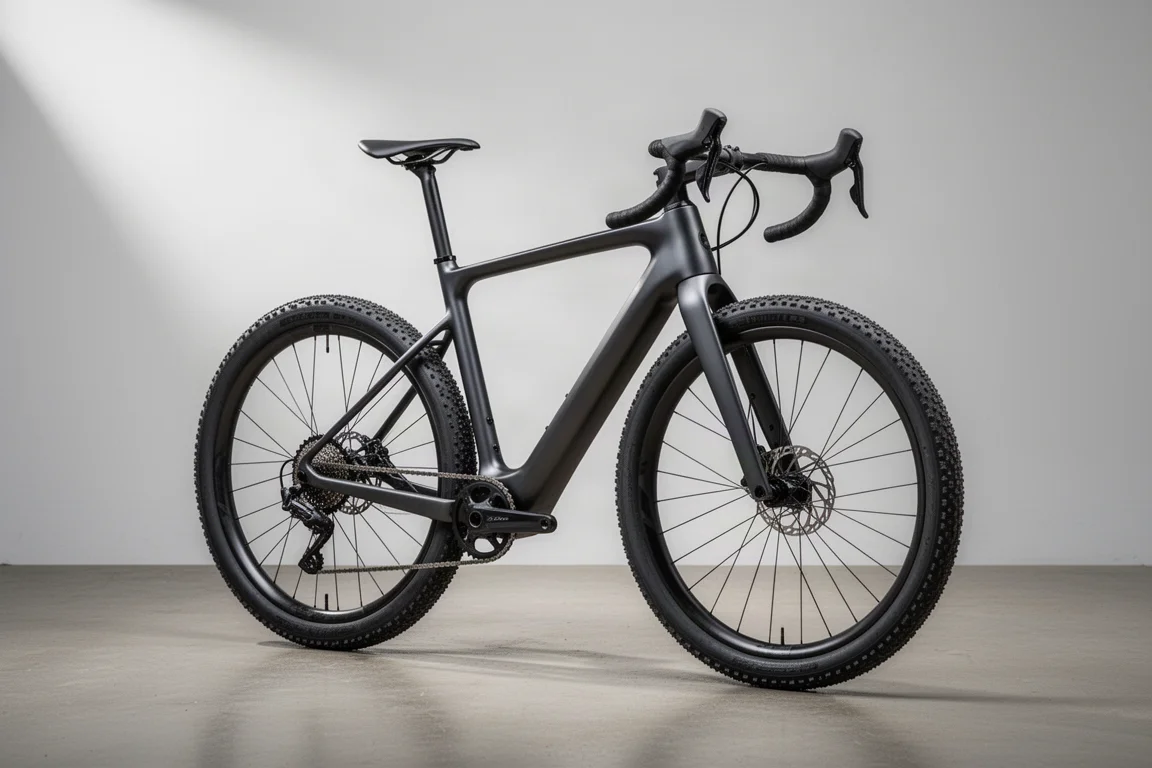
3T Extrema Italia Review: Aero Gravel Speed With Room for 57 mm Tires
The 3T Extrema Italia pairs an aero frame with huge tire clearance, Italian-made carbon and a more comfortable ride than the RaceMax. Here is what to know before buying.
Gravel Bikes
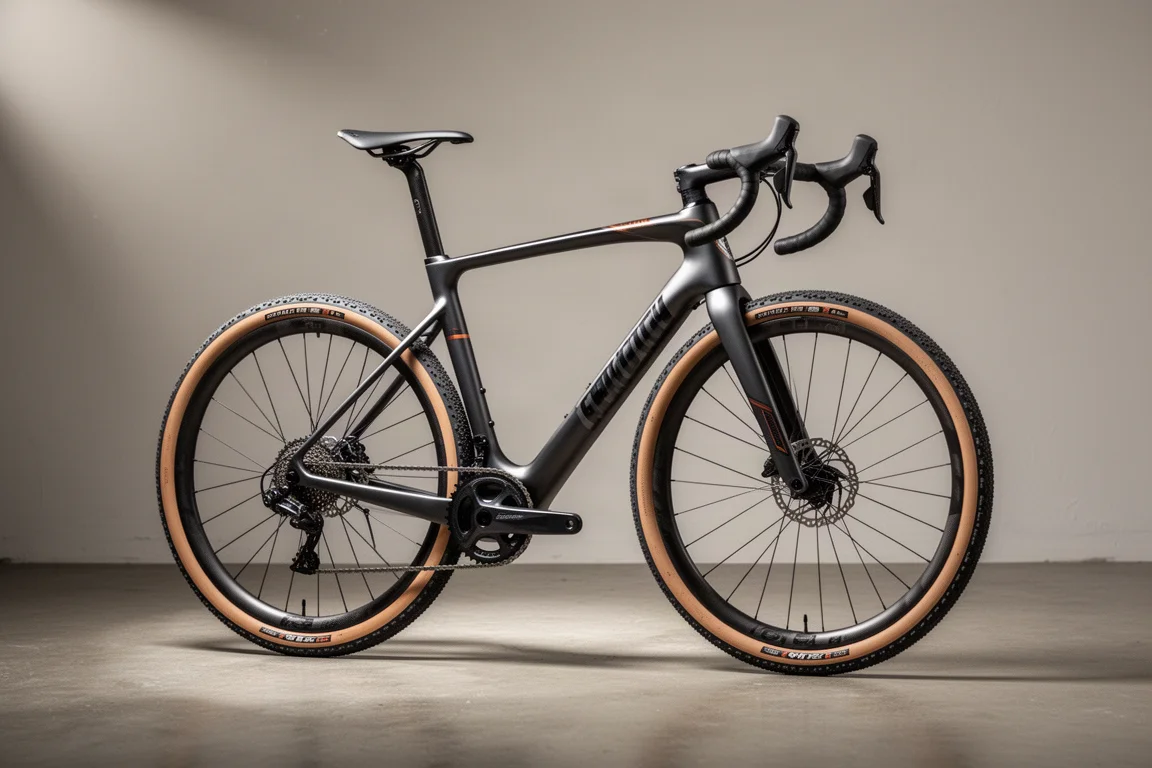
3T Race Max 2 Italia Review: An Aero Gravel Race Bike Made in Italy
A closer look at the second-generation 3T Race Max 2 Italia, covering its aero updates, ride character, tire clearance, internal storage and who it suits.