Gravel Bikes
Cannondale Topstone Lab 71 Review: Flagship Gravel Frameset vs the Carbon 3
A close look at Cannondale's frame-only flagship gravel platform, the Kingpin rear end that shapes its ride, and why the complete Topstone Carbon 3 may be the smarter buy.
Introduction
Cannondale’s Lab 71 line takes the standout bikes in the range and reworks them with higher-grade carbon, more elaborate finishes and a considerably higher price. The Topstone is the gravel entry in that programme, and unusually it arrives as a frameset rather than a complete bike. That single decision shapes almost everything about who should buy it and what the alternative looks like.
Cannondale Topstone Lab 71: The Frame-Only Flagship
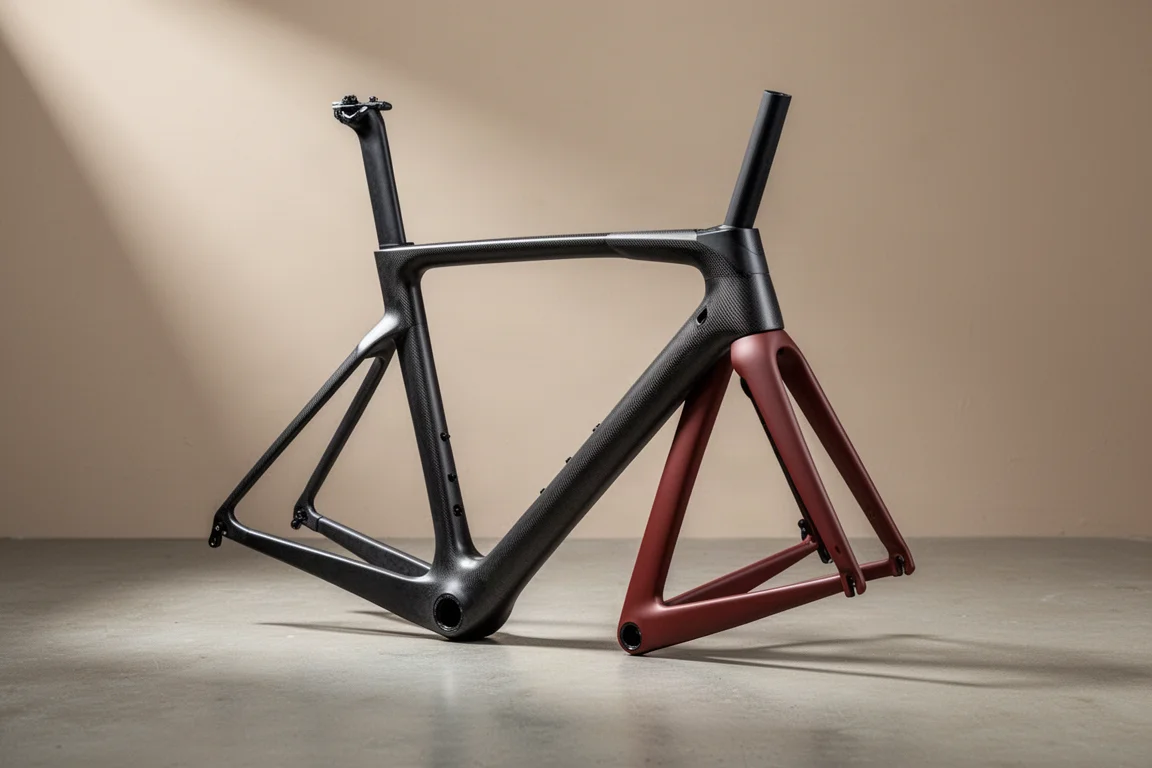
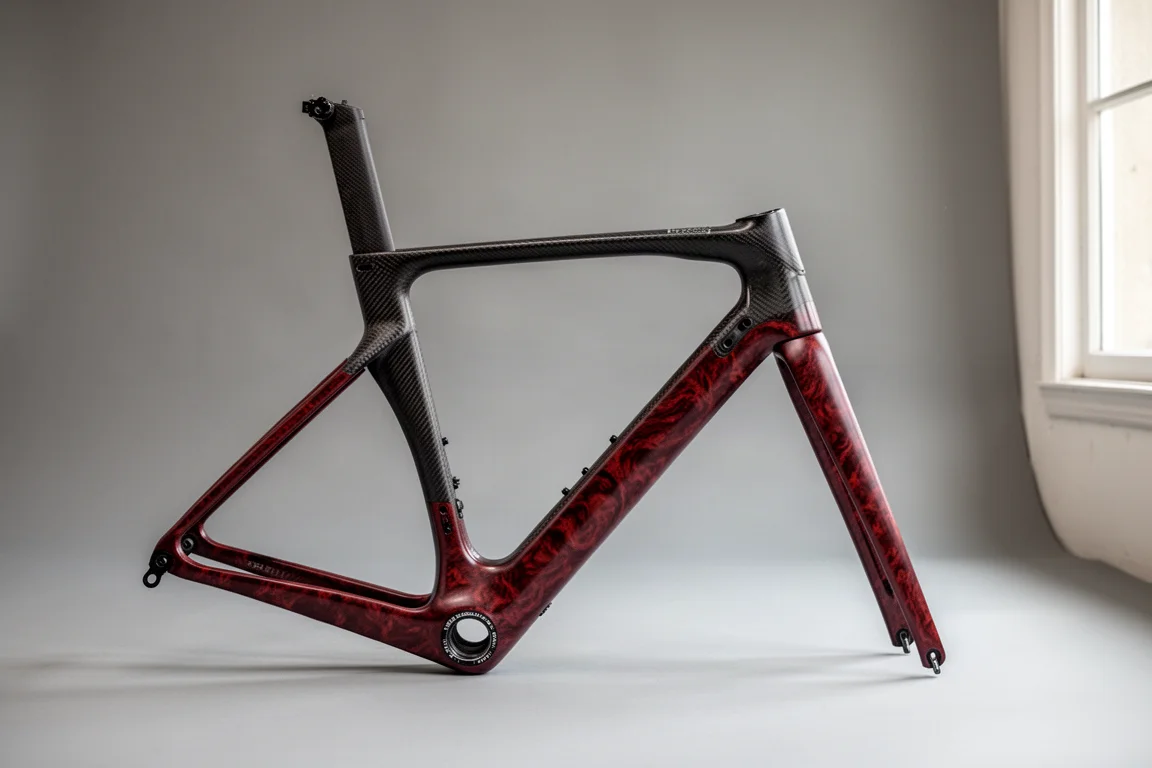
The Lab 71 treatment is about weight and finish. Cannondale claims the frame is 160 grams lighter than the standard carbon Topstone, thanks to a higher grade of carbon in the layup and a lighter paint process. The paint is where opinions will split. The rear of the frame wears a deep marbled Oxblood finish, while the front half of the frame and the fork are left as raw, unpainted carbon. It saves weight, but the half-and-half look is a strange choice on a flagship frameset.

That aesthetic decision matters more than usual here, because the Lab 71 Topstone is sold as a frame and fork only. There is no factory complete bike in this tier. You either build it yourself or hand the frameset to a shop, which means the final specification, the wheels, the gearing and the contact points are entirely your call rather than the manufacturer’s.
Frame Details Gravel Riders Care About
Tire clearance runs to 45 mm on a 700c wheel, and 650b builds are supported if you prefer the smaller diameter. Cannondale offers complete bikes in the catalogue with 650b wheels, but 700c has become the default across the gravel market, and a 40 or 45 mm tire is a sensible middle ground for mixed terrain and road riding.
Lower down, there is a threaded bottom bracket, which avoids the creaking and maintenance headaches that press-fit systems can bring. There are mounts throughout the frame and fork for extra bottles and bikepacking bags, and mudguard mounts at the rear for riders who want to keep the bike usable through the wetter months. The frame is also compatible with Cannondale’s integrated lighting, battery and radar system, with a mount on the down tube. It is optional rather than mandatory, and a bracket and strap are supplied so the same area can carry a tube or a small bag instead. It works, but it feels like a leftover from a different project rather than a purpose-designed storage solution, and it is not as clean as the in-frame down tube storage some rival gravel bikes offer.
Kingpin Comfort on Road and Gravel
The headline feature of the Topstone platform is Kingpin, a through-axle pivot that links the seat stays to the seat tube. Combined with the carbon layup in the top tube, seat tube and seat post, and flattened chain stays, it allows the rear of the bike to flex. Cannondale claims up to 13 mm of deflection at the saddle.
Comfort is a difficult thing to measure outside a lab, but the effect is real. On test, the rear of the bike tracked rough surfaces noticeably more calmly than most gravel bikes in the same class, and it makes a 40 mm tire feel wider than it is at low pressure. The front end is firmer, since Kingpin only works at the back, but it is not harsh and the bike does not feel disjointed. Riders who want more cushioning up front can fit a suspension stem, because the steerer tube is a standard design.
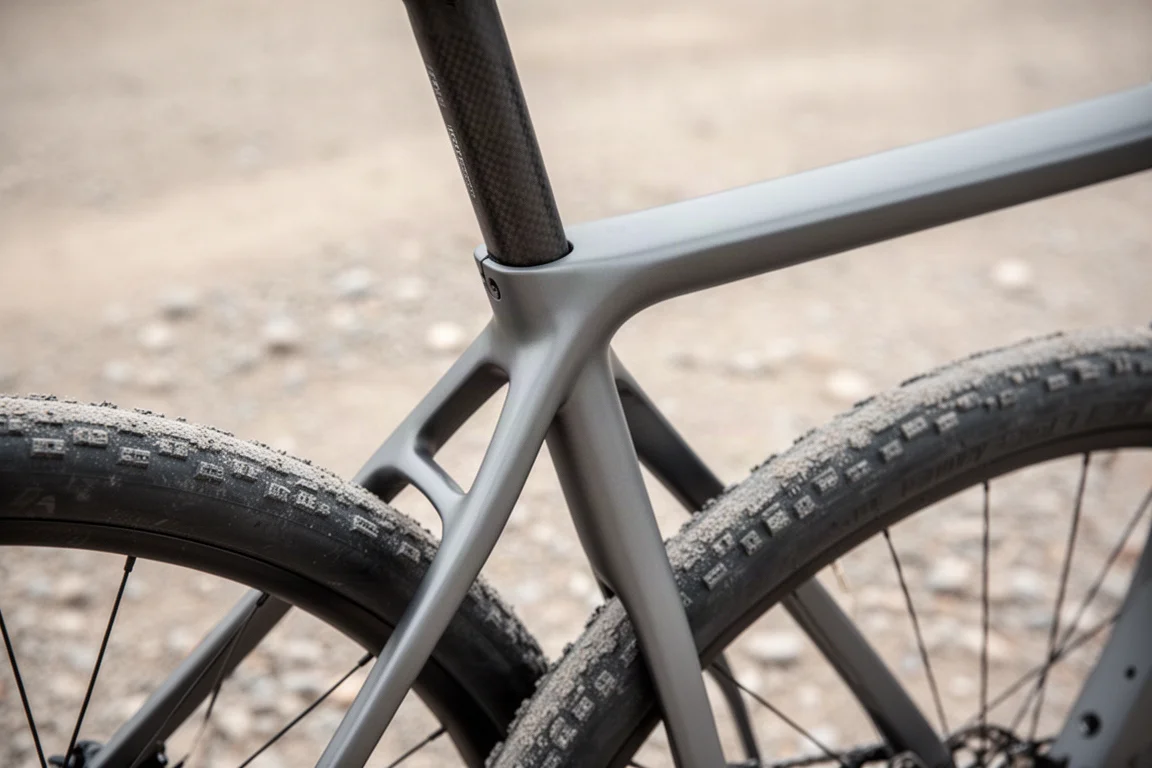
The payoff shows up on long days. Potholed lanes, washboard gravel and rooty forest tracks all arrive at the saddle in a softer form, which is exactly the kind of thing that keeps you fresher on a four-hour mixed-surface ride.
Build, Weight, and Specification
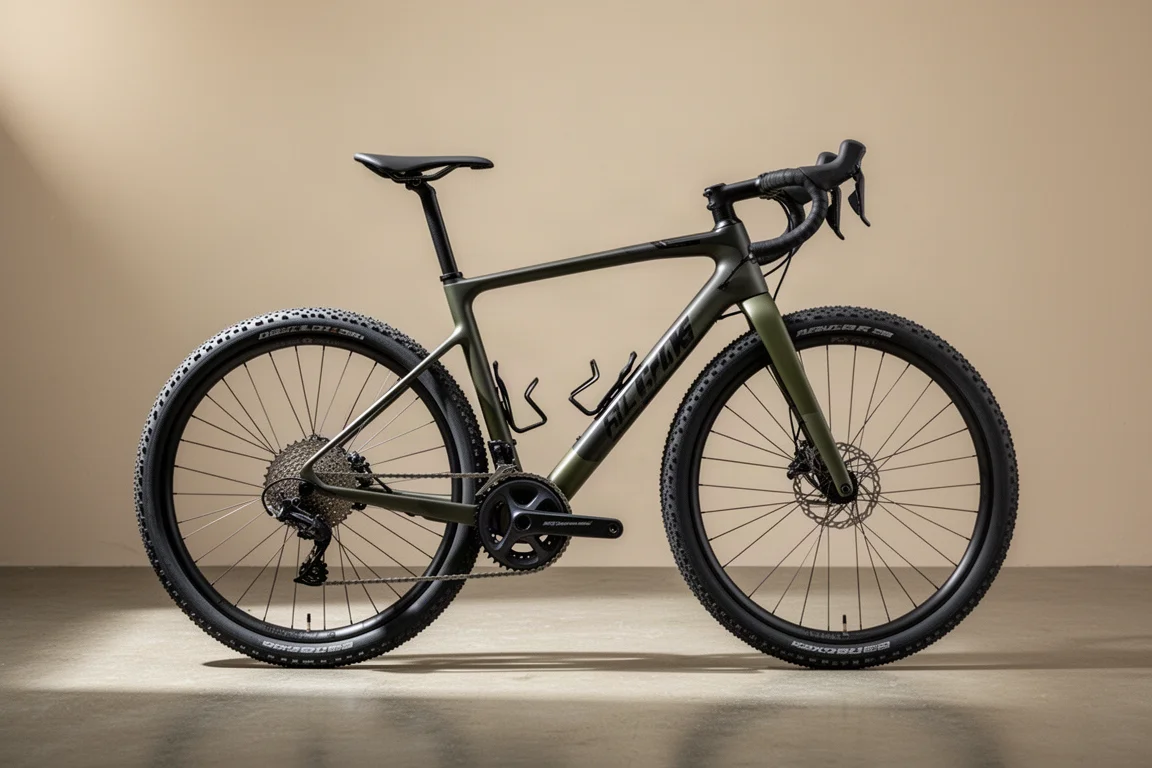
Because the Lab 71 is a frameset, the build tested here was assembled to a deliberately fast specification: a 12-speed mechanical gravel groupset with a wide 10-51 cassette, Cannondale’s own carbon wheels with DT Swiss internals, a carbon handlebar and stem, and a saddle with carbon rails. That complete build weighed 7.7 kg. For a mechanical gravel bike at this level, that is an impressive figure and a genuine argument in favour of the frame-only approach.
The wide cassette range is a real benefit. Steep climbs and loaded bikepacking routes are where a big spread of gears earns its place, particularly when the bike itself is carrying extra weight. Cable routing is mostly external, which means any handlebar and stem combination will fit, though it also leaves a fairly bulky front end that sits oddly on a premium frameset. Threaded bottom bracket and abundant mounts round out a genuinely practical package for riders who want to build the bike once and keep it.
Cannondale Topstone Carbon 3: The Value Alternative
In the UK the Lab 71 frame and fork retail for around £3,000, which is a lot of money for two triangles and a fork. The complete Topstone Carbon 3 costs just over £3,000, only about £200 more, and comes with a Shimano GRX 11-speed 2x groupset and WTB wheels and tires ready to ride. It is not as light, because the carbon layup and finish are different, but it is a complete, capable gravel bike for barely more than the cost of the flagship frame alone.
For most riders, that comparison is the whole story. A few well-chosen upgrades on the Carbon 3 will get you close to the ride quality you want without paying flagship money for a bare frame.
Handling and Terrain Limits
The Topstone’s geometry is on the sporty side, close in fit to an endurance road bike. The wheelbase is long, the head angle is slack and fork trail is generous, so steering is stable and calm rather than quick or twitchy. That makes the bike fast and efficient on country lanes and tarmac, and relaxed when you are carving through sweeping forest tracks.
It also sets the limit. This is not a bike for steep, rough or technical trails. Bikes with longer, slacker geometry or a suspension fork will be far more at home there. The Topstone is at its best linking quiet roads to smooth, flowing gravel, and it is a genuinely quick race bike on that kind of terrain.
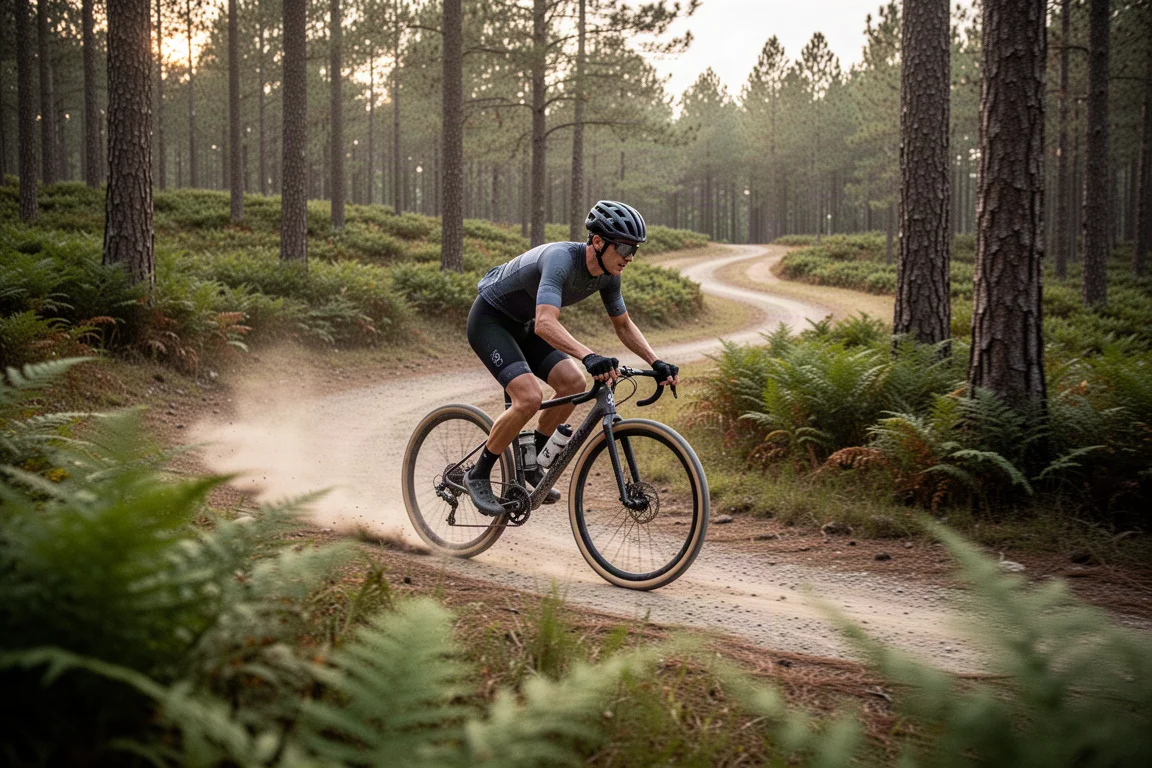
Where it does surprise is that firmness in no way spoils the ride on mixed surfaces. The bike stays composed on undulating, loose-over-hard tracks, and the long front centre keeps it predictable when the surface shifts under the wheel.
What Works and What Does Not
The threaded bottom bracket is a clear win, and so is the sheer number of mounts, which makes the Topstone a credible bikepacking platform. The comfort delivered by Kingpin is the standout quality of the frame, and the low weight of a well-chosen build is genuinely impressive.
Against that, the raw carbon front end and half-finished paint scheme undercut the premium feel, and the redundant electronics port on the down tube is a reminder of a system that has not been fully resolved. Mostly external cable routing keeps the bike flexible and serviceable but leaves a cluttered front end that feels out of step with what buyers expect at this price.
Buying Advice
The Lab 71 Topstone makes sense for a narrow group of riders: those who want the lightest version of the frame, who have a clear idea of the exact components they want, and who are happy to build the bike themselves or pay a shop to do it. For them, the frame’s low weight and the Kingpin rear end are worth the outlay.

Everyone else should look hard at the complete Carbon 3. It shares the platform’s ride character, arrives ready to ride with a proven groupset and decent wheels and tires, and costs only marginally more than the flagship frameset on its own. Unless the Lab 71’s exclusive weight and finish are the point of the purchase, the complete bike is the more sensible way to spend the money.
Conclusion
The Topstone Lab 71 is a beautifully light gravel frameset with a rear end that genuinely improves comfort, and it builds into a fast, stable bike for road and smooth gravel. Its value case, however, is difficult to make when a complete Topstone Carbon 3 costs about the same. Riders who want maximum weight savings and the freedom of a custom build will enjoy it. Riders who simply want a great gravel bike will be better served by the complete bike.
Further reading
Related Reviews
Gravel Bikes
3T Exploro Ultra Review: A Fast Gravel Bike Built for Big Tyres
A close look at the 3T Exploro Ultra, an aero carbon gravel bike designed around wide tyres, with road-like handling, a 980 g frame and genuine rough-terrain capability.
Gravel Bikes
3T Extrema Italia Review: Aero Gravel Speed With Room for 57 mm Tires
The 3T Extrema Italia pairs an aero frame with huge tire clearance, Italian-made carbon and a more comfortable ride than the RaceMax. Here is what to know before buying.
Gravel Bikes
3T Race Max 2 Italia Review: An Aero Gravel Race Bike Made in Italy
A closer look at the second-generation 3T Race Max 2 Italia, covering its aero updates, ride character, tire clearance, internal storage and who it suits.