Gravel Bikes
Cannondale Topstone Carbon 2026: The Gravel Bike That Listens to Riders
Cannondale updates the Topstone Carbon with a threaded bottom bracket, a conventional rear end, and refined Kingpin suspension.
Introduction
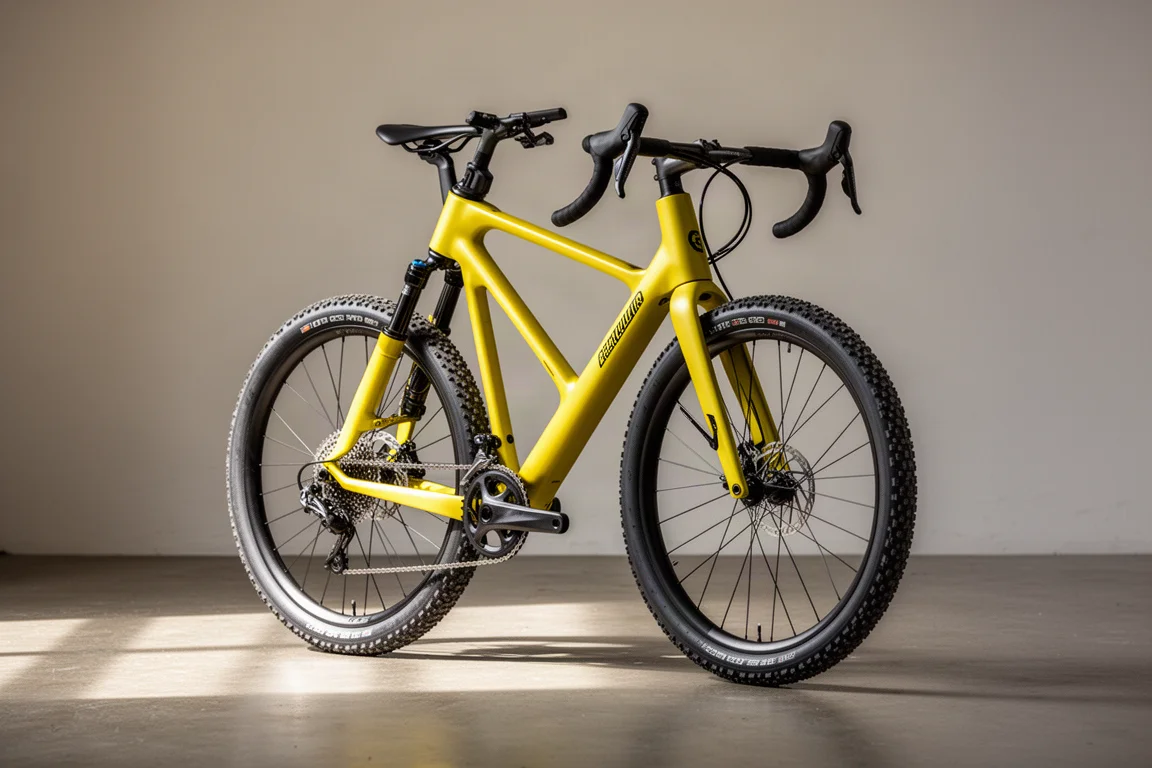
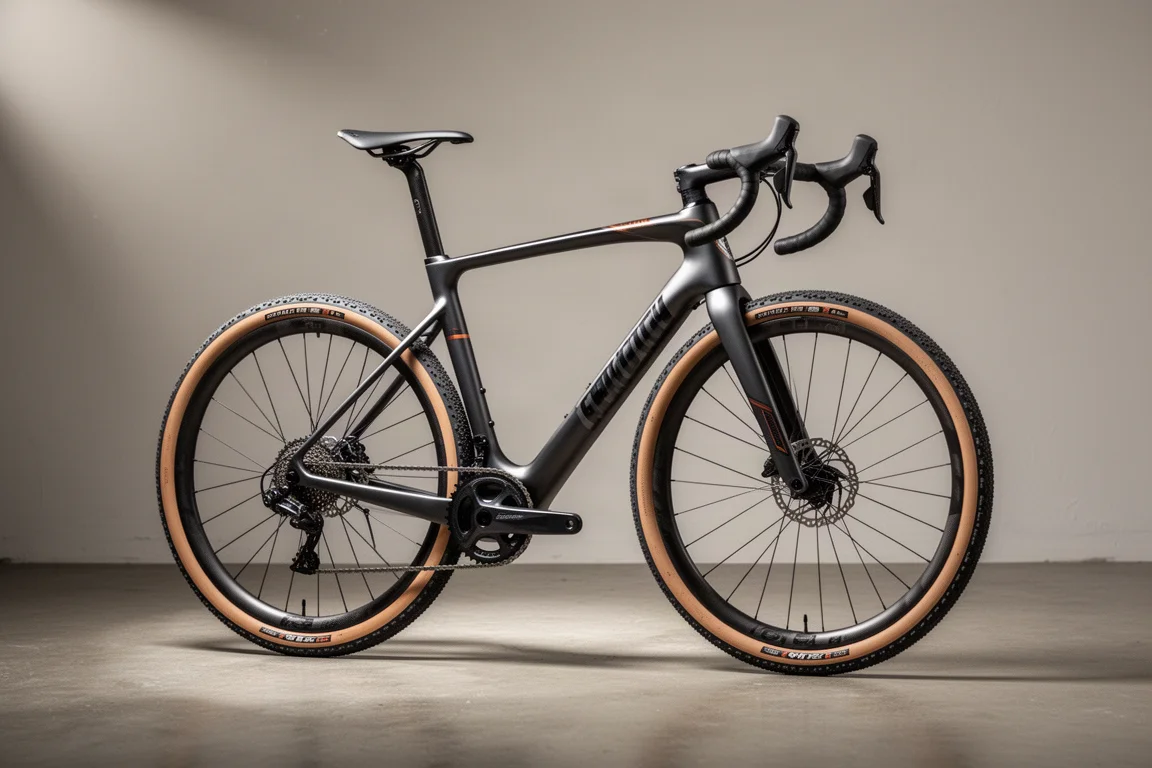
Cannondale has refreshed the Topstone Carbon, and the updates address two of the most common frustrations riders had with the previous generation. The new bike keeps the silhouette that made the Topstone instantly recognizable, including the dropped rear stays and the Kingpin rear suspension, but it now arrives with a threaded bottom bracket and a conventional rear end that accepts a regular wheel without any special dishing. For anyone who uses a gravel bike for long rides, bike packing, or mixed-terrain adventures, these changes make the Topstone Carbon notably easier to live with.
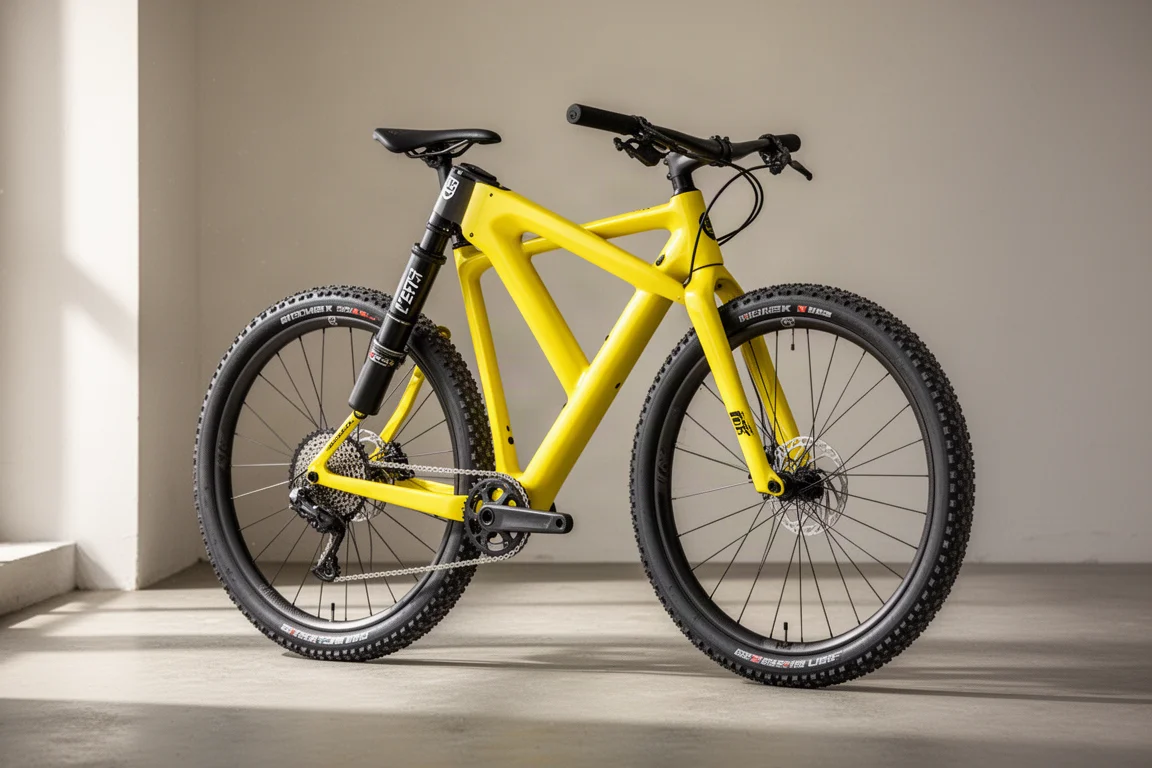
Two models were shown as part of the launch: a bright yellow version with the Lefty suspension fork ready for faster riding, and a more adventure-oriented setup with front and rear bags. Neither has been ridden yet for this review, so the focus here is on the frame changes, the component highlights, and how the new range sits in the current gravel bike market.
What Changed on the New Topstone Carbon
The Topstone has been Cannondale’s dedicated gravel, adventure, and bike packing platform since its launch in 2018. It started as an alloy bike, gained a carbon frame with the Kingpin rear suspension a year later, and then added the distinctive Lefty suspension fork the following year. This latest update is more of a refinement than a full redesign. The tube profiles look similar to the outgoing model, and the same dropped rear stays and Kingpin system remain, but several important details have changed.
The most significant update is the switch to a threaded bottom bracket. Cannondale was a pioneer of the press-fit standard, so this move is a notable reversal, and it follows the same decision made on the Synapse endurance bike earlier in the year. For a gravel bike that may need attention in the field or after a season of dirty riding, a threaded bottom bracket simplifies maintenance considerably and addresses a common complaint with the previous model.

The other major change is the removal of the AI asymmetric rear end. Previously, the offset rear end shifted the drivetrain by six millimeters, which meant a rear wheel had to be redished to fit. That made it difficult to swap wheels quickly or replace a wheel without extra work. The new bike uses dropped rear stays instead, which provide the necessary tire clearance without the offset. It is now possible to fit a regular rear wheel with no modifications.
A Conventional Rear End at Last
This change is worth emphasizing because it removes one of the biggest practical hurdles of the old bike. For gravel riders who like to keep a spare set of wheels for different terrain, or for anyone who has ever needed a replacement wheel while traveling, a standard rear end makes life considerably simpler.
Tire clearance is generous as before. The Topstone Carbon will take a 45 millimeter tire on 700c rims, or a 650b mountain bike tire up to 2.1 inches for riders who want more volume and cushioning. Cannondale is offering builds with both wheel sizes, so there is a setup for riders who prefer fast-rolling 700c wheels and riders who want the traction and comfort of bigger 650b tires.
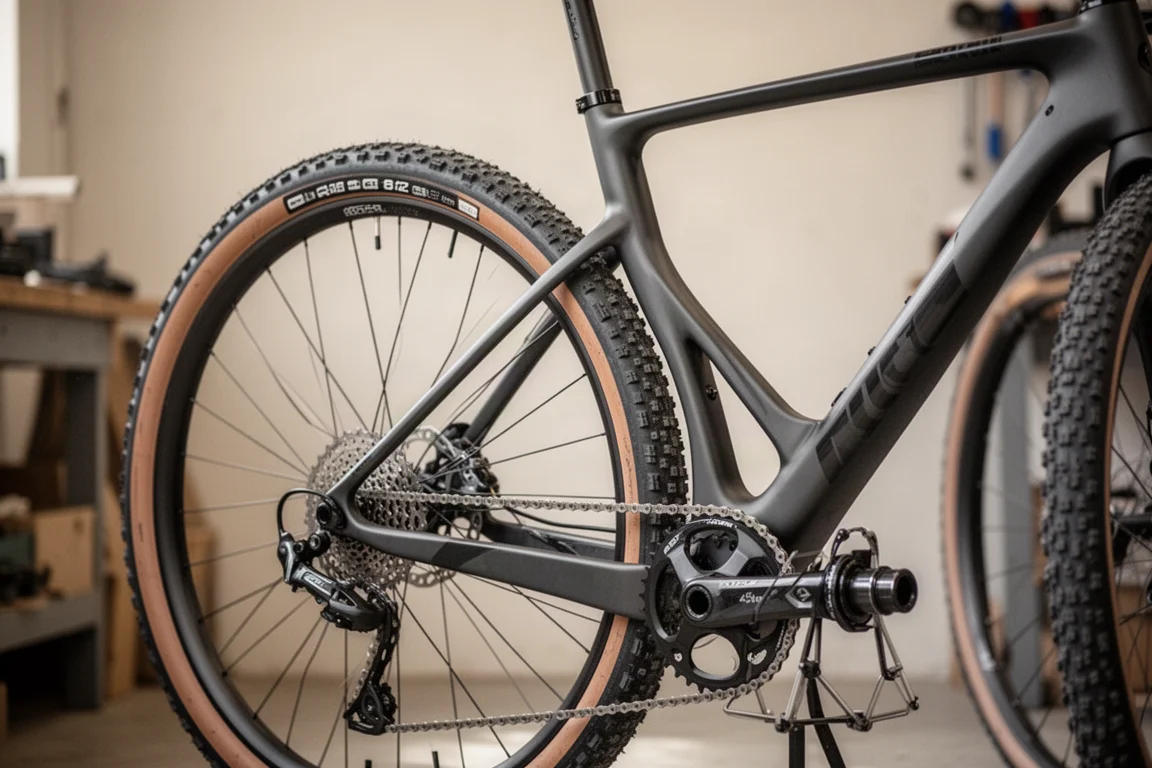
The dropped rear stays also help the bike achieve that clearance while keeping the rear end reasonably compact. It is a design approach used by several gravel and adventure bikes over the years, and it works well in this context.
Kingpin Suspension, Refined
The defining feature of the Topstone Carbon carries over to the new model: the Kingpin rear suspension. Instead of a shock or a spring, the system uses a thru-axle pivot at the seat tube where the rear stays connect. That pivot allows flex along the chain stays, seat stays, seat tube, and seat post, providing a claimed 10 millimeters of rear wheel travel and 30 millimeters of movement at the saddle.
There are two notable benefits to this design. The first is seated comfort: the rear end absorbs smaller impacts and rough surfaces in a way that feels smoother through the saddle. The second is traction and control: allowing the rear wheel to move and track the ground helps maintain grip on washboard gravel, loose rocks, and roots. This is a different experience from a suspension seat post, which only adds comfort without the same level of rear wheel control.
The new Kingpin system is also about 100 grams lighter than before, thanks to a switch from a bearing to a bushing at the pivot. The bushing is claimed to last for years and requires no servicing or maintenance. The system itself is fixed, so there is no adjustment for rebound or compression; the amount of flex depends on the force of the impact and rider weight.
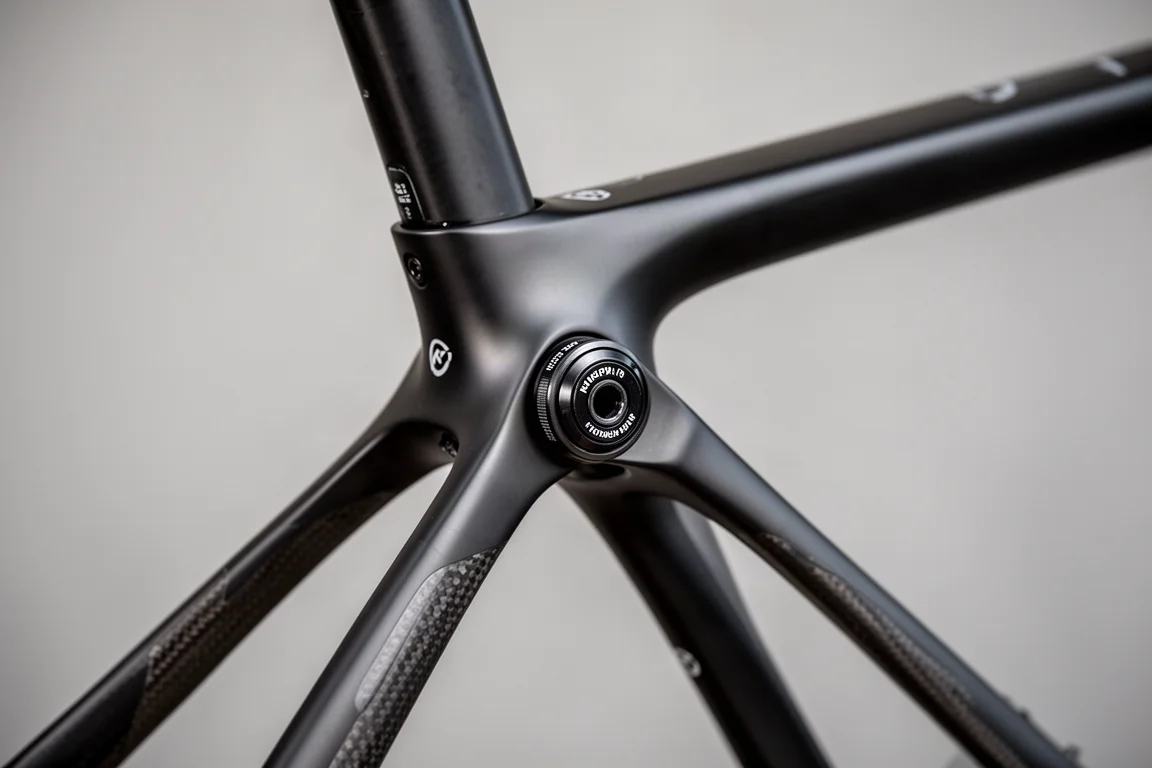
For riders who worry about flexing carbon frame components, this type of design has been used on full-suspension mountain bikes for many years, and it is increasingly appearing on endurance and gravel bikes. The loads are well understood, and the flex zones are designed specifically to handle them.
Smart Sense: Optional When You Want It
Another feature carried over from the Synapse is Smart Sense, an integrated battery system that powers a radar and front and rear daytime running lights. It is a useful safety addition for riders who spend time on roads or shared paths, especially in changeable light.
There is good news for riders who prefer a simpler bike: Smart Sense is limited to the top-end models and is optional on lower-tier builds. The brand also addressed the issue of fitting bags around the lights and radar. Using a small extender bracket, the front light can be moved down and the rear light moved out of the way, allowing a larger saddle bag or handlebar bag to be fitted while keeping the lights and radar active.
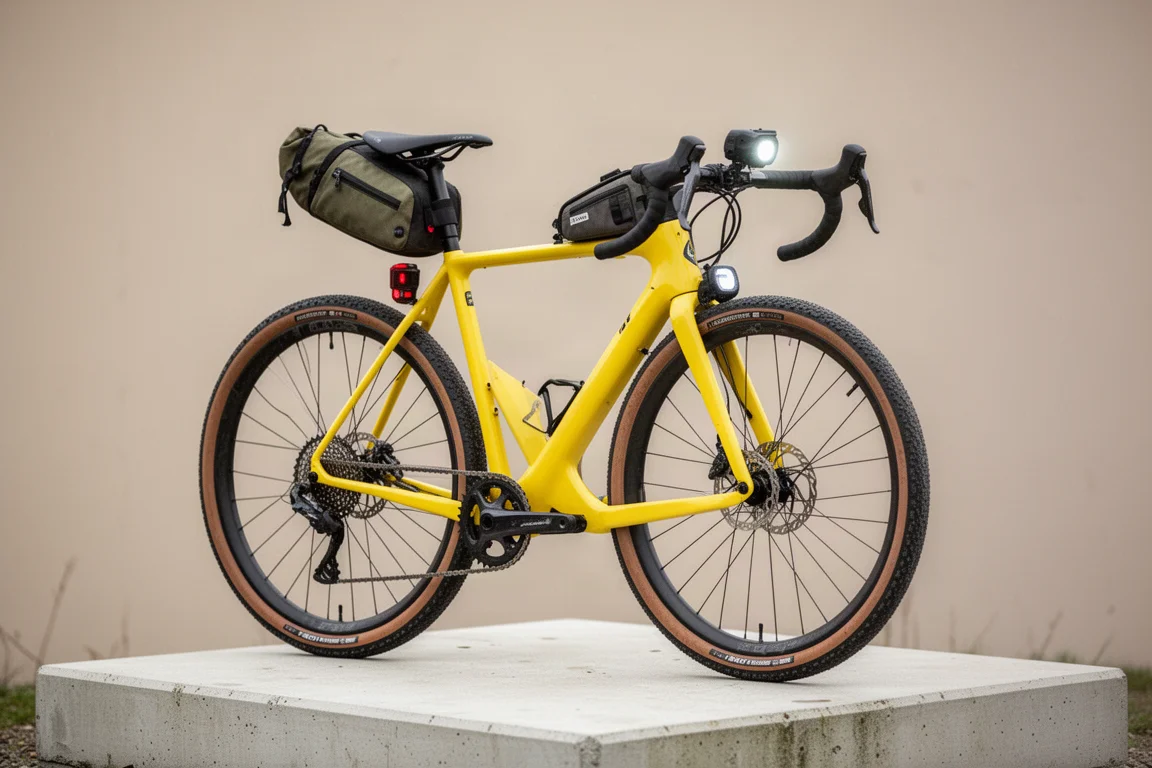
The main open question is whether bigger expedition-style seat packs can be fitted alongside the rear radar. That will depend on the bag and the saddle, and it is something worth checking before buying if radar-equipped bike packing is your intended use.
Models and Pricing Highlights
The UK range includes six Topstone Carbon models, priced from around £2,800 to £8,000. Exact models and specifications vary by region, so it is worth checking the local lineup.
At the top of the range is the Topstone Carbon 1 RLE, which uses a SRAM Force eTap groupset, Hollowgram 22 carbon wheels, the Smart Sense light and radar system, and 45 millimeter Riddler tires. This is the build for riders who want a fast, well-equipped gravel bike with minimal compromise.
The Topstone Carbon 2 Lefty is priced at £4,500 and pairs a Shimano GRX 800/600 groupset with WTB Riddler tires on WTB KOM wheels. Its defining feature is the Lefty suspension fork, which adds front-end travel and a distinctive look.
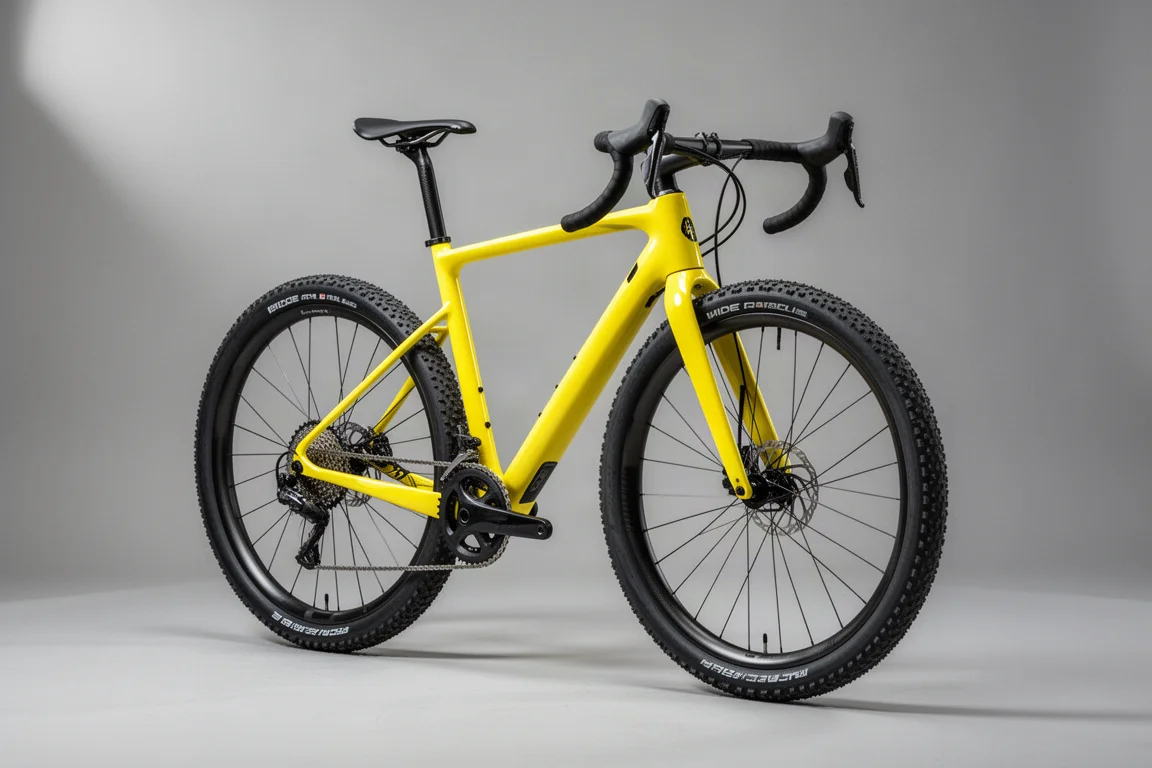
The most affordable model in the UK range starts at £2,800 and uses a Shimano GRX 600 groupset (with GRX 400 in some configurations), 45 millimeter Riddler tires, and is Smart Sense ready.
Overall Buying Advice
The new Topstone Carbon now looks like a much stronger all-round choice in the gravel market. The previous bike’s press-fit bottom bracket and AI offset rear end were the two details that held it back for many riders. Both are gone. A threaded bottom bracket is easier to maintain, and a standard rear end means any regular wheel can be fitted without re-dishing.
For riders who want a fast, capable gravel bike that also handles bike packing duty, the new Topstone Carbon deserves serious consideration. The Kingpin rear suspension offers real comfort and traction benefits without the weight and complexity of a full suspension system. The Smart Sense system adds useful visibility when you want it, without being forced on every model.
If you are choosing between the two highlighted builds, the Carbon 1 RLE is the pick for riders who value a lighter, faster setup with integrated lights and radar. The Carbon 2 Lefty is the pick for riders who want front suspension and the confidence that comes with it on rougher descents. Both bikes share the same refined frame, so the choice comes down to groupset, wheels, and the suspension fork.
Conclusion
Cannondale has made the Topstone Carbon a more practical and more convincing gravel bike with this update. The threaded bottom bracket and conventional rear end remove the biggest complaints of the previous generation, while the refined Kingpin suspension keeps the ride quality that made the bike distinctive in the first place.
The bike looks fast and efficient on the road, and smooth and capable off-road. Now that the practical hurdles are gone, the Topstone Carbon stands as a genuinely strong contender in a very competitive segment. The next step is getting out on the bike to see how those changes translate to the trail, but on paper, this is a very promising update.
Further reading
Related Reviews
Gravel Bikes
3T Exploro Ultra Review: A Fast Gravel Bike Built for Big Tyres
A close look at the 3T Exploro Ultra, an aero carbon gravel bike designed around wide tyres, with road-like handling, a 980 g frame and genuine rough-terrain capability.
Gravel Bikes
3T Extrema Italia Review: Aero Gravel Speed With Room for 57 mm Tires
The 3T Extrema Italia pairs an aero frame with huge tire clearance, Italian-made carbon and a more comfortable ride than the RaceMax. Here is what to know before buying.
Gravel Bikes
3T Race Max 2 Italia Review: An Aero Gravel Race Bike Made in Italy
A closer look at the second-generation 3T Race Max 2 Italia, covering its aero updates, ride character, tire clearance, internal storage and who it suits.