Gravel Bikes
Cannondale SuperX Review: A Gravel Race Bike With Cyclocross Roots
Cannondale revives the SuperX as a dedicated gravel race bike with a claimed sub-900g Lab 71 frame, 51mm front tire clearance, and three builds from $4,200 to $15,000.
Introduction
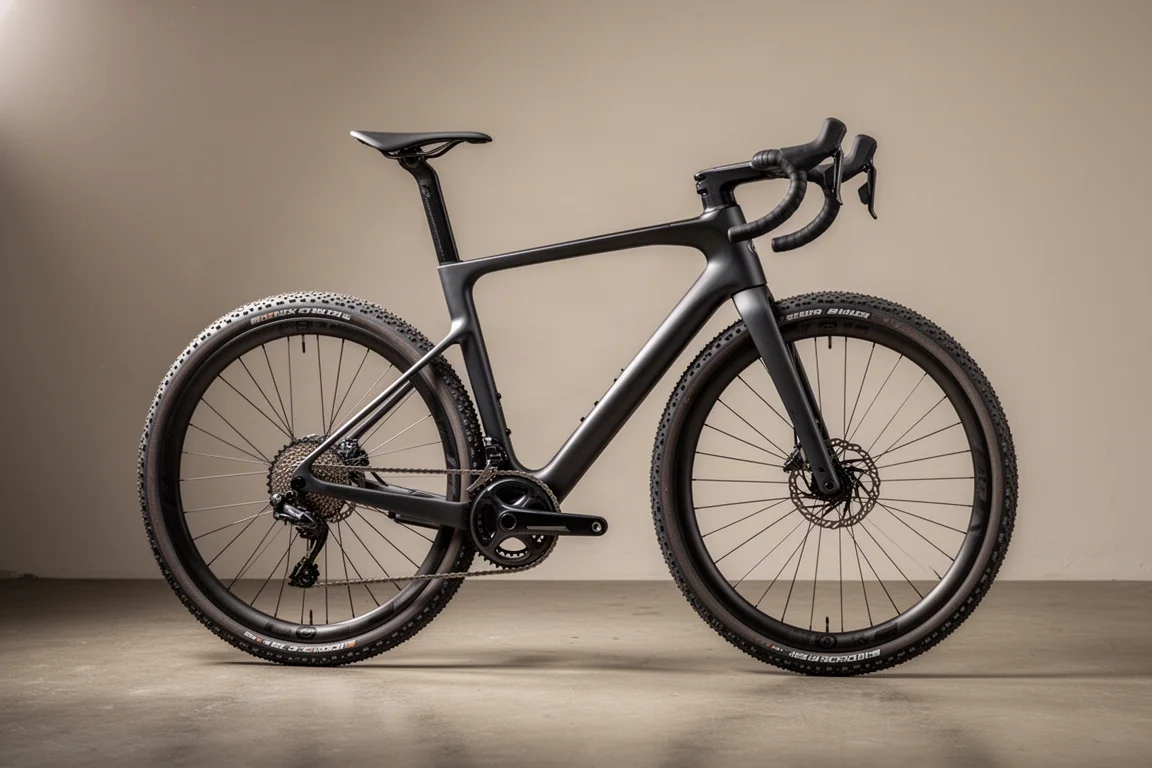
Cannondale has revived the SuperX name, and this time it arrives as a gravel race bike rather than the cyclocross machine it once was. The brand refers to it as the SuperX in its own materials, and the intent behind the bike is narrow and clear: it exists to be raced on gravel.
The company says it blended insight from its World Tour road engineering team with its gravel experience, and the result leans heavily on aerodynamic thinking and carbon construction lessons taken from the SuperSix Evo road race bike. That combination is what gives the new SuperX its character, and it is worth understanding before deciding whether it belongs on your shortlist.
Who the Cannondale SuperX Is For
This is a race bike, and it is designed around that single purpose. It is not a bikepacking platform and it is not positioned as an all-round adventure machine. Riders who want a fast, focused gravel bike for race days and hard training efforts are the natural audience.
The frame is also intended to work as a cyclocross race bike when fitted with 33mm UCI-legal tires, which means it can cover both fast gravel racing and weekend cyclocross racing without changing platforms. For riders who split their season between the two disciplines, that dual role is a meaningful part of the appeal.

If your riding leans toward loaded trips, long overnighters, or mixed-surface touring, the SuperX is not aimed at you. Cannondale has a separate model for that kind of riding, and this bike deliberately trades versatility for speed.
Main Strengths
The SuperX is built around three ideas: low weight at the top of the range, aerodynamic efficiency, and generous tire clearance. Each one feeds directly into the way the bike is meant to be ridden.
Lightweight Lab 71 Carbon and Aerodynamic Design
At the top of the range, the Lab 71 frame is claimed at under 900 grams for a painted 56cm frame. Cannondale says the figure is roughly 100 grams lighter than the non-Lab 71 models in the range, thanks to a higher proportion of high-modulus carbon fiber in the construction. The complete Lab 71 build, with a 13-speed SRAM Red XPLR groupset and Reserve wheels, carries a claimed weight of 7.6 kilograms.
The aerodynamic story comes straight from the road side of the company. The SuperX uses the internal routing system introduced on the SuperSix Evo, and the key element is a triangular Delta-shaped steerer tube that creates room for hoses inside the head tube alongside the headset bearings. The top-end build also gets a one-piece Momo handlebar and stem. Slim tube profiles and a D-shaped seatpost complete the picture.
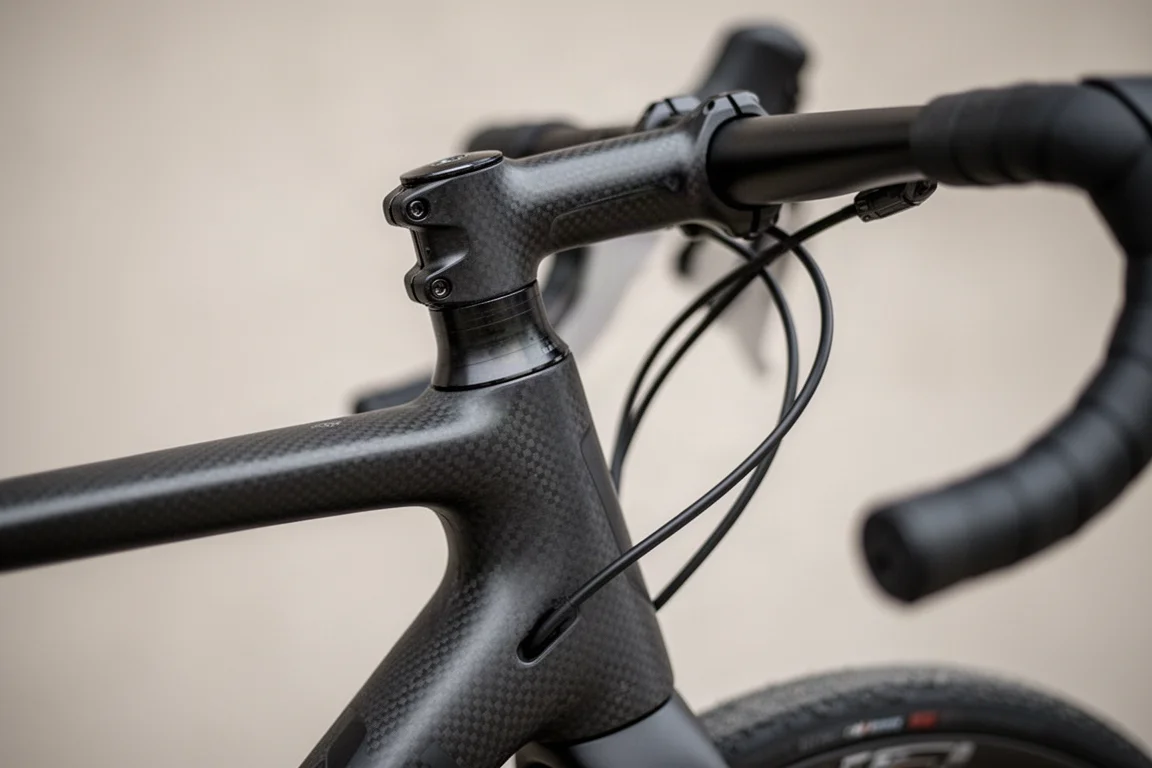
Cannondale also claims the shaped rear stays, flattened and kinked in key places, help take the edge off shocks and vibration. The same approach has appeared across the brand’s carbon road bikes over the years, and it is the main reason the SuperX is expected to ride with reasonable comfort for a race frame.
Tire Clearance and Handling
Tire clearance is the largest of any Cannondale gravel bike to date, with room for up to 51mm at the front and 48mm at the rear, leaving 4mm of clearance between the tire and the frame. That puts the bike toward the mid to high end of what current gravel race bikes offer, and it keeps the door open for riders who want more volume and grip on rough courses.
The geometry follows current gravel racing trends: a longer front center, a slacker head angle, and a longer 55mm fork rake aimed at stability on rough trails at high speed, while still keeping the steering nimble and agile. Like several of its rivals, the bike is designed around a short stem and a wide handlebar, which suits that style of handling.
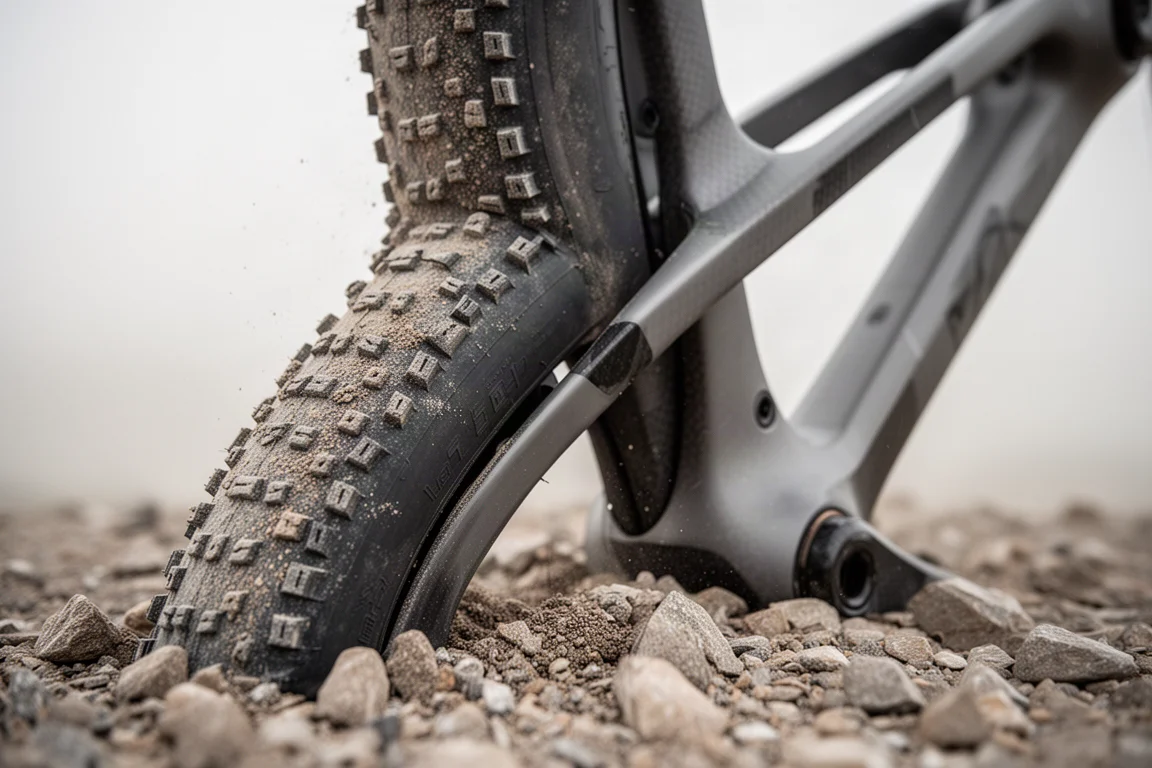
In mechanical terms the SuperX is refreshingly conventional. Cannondale has moved away from the press-fit standard it once introduced, and this bike uses a 68mm threaded bottom bracket. There is no SmartSense integration and no dished AI rear wheel, so the platform stays standard in most respects.
Things to Consider Before Buying
The SuperX is a stripped-back race frame, and that shows up in the details. There are no mounts for fenders or mudguards and no extra bottle or bag mounts. The only addition is a hidden bento mount on the top tube, a common fixture in the gravel world for carrying snacks.
That minimal approach makes sense for a bike built to race, though riders who want one bike to cover racing one weekend and a loaded ride the next may find the lack of mounting points limiting.
The range itself is small at launch, with only three builds to choose from and limited color options. The lower-tier models carry claimed weights of 9.1 kilograms and 8.4 kilograms, and there are no budget-focused entry options in the line-up. That means fewer price points to choose from than many competing gravel race bikes offer.
Buying Advice
Cannondale offers three complete builds at launch, priced from $4,200 up to $15,000. The Lab 71 sits at the top of the range with the lightest frame, the highest grade carbon fiber, and the most striking paint finishes, and it is the version to consider if weight and specification matter more than price.
The two more affordable models use Shimano GRX 2x groupsets, with Di2 or mechanical shifting depending on the price point, paired with the slightly heavier frame. A frameset is also available on its own for riders who prefer to build the bike to their own specification.

If you are chasing the lightest possible build and the aero details matter to you, the Lab 71 is the clear choice. If you want the same geometry and clearance at a lower cost, the GRX models deliver the platform without the premium carbon and paint. Riders who need mounting points, mudguard clearance, or a wider spread of price options should weigh those requirements carefully before committing to a race-first design.
Conclusion
The SuperX is a focused gravel race bike with a clear identity: light at the top end, aerodynamically informed, comfortable enough for long race days, and capable of running both wide gravel tires and 33mm cyclocross tires. The trade-offs are equally clear, with a minimal mount layout, a small three-build range, and a top price of $15,000.
For riders whose priority is speed on gravel and who already know they will race the bike, the SuperX makes a strong case. For riders who want one bike to do everything from racing to bikepacking, Cannondale’s own range points elsewhere.
Product link
View more details for Cannondale SuperX
This product is mentioned in the review. Check the specifications, options, and compatibility before buying.
View more details for Cannondale SuperXFurther reading
Related Reviews
Gravel Bikes
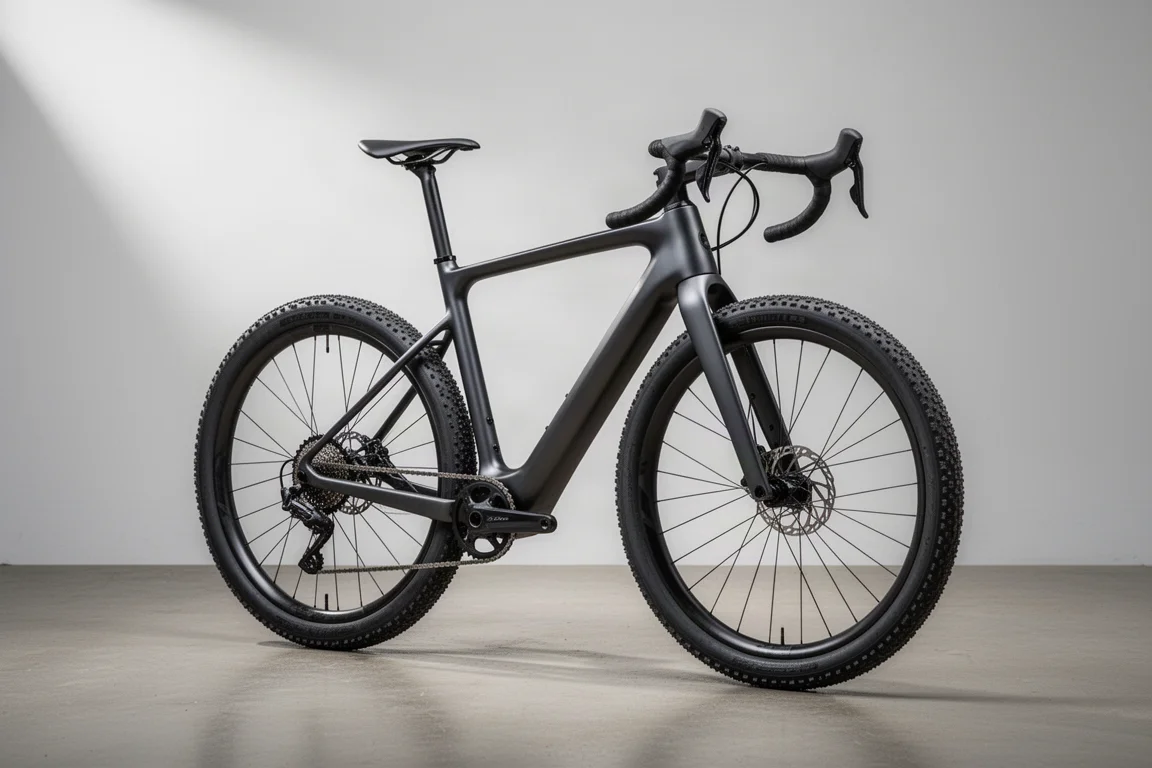
3T Exploro Ultra Review: A Fast Gravel Bike Built for Big Tyres
A close look at the 3T Exploro Ultra, an aero carbon gravel bike designed around wide tyres, with road-like handling, a 980 g frame and genuine rough-terrain capability.
Gravel Bikes
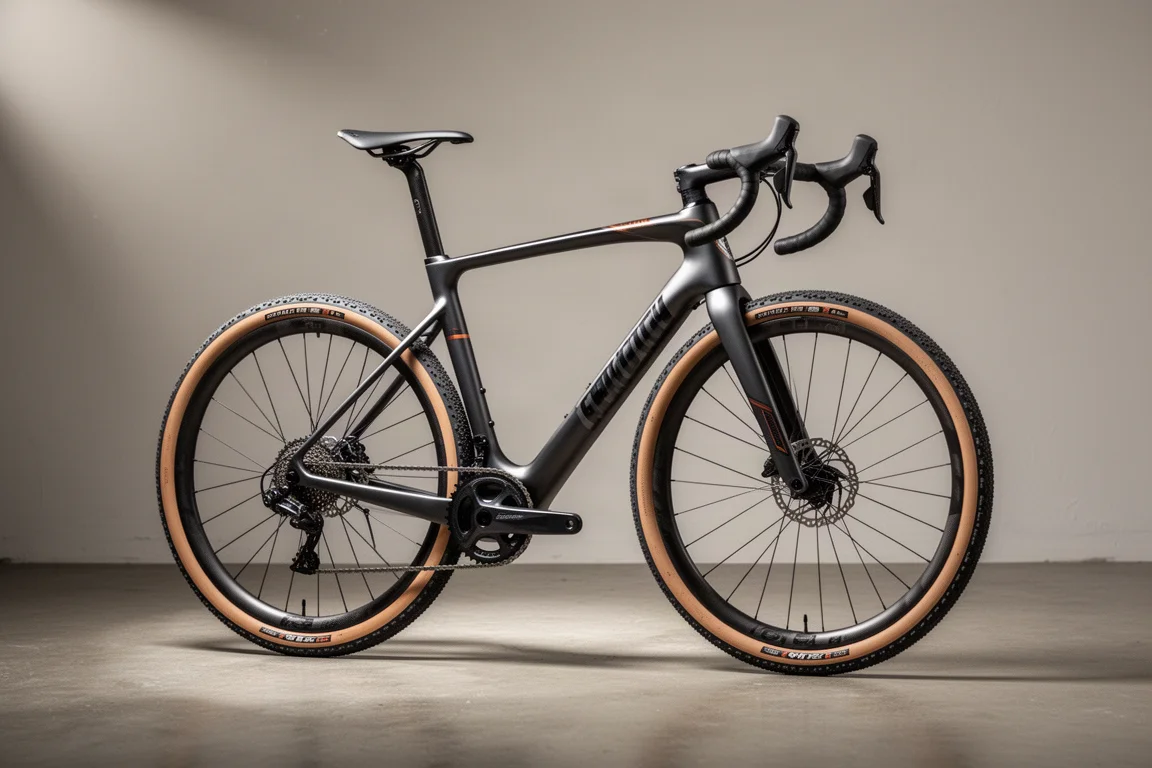
3T Extrema Italia Review: Aero Gravel Speed With Room for 57 mm Tires
The 3T Extrema Italia pairs an aero frame with huge tire clearance, Italian-made carbon and a more comfortable ride than the RaceMax. Here is what to know before buying.
Gravel Bikes
3T Race Max 2 Italia Review: An Aero Gravel Race Bike Made in Italy
A closer look at the second-generation 3T Race Max 2 Italia, covering its aero updates, ride character, tire clearance, internal storage and who it suits.