Gravel Bikes
Cannondale Super X Lab 71 Review: A Fast Gravel Race Bike Under Real Load
A close look at Cannondale's latest fast gravel platform, from tire clearance and cockpit fit to the repair setup that long-distance off-road racing demands.

Introduction
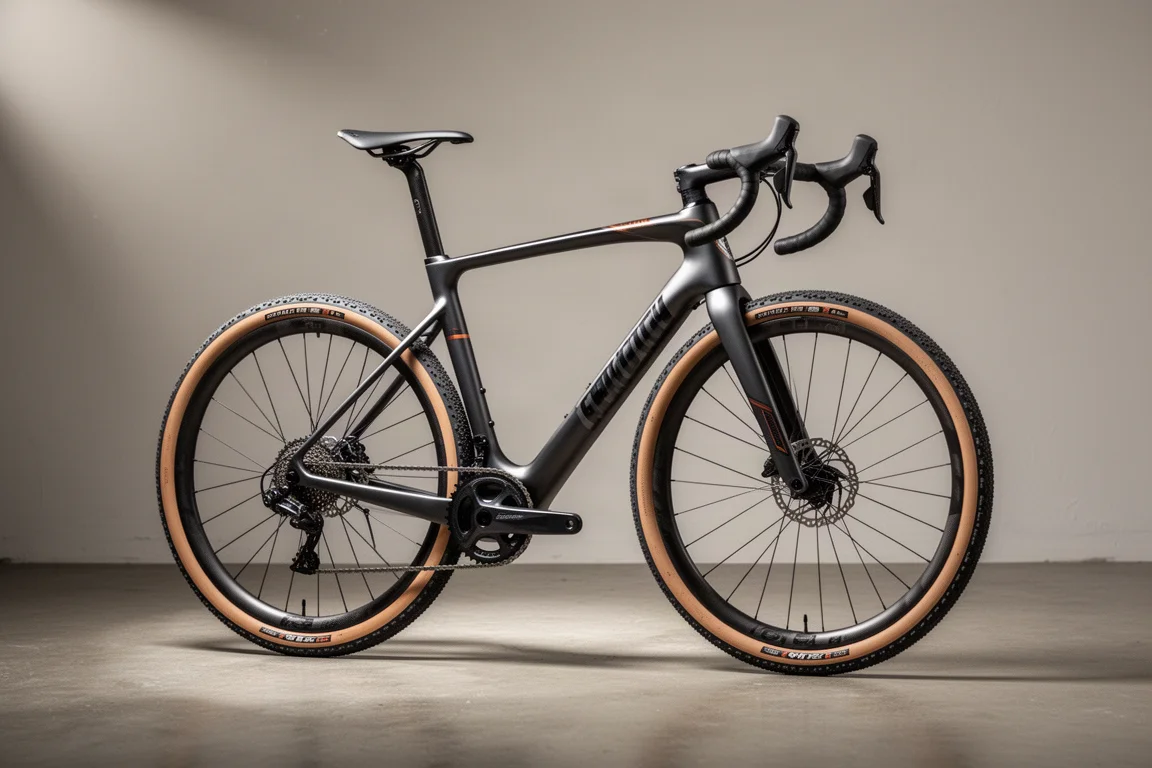
The Cannondale Super X Lab 71 is the latest version of Cannondale’s fast gravel platform, and it arrived here in exactly the kind of build that long-distance gravel racing produces: a carbon race frame, a one-piece road cockpit, and a component mix pulled from both the road and gravel sides of the parts bin.
This particular bike had spent roughly six weeks under a rider whose calendar is built around multi-hundred-kilometre off-road races. That is a useful way to judge a gravel bike, because the questions that matter are not about showroom finish. They are about tire clearance, cockpit adjustment, and how the frame copes with the punishment of fast, rocky, self-supported racing.
Who this product is for
The Super X is aimed squarely at riders who treat gravel as a race discipline. If your season revolves around long mixed-surface events where smooth roads, chunky rock, and whatever weather arrives all appear on the same day, this bike fits that brief. On one outing of around 360 km off-road, the terrain ranged from smooth gravel to rock to mud, which is precisely the spread the Super X was set up to handle.
It also suits riders who want a road-like feel from a gravel bike. The levers and cockpit on this build come straight from the road side of the range, and the handling was described as something to adapt to rather than something that needed correcting. The frame felt stable and predictable once the position was dialled in.

Riders who want a single bike for loaded bikepacking, technical singletrack, and fast group rides may find the Super X narrower in focus than they need. It is a race bike first, and it behaves like one.
Main strengths
Tire clearance is the headline change. The latest Super X opens up room for a wider rear tire, though with an important condition attached. With a front derailleur fitted, the tire clearance is the same as the previous version. Remove the front derailleur and you can fit a bigger rear tire. Up front, clearance is about the same as before, and a 2.1 inch tire can be squeezed in.
That gives riders a genuine choice rather than a marketing number. Run a front derailleur and stay inside the previous envelope, or go 1x and gain rear room. For long, rough courses where tire volume does most of the work of suspension, that flexibility is more valuable than a single headline figure.
Ride quality also came in for praise. Across a day that shifted from smooth gravel to rock to mud, the bike stayed composed and predictable, the sort of platform where a safer tire choice is rewarded over an aggressive one. The one-piece Cannondale road bar was singled out for its shape, and it was the first time this rider had used a one-piece cockpit on a gravel bike, which says something about how well that shape worked over a long distance.
Build and component choices
The build here is a deliberate mix rather than a catalogue specification. It runs road levers, one Ultegra and one Dura-Ace, paired with GRX front and rear derailleurs, a road crankset, and Ultegra brake calipers. The logic behind it is practical: road parts are easier to source through a road racing programme, and the lever feel is preferred for long days in the saddle.
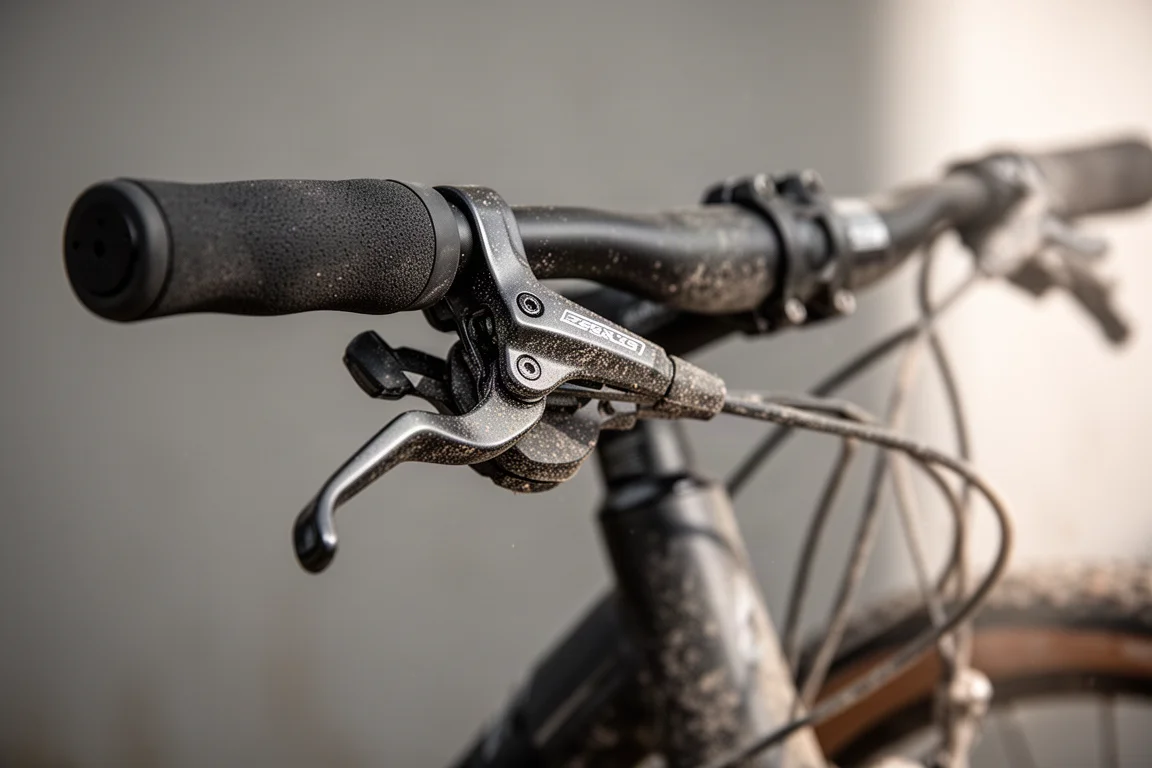
That mix is worth thinking about if you plan something similar. Road levers with gravel derailleurs can work well together, but it is a build decision to confirm with a mechanic rather than assume is stock. The one-piece cockpit is the other notable choice. It looks clean and stiffens the front end, but it also reduces the room to adjust stack, so your fit needs to be settled before you commit to it.
Things to consider before buying
The first consideration is how hard this discipline is on equipment. Around 150 km into a 360 km off-road day, a rim cracked and the ride was over, not because of a crash but because of the accumulated force of hammering along rough roads at speed. In a self-supported race there is little margin for a wheel that will not roll. That is the nature of the sport rather than a fault of the frame, but it is a reminder to budget for wheels and tires as consumables if you race at this level.
The second is fit. A one-piece bar removes the easy stack and reach adjustments that a separate stem and bar give you. If you are between sizes, or still refining your position, a two-piece cockpit is the more forgiving starting point.
Gravel suspension and tire volume
On the question of gravel suspension, this rider had never used it and would not comment on it directly. The broader view offered was that there is no single best gravel setup: four different courses would reasonably call for four different builds. Suspension has a clear place on some courses, and a high-volume tire at low pressure is the simplest way to achieve something similar, reducing the up and down motion transmitted through the frame.
Worth noting is the trade-off on grip. A bigger tire does not automatically deliver a large traction gain, and on very high-speed terrain it can even give away a little bite compared with something smaller. The honest conclusion is that tire volume and suspension are two routes to the same goal, and the right answer depends on the course, your riding style, and the tires you actually want to run.
Puncture repair and race-day setup
One of the most instructive parts of this bike is how much thought went into repairs. Plugs live in different places depending on the size of the hole. A large plug sits on the top tube for immediate access, a smaller one is taped under the computer mount, and dart-style plugs are carried on the body so they are reachable without stopping to unpack anything. The reasoning is that if you catch a cut early, stop, find it, and plug it while holding pressure, you often do not need to add air at all.
Tire levers and a 6 mm tool are taped together in one out-of-the-way spot, since fitting a tube is a bigger job and speed matters less. A pump sits on the opposite side, mostly reserved for tube changes. A quick link is tucked onto the brake hose line, which is one of the few external lines on an internally routed frame and a genuinely neat place to store it. CO2 cartridges are carried on the rider rather than on the bike, so the fastest fix is always within reach.
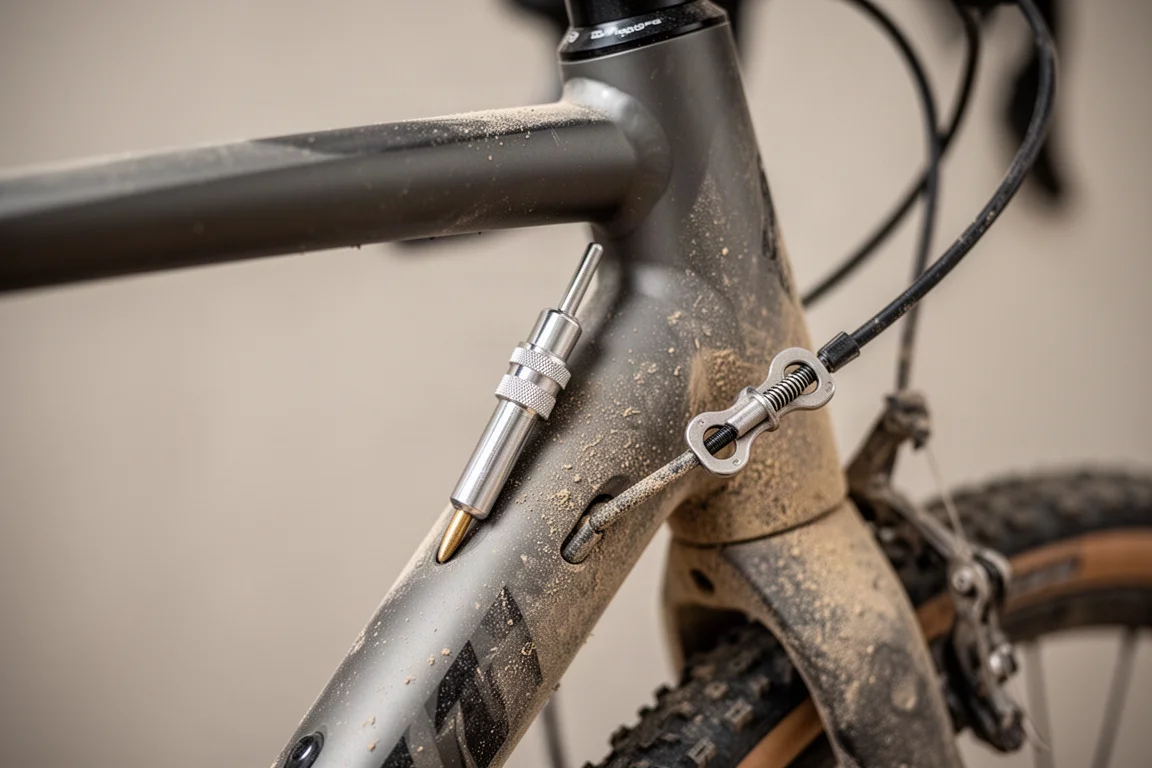
The principle is worth copying even if your components differ: group tools by the job they do, and keep the quick fixes separate from the slow ones.
Buying advice
The Super X Lab 71 makes the most sense if you are buying a gravel race bike rather than a general-purpose gravel bike. Before committing, decide how you want to run the drivetrain. A front derailleur keeps the previous tire clearance envelope, while a 1x setup unlocks more rear room. If your priority is long, rough courses where tire volume matters, that choice should drive the build rather than the other way round.
Get the cockpit decision right early. The one-piece bar was praised for its shape, but it limits how much you can move stack after the fact. If you already know your position, it is an easy call. If you are still experimenting, a two-piece setup keeps your options open. It is also worth planning for wheels and tires as wear items, because fast off-road racing is unforgiving on both.

For riders who race long mixed-surface events and want a platform that behaves like a road bike on smooth ground and stays composed when the surface deteriorates, the Super X is a coherent, well-resolved choice. For riders who want one bike to cover bikepacking, singletrack, and fast group rides, a more relaxed gravel frame will likely serve you better.
Conclusion
The Cannondale Super X Lab 71 is a focused gravel race bike, and that focus is its strength. It offers a real choice between drivetrain layouts and the tire clearance that comes with them, a stiff and clean front end, and handling that rewards a settled position and a sensible tire choice over constant tinkering.
Buy it if your riding looks like fast, long, mixed-surface racing and you want road-derived components and a race-ready cockpit. Look elsewhere if you need one bike to do everything, or if you are still dialling in your fit and want the adjustability that a two-piece front end provides.
Product link
View more details for Cannondale Super X Lab 71
This product is mentioned in the review. Check the specifications, options, and compatibility before buying.
View more details for Cannondale Super X Lab 71Further reading
Related Reviews
Gravel Bikes
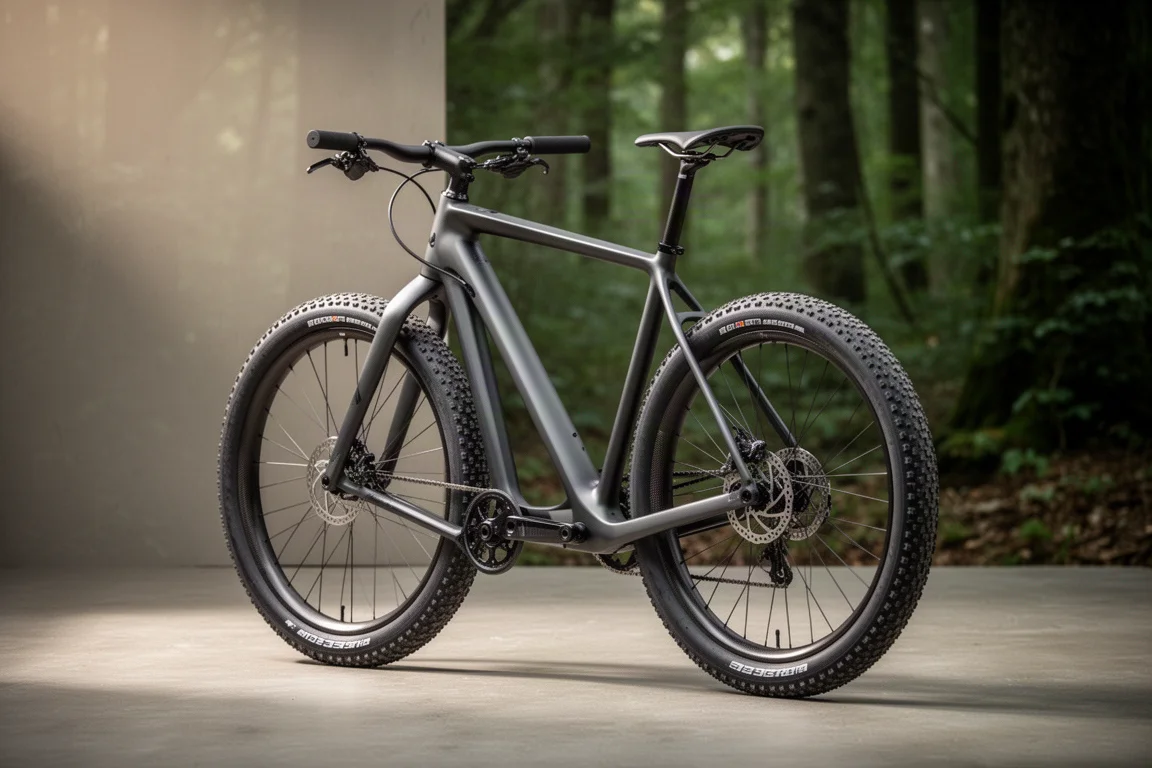
3T Exploro Ultra Review: A Fast Gravel Bike Built for Big Tyres
A close look at the 3T Exploro Ultra, an aero carbon gravel bike designed around wide tyres, with road-like handling, a 980 g frame and genuine rough-terrain capability.
Gravel Bikes
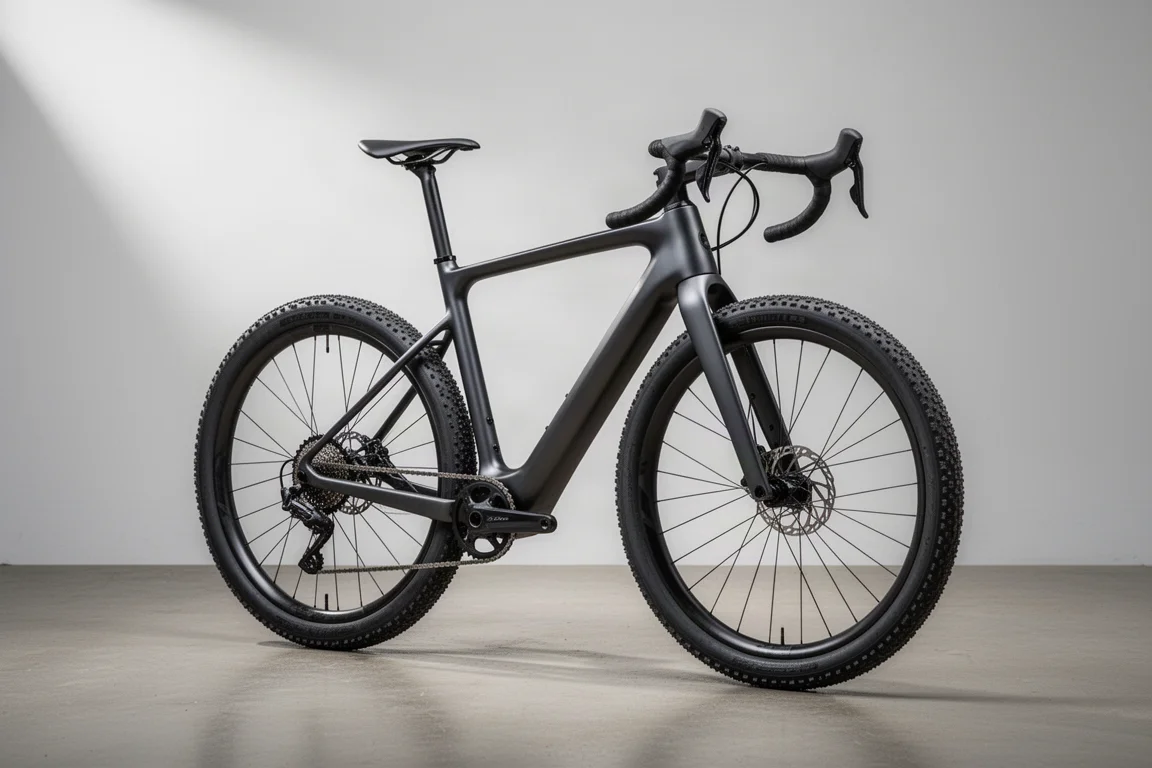
3T Extrema Italia Review: Aero Gravel Speed With Room for 57 mm Tires
The 3T Extrema Italia pairs an aero frame with huge tire clearance, Italian-made carbon and a more comfortable ride than the RaceMax. Here is what to know before buying.
Gravel Bikes
3T Race Max 2 Italia Review: An Aero Gravel Race Bike Made in Italy
A closer look at the second-generation 3T Race Max 2 Italia, covering its aero updates, ride character, tire clearance, internal storage and who it suits.