Gravel Bikes
Cannondale LAB71 Gravel Bike Review: Wide Tire Clearance, Very Big Price
Cannondale's new gravel platform brings a claimed 900 g frame, clearance for 51 mm front and 48 mm rear tires, and a top build that costs $15,000. Here is what matters before you buy.
Introduction
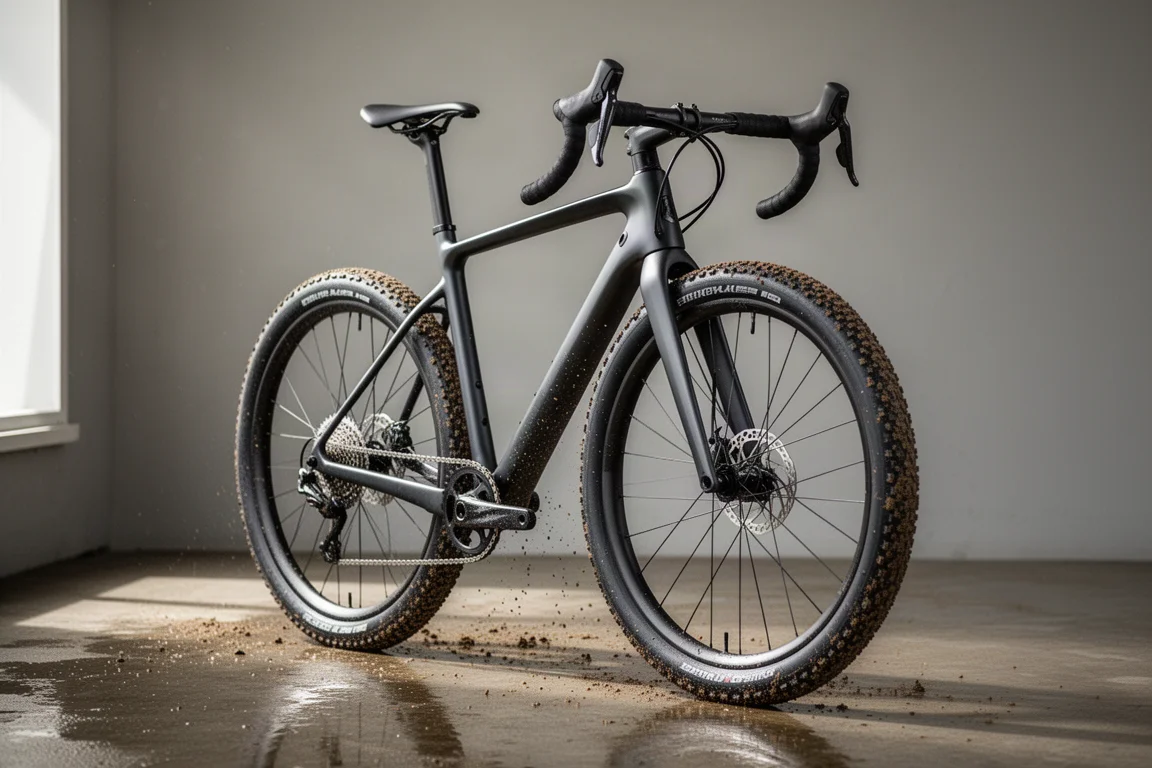
Cannondale’s newest gravel bike arrives with a lighter LAB71 frame, noticeably more room for wide tires, and a top build that costs $15,000. The headline numbers are easy to list: a claimed 900 g frame that is 100 g lighter than the previous version, clearance for 48 mm tires at the rear and 51 mm up front, and aero testing carried out at 35 km/h.
The geometry carries over from the previous model with one small change, a slightly dropped bottom bracket that makes space for the bigger rear tire. There is also a revised frame detail aimed at improving mud clearance. Whether all of that adds up to a bike worth buying depends largely on how much you value wide tires and how you feel about the price of the flagship build.
Who This Bike Is For
This is a race-oriented gravel bike for riders who want the widest rubber they can reasonably fit on a 700c wheel. If your events run long, your courses run rough, and you have watched tire widths at the front of US gravel races drift upward, the new clearance is the most relevant change on the whole bike.

It is also a bike for riders who already get along with the handling of the previous version, since the geometry is unchanged apart from that dropped bottom bracket. If you are shopping mainly on value, the same brand offers a much cheaper route into the same family, and that is worth weighing before you commit to the flagship.
Main Strengths
Three things stand out. First, tire clearance: 51 mm at the front and 48 mm at the rear, with at least 4 mm of space on each side of the tire on a 700c wheel. That is a meaningful step for a race frame and it reflects what riders at the sharp end of long gravel events are actually asking for.
Second, weight. The LAB71 frame is claimed at 900 g, a 100 g saving over the previous version, and the complete bike is claimed at 7.4 kg in a 56 cm size. Third, the aero work. Testing was carried out at 35 km/h, roughly the average speed a top rider sustained at Unbound, and the new frame is claimed to be 1.6 W faster than the old one while offering more tire clearance at the same time. That combination, more room for tires and less drag, is the harder engineering problem and it is the part of this bike that reads as genuinely new.
Tire Clearance: Where the New Frame Moves Forward
The clearance figures are the real story here. With 48 mm at the back and 51 mm up front, and at least 4 mm of gap on each side of the tire, this frame will take rubber that the previous version simply could not. The old bike was only intended to accept 45 mm tires, so the new platform is a clear response to what its sponsored riders want.
That demand is easy to trace. The setup that won Unbound ran a 50 mm front tire with a 44 mm rear, which left very little mud room in the fork. Riders winning gravel races in the US have been moving steadily wider, and some professionals have reported that mountain bike tires are undeniably faster for their races. Cannondale has not gone all the way to mountain bike widths, but it has moved far enough that the frame no longer limits the tire choice for most race setups.
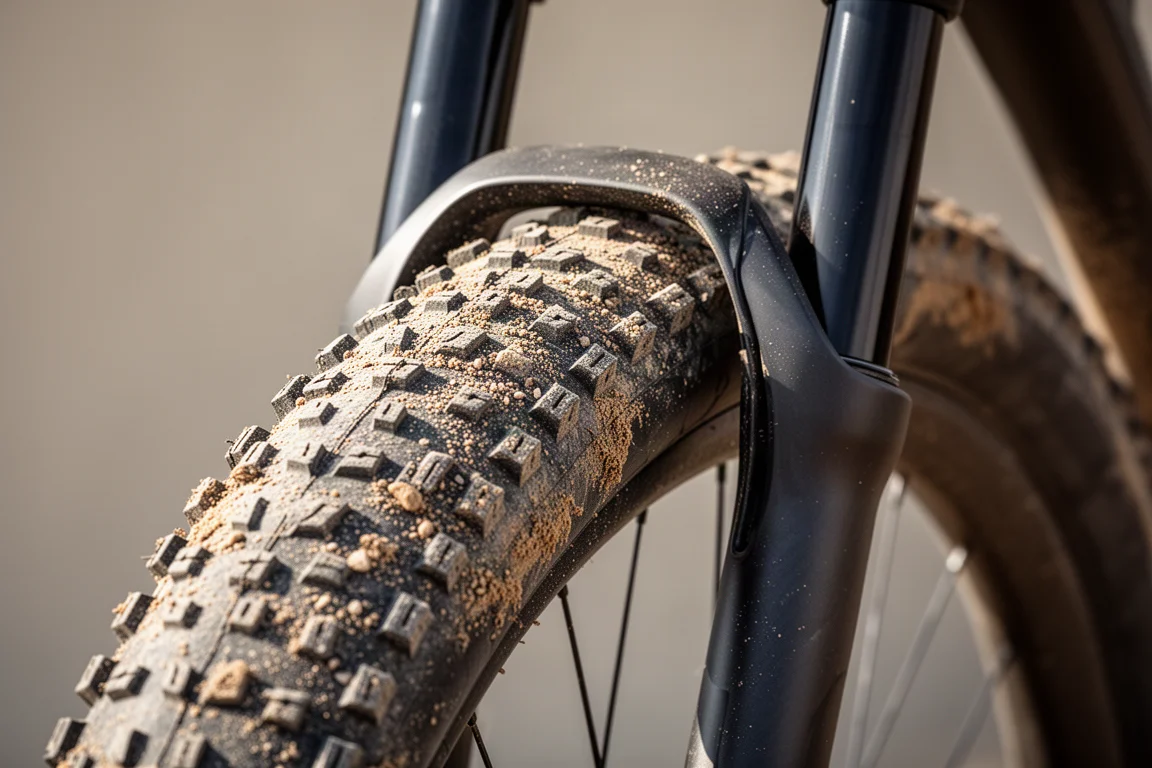
For buyers, the practical question is whether you will use it. If your local gravel is loose, chunky or muddy, the extra room matters and you will feel it in control and comfort. If your riding is mostly smooth hardpack and you have been happy on 40 to 45 mm tires, the clearance is a nice ceiling to have but it will not change your rides much.
Aero Claims and Weight: What the Numbers Mean
A 1.6 W saving over the previous frame is a real improvement, and achieving it while adding tire clearance is a solid piece of design work. It is also a very small number in practice. For a rider pushing for the front of a 200 mile event it translates into a time saving, but for the rest of us, time spent training and shortening feed stops will count for far more than a frame that is marginally faster in a wind tunnel test at 35 km/h.
Weight tells a similar story. The LAB71 complete bike is claimed at 7.4 kg in a 56 cm size, which puts it in familiar company: an S-Works Crux is around 7.2 kg and a Trek Checkmate around 7.5 kg. The SuperX 2, the more affordable build, is claimed at 8.6 kg, and the claimed gap between the two Cannondale builds is 1.2 kg. At the lower price point, a Crux Pro model is claimed at 7.6 kg and a Checkmate SLR 7 at 8.1 kg, so the SuperX 2 gives away a little weight but not an unreasonable amount for the money.
Price and Positioning
The top build with a SRAM Red AXS groupset is $15,000. The SuperX 2 with a 2x GRX Di2 groupset is $6,800. The difference between them is $8,200, and what you get for that is a claimed 1.2 kg weight saving and SRAM Red instead of GRX. That is a hard gap to justify on performance alone.
Look at the wider market and the picture gets sharper. An S-Works Crux is $12K and a Trek Checkmate is $12K, and both the Colnago C68 Gravel and a custom Enve MOG come in cheaper than the flagship Cannondale. The frame set appears to be where most of the money is absorbed, which is why the flagship build sits so far above the rest of the range.
Other brands have been moving in the opposite direction on price, trimming costs because most riders want sensibly priced bikes. That does not make the LAB71 a bad bike. It makes the value question the central one, and it makes the frame set, rather than the complete flagship build, the decision worth thinking through carefully.
Things to Consider Before Buying
Price is the obvious one. At $15,000 the flagship build sits well above comparable top-end gravel bikes, and the extra spend buys a modest weight saving and a different groupset rather than a fundamentally different ride.
The aero gain is small enough that it should not drive your decision. A 1.6 W improvement at 35 km/h is unlikely to be noticeable on your local loops, and there are cheaper ways to chase speed.
The geometry is carried over from the previous model, with the slightly dropped bottom bracket as the only change, so if you were hoping for a different fit or handling character, this is not that bike. Clearance is also asymmetric, 51 mm front and 48 mm rear, so check the tires you plan to run and how much mud room you want to keep. Finally, first-ride impressions are not available yet, so the ride quality and real-world manners of the new frame remain unconfirmed.
Buying Advice
If wide tires, low weight and the latest frame are what you want, and budget is not the constraint, the LAB71 is the version to choose. It is the lightest and most capable build in the range on paper.
If you want most of the practical benefit for a lot less money, the SuperX 2 at $6,800 with a 2x GRX Di2 groupset is the sensible entry point. It gives up a claimed 1.2 kg and uses GRX instead of SRAM Red, but it keeps the aero tube shapes, the wide clearance and the same core frame thinking.
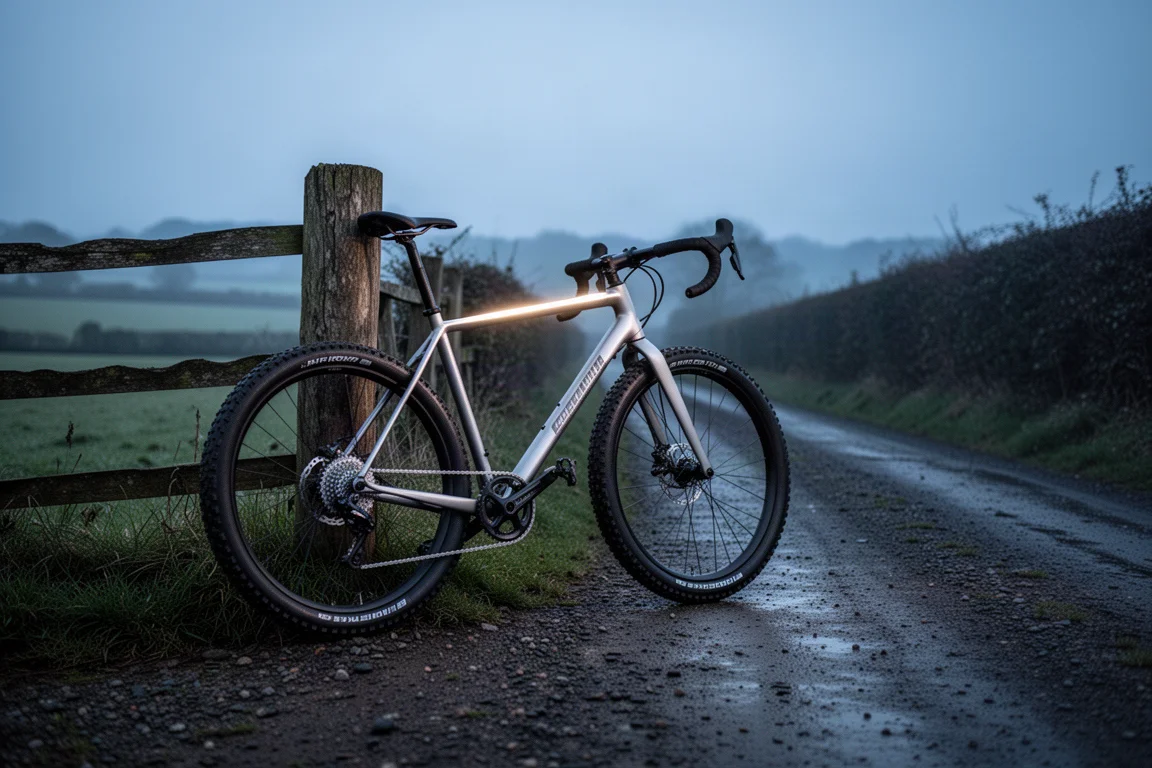
If you are not planning to run tires anywhere near 50 mm, the case for paying for this level of clearance weakens considerably, and your money is likely better spent elsewhere in the range or on a different brand entirely.
Conclusion
Cannondale has built a genuinely interesting gravel platform. The claimed 900 g frame, the 51 mm front and 48 mm rear clearance, and the revised mud clearance detail all point to a brand listening to what its fastest riders need. The aero gain is small, but it came alongside more tire room, which is the harder trick.
The sticking point is the flagship price. At $15,000, the top build asks more than double the SuperX 2 for a claimed 1.2 kg saving and a different groupset, while competing bikes from other brands undercut it. If you want the frame and the clearance, this is a compelling package. If you want value, the cheaper build in the same range is the one that makes more sense.
Product link
View more details for Cannondale LAB71
This product is mentioned in the review. Check the specifications, options, and compatibility before buying.
View more details for Cannondale LAB71Further reading
Related Reviews
Gravel Bikes
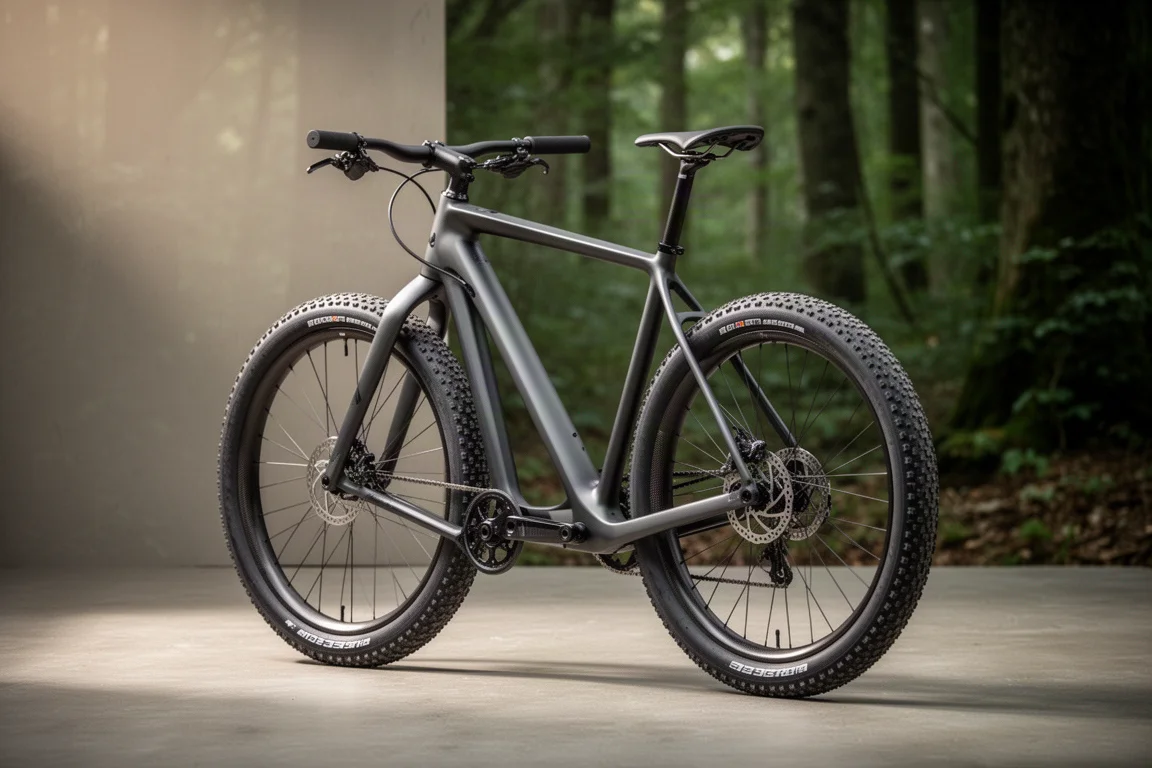
3T Exploro Ultra Review: A Fast Gravel Bike Built for Big Tyres
A close look at the 3T Exploro Ultra, an aero carbon gravel bike designed around wide tyres, with road-like handling, a 980 g frame and genuine rough-terrain capability.
Gravel Bikes
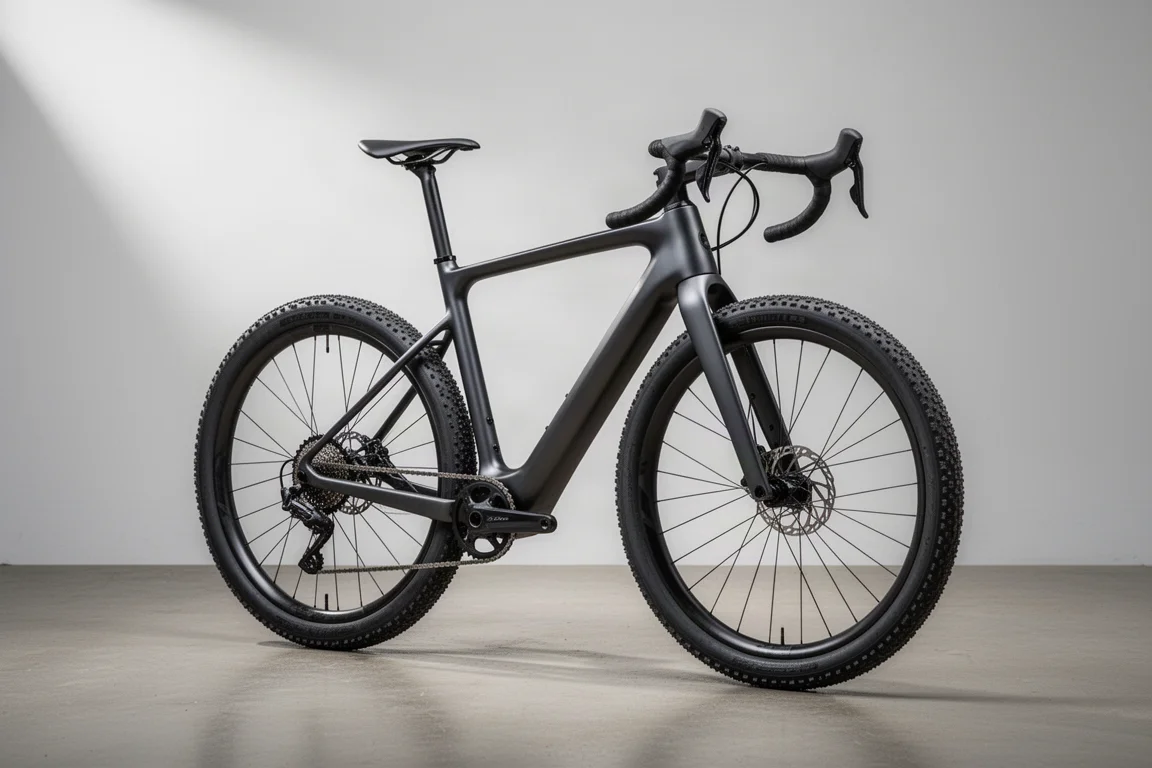
3T Extrema Italia Review: Aero Gravel Speed With Room for 57 mm Tires
The 3T Extrema Italia pairs an aero frame with huge tire clearance, Italian-made carbon and a more comfortable ride than the RaceMax. Here is what to know before buying.
Gravel Bikes
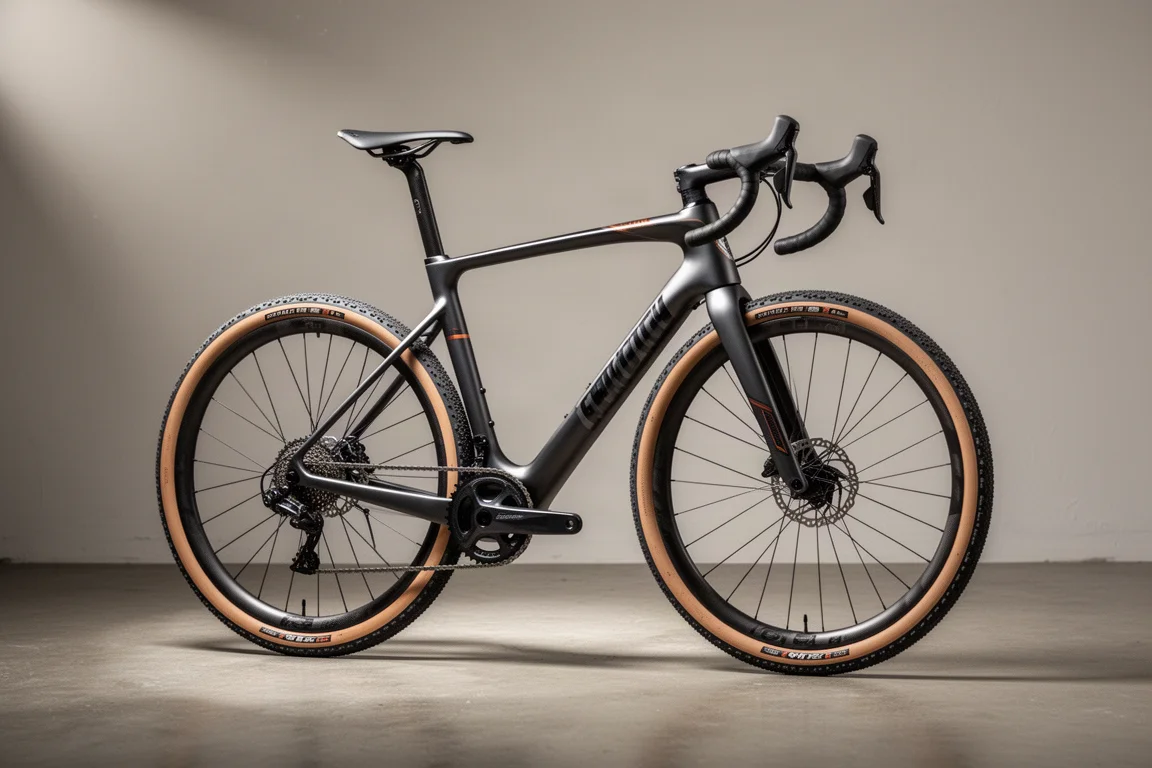
3T Race Max 2 Italia Review: An Aero Gravel Race Bike Made in Italy
A closer look at the second-generation 3T Race Max 2 Italia, covering its aero updates, ride character, tire clearance, internal storage and who it suits.