Camping Stoves
Canister Camping Stoves Compared: Top-Mounted, Integrated, and Remote Options
A practical guide to the main types of gas canister camping stoves, with model-specific strengths, trade-offs, and buying advice for backpackers and campers.
Introduction
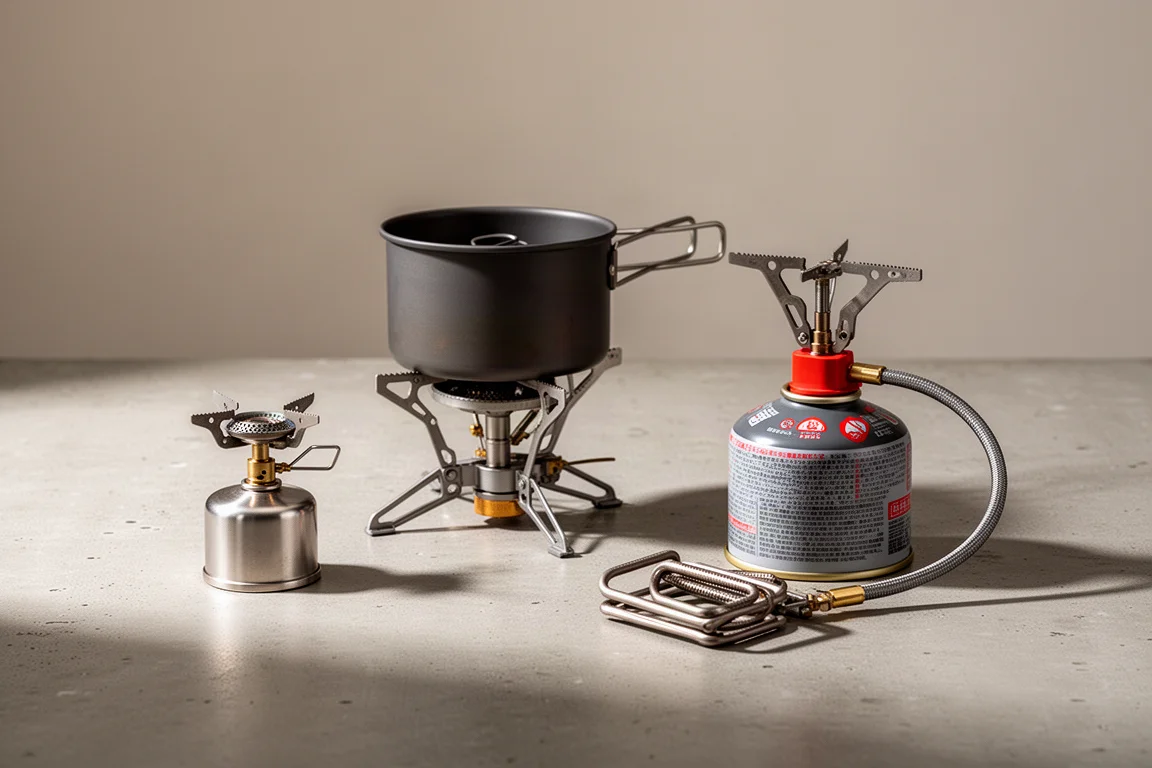
Gas canister stoves are a cornerstone of backpacking and camping kitchens. They are compact, easy to use, and capable of boiling water quickly. But not all canister stoves are the same. The design of the stove, the burner, and the pot support all influence how it performs in wind, cold, and real cooking situations. This guide covers the main types of gas canister stoves, highlights specific models worth knowing, and offers practical buying advice.
What to Look For in a Canister Stove
When evaluating a gas canister stove, consider how you will use it most.
Burner design and heat distribution. A narrow flame concentrates heat in the centre of a pot, which works for boiling water but creates hot spots with frying pans. Wider flame patterns and heat exchangers spread heat more evenly.
Wind resistance. Wind strips heat from the pot and can prevent a stove from boiling efficiently. Some stoves include a lip around the burner or a built-in windshield. An external windshield can make a big difference for stoves without those features.
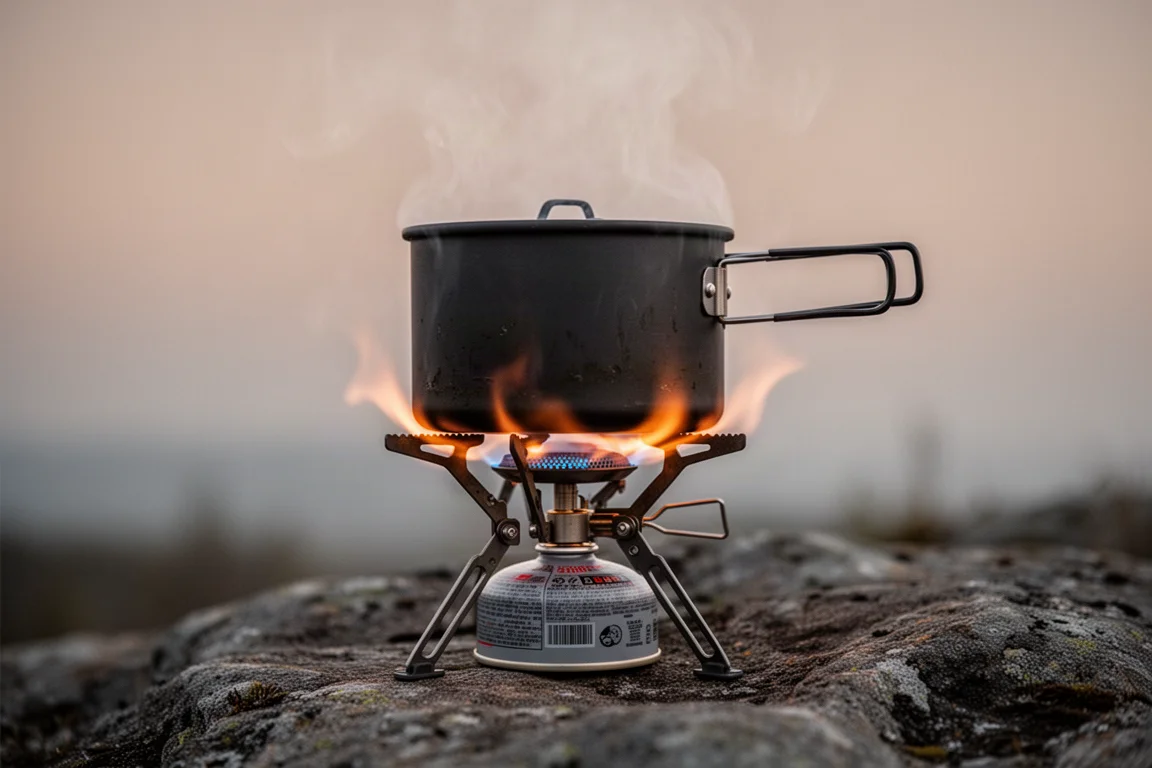
Cold-weather performance. Standard isobutane mixes lose pressure in cold conditions, reducing output. Stoves with a built-in pressure regulator maintain more consistent performance. Remote canister stoves with a preheat tube can run on inverted canisters, using liquid fuel to maintain pressure when temperatures drop or the canister is nearly empty.
Stability and pot support. Top-mounted stoves can be top-heavy, especially with a large pot. Remote canister stoves sit lower and often have wider pot supports, making them more stable for cooking.
Ignition. Built-in piezo igniters add convenience but can fail over time. A separate lighter with a flint is a dependable backup.
BRS 3000: Ultralight Top-Mounted Stove
The BRS 3000 is a titanium top-mounted canister stove that weighs around 28 grams. It is a favourite among backpackers for its minimal weight and compact folded size. It will boil water, but it is not great for cooking, and it performs poorly in wind. It is a budget-friendly option for someone who wants a backup stove or a minimalist setup where weight is the priority.
SOTO WindMaster: Regulated Top-Mounted Performance
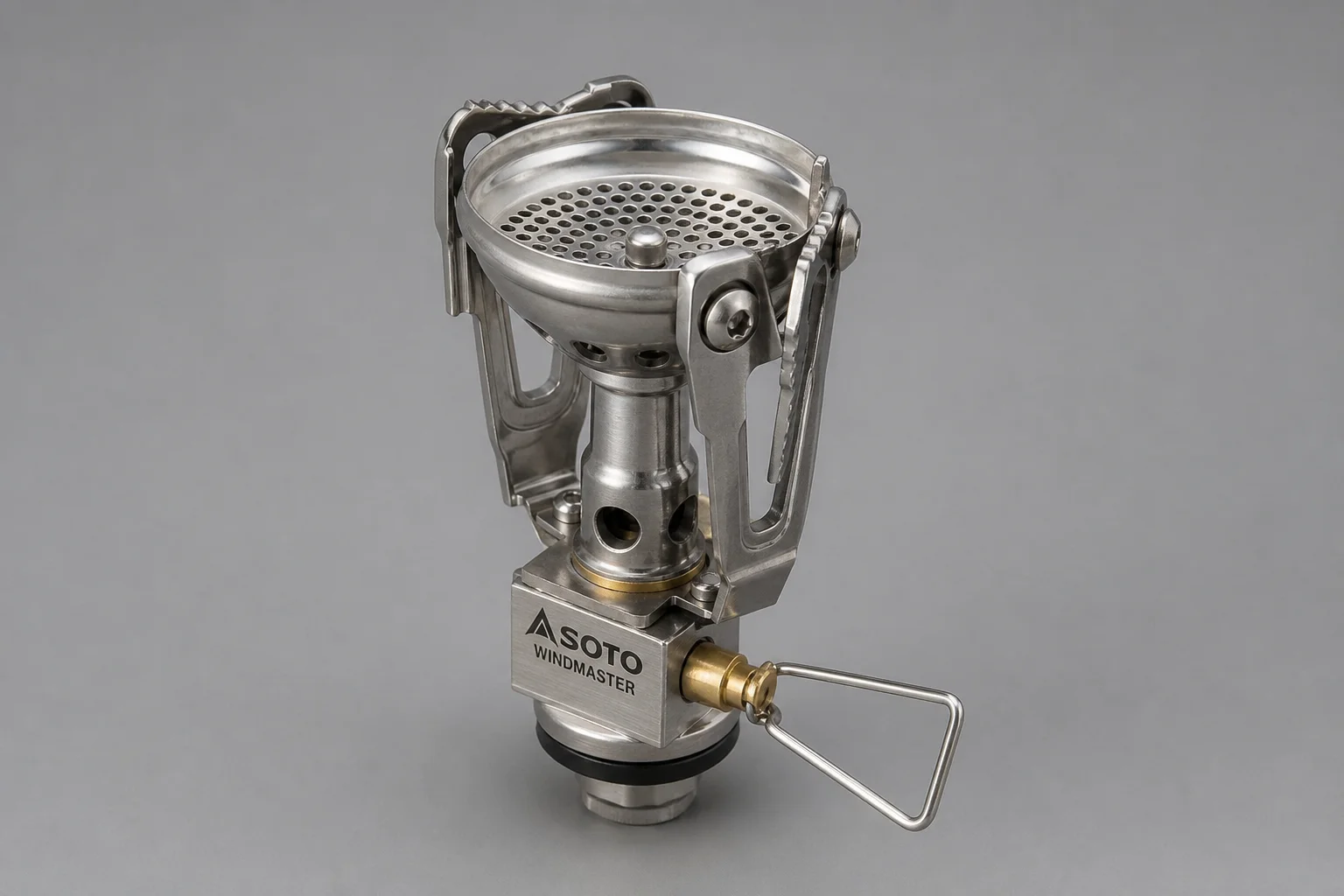
The SOTO WindMaster is a top-mounted canister stove with a built-in pressure regulator and a lip around the burner that improves wind resistance. The pressure regulator helps maintain consistent output in colder weather and at higher altitudes. It is one of the more featured top-mounted stoves, and it addresses two common weaknesses of basic canister stoves: cold-weather performance and wind sensitivity.
MSR Pocket Rocket Deluxe: Regulated and Wind-Resistant
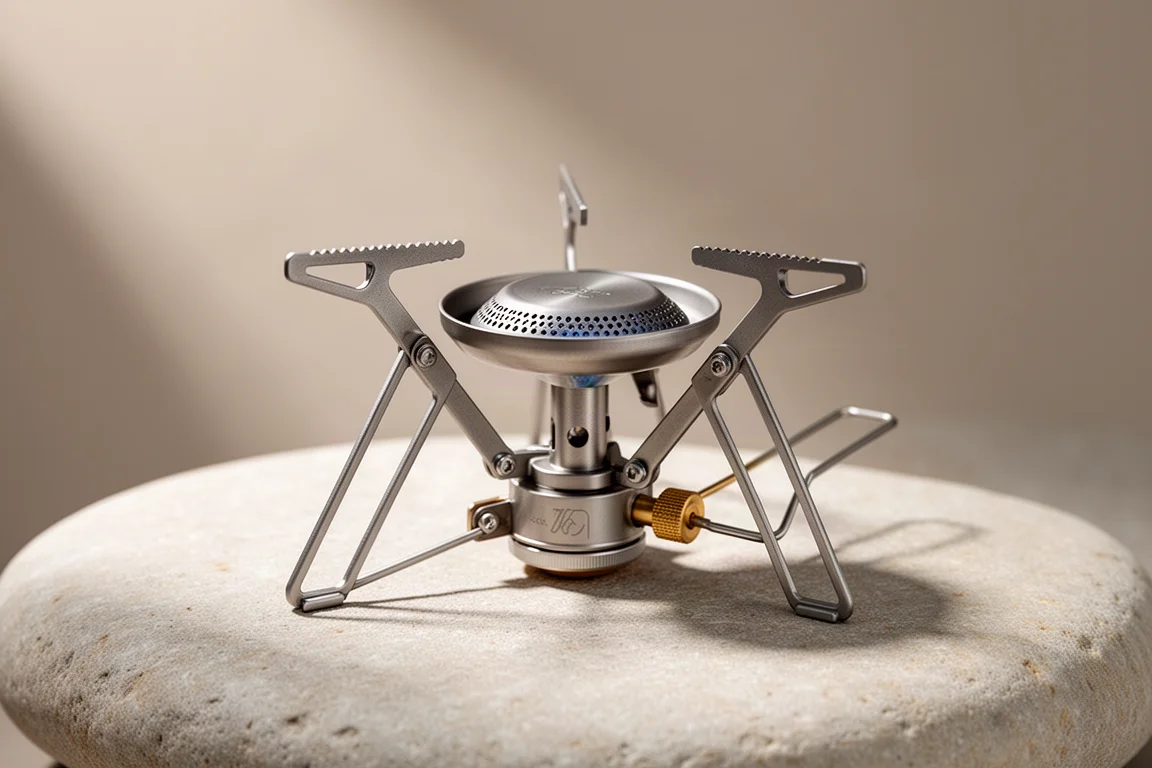
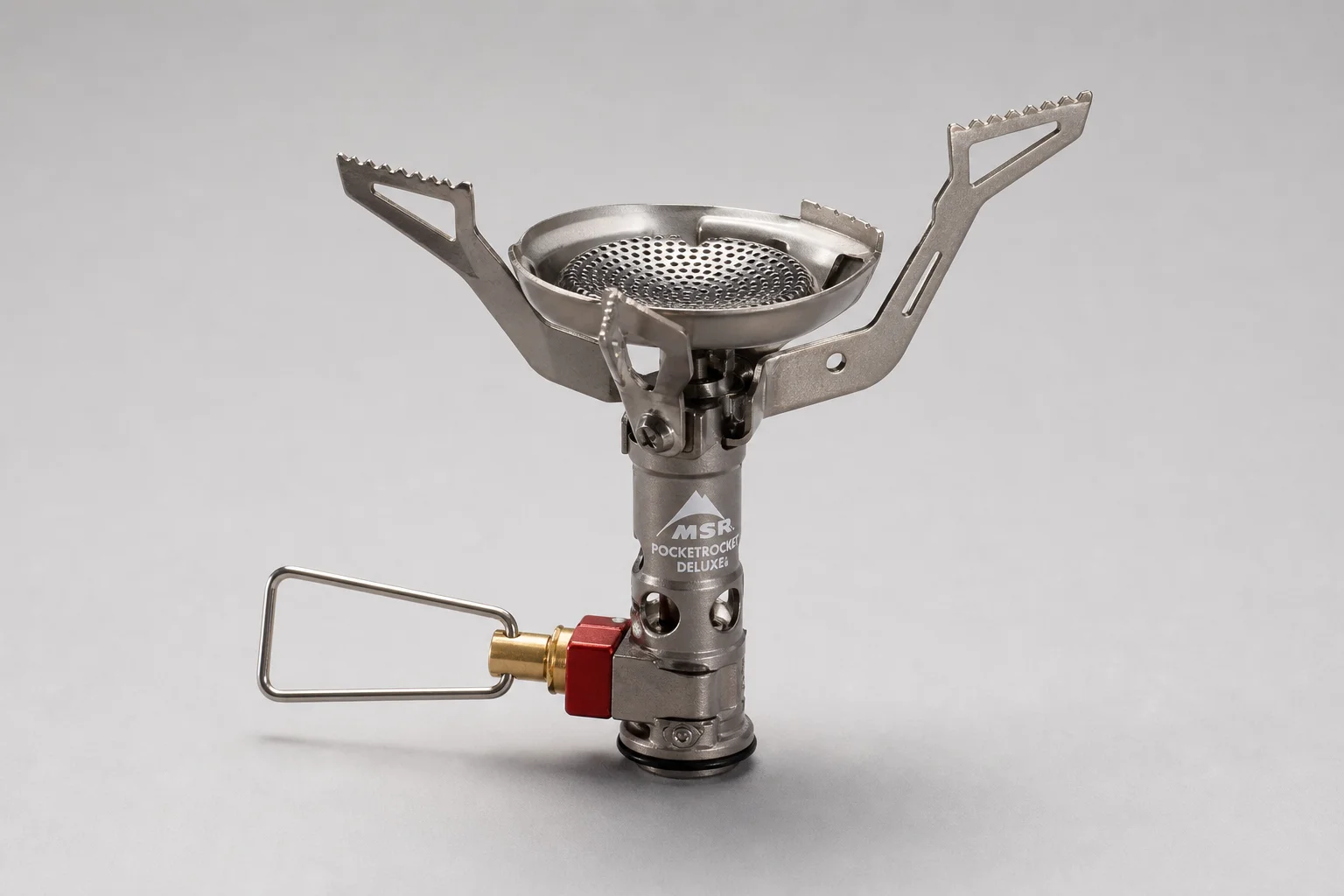
The MSR Pocket Rocket Deluxe follows a similar approach to the WindMaster. It has a pressure regulator and a raised lip around the burner for better wind resistance. It is a solid choice for someone who wants a light top-mounted stove that handles wind and cold better than a basic model. It is a popular option for backpackers who want reliable performance without moving to an integrated system.
Jetboil: The Integrated Boil Specialist
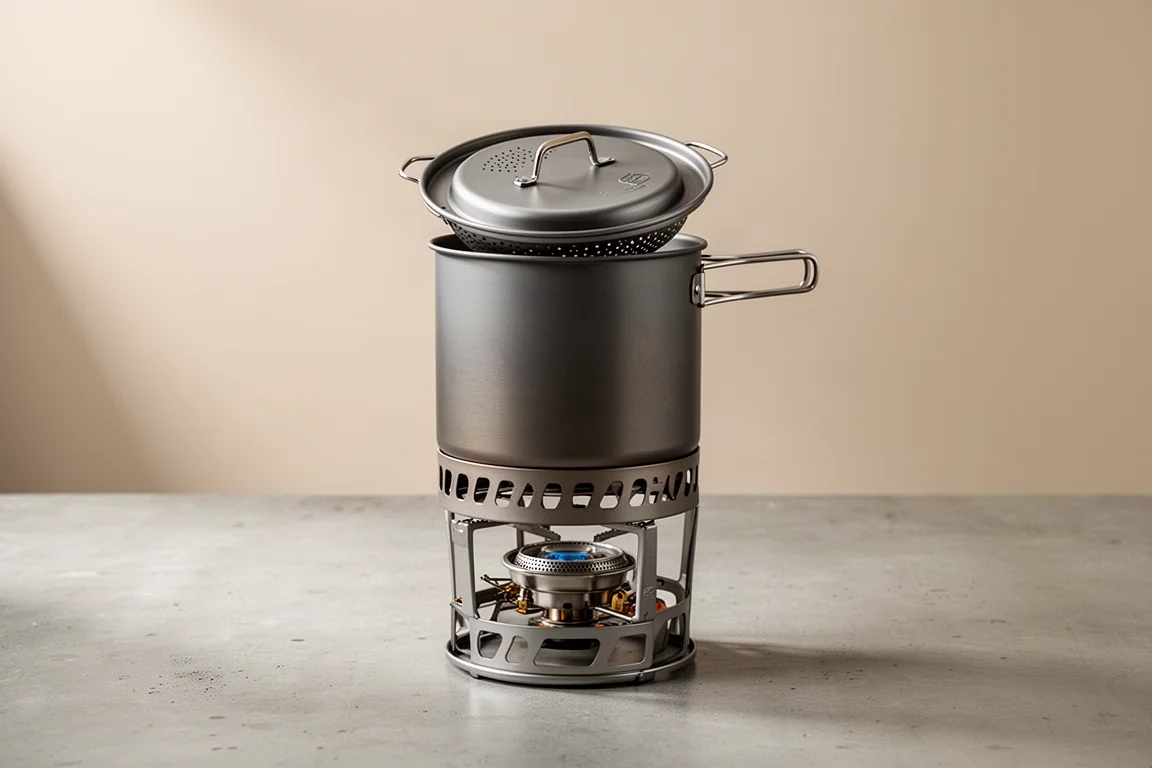
The Jetboil is the best-known integrated canister stove. It comes with a pot, a lid with a strainer, and a burner that stores inside the pot. The pot has a flux ring, which is a heat exchanger that spreads heat across the bottom and holds more of the flame inside. This design makes it exceptionally efficient at boiling water.
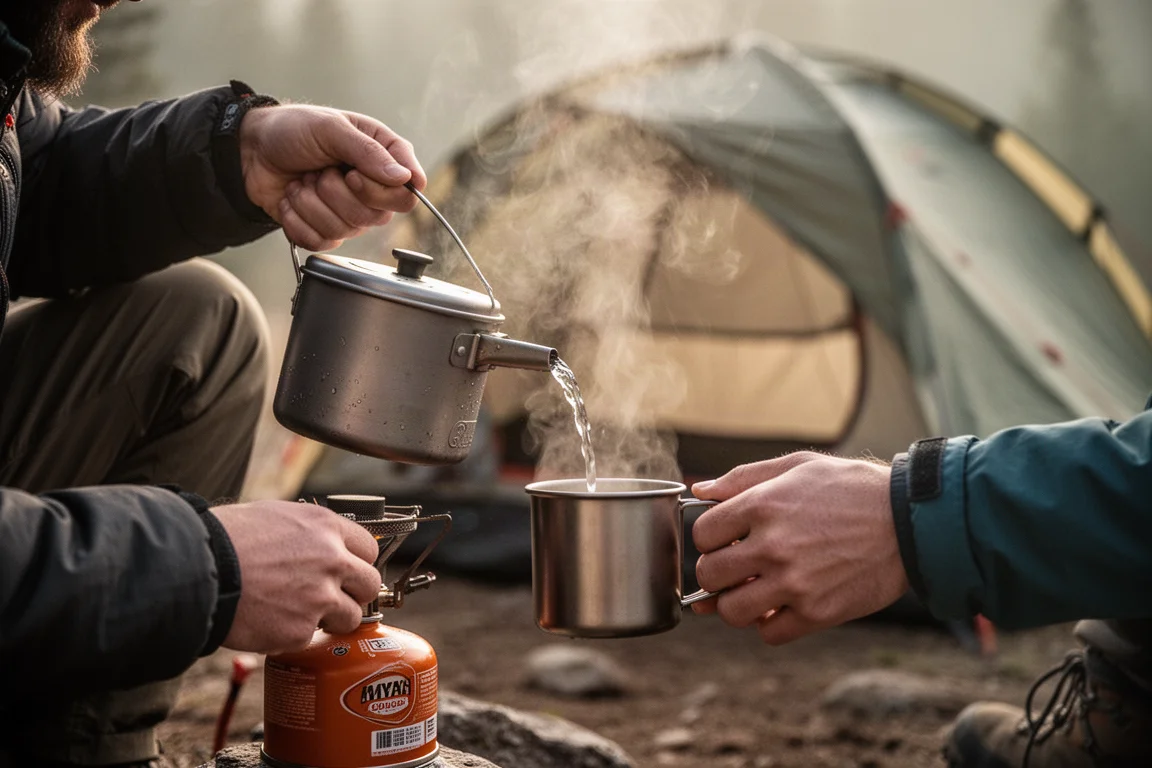
Half a litre of water can boil in around two minutes, using roughly five to six grams of gas in ideal conditions. A 100-gram canister can deliver around 20 half-litre boils. It is a powerhouse for boiling water, but it is bulky and not designed for delicate cooking. The flame pattern is narrow, so it can create hot spots in a frying pan. It has a built-in piezo igniter, though those can eventually fail. You can get a pan or pot adapter that fits on top, but the flame remains centralized, so even heat distribution is limited.
MSR Switch: Versatile Integrated System
The MSR Switch is another integrated system, but instead of a flux ring it uses a spherical shape at the bottom of the pot to distribute heat over a larger surface area. It has built-in pan support arms that fold out, so you can use a separate pot or frying pan. It also has some wind protection from triangular shields around the burner. It is efficient on gas and more versatile than the Jetboil, but it does not boil water as fast and is more susceptible to wind because the flame is not fully enclosed. It has a built-in igniter, and it accepts a canister support for added stability.
Fire Maple Mars: Radiant Heat and Remote Canister Design
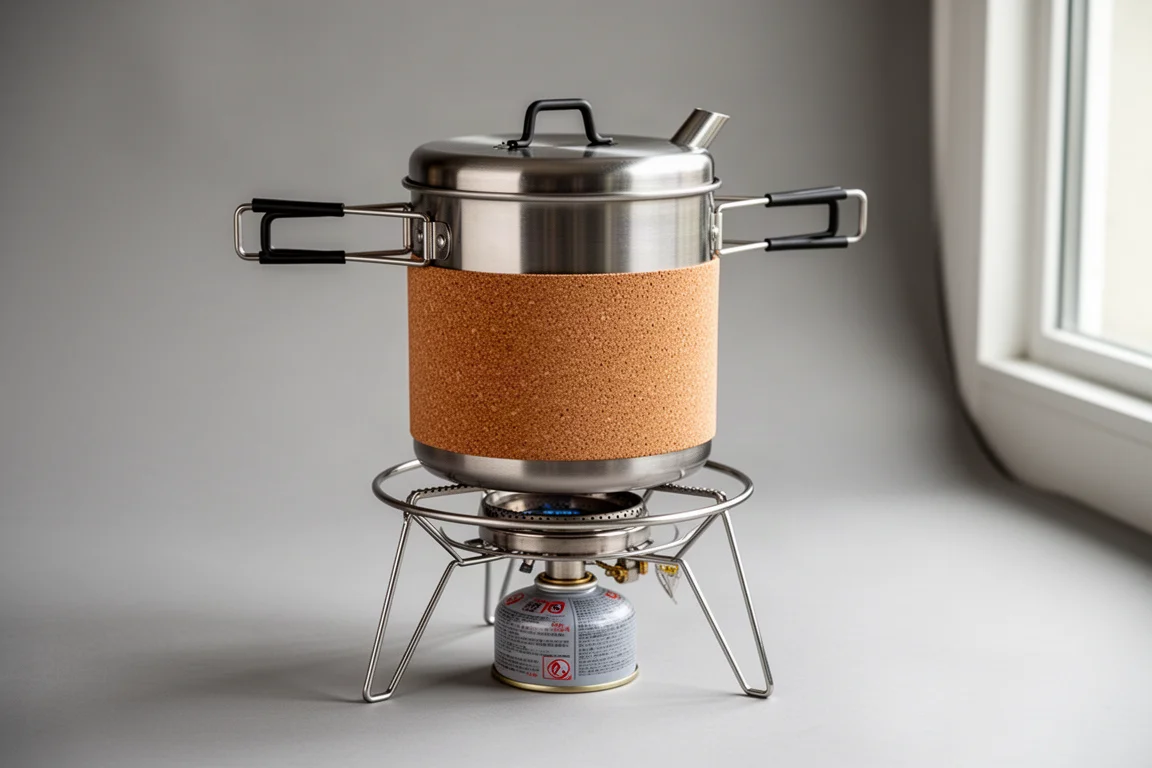
The Fire Maple Mars is an integrated system with a difference: it uses a remote canister, so the burner sits lower and the canister is away from the heat. It also uses a radiant heat burner with a mesh top that glows and gives off a large amount of heat. It is quieter than a standard rocket-style stove and boils water quickly.
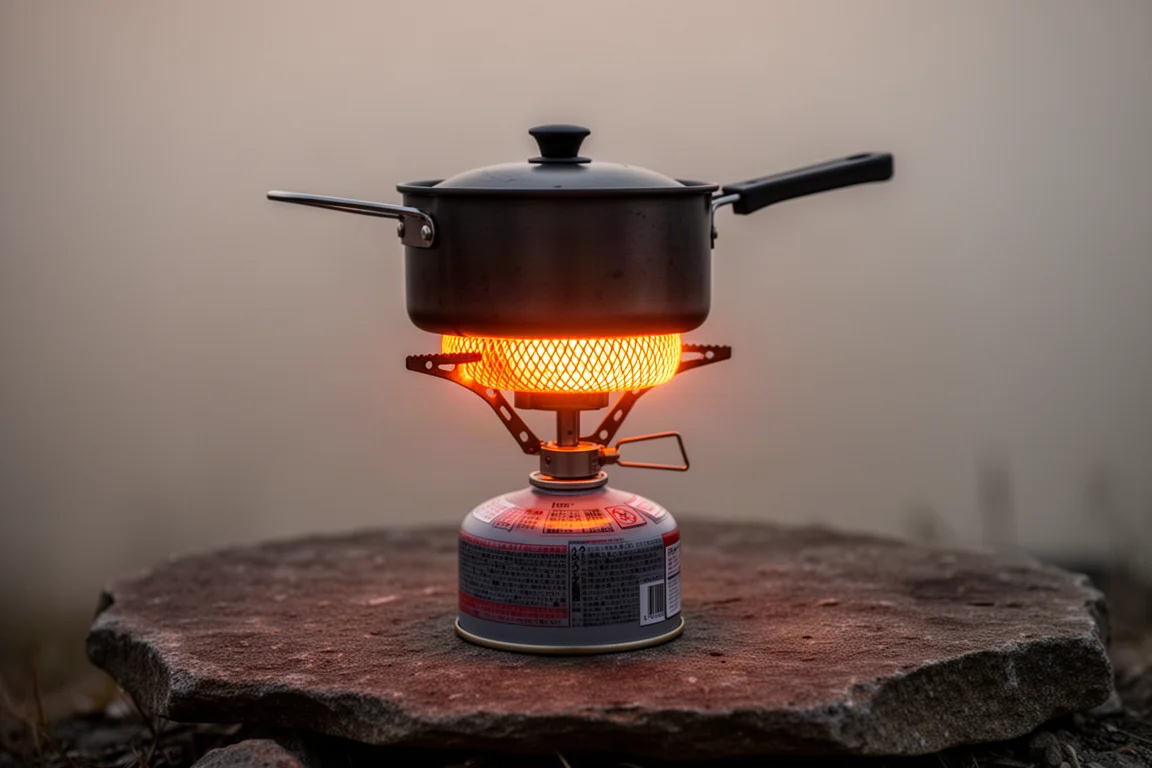
It is very bulky, though, and can be tricky to light in windy conditions. MSR makes similar radiant-burner stoves, the WindBurner and Reactor, which are also very wind-resistant. This system comes with a pan support, but it is not designed for frying. The main advantage is that flame adjustment happens at a safe distance from the pot, reducing the risk of knocking it over.
Kovea Spider: Lightweight Remote Canister Stove
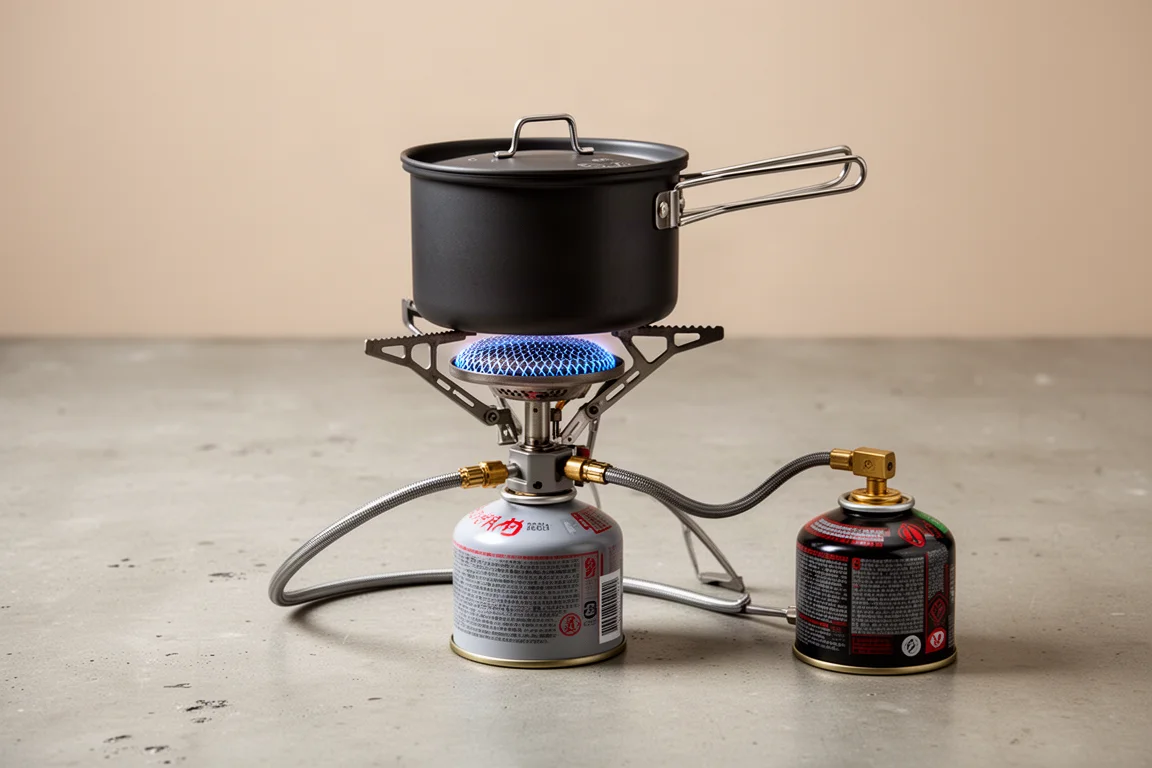
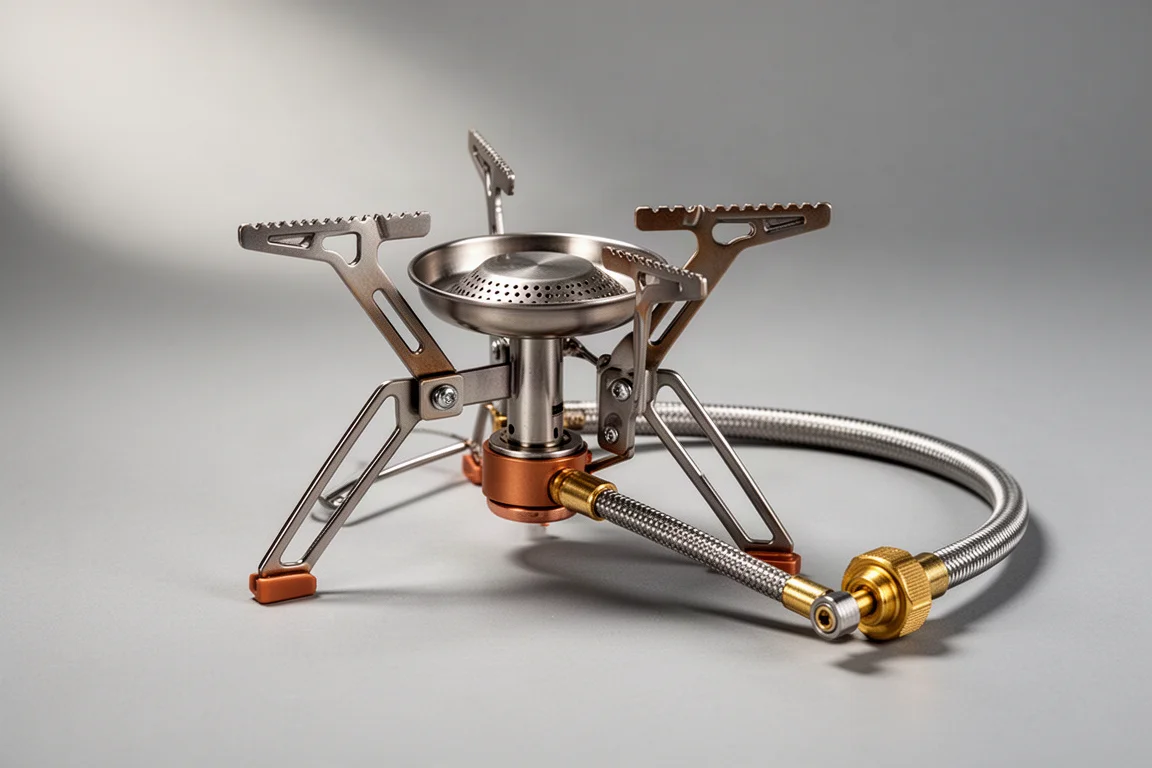
The Kovea Spider is a remote canister stove that folds down small and packs into a pot with the canister beside it. It has a preheat tube, which allows you to invert the canister once the stove is warmed up. Inverting the canister means the stove runs on liquid fuel, which maintains pressure in cold weather and lets you use every last bit of gas. It has no built-in igniter, and you need to start it upright and let the preheat tube warm up before inverting to avoid a flare-up. It is sturdy and has good simmer control, making it a strong option for cooking-focused trips.
SOTO StormBreaker: Multifuel Capability
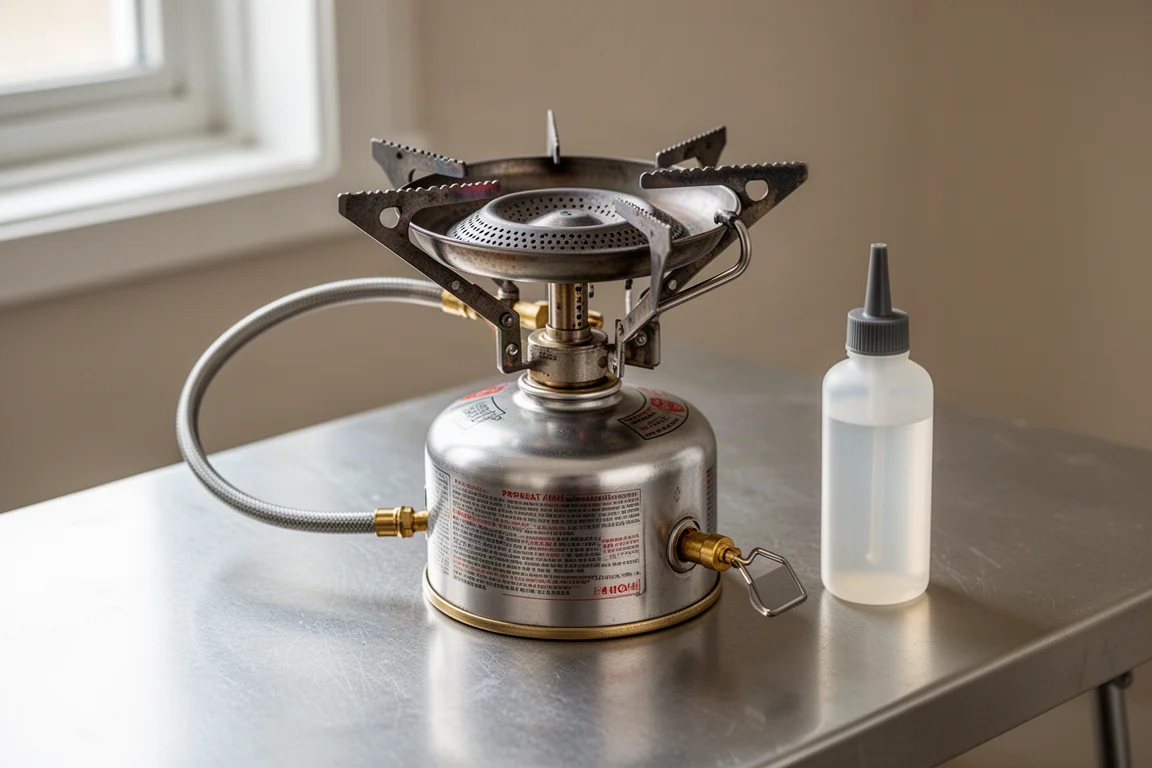
The SOTO StormBreaker is a remote canister stove with a preheat tube, and it is also a multifuel stove. It can run on gas canisters or on unleaded petrol and paraffin using a separate pump bottle. White gas and petrol are more volatile, produce bigger flames, and burn sootier, but they outperform gas in really cold weather. The StormBreaker is quiet, and the preheat tube lets you invert the canister for consistent pressure. It has a larger burner than the Kovea Spider, which gives a wider flame pattern and makes it better for cooking. It is also sturdy and can accommodate a large frying pan.
Buying Advice: Matching the Stove to Your Trip
The right stove depends on what you need it to do.
If you mainly boil water for dehydrated meals and hot drinks, an integrated system like the Jetboil is hard to beat for speed and fuel efficiency. It is bulky, but everything packs together. The MSR Switch offers similar efficiency with a bit more versatility. The Fire Maple Mars is a niche option for those who want radiant heat and remote canister safety, but its size limits its appeal for backpacking.
If you want a lightweight setup and mostly boil water, a top-mounted canister stove is the simplest choice. The BRS 3000 is the lightest and cheapest, but it struggles in wind and is not great for cooking. The SOTO WindMaster and MSR Pocket Rocket Deluxe add pressure regulators and better wind resistance, making them more reliable in less-than-ideal conditions.
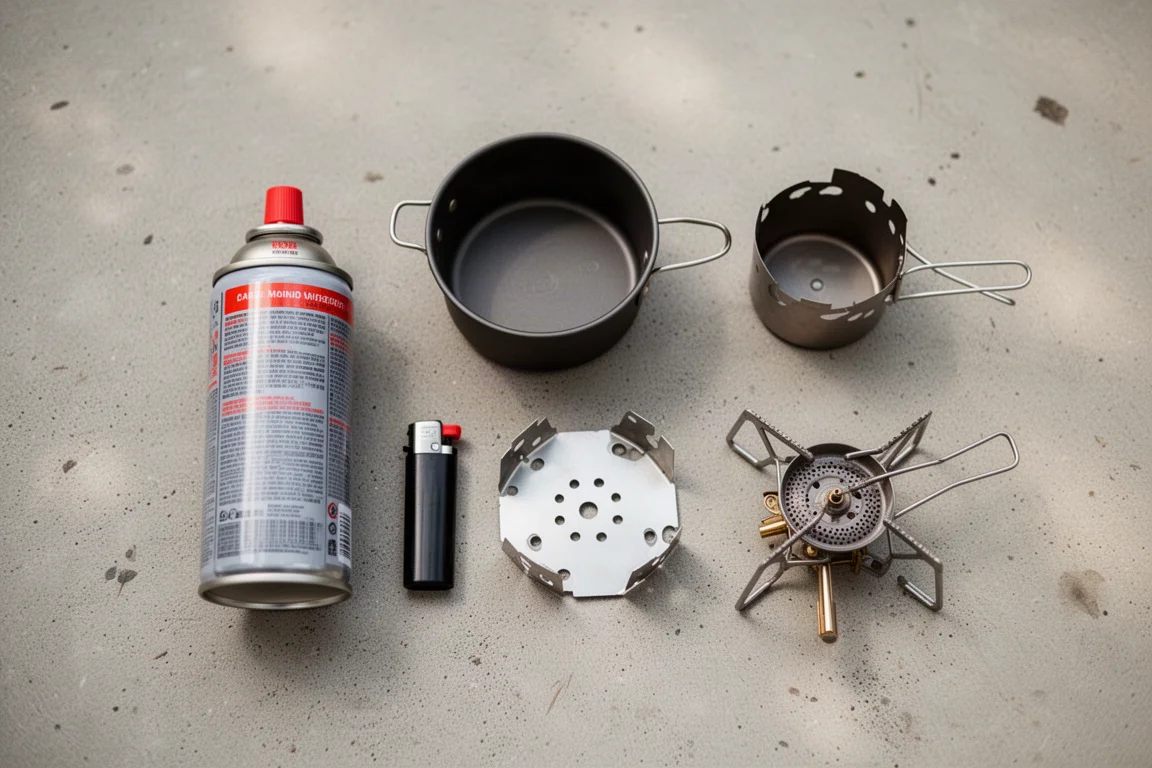
If you cook more than you boil, or you camp in cold weather, a remote canister stove is the better tool. The Kovea Spider is compact and capable, and the SOTO StormBreaker adds multifuel capability for extreme cold. These stoves are more stable and have better simmer control.
A few practical notes: gas canisters are not all equal, but as long as the fitting is correct, you can use different brands of isobutane canisters on different stoves. A 100-gram canister is the standard size for these stoves, though some can accept a larger 230-gram canister. You can weigh partially used canisters at home to estimate remaining fuel. Windshields are worth carrying because wind can double fuel use and boil times. Gas stoves are generally safer than alcohol stoves and can be used in more situations, but you cannot travel by plane with the canisters, so you may need to buy gas at your destination.
Conclusion
Gas canister stoves are not one-size-fits-all. Top-mounted stoves are light and simple, integrated systems are fast and efficient, and remote canister stoves are stable and versatile. Match the design to how you camp, and you will get better performance with less frustration.
Further reading
Related Reviews
Camping Stoves
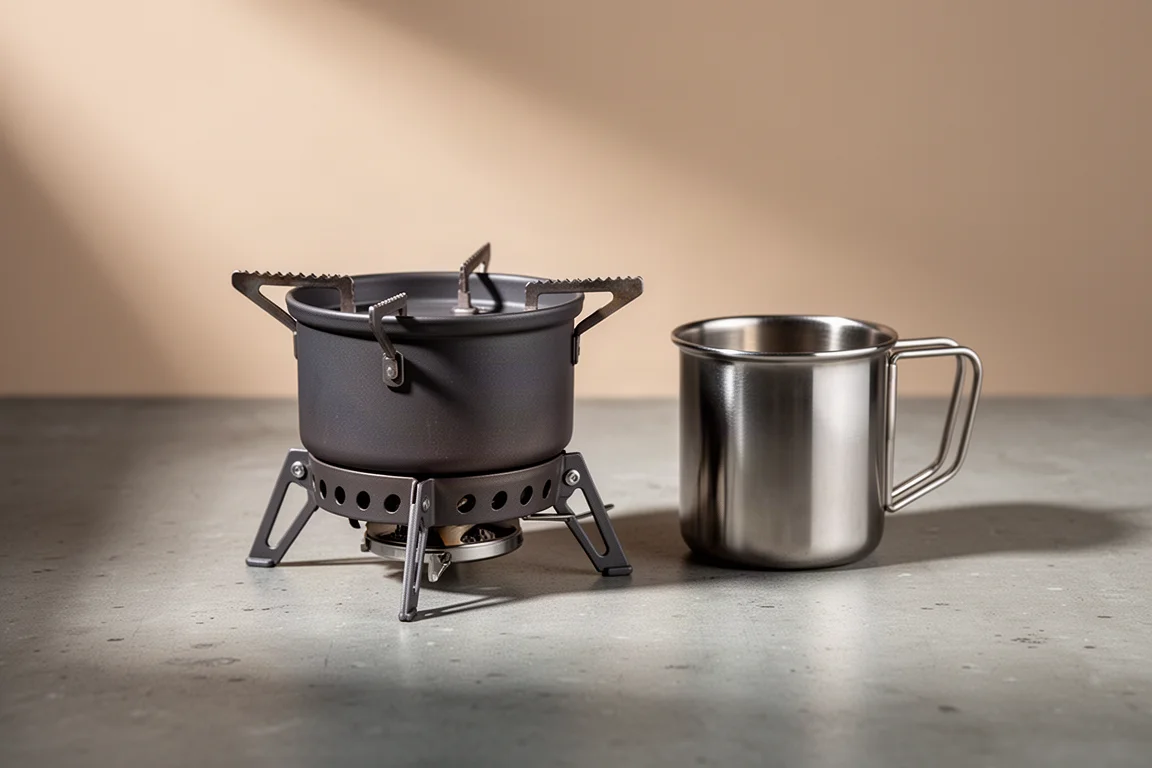
BCB Fire Dragon Mini Cooker Review: A Tiny Folding Stove With Real Trade-Offs
A palm-sized, fuel-flexible folding stove that heats water well enough, but brings flame control, stability, and fuel cost questions worth understanding first.
Camping Stoves
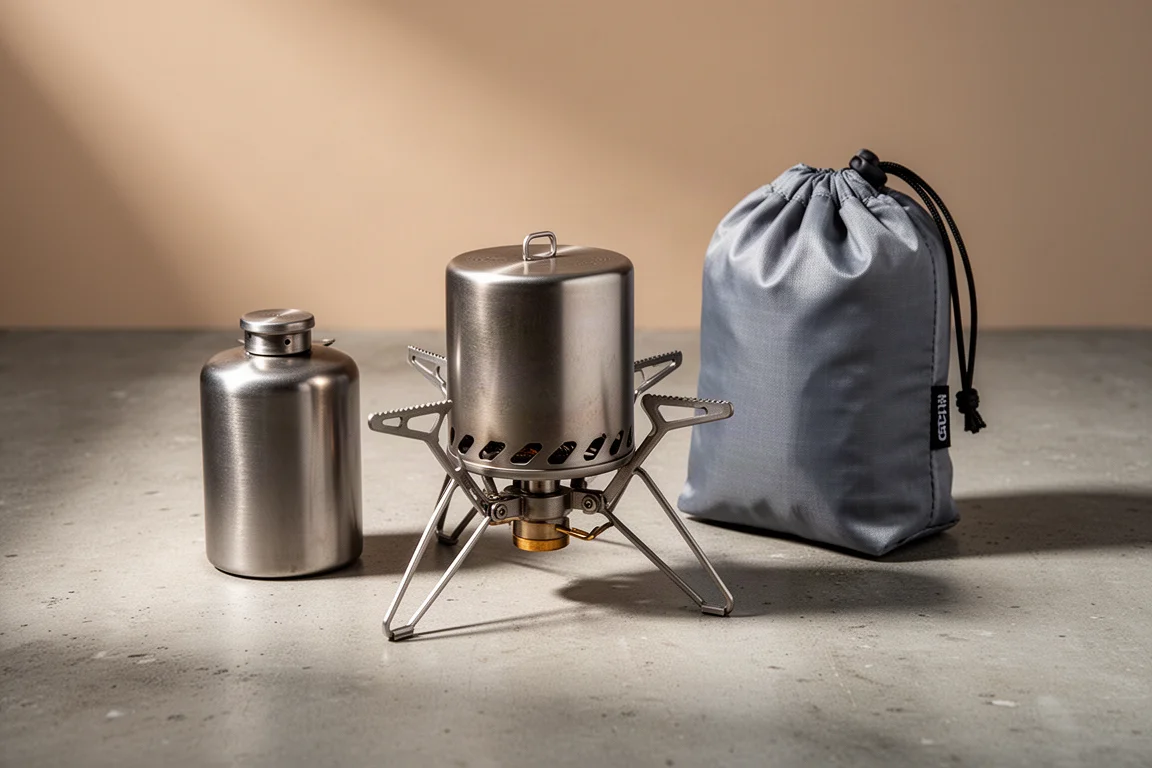
Boundless Voyage Titanium Alcohol and Wood Stove Review: Ultralight Cooking, Two Ways
A titanium alcohol and wood burning stove kit that weighs 4.5 oz complete, boils two cups of water in about 10 minutes, and costs $36.
Camping Stoves
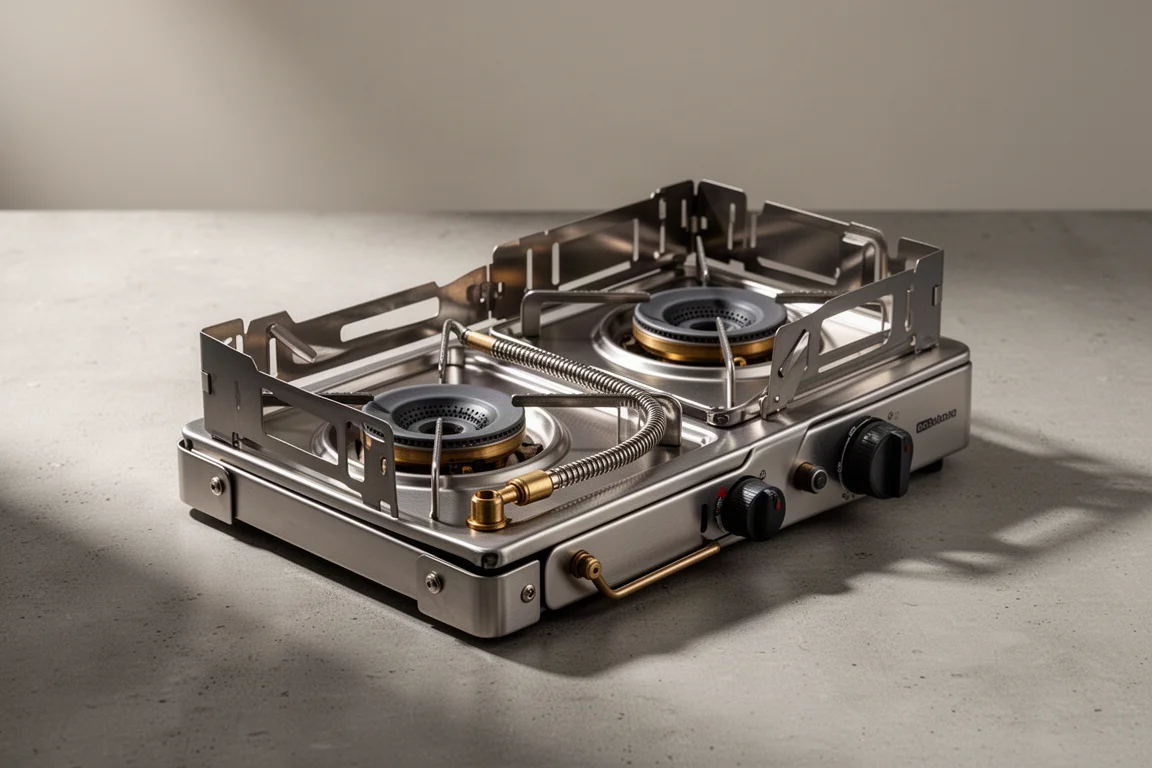
BRS 32 Dual Burner Stove Review: A Folding Two-Burner That Packs Down Flat
A detailed look at the BRS 32, a slim folding dual burner camping stove that expands into a stable cooking platform for around $60.