Ski Reviews
Candid Ski Lineup First Look: Resort 101, BC 111, and Giant 121
Three purpose-built skis from Candid THX share one construction and a distinctive elliptical turn radius. Here is how each one differs and who each ski is really for.
Introduction
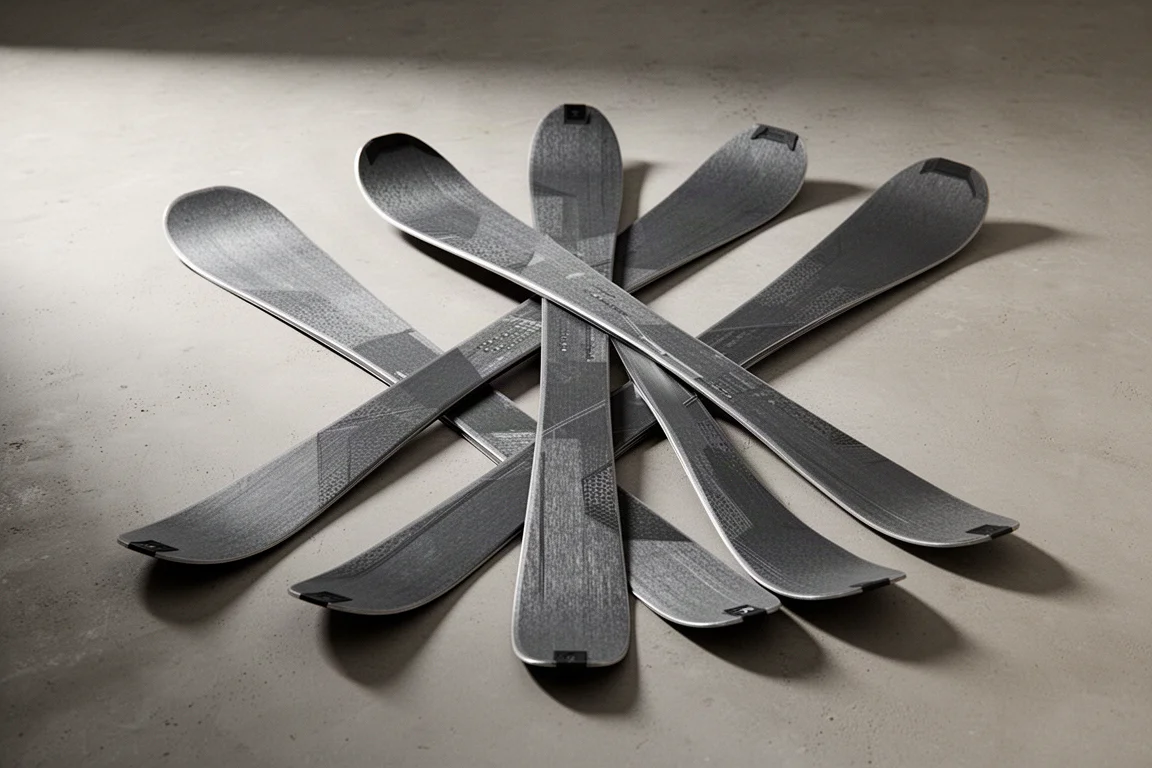
Candid THX is one of the most recognizable figures in freestyle skiing, and his own ski brand is built entirely around how he wants to ski. The lineup launches with three models: the Resort 101, the BC 111, and the Giant 121. All three share the same core construction, but each ski serves a distinct purpose, and the differences between them are bigger than the numbers suggest.
Early testing was limited to late-season conditions, so treat this as a first look and line overview rather than a full verdict. Even so, enough laps went into each ski to form clear impressions of who each model is for and how the line fits together.
Shared Construction and Design Philosophy
All three skis use the same relatively simple build: a proprietary mix of poplar and paulownia in the core, wrapped in what the brand calls a “fire glass” construction, which reads as a full fiberglass wrap with interwoven carbon stringers rather than separate layers on top and bottom. Paulownia keeps the weight down and adds reactivity, while poplar adds substance underfoot.
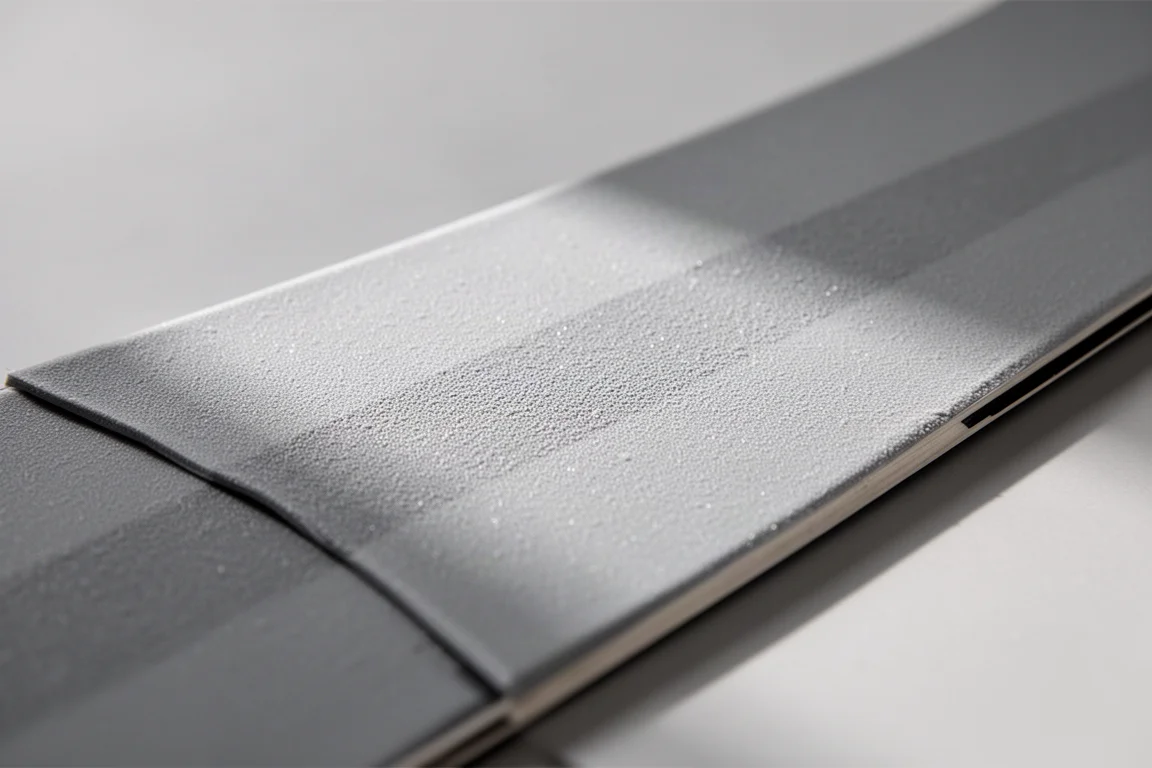
The skis feel light, snappy, and energetic compared to earlier pro-model skis associated with the same athlete, and the textured top sheet has held up well to rough late-season treatment, which bodes well for durability.
One quirk of the line: there are no published turn radius numbers. All three skis use an elliptical, or triple, turn radius, with a tighter radius in the tip, a longer radius through the center, and a tighter radius again in the tail. The tip radius is slightly shorter than the tail. The result is a ski that goes very straight when ridden flat, and produces quick, round, crisp turns when the tails are pushed and edge angles rise. It is a stylistic design that rewards a specific way of skiing, and it will not suit everyone.
Candid Resort 101
The narrowest of the three, the Resort 101 feels like a park ski first. Side cut dimensions are 129-101-125, so it is not truly symmetrical, but the rocker profile is: roughly 440 mm of rocker at both tip and tail, with just 2 mm of camber underfoot. It weighs about 1,800 grams in the 184 cm length, lighter than comparable prior pro-model skis by a meaningful margin.
The elliptical side cut gives this ski two personalities: straight and stable when ridden flat, and playful when pressured into shorter turns. It is highly maneuverable, light, and fun, though not tremendously stable, and heavier skiers will need to stay centered deliberately to access that stability.
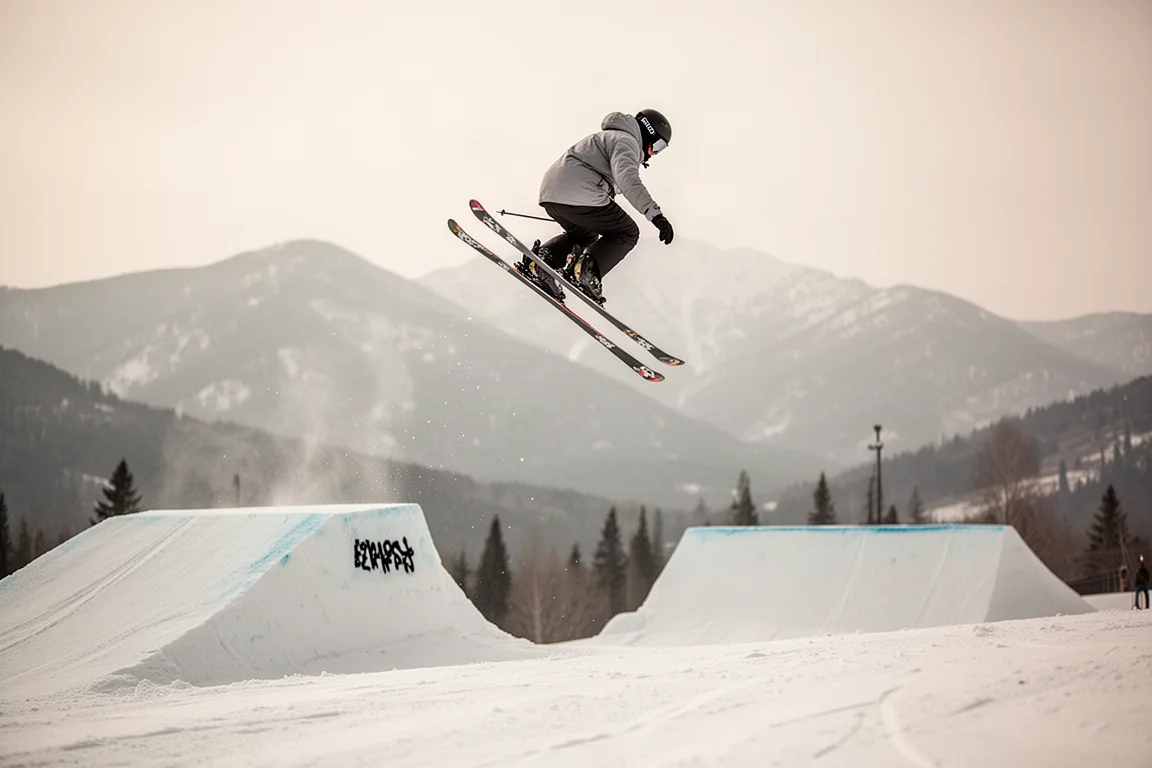
For the athlete himself, this is the narrow ski, and most park footage is likely to come from it. For everyone else, it is a freestyle-leaning twin tip that rewards creativity and switch skiing rather than carving.
Candid BC 111
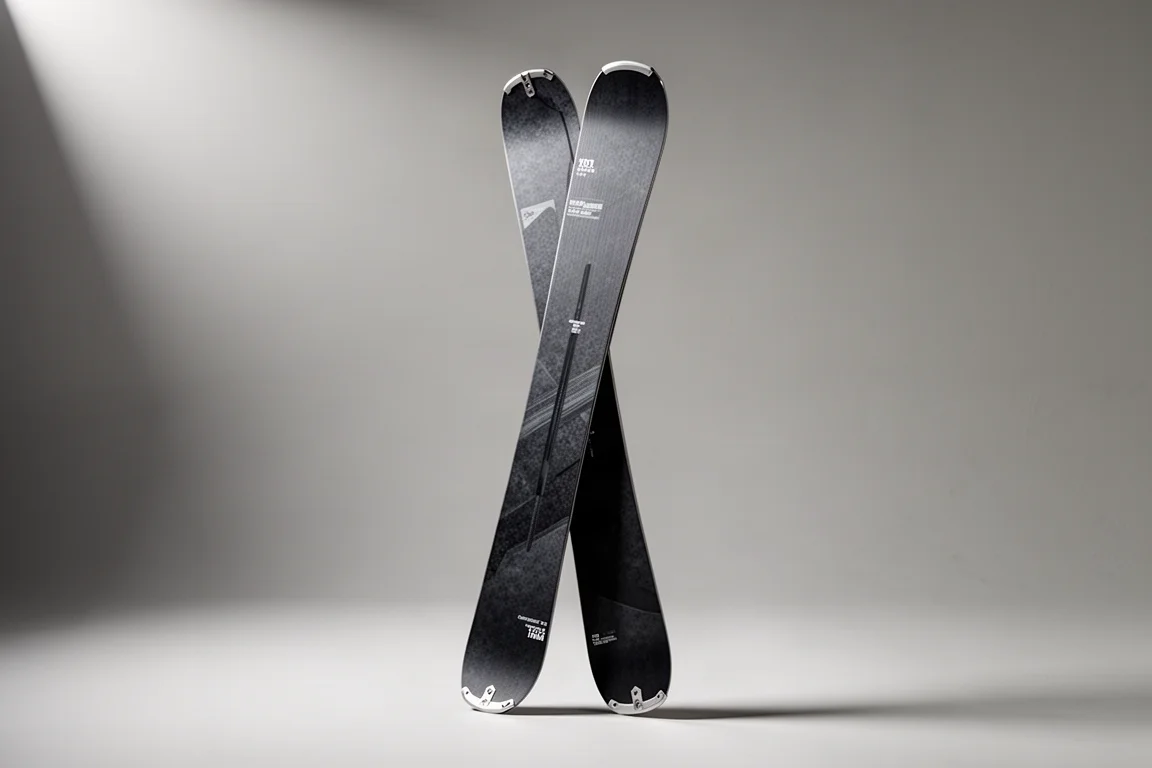
The BC 111 is a different animal. Tip and tail rocker grow to 505 mm and 485 mm respectively, camber drops to 1 mm, and the flex stiffens noticeably. Weight climbs to around 1,900 grams. Of the three, this is the ski that inspired the most confidence in aggressive skiing: it goes straight extremely well, plows through variable conditions, and the long tip rocker skims over irregular snow.
The “BC” name may hint at backcountry or even British Columbia, and the brand positions touring as a genuine application, though it is not a dedicated touring build. Think of it as a freeride ski for someone who skis park: it handles varied snow and terrain while keeping the playful, sideways-friendly character of the line.
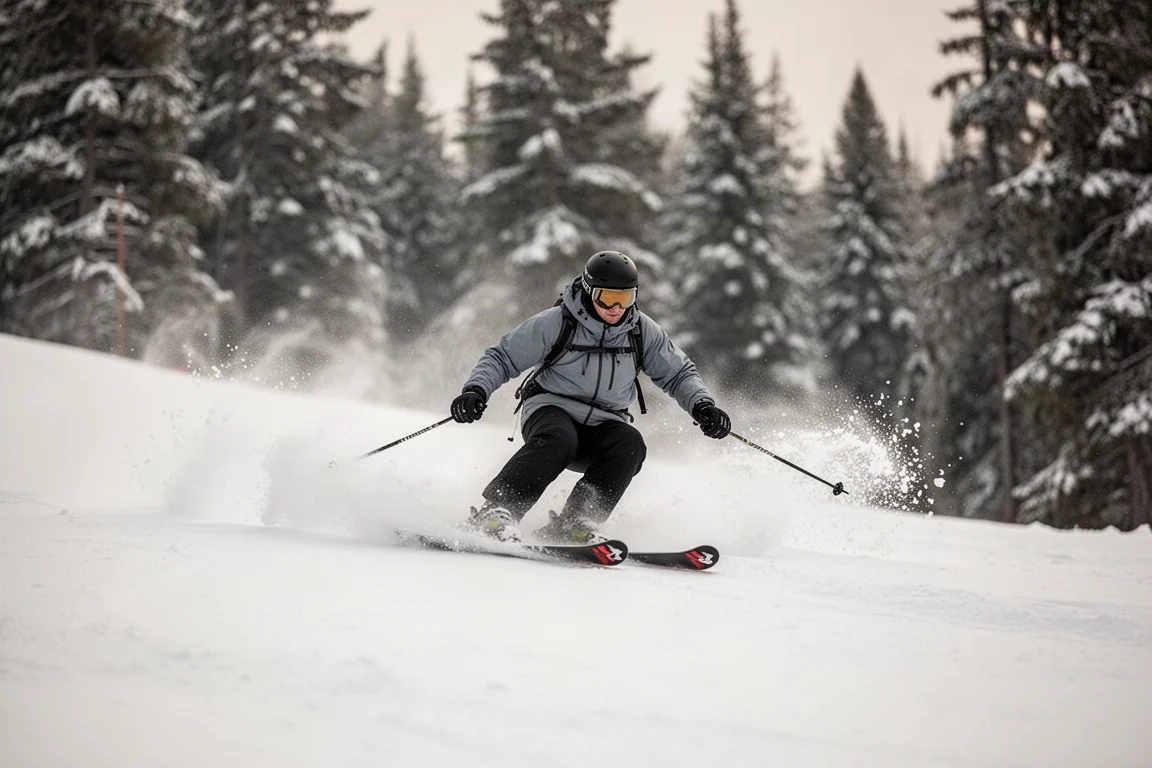
It is the most stable and powerful ski in the collection, but stability here is still measured against a playful, lightweight pro-model standard rather than a burly big-mountain charger.
Candid Giant 121
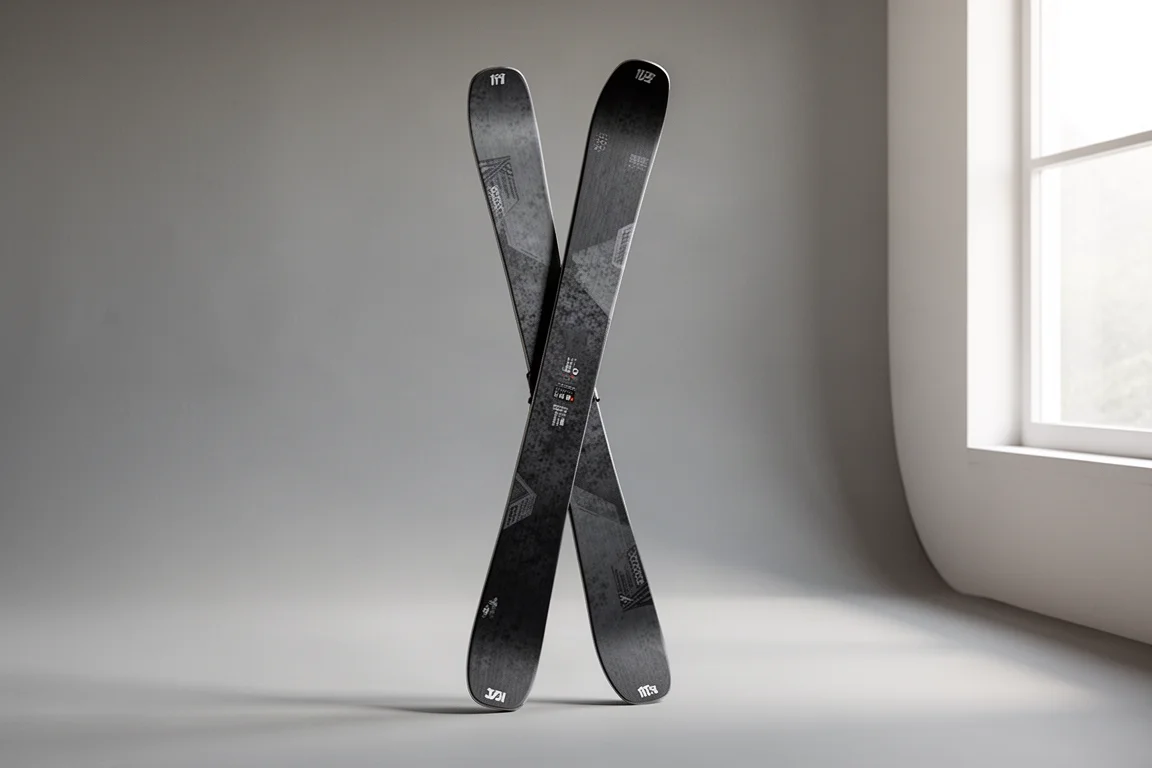
The Giant 121 pushes the design to its limit: 550 mm of tip rocker, the same 485 mm tail rocker as the BC 111, and no camber at all, though it stops short of full rocker with a flat underfoot section. The flex is the stiffest of the three, which makes sense, because this much rocker needs support or the ski becomes a noodle.
Despite the stiffness, removing camber makes it feel more playful and truly surfy. It spins with ease, skis switch phenomenally well, and encourages a creative, surfy approach. The trade-off is stability: this is a powder ski through and through, and getting in the back seat can cause the tails to wheelie out. Like the rest of the line, it rewards a forward, engaged stance.
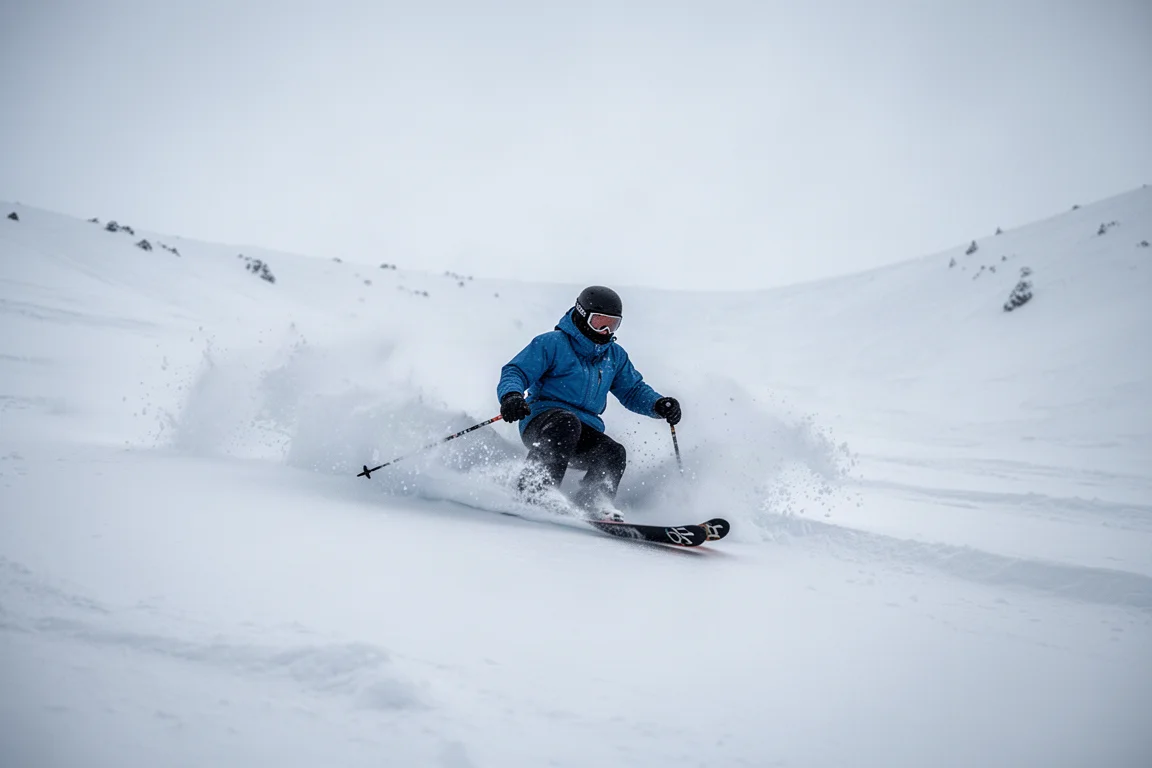
Skiing it in soft, sloppy late-season snow was genuinely fun, and in proper deep snow this is the ski most people will want. It is the most demanding of the three, but also the most distinctive.
Overall Buying Advice
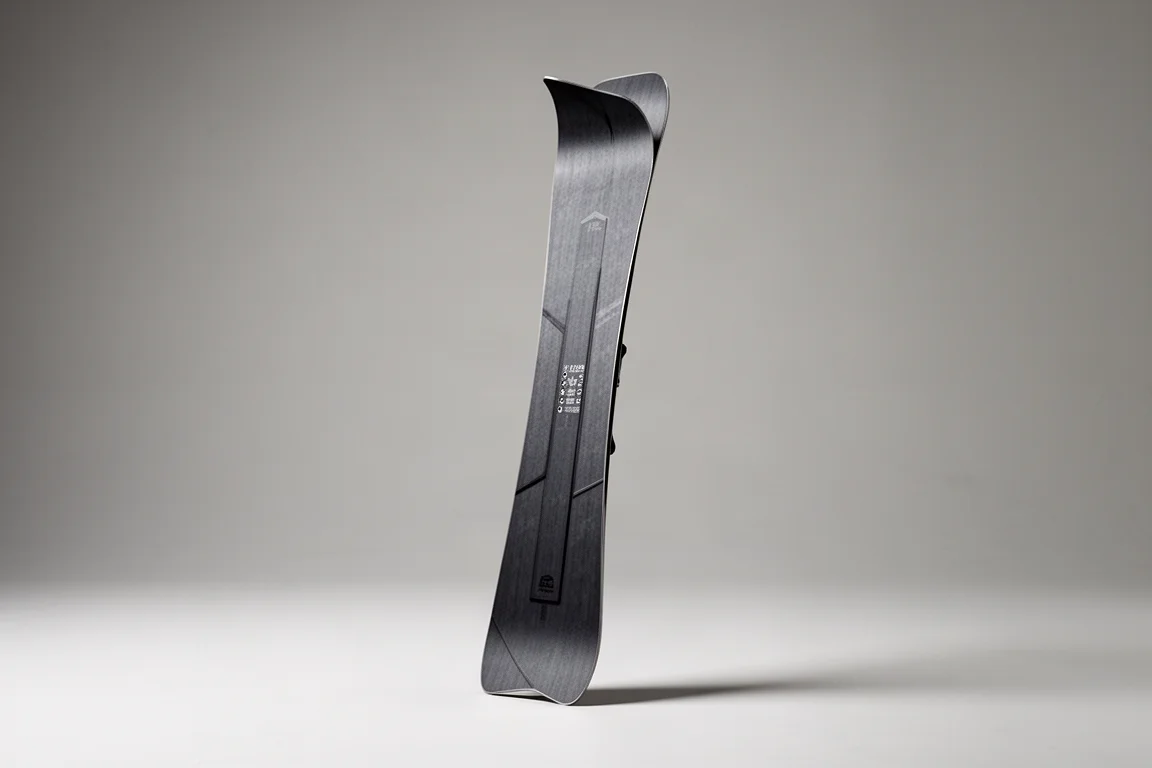
Think of the line as purpose-built rather than a linear progression. The Resort 101 is a park ski, the BC 111 is a freeride ski, and the Giant 121 is a powder ski, with the 101 and 121 actually feeling more playful than the middle child. Skiing these means entering the athlete’s mindset: forward, engaged, and creative rather than backseat and lazy.
Lighter skiers and those with a park background will adapt most easily. Heavier or more traditional skiers should be honest about whether they want a ski that demands a stylistic commitment. If you can, try before committing, because these skis polarize more than most.
Conclusion
This is a line built around a feeling rather than spec sheets, and it shows in the veiled construction details, the missing turn radius numbers, and the strong personality of each ski. Skiers who value creativity, switch performance, and a distinctive elliptical turn radius will find a lot to love. Skiers who want conventional carving stability should look elsewhere. All three models were expected in stores shortly after launch, so availability should not be a barrier for long.
Further reading
Related Reviews
Ski Reviews
Armada Antimatter 108 Review: A Freeride Ski Built for Speed and Deeper Snow
The Armada Antimatter 108 carries over the beloved Declivity X 108 shape with new construction that adds compliance in soft snow and composure in crud, aimed squarely at strong, aggressive skiers.
Ski Reviews
Armada Antimatter 92 vs Invictus 92: Two All-Mountain Skis Compared
A closer look at two Armada all-mountain skis, one playful and nimble, the other composed and smooth, to help you pick the right one for your skiing.
Ski Reviews
Armada Antimatter 92W Review: A Smoother Take on a Proven All-Mountain Footprint
The Antimatter 92W keeps the trusted Reliance 92Ti footprint but softens the ride with a new metal construction, making it more versatile in softer snow without losing on-trail grip.