Camping Stoves
Budget vs Premium Camping Stoves: MSR Pocket Rocket Deluxe and Three Alternatives
A premium canister stove, a budget stove and two mid-priced alternatives compared on weight, boil time, fuel use and cold weather behaviour.
Introduction
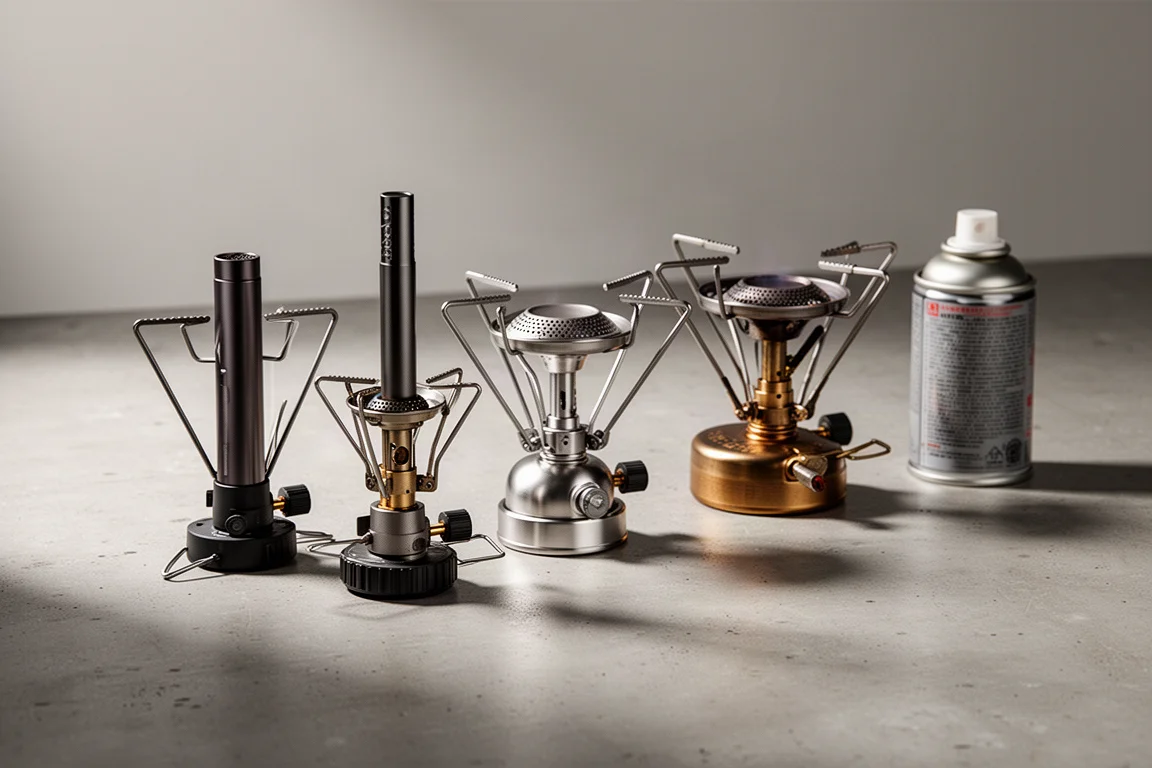
Canister stoves all do the same basic job: screw onto a gas canister, light, and heat water. The differences show up in weight, in how the flame behaves when the wind picks up, and in how much fuel disappears from the canister during a boil. The price spread is wide, from around £8.99 for a basic budget stove to roughly £70 for a premium model.
This comparison sets a premium canister stove against a budget one under identical conditions, using 400 ml of water and weighed canisters, and then looks at two alternatives that sit between them on price.
What Matters in a Canister Stove
Four things decide whether a stove feels good on a trip. Weight matters most for backpackers, since a stove that is 13 grams lighter is 13 grams you do not carry uphill. Wind resistance matters on exposed ground, where a flame that drifts sideways wastes gas and stretches boil times.
A built-in igniter removes the need for a lighter, though it adds a part that can fail. The valve design is the least visible factor and often the most important: a stove with a micro regulator holds a steadier pressure as the canister empties and the gas gets colder, while a plain valve simply loses output as pressure drops.
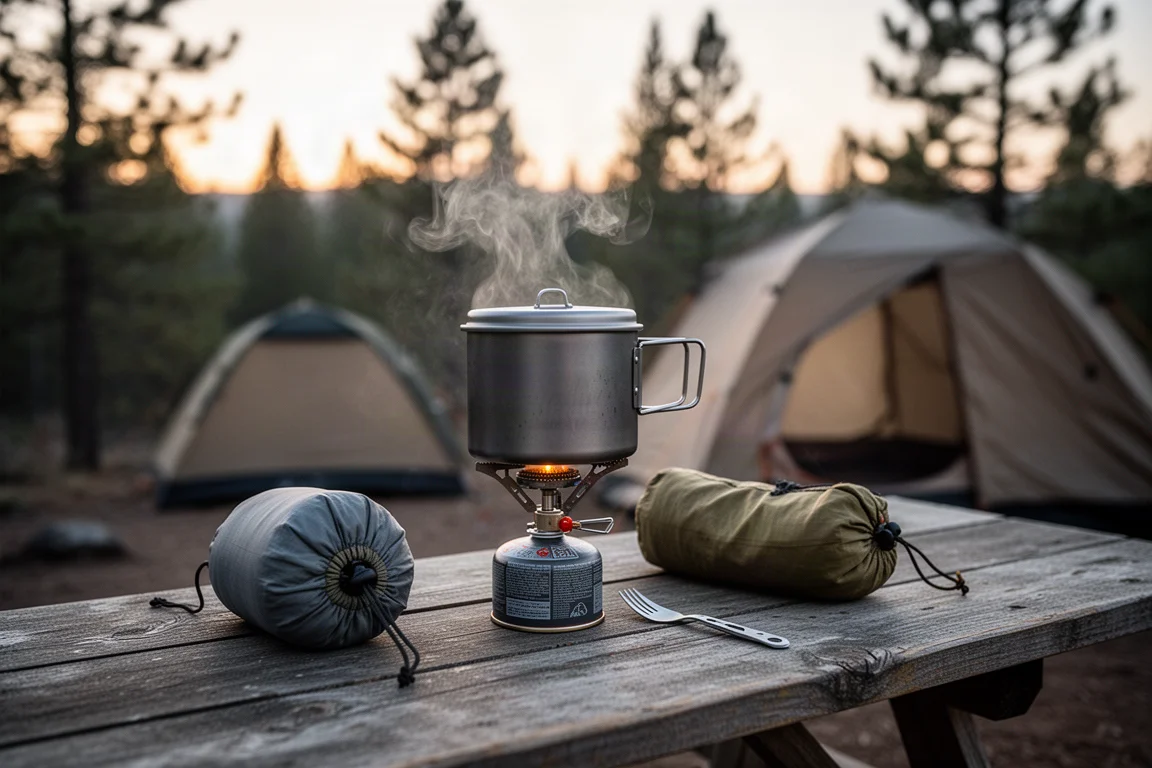
Fuel efficiency is the long game. A stove that boils faster usually also burns less gas for the same job, and that saving accumulates over a season of trips rather than a single weekend.
MSR Pocket Rocket Deluxe: The Premium Option
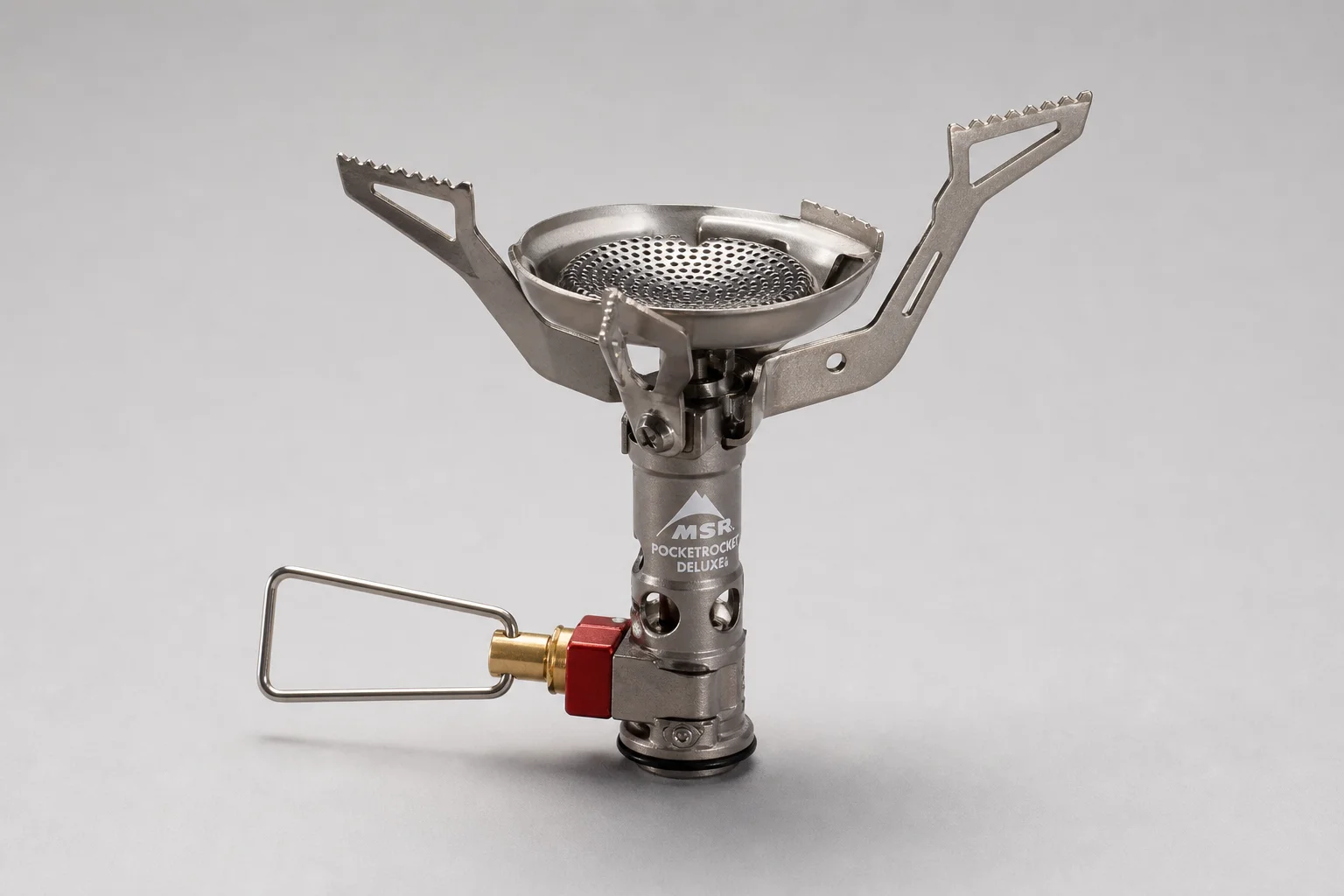
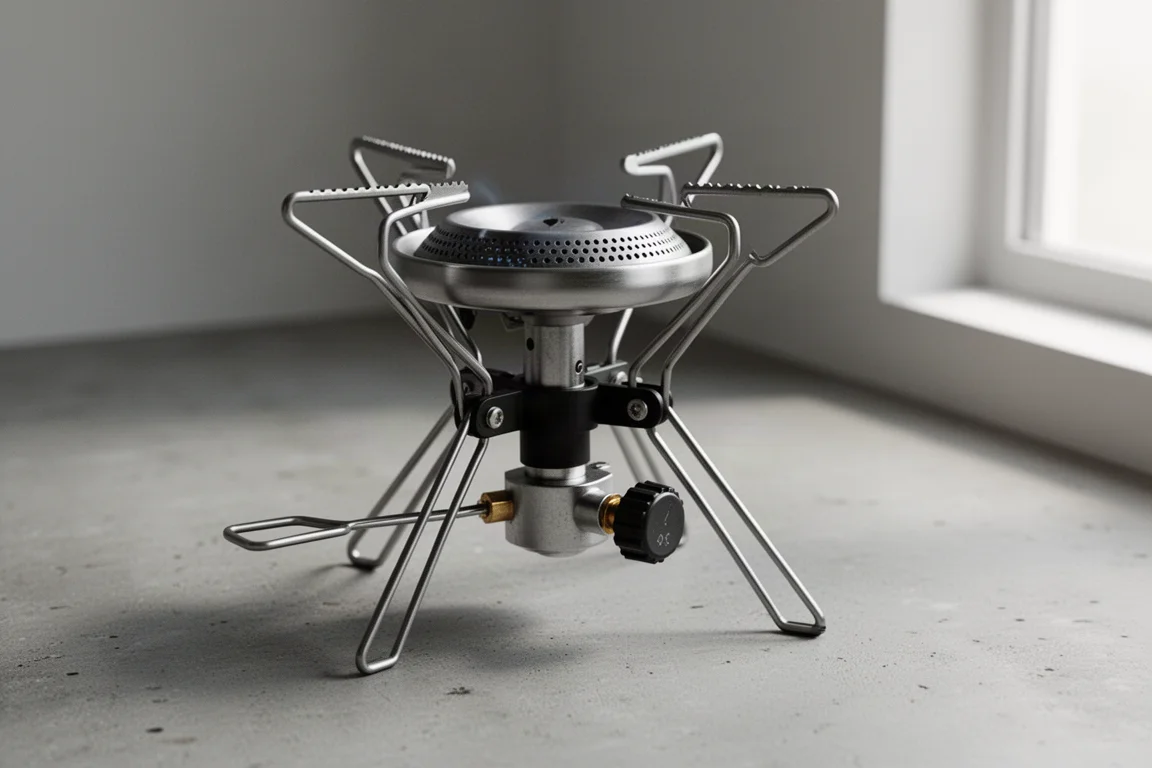
The Pocket Rocket Deluxe weighs 83 grams on its own and 96 grams with the small stuff sack. The pot support arms fold out from the burner head, and the stove screws directly onto a standard gas canister. A piezo igniter is built into the body, so no separate lighter is needed to light it.
The valve includes a micro regulator, designed to hold a constant pressure and therefore a steadier flame even as the canister empties. That showed up as a compact, solid flame with the burner sitting close to the pot, leaving less flame exposed to the air. It boiled 400 ml of water in 2 minutes 23 seconds and used 7 grams of gas to do it.
Sandy Beach Camping Stove: The Budget Option
The budget stove here is sold under several different names, and the listing used for this comparison was called the Sandy Beach stove at £8.99. It weighs 96 grams without its box and 112 grams with it. The legs rotate out and the pot support arms pop over into place, and it also has a built-in igniter.
The gas valve has no micro regulator, so output falls away as canister pressure drops. On a still day that is barely noticeable, but even a light breeze pushed the flame around.
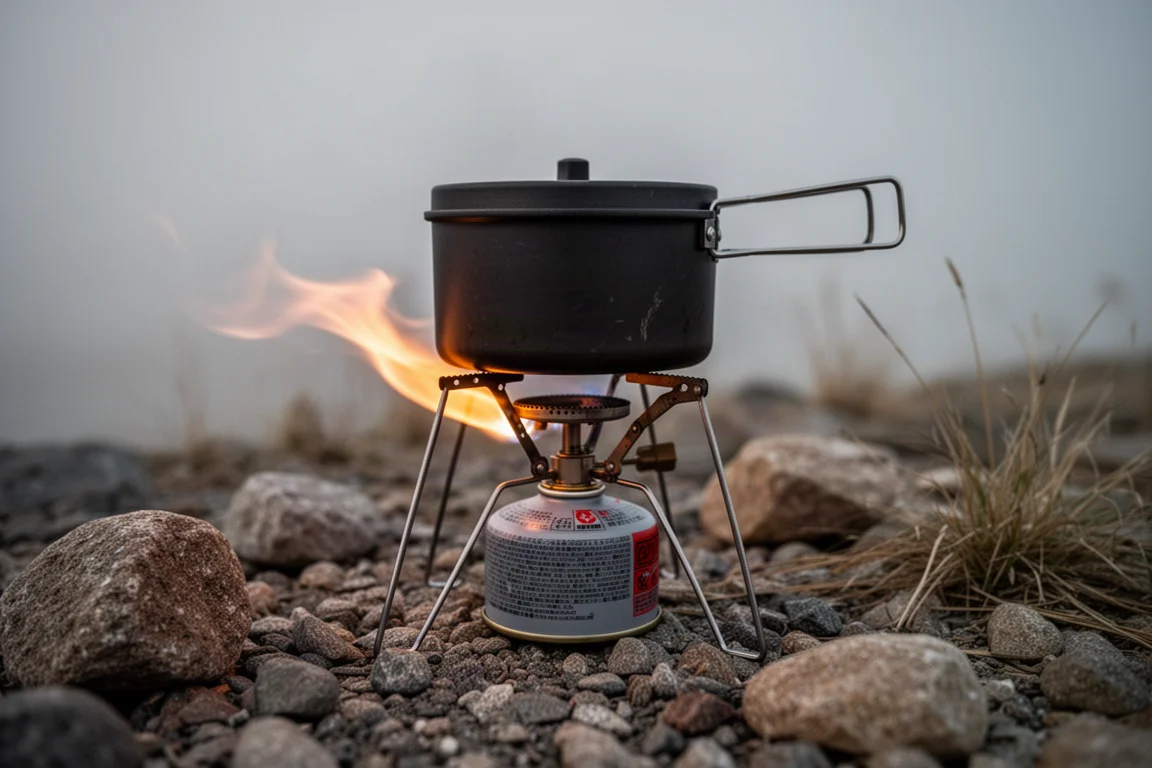
It boiled the same 400 ml of water in 4 minutes 2 seconds and used 9 grams of gas. That is 1 minute 40 seconds slower and 2 grams of gas more than the premium stove for a single boil. Over hundreds of boils the fuel difference becomes a real cost, though it takes a long time to close a price gap of roughly £60. The bigger difference is reliability in poor conditions: in strong wind or genuinely cold weather, a stove without a regulator can struggle to bring water to a boil at all.
Soto WindMaster: The Strong All-Rounder
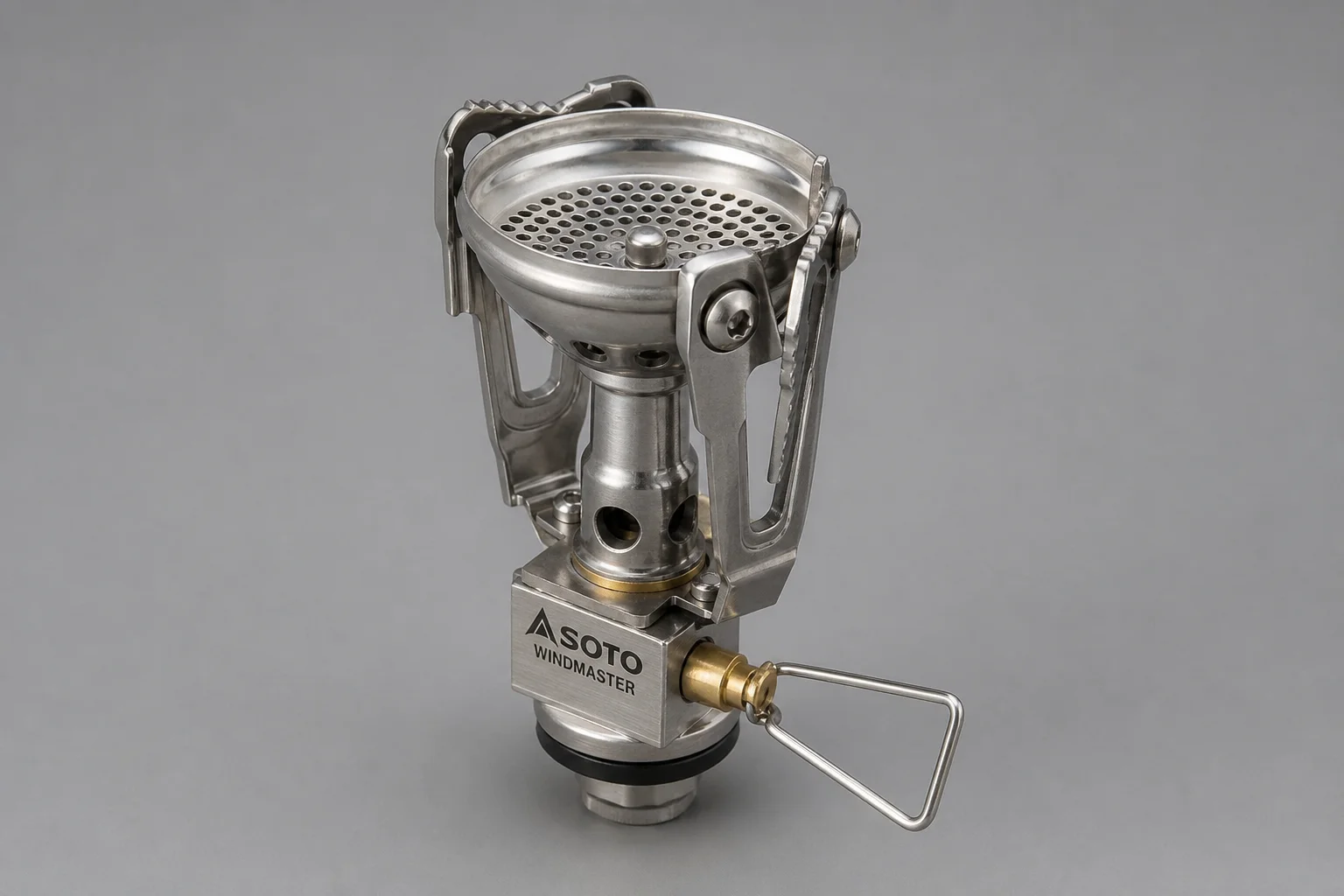
The Soto WindMaster sits in the middle of this group at around £42 and is the alternative worth a closer look if the premium stove feels overpriced. In side by side use it outperformed the Pocket Rocket Deluxe in most respects.
The trade-off is the pot support. The WindMaster uses a removable pot support rather than arms that fold out of the burner, which is a small inconvenience when packing and setting up. The folding design on the MSR stove remains the neater arrangement, even where the WindMaster has the edge in performance.
MSR Pocket Rocket 2: The Value Alternative
The Pocket Rocket 2 is the smaller sibling of the Deluxe and costs around £30, less than half the price. It gives the more expensive stove a genuine run for its money, which makes it the natural choice for anyone who wants MSR build quality without paying the top of the range price.
For most three season trips, the practical gap between the two is smaller than the price difference suggests. The case for the Deluxe rests on steadier performance as canisters empty and in colder conditions.
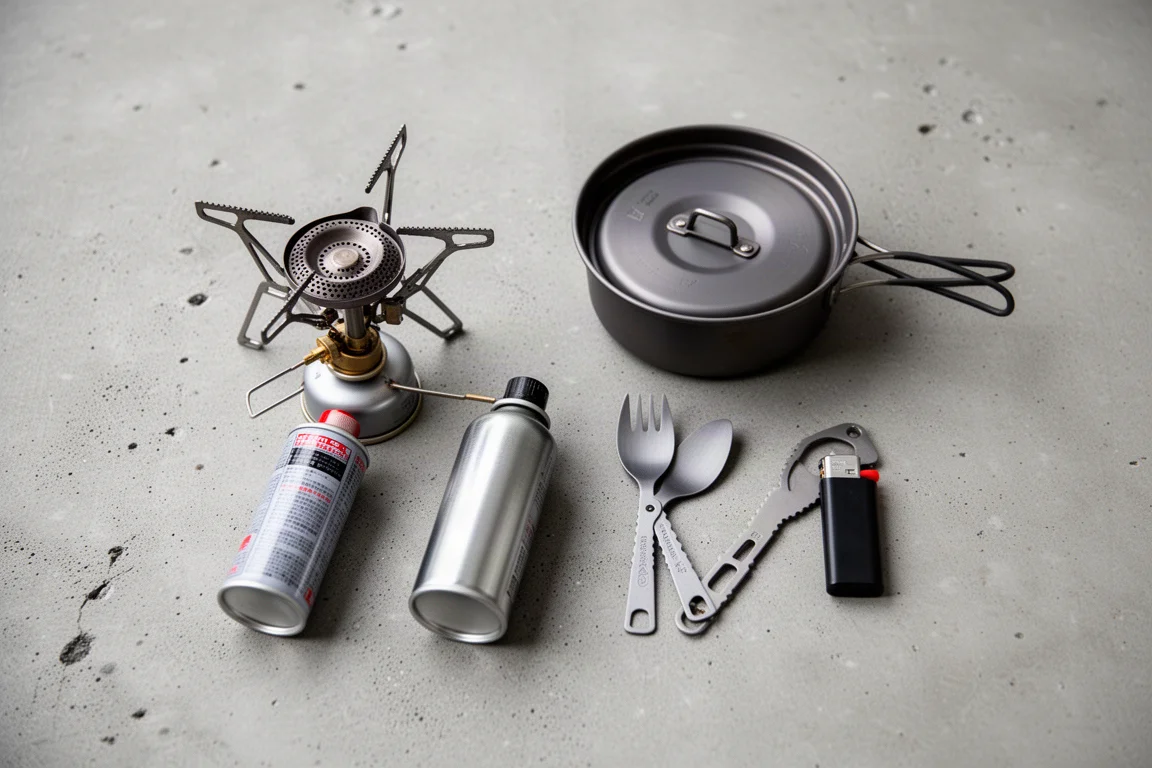
It is worth handling both if you can. The weight difference is small, but the feel of the valve and the pot support arms is where the extra money goes.
Boil Times and Fuel Use Compared
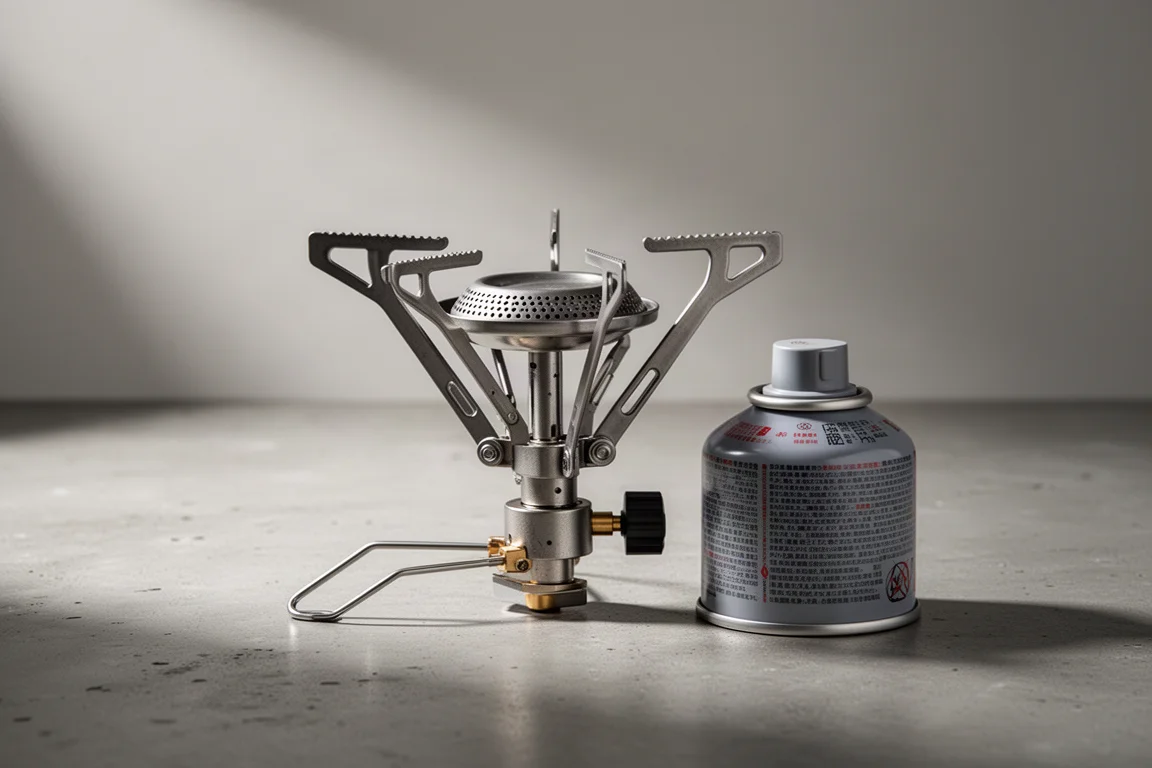
Using 400 ml of water in the same pot on the same day, the two stoves at the ends of the price range produced these results. The premium stove was faster and used less gas, while the budget stove took longer and burned more fuel for the same task.
Roughly a minute and a half separates them on a single boil, and 2 grams of gas separates them on fuel. Those numbers matter more in cold or windy conditions than they do in mild weather, because that is where the regulator earns its place.
Buying Advice: Which Stove Fits Your Trips
If you camp in reasonable conditions, mostly through the warmer months, the budget stove will boil water and cook food without drama. It costs around £8.99 today, which is strong value for a stove that weighs 96 grams and includes an igniter, and it remains a sensible first stove for anyone starting out.
Two habits improve any canister stove: put the lid on the pot and use a windshield. Both cut heat loss and shorten boil times noticeably.
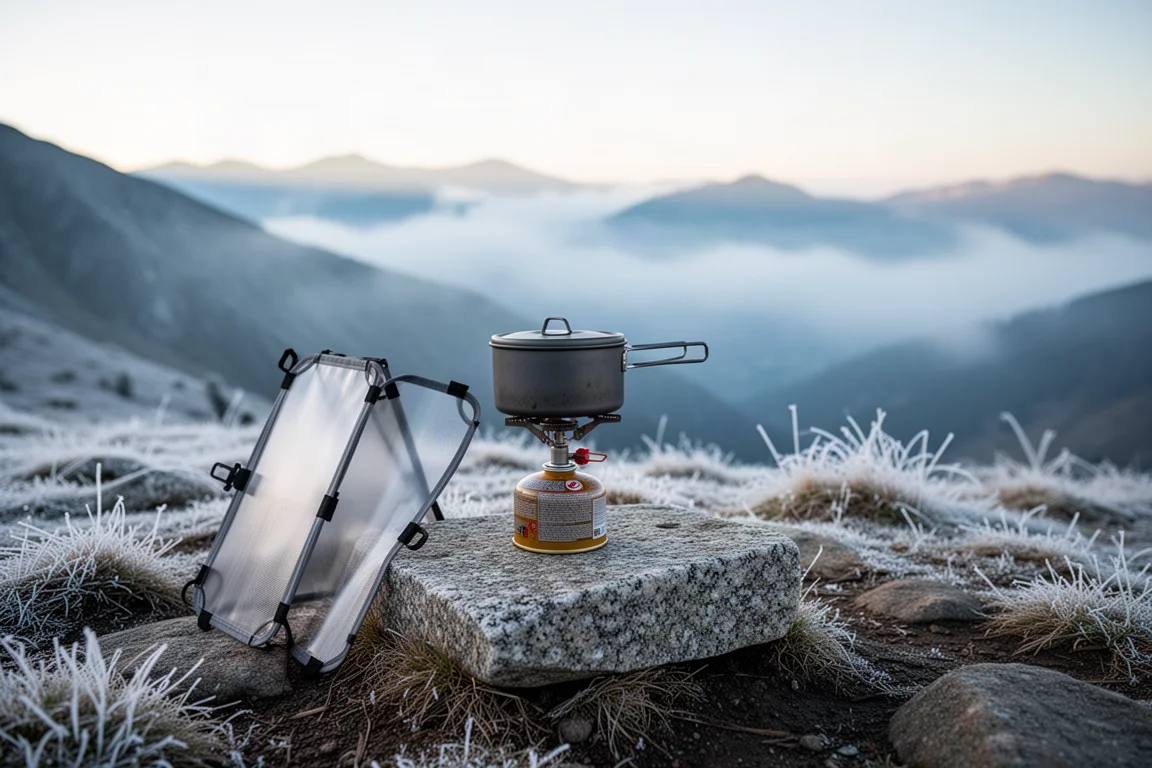
For cold weather trips, spend more. Canister stoves in general perform poorly as temperatures fall, and a stove without a micro regulator can lose so much output that water never reaches a boil. A regulated valve, as found on the Pocket Rocket Deluxe, is the feature that keeps performance usable as temperatures approach zero.
Between the alternatives, the Soto WindMaster at around £42 is the strongest all round performer of the group, and the Pocket Rocket 2 at around £30 is the best value for anyone who wants to stay within the MSR family.
Conclusion
The premium stove is not ten times better than the budget one, even at ten times the price. It is faster, more fuel efficient, and far more dependable when the weather turns, and that is what the extra money buys. Match the stove to the conditions you actually camp in, and either end of this range can be the right purchase.
Further reading
Related Reviews
Camping Stoves
BCB Fire Dragon Mini Cooker Review: A Tiny Folding Stove With Real Trade-Offs
A palm-sized, fuel-flexible folding stove that heats water well enough, but brings flame control, stability, and fuel cost questions worth understanding first.
Camping Stoves
Boundless Voyage Titanium Alcohol and Wood Stove Review: Ultralight Cooking, Two Ways
A titanium alcohol and wood burning stove kit that weighs 4.5 oz complete, boils two cups of water in about 10 minutes, and costs $36.
Camping Stoves
BRS 32 Dual Burner Stove Review: A Folding Two-Burner That Packs Down Flat
A detailed look at the BRS 32, a slim folding dual burner camping stove that expands into a stable cooking platform for around $60.