Camping Stoves
Camping Moon FX Micro Max XD 2F vs Soto WindMaster: Two Lightweight Canister Stoves Compared
A close comparison of a roughly $32 Camping Moon canister stove and the $70 Soto WindMaster, covering boil speed, weight, fuel flexibility, storage, and build quality.
Introduction
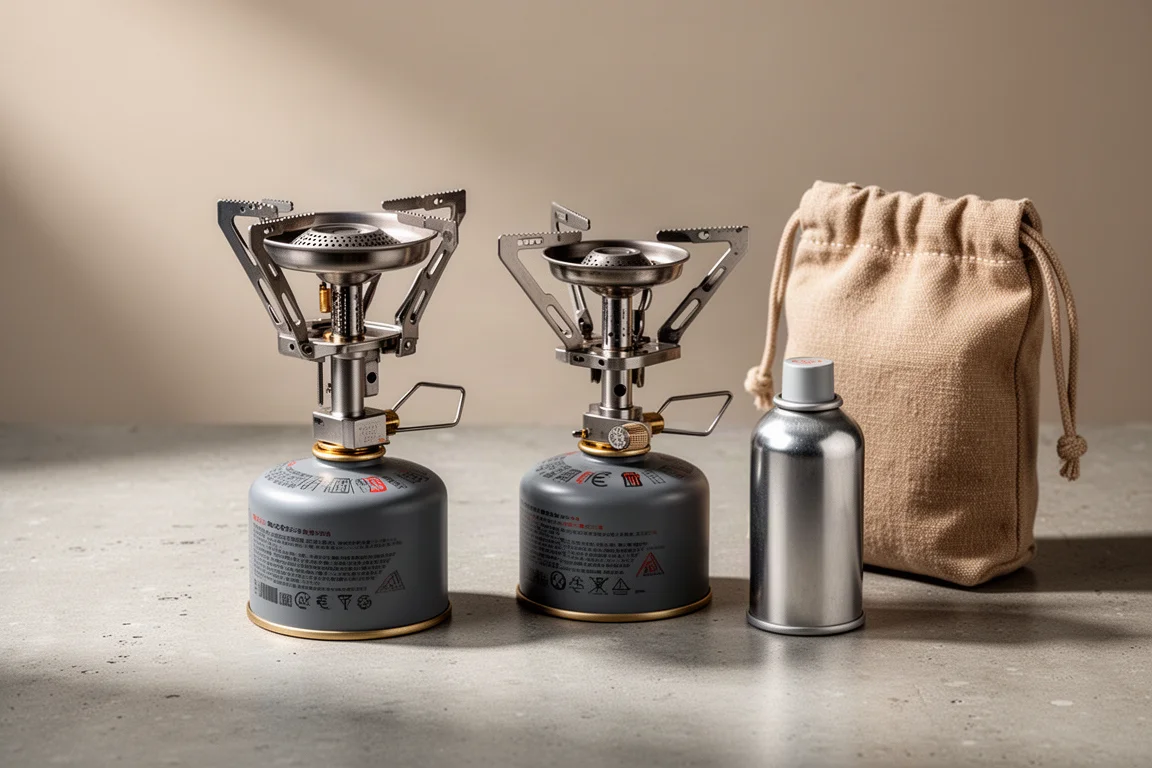
Compact canister stoves have settled into a fairly predictable formula, which is exactly why the Camping Moon FX Micro Max XD 2F is worth a closer look. It follows the same design language as the Soto WindMaster, a stove that has built a strong reputation at around $70, while the Camping Moon version sells for roughly $32. That gap is wide enough to raise an obvious question: does the cheaper stove give up anything that actually matters in camp?
This comparison looks at what the two stoves share, where they differ, and which one makes more sense depending on how you cook, travel, and pack.
Design Similarities and Small Differences
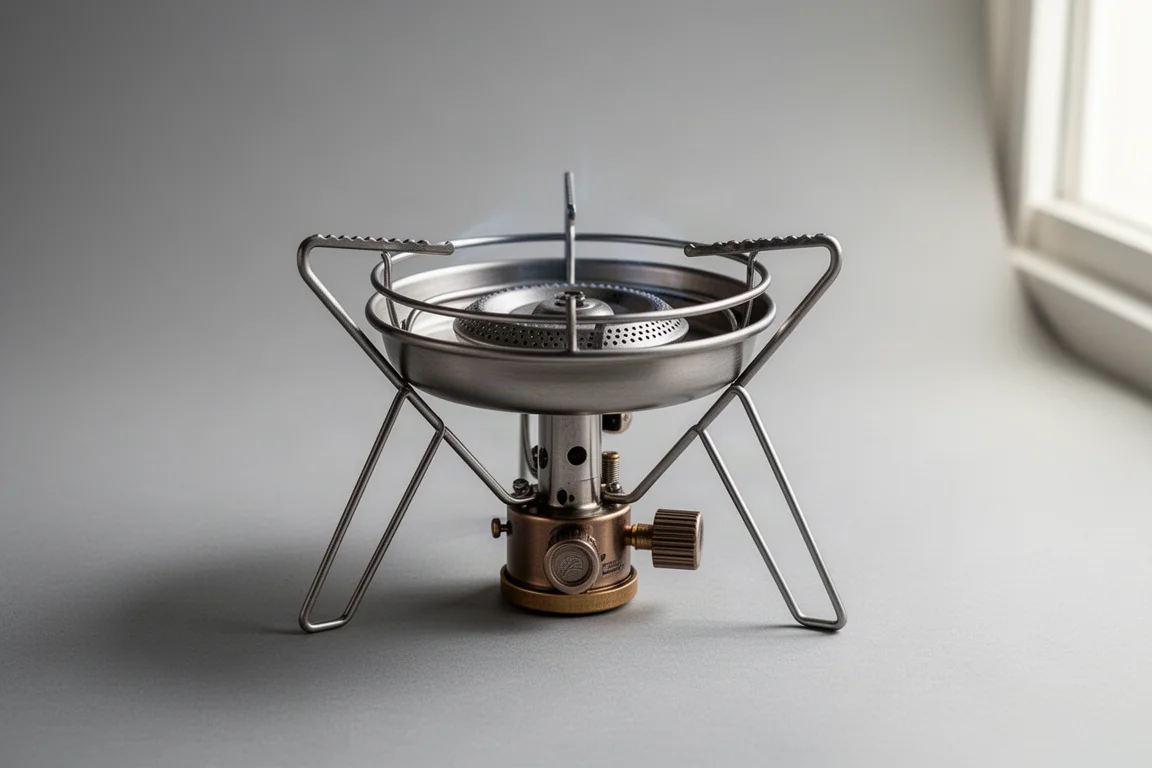
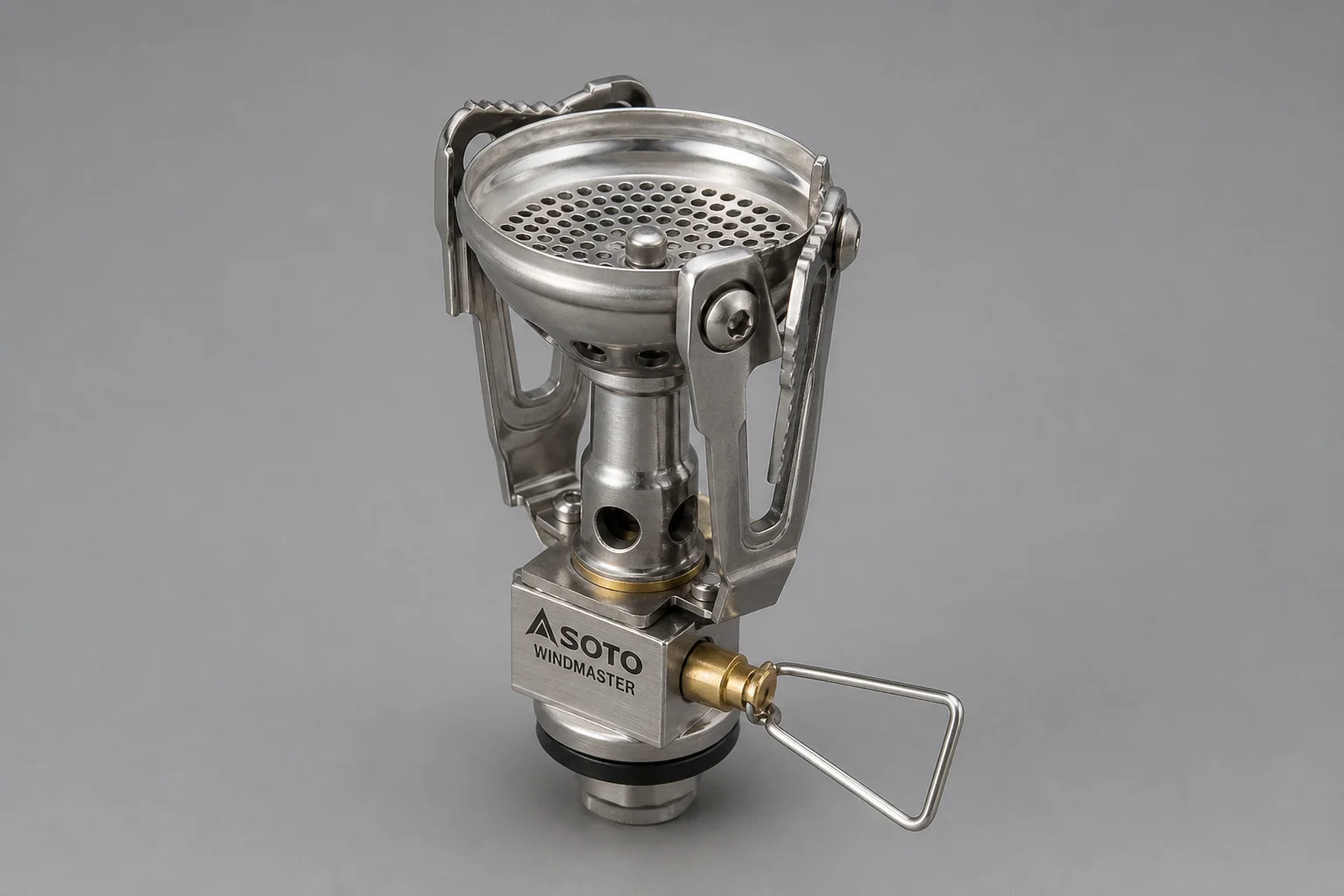
Set the two stoves side by side and the family resemblance is immediate. Both use a circular burner head with a partial windscreen around the rim, a control adjuster, an igniter, a regulator, and three fold-out wire pot supports that attach to the body with a spring-loaded fitting. The connection method is the same on both, and once the supports are seated the assembly feels secure.
The differences are small. The Camping Moon stove is not quite as tall as the WindMaster, its igniter sits on the opposite side of the adjuster, and a few measurements vary slightly. Materials are broadly comparable as well, with stainless steel forming the main structure alongside bronze fittings.
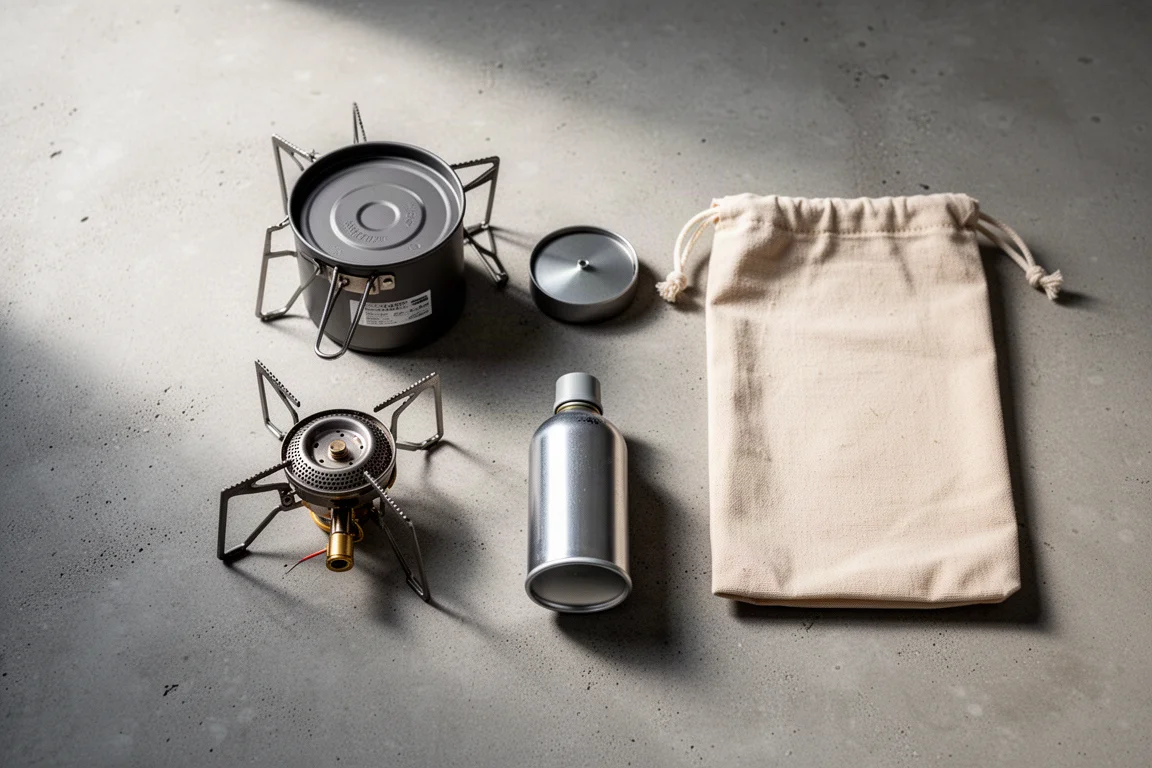
What stands out is how little the cheaper stove compromises on the fundamentals. The pot supports fold out and lock the same way, the regulator works the same way, and the burner head is arranged the same way, so anyone familiar with one stove will feel at home on the other within seconds.
Camping Moon FX Micro Max XD 2F: Power, Weight, and Price
Performance is where this stove makes its case. In a timed test, two cups of water reached a rolling boil at 1 minute 47 seconds on the clock, and the real time was likely closer to 1 minute 30 seconds given how quickly the water came up. For context, a stove with a pot integrated into its own body needed almost five minutes to do the same job. That is a meaningful difference in practice, especially when you are boiling water for a dehydrated meal after a long day on the move.
On paper the Camping Moon stove is rated at 11,260 BTU, slightly above the WindMaster’s 11,000 BTU. Weight is competitive too: 2.4 ounces for the stove alone, 3.5 ounces with the pot supports attached, and 5.6 ounces for the complete package including the case. Stored, the case measures roughly 4.5 by 3 inches. Set up, the widest point spans 6.1 inches from the adjuster to the furthest pot support, and the burner stands 3.5 inches above the canister.

Stability is good, which matters more than raw power once a pot is full of hot water. The wide pot support spread and the secure connection between the supports and the burner body keep a pot level even when the ground is not.
Camping Moon Fuel Flexibility and Cold-Weather Behavior
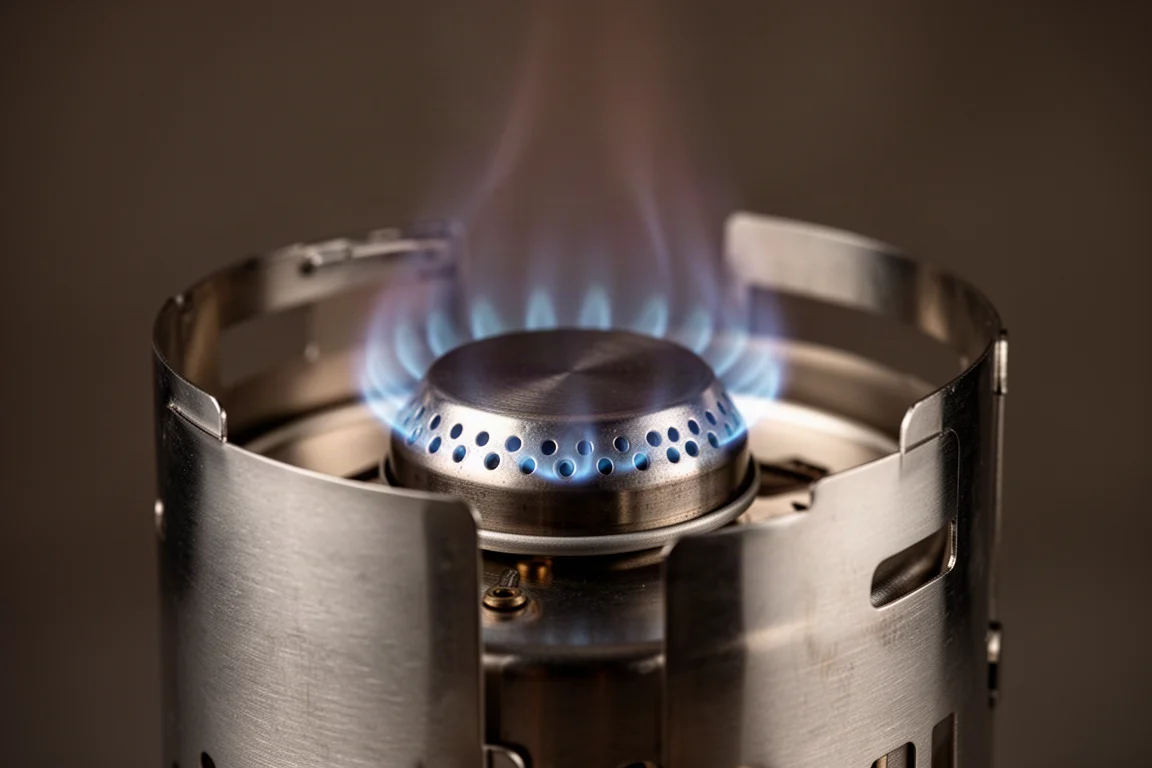
The regulator is one of the more practical features on both stoves. It helps in two specific ways: it maintains consistent output in cold conditions, and it keeps performance steady as the canister empties. Without a regulator, output tends to fall away as fuel runs low or temperatures drop, which is precisely when predictable heat is most useful.
Fuel compatibility is a genuine point of separation. The Camping Moon stove runs on isobutane, and with the right adapter it can also run on butane or propane. The WindMaster is limited to isobutane. Runtime on a full 8 ounce isobutane canister at full output is about 1.4 hours, compared with roughly 1.5 hours for the WindMaster.
There is one trade-off worth knowing about. The adjuster on the Camping Moon stove is loose, with very little resistance, so fine flame control takes a lighter touch than some users will prefer. It does not change whether the stove works, but it is the one area where the design feels less refined than the rest of the package.
Soto WindMaster: The Benchmark Stove
The WindMaster remains the reference point for good reason. It is rated at 11,000 BTU, weighs about 3 ounces, and runs for roughly 1.5 hours on a full 8 ounce isobutane canister at full output. It is slightly taller than the Camping Moon stove, and that extra height accounts for most of the weight difference, so the gap between the two is easy to justify.
The igniter sits right next to the adjuster, which makes lighting and tuning the flame feel natural in one motion, and the pot supports can be swapped for an ultralight set when every gram counts. Like the Camping Moon stove, it includes a regulator and a partial windscreen around the burner head.
The weak point is the included storage bag. It offers minimal protection, and the pot supports have already begun tearing it apart in normal use, which is a disappointing detail on a stove at this price.
Storage and Everyday Handling
Storage is one place where the cheaper stove clearly comes out ahead. The Camping Moon stove arrives in a simple canvas case with a single zip and a zipper pull, plus an inner sleeve that holds the stove and the pot supports separately. It is basic, but it protects the burner, keeps the supports from rattling around, and is noticeably better made than the bag supplied with the WindMaster.
Both stoves pack down small enough to disappear into a corner of a pack, and both are light enough that the choice between them will rarely come down to weight alone. The deciding factors tend to be price, fuel flexibility, and how much you value the small refinements.
Buying Advice
If value is your priority, the Camping Moon FX Micro Max XD 2F is hard to argue with. It boils water very quickly, weighs less than the benchmark stove it is modeled on, accepts a wider range of fuel with an adapter, and ships with the better storage case. At roughly $32 it delivers performance that would be reasonable at twice the price.

Choose the Soto WindMaster if you want the original design, a slightly longer burn time per canister, and the option of swapping in ultralight pot supports. At around $70 you are paying for a proven product and a small amount of extra polish, including an igniter positioned where many users will find it more intuitive.
Either way, check that your canisters and any adapters match the fuel you plan to use, and spend a little time getting used to the adjuster before you rely on it for a delicate simmer.
Conclusion
The Camping Moon FX Micro Max XD 2F is the more surprising of the two stoves. It borrows a proven layout, delivers very fast boil times, weighs less than the original, and costs less than half as much. Its loose adjuster and slightly less refined detailing are the only real compromises. The Soto WindMaster stays a solid choice for anyone who prefers the established design, the longer burn time, and the flexibility of swappable pot supports. For most backpackers weighing the two, the cheaper stove will be the more compelling buy.
Further reading
Related Reviews
Camping Stoves
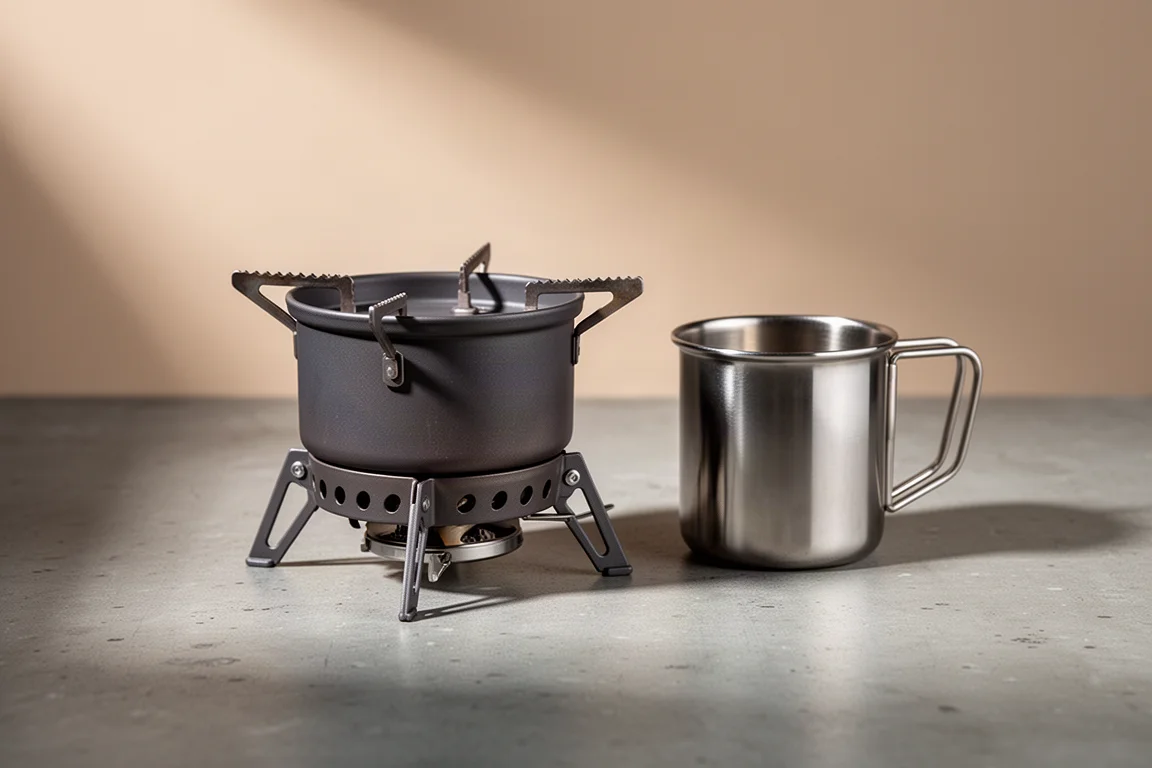
BCB Fire Dragon Mini Cooker Review: A Tiny Folding Stove With Real Trade-Offs
A palm-sized, fuel-flexible folding stove that heats water well enough, but brings flame control, stability, and fuel cost questions worth understanding first.
Camping Stoves
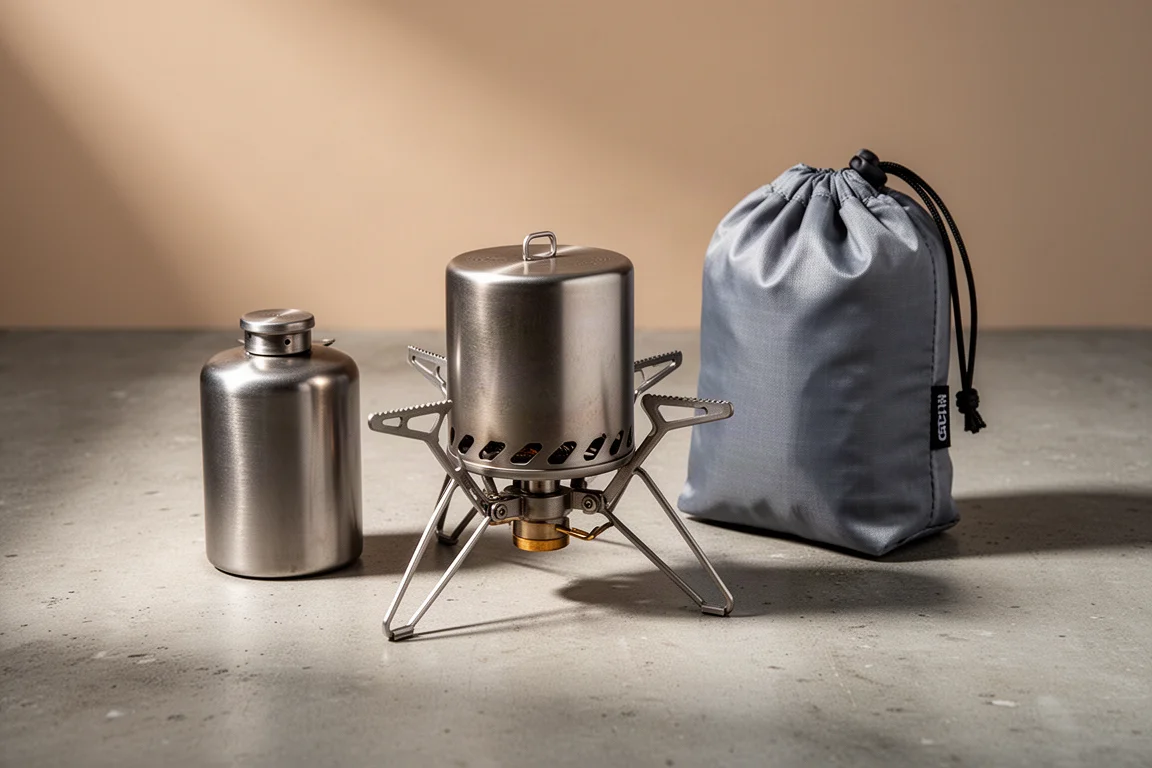
Boundless Voyage Titanium Alcohol and Wood Stove Review: Ultralight Cooking, Two Ways
A titanium alcohol and wood burning stove kit that weighs 4.5 oz complete, boils two cups of water in about 10 minutes, and costs $36.
Camping Stoves
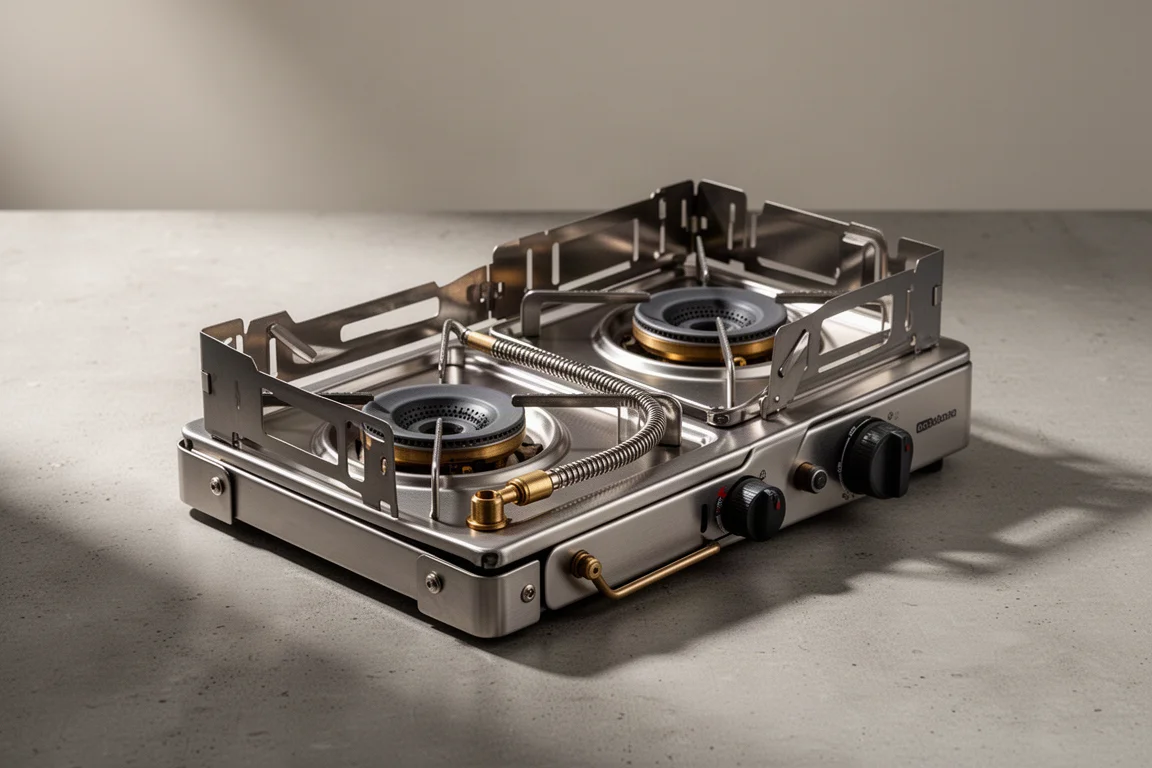
BRS 32 Dual Burner Stove Review: A Folding Two-Burner That Packs Down Flat
A detailed look at the BRS 32, a slim folding dual burner camping stove that expands into a stable cooking platform for around $60.