Running Gear
CamelBak Apex Pro Hydration Vest Review: A Sized Fit That Changes the Game
After a month of testing with fast runs and fully loaded race kit, the CamelBak Apex Pro impresses with accessible storage, a stowable pole quiver, and a true sized fit. Here's how it stacks up against the Salomon Advanced Skin 12 Set.
Introduction
Hydration vests have gone from niche ultra gear to everyday running kit, as more runners head onto the trails and the ultra scene keeps growing. CamelBak entered this space properly with the Zeph Pro last year, a vest with great build quality and attention to detail but a one-size-fits-all approach that rarely suits everyone. This year the brand launched the Apex Pro, and after roughly a month of testing on everything from short, fast runs to fully loaded longer efforts with race mandatory kit, it has clearly been put through its paces.
This review covers the key stats and construction, the storage layout in detail, and how the vest performed in real use, including an honest comparison with the Salomon Advanced Skin 12 Set, the benchmark many trail runners still measure everything against.

Key Specs and What’s in the Box
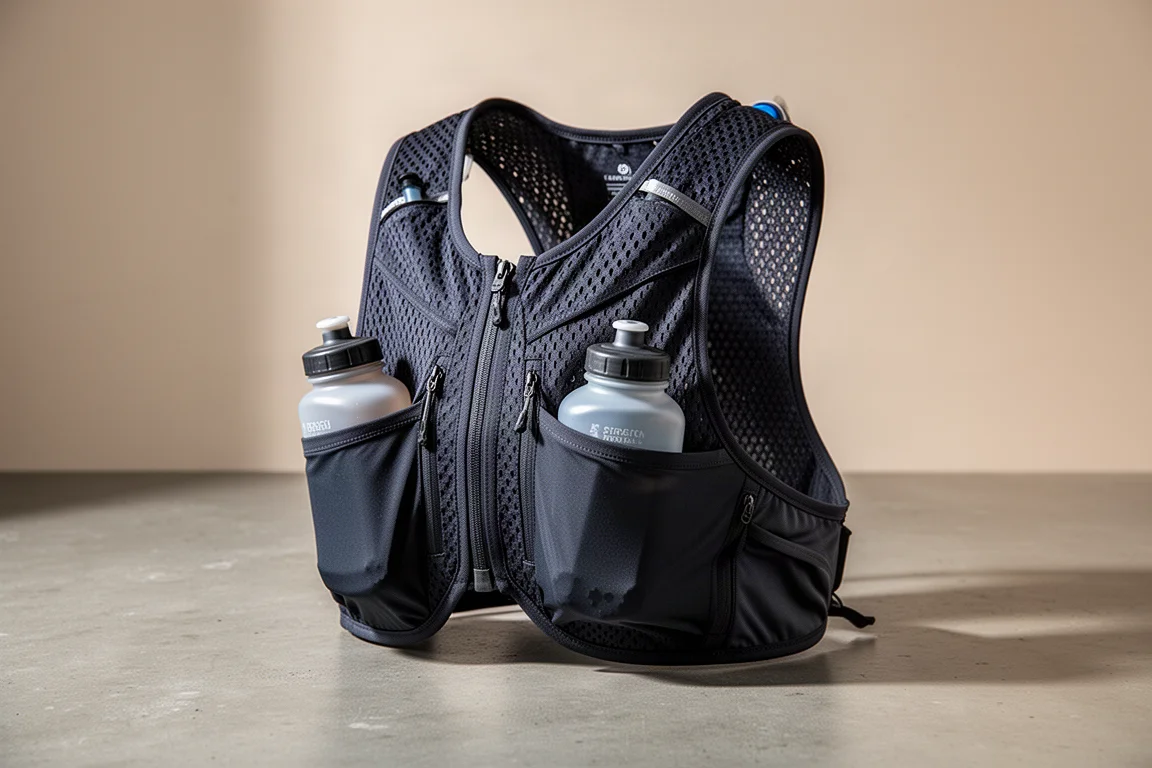
The Apex Pro offers 12 litres of storage, putting it in the same capacity bracket as the very popular Salomon Advanced Skin 12 Set. The big news is sizing: rather than a single universal fit, the Apex Pro comes in extra small, small, medium and large. That is a genuinely good move, because a sized vest means a more personalized fit, less strap adjustment flapping around, and crucially more room for accessible storage where adjustment straps used to sit.
The vest is constructed from 85% nylon and 15% woven spandex, built up in a twin-layer ventilated honeycomb mesh that lifts the fabric away from your body to form a cavity for airflow. That helps breathability noticeably in hot conditions. Quality zips, attachments, and finishing details throughout suggest the same high build standard the brand showed on the Zeph Pro. In the box you also get two 500ml soft flasks and a functional stowable pole quiver.
First Look: Construction and Fit
Fit is where the sized approach pays off immediately. At 6’1”, around 78 kilos with a 38-inch chest, a medium fits very well. Closure is a simple elasticated strap and buckle at the front, with hook-and-loop adjusters that let the straps move up and down the front of the vest for a more personalized fit. Extra bungees are there if you prefer mounting poles on the front, and they are easy to remove when using the included pole quiver.
Safety details are covered too: high-visibility detailing front and back for darker runs, a small but genuinely usable safety whistle that stows in its own tiny pocket so it never dangles and rattles, and a strip of Recco advanced rescue reflector technology on the top of the vest. Recco needs no batteries or power, and it helps rescue teams using Recco detectors, which are used by professionals worldwide, locate you if you get lost in the trails or high mountains. For anyone who spends time off the beaten path, it is a thoughtful, always-on addition.
Storage: Loads of Accessible Pockets
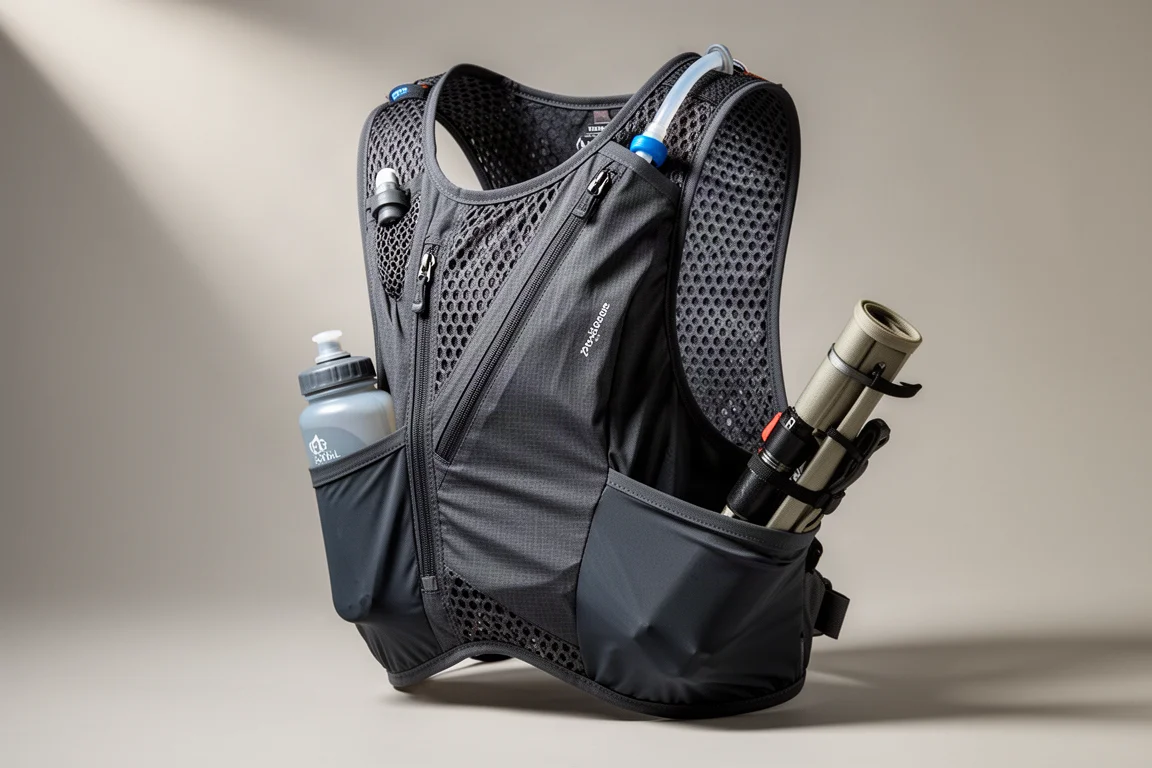
Storage is where the Apex Pro really flexes. On the back, a water-resistant PU-coated zip pocket sits at the top, and the main compartment uses a long diagonal zip running across the center of the pocket. That long zip opens the compartment up nicely, making it easy to stow mandatory kit in a dry bag and just as easy to pull items back out. Inside there is a separate mesh pocket for segregating smaller items, and below the main compartment a segregated bladder pocket with a handy clip to stop a hydration reservoir slipping down while you run.
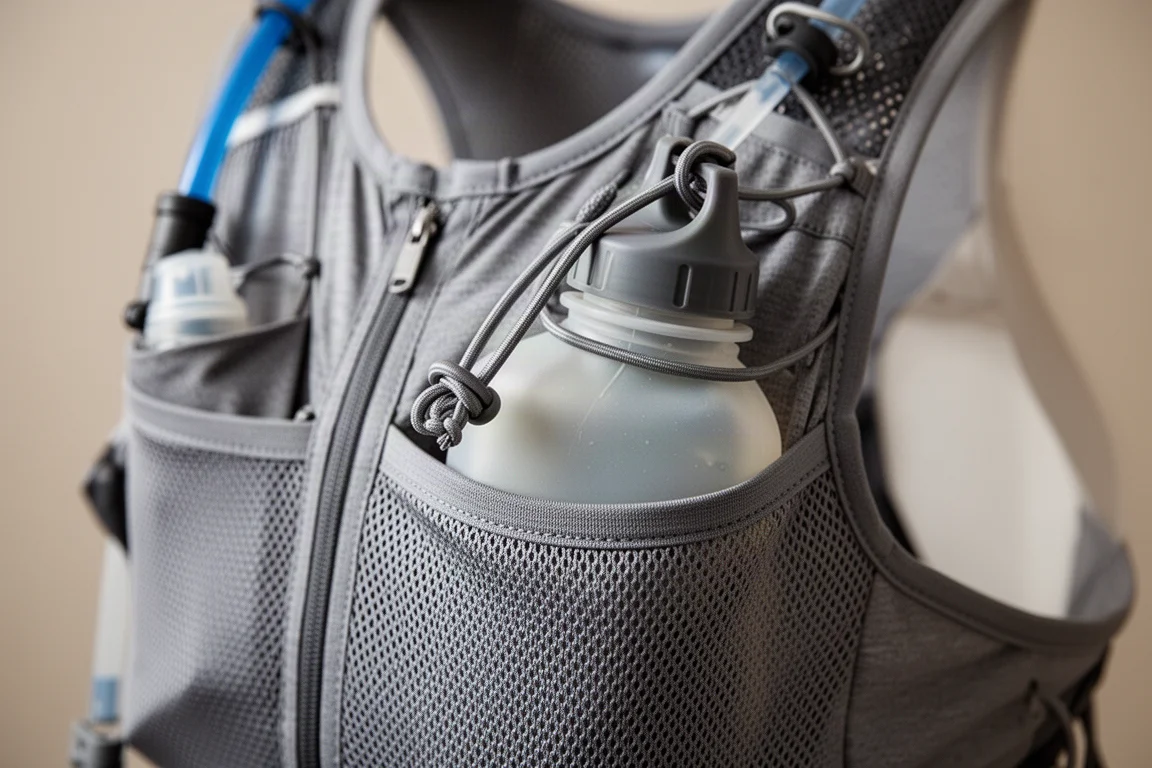
The front is a triple-pocket system. Two good-sized pockets up top hold the 500ml soft flasks, with internal bungee cords looping over the bottle lids plus a secondary cinch bungee so the flasks stay put as you drink. Below that, double stuff pockets on each side in stretchy fabric take nutrition bars, gels, head torches, buffs, or gloves, each with an internal mesh section for separating kit, and in front of each sits a more secure zip pocket in very stretchy technical fabric. A key clip on the right keeps keys safe, and around the sides two more generous stuff pockets with cinch bungees connect to one long under-compartment pocket running the length of the vest. All of this sits right where you can reach it on the move.
Pole Carrying: The Stowable Quiver System
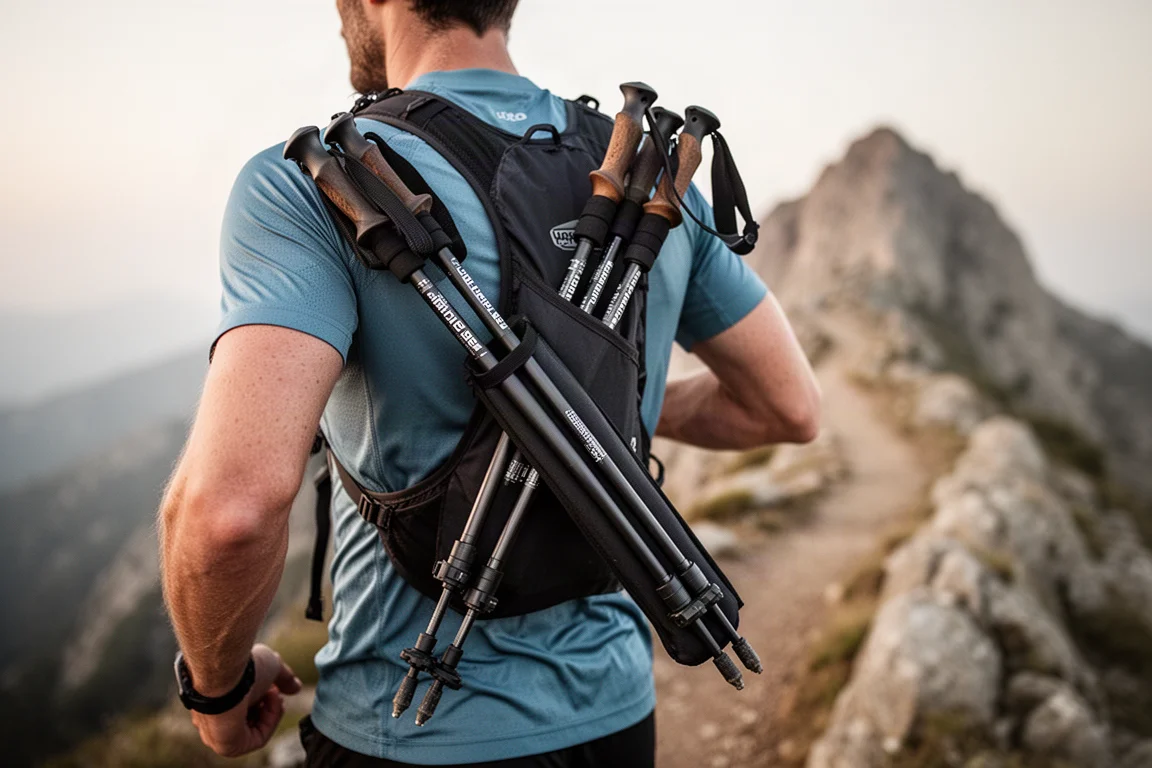
The stowable, detachable pole quiver carried over from the Zeph Pro, and it remains one of the most functional systems around. The quiver rolls up and stows away in its own pocket at the bottom of the vest when you do not need it. Unroll it, attach it with two press studs at the top of the vest, and you can cross it to your left or right shoulder depending on preference, or remove it entirely if you are not carrying poles.
The quiver itself has a nice wide opening, which makes grabbing poles on a climb or stowing them at the summit far easier than fighting with narrow openings. On the Salomon Advanced Skin 12 Set, the pole quiver has a much smaller opening, and with a set of folding poles it becomes a snag-prone battle that often means taking the vest off to get poles in or out, which rather defeats the purpose.
The Honest Gripes
Two things did not work as well as they should. First, the elasticated front adjustment straps: when the vest was fully loaded with two full 500ml soft flasks, the weight and a bit of movement made the straps work loose constantly, so they needed retightening throughout the run. As the bottles emptied and the weight dropped, it got better, but early in each run it was a little annoying.
Second, the press studs on the pole quiver are extremely tight, to the point of being difficult to detach without feeling like they might break or pull off the vest. Similar comments have appeared in user feedback elsewhere, so it may be a broader issue, which is odd given the same system on the Zeph Pro worked easily. The practical consequence is simple: once attached, the quiver tends to just stay on the pack.
How It Performed Over a Month of Testing
Across shorter, faster runs and longer fully loaded efforts, the overall fit and performance held up well. The sized fit is the biggest standout: it fits better, feels more personalized, and stays secure even fully loaded with kit. Freed from adjustment straps, the sides gain two extra accessible stuff pockets, and accessible storage is the feature that matters most in any running pack. The big diagonal zip on the main compartment makes loading and unloading race kit genuinely easy, and the internal mesh compartment adds useful organization.
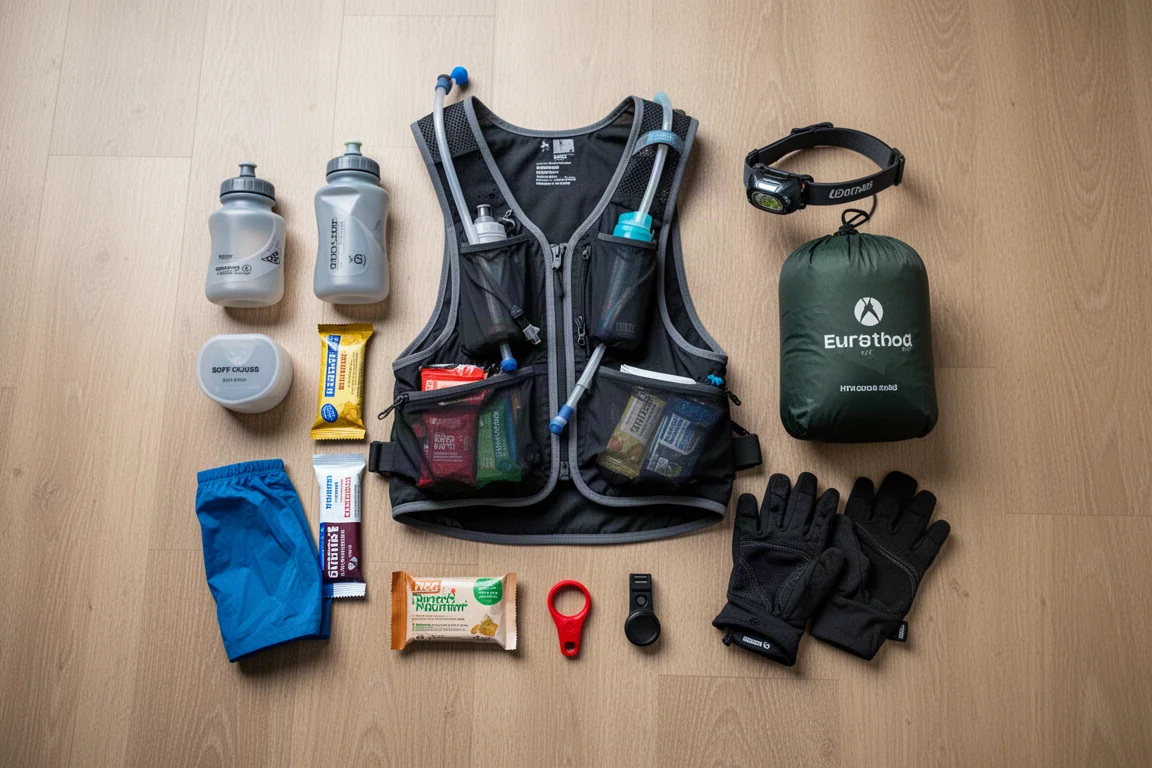
The soft flasks deserve a mention of their own. The wide openings make filling at home or at a checkpoint effortless, and adding an electrolyte tablet or a sachet of drink mix is simple in a way it is not on narrow-mouthed bottles. The lockable nozzles are a genuinely great idea that every soft flask should have: lock them off and a full flask stowed in the pack, or in the car on the way to a race, will not leak.
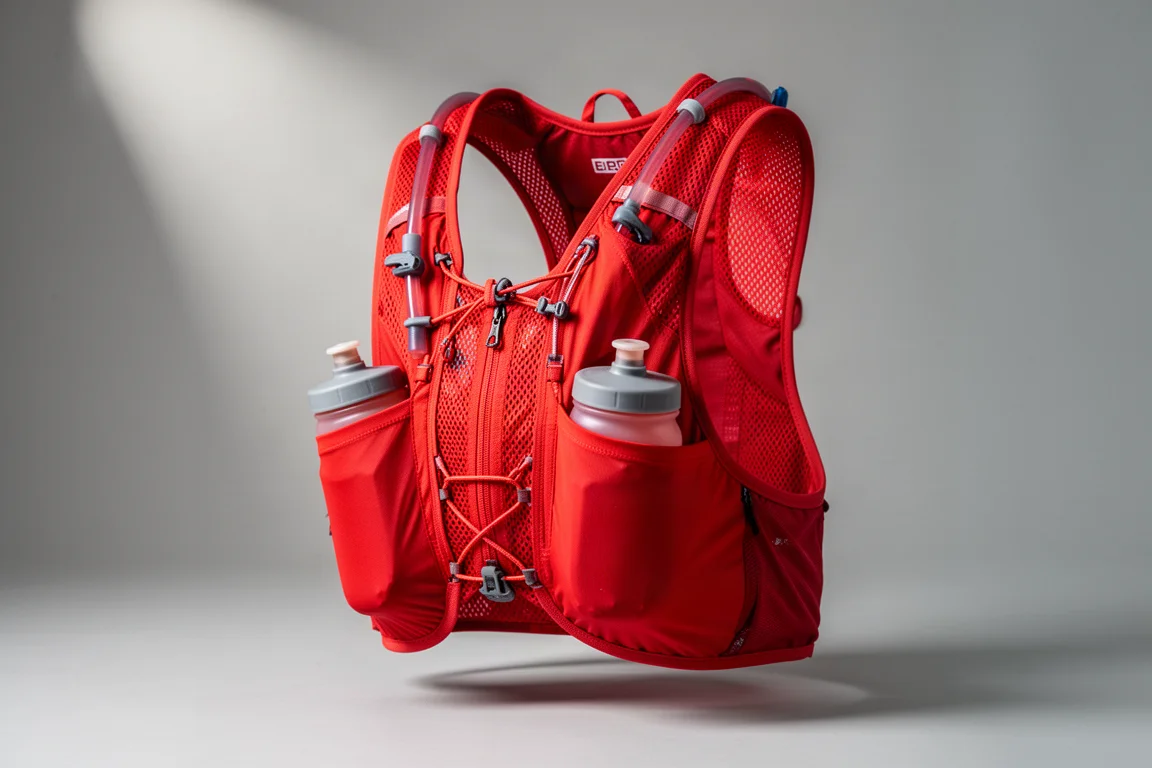
Apex Pro or Salomon Advanced Skin 12 Set?
Both vests share a lot of ground. The Salomon Advanced Skin 12 Set retails in the UK for £140, or £170 if you add the pole quiver, and the two main compartments hold a very similar amount of kit, with accessible storage that is almost identical. But the Salomon’s one-pull closure system is superbly simple, adjusts easily on the move, and once locked down it does not work loose at all while running. The Advanced Skin 12 Set also feels a touch lighter and perhaps a little more breathable. On long efforts, those three qualities matter, and they are why the Salomon still edges it as an overall pick despite the Apex Pro’s excellent quiver system and superior sized fit.
Buying Advice
Choose the CamelBak Apex Pro if a personalized sized fit, generous accessible storage, and the best stowable pole quiver system in this class top your list. Accept the trade-offs: retightening the front straps early in a run and press studs that resist letting go. If you want the most set-and-forget closure, a slightly lighter and more breathable feel, and do not mind a fussier pole quiver, the Salomon Advanced Skin 12 Set remains the one to beat.
Conclusion
CamelBak has done a genuinely good job with the Apex Pro. The build quality is excellent, the sized fit is a meaningful step forward, storage is abundant and well thought out, and the pole quiver is brilliantly functional. A couple of gripes keep it from being flawless, but after a month of thorough testing it performed well throughout. Between these two vests, the gap is narrow, and the right choice comes down to whether you value the Apex Pro’s fit and quiver or the Salomon’s closure and lighter feel.
Further reading
Related Reviews
Running Gear
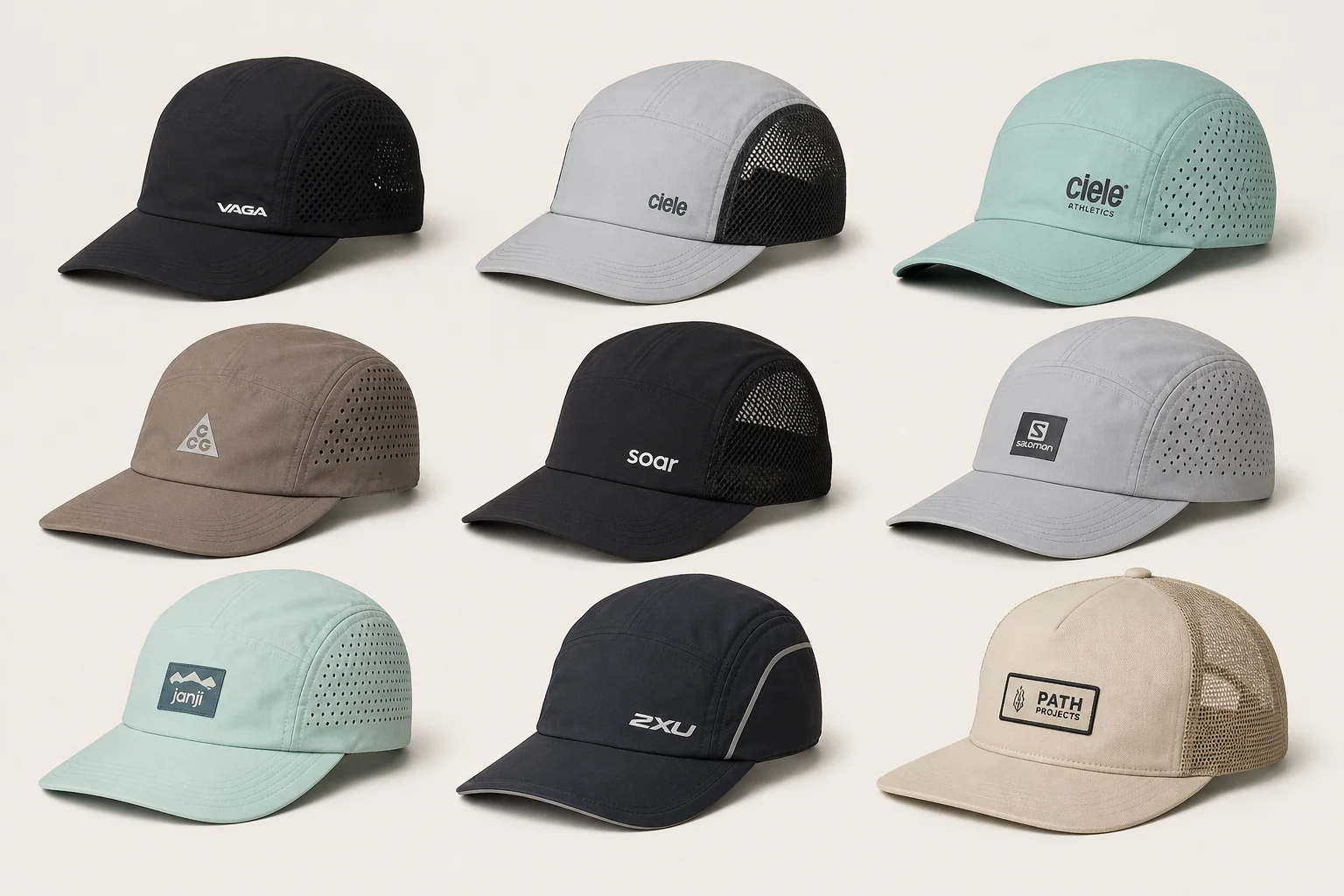
Best Running Caps 2026: Nine Tested Options for Summer and Winter
A comprehensive guide to nine running caps tested across different conditions, from lightweight summer options to waterproof winter choices.
Running Gear
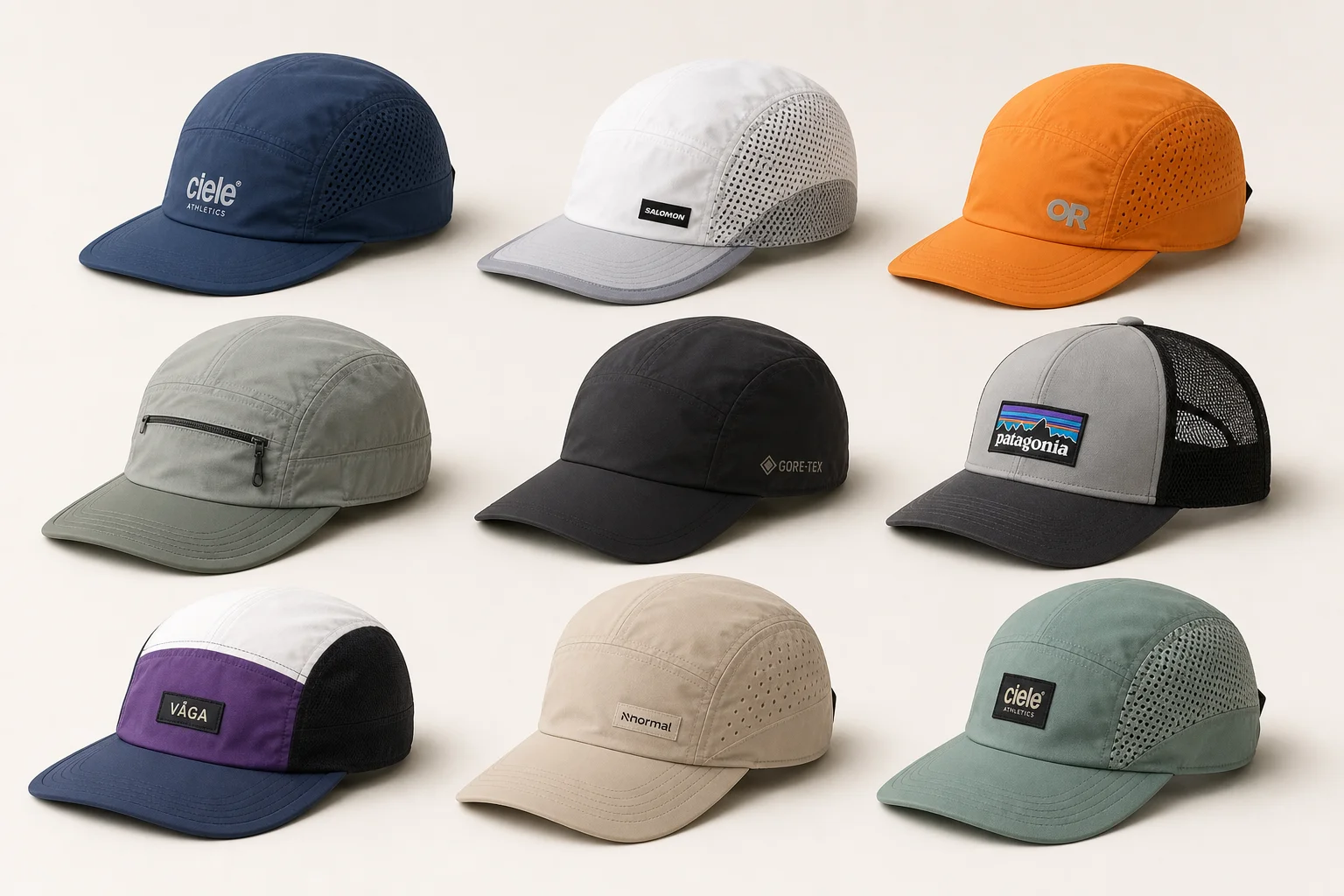
Best Running Caps: A Guide to Summer and Winter Options
A comprehensive review of nine running caps for different conditions, styles, and preferences, from lightweight summer options to waterproof winter choices.
Running Gear
Best Running Gear 2026: Five Picks That Earn Their Place
Five running upgrades covering heart rate, audio, fuelling, carrying and weather protection, with the trade-offs worth knowing before you buy.