Buying Guides
Three Value Picks Worth Knowing: Cambridge Audio SX50, Morel Avyra 600, and Henson AL13
A compact $200 bookshelf speaker, a $1,200 two-way with real scale, and a precision-machined safety razor: three picks with clear strengths and honest trade-offs.
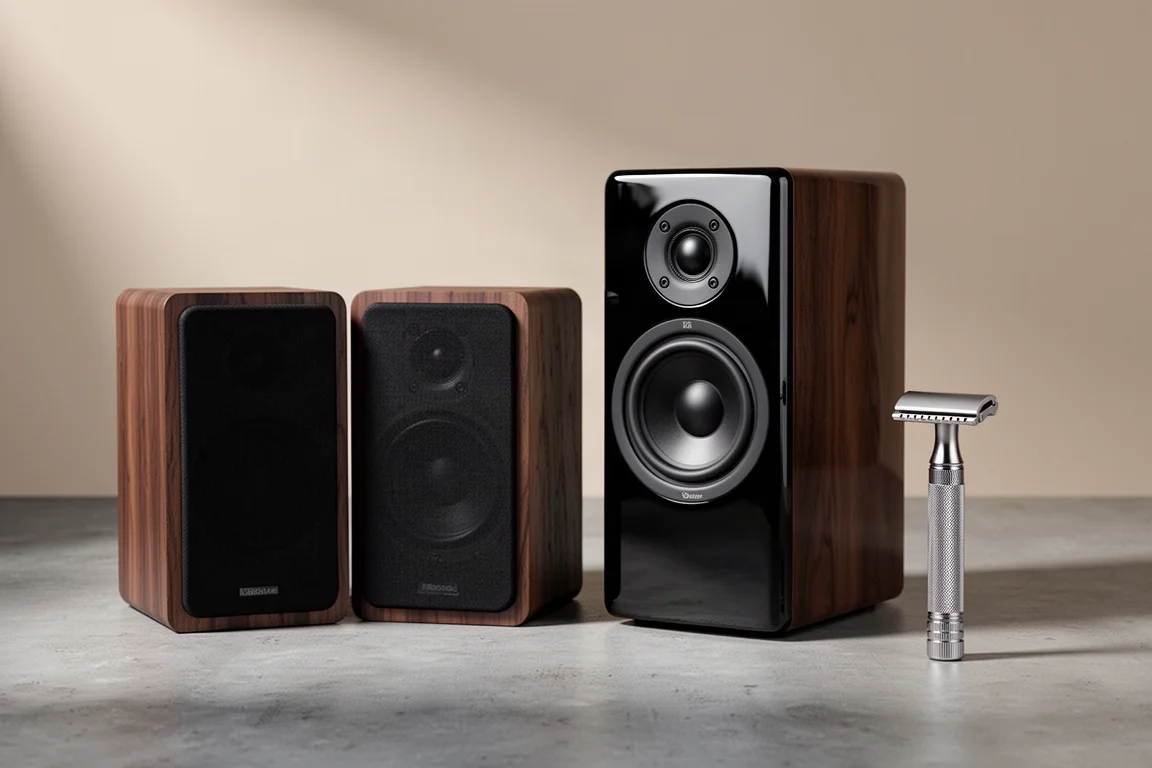
Introduction
Budget is the oldest problem in this hobby. Most people who want better sound, or a better shave, start from the same place: not enough money for the flagship option, and a nagging suspicion that anything cheaper is a compromise they will regret.
That suspicion is often wrong. A well-chosen affordable component can stay in a system for years and keep earning its place. The three products in this roundup sit at very different price points and do very different jobs, but they share one quality: each one is honest about what it does well and where it stops.
Two of the picks here are bookshelf speakers, one at around $200 and one at $1,200. The third is a precision-machined safety razor that costs far less to run than a cartridge razor. Together they make a useful case study in how to spend money on the parts of a routine that actually matter.
Why Value Picks Still Earn Their Place
There is a long tradition of compact, affordable bookshelf speakers that outperform their price. They tend to be small, simple, and built around a sensible two-way design rather than exotic materials. The appeal is not that they beat everything. It is that they get close enough on the things most listeners notice first: a clean midrange, believable bass, and a sound that does not tire you out.
The same logic applies to shaving. Multi-blade cartridges are convenient, but the blades clog, replacement packs are expensive enough that shops keep them behind locked glass, and plenty of people end up with irritation that pushes them toward giving up on shaving altogether.
Good value products do not ask you to accept a bad experience. They ask you to give up features you were not really using.
Best Affordable Bookshelf Speaker: Cambridge Audio SX50
The Cambridge Audio SX50 is a compact bookshelf speaker that sells for around $200, and it is the pick that surprised the most in a direct comparison. Even at moderate listening levels around 70 dB, it produced useful bass presence down around 150 Hz from a cabinet much smaller than its rival.
Its real strength is the midrange. The SX50 sounds natural rather than peaky, and it stays composed when a recording throws a lot of energy into the upper mids. On harsher, midrange-heavy material from the late 1960s, it was the more comfortable listen of the two speakers, controlling that forward character instead of amplifying it.
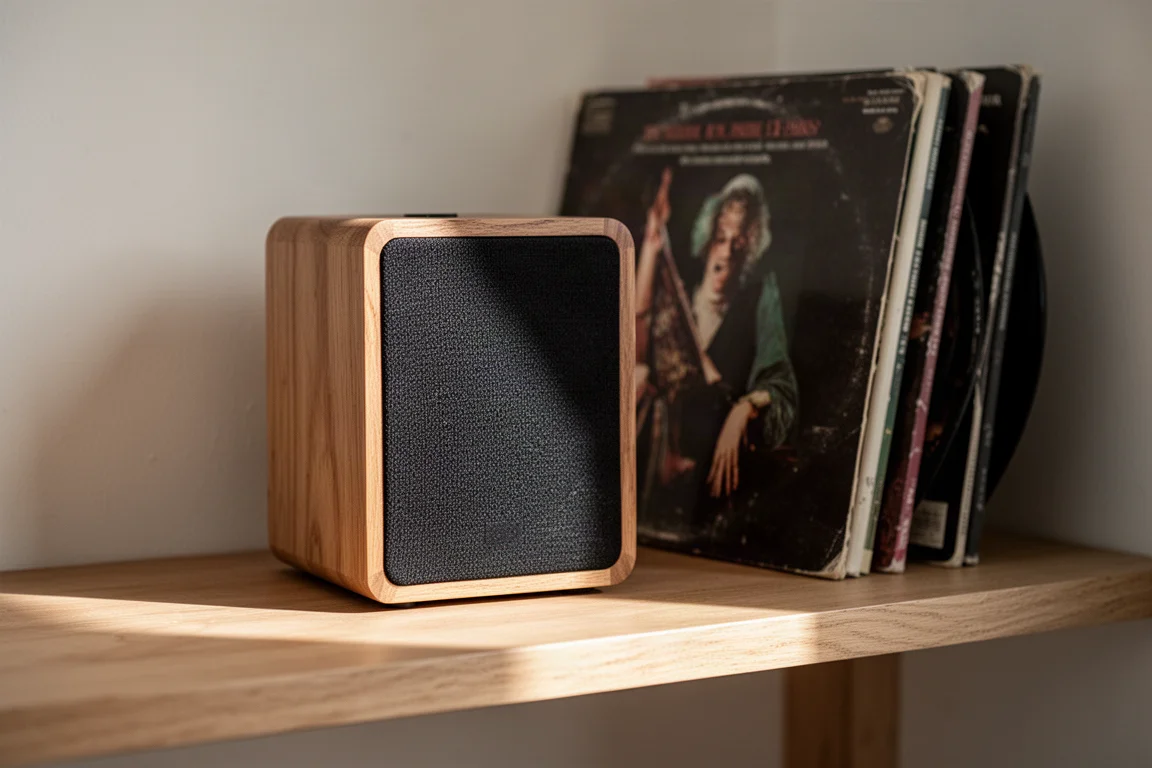
The trade-offs are the ones you would expect from a smaller cabinet. The SX50 is less dynamic than the Morel, it does not play as wide or as spacious, and it will not fill a large room with the same ease. What it does instead is get you a large share of the way to a much more expensive speaker, and on certain recordings it goes further than that.
Best for Scale and Separation: Morel Avyra 600 Series
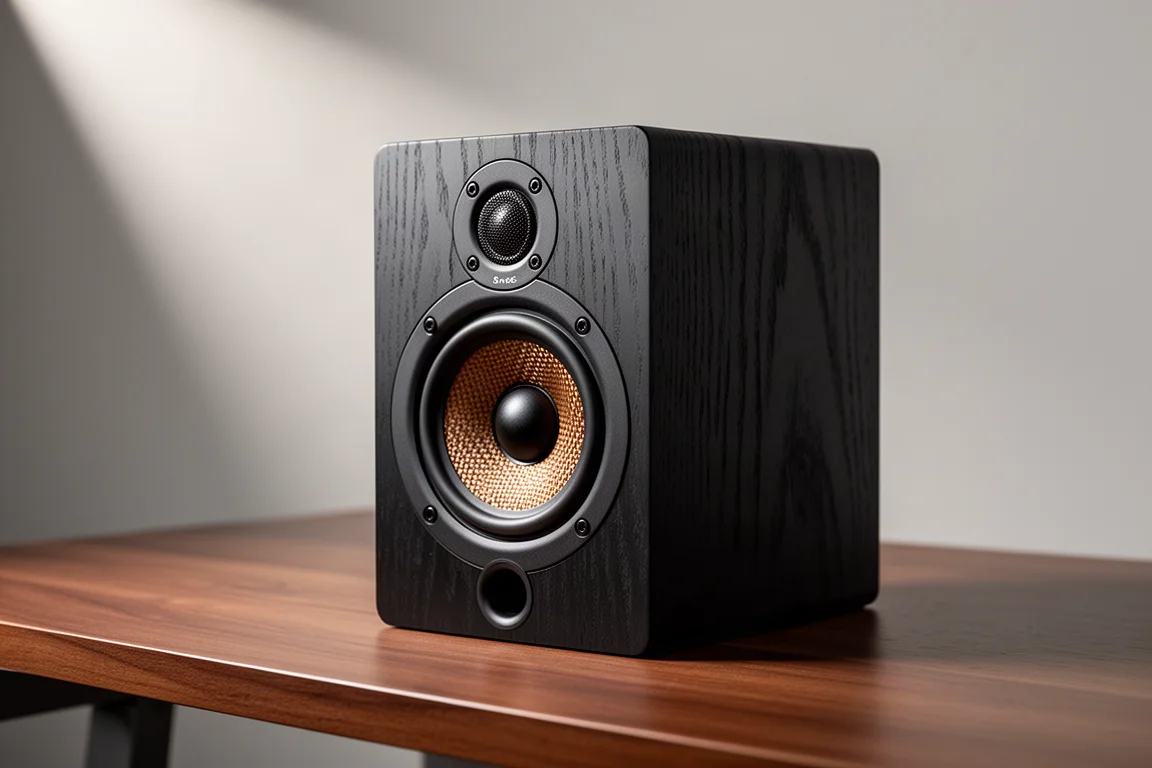
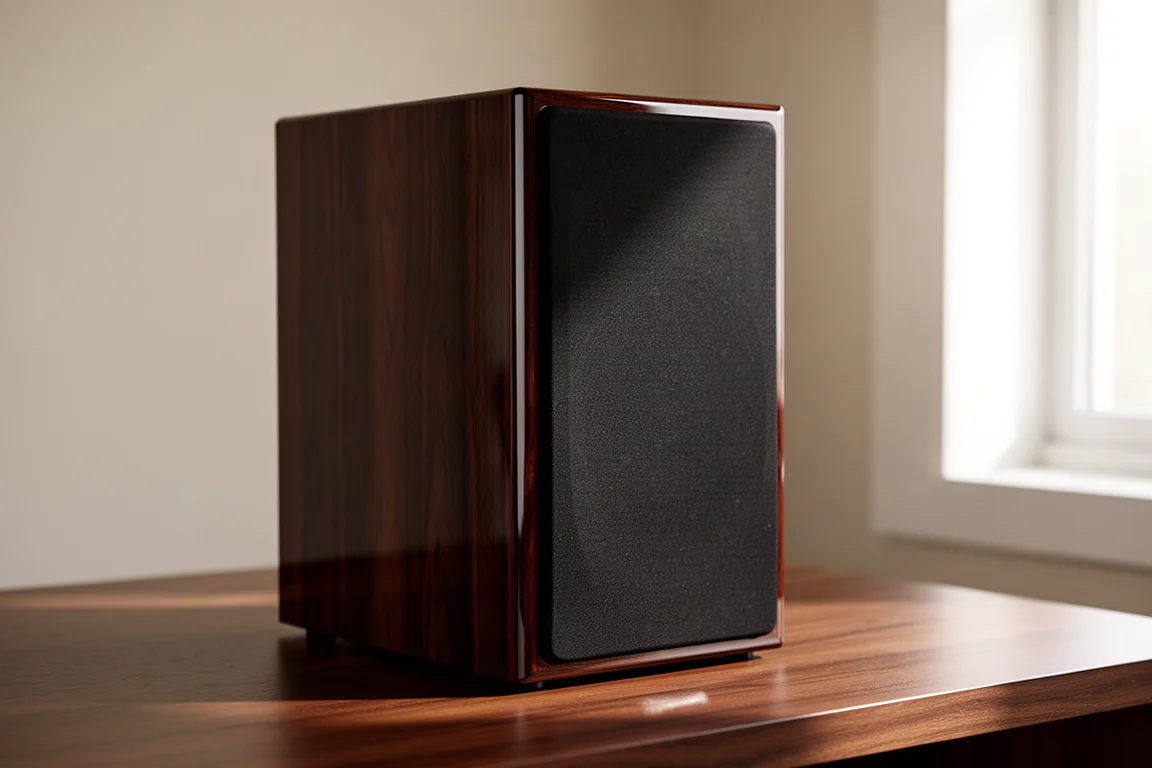
The Morel Avyra 600 series is the larger, more expensive option at $1,200, and it looks the part. It is a two-way bookshelf design with a considerably bigger cabinet and driver than the SX50, and that physical advantage shows up immediately in the way it presents music.
Where the Morel wins is scale and detail. Instruments separate more cleanly, the soundstage is wider and more spacious, and there is more air around voices and cymbals. It is also the more dynamic speaker of the two, with bass fills and drum hits landing with more weight. On a well-recorded modern track with a lot of spatial information and low-end content, the difference is easy to hear.
The caveat sits in the upper midrange. The Morel has a noticeable rise somewhere between roughly 4 and 6 kHz, which can turn into sibilance on recordings that already lean bright, and it is noticeably less forgiving of midrange-heavy material from the 1960s. At higher volumes that character becomes more pronounced.
Best for Sensitive Skin: Henson AL13 Safety Razor
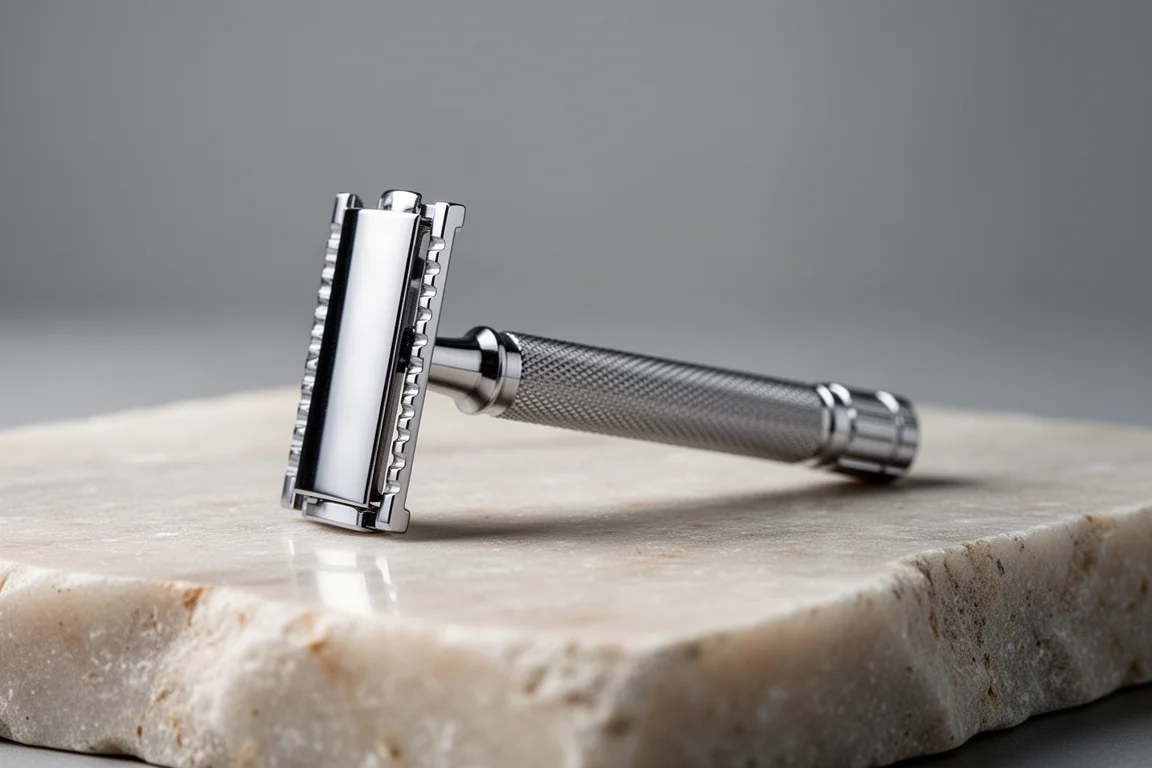
The Henson AL13 approaches shaving from a different direction. Instead of chasing the closest possible shave, the design targets a skin-friendly one. The razors are machined in Canada in the company’s own machine shop, the same operation that has produced parts for space programs, and that manufacturing precision is the foundation of the whole design.
Two numbers matter. The blade sits at a 30-degree angle, and it extends only 0.013 inch past the shaving plane, which is less than the thickness of a human hair. That small exposure is what limits how aggressively the edge can dig into skin.
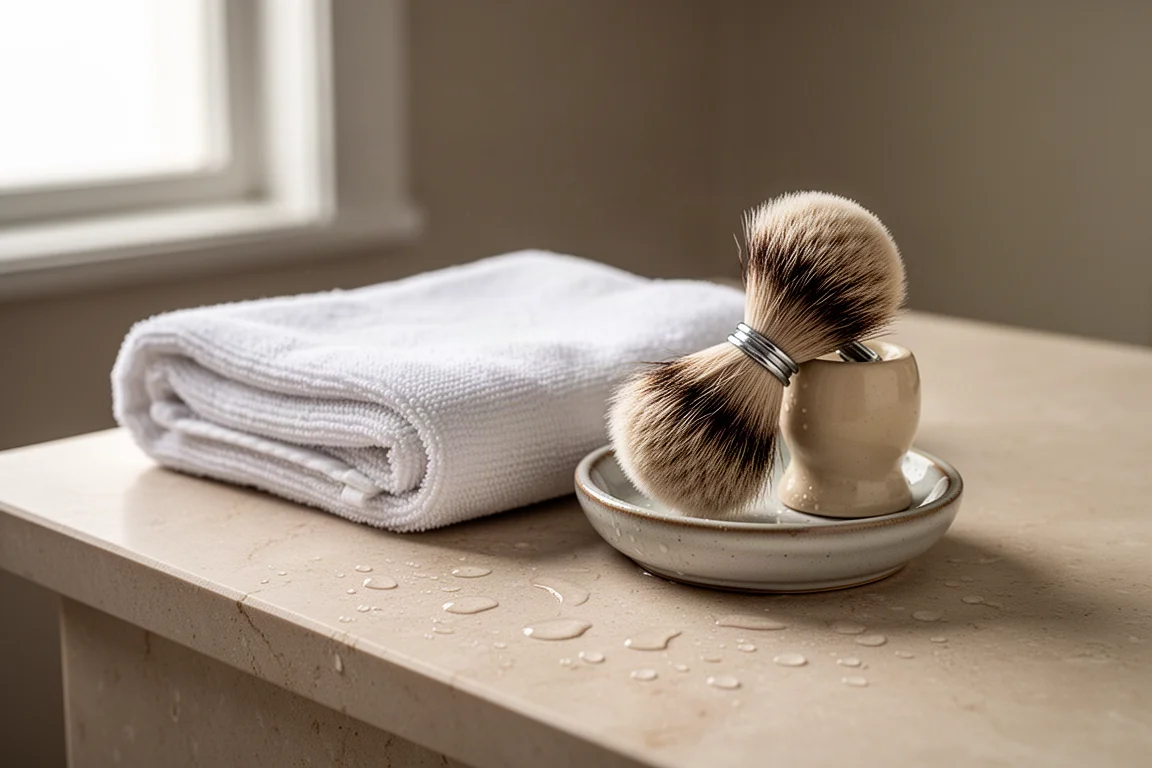
Running costs are the other half of the story. The AL13 uses standard double-edge blades that can be bought almost anywhere, at roughly ten cents each, or ten for a dollar. Multi-blade cartridges, by comparison, often run $2 to $4 each. Henson also sells blades directly, including packs of 100.
On the skin side, Henson has worked with scientific researchers on irritation, and the early results point to a significantly lower erythema response, which is the redness associated with razor burn. That is promising rather than settled science, and there is still not a great deal of public data on razor irritation overall.
Matching a Speaker to the Music You Actually Play
The most useful lesson from comparing these two speakers is that pairing matters as much as raw quality. The same two speakers traded places depending on what was playing. On older, midrange-heavy recordings with limited bass and a forward upper midrange, the smaller and cheaper SX50 was consistently the easier, more controlled listen. On a modern record with real low-end content, deliberate spatial effects and cleaner mastering, the Morel pulled clearly ahead.
That is not a defect in either speaker. It is a reminder that a system is a chain, and the weakest link is often the recording rather than the hardware. If most of your library comes from an era when midrange was pushed hard and bass was an afterthought, a slightly warmer and better-controlled speaker will do more for you than a more revealing one.
Individual hearing plays a role too. Sensitivity to particular frequency ranges varies a great deal from person to person, which is why one listener can find a speaker fatiguing while another finds it detailed. When you can, listen before you commit, and use recordings you know well.
What to Weigh Before You Buy
Start with the material you actually play. If your collection leans toward older, brighter or midrange-heavy recordings, the SX50 at around $200 is the safer and better-value choice, and it holds its own on modern music as well. If you want scale, separation and low-end weight, and your library is mostly well-recorded modern material, the Morel Avyra 600 justifies its $1,200 price on the right tracks.

For the razor, the calculation is simpler. The cost of the AL13 is a one-time purchase, while blades run about a dime each and are available from many sources. If cartridge razors leave your skin red and irritated, or if you resent paying several dollars per cartridge, the AL13 addresses both problems at once. The main adjustment is technique and habit, not maintenance.
Conclusion
None of these three products is trying to be the most expensive option in its category. The Cambridge Audio SX50 delivers a natural, controlled sound for around $200 and holds up better than expected against a speaker costing $1,000 more. The Morel Avyra 600 rewards listeners with well-recorded material and an appetite for scale. The Henson AL13 turns shaving into a low-cost, skin-friendly routine built on widely available blades.
Buy the one that fits the job you actually have. That is usually the decision that lasts.
Further reading
Related Reviews

Backpacking Gear
Building a 10 lb Base Weight: An Ultralight Backpacking Gear List
A practical walkthrough of the ultralight pieces behind a 10 lb base weight, from a 765 g pack and a roomy one-person tent to a full camp chair and a dependable water filter.

Road Bikes
10 New Road Bikes Worth Watching: Aero, Titanium, Steel and Endurance Standouts
A practical roundup of 10 new road bikes, from aero flagships chasing single-watt gains to titanium, steel and endurance platforms built for real roads.
Bikepacking Gear
11 Bikepacking Essentials for Long-Distance Cycling
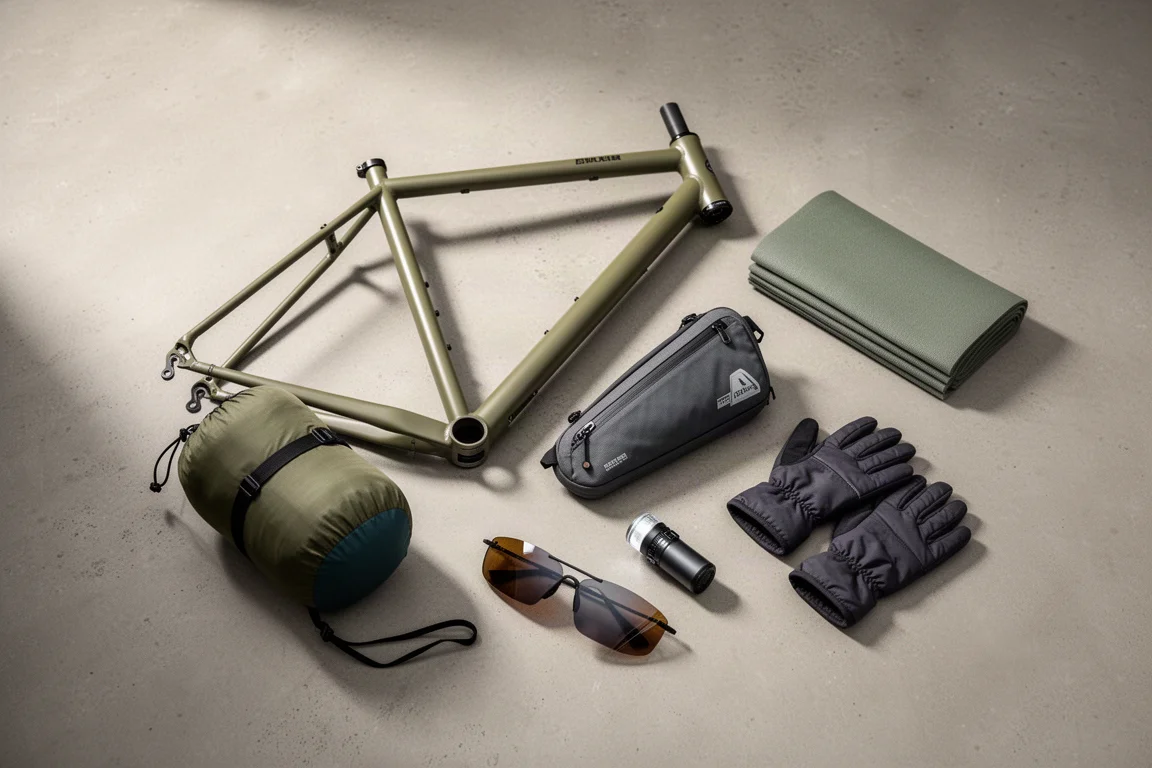
Eleven bikepacking essentials for long-distance cycling, from a steel gravel frame and a two-person tent to helmet lights, packable gloves, and a frame bag that puts weight in the right place.