Power Tools
Buying Japanese Power Tools From Amazon Japan: Three Picks Worth Importing
Amazon Japan makes it surprisingly easy to buy tools that never reach the US market, often at prices well below domestic retail. Here is how the process works and three tools that show why it is worth a look.
Introduction
Importing power tools from Japan used to sound like a niche hobby for collectors. In practice, ordering through Amazon Japan has become one of the smoothest ways to get tools that are either unavailable in the United States or priced far more competitively overseas. The whole experience is straightforward: packages arrive well protected, shipping is faster than you would expect for a 7,000-mile journey, and fees are handled up front.
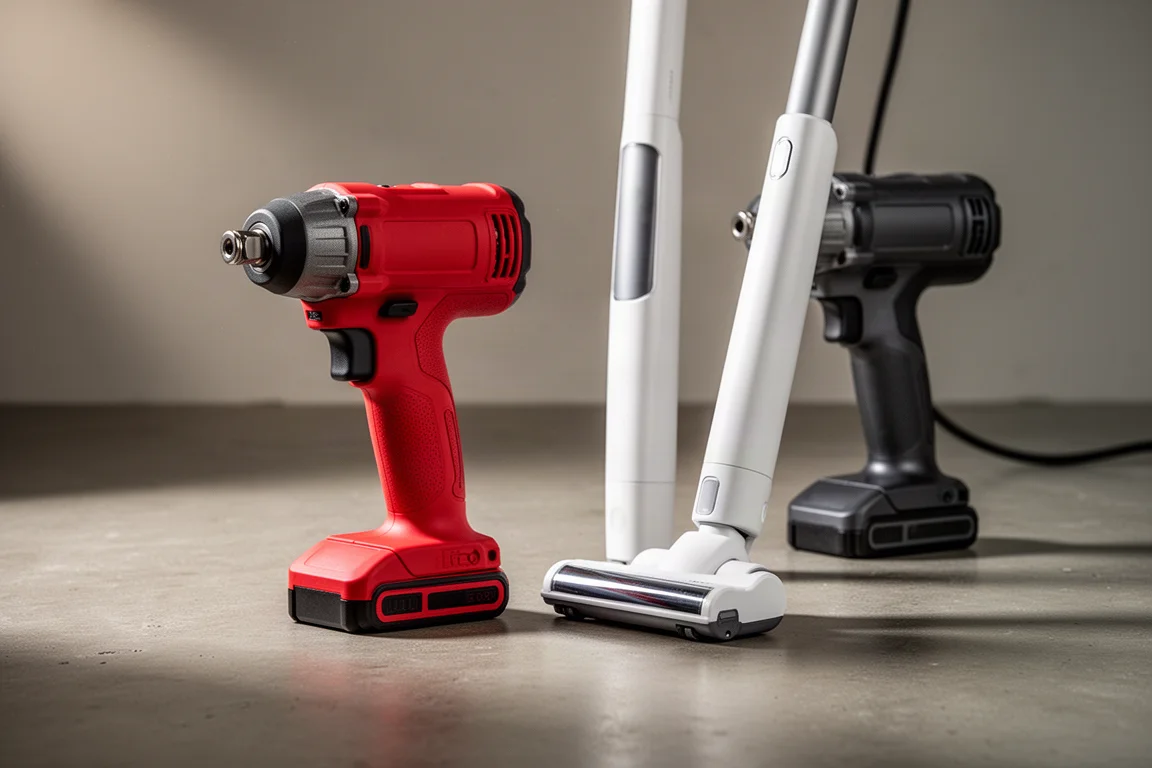
This guide covers why you might want to buy tools from Japan, how Amazon Japan compares with eBay, and three specific tools that illustrate the value on offer: the new Makita TD173 impact driver, a HiKoki impact driver, and a HiKoki stick vacuum.
Why Buy Tools From Japan
Two reasons dominate. The first is access. Japanese brands sell a much larger product line in their home market than they export, and models sold under the HiKoki name in Japan are branded Metabo HPT in the US. The product lines are effectively the same, and importantly, batteries from Metabo HPT tools work on HiKoki tools, so you can buy Japanese tool-only units and power them with batteries and chargers purchased domestically.
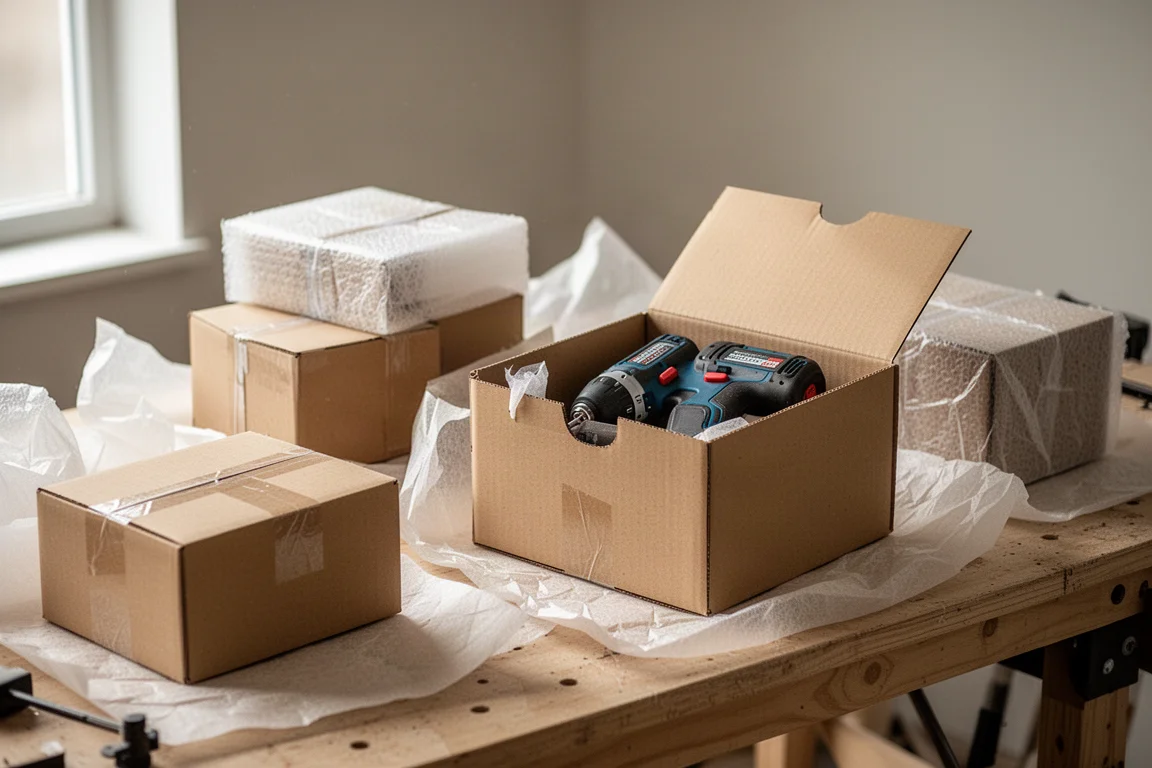
That last point matters more than most guides admit. Chargers sold in Japan are not built for 120V outlets, and lithium-ion batteries face heavy international shipping restrictions, so they travel slower and cost more. The sensible approach is simple: buy the tool only from Japan, and buy your batteries and chargers in the United States.
The second reason is value. Buying a 7,000-mile-shipped import to save money sounds counterintuitive, but it works out in several cases. An impact driver that has never been offered tool-only in the US can be picked up in Japan for around $120 with a coupon code, some shipping, and a currency conversion fee. A stick vacuum that would cost nearly $500 as a kit stateside runs about $120 in Japan with very similar specifications. Build quality being slightly better on Japan-market units is a nice bonus, but it is not the reason to shop there.
Amazon Japan vs eBay
There are two practical routes for importing. eBay is the simpler one: create an account, add a card, and let eBay handle most of the conversion logistics. Japan-based sellers are plentiful, and eBay often has stock and colors sooner. The brand-new Makita TD173 impact driver, for example, appeared on eBay before it was listed on Amazon Japan at all.
The downsides are price and speed. Because you are paying a middleman, eBay listings run higher, and shipping from Japan to the US typically takes two to six weeks. The TD173 currently sits at about $450 with free shipping, which is well above where it will likely land at retail once it reaches the US.
How Amazon Japan Ordering Works
Amazon Japan is the preferred route for most importers, and it is more polished than it was years ago. Setup is simple: create an account on amazon.co.jp, add your US address, and add a credit card. You do not need a Japanese address or a forwarding service. Note that Prime benefits do not apply to cross-border orders.
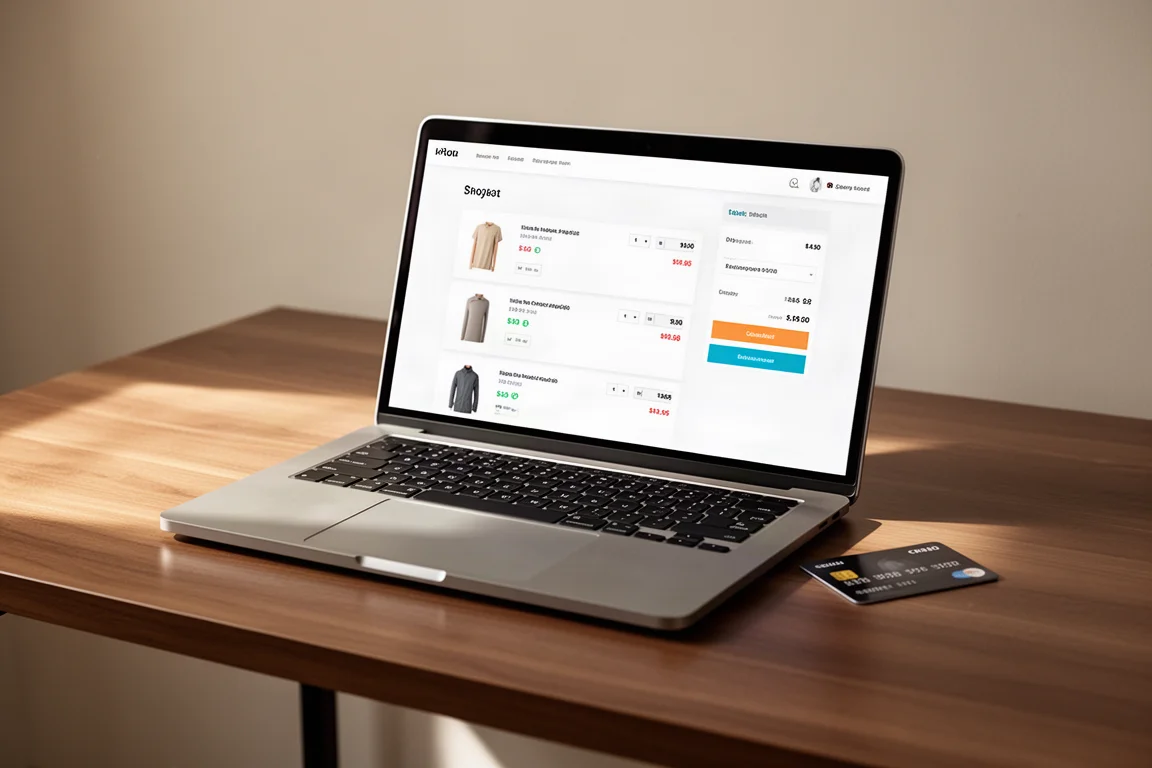
Choose your card carefully, because conversion fees from USD to yen vary. Many buyers report good results with an Amazon Prime Visa, which keeps the transaction with Amazon and avoids cards flagging the purchase as unusual activity. Check your card’s foreign transaction terms before placing a large order.
Searching is the hardest part. Use Google Translate for the pages Amazon does not translate, and remember that brand names differ: search HiKoki, not Metabo HPT. Filter results with the international shipping eligible checkbox, and be cautious with third-party sellers, whose shipping fees can be much higher than Amazon’s own.
Fees and shipping are handled at checkout. Standard shipping is cheaper but takes two to three weeks; priority shipping usually costs only a few dollars more and took one to two weeks in practice, with many items arriving in days via DHL. Keep order totals under roughly $2,000 per package to stay clear of customs duties for personal imports, and cross-check anything you find against US availability first. A pole saw bought domestically can cost only a few dollars more and arrive the next day, so the math does not always favor importing.
Makita TD173 Impact Driver
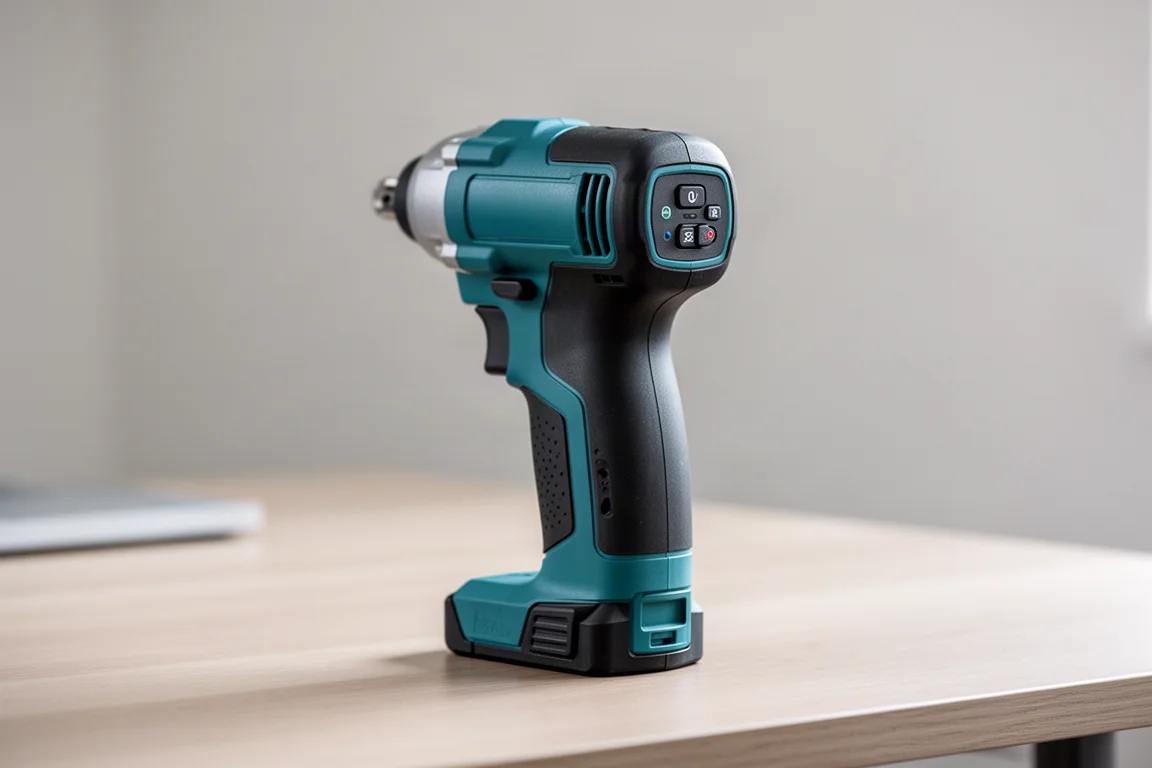
The TD173 is the newest Makita impact driver in the Japanese lineup and is expected to reach the US market, likely as the XDT21, about a year later. It is currently available on eBay, which makes it one of the few genuinely hard-to-get tools worth hunting for through import channels.
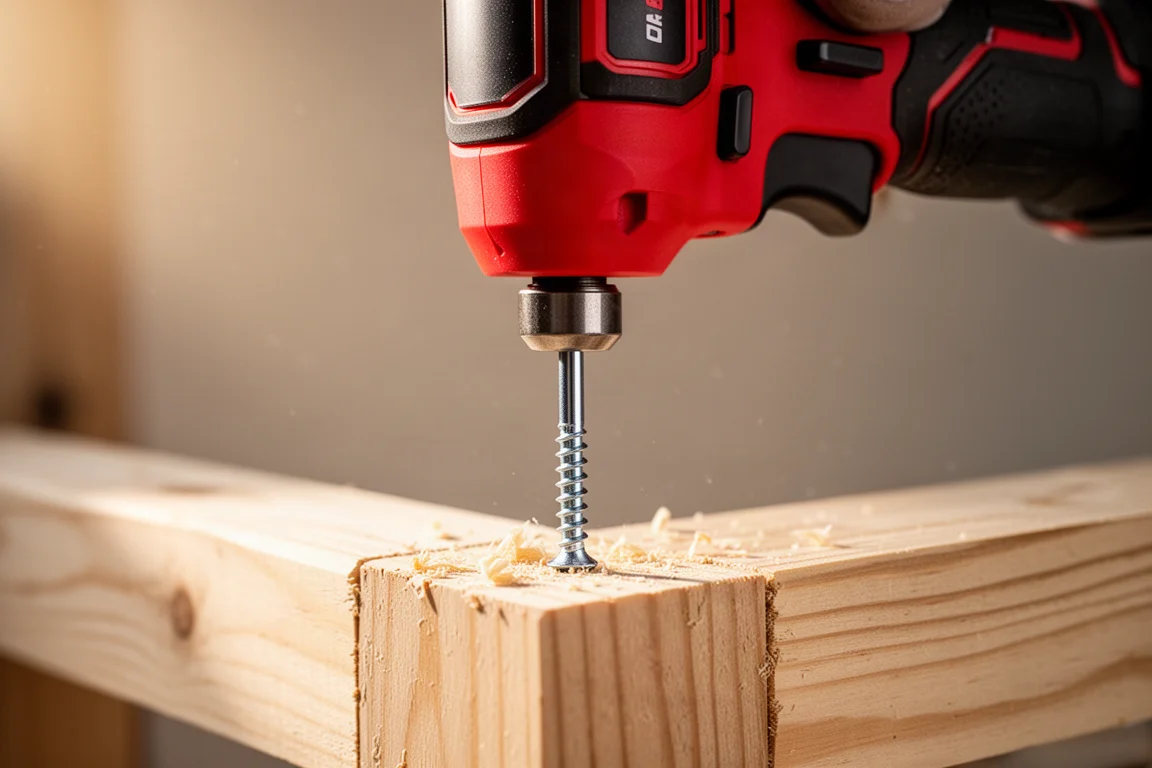
It is offered in a wide range of colors in Japan, including four standard options and three specialty colors, such as white and gold, a camel tone, and coral, that sell in much smaller quantities. The catch is price: at around $450 on eBay with free shipping, it is well above what the tool will likely cost at US retail once it launches. Impatient early adopters will pay the premium; everyone else may be better off waiting for the domestic release.
HiKoki Impact Driver
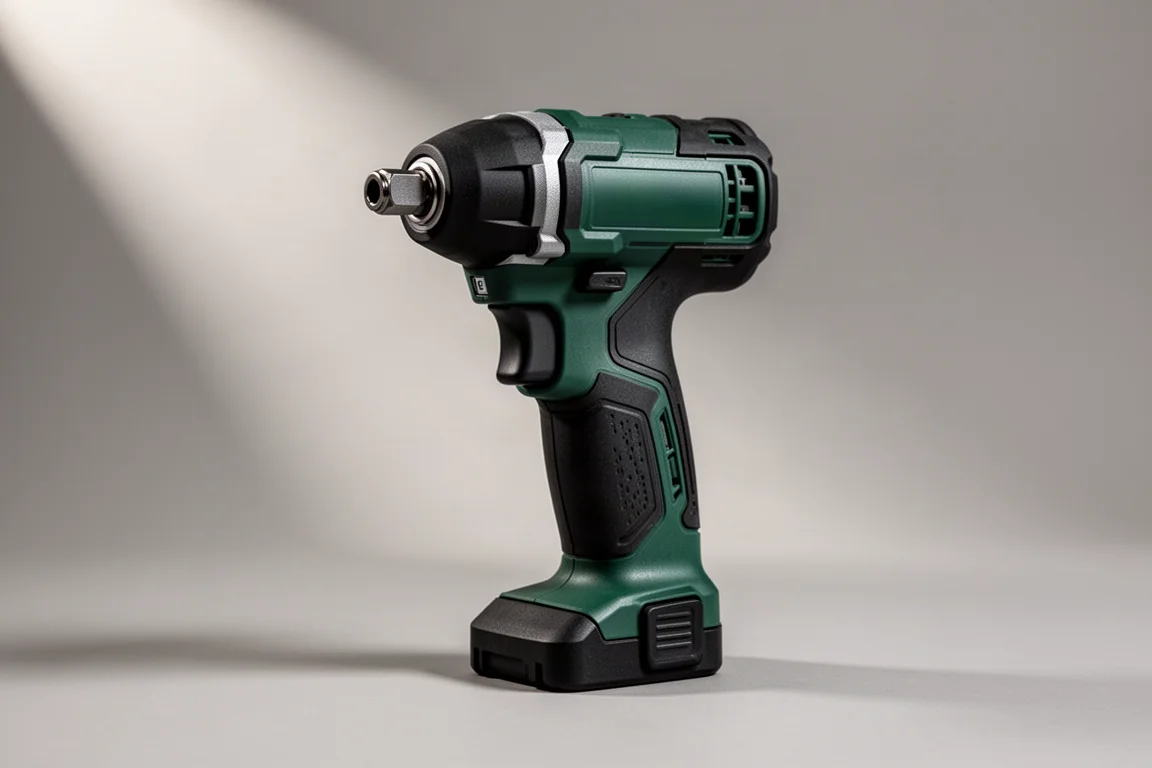
This is the flagship example of the value case. The same model is sold in the US as a Metabo HPT tool, but it has not been available tool-only domestically since its release roughly a year ago. On Amazon Japan, it can be had for about $120 with an available coupon code, plus a modest shipping cost and conversion fee.
The HiKoki branding opens up color choices the US market does not see: flare red, black, standard green, a darker forest-style army green, and ocean blue, among others. Batteries from Metabo HPT tools work on it without issue, so buying tool-only keeps the total cost down and avoids the battery and charger compatibility problems that would come with Japanese-market accessories.
HiKoki Stick Vacuum
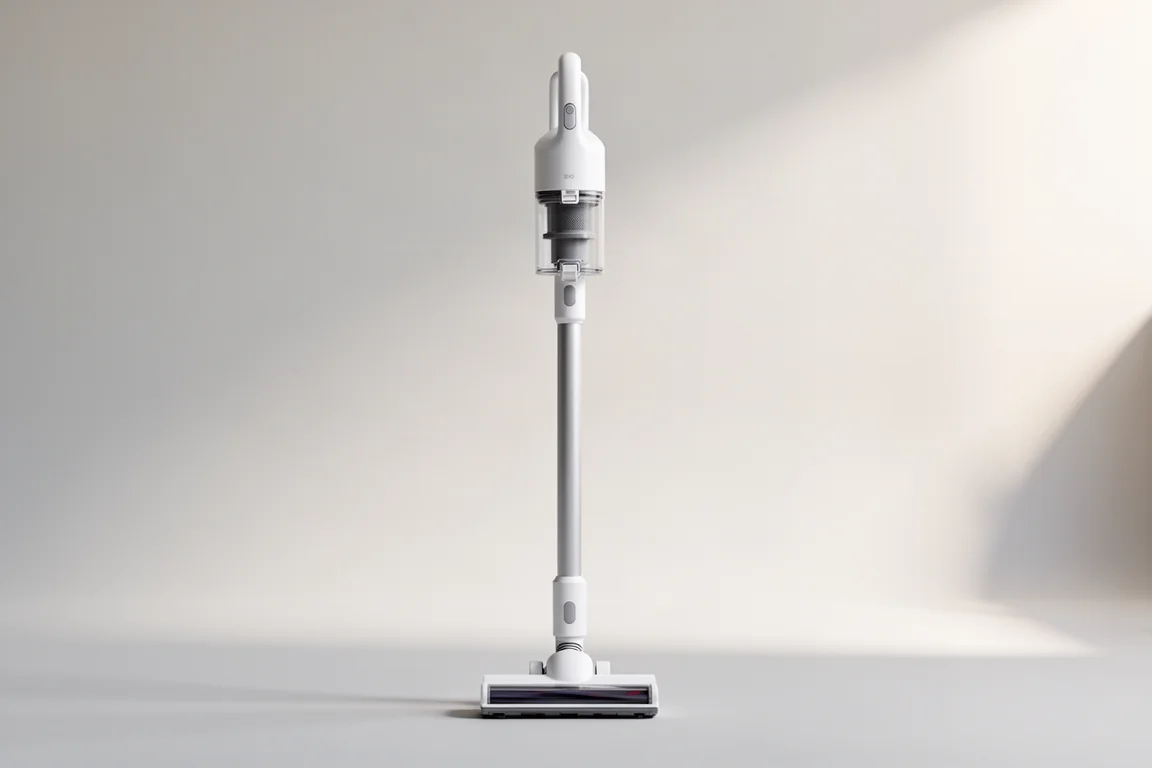
This model is not sold in the US at all; Metabo HPT does not offer a stick vacuum stateside. Its closest equivalent is the Makita XGT 36V vacuum, a sister design that runs on the same battery voltage class. In the US, the Makita version is sold only as a kit for close to $500, which is a hard price to justify for a stick vacuum.
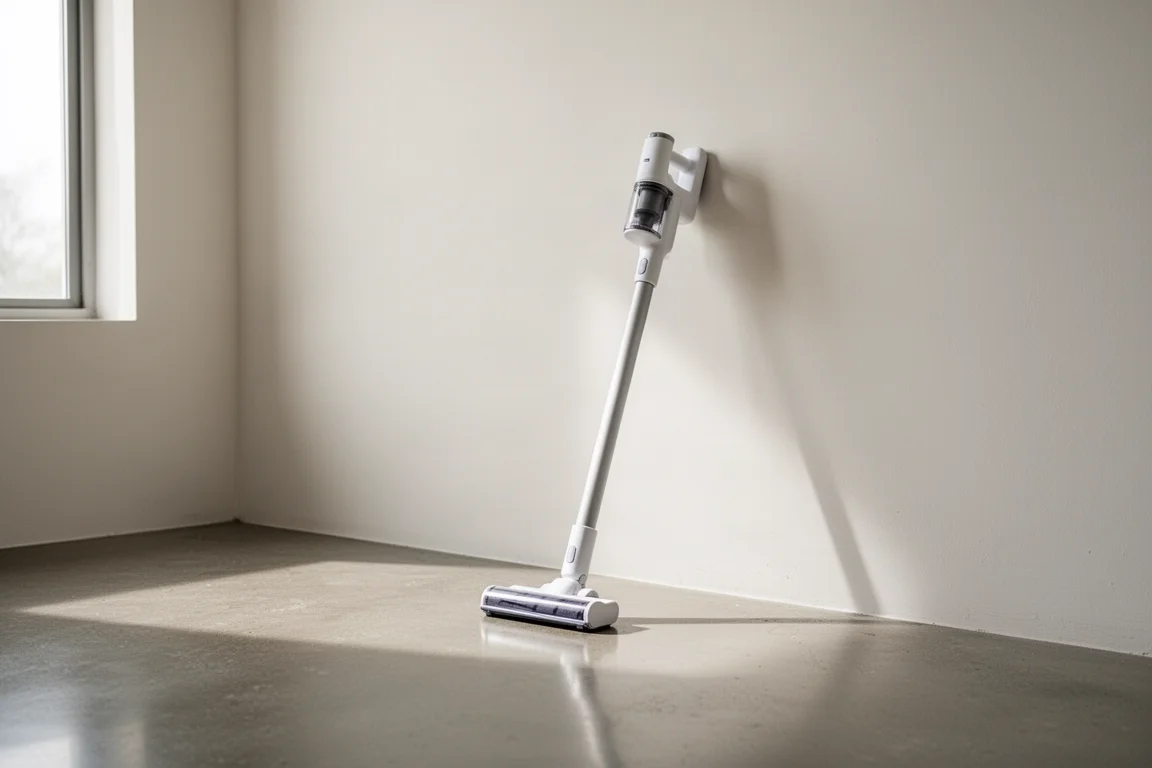
The HiKoki version costs about $120 on Amazon Japan with very similar specifications and functionality. It comes in Pure White, with army green also available. Pair it with batteries picked up during domestic promotional deals, such as free 8Ah battery offers bundled with tool purchases, and the total cost lands at a fraction of the Makita kit price.
Buying Advice
A few closing tips make the difference between a smooth import and an expensive mistake:
- Always cross-check Amazon US first. If the same item is available domestically within a few dollars of the Japanese price, buy it locally.
- Buy tool-only from Japan; get batteries and chargers domestically.
- Keep orders under roughly $2,000 per package to avoid customs duties on personal imports.
- Watch for compatibility quirks: some Japanese-market saws use blade sizes that are difficult or impossible to source in the US, and some chuck and bit sizes differ.
- Larger-ticket items like battery-powered coolers, which run on LXT or XGT batteries and cost around $600 in the US, can save you $200 to $300 even after shipping and fees.
Conclusion
For anyone already invested in Metabo HPT or Makita batteries, Amazon Japan is a genuinely practical way to expand your tool collection with models and colors the US market never sees, often at a lower price. Between the TD173 for early adopters, the HiKoki impact driver for value buyers, and the stick vacuum for a model with no US equivalent, there is real money to be saved. Just cross-check US pricing before every purchase, keep battery purchases domestic, and the process is about as painless as international shopping gets.
Further reading
Related Reviews

Power Tools
Best 1-Inch Pistol Impact Wrenches: Three Heavy-Duty Options Compared
We compare three 1-inch pistol impact wrenches, from a budget-friendly Harbor Freight model to a premium Caterpillar unit, to help you choose the right one.

Power Tools
Best 3/4-Inch Impact Wrenches 2026: Five Contenders Compared
We compare five 3/4-inch impact wrenches across price and performance, from a budget Amazon option to Snap-on's most powerful model yet.

Power Tools
Best Budget Cordless Tools 2026: Walmart Finds That Punch Above Their Price
We tested five cordless tools from Walmart, including a high-torque impact wrench that trades blows with Milwaukee and a $35 duster that outperforms its price class.