Everyday Carry
Spine Whack Test: How 11 Button Lock and Crossbar Lock Knives Held Up
We put eleven folding knives through a controlled spine whack test to see which button locks and crossbar locks actually hold under impact.
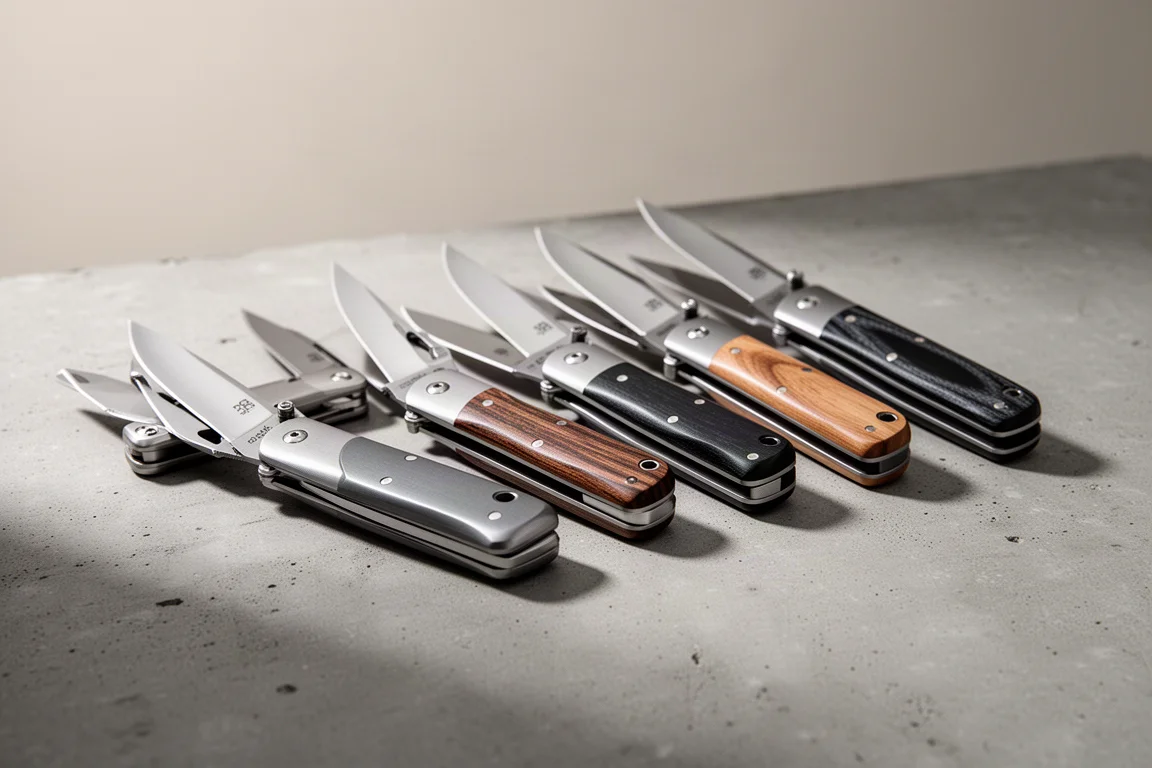
Introduction
Button locks are everywhere right now, but a recurring concern keeps coming up: do they hold when the spine of the blade takes a hard impact? A spine whack test is a simple way to check. If the blade folds closed onto your fingers under a single hard hit, that is a knife you do not want to trust.
To answer the question properly, eleven folding knives went through the same controlled test: one solid hit on the spine, a reset of the lock, and another hit. A single-hit failure counts as a fail. Hitting a knife repeatedly without resetting can produce misleading results, because some locks only fail in a semi-locked state after the first impact.
How the Test Was Done
The method matters. A folder should never be used as a hammer or batoned in normal use, so this test simulates a single accidental impact rather than abuse. Each knife was struck hard on the spine once, then the lock was reset by fully opening and closing the blade, then struck again.
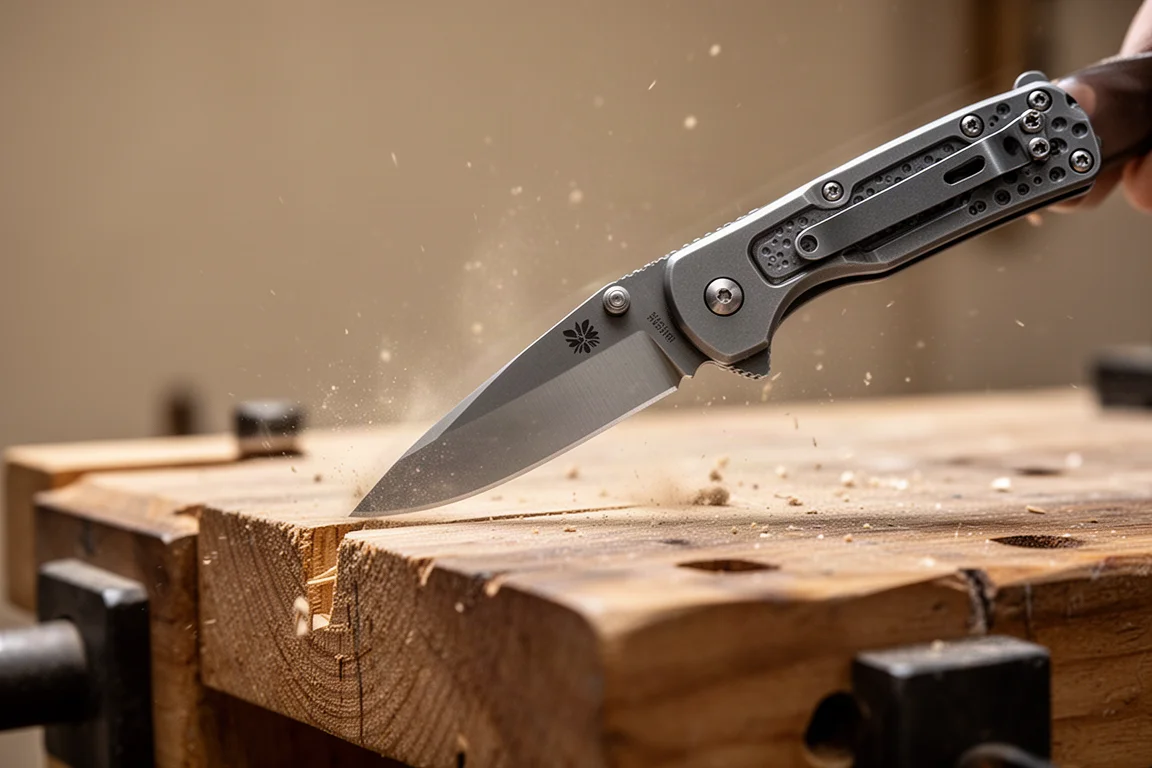
A knife that closes on the first clean hit is considered a failure. One important caveat: manufacturing tolerances vary from unit to unit, so results on one example do not guarantee every copy behaves the same way. If you own one of these knives, testing your own example is worthwhile, just keep your hand well clear of the blade path.
Civivi Button Locks
Four Civivi button locks went under the hammer, and all four passed. The Elementum 2 took repeated hard hits without the blade closing, and the Altis survived multiple strikes as well, including one attempt that shifted in the hand because it was hit so hard.
The Qubit was the knife that drew the most concern from owners, so it got extra attention, with strikes aimed closer to the tip for maximum leverage. It held. The Echo and both the standard and XL Pyrite also passed, some taking hits out at the very tip of the blade.
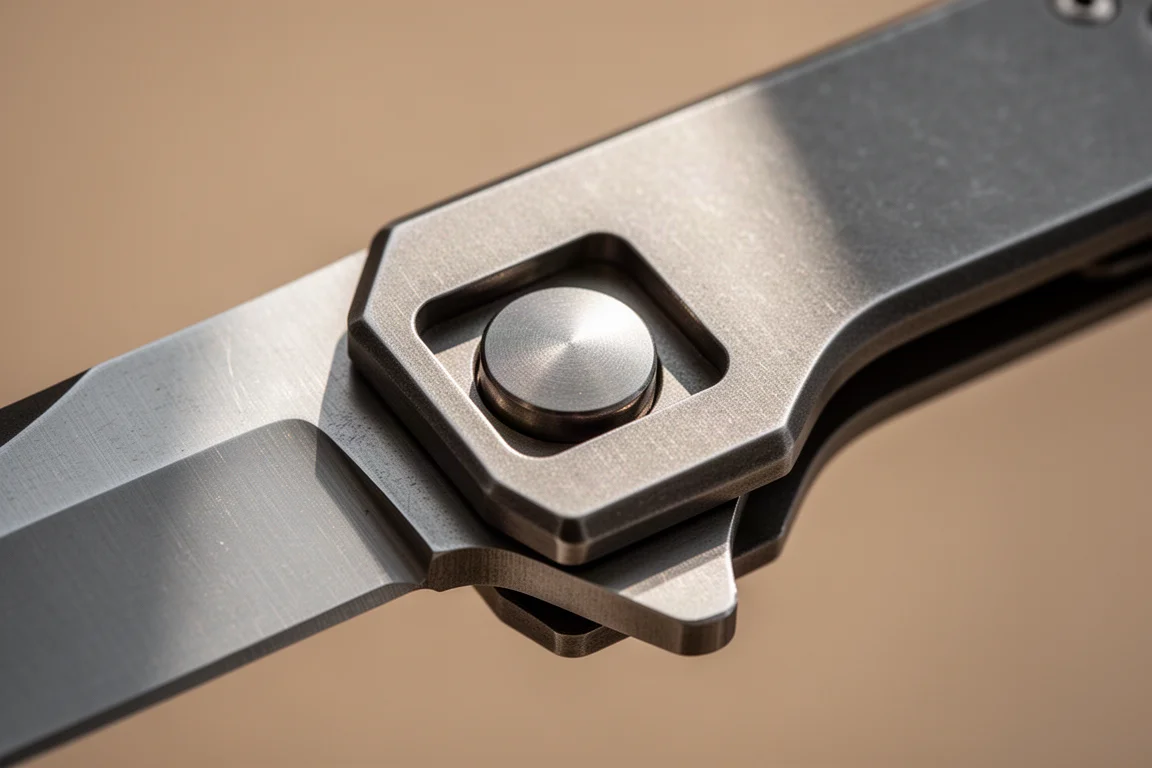
There is a design detail worth noting here. On these Civivi button locks, the button cutout sits at a full 90 degrees to the edge of the tang, forming a shelf that physically captures the button. Many other brands use an angled area that lets the button slip out more easily, which keeps the action silky but may cost some security under impact. Despite the square shelf, the action on all of these knives remains very smooth.
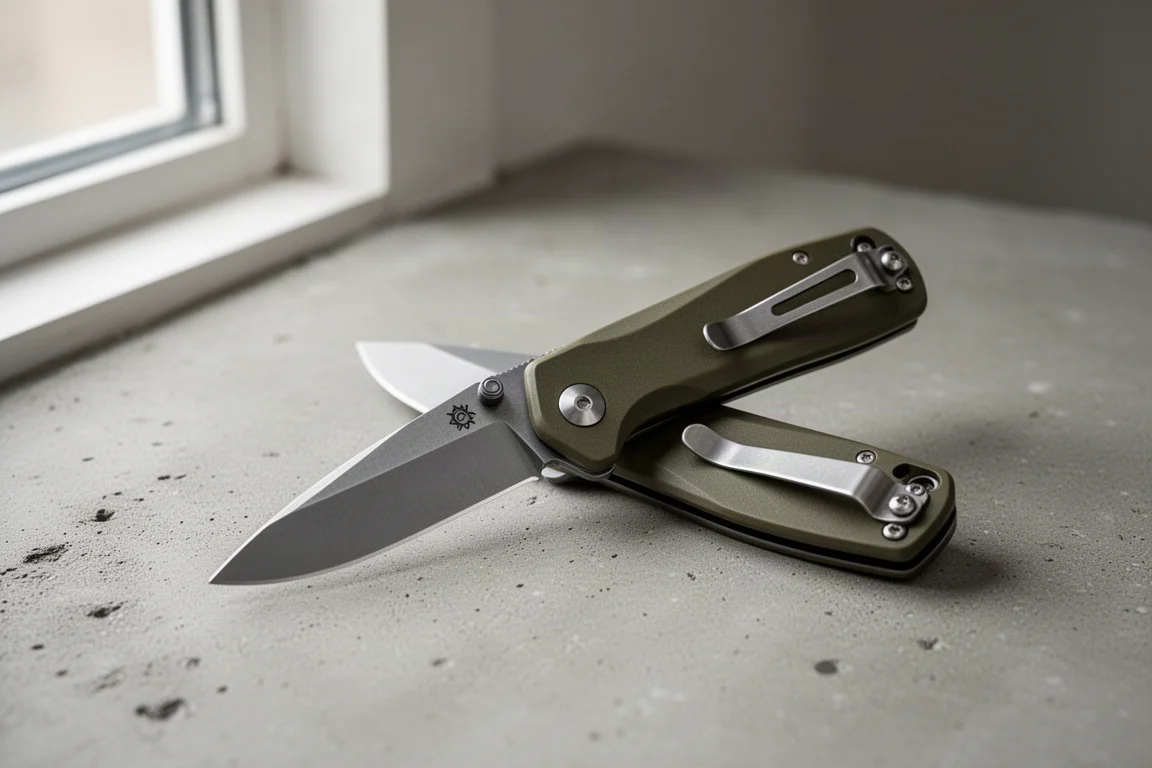
The Altis is another strong performer, taking among the hardest hits of the whole session without any sign of lock collapse.
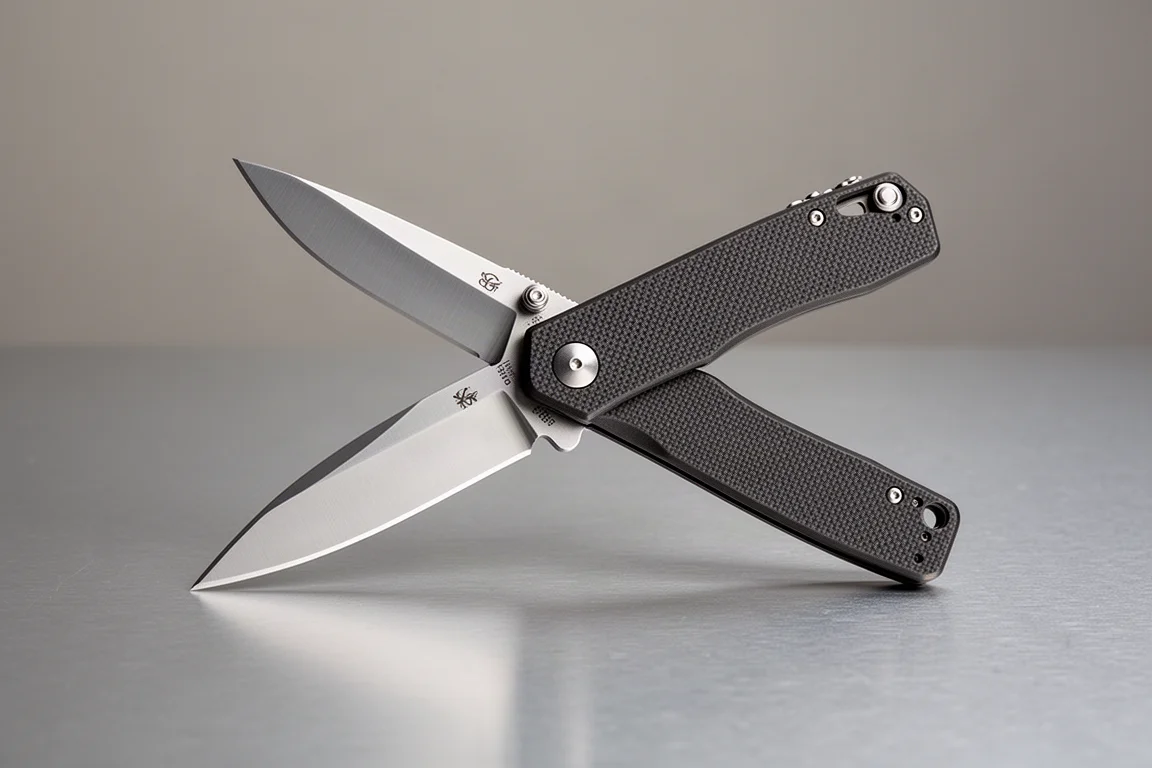
The Qubit, the model that sparked the whole discussion, passed on both a standard hard hit and a harder strike positioned near the blade tip for maximum leverage.
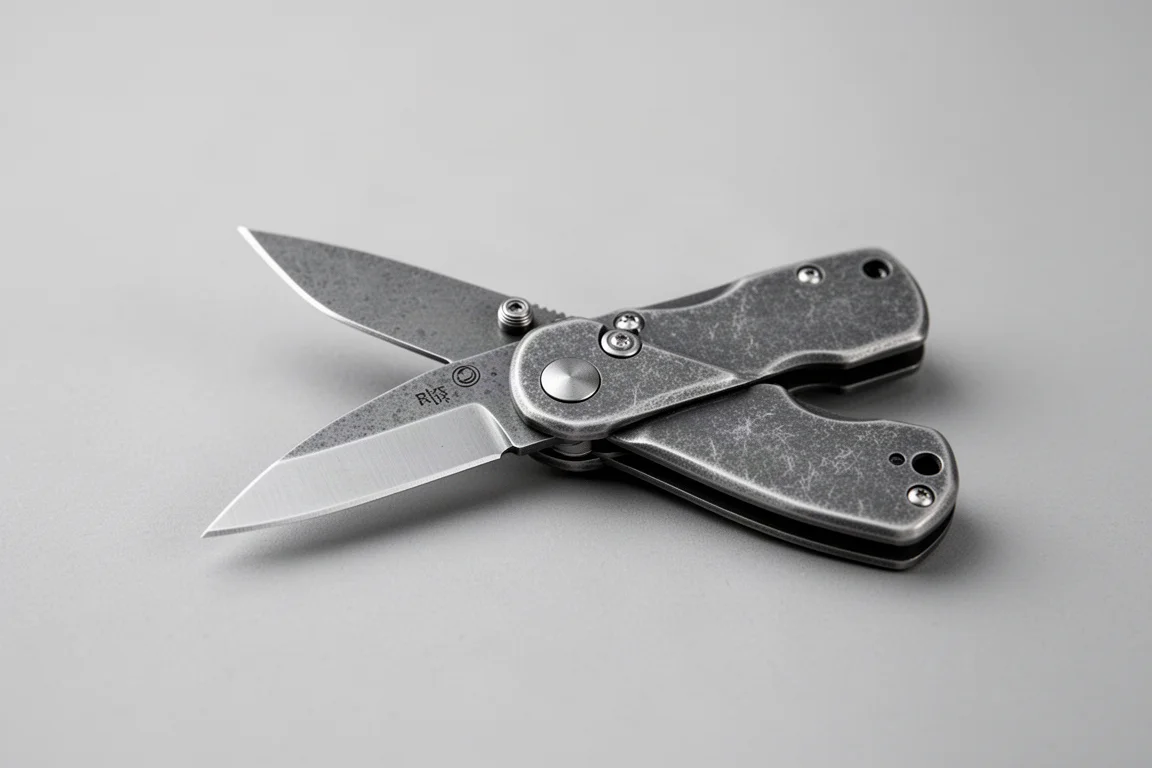
The Echo shares the same 90-degree shelf design and showed no weakness across several strikes.
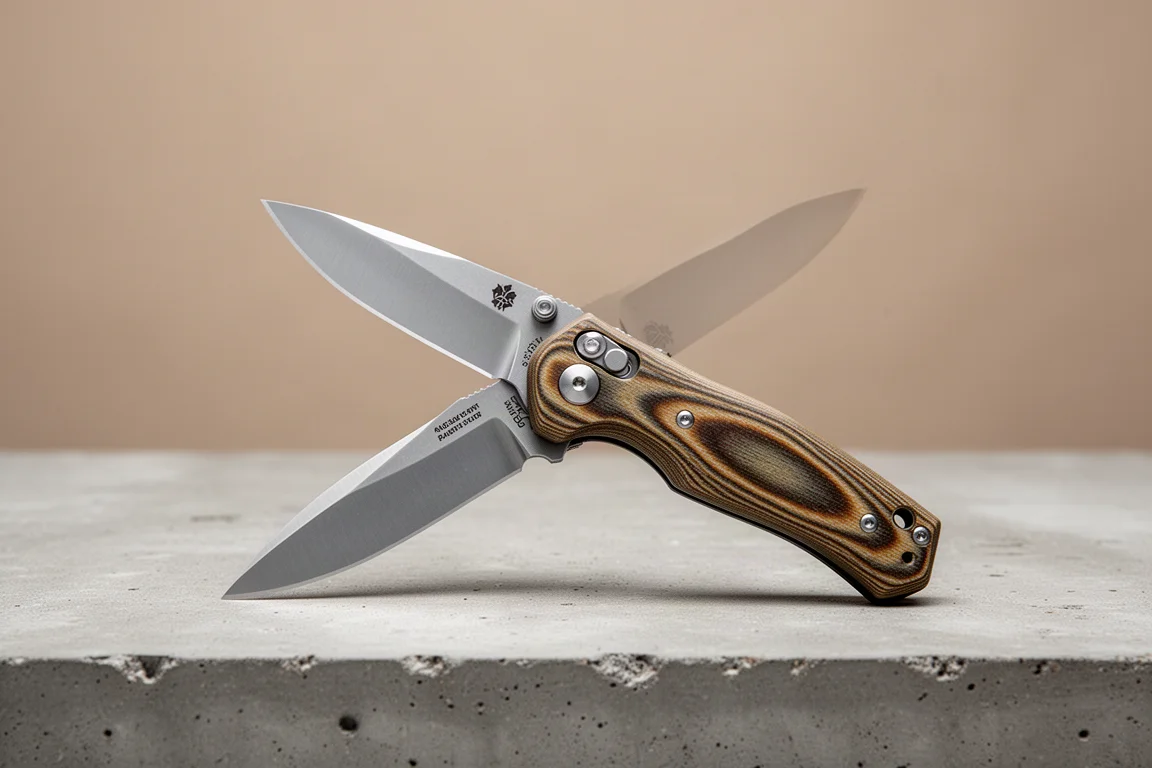
The standard Pyrite passed cleanly as well.
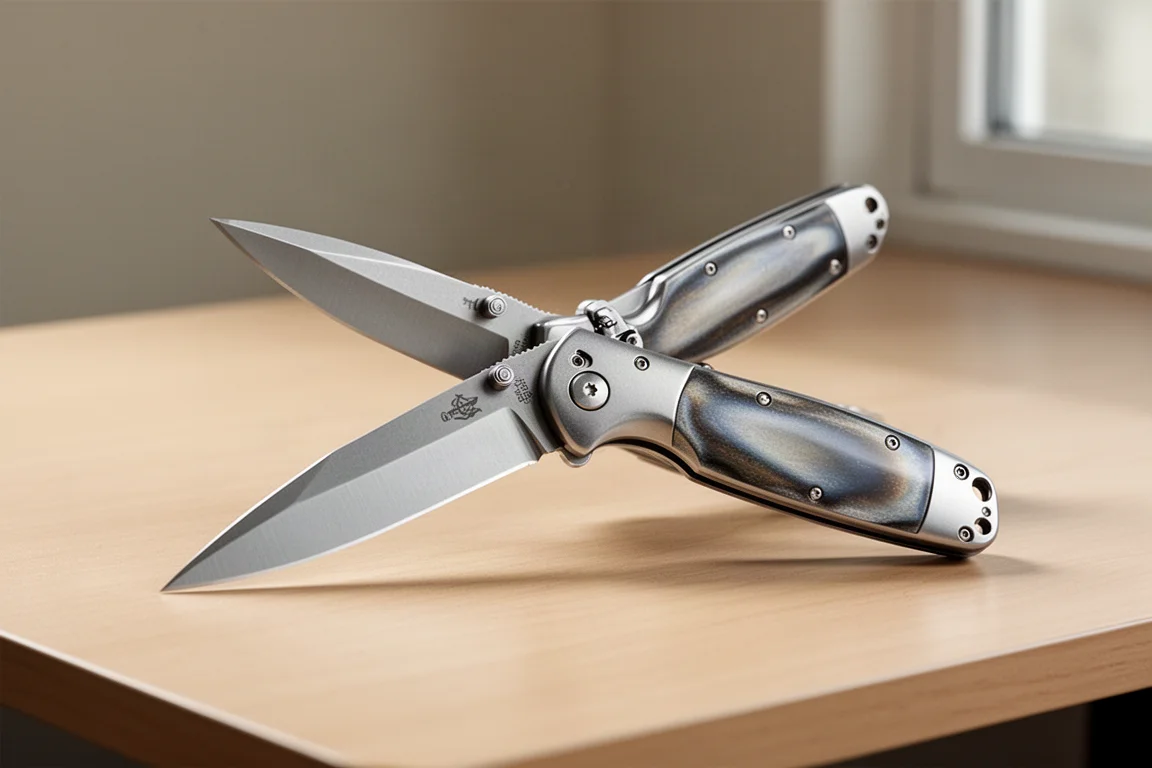
And the Pyrite XL, the larger version of the same design, also held through repeated hard hits.
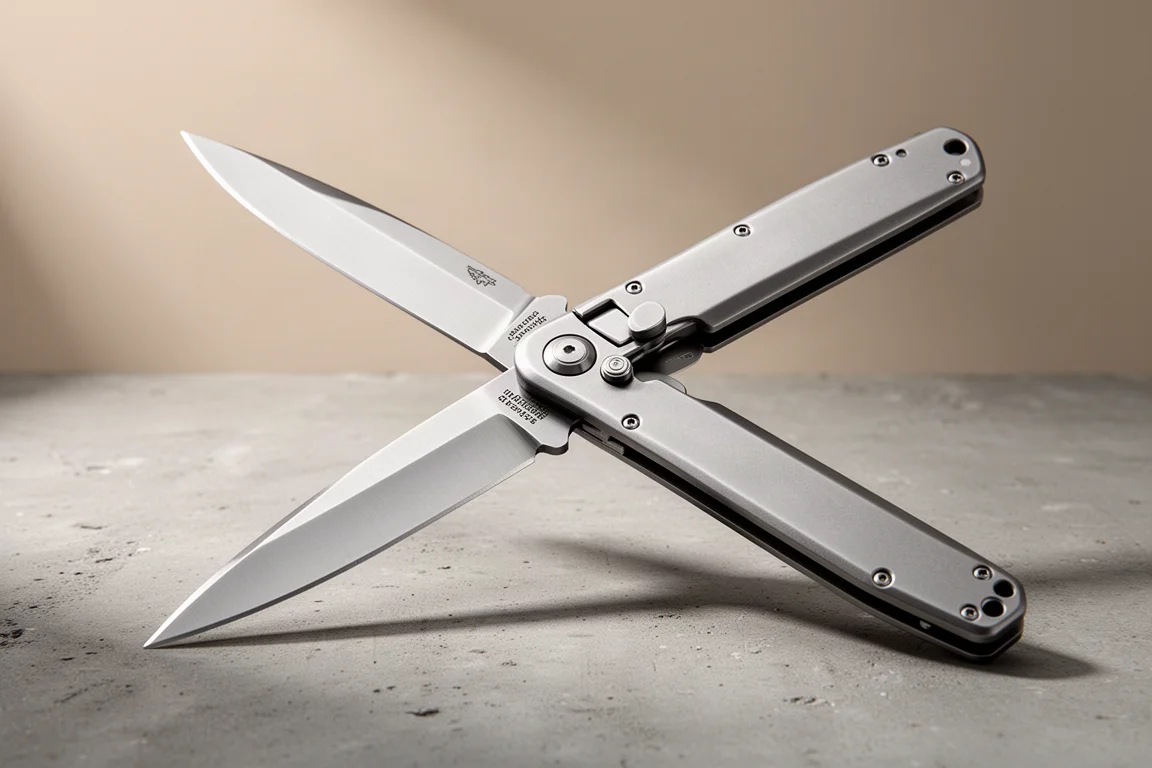
Vosteed Raccoon: Improved and Passing
The updated Raccoon was the surprise of the session. The earlier iteration had a softer detent, but this new version has a stickier button lock and survived every hit without a failure, including follow-up strikes aimed near the end of the blade.
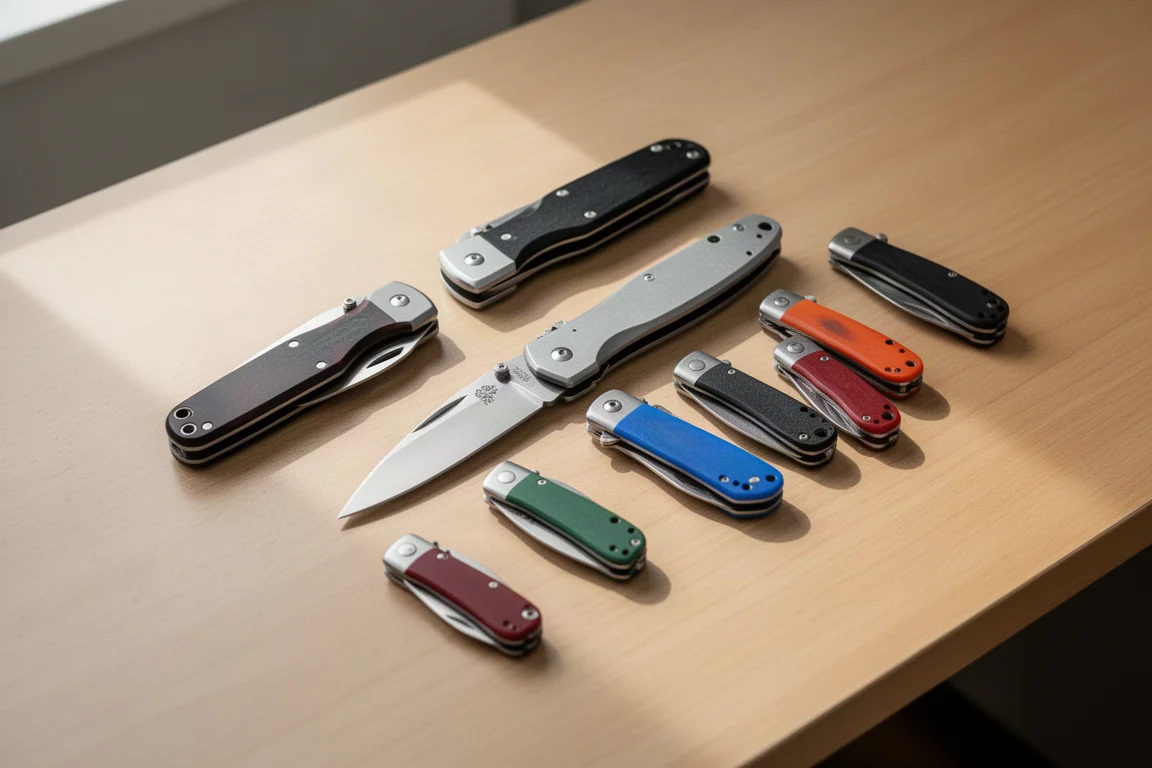
Based on how the updated version performed, the detent tuning has clearly been nailed. This is the model that shows Vosteed can respond to feedback when a lock needs work.
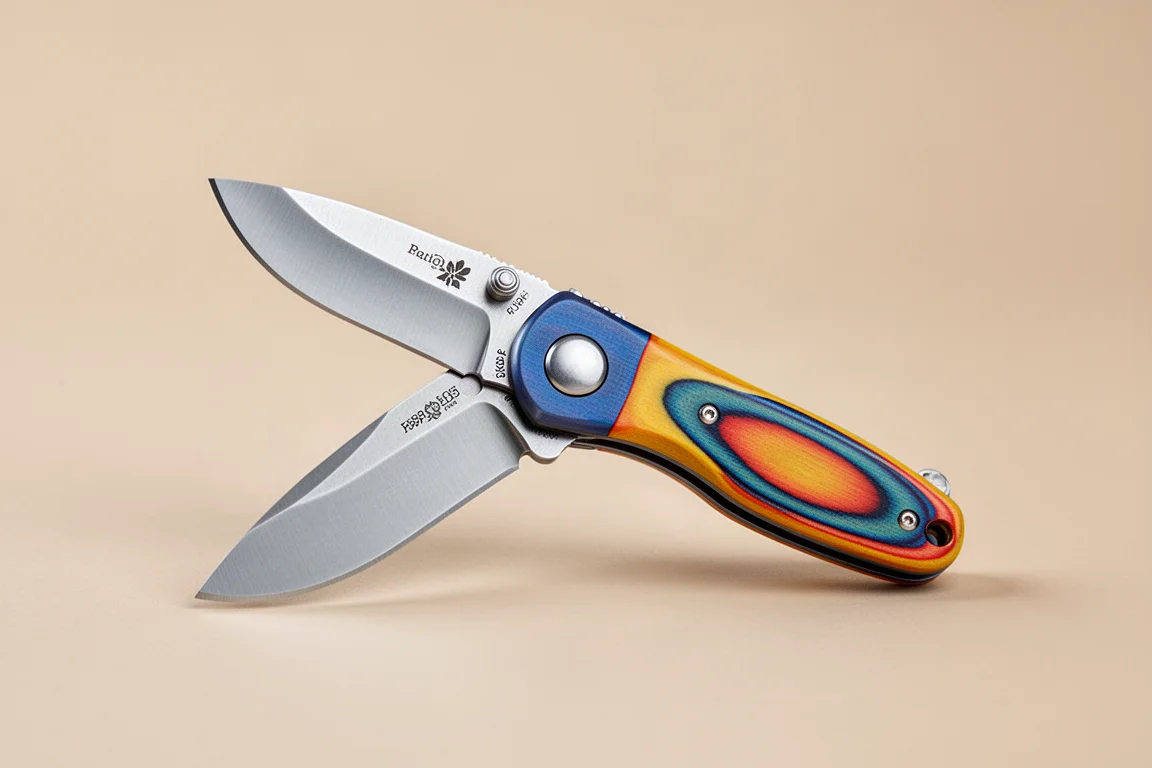
Vosteed Corgi: A Clear Failure
The Corgi was the bad news. This earlier Vosteed button lock design failed the test on the first hit, then failed again on the second and third. That is not an inconclusive result; it is a consistent, repeatable failure under a single hard impact.
Given how well the updated Raccoon performed after its revision, there is reason to hope Vosteed applies the same fix to the Corgi. Until then, this is a lock to treat with caution if hard impacts are part of your real-world use.
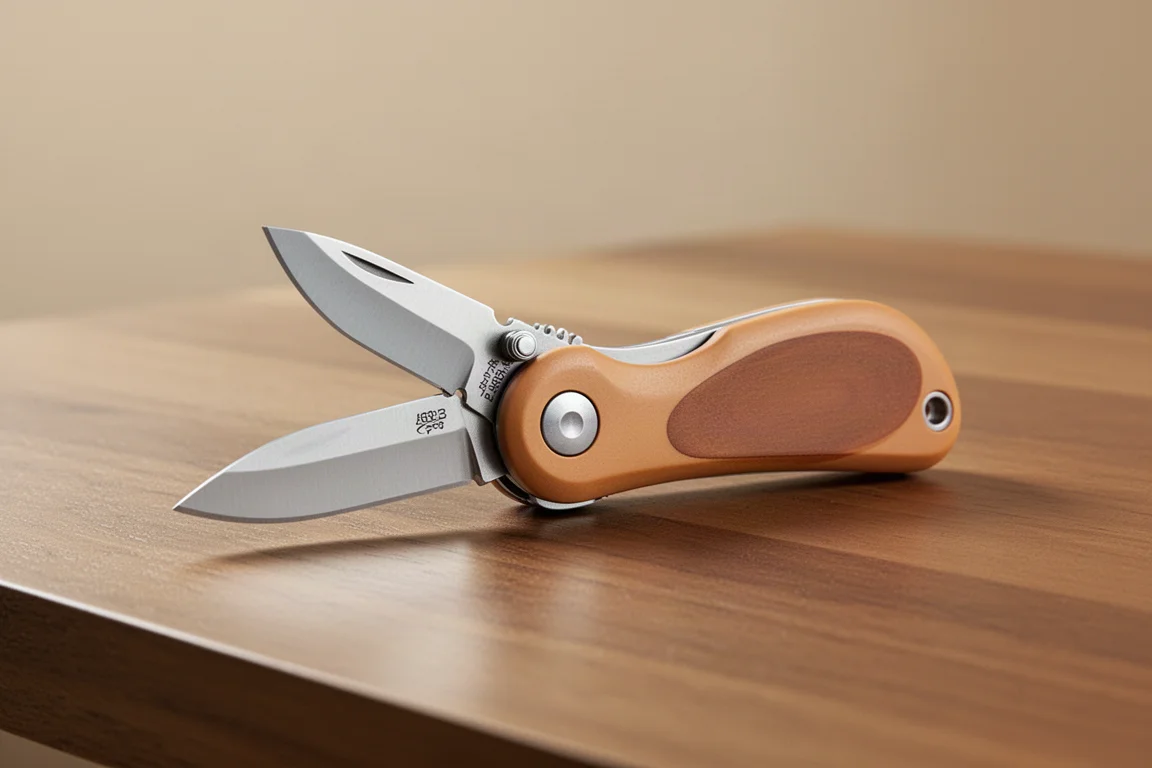
Bestech Ronan and Hogue DEKA
The Bestech Ronan turned out to be a pleasant surprise, passing solid single hits with no movement in the lock. The Hogue DEKA was even less of a concern, having reportedly survived actual batoning in other hands, and it sailed through the test without issue.
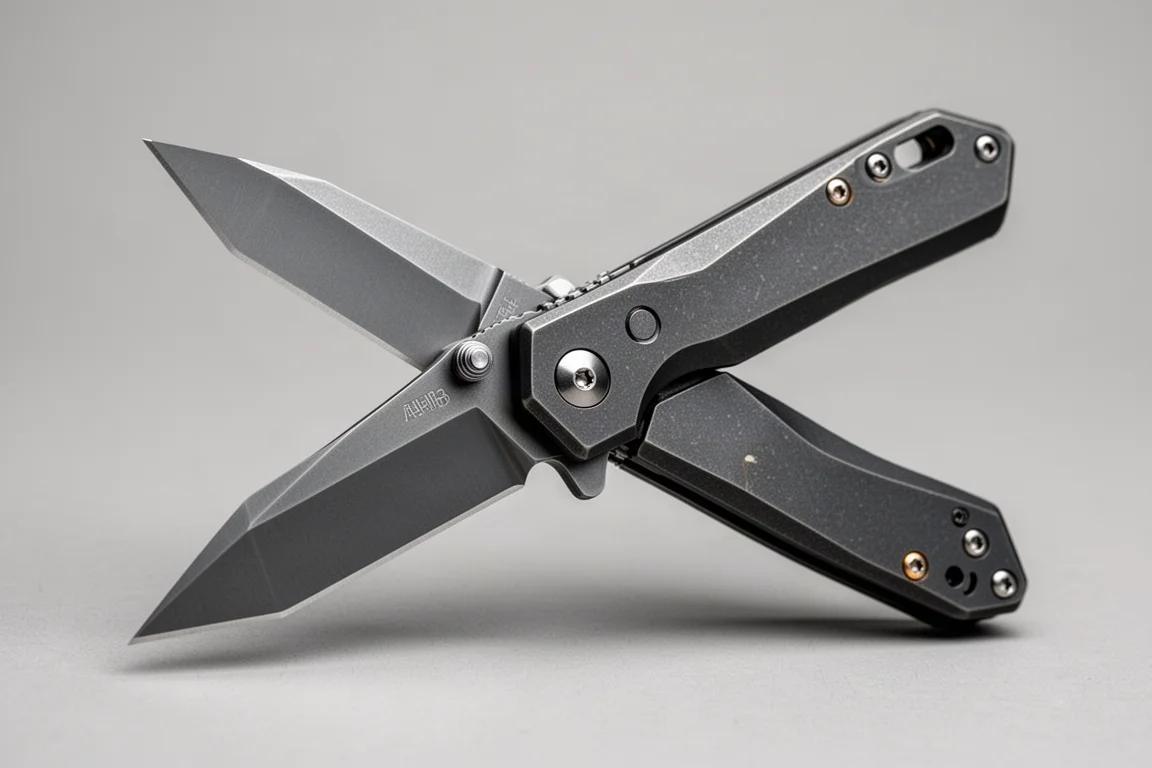
The DEKA’s lockup felt confidence-inspiring from the first strike onward.
Vosteed Grind: The Unexpected Failure
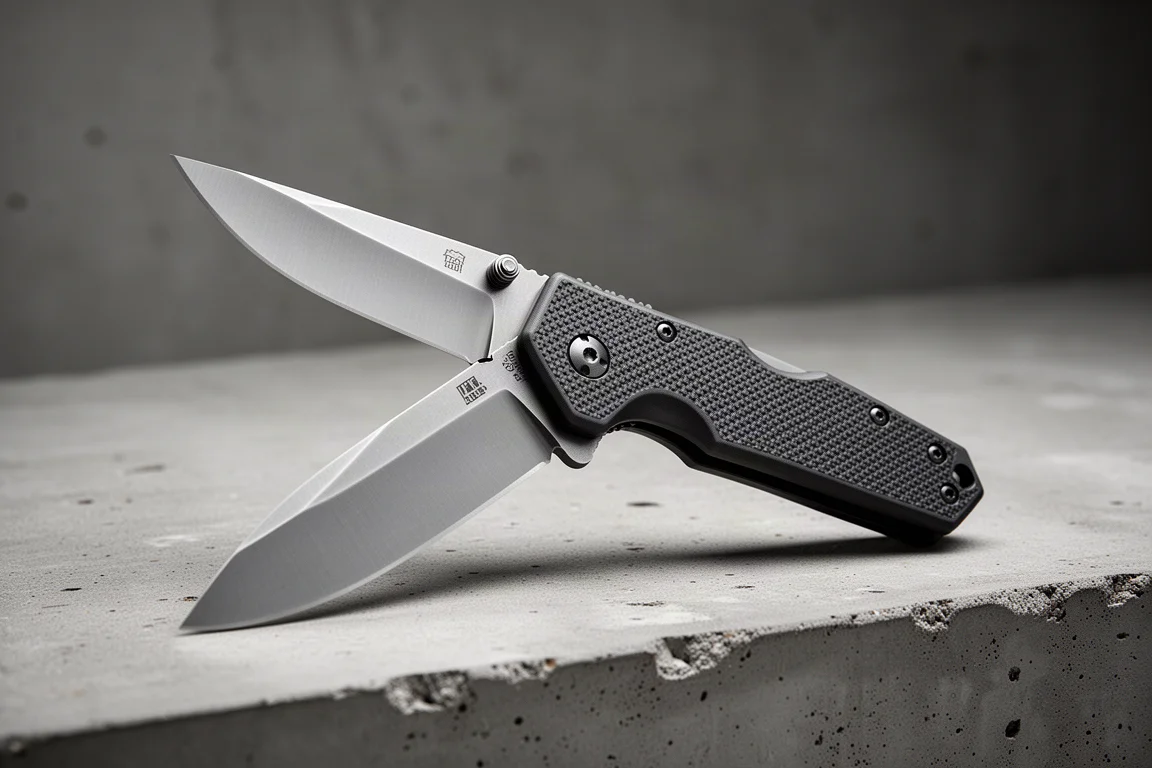
The Grind is a beautiful scandi-ground crossbar lock from Vosteed, very comfortable in hand, and the failure here was genuinely unexpected. The tang shelf on the back appears to be a little too short, which is a known weak point for crossbar lock designs in general.
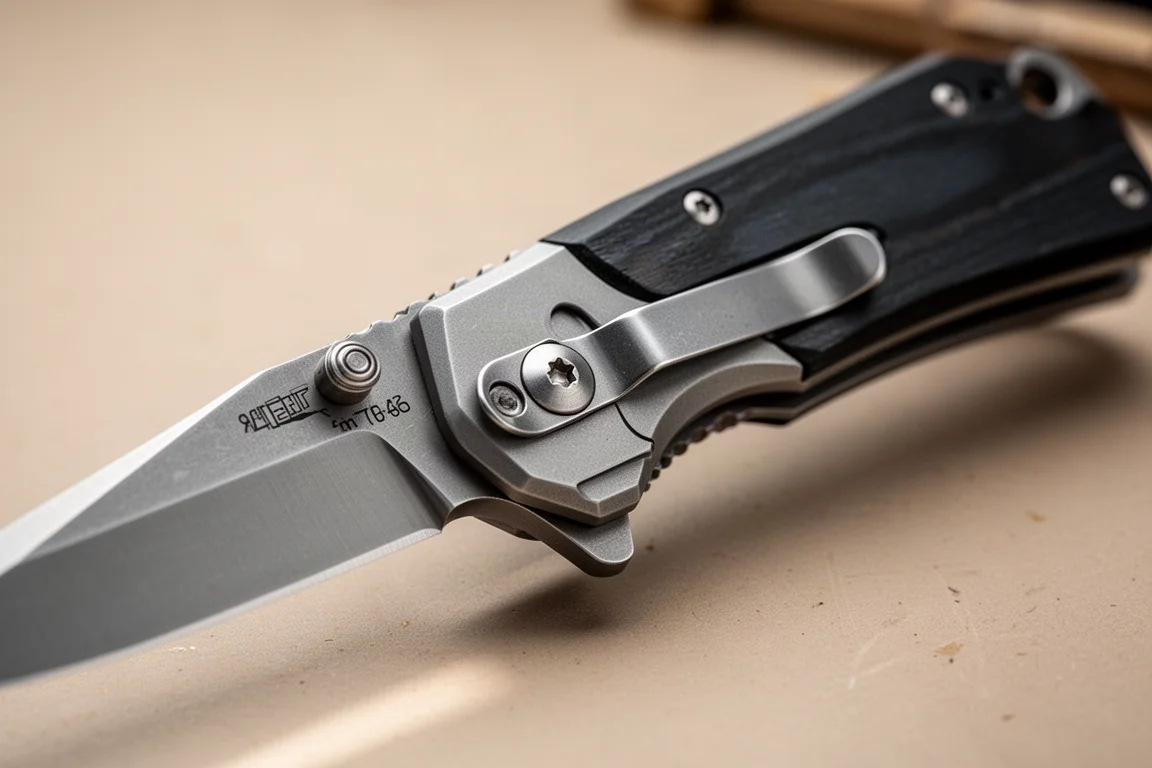
This is not a problem unique to Vosteed. Even much larger brands have had the same issue with crossbar locks, including a well-known tough-guy folding knife from a major manufacturer that failed the same way. It is a small tang adjustment, and hopefully a fix follows the same path as the Raccoon update.
Overall Buying Advice
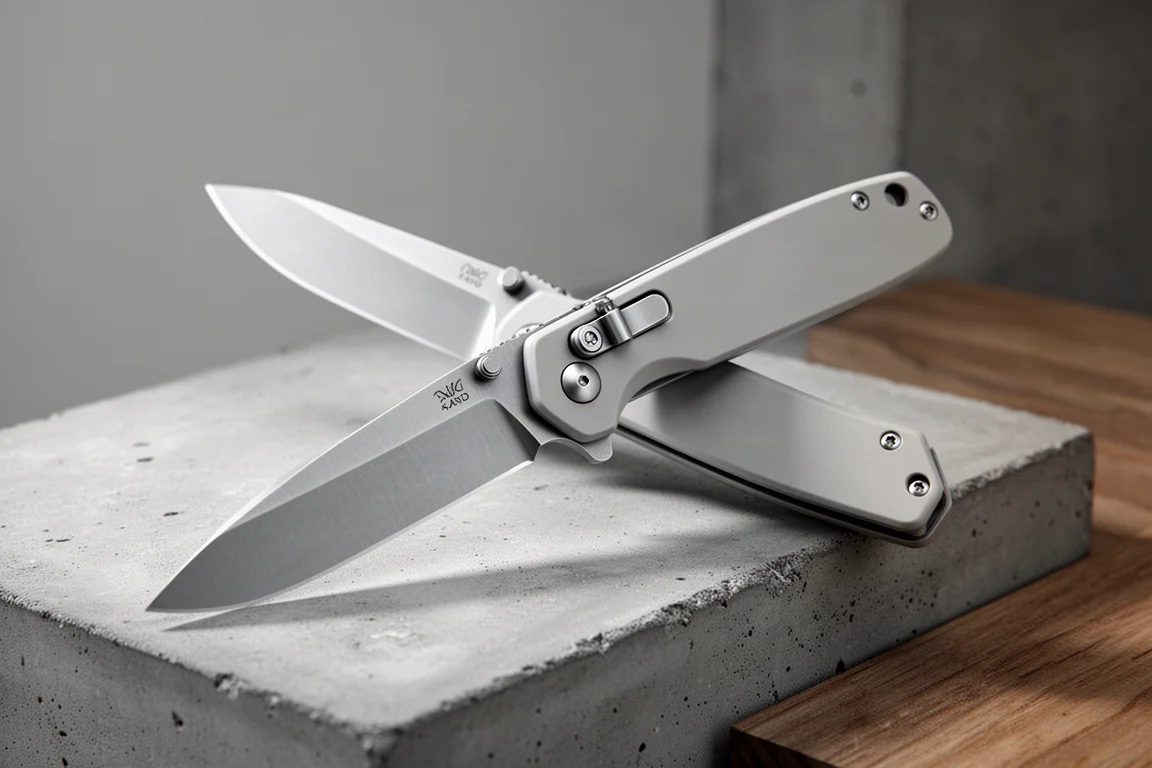
A few takeaways stand out. First, the 90-degree shelf design on Civivi’s button locks appears to act as a built-in fail-safe, physically capturing the button under impact, and none of the four tested models failed. Second, lock security can vary unit to unit, so treating any single result as absolute is a mistake. Third, a single clean hit is the fair test; repeated strikes without resetting the lock can unfairly fail an otherwise safe knife.
If maximum impact security is your priority, the Civivi button locks with the square shelf design and the Hogue DEKA are the standouts here. If you own a Corgi or a Grind, be mindful of what a hard impact could do until the design is revised.
Conclusion
Eleven knives, two clear failures, one genuinely reassuring result for a model that owners had worried about. The Civivi button lock family came through untouched, the updated Vosteed Raccoon proved a fix can work, and the Corgi and Grind showed exactly why this kind of testing matters before you trust a knife with hard use.
Further reading
Related Reviews

Everyday Carry
Everyday Gear That Deserved a Second Look
A roundup of solid everyday carry items: watches, pens, a pencil, a knife, and a smart ring that each earned a place on the table.

Everyday Carry
KORE Tactical Bifold Wallet Review: A Durable Everyday Carry Option
A close look at the KORE Tactical Bifold Wallet, a reinforced nylon wallet with magnetic closure and room for cards, cash, and IDs.

Everyday Carry
Krabby Wallet Review: A Slim, Simple Carry That Has Stood the Test of Time
A closer look at the Krabby Wallet, a slim canvas and elastic design with a loyal following and a simple, functional approach to everyday carry.