Everyday Carry
Bushcraft Event Gear Picks: Knives, Lights, and Everyday Carry Worth a Look
From waxed canvas foraging holsters to MagnaCut fixed blades and neck-carry flashlights, here is the gear that proved itself at a bushcraft gathering and in daily use afterward.
Introduction
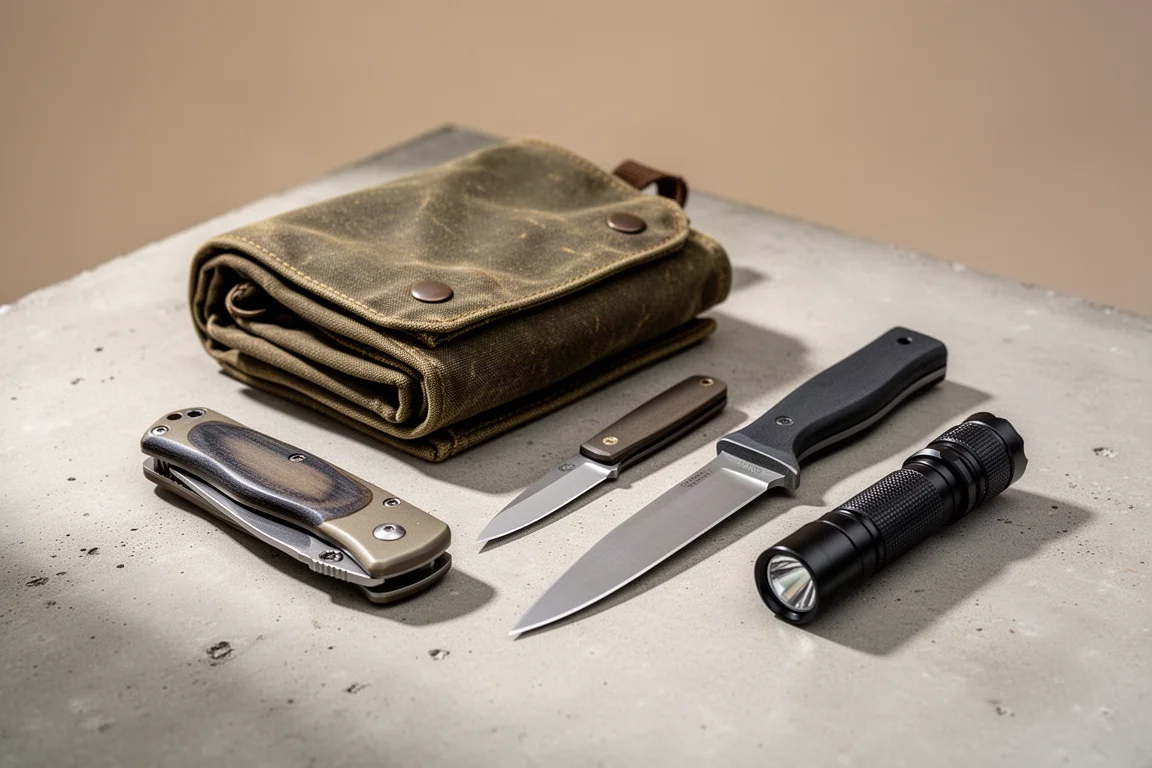
Coming back from a bushcraft gathering is always a good excuse to look honestly at what gear actually earns its place. This roundup covers the pieces that stood out over several days of use: a waxed canvas foraging holster, two knives from LT, a MagnaCut fixed blade, a lesson about disposable lighters, a handful of flashlights that behaved very differently in the field, and a multi-tool that surprised everyone who tried it.
The common thread is real-world use. Every item below was carried, used, or tested daily, and the impressions reflect that rather than spec sheets.
PMW Bushcraft Foraging Holster
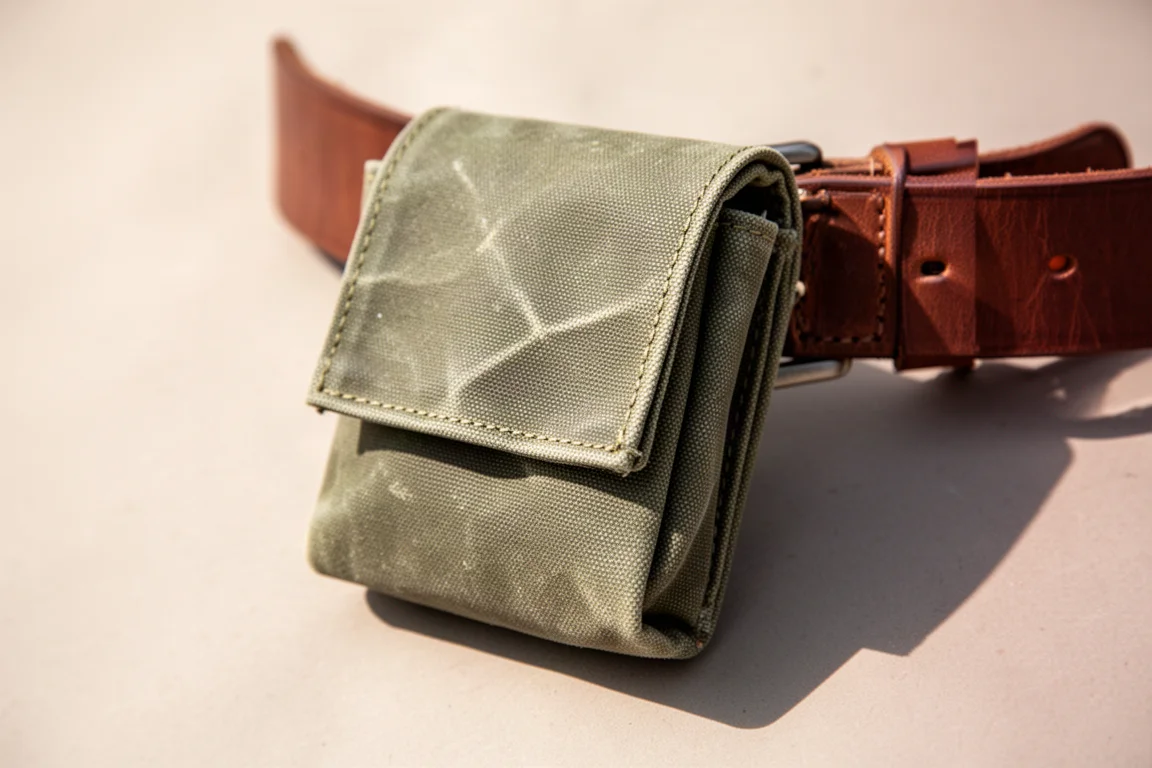
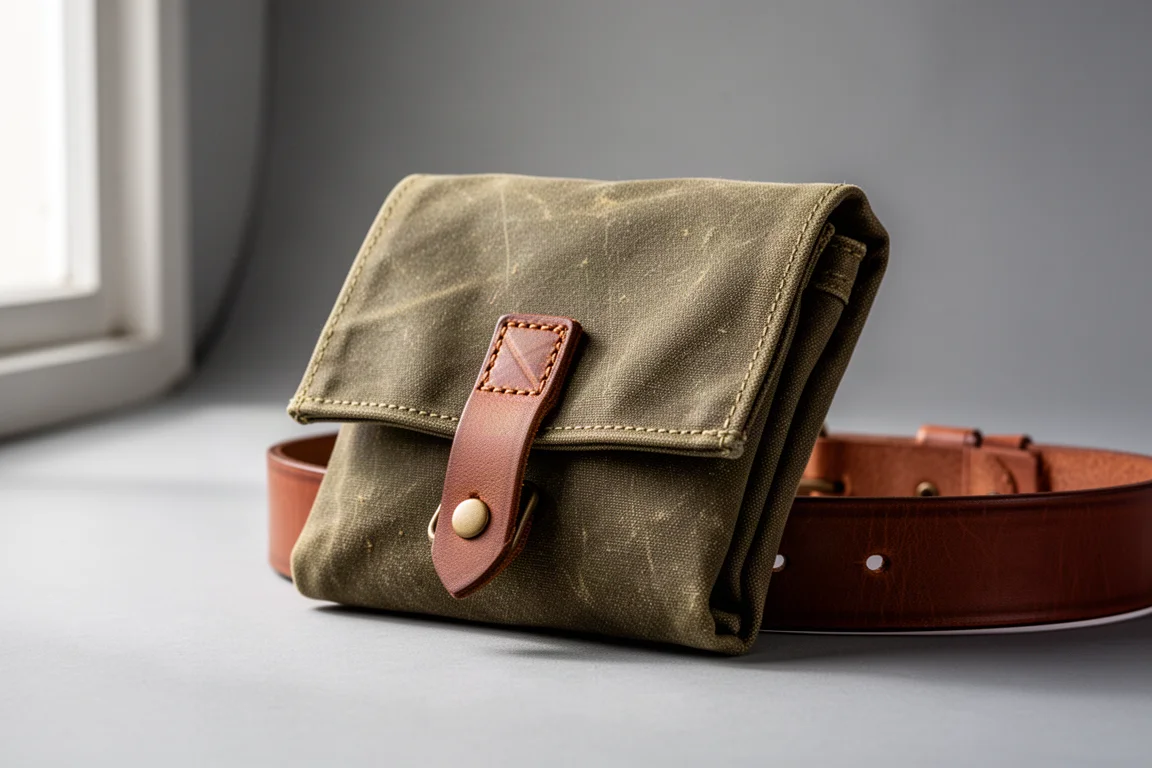
This is a waxed canvas holster that folds up into a compact pouch and mounts on your belt without requiring you to take the belt off. It also has clasps, so you can attach it to other gear if you want. The build quality is excellent, and it is genuinely easy to wear.
While it is designed for foraging, it works just as well as a general carry pouch for shuttling small items around a workshop, clearing off a desk, or moving tools from one project area to another without juggling an armful of gear.
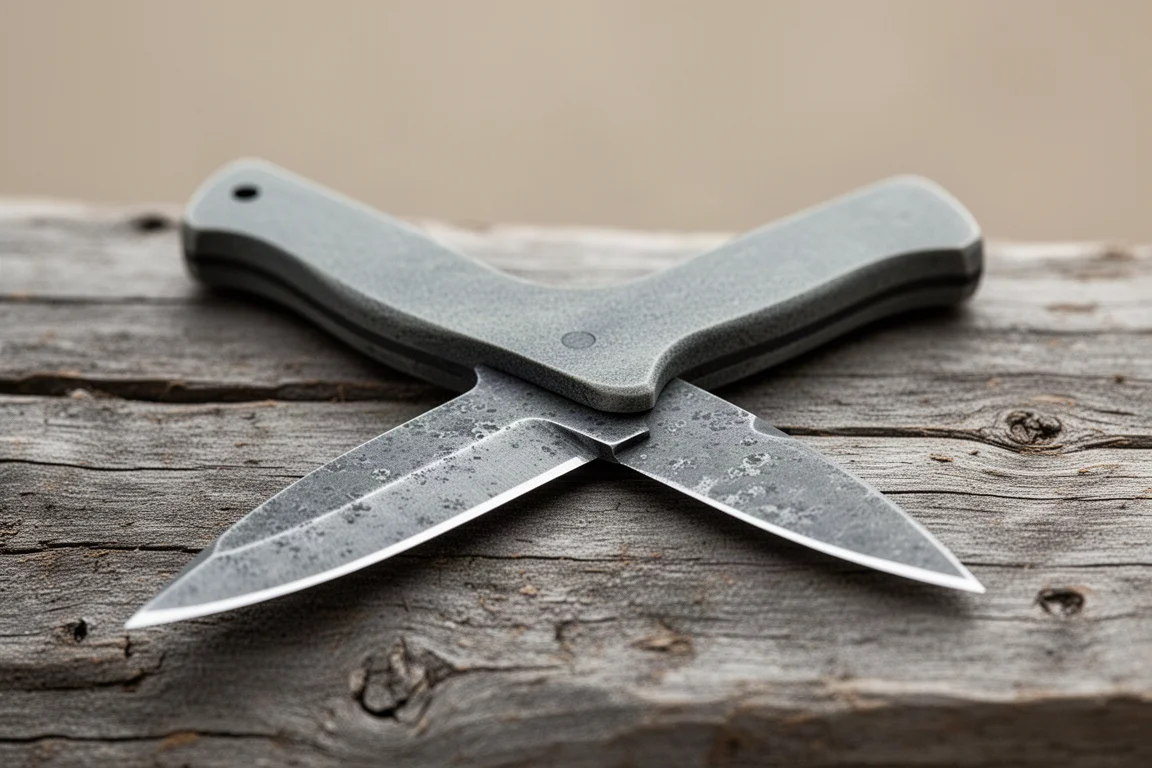
LT Friction Folder
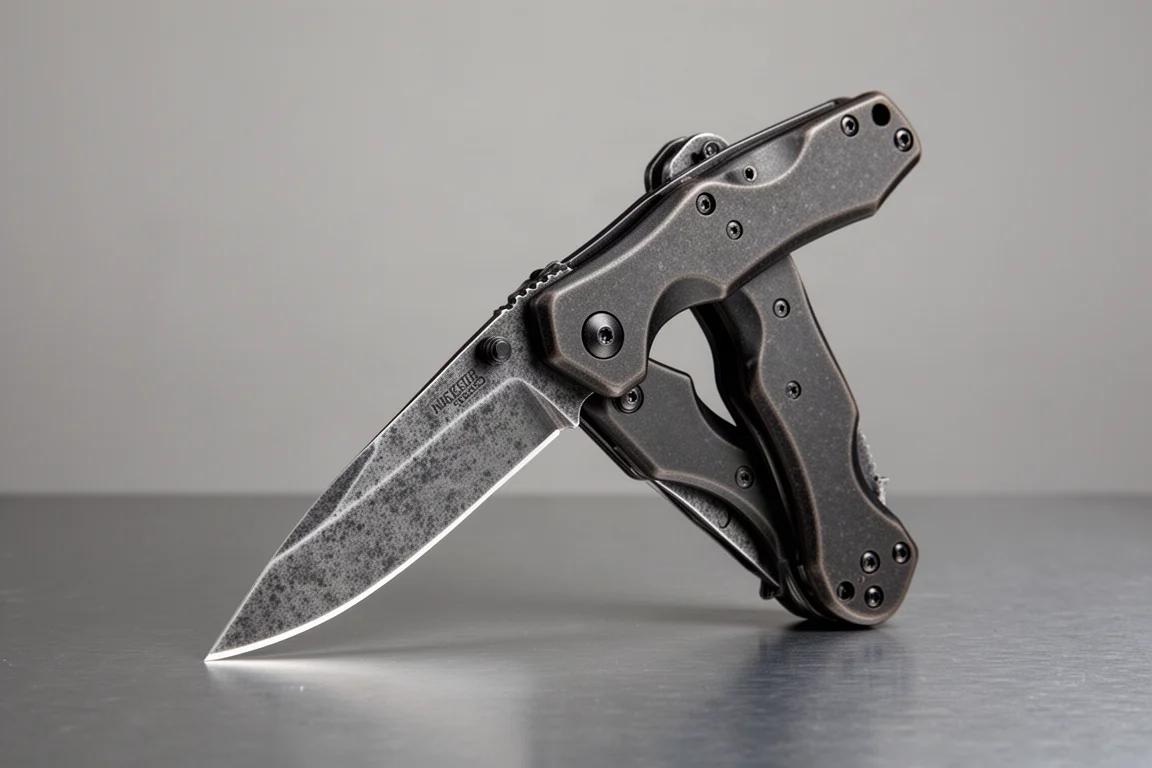
This friction folder uses an ABL steel sky-ground blade with a very sharp 90-degree spine. What stands out immediately is the handle: it is thick and bulky by design, because the goal is comfort during extended use rather than pocket-friendly slimness.
It is a very different take on the folding knife formula, and the design is beautiful in a purposeful way. Anyone curious about unconventional folder layouts should give it a look.
LT Fixed Blade Knife
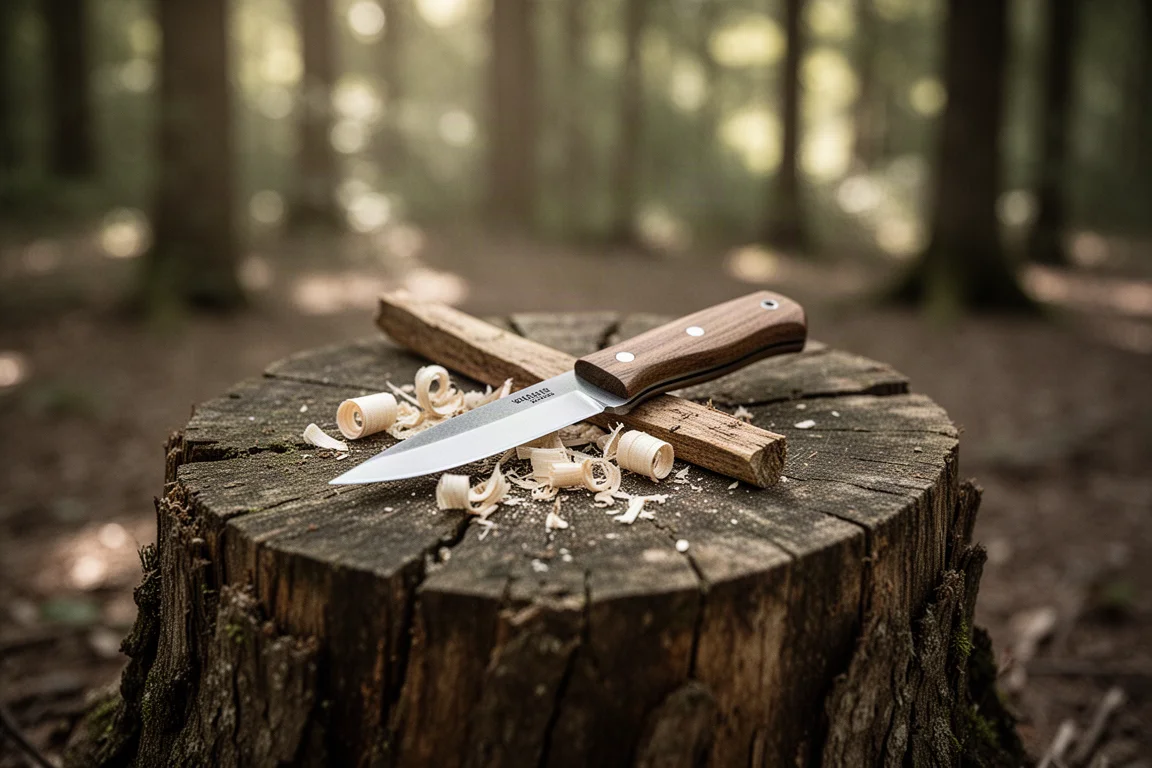
Of everything carried home, this may be the most enjoyable knife used in a long time. It has been in daily service for every task imaginable, from opening boxes to food prep, and it rides on the hip everywhere.
The handle shape is unconventional: there is no guard and nothing conventional about the grip, so it rewards practicing the lever grip and spending deliberate time with it in the woods. That learning curve is part of the appeal, and the day-to-day enjoyment factor is hard to overstate.
Demco Free Rain MagnaCut
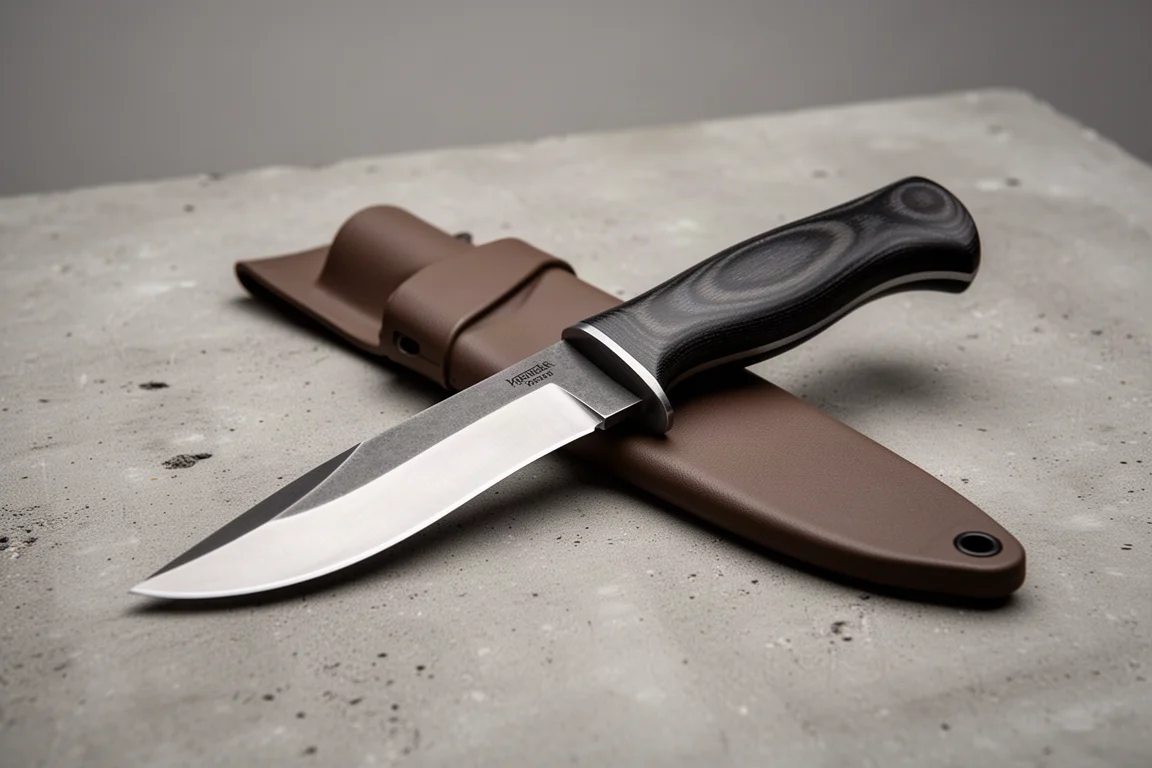
This fixed blade came along for the trip and performed well. In fairness, the MagnaCut steel does not matter much in the context of the tasks it was used for; a more common steel like AUS-10 would have been perfectly fine. But the knife itself impressed.
The handle is comfortable, the sheath is comfortable, secure, and easy to use. One improvement worth making: adding a 90-degree spine to the back. The curved profile makes it great for scraping, but that potential is wasted without the squared spine to strike a ferro rod or scrape effectively.
Exotac Lighter and the Disposable Lighter Lesson
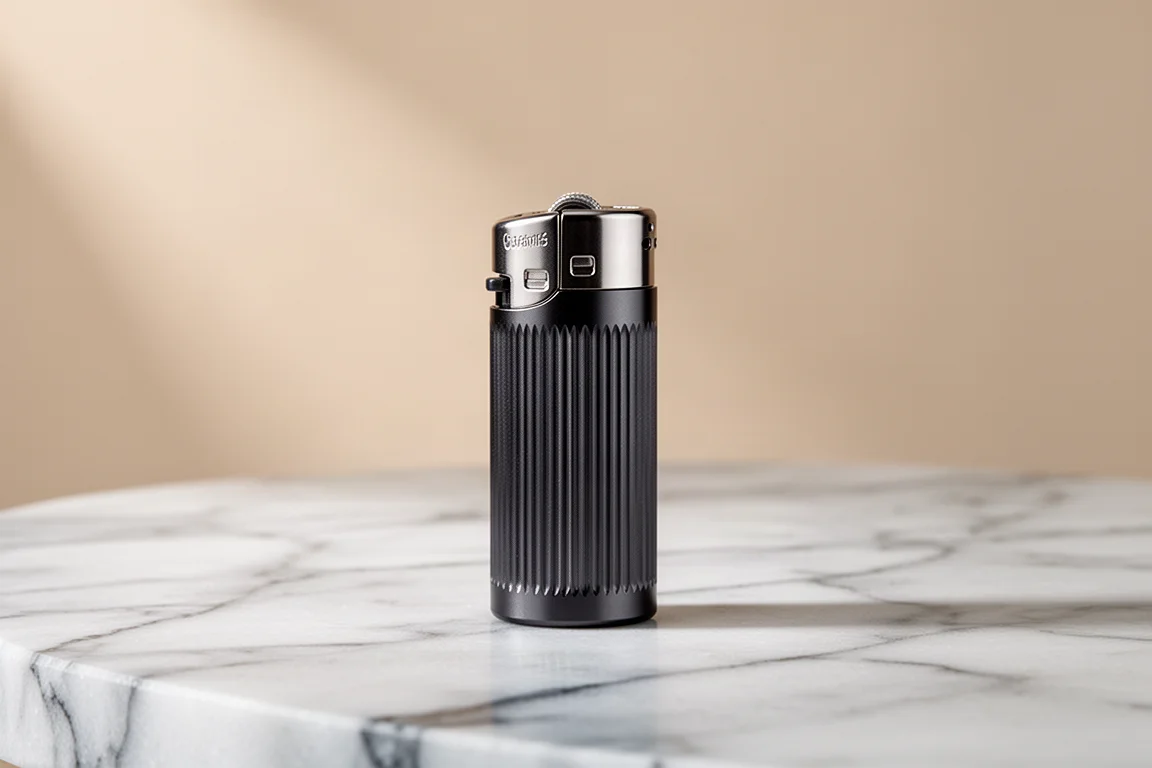
Disposable lighters have one genuine flaw worth knowing about. Hold one with the flame lit for any length of time, around 10 to 15 seconds, and the metal around the striking area heats up enough to become uncomfortable to hold. They are still useful and cheap to keep as backups, but they are not pleasant for sustained burns.
An Exotac-style lighter solves this: you can set it down while lit and reach underneath it without risk. In retrospect, a refillable metal lighter as the primary with disposables as backups would have been the better setup.
Acebeam Tac AA
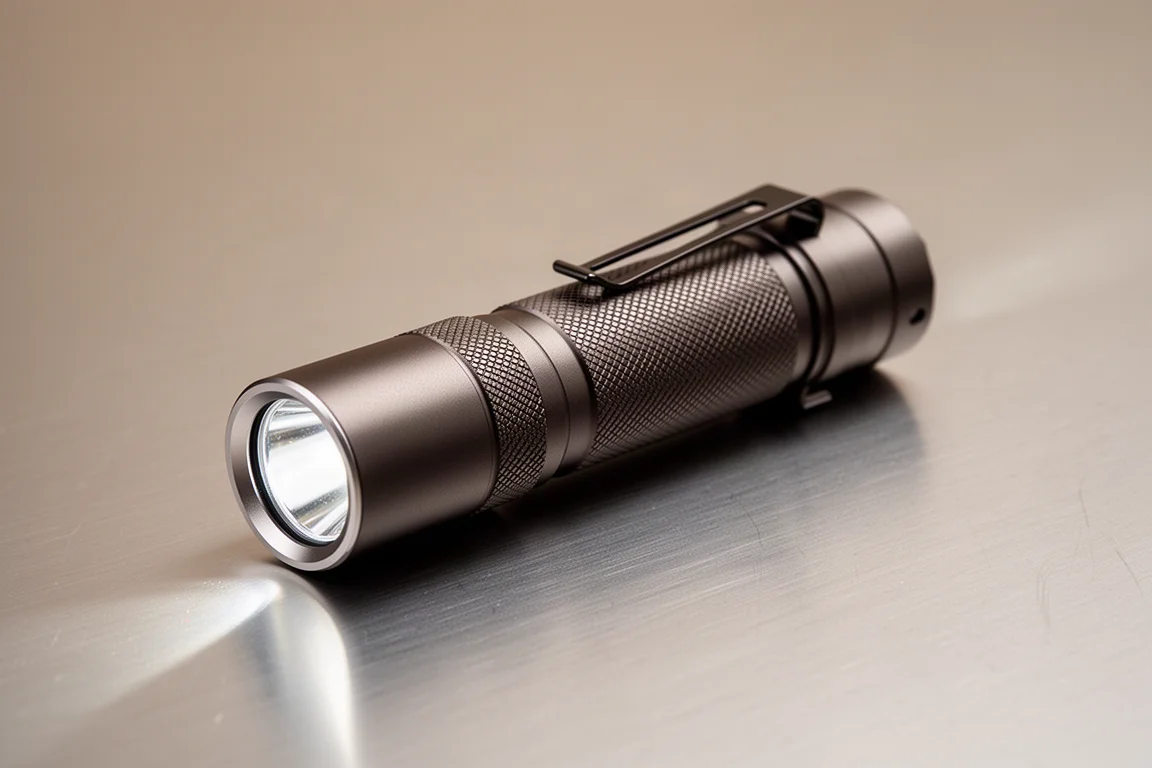
This was the flashlight carried in the holster, and it turned out to be the wrong tool for the job at a camp. It is too bright and too concentrated, with not enough flood for close-up tasks. The higher-output variant that disperses light more broadly would have been the better pick.
The UI is also a weak point: getting into moonlight mode was difficult and not enjoyable to operate. It is a fine light on paper, but context matters, and this one was out of context.
Fenix E01
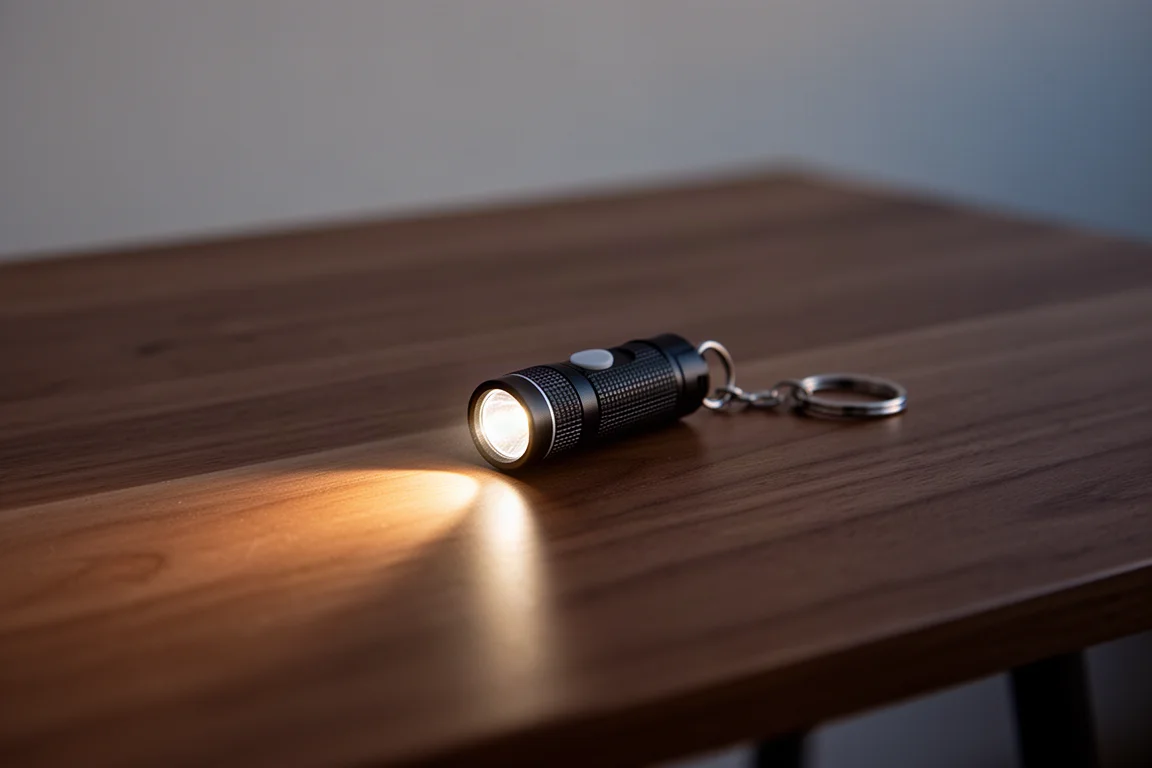
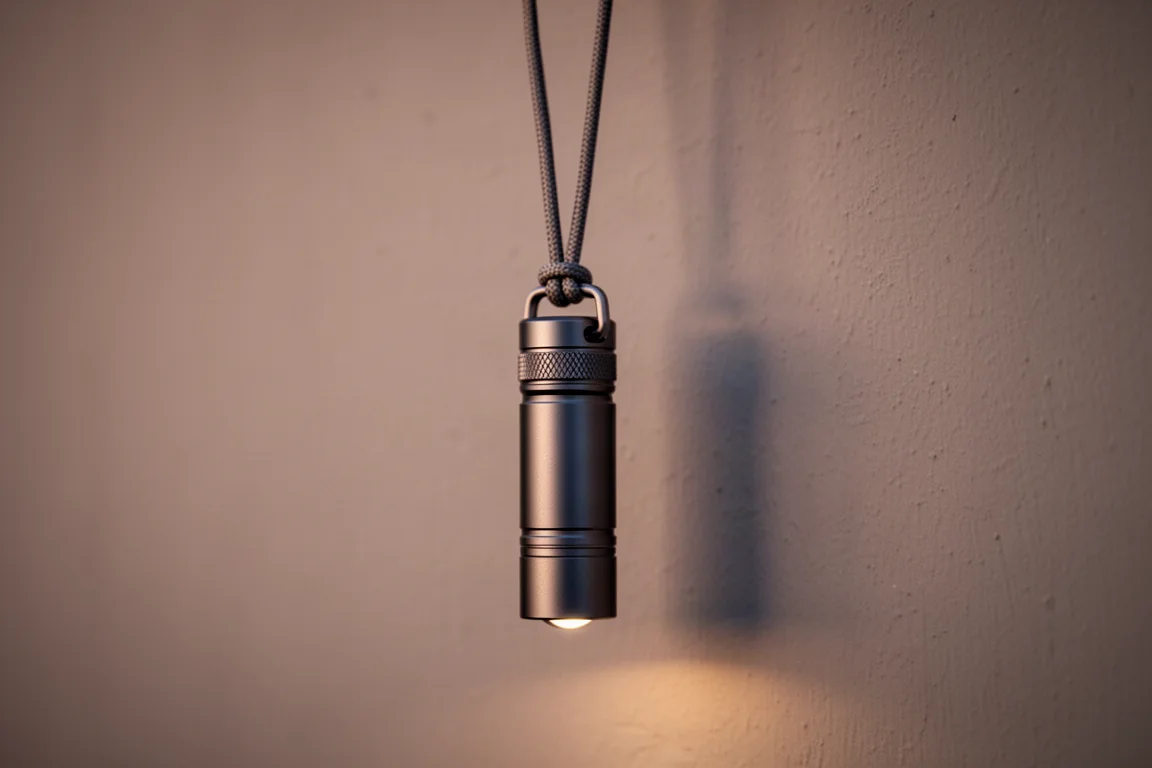
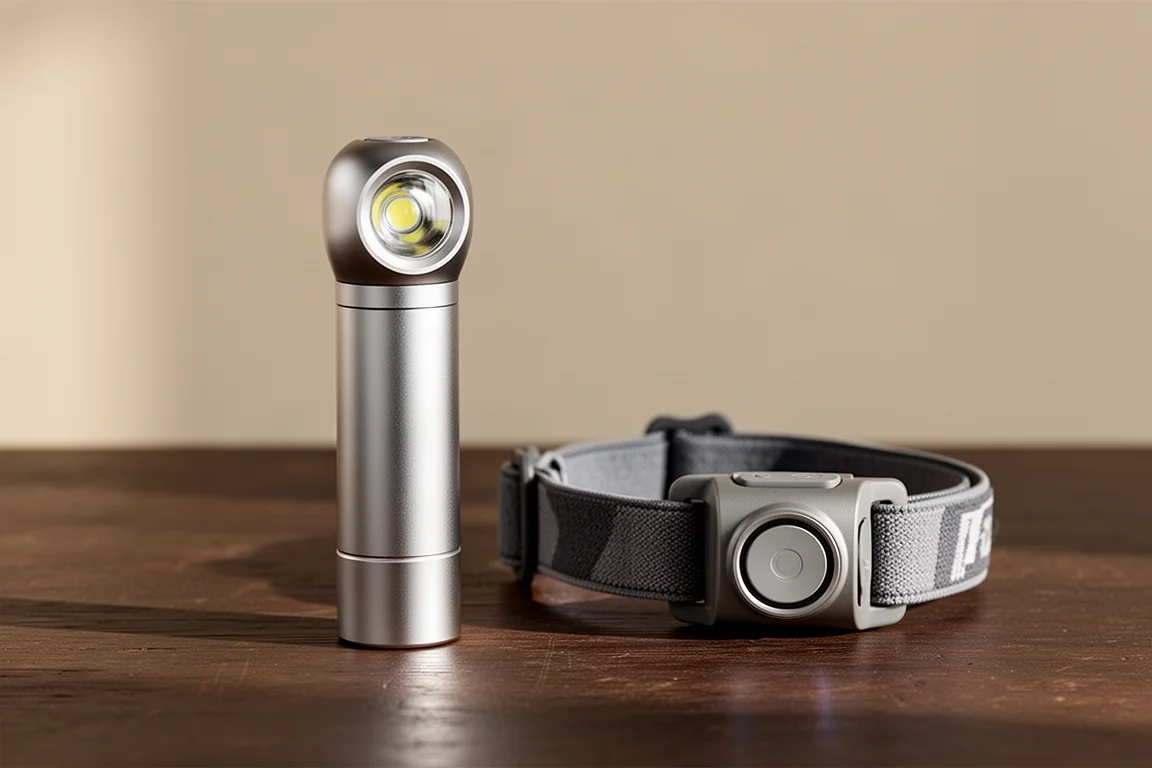
Worn around the neck, this tiny light ended up being used almost exclusively. When you need light at your feet for walking around, having it already on your body beats digging through a holster or a bag every time.
It has three modes and always returns to low, which turned out to be exactly right most of the time. The low mode was enough for the majority of camp tasks, and there is essentially nothing that needs improving. It is one of the favorites from this brand so far.
Olight Baton 4 and Perun Mini 2
The backup flashlights ended up being the ones family members actually used. Both the Baton 4 and the Perun Mini 2 are easy enough for anyone to operate, never ran out of battery, and were always charged when needed.
The magnetic tails saw constant use: stuck to the top of the tent as improvised flood lighting and attached to all kinds of surfaces. Over four nights of use mostly on low mode, they barely consumed any charge, and two weeks without charging or spare batteries seems realistic.
A bonus worth knowing: both double as power banks. A separate power bank that read 100 percent at departure dropped to zero on arrival, and having flashlights that could top up a phone would have been a genuine save if the situation had gone worse.
Roxon Flash S802
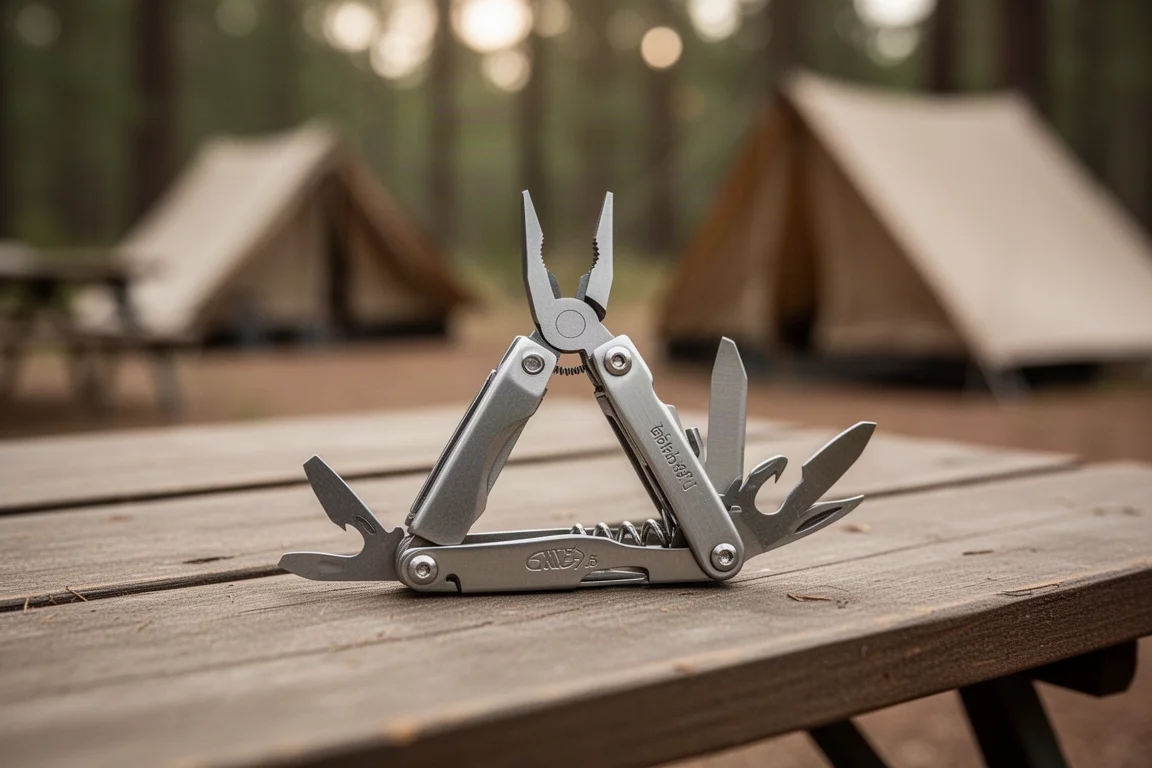
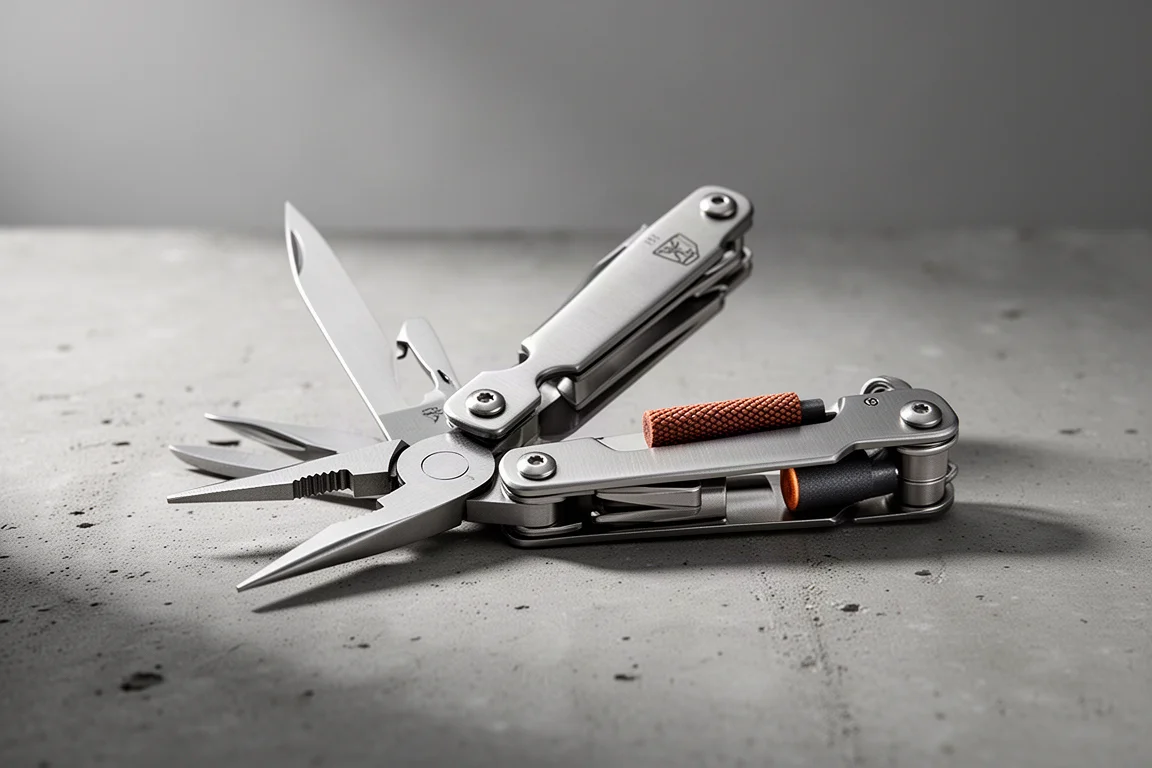
A small presentation on multi-tools turned into a bigger lesson. Many people at the gathering had never held one before or assumed they were too complicated to bother with. The Roxon Flash S802, the outdoor-oriented version with a ferro rod, changed that quickly.
Everyone loved it because it was easy to deploy. The spring-loaded pliers remove the awkward learning step of manipulating pliers the hard way, and that accessibility made first-time users actually enjoy the tool. It raises a real question about how multi-tools should be designed and for whom.
Buying Advice
A few takeaways if any of this is on your list. For a waxed canvas carry pouch, prioritize build quality and a mounting system that does not require removing your belt. For knives, think honestly about grip style: an unconventional handle rewards practice and pays off in daily enjoyment, while a conventional geometry with a proper sheath is easier to live with immediately.
For lights, match the beam to the job. A concentrated, bright light is wrong for camp tasks; a low-flood neck light or a magnetic, easy-to-use flashlight covers far more situations. And for multi-tools, spring-loaded pliers matter more than tool count if the user is new to the category.
Conclusion
The best gear from this trip was not the most expensive or the most technical. It was the waxed canvas pouch that just works, the knives that made daily tasks enjoyable, the tiny neck flashlight that was always where it needed to be, and the multi-tool that welcomed complete beginners. Match the tool to the actual task and most of these picks will serve you just as well.
Further reading
Related Reviews

Everyday Carry
Everyday Gear That Deserved a Second Look
A roundup of solid everyday carry items: watches, pens, a pencil, a knife, and a smart ring that each earned a place on the table.

Everyday Carry
KORE Tactical Bifold Wallet Review: A Durable Everyday Carry Option
A close look at the KORE Tactical Bifold Wallet, a reinforced nylon wallet with magnetic closure and room for cards, cash, and IDs.

Everyday Carry
Krabby Wallet Review: A Slim, Simple Carry That Has Stood the Test of Time
A closer look at the Krabby Wallet, a slim canvas and elastic design with a loyal following and a simple, functional approach to everyday carry.