Snowboarding
Burton Step On Bindings: A Long-Term Review From Real Powder Days
After more than 20 days on snow, here's an honest look at what Burton Step On bindings get right, where they fall short, and who should buy them.
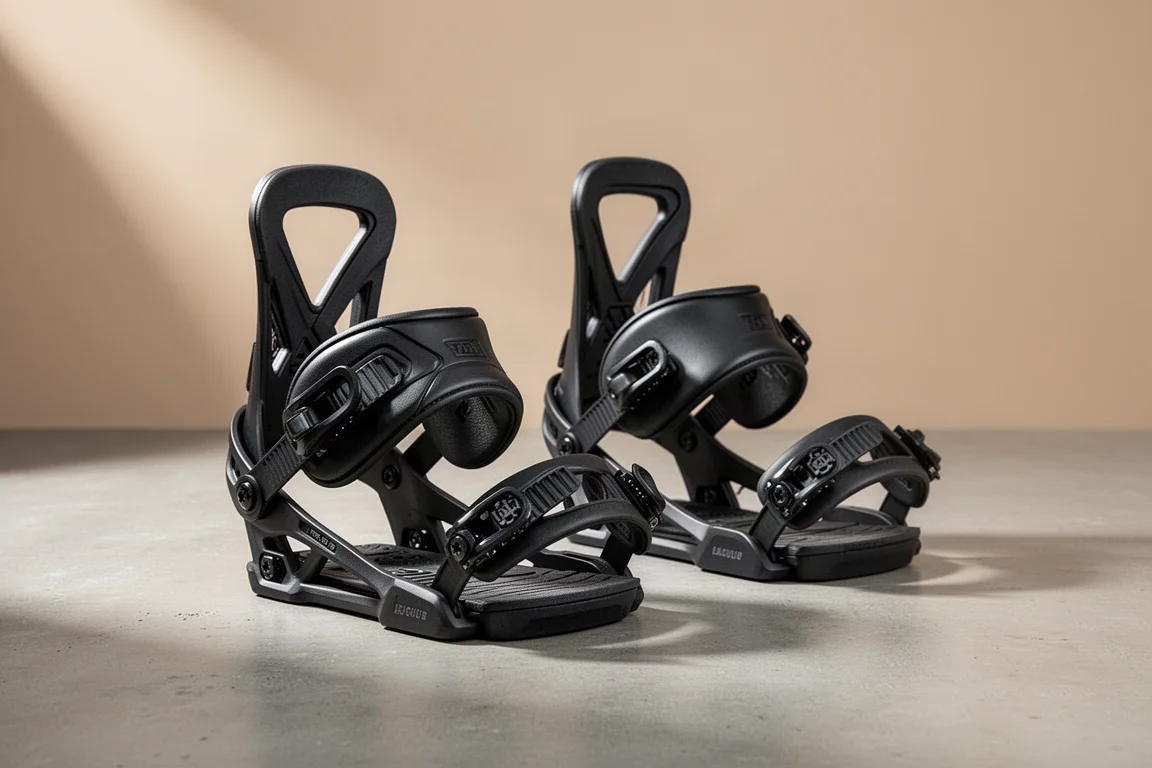
Introduction
Step-on bindings promise a simple thing: click in, ride, no bending over. On a powder day at Kirkwood, one rider with well over 20 days on Burton Step On bindings shared what that promise actually feels like in practice, from steep tree runs to awkward flat spots and deep snow.
The short version: the riding experience is genuinely excellent once you adapt, but the convenience you see in marketing clips takes longer to earn than you might expect.
Who This Product Is For
Burton Step On bindings make the most sense for riders who spend a lot of time on casual, mellow terrain with friends, where repeatedly strapping in and out is the most tedious part of the day. If your priority is saving your back and cutting down on fiddling with straps, this is the product built for you.
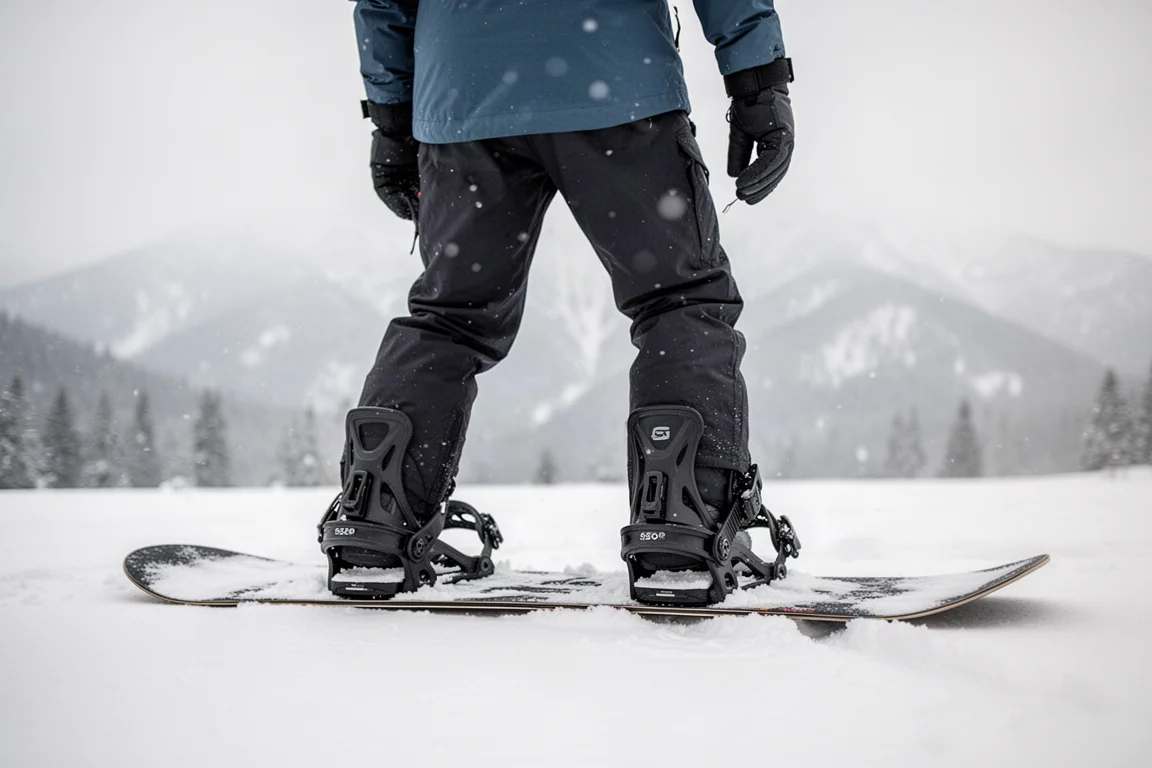
They also suit riders coming from stiff, responsive setups. One tester paired the bindings with Nitro boots, and the combination delivered so much immediate responsiveness that it took five or six days of riding before it stopped feeling unnerving. If you prefer loose bindings and softer boots, expect a bigger adjustment period.
Main Strengths
The headline strength is responsiveness. Coming from looser traditional bindings, the step-on connection feels dramatically more direct right away. Once the initial sensitivity wears off, the consensus was simple: you just turn easier and rip through the trees.
Another surprise from extended testing: getting in while sitting down is easier than expected. An earlier impression suggested it would be difficult, but a dedicated test proved you can get your foot in comfortably from a seated position, even if the final heel click is not always secured.
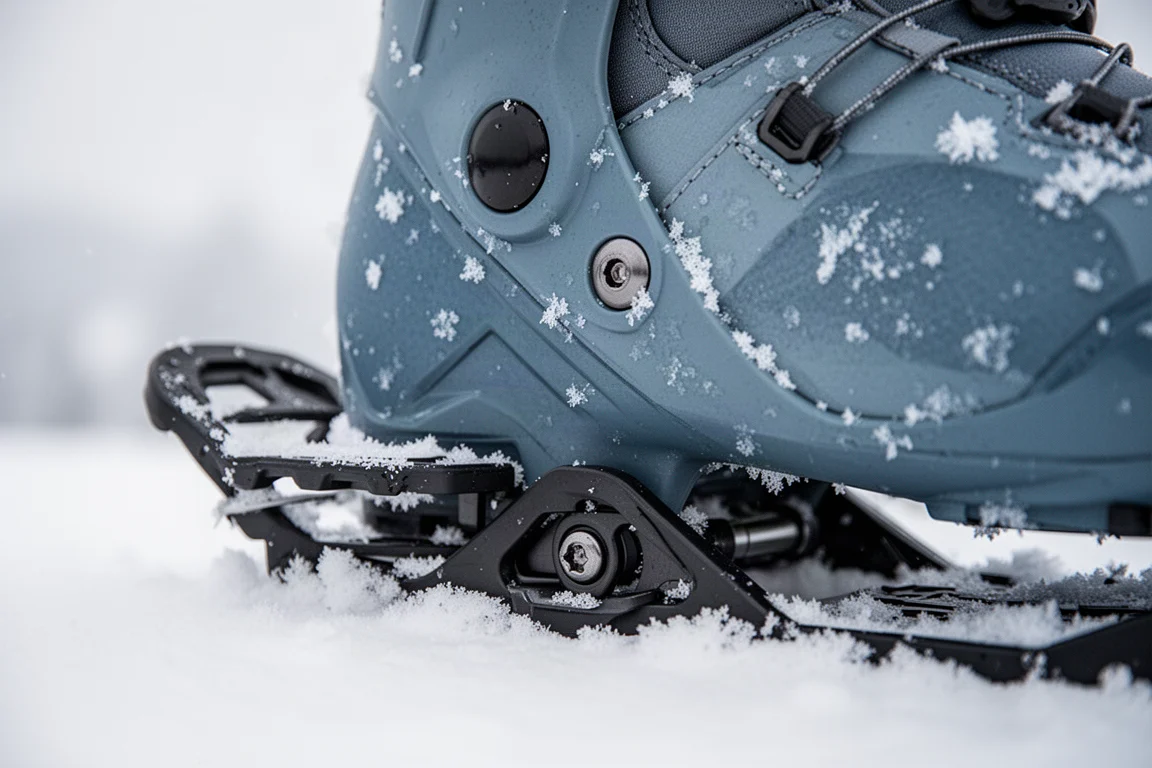
The learning curve also resolves quickly. What feels aggressive and strange for the first handful of days becomes something you stop noticing entirely, and one tester already wants a second pair so each board can keep its own bindings.
Things to Consider Before Buying
Stepping out is the weak point. As one tester put it, these are called step ons, not step offs, for a reason. Twisting out, especially with your non-dominant front foot while the board slides around freely, is genuinely awkward. Traditional straps can be released in seconds while still moving; step-ons usually require coming to a stop, yanking, and wiggling.
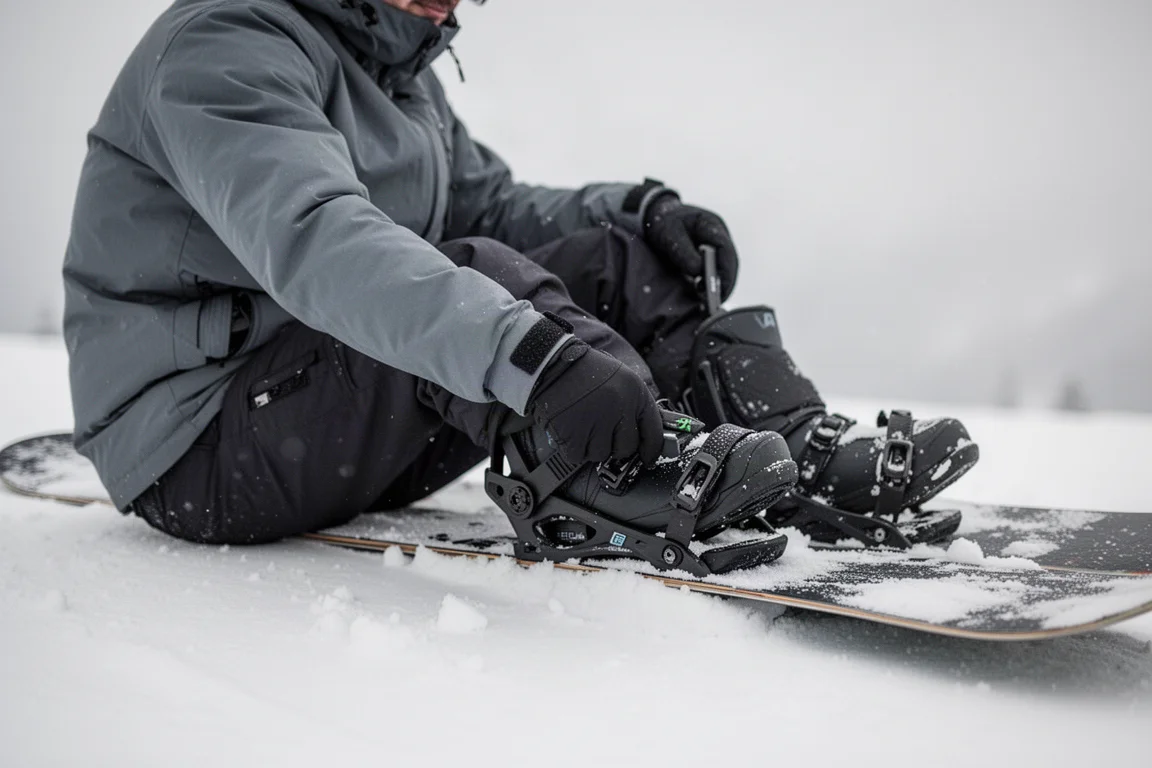
The release lever placement adds friction too. It sits at the heel rather than the front like traditional straps, and while you can move the lever from the outside to the inside of the binding, testers found the difference negligible either way.
Deep snow is the other real hassle. Snow packs into the binding during the step-in attempt, turning a quick click into a frustrating cleanup while strapped-in friends wait and watch.
Buying Advice
If you buy Step On bindings, go in with realistic expectations: the entry and exit are less effortless than they look in clips, and the first several days feel twitchy. But if you ride mostly mellow, social terrain and value a direct, responsive connection over strap-free convenience theater, the adaptation is worth it.
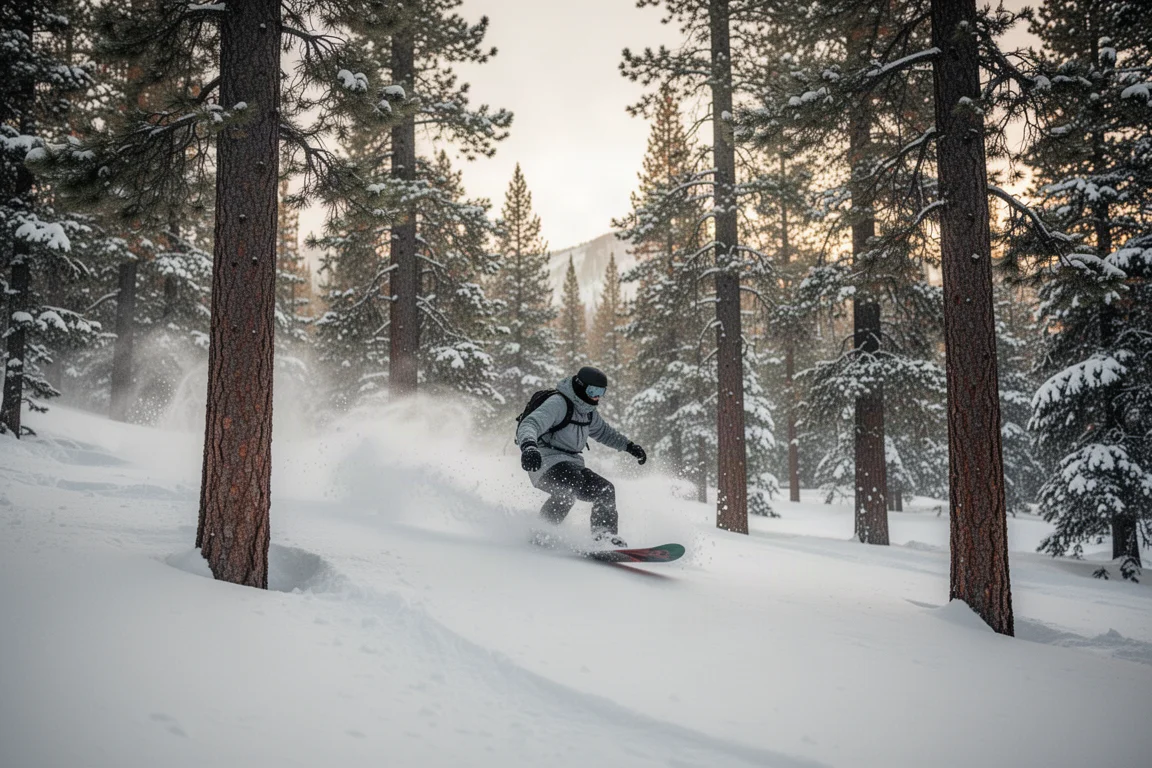
One practical tip from the testers: pair the bindings with a boot protector or small footrest so your board does not chew up the back of your boot while you rest. The setup with stiff, responsive boots rewards the binding’s direct feel the most.
Conclusion
Burton Step On bindings deliver on the ride: responsive, easy turning, and genuinely fun on casual days with friends. The trade-offs are real, including an awkward twist-out, a less convenient release than straps, and struggles in deep snow. Riders who adapt tend to want more of them, not fewer, and that repeat-purchase instinct says more than any single complaint.
Product link
View more details for Burton Step On Bindings
This product is mentioned in the review. Check the specifications, options, and compatibility before buying.
View more details for Burton Step On BindingsFurther reading
Related Reviews
Snowboarding
2025 Snowboard Gear List: Five Picks That Earned Their Place on the Mountain
From Zeiss-lens goggles to a hybrid step-in binding, here are five pieces of 2025 snowboard gear that held up across a full season of riding.
Snowboarding
2026 Snowboard Gear List: Boards, Bindings, Boots and Outerwear Worth a Look
A season-ready snowboard setup built from the bottom up: base layers, Strafe outerwear, Ride and Union boots, Union bindings, and two new Capita boards.
Snowboarding
32 Cold World Review: A Playful Hybrid Camber Board for Park Laps
The 32 Cold World blends classic camber underfoot with flat nose and tail sections for a predictable, butter-friendly ride aimed at intermediate park riders.