Snowboarding
Burton Skeleton Key Review: A Freeride Board That Handles the Groomers Too
A directional camber freeride snowboard with a surfy powder nose, surprisingly friendly flex, and resort performance that punches above its shape.
Introduction
The clue is in the name. The Burton Skeleton Key is built to unlock your all-mountain freeride potential: effortless flow in the deepest conditions, plenty of bite and drive back on the piste, and a flex mellow enough to open some doors into freestyle riding as well. It is a freeride-focused deck, but one that behaves far better around the resort than most boards of this shape.
Who This Board Is For
This board suits the rider who wants to capitalize on first lifts on powder days. But it also works for anyone who wants to avoid keeping a second setup on standby for weeks without fresh snow. As a daily driver for a freeride-focused all-mountain charger, the Skeleton Key makes a strong case.
Main Strengths
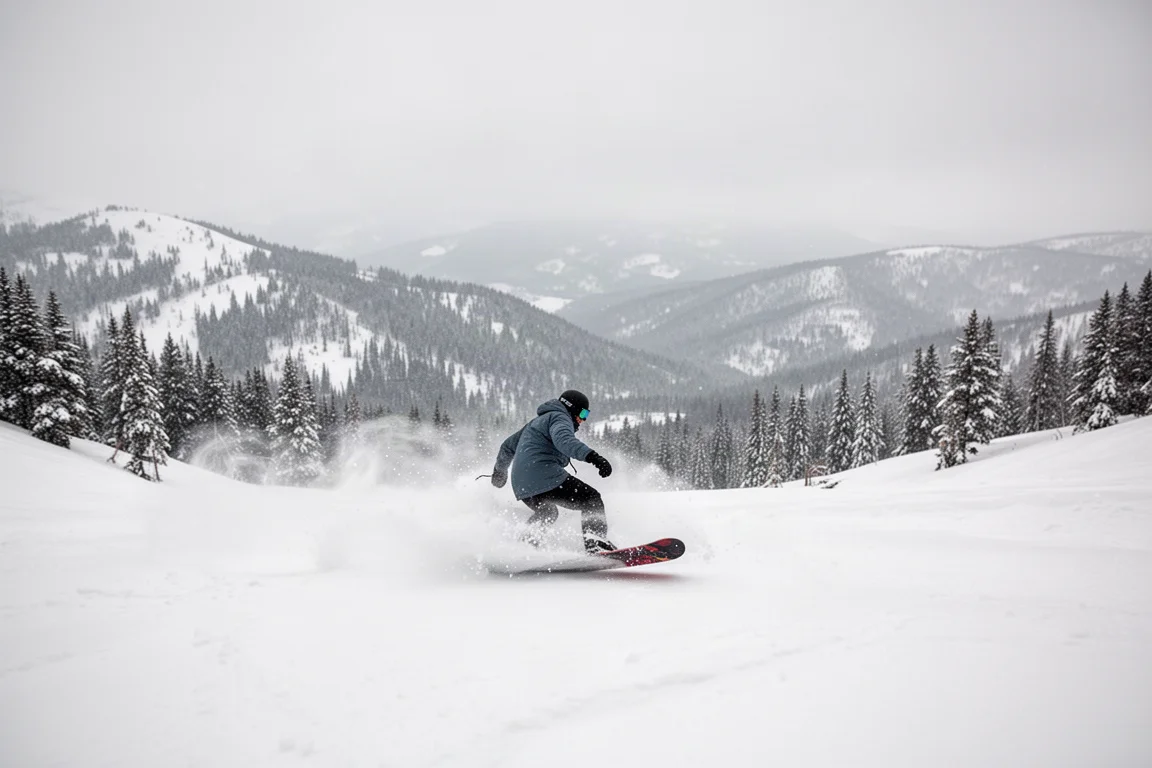
The Skeleton Key uses Burton’s directional camber profile. From right at the back of the tail, fully positive camber runs out beyond the front inserts, delivering plenty of firepower underfoot whether you use it for boosting ollies or gripping through turns. From there it blends into a big rocker profile in the nose, combined with a 7 mm taper, so the board becomes progressively narrower toward the tail.
That shape means far greater surface area up front, and the payoff is float: the nose rises to the surface even on the deepest days while the tail sinks, enabling surfy, slashy turns off the back foot. It is close to an unsinkable vessel for fresh snow.
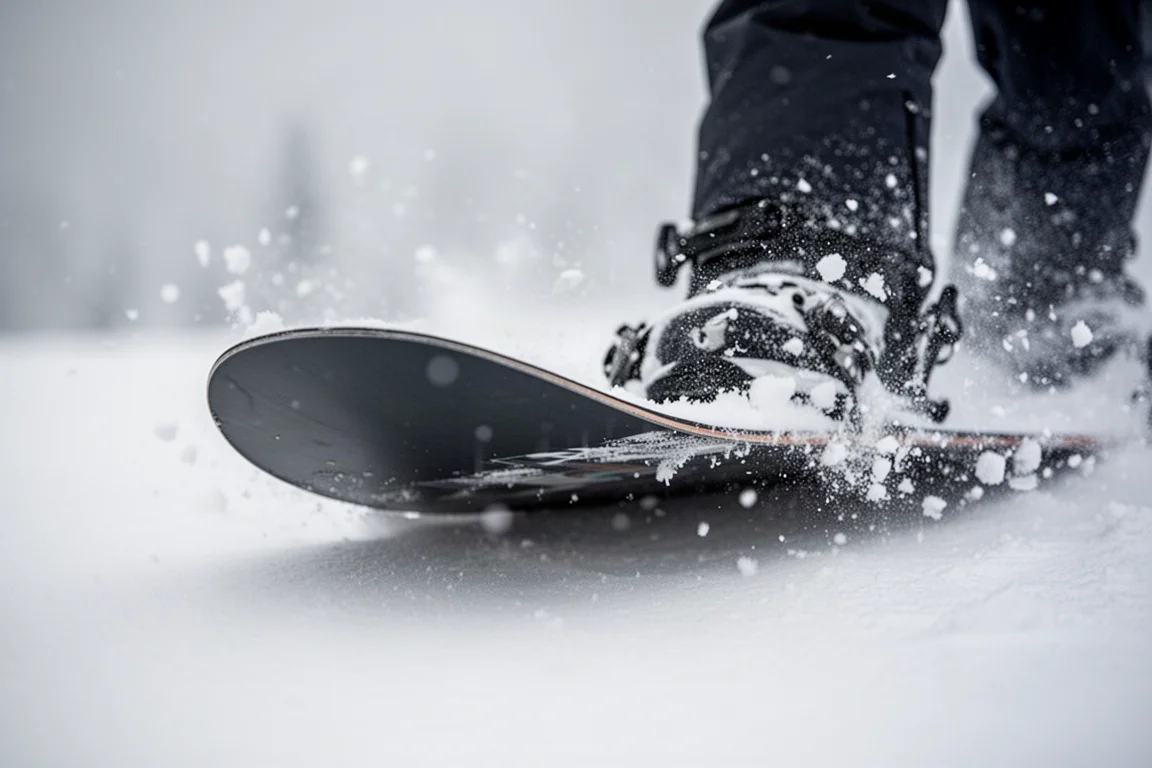
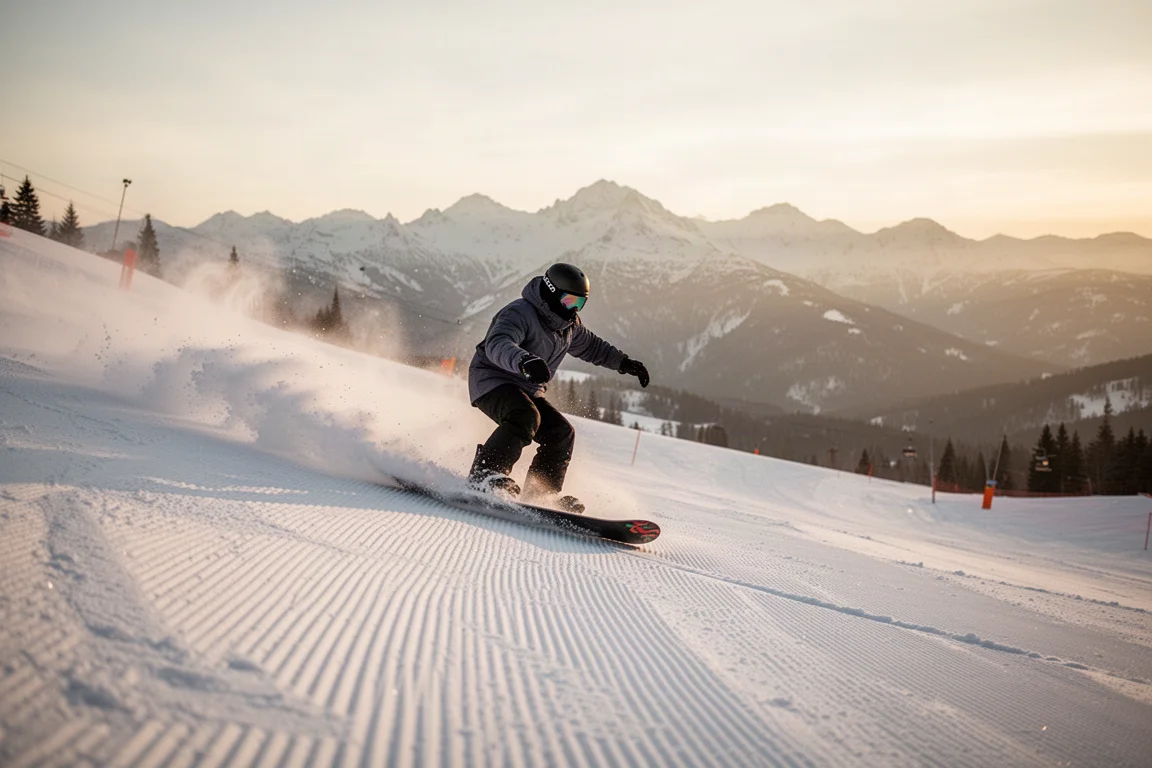
Despite that outline, it rips on the groomers. Burton’s balanced freeride geometry positions the sidecut in the center of the contact area, so the board turns much like a directional twin or even a true twin in regular or switch. The bigger, floaty nose only comes into play in deep snow; on piste it sits above the snow surface. The stance is set back a couple of inches, but Burton’s channel system offers near-infinite stance widths and angles to dial in exactly how centered you want to ride.
The flex is easy going, making the board accessible to a wide range of abilities and styles. Burton kept the board free from carbon additives, which makes it inviting for freestyle too. Construction includes the lightweight Superfly core with a dual-zone configuration of wood stringers, running strong from tip to tail, with stringers along the sidecut placed at 90 degrees to the board’s length. That channels more energy directly out to the edge and increases feel underfoot through the turn. The base is fast, though it uses second-tier materials, which keeps the cost substantially lower than more performance-focused models.
Things to Consider Before Buying
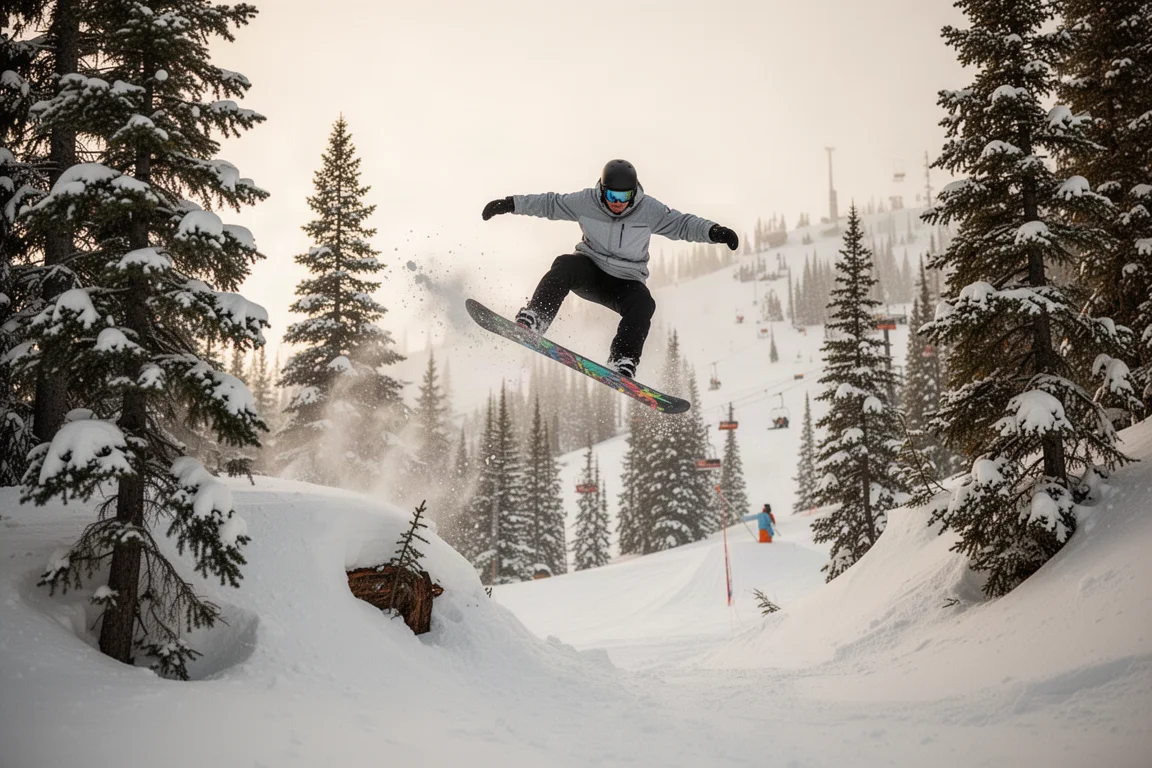
The directional construction means the tail is a little stiffer than the nose. Think boosting methods off natural features and floaty back threes off the cat track, rather than a full day sessioning rail and kicker lines. The board is at its best planted on the ground and driving through a turn.
Buying Advice
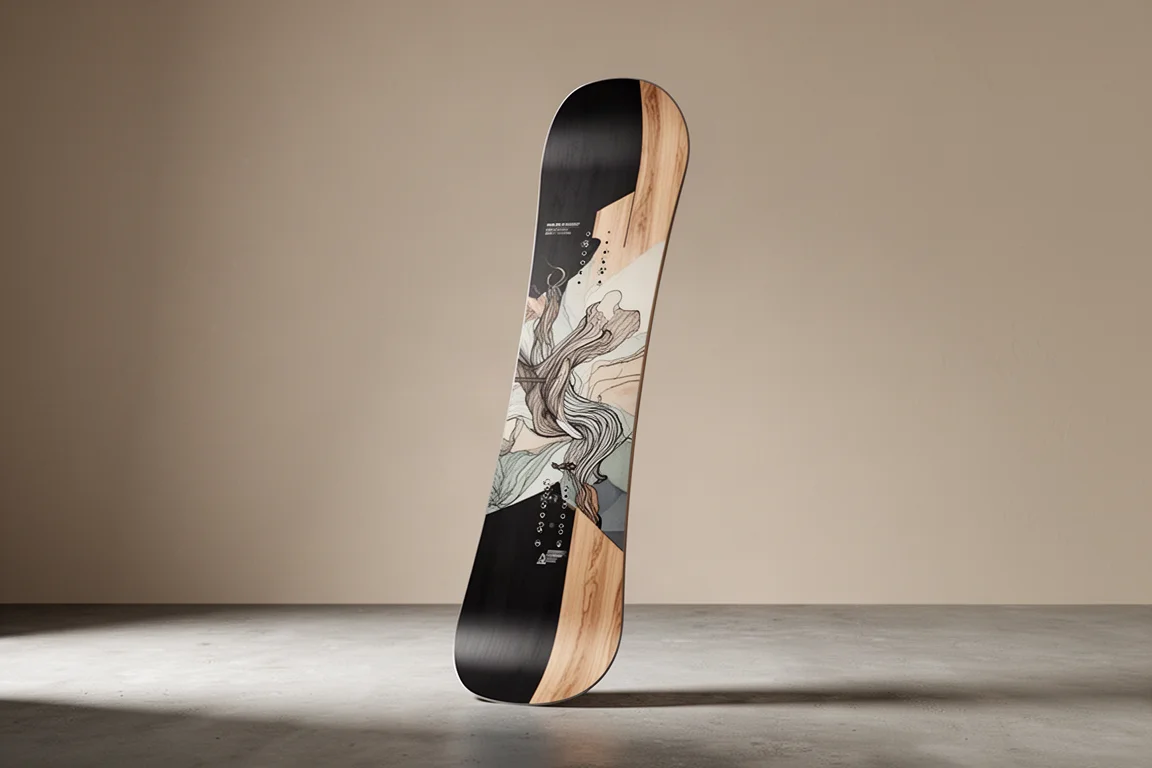
Our test team was genuinely impressed by how well this board held up over the resort, where many boards of this shape and construction fall short. The second-tier materials also mean it might leave enough money in the bank to add a park-specific deck to your quiver. As a bonus, this season’s top sheet and base artwork from Nicholas Law is a welcome departure from previous Burton looks.
Conclusion
The Skeleton Key is a freeride snowboard stacked with directional-specific features that still behaves on the groomers. If powder mornings are your priority, it is a no-brainer; if you want one board that handles lean weeks without snow, it is one of the best daily drivers out there.
Product link
View more details for Burton Skeleton Key
This product is mentioned in the review. Check the specifications, options, and compatibility before buying.
View more details for Burton Skeleton KeyFurther reading
Related Reviews
Snowboarding
2025 Snowboard Gear List: Five Picks That Earned Their Place on the Mountain
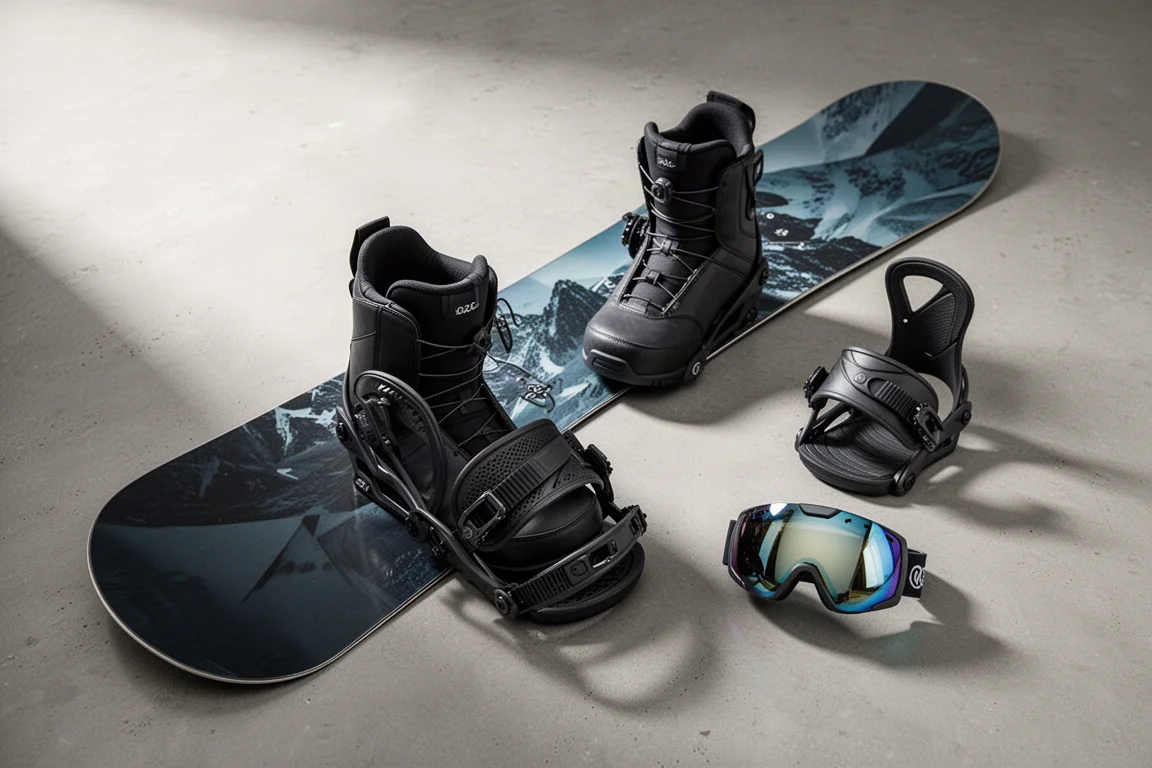
From Zeiss-lens goggles to a hybrid step-in binding, here are five pieces of 2025 snowboard gear that held up across a full season of riding.
Snowboarding
2026 Snowboard Gear List: Boards, Bindings, Boots and Outerwear Worth a Look
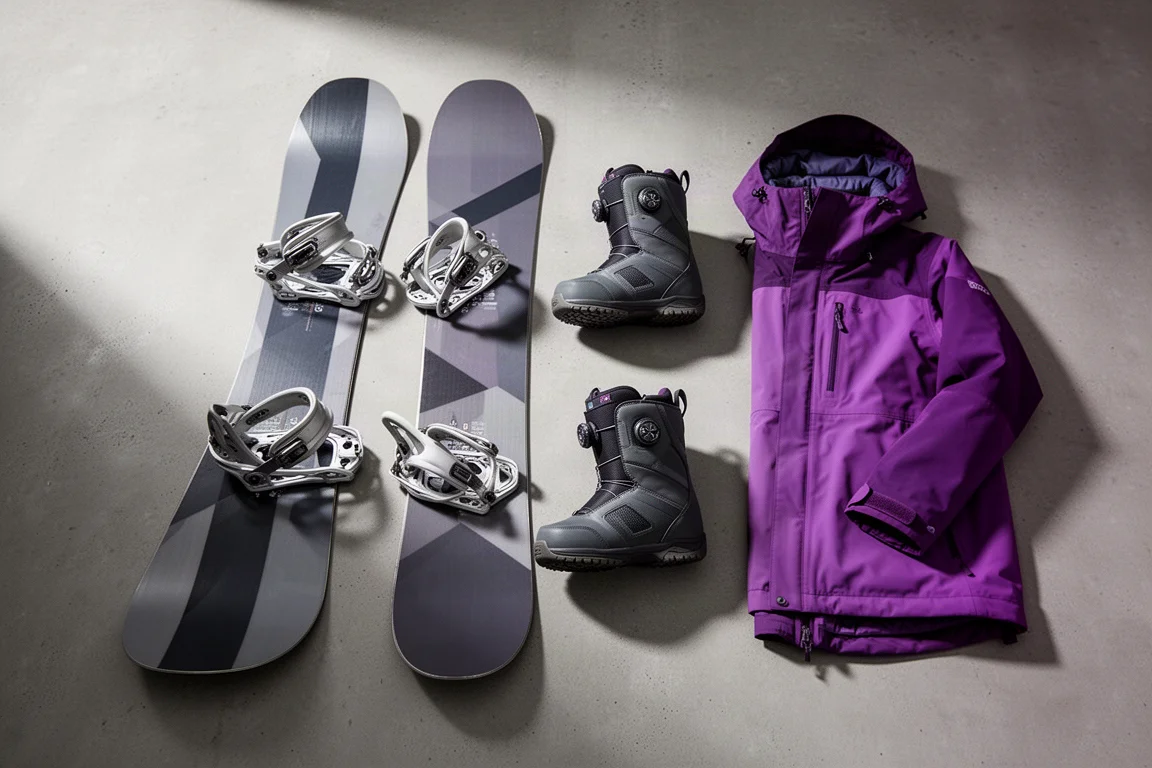
A season-ready snowboard setup built from the bottom up: base layers, Strafe outerwear, Ride and Union boots, Union bindings, and two new Capita boards.
Snowboarding
32 Cold World Review: A Playful Hybrid Camber Board for Park Laps
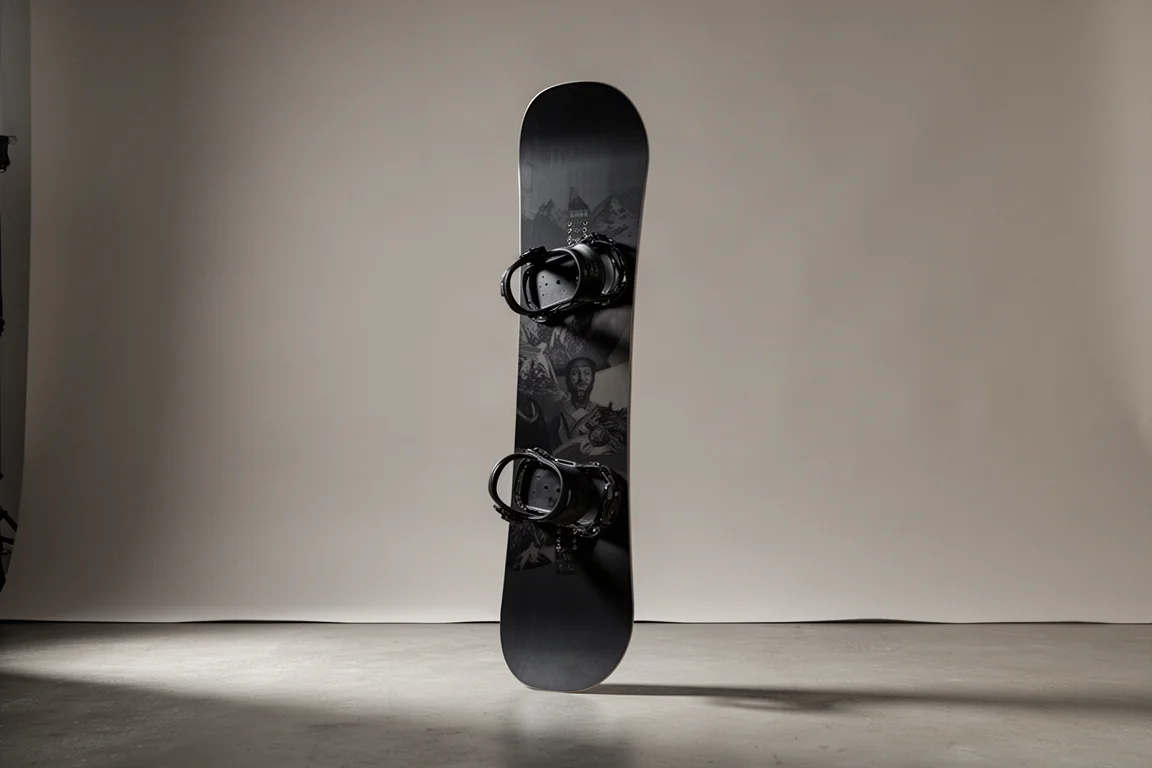
The 32 Cold World blends classic camber underfoot with flat nose and tail sections for a predictable, butter-friendly ride aimed at intermediate park riders.