Snowboarding
Burton Ripcord Review: A Friendly All-Mountain Snowboard for Progression
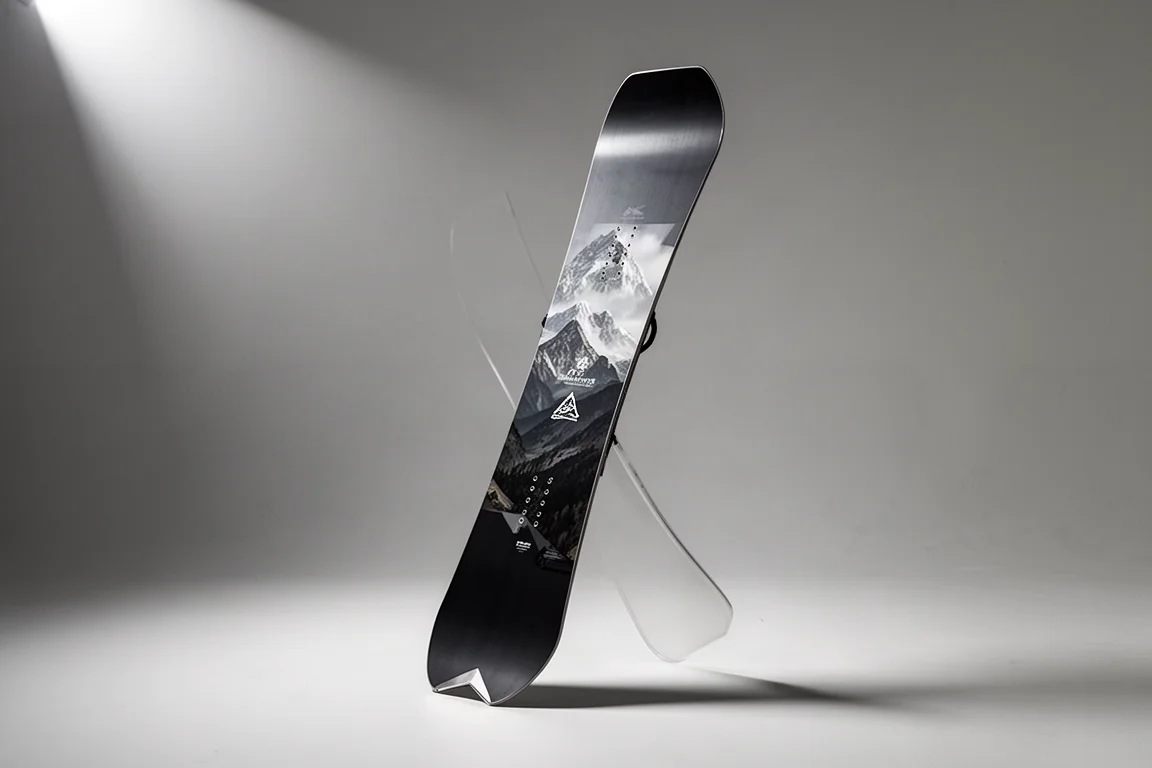
The Burton Ripcord combines a Flat Top profile, Easy Bevel edges, and a directional shape to create a forgiving, versatile board for newer riders and jib-focused sessions.
Introduction
The Burton Ripcord sits in the all-mountain slot of the Burton lineup, and its big theme is versatility with a friendly, manageable feel. It is aimed squarely at riders working through the early stages of progression: first turns, first tree runs, and first park laps. For the testing period referenced here, the board was ridden in a 157 by a rider about five foot ten and around 155 pounds, which puts the sizing context in a useful range for anyone shopping a similar build.
Design and Tech Breakdown
The Ripcord is a directional all-mountain board with a slightly directional outline: a longer nose and tail outside the contact points, giving a bit more surface area up front. With the reference stance you get 25 millimeters of setback, so the bindings sit a little closer to the tail and your weight naturally shifts back. There is also 5 millimeters of taper, meaning the tail is narrower than the nose, reducing surface area at the back. Together, these details give the board a genuine advantage in softer snow and on powder days.
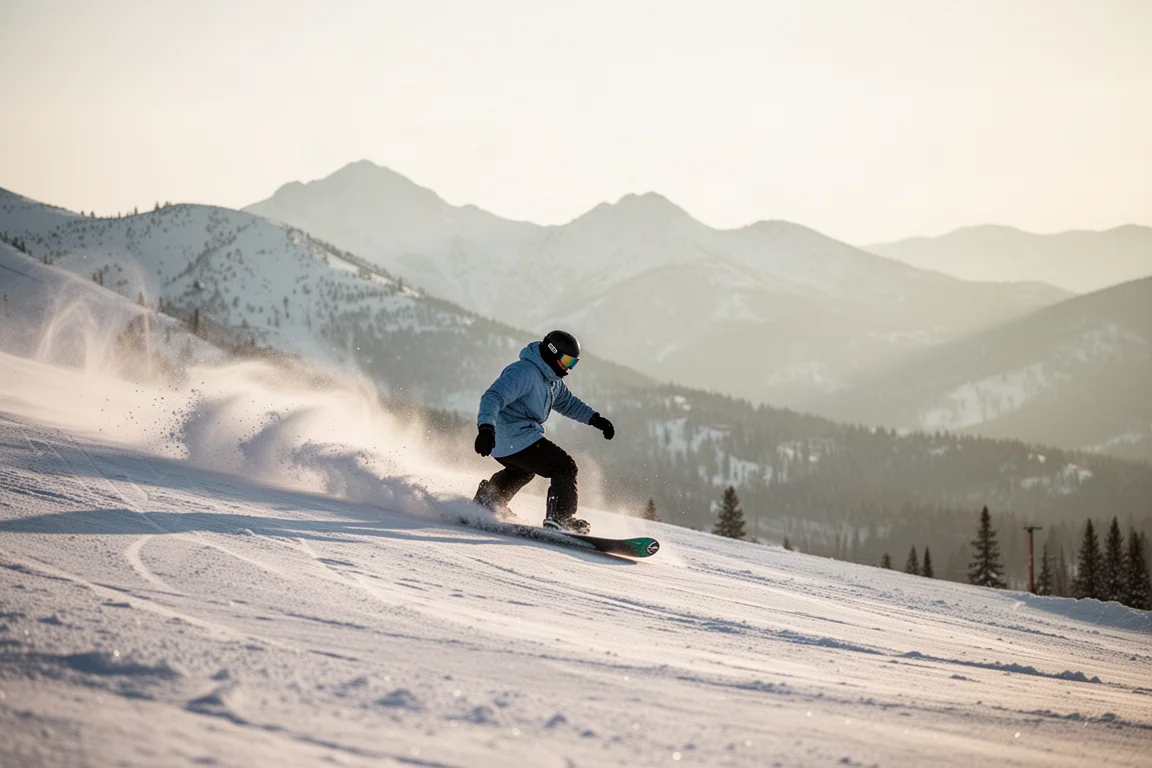
The board runs Burton’s Flat Top camber profile: flat through the main body of the snowboard with reverse camber out in the nose and tail as you approach the contact points. That makes the board more forgiving, less catchy, and gives extra leverage for leaning into presses and butters. Outside the bindings, Burton’s Easy Bevel adds subtle 3D shaping where the base and edge are beveled up slightly, further reducing catchiness. You also get the Channel mounting system for unlimited stance width options and compatibility with pretty much all major bindings, plus an extruded base that needs less maintenance and holds up better to at-home repairs.
Flex and Freestyle Feel
At around 155 pounds on a 157, the flex lands just on the softer side of medium. It feels forgiving and manageable, but it is not a noodle; there is still decent stability while cruising and exploring. The flex is slightly directional, so you get a bit more power and stability from the tail, though it is not strongly noticeable, and the torsional flex matches that character.
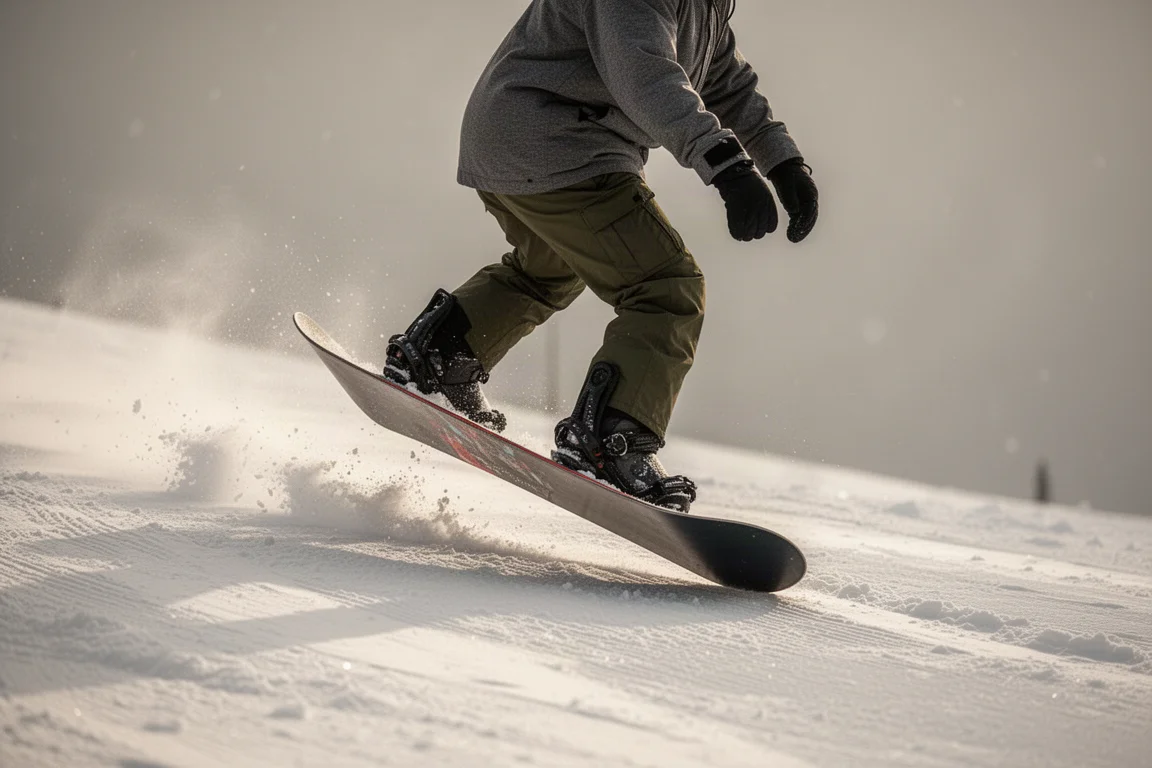
For flat-ground and butter-style tricks, the Ripcord is a genuinely fun board. The reverse camber combined with the Easy Bevel lets you lean into the nose or tail confidently without feeling catchy, and the extra leverage makes taller presses easier to reach. Even without positive camber, the board still comes through with a decent amount of energy. It is not the poppiest board in Burton’s lineup, but it is not dead either: there is enough snap coming out of butter tricks, and it keeps a good freestyle feel when ollieing rollers or features in the park.
Carving and Stability
The flat-to-rocker Flat Top profile gives a very predictable feel, and combined with the softer-side-of-medium torsional flex and reverse camber in the tips, it does not make you work hard to initiate turns. If you are using this as a first snowboard to learn the fundamentals, it makes figuring that out easier.
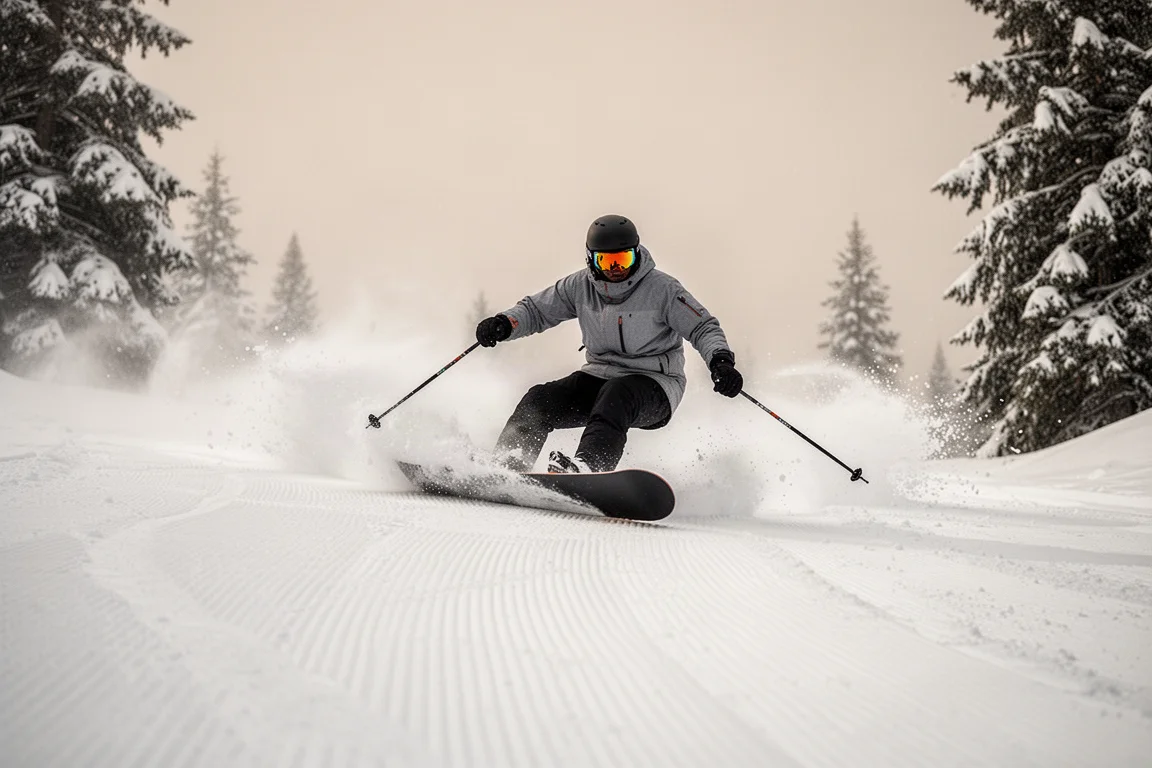
It is also not bad for carving and exploring the mountain. The 7.9-meter sidecut feels comfortable at higher speeds, throwing you into more drawn-out turns with decent stability and a solid edge hold. The limits show when you start pushing hard: as a softer board with reverse camber, it is not a high-speed charger, and you can find some chatter and some washiness when you shift weight heavily onto the back foot mid-turn. It is best described as a mellow cruiser that is great for learning to link turns, progressing onto more technical steeper runs, and working best at moderate speeds.
Park Performance
The Ripcord delivers a solid all-around park feel. The flat camber profile locks into rails and boxes nicely, giving you more contact with the feature, while the reverse camber in the nose helps you reach taller presses without working too hard. With the softer torsional flex, it is not bad for spinning out of rail features, making it a solid choice for jib progression, and it still has enough stability for larger jumps and higher-impact landings.
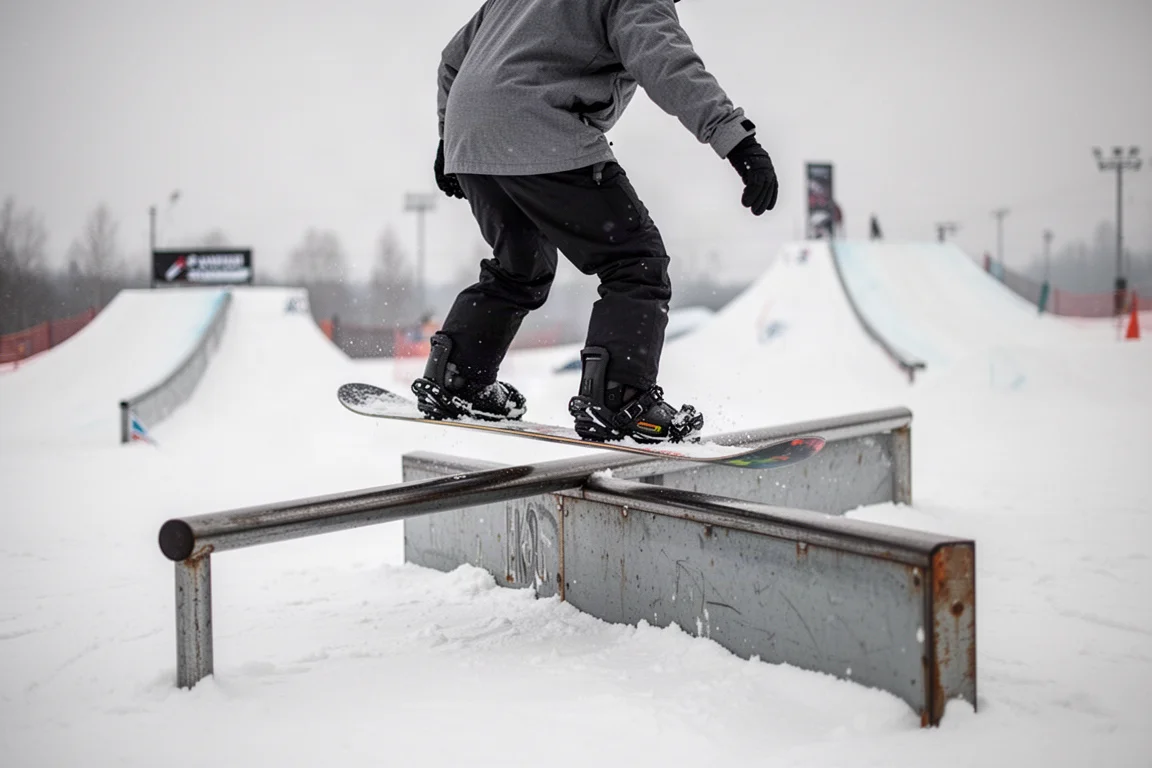
One thing to watch: the setback and directional outline give the board a significantly longer nose, so in the terrain park be mindful of clipping up on rail features or hooking up coming off jumps. The Easy Bevel helps a little with that on jumps, and it rides switch very comfortably, so switch riding is not an issue. If you land a bit tail-heavy on jumps, it can feel a little washy, but overall it is a strong progression board for small to medium features.
Buying Advice
If you are just getting started in snowboarding and looking for a first board that will carry you through those early stages of progression, the Ripcord makes all of it a little easier and lets you dial in your riding style before committing to something more specialized. More experienced riders can also consider it as a jibby, versatile second board, and it comes in at a great price for what it offers. Availability is current, so if it fits your needs, it is worth picking up now rather than waiting for the season rush.
Conclusion
The Burton Ripcord earns its place as a friendly, versatile all-mountain snowboard. A forgiving Flat Top profile, Easy Bevel edges, and a directional shape tuned for soft snow make it an excellent first board, while its jib-friendly character and approachable flex give experienced riders a fun low-commitment option. If versatility and a manageable feel top your list, the Ripcord is an easy recommendation.
Product link
View more details for Burton Ripcord
This product is mentioned in the review. Check the specifications, options, and compatibility before buying.
View more details for Burton RipcordFurther reading
Related Reviews
Snowboarding
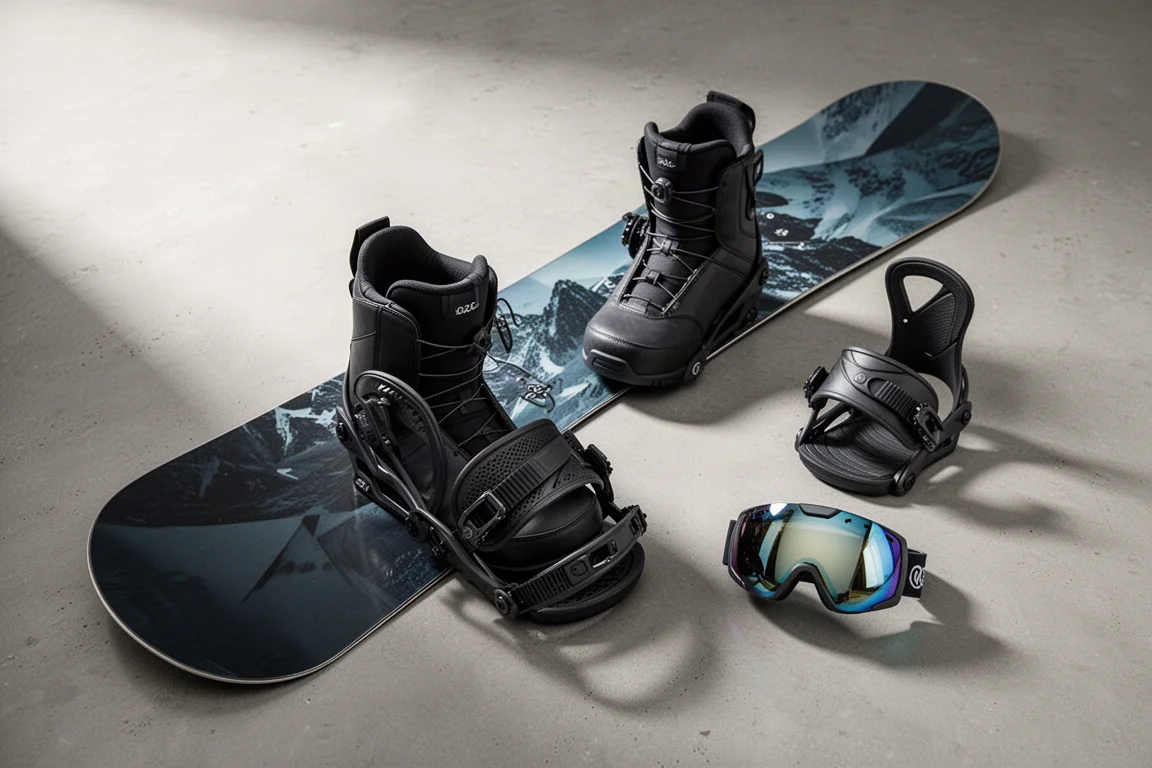
2025 Snowboard Gear List: Five Picks That Earned Their Place on the Mountain
From Zeiss-lens goggles to a hybrid step-in binding, here are five pieces of 2025 snowboard gear that held up across a full season of riding.
Snowboarding
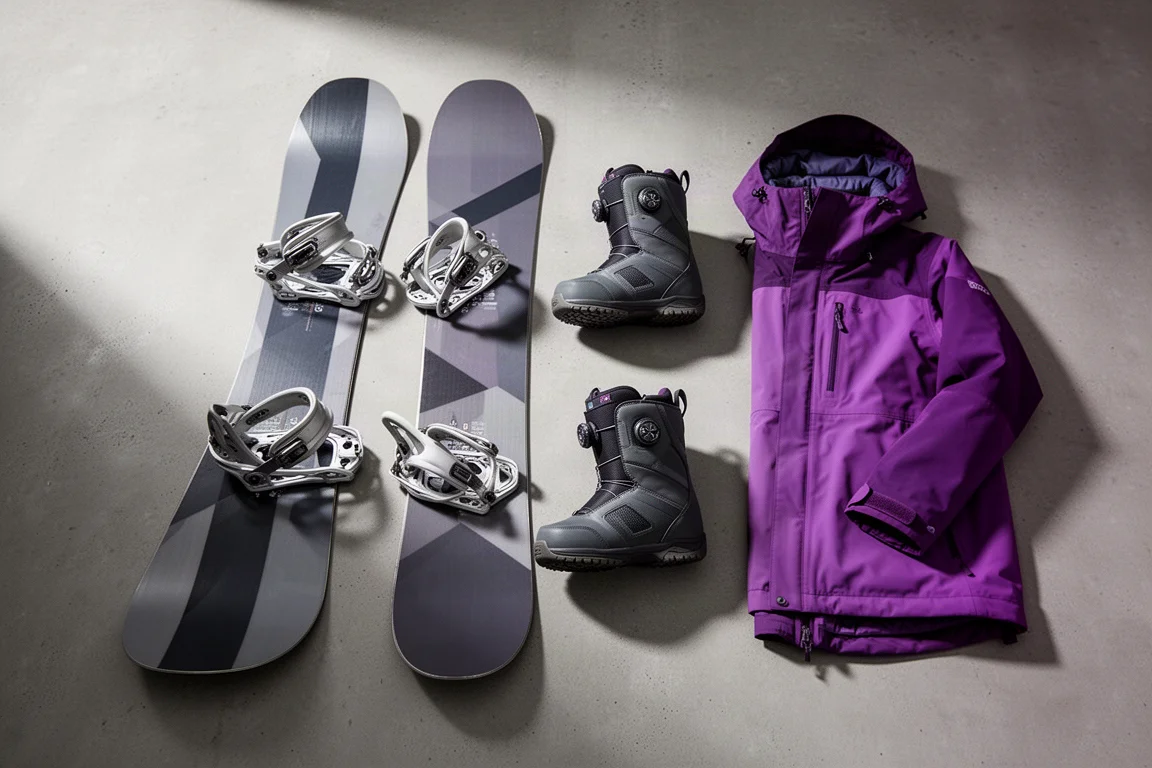
2026 Snowboard Gear List: Boards, Bindings, Boots and Outerwear Worth a Look
A season-ready snowboard setup built from the bottom up: base layers, Strafe outerwear, Ride and Union boots, Union bindings, and two new Capita boards.
Snowboarding
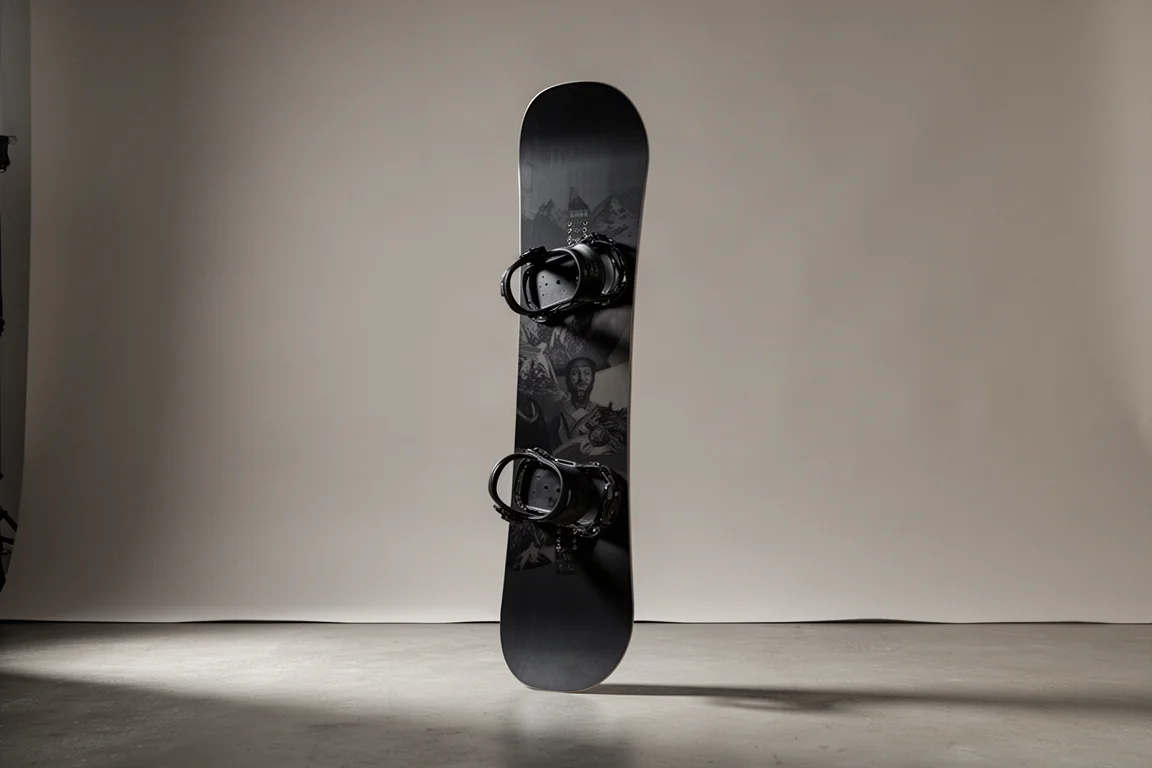
32 Cold World Review: A Playful Hybrid Camber Board for Park Laps
The 32 Cold World blends classic camber underfoot with flat nose and tail sections for a predictable, butter-friendly ride aimed at intermediate park riders.