Hand Tools
Burke Bar Review: The 30-Year Demolition and Formwork Lever Worth Owning
A long-handled flat pry bar that earns its place in demolition, concrete formwork, and lifting heavy objects.
Introduction
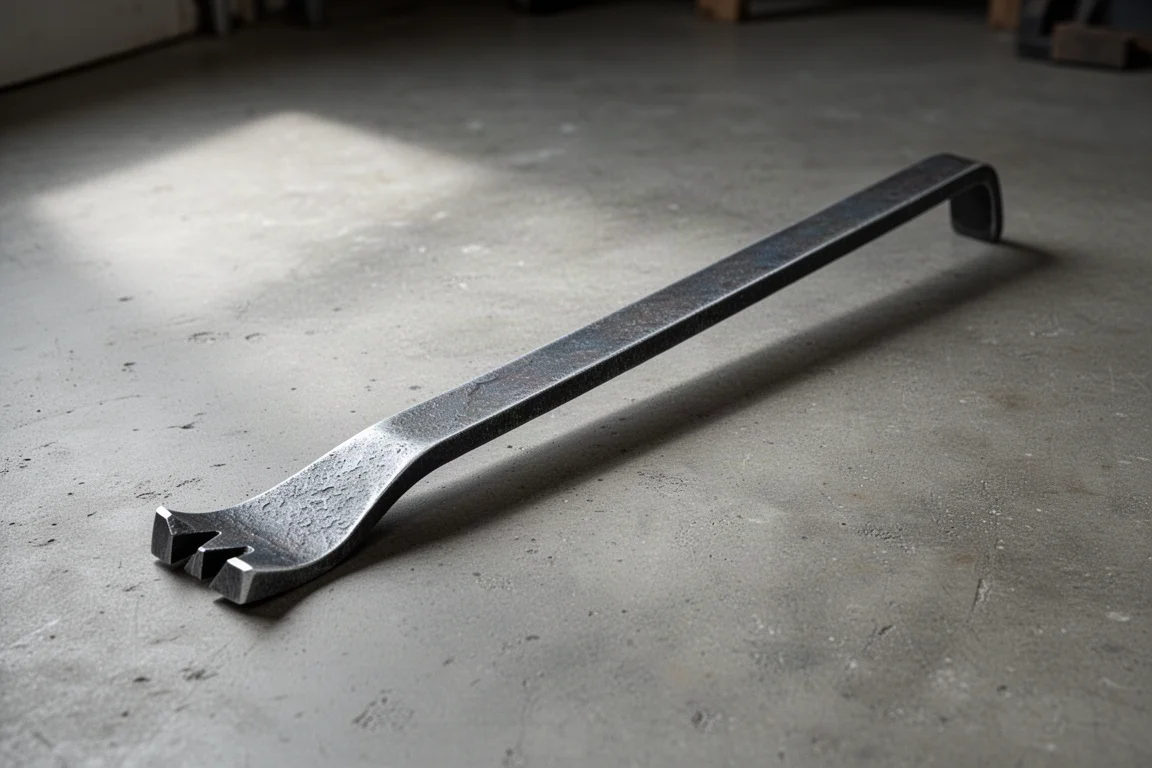
The Burke Bar is a long-handled flat pry bar that has quietly earned a place among the most useful hand tools on any demolition, concrete, or heavy-moving job. It is the kind of tool people discover once and then keep for decades. Used for pulling posts, stripping concrete forms, prying flooring, and lifting impossibly heavy objects, it covers ground that no single specialized tool can.
Who This Product Is For
This tool makes sense for remodelers, concrete workers, and anyone who deals with heavy or stubborn materials. If you tear out cabinets, strip formwork, pull fence posts, or nudge machinery across a shop floor, the Burke Bar earns its spot. Even hobbyists with machine tools find it useful for that initial lift before a jack takes over.
Main Strengths
Pulling Posts and Breaking Ground
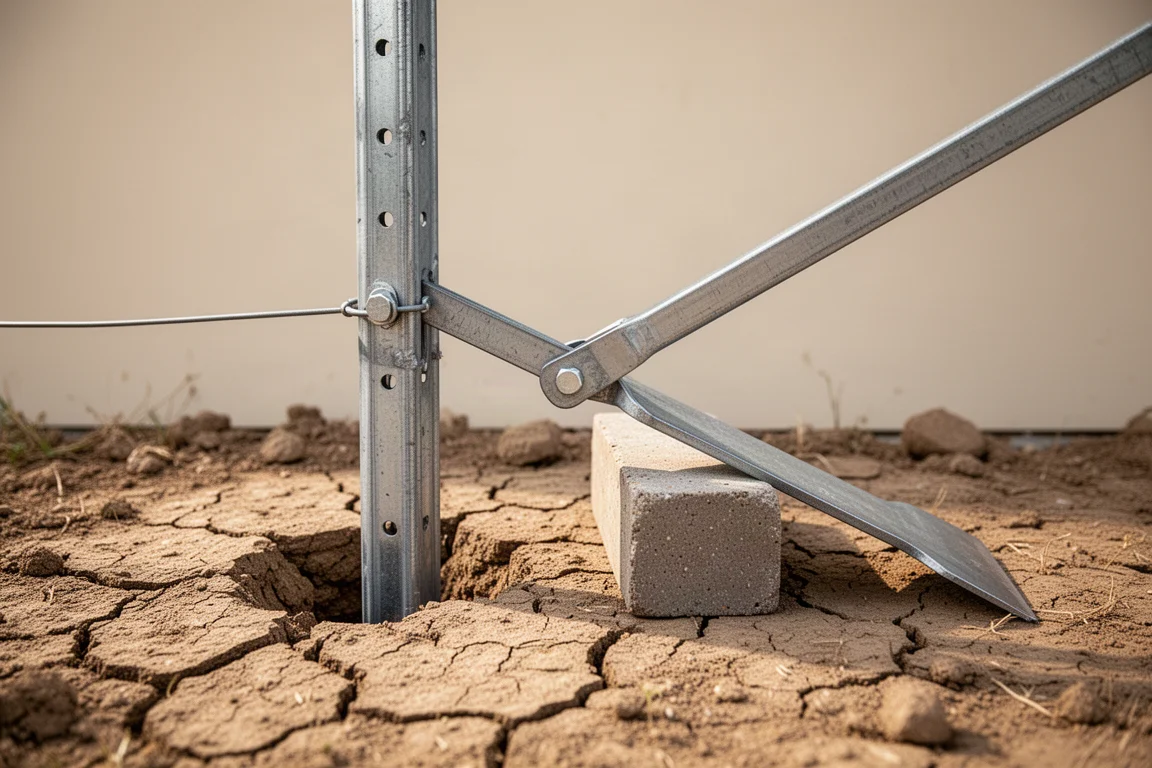
One of the less obvious uses is post removal. The notched tip can bite into a steel T-post and, with a fulcrum, pull it straight out of the ground. For wooden posts, even ones set in concrete, the technique scales up: notch or chop the post, wrap a rigging chain around it with a clove hitch or timber hitch, and let the bar do the work. The leverage is remarkable. A 54-inch lever acting on a 2-inch fulcrum with a 200 lb person on the end is said to produce close to 5,500 lb of lift. That math is exactly why these bars are used for setting tilt-up panels on heavy commercial jobs.
Demolition Without the Ladder
For tearing out high upper cabinets or anything bolted overhead, the Burke Bar replaces the ladder-and-hammer routine. You can reach well up a wall, hook the material, and pull until something gives. The same logic works downward: it scrapes shingles, breaks up tile, and pulls floor underlayment at waist height without bending over all day. It also pries countertops and deck surfaces, sliding neatly under an overhang when you need to pop a cabinet deck for new counters.
A Pry Bar That Hits Back
Because the handle can take a blow, it doubles as a light sledge. When a post or beam needs to come out, you can drive a real blow with it without walking back to the truck for a hammer. That combination of prying and striking in one tool is what makes it feel like a genuine multi-tool.
Formwork and Concrete Stripping
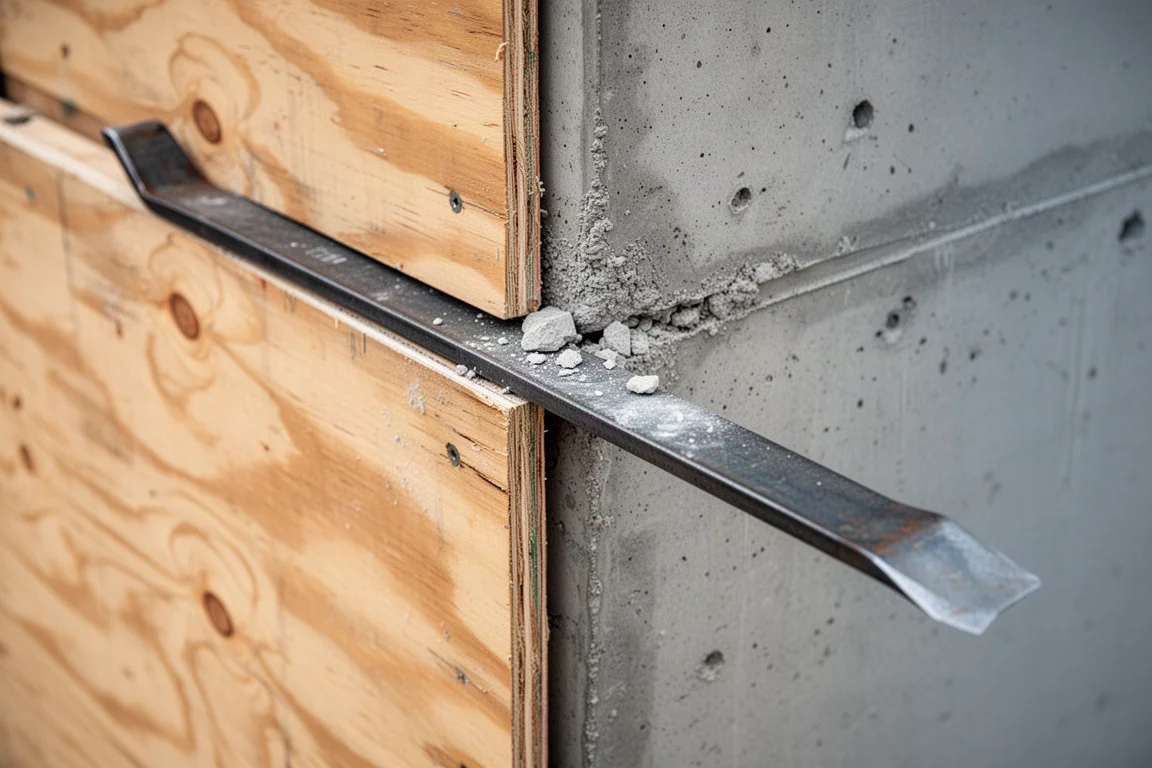
Concrete is this bar’s natural element. Burke Meadows, now known as Burke, has long manufactured concrete accessories and forming hardware, and the bar’s role in stripping forms shows why. Once concrete sets, it bonds to form panels even when form oil is applied. Whether you are working with Symons forms, snap ties, or whalers, the bar lets you work your way in gradually, breaking that bond without wrecking the forms. Footing forms are the classic case: working down at ankle height, you jam the tip between the concrete edge and the form face, pop, and it comes free. Slide deeper into the fulcrum and pop, a little further off.
On tilt-up projects, the bar really shows its leverage. With a crane holding most of a panel’s weight, three or four workers prying in concert can walk an enormous panel sideways into position, raise and lower it on its edges, and set the shim pack underneath to plumb it.
Rebar Bending and Small Jobsite Fixes
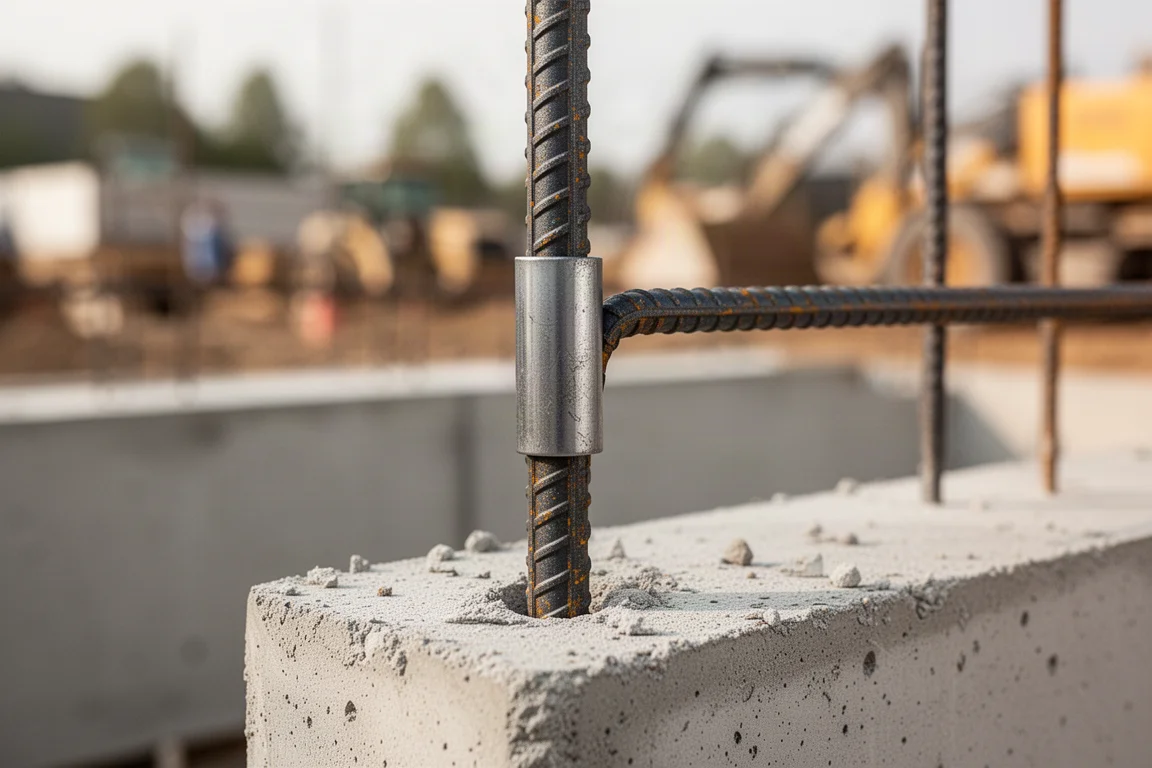
When footing forms come off and the dowels are crooked, slide the handle over the bent rebar and straighten it. With patience and a suitable receiver, it can even coax a used piece of number four bar into something that will pass for a 90-degree bend. It will also loosen concrete stakes when the hammer end comes into play.
Lifting Heavy Objects
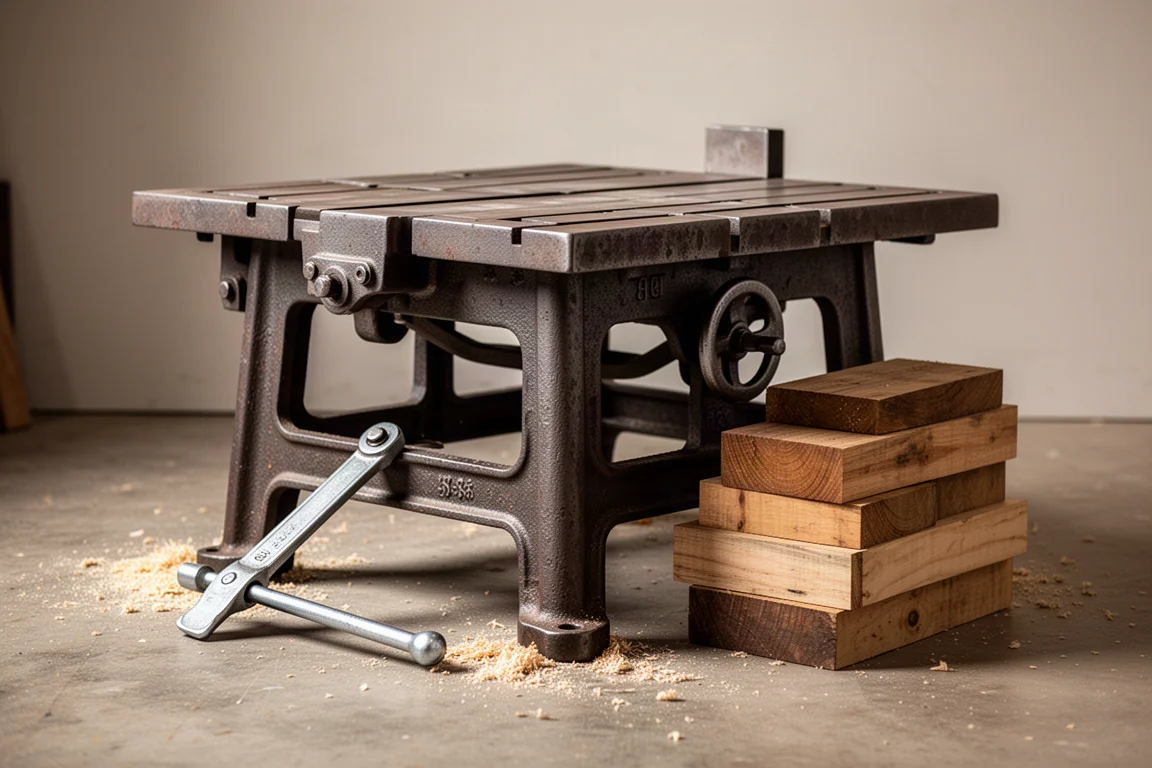
This is where the elegant shape outgrows its original intent. A bar like this can work its tip behind an object embedded in clay soil, break the vacuum, and use the fulcrum to force it out. In the shop, it becomes a poor man’s jack. A 5,000 lb platen table can be lifted at one corner with a bit of concerted effort, a little at a time. Add cribbing and a helper to slide blocks under the object as it rises, and you can climb as high as you want. Shipping containers, pickup beds, and a 3,700 lb table saw have all been moved this way, sometimes with pipes and a second bar.
It does not replace a jack, but when there is no jack, it is often the first tool that gets things started. Pop the object up, slide in a wedge to preserve the space, and keep working your way up until the jack fits.
Things to Consider Before Buying
Leverage is a double-edged tool. When a heavy load suddenly releases, the bar can kick, and anyone who has felt it knows you have to pay attention to the details. The tip and handle also take abuse over the years, and a bit that has been welded and re-heat-treated will not always hold up to brutal use forever. None of this changes the fundamental value, but it is worth respecting the tool.
Buying Advice
If you do any kind of demolition, concrete work, or heavy mechanical moving, this is one of the few tools that justifies its permanent spot in the truck. Concrete workers and remodelers will use it weekly. Homeowners tackling one big tear-out will still get their money’s worth from a single weekend of post-pulling and floor scraping. If your work is closer to machine tools than construction, think of it as the tool that starts every lift before the jack arrives.
Conclusion
The Burke Bar has survived thirty years of hard use because it solves a surprisingly wide range of problems with one simple lever: demolition, formwork, and lifting heavy things. Few tools offer that kind of range for the price, and fewer still stay in the lineup this long.
Product link
View more details for Burke Bar
This product is mentioned in the review. Check the specifications, options, and compatibility before buying.
View more details for Burke BarFurther reading
Related Reviews
Hand Tools
Best Diagonal Cutters 2026: 16 Pliers Tested for Cutting Power and Durability
We put 16 diagonal cutters through nail, screw, drill bit, and hex key tests to find the best value picks for your toolbox.
Hand Tools
Best Hex L Key Sets 2026: Nine Sets Tested for Real-World Torque
Nine hex L key sets from budget to premium, tested for torque, fit, and durability. See which sets deliver real performance and which ones to skip.
Hand Tools
Best Locking Pliers 2026: Top Picks Tested for Grip and Durability
We tested 18 brands of 10-inch locking pliers for grip strength, jaw bite, build quality, and ease of release to find the best options for tough jobs.