Kitchen Knives
Bunka Knife Comparison: Mamo Bunka vs Hayabusa vs Nigara VG10 Suime Damascus
Three Japanese bunka knives go head to head in carrot, bell pepper, and onion tests to find the overall winner, the best value pick, and the chopper's delight.
Introduction
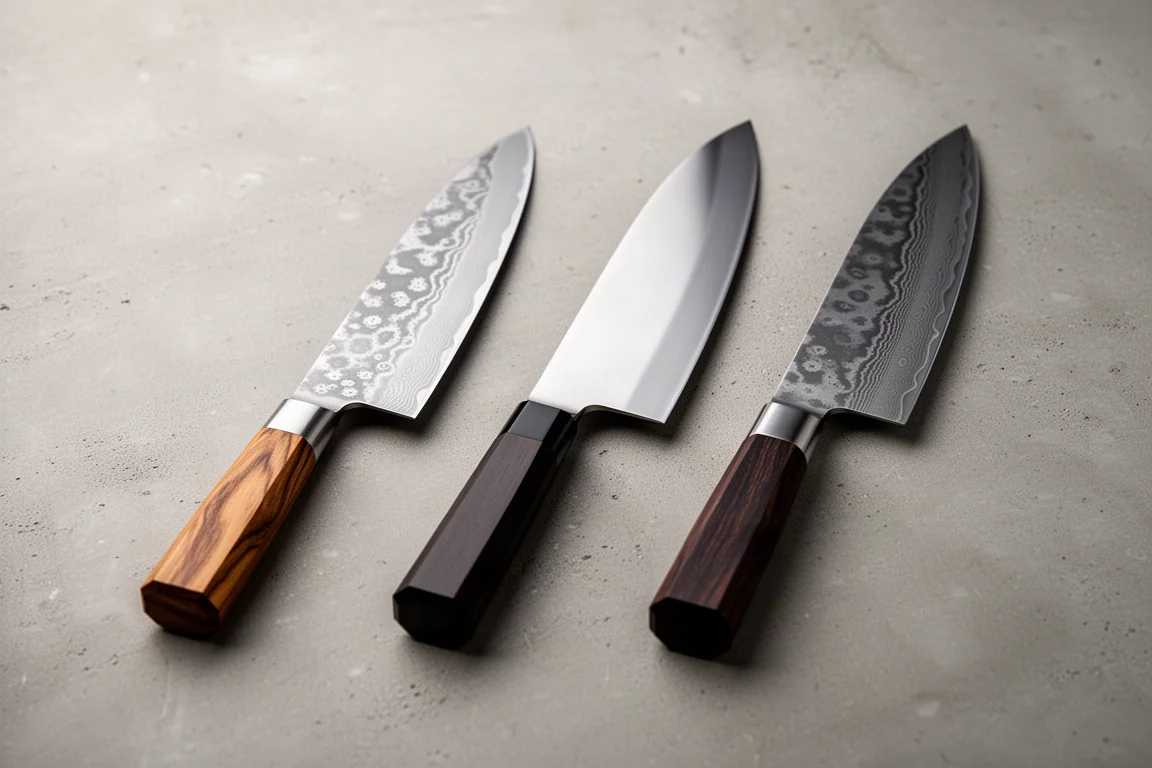
Bunka knives occupy a sweet spot in the Japanese kitchen knife world: versatile enough for everyday prep, nimble enough for precise work, and compact enough to stay comfortable in hand. Today three bunka knives go head to head: the Mamo Bunka from Yoshi Kato, the Hayabusa Bunka from Hatsukokoro, and the VG10 Suime Damascus Bunka from Nigara Hamono. We’ll look at specs, handle feel, and real cutting performance across three vegetable tests before picking an overall winner, a best value pick, and a chopper’s delight.
Evaluation Criteria
Each knife was assessed on fit and finish, balance, handle comfort, edge geometry, and real-world cutting performance. The cutting tests covered three everyday vegetables: carrots, bell peppers, and onions. Each test included tip work, heel work, push and pull cuts, lengthwise cuts, and rocking cuts to expose differences in geometry, sharpness, and blade profile.
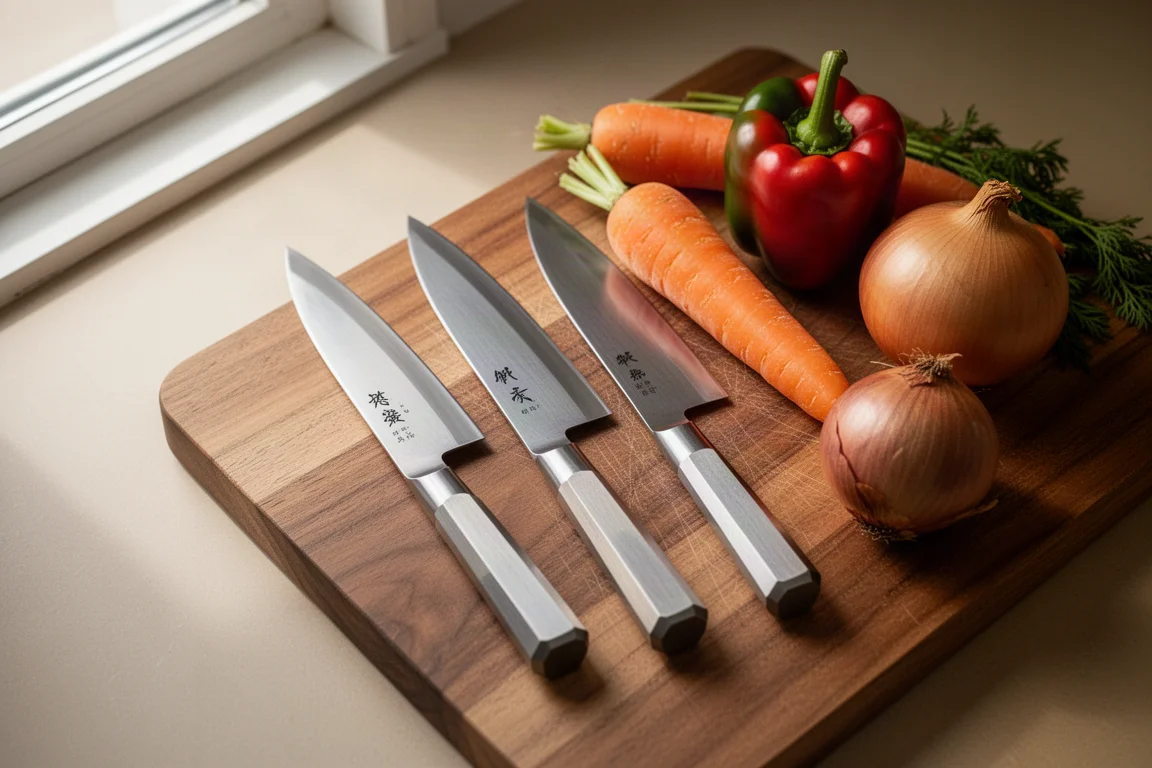
All three knives share several traits worth noting up front. Each has an octagonal handle suitable for both right-handed and left-handed users, and all three use a mono-style handle construction, meaning there is no bolster where the blade meets the handle. That keeps weight low and gives a clean, continuous look from blade to handle.
Mamo Bunka (Yoshi Kato)
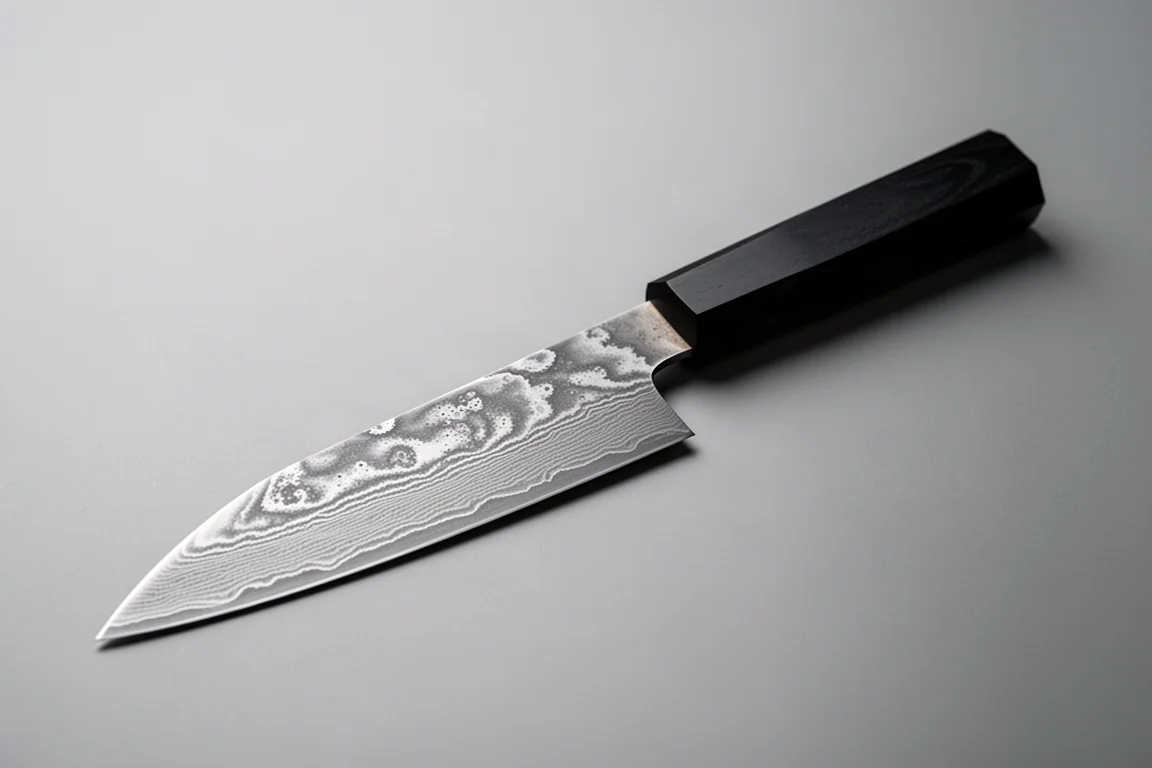
The Mamo Bunka measures 170mm and is made from R2, also known as SG2, stainless steel with a beautiful Suime pattern on the blade. It wears an olivewood mono-style octagonal handle with no ferrule, and it is a genuinely gorgeous knife out of the box.
Fit and finish impress across the board. The spine is very nicely sanded, the choil is very nicely sanded, the blade is thin at the spine and very thin behind the edge, and the whole knife is very light. The balance point sits just about where the pinch grip happens, maybe a touch further into the handle than is typical for a Japanese knife, but the overall hand feel is excellent.
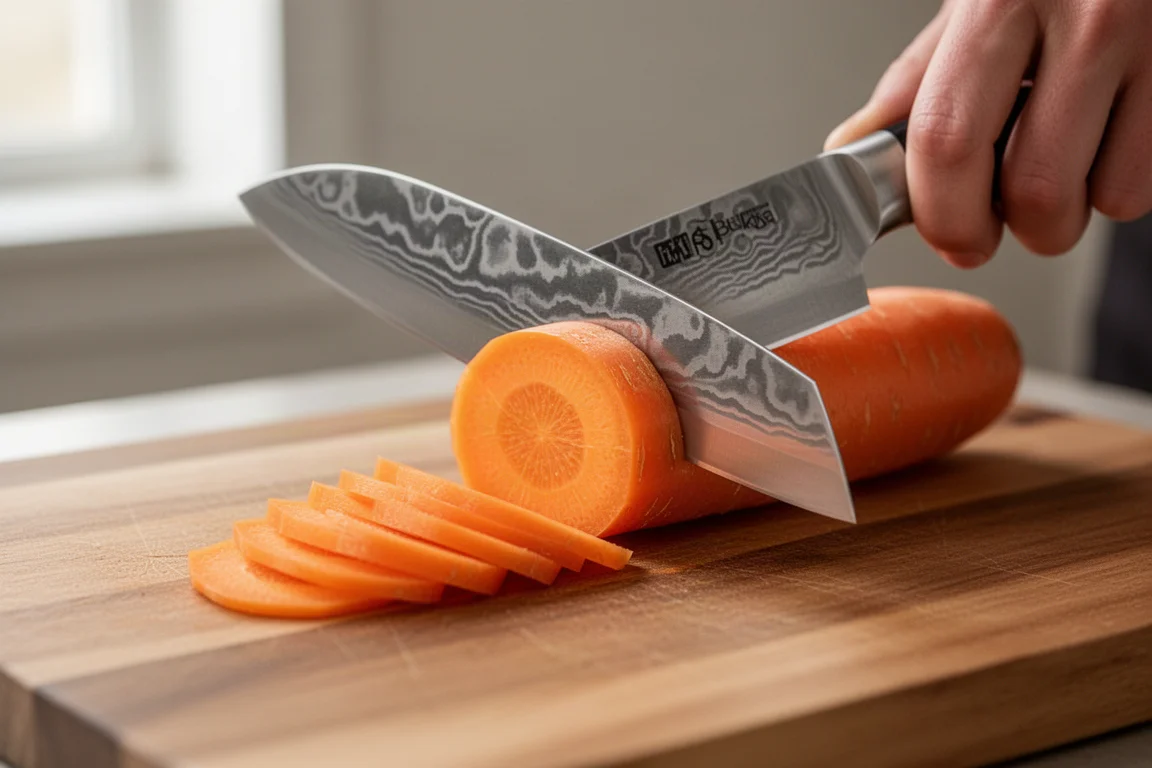
In the cutting tests, the Mamo swept all three categories. On carrots it was effortless through tip rounds, heel rounds, and lengthwise cuts, feeling like a knife through butter. Rocking over two carrots at once was the only slight struggle, likely just due to its length, which is not a fault for a knife this size. On bell peppers, notoriously troublesome skin included, it glided through effortlessly whether the skin was up or down and regardless of push or pull technique. On onions, dicing and julienning felt fantastic with nothing bad to say at all. After all three tests, the Mamo is the clear overall winner of this comparison.
Hatsukokoro Hayabusa Bunka
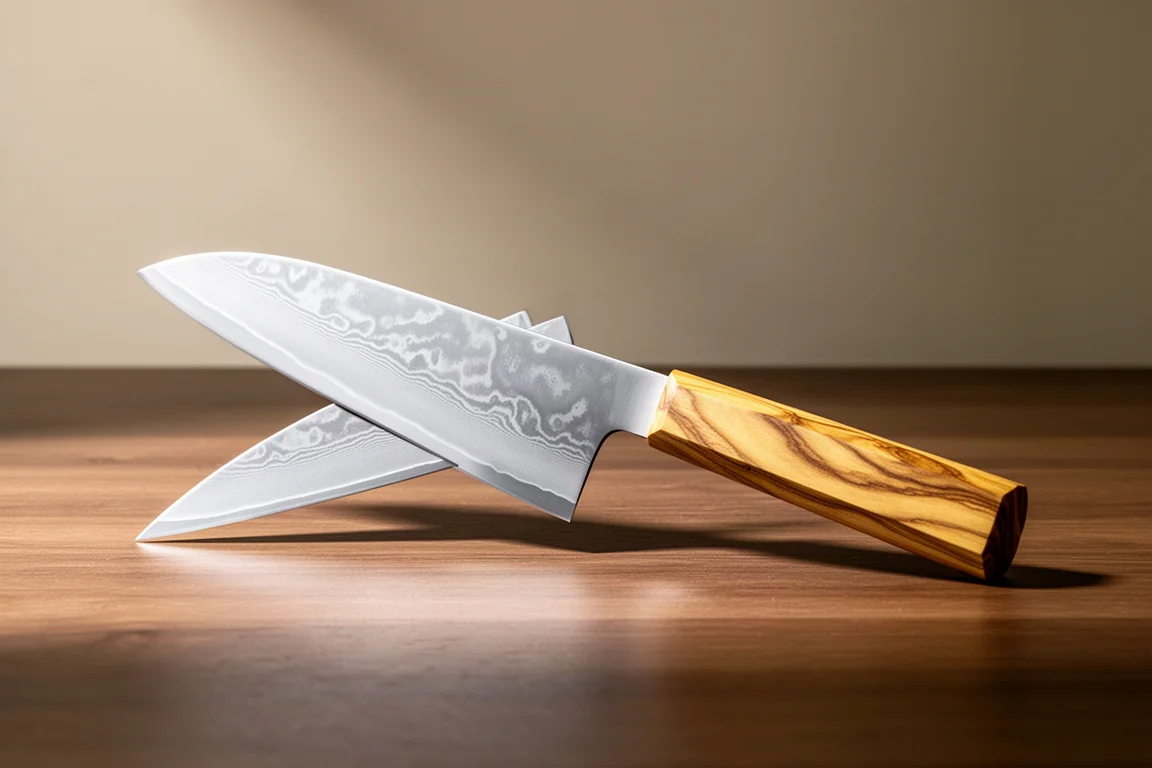
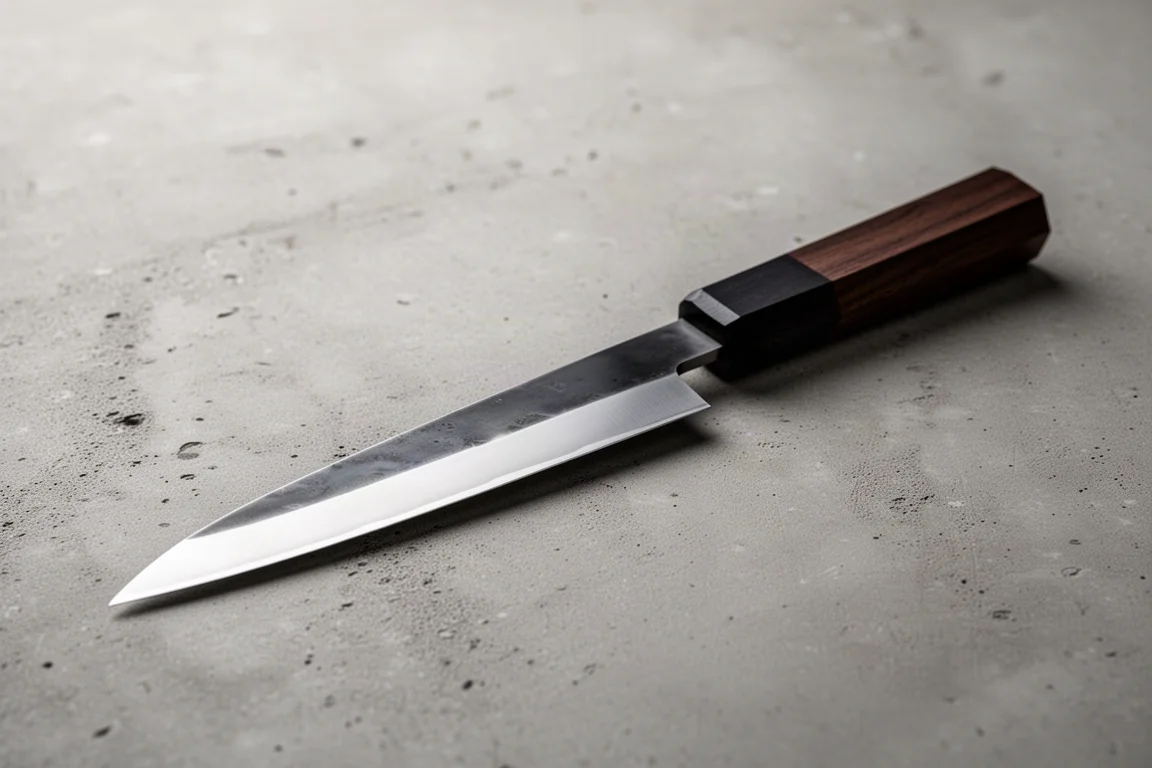
The Hayabusa Bunka is the only carbon steel knife in this lineup. It uses Aogami Super steel with a stainless cladding that comes very close to the edge, finished with a clean migaki polish. It measures 180mm, making it slightly longer than the Mamo, and it is even lighter overall. The handle is a Binga mono-style octagonal handle, and the blade profile is very similar to the Mamo’s, perhaps a touch flatter, not super curvy but not super flat either.
Build quality is strong here too. The spine is nicely sanded, the choil is nicely sanded, and the blade is even thinner at the spine than the Mamo, with similar thinness behind the edge.
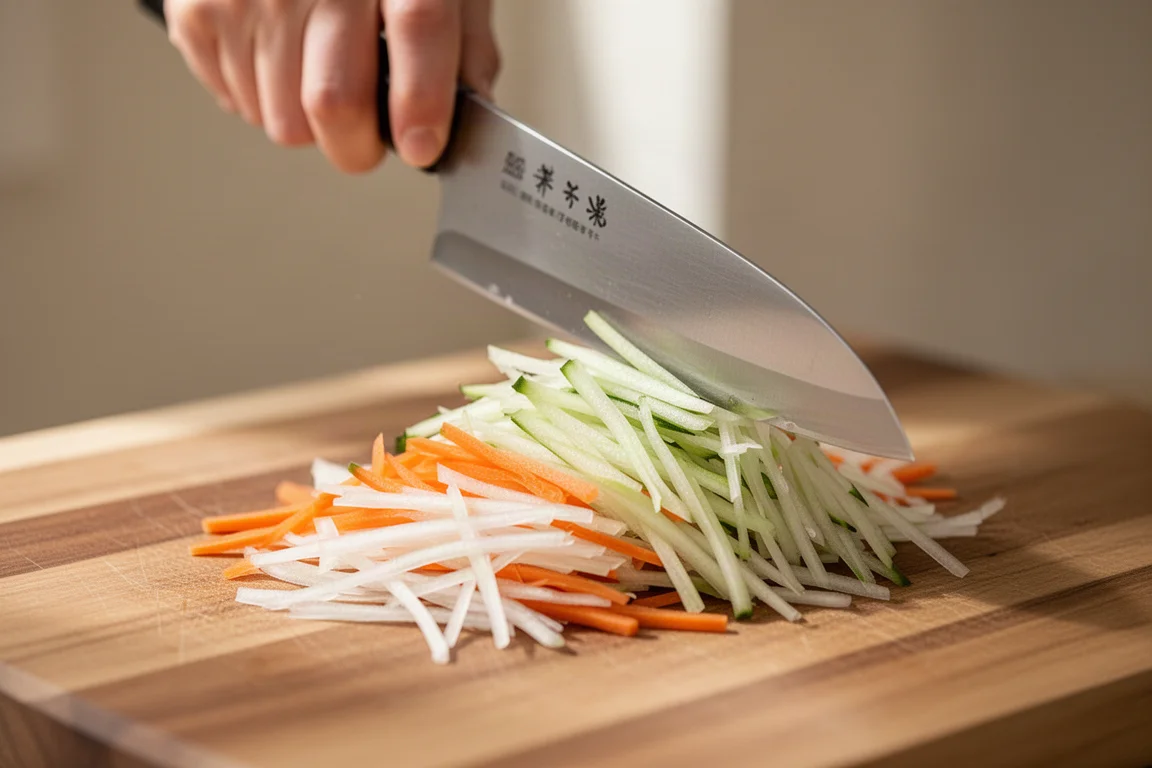
In testing, the Hayabusa showed a split personality. On carrots, the tip work was not awesome, with some little cracking at the bottom part of the carrot during rounds, but the heel rounds were the best of the three knives and it outperformed both rivals when rocking over two halves of carrot, likely helped by its extra length. On onions, the up and down chopping for dice and julienne felt really good thanks to excellent heel geometry and that added length. On bell peppers it performed really well, but compared directly to the other two knives the cutting feel felt slightly lacking.
If you favor a push, pull, or straight up and down chopping motion, the Hayabusa’s exceptional heel geometry makes it the chopper’s delight of this trio.
Nigara VG10 Suime Damascus Bunka
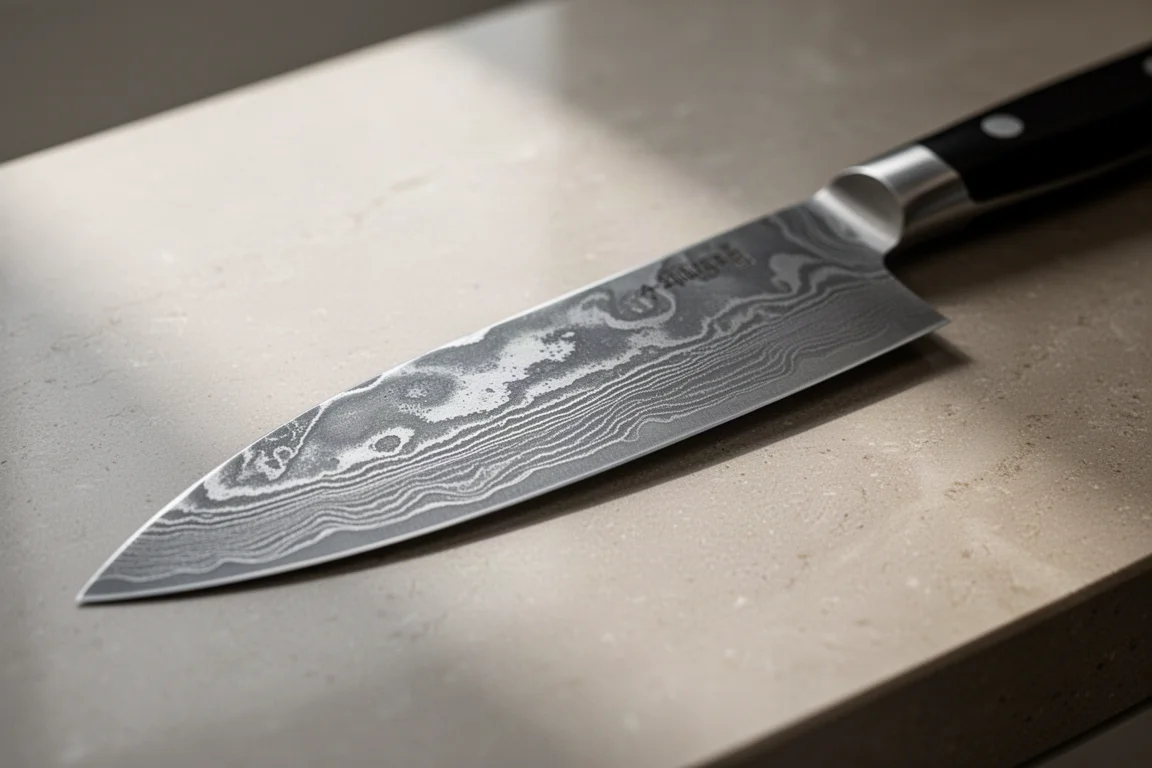
The Nigara VG10 Suime Damascus Bunka is probably the flashiest of the three, followed closely by the Mamo. It has the most aggressively shaped k-tip of the group and the most belly, making it the curviest of the three profiles, which pays off in rocking cuts. It carries an ebony mono-style octagonal handle that is really beautiful, and it is suitable for both righties and lefties.
Fit and finish are mostly strong. The choil is quite nicely sanded, the spine is not quite as nicely sanded as the other two, though it is not sharp by any means and feels good in hand. It is probably the thickest at the spine of the three, but only by a touch, and the edge geometry is very similar to the other two knives. The balance point sits a little further back toward the handle than ideal, but the knife still feels very nice in hand.
In performance, the Nigara was consistently a very close second. On carrots, the tip was absolutely deadly during rounds and the heel performed super well, though large-chunk chops and lengthwise cuts landed just short of the Mamo’s level. On bell peppers, push cuts, pull cuts, skin-up and skin-down all felt great, and its extra belly made rocking the most pleasurable of the three. On onions, the tip felt effortless and the gradual transition from tip to spine made it easy to reach the root of the onion, though the overall cutting feel still trailed the Mamo slightly.
Nigara takes the best bang for your buck prize here. It is about half the price of the Mamo while delivering roughly 85 to 90 percent of the performance, and it looks exceptional doing it.
Overall Buying Advice
If you want the outright winner and the price is within reach, the Mamo Bunka took every single test in this comparison and pairs that performance with outstanding fit and finish. If the Mamo stretches your budget, the Nigara VG10 Suime Damascus delivers most of the performance at roughly half the price and adds the most eye-catching blade pattern of the group. If your cutting style leans heavily on push, pull, and straight up and down chopping, the longer Hayabusa with its exceptional heel geometry is the one built for that motion.
Conclusion
All three bunka knives are genuinely excellent, and any of them would be a pleasure in the kitchen. The Mamo Bunka stands alone as the overall winner after sweeping the carrot, bell pepper, and onion tests. The Nigara earns the value crown with beautiful looks and near-top performance for roughly half the money, and the Hayabusa earns its place as the best pick for choppers who live on that up and down motion. Choose based on your cutting style and budget, and you will not go wrong with any of the three.
Further reading
Related Reviews

Kitchen Knives
Best Chef's Knives 2026: 27 Popular Options Tested and Ranked
A comprehensive review of 27 chef's knives ranging from $18 to $380, with honest assessments of handle comfort, blade balance, and real-world performance.

Kitchen Knives
Best Chef's Knives Under $75: Two Tested Recommendations
Two practical 8-inch chef's knives that balance sharpness, comfort, and durability without premium pricing.

Kitchen Knives
Best Chef's Knives 2026: 27 Options Tested and Ranked
A comprehensive review of 27 chef's knives ranging from $18 to $380, with honest assessments of handle design, balance, blade profile, and real-world performance.