Woodworking Tools
Wen vs Festool: Budget and Premium Versions of Four Essential Woodworking Tools Compared
Track saws, sanders, jigsaws, and routers: four pairs of budget Wen tools versus premium Festool tools, tested on features, cut quality, and whether the price gap is actually worth it.
Introduction
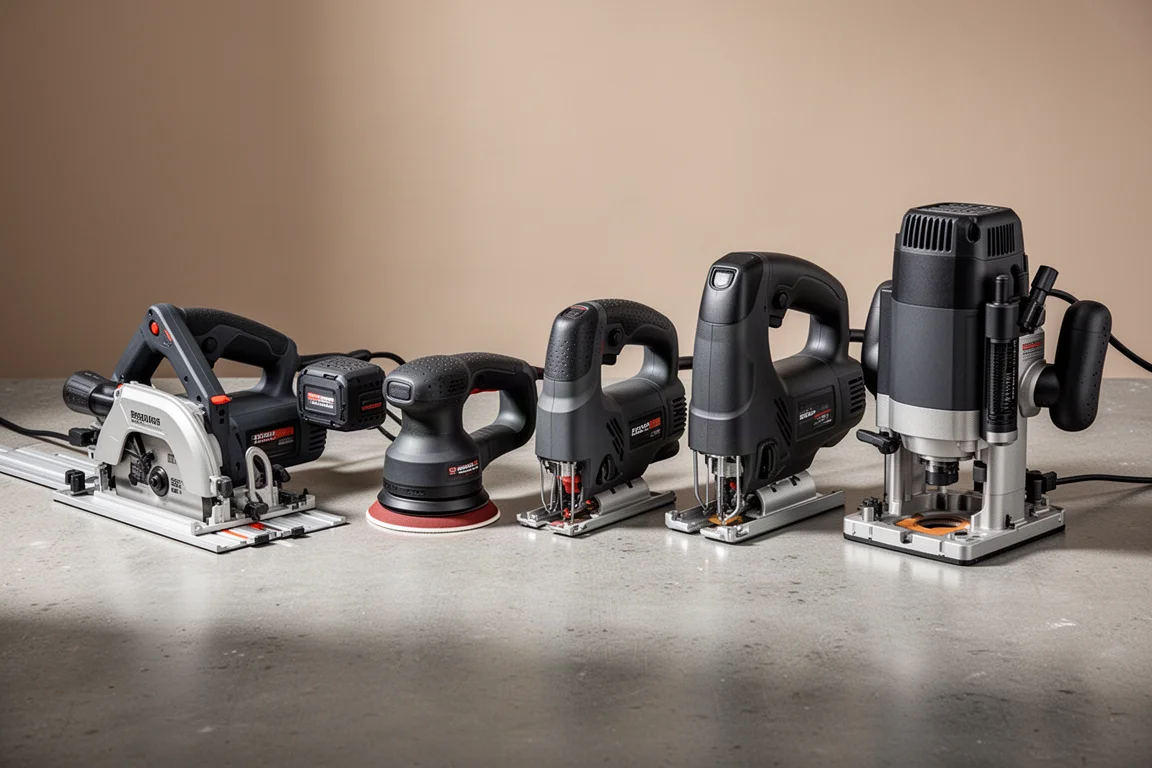
The question every builder eventually asks is simple: if I spend more money, will I actually get a better tool? To find out, we compared four budget Wen tools against their premium Festool counterparts: a track saw, an orbital sander, a jigsaw, and a plunge router. The price gaps are dramatic, sometimes tenfold or more, and the results are not what you might expect. Each category was judged on features, real-world use, and overall quality, with the goal of figuring out which tool in each pairing deserves your money first.
Track Saws: Wen CT1065 vs Festool TS 55 REQ-Plus
The Wen CT1065 is a 10-amp, 6.5-inch plunge track saw that comes in at $138.87, and adding a 100-inch rail brings the total system to roughly $180. The Festool TS 55 REQ-Plus retails for about $700 with a single 55-inch track. Feature-wise, the two saws are strikingly similar: both use a two-trigger mechanism where the thumb disengages the plunge and the trigger starts the motor, both have integrated Allen key holders, and both offer adjustable plunge depth stops with the ability to lock the blade for changes. The Wen even adds a scoring stop for multi-pass cuts, which is a genuinely useful touch.
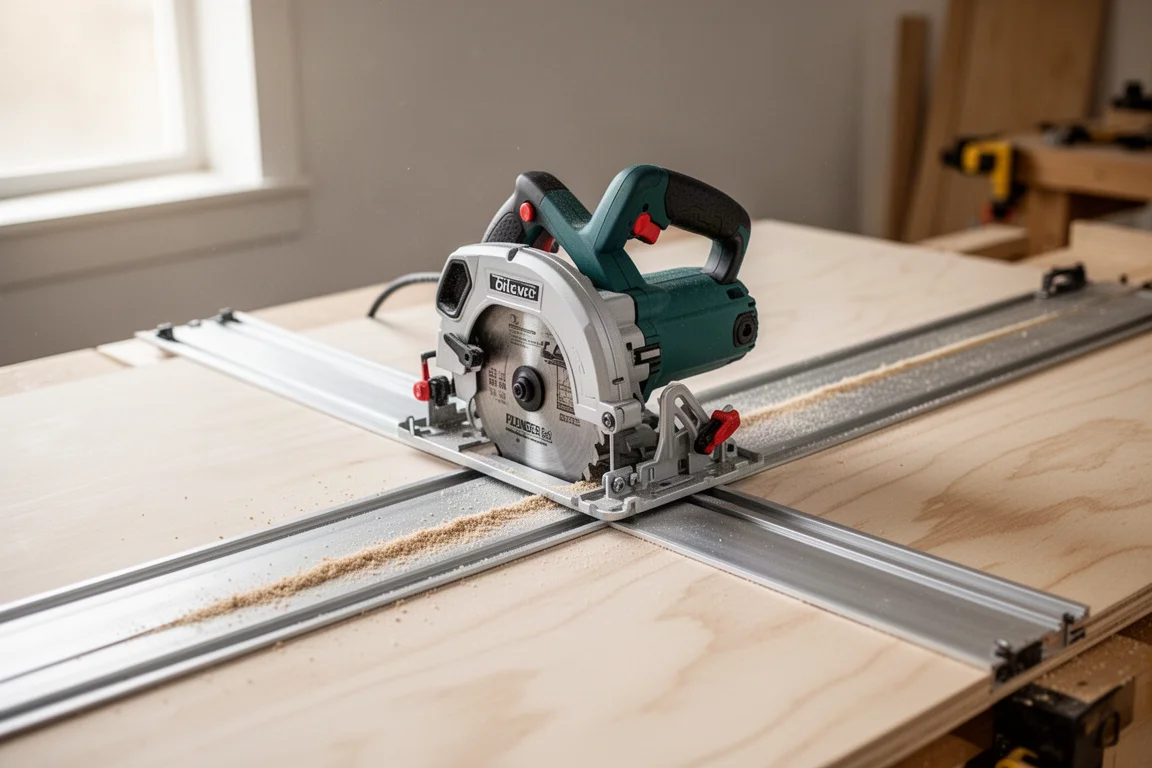
The Festool does feel more refined. It comes in a Systainer case with organized interior storage, uses a removable power cord you can leave attached to your vacuum, and its bevel adjustment with clear markings and front-and-back locks is easier to use than the Wen’s looser, detent-free bevel scale. Both saws fit Festool tracks, both have micro-adjust for fitting inside the track, and both offer dust collection.
In actual cutting, on 3/4-inch construction-grade plywood the Wen produced clean, straight cuts with essentially no complaints beyond a short dust hose and the need to start each cut on the track. On 1-inch plywood it handled the material fine with a bit of audible struggle, and on a full-depth single pass through 1-3/4-inch oak it completed the cut impressively without burning, especially considering the included 24-tooth general-purpose blade. The Festool has noticeably more power and runs smoother, but cut quality was not noticeably different, and that is the factor that matters. For a beginner, a $700 Festool track saw is very hard to justify against a complete $180 Wen system. A track saw belongs in any workshop, and the Wen deserves serious consideration.
Sanders: Wen 5-Inch Orbital vs Festool ETS EC 125
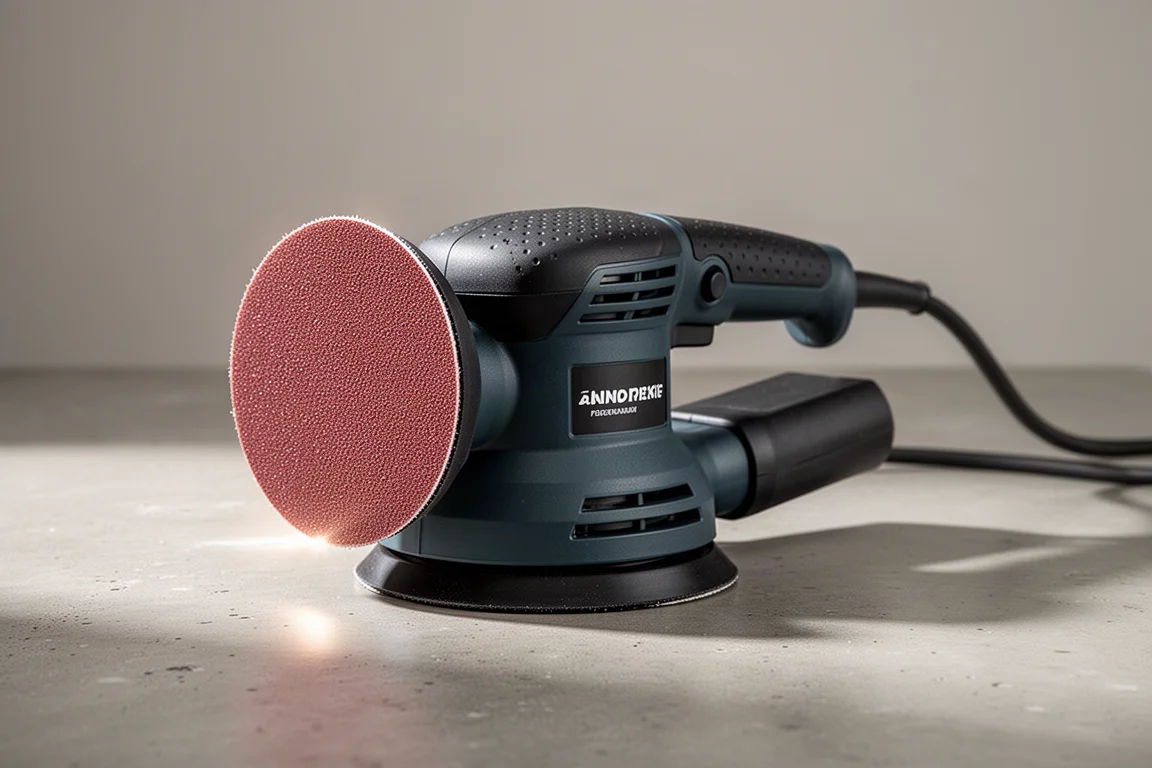
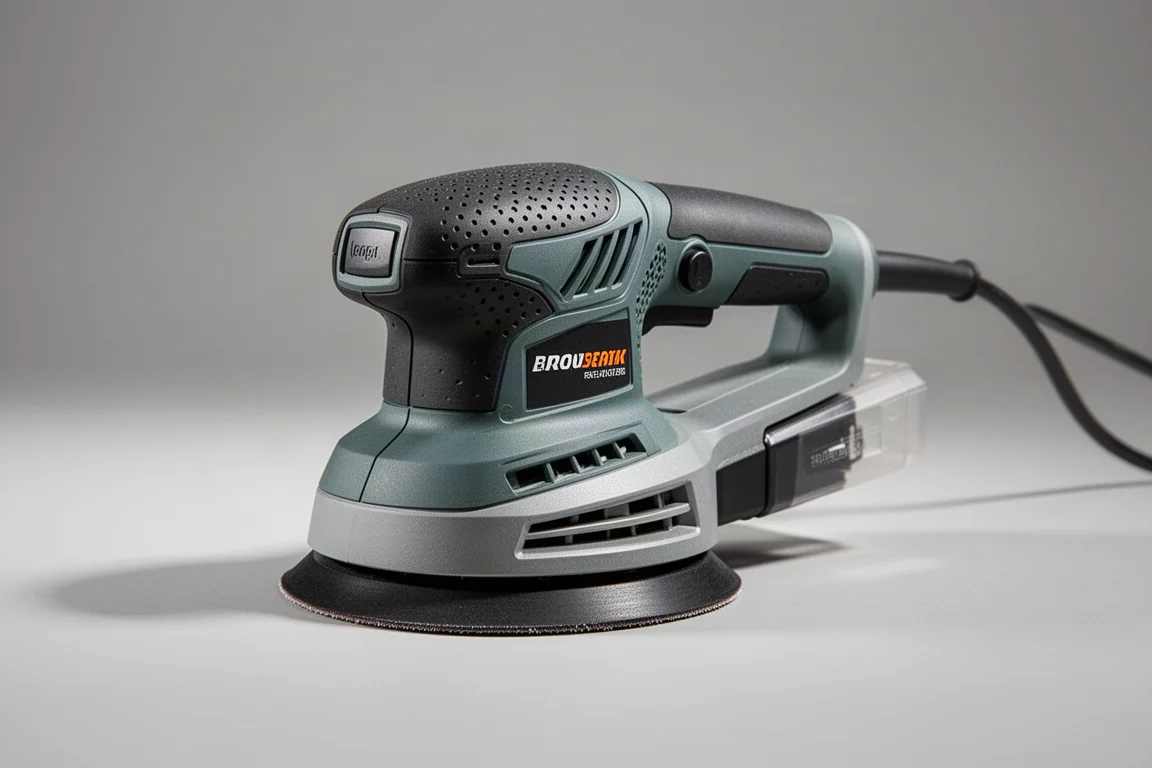
The Wen 5-inch random orbital sander costs $35.91, which is almost absurd, while the Festool ETS EC 125, one of the brand’s most popular tools, runs $475. Both are corded, random orbit, 5-inch, hook-and-loop sanders with dust extraction hole patterns. The Festool uses a proprietary pattern closer to the paper’s edge; the Wen uses a more standard, tighter pattern. Ergonomically, the Festool sits lower to the material for a nicer center of gravity and offers true one-handed operation with its power button, while the Wen sits taller, includes a rear handle and variable speed, and has a permanently attached cord.
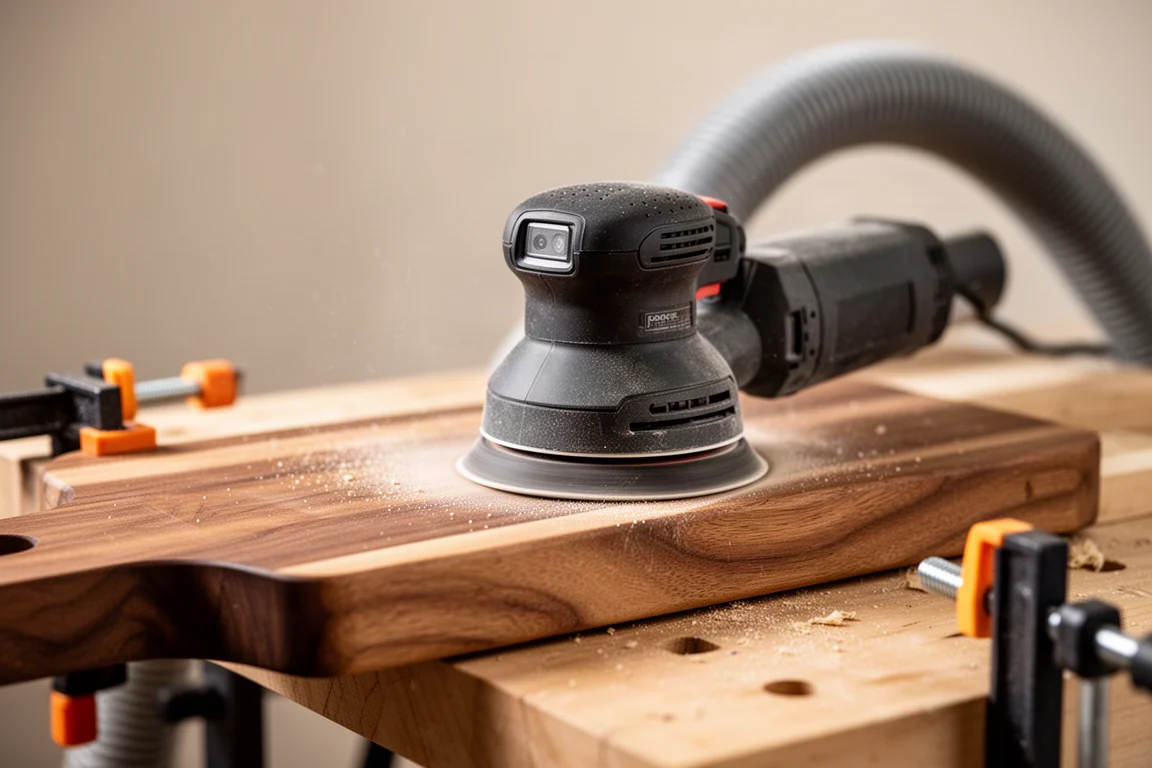
Testing on a cutting board with the same paper at max speed and dust extraction on both, the Wen took just over a minute to remove the scratches and pencil marks while leaving surprisingly little material on the surface. The Festool finished the same section roughly two to three times faster. Under a bright light, neither side showed meaningful differences in scratch pattern or overall sanding quality through the grits.
That speed difference scales up in real projects. A 26-square-foot dining tabletop would take roughly 40 minutes per grit with the Wen versus about 13 to 15 minutes with the Festool, which across a full 80-to-220 grit progression means an hour versus three hours of sanding. At a billing rate of $50 an hour, that adds roughly $100 of labor cost per table to the budget tool, meaning the price gap pays for itself after about four tables. If sanding time is your money, the premium sander earns its price. If you sand occasionally for your own projects, the Wen is remarkably capable for $35.
Jigsaws: Wen Orbital vs Festool Carvex
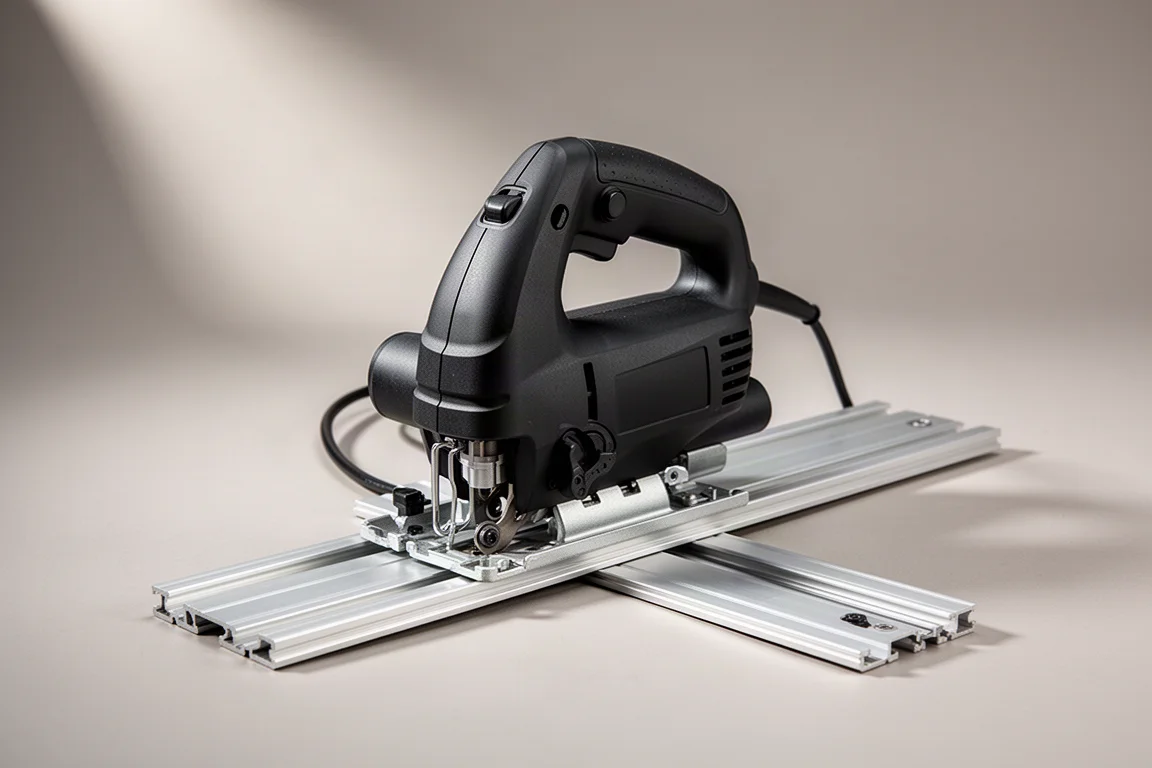
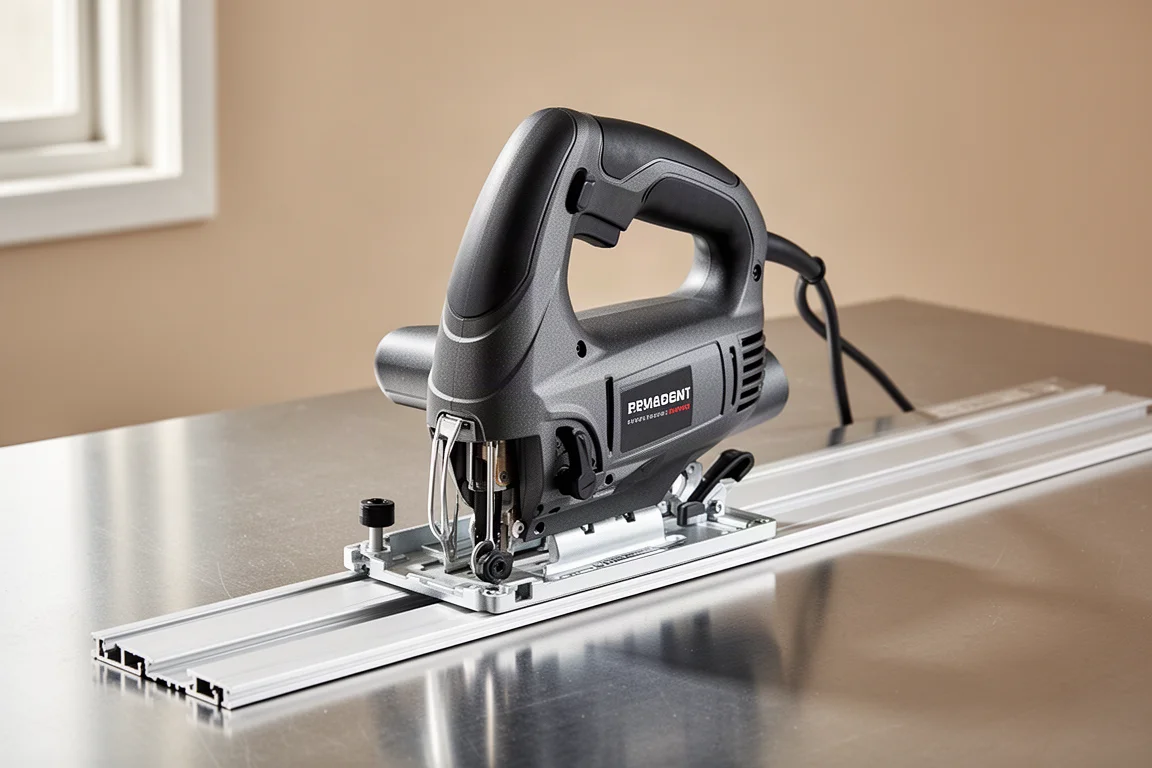
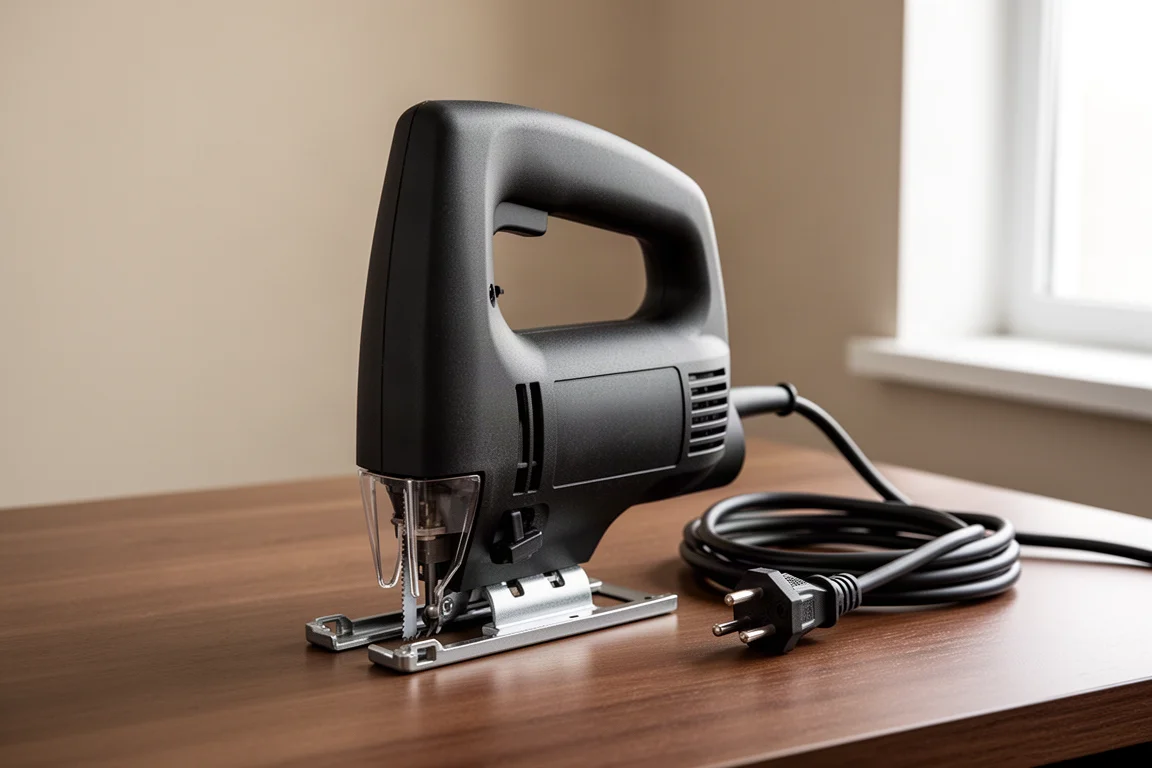
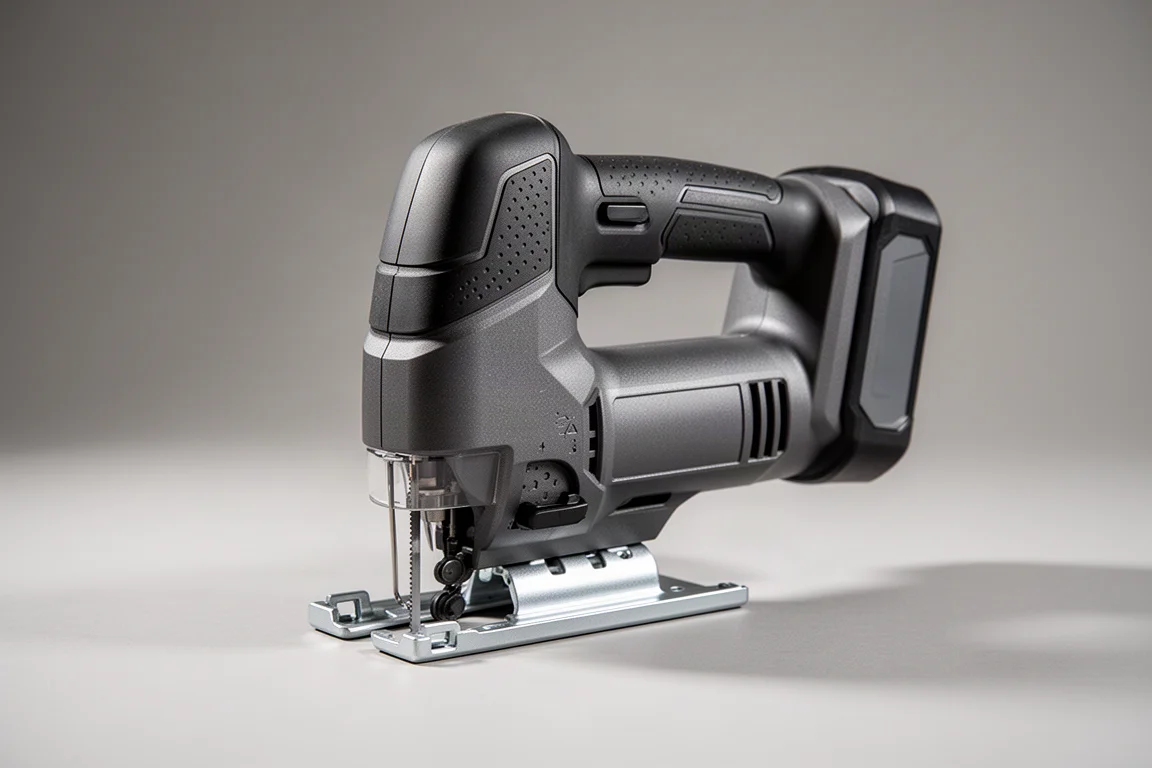
The Wen orbital jigsaw, a D-handle corded model, was $32, while the Festool Carvex barrel-grip jigsaw runs about $315. The Wen packs in a surprising amount for the money: variable speed, a laser and work light combo with separate click settings, a blade lock button, a power indicator, integrated tool storage, three orbital stroke settings for more aggressive cuts, and dust extraction integrated into the tool body rather than the plate. The included accessory bundle with an edge guide and blades is solid for the price.
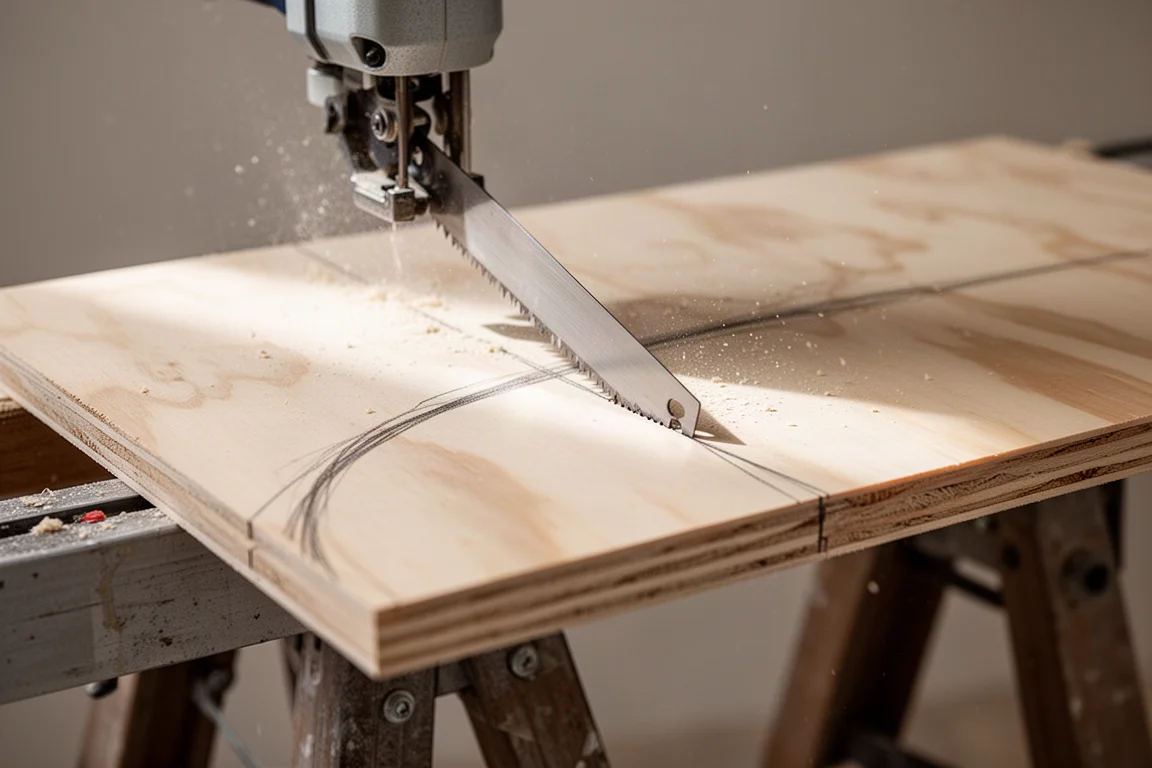
The Carvex reflects Festool’s deep engineering. Its base plate pops off for swap-in angle and zero-clearance insert plates, the blade change is a one-handed toolless operation, dust extraction mounts right above the cut, and its synchronized strobe light makes the blade appear stationary so you can follow your line with unusual clarity.
In testing on 3/4-inch plywood, both saws cut straight lines about equally crooked, which is simply the nature of jigsaws, though the battery-powered Festool was much quieter and easier to follow. On curve cuts, both performed decently, with the strobe light genuinely helping stay on the line, while the Wen’s cut came out choppier. The biggest gap was bevel cuts: with no positive stops on the Wen, holding a true 45 degrees was a struggle, while the Festool stayed consistently close to 45 across the whole cut. Still, unless you need the premium accessories and fine-work features, the Carvex does not justify an extra $300 for most buyers.
Routers: Wen 15-Amp Plunge Router Kit vs Festool OF 2200 EB Plus
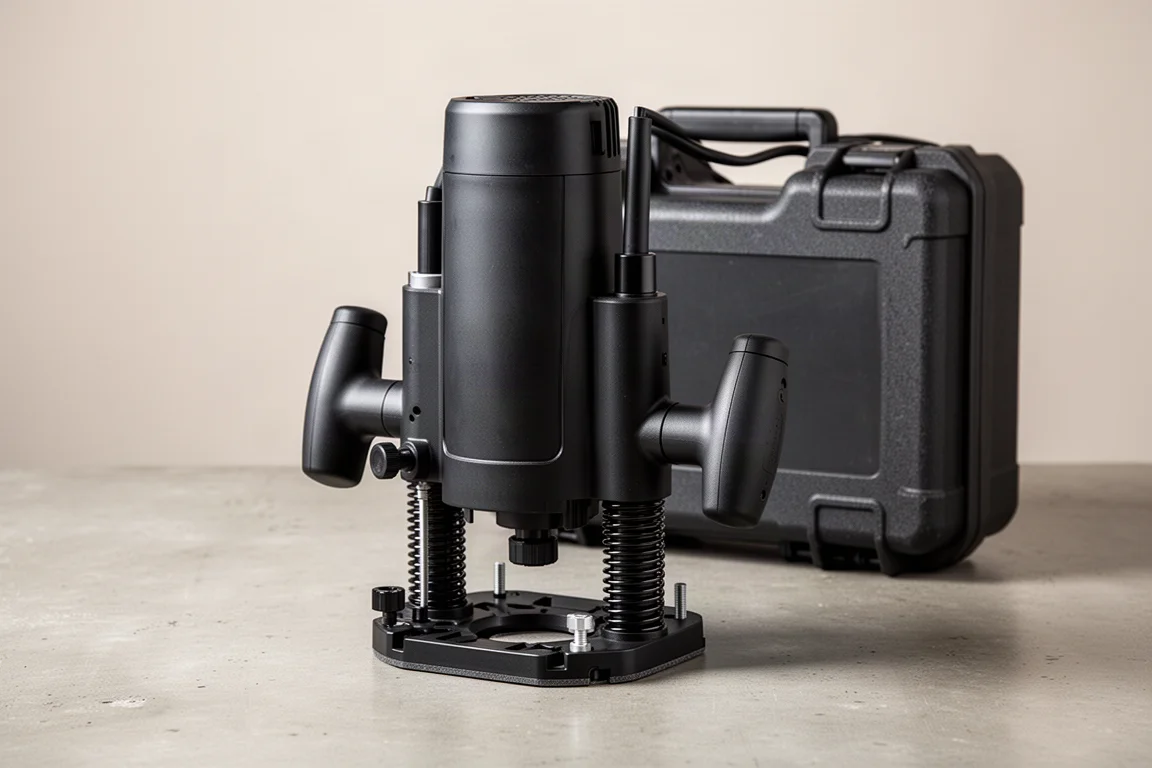
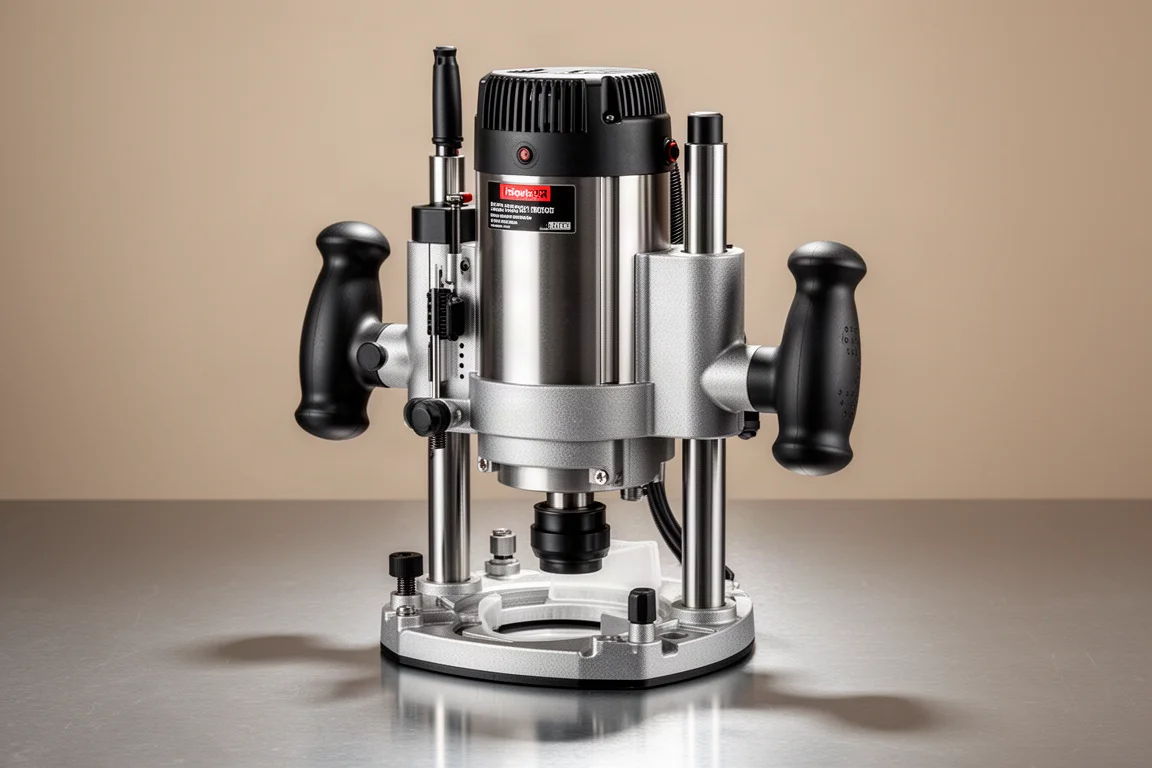
The final matchup is the most lopsided in price: the Wen 15-amp variable-speed plunge router kit at $83.81, complete with a case, versus the Festool OF 2200 EB Plus at around $1,100, with accessory options adding another $475 to $110 more. The Wen covers the plunge router fundamentals: a depth stop with micro-adjust and lock, a two-part safety trigger, a collet stop for bit changes, an edge guide, and accessory rails for a guide system. Downsides include a plastic base plate screwed on, a plug located on the handle, a single included collet with only a sleeve, and no dust collection option at all.
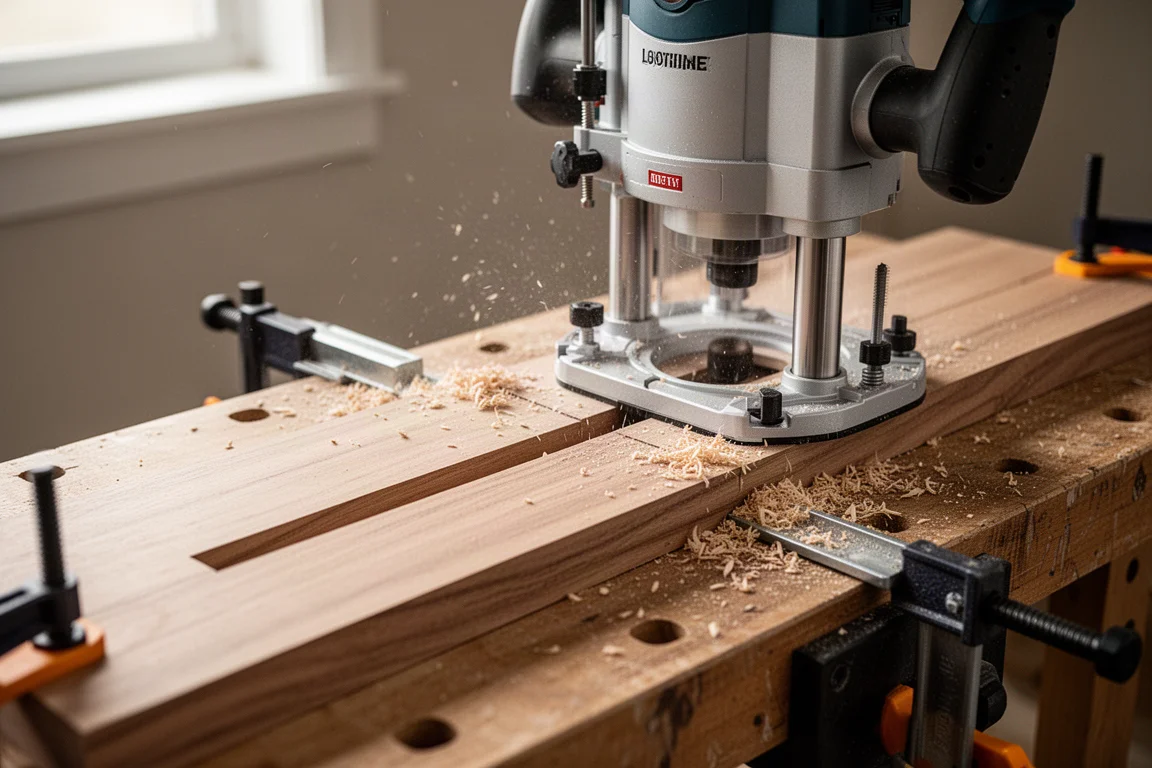
The Festool OF 2200 is built like the last plunge router you would ever buy. It includes dust extraction on the tool, a ratcheting bit-change system that loosens and locks without ever removing the tool, quick-release base plates, an edge guide with a single lock and micro-adjust, a lockable trigger, and a drop-down dust collection shoe. In use, the Wen got the job done with acceptable plunge behavior, though the head had some play and slightly lower RPM with a sloppier hole start. The Festool started faster, ran cleaner, and its dust extraction made an immediate visible difference.
The dado test highlighted the gap. The Wen could produce a dado, but it took considerable effort and made a mess without dust collection, while the Festool produced a pencil-thickness-accurate result that was night and day. The premium router is genuinely the greatest router on the planet for heavy use, but the honest conclusion across this whole comparison is that the sander is the only premium tool here that arguably makes you a better woodworker. Everything else is largely about convenience.
Buying Advice
For beginners and occasional builders, the Wen track saw, jigsaw, and router all deliver far more capability than their prices suggest, and the track saw in particular is essentially the same tool functionally for a quarter of the cost. For professionals and anyone who bills by the hour, the math flips for the sander and router, where time savings and refined features compound over real projects. A reasonable strategy is to start with the budget tools, learn what features you actually miss, and upgrade selectively where the time savings pay for themselves.
Conclusion
Cheap versus expensive is rarely a clean answer. The Wen track saw matched the Festool on cut quality at a fraction of the price, the Wen jigsaw and router are capable entry points with clear compromises, and the Festool sander and router earn their premium through speed, refinement, and dust management. Match the tool to how often you work and what your time is worth, and you will spend wisely either way.
Further reading
Related Reviews

Woodworking Tools
123 Blocks and the Hardware Kit That Fixes Their Biggest Flaw
A practical look at 123 blocks, the hardware kit that solves their most common design flaw, and a sharpening station worth considering.

Woodworking Tools
Cool Tools for Woodworking: Seven Upgrades That Earn Their Place in the Shop
A practical roundup of seven woodworking tools and accessories that improve accuracy, safety, and everyday shop efficiency.

Woodworking Tools
Debuke Clamps Review: A Family-Made Aluminum Bar Clamp Worth Knowing
Debuke Clamps are lightweight aluminum bar clamps made by a small Iowa family business. Here is why they stand out from the many knockoffs on the market.