Kitchen & Food
Budget vs Premium Pantry Staples: Blind Taste Test Verdicts on Miso, Tahini and Instant Coffee
We compare budget and premium versions of miso paste, tahini and instant coffee in identical dishes to see which upgrades are actually worth the money.
Introduction
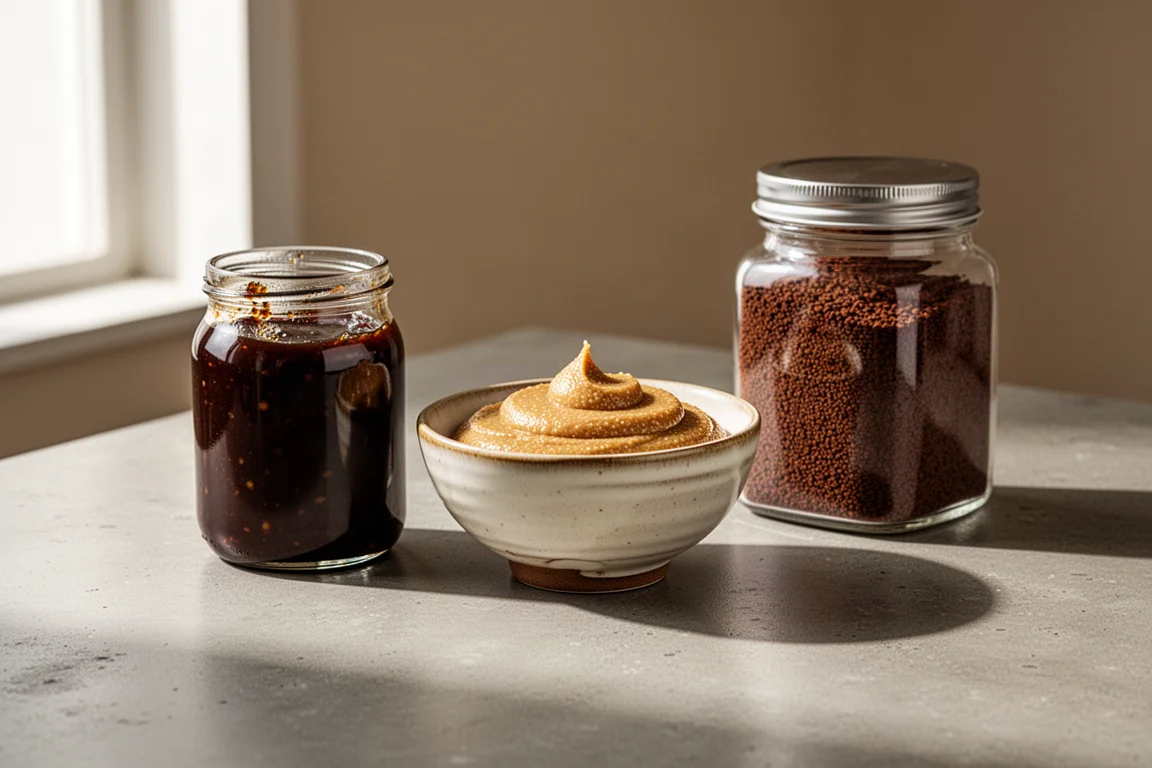
Some pantry upgrades are worth every penny. Others cost three or four times more and barely change the dish. To find out which is which, two home cooks blind taste tested pairs of near-identical dishes where a single ingredient had been swapped between a budget version and a premium one: miso paste, pistachios, tahini and instant coffee. The results were more surprising than anyone expected, and they offer a genuinely useful guide to where your money is best spent in the dry store.
How the Taste Test Worked
Each round presented two dishes prepared identically except for one ingredient. In one dish it was the budget version, in the other the premium. The tasters had to identify what had changed and then guess which version was the more expensive. The ingredient was always hidden inside a proper dish rather than tasted straight, because what matters is how a product performs in real cooking.
Miso Paste: Sainsbury’s Inspired To Cook vs Miso Tasty
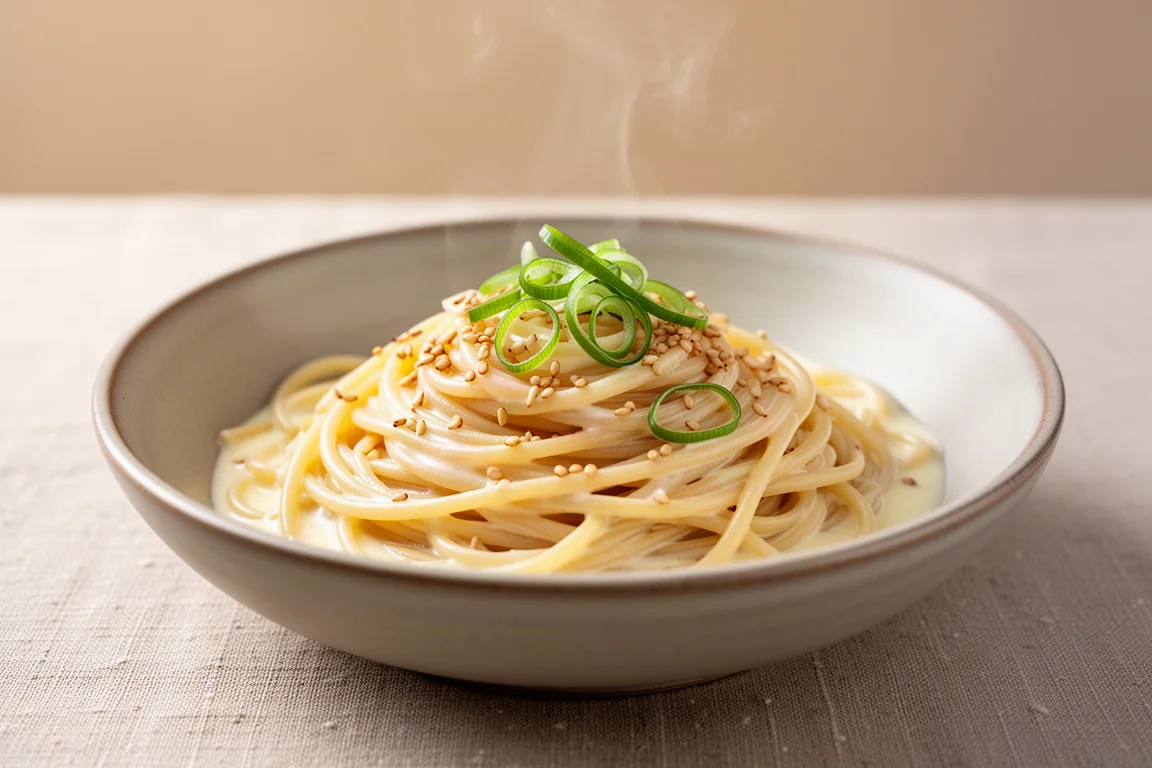
The test dish was a deliberately simple five-ingredient butter miso pasta: spaghetti, butter, miso, sesame seeds and spring onions. Miso is a fermented soybean paste that delivers savoury umami, and when combined with dairy fat it really comes to life. Both cooks immediately picked up on the difference between the two versions, describing one as tangier and more vinegared, and the other as richer, earthier and far more umami.
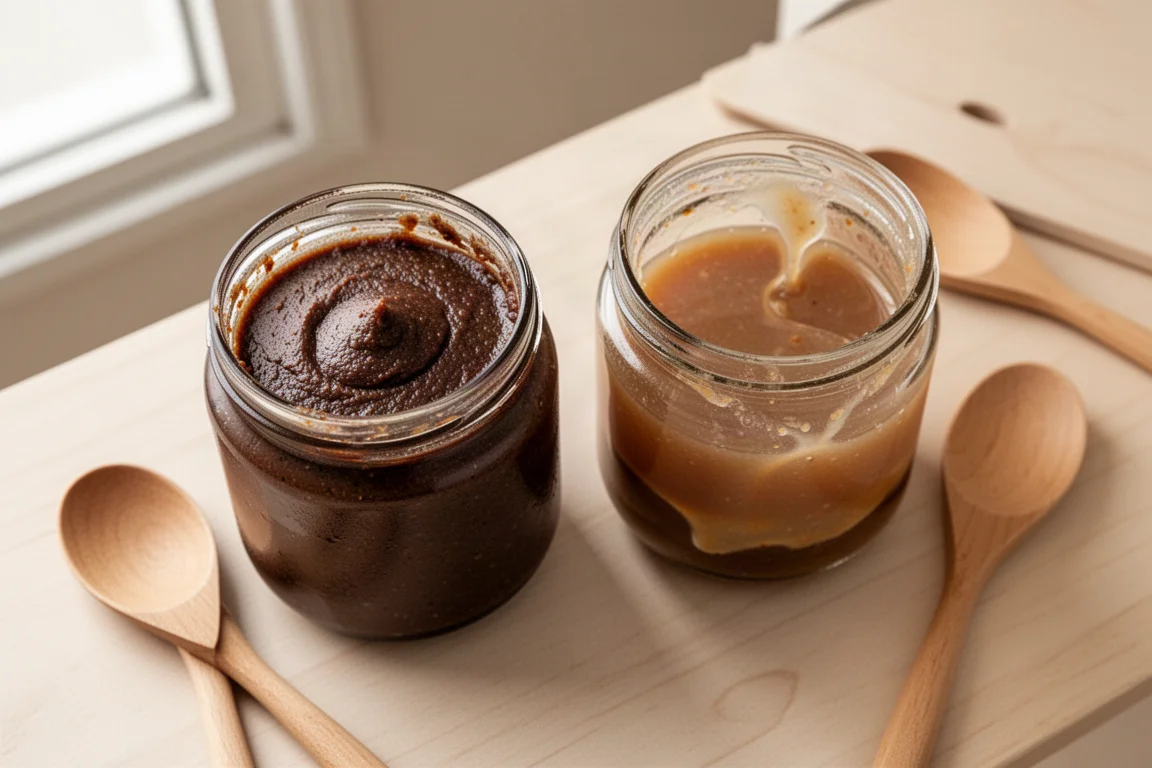
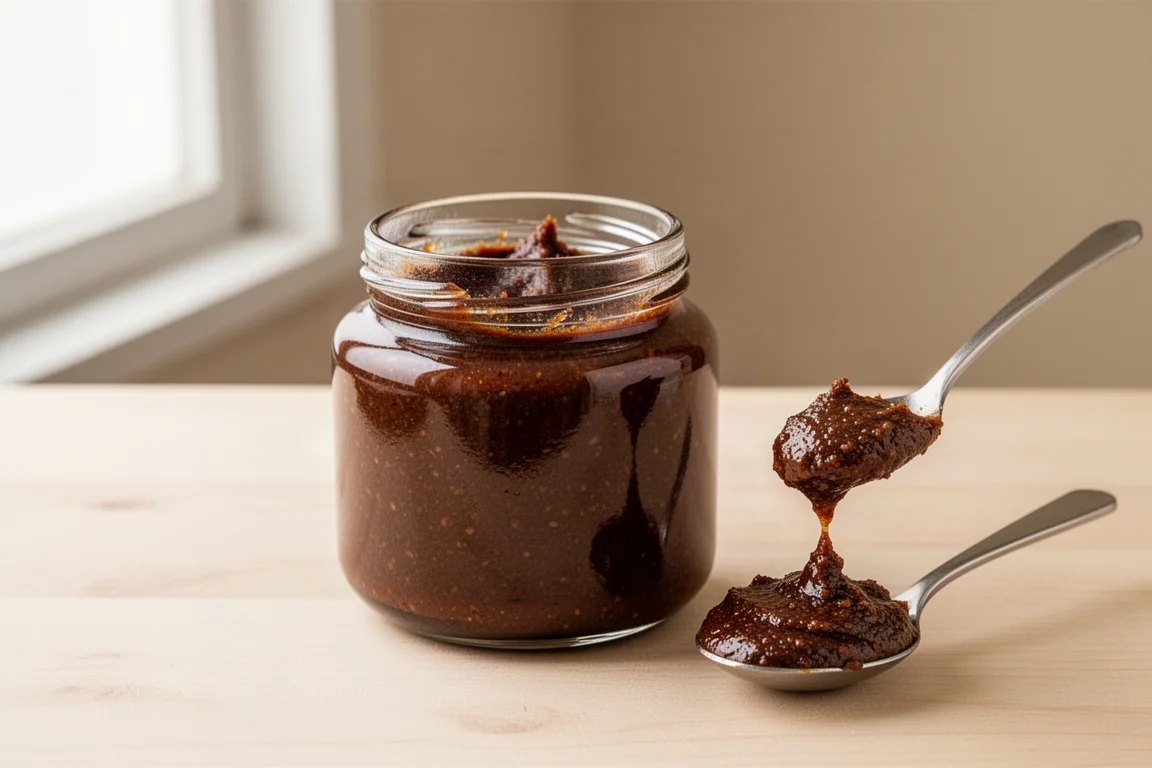
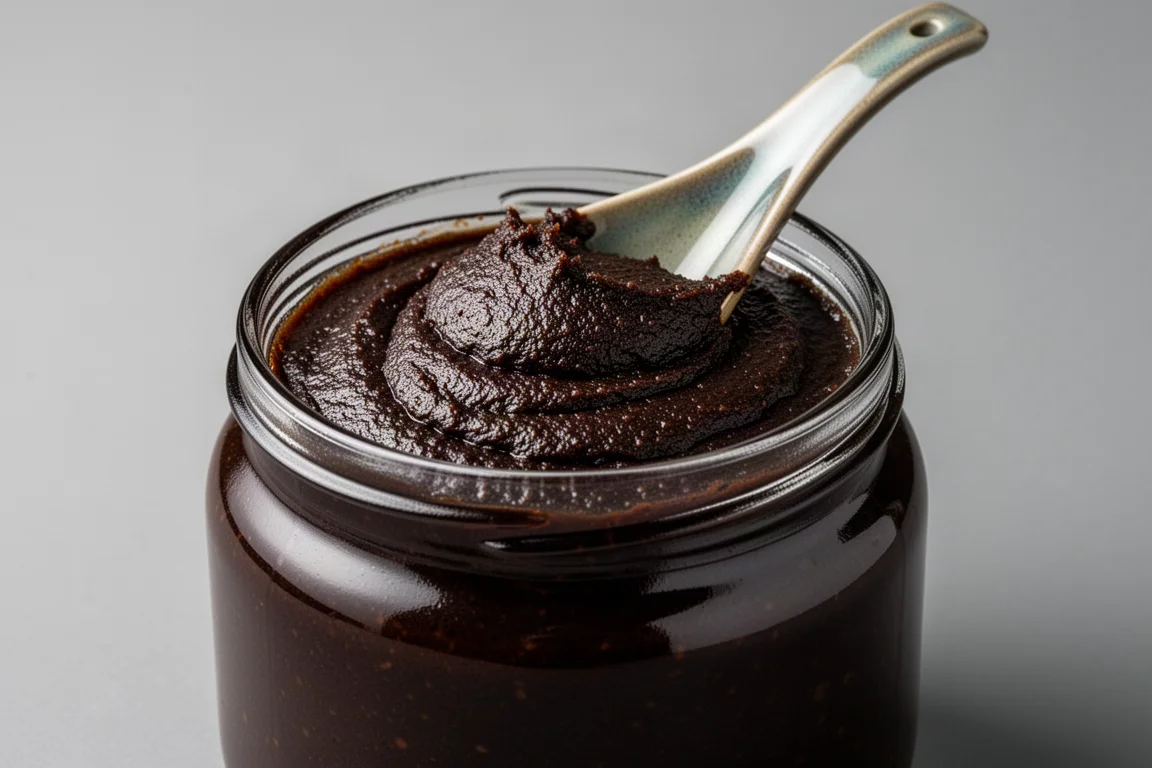
One taster locked in the premium pick with total confidence, and both got it right. The budget option is Sainsbury’s Inspired To Cook miso paste, a dark, relatively runny supermarket own-brand jar that also contains lemon juice, an odd addition that pushes it towards a sweet and sour character. The premium is Miso Tasty, a Japanese brand fermented for nine months using Japanese rice. It is thicker, darker and fuller in flavour, with salt first and proper umami behind it. Miso works brilliantly in broths and ramen bases, in marinades, folded into yoghurt or cream sauces, and even in sweet applications like ice cream.
On price, the Sainsbury’s jar comes in at £1.45 per 100g while Miso Tasty costs £2.18 per 100g, roughly 50% more. Buying miso in larger 450g or 750g tubs brings the cost per 100g down further, and it has a long shelf life. The verdict was blunt: the budget paste tastes like miso but not the real thing, and although it is very accessible to a UK audience, the authentic option in bulk can actually be better value. That said, if you are just starting out with miso, the cheaper jar gives you all the basic characteristics you need to begin experimenting. Everyone should have some miso in the fridge.
A Note on Pistachios
Pistachios were also tested in a monkfish dish with Romesco sauce, black garlic purée and a pistachio crumb, and this round produced the biggest upset. Both cooks wrongly assumed the premium was the everyday option. The premium nut was Sicilian pistachio at £11.99 per 100g, nearly four times the price of M&S US-grown shelled pistachios at £3.17 per 100g. The Sicilian nuts are grown in volcanic soil, which gives them a slight bitterness that suits both sweet and savoury dishes, but they are genuinely niche and do not rank among the world’s top five producing regions. The tasters could not tell the difference by more than a sliver of aftertaste, and both concluded that the cheaper, sweeter nuts they were familiar with were perfectly good. Nuts and seeds are worth having in the store cupboard for texture, colour and garnish, but this is one upgrade you can safely skip.
Tahini: Biona Organic vs Baracke
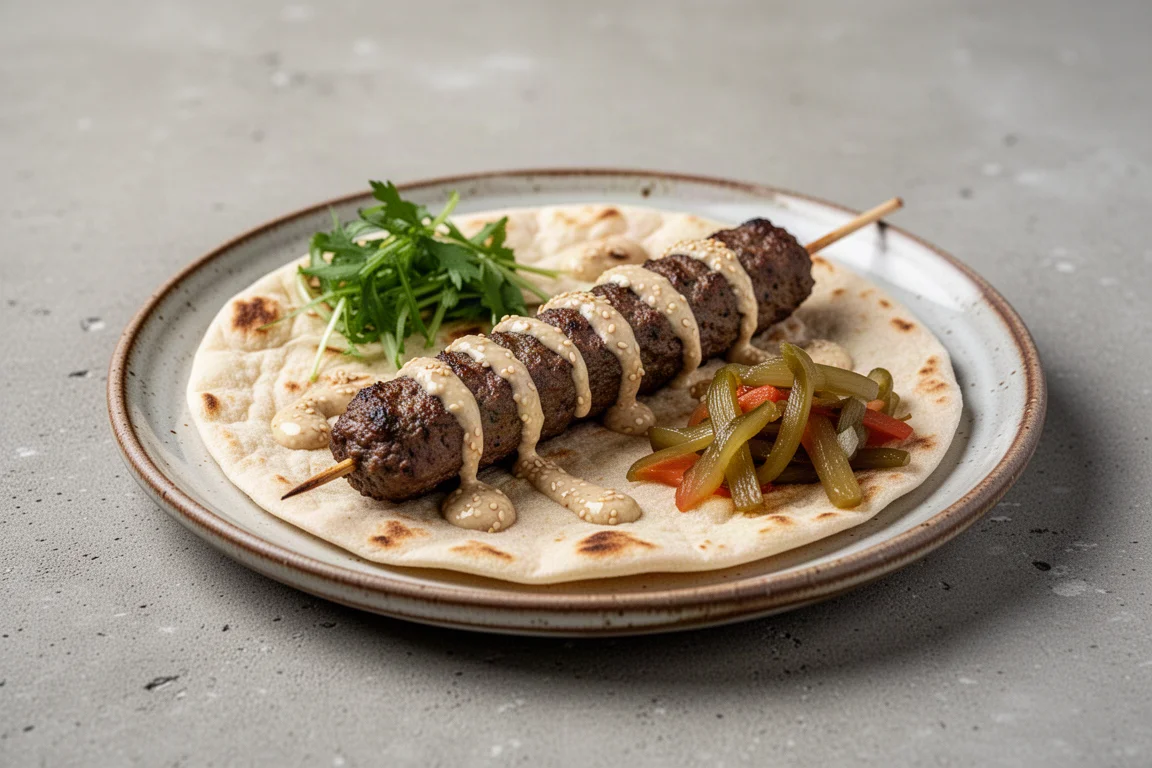
The tahini round used a lamb kebab on flat bread with pickles and tahini spread, a combination the tasters called a perfect balance of everything. This time one taster went straight in with a finger before realising what he was doing, and nearly ran into the edge of a bowl in the process.
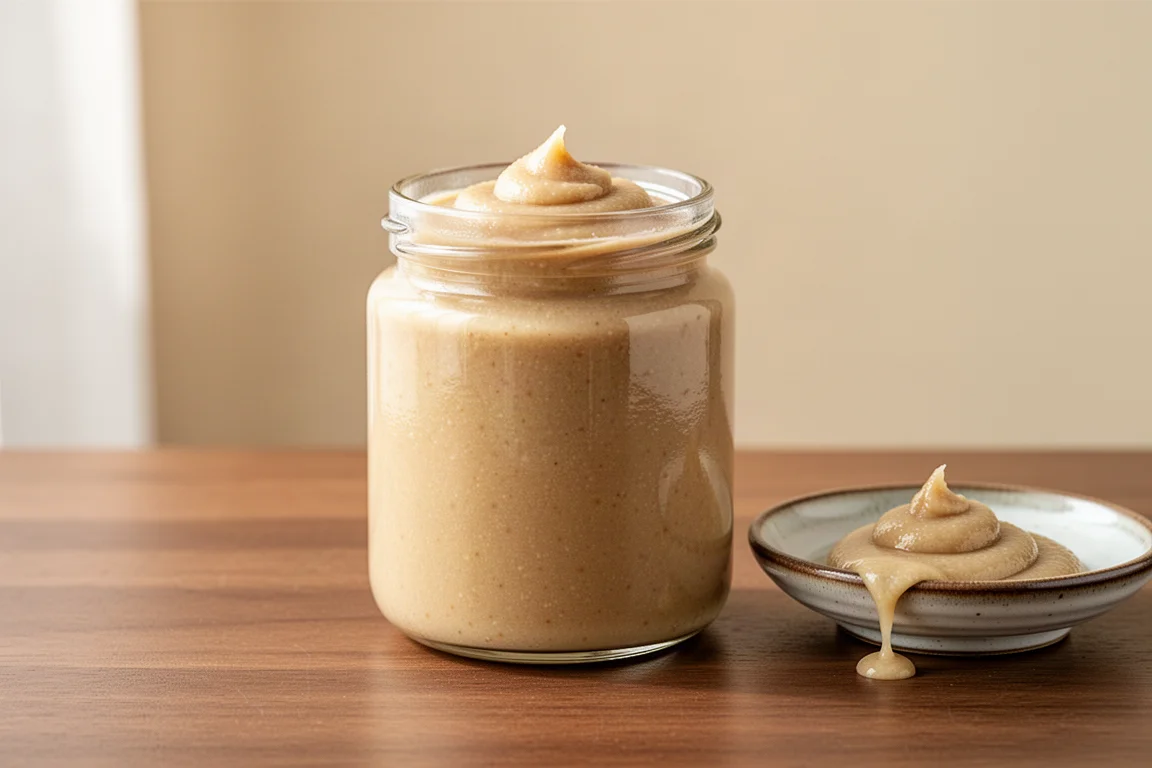
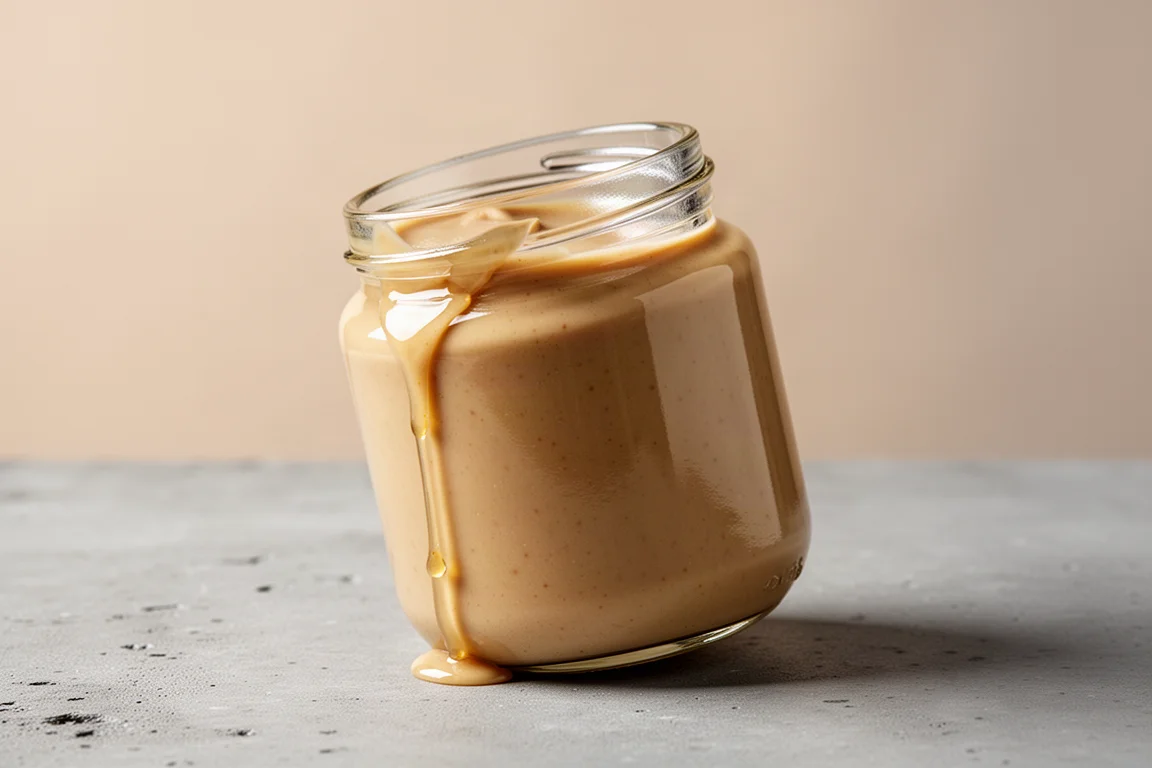
Both products are 100% sesame seeds, but they behave differently. The Biona organic tahini is thicker, with a lovely bitterness that suggests toasted sesame, while the standard Baracke version is sweeter, oilier and smoother. Tahini is wonderful as a dip, stirred into hummus or baba ghanoush, blended through yoghurt, used as a marinade, or worked into sesame-paste sauces in the style of Szechuan cooking.
Both tasters correctly identified Biona as the premium. The price gap is significant: Baracke works out at 83p per 100g while Biona costs £2.17 per 100g, more than two and a half times as expensive. The verdict was that the upgrade is not worth it for most home cooks. The standard tahini is easier to work with, more forgiving if you are unsure how to use it, and still delicious drizzled over a salad or mixed into a dish. The same advice as the miso round applies: buy authentic, buy in larger volume, and experiment.
Instant Coffee: Tesco Standard vs Little’s Colombian
The final round hid the ingredient inside a tiramisu-style cookie sandwich: a coffee mascarpone custard between white chocolate cookies, topped with fine-sliced, sugared, baked phyllo pastry. Both cooks were won over instantly by the dessert, then correctly guessed that the coffee was the changing ingredient.
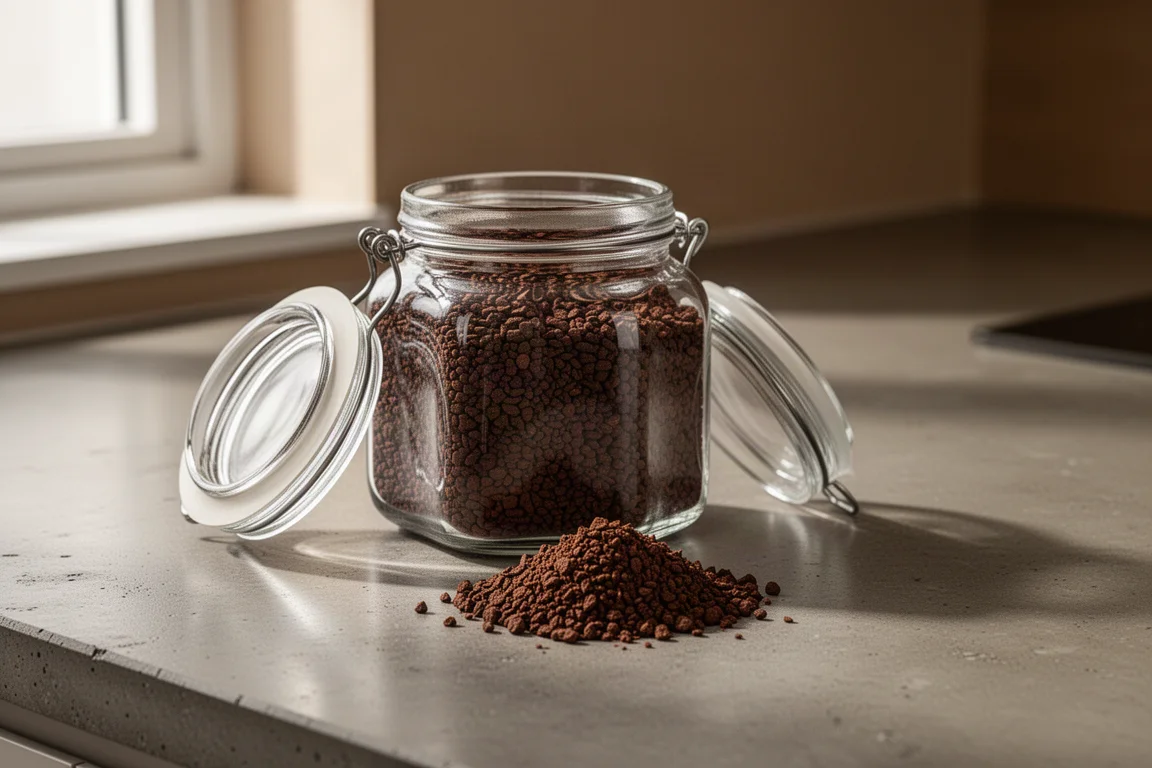
The budget option is Tesco’s standard instant coffee, a Rainforest Alliance approved blend of Robusta and Arabica beans at £1.13 per 100g, about two pence per serving. The premium is Little’s Colombian, 100% Arabica with hazelnut notes, at £4.50 per 100g, four times the price. Both tasters picked the Little’s as the premium, noting a harsher bitterness in the Tesco cup and more genuine coffee fragrance and cut-through in the Little’s. Brewed side by side in hot water, the premium version was clearly smoother, sitting between instant and a good long black coffee.

There is more at play than taste: Little’s claims to be the first company to produce 100% plastic-free jars with aluminium lids, made in Rotherham with aluminium from Huddersfield. But the practical takeaway is about how you actually use instant coffee. Most people make cups of coffee with it, not tiramisu, so the version that tastes best in a mug wins. When you do cook with coffee in desserts, syrups, coffee liqueurs like Kahlúa and flavourings are all options too, and it is reassuring to know you do not need a premium coffee or an espresso to get a good result in baking.
Overall Buying Advice
The pattern across this test is consistent. For fermented staples like miso and tahini, the authentic or premium version genuinely delivers more flavour, but buying the genuine article in larger volumes often costs less per gramme than a supermarket’s own interpretation. For everyday ingredients like pistachios and coffee you drink rather than cook with, familiarity and price matter more, and the budget options performed admirably. Spend where the flavour difference is real and where you will use the ingredient often.
Conclusion
Miso is the standout upgrade worth making, ideally with an authentic brand bought in bulk. Tahini is better kept budget-friendly unless you are confident in how to use it. Pistachios showed that price and provenance do not always translate into a perceivable difference, and instant coffee proved that four times the price buys real smoothness, but only matters if coffee flavour is the point. Choose based on how you cook, not just what the label says.
Further reading
Related Reviews
Kitchen & Food
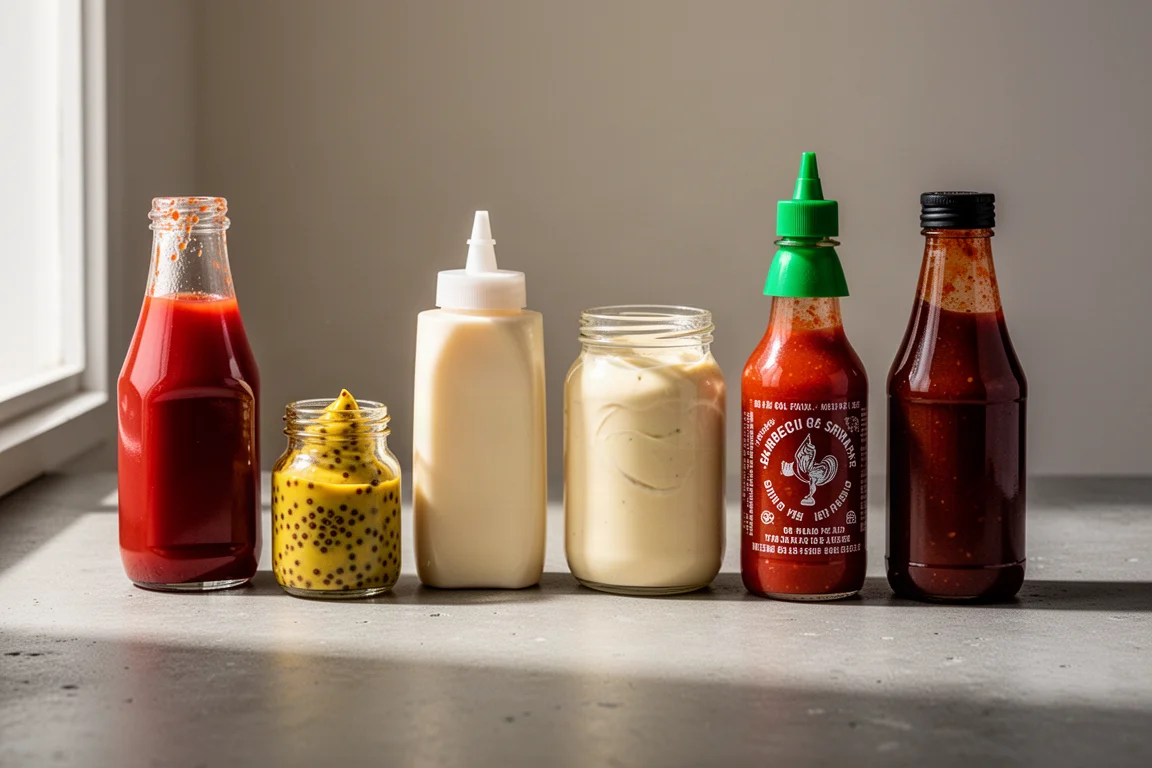
Best Burger Condiments: Six Top-Rated Picks for a Better Burger
From ketchup and coarse ground mustard to barbecue sauce and compound butter, these are the condiments that turn a plain burger into something worth craving.
Kitchen & Food
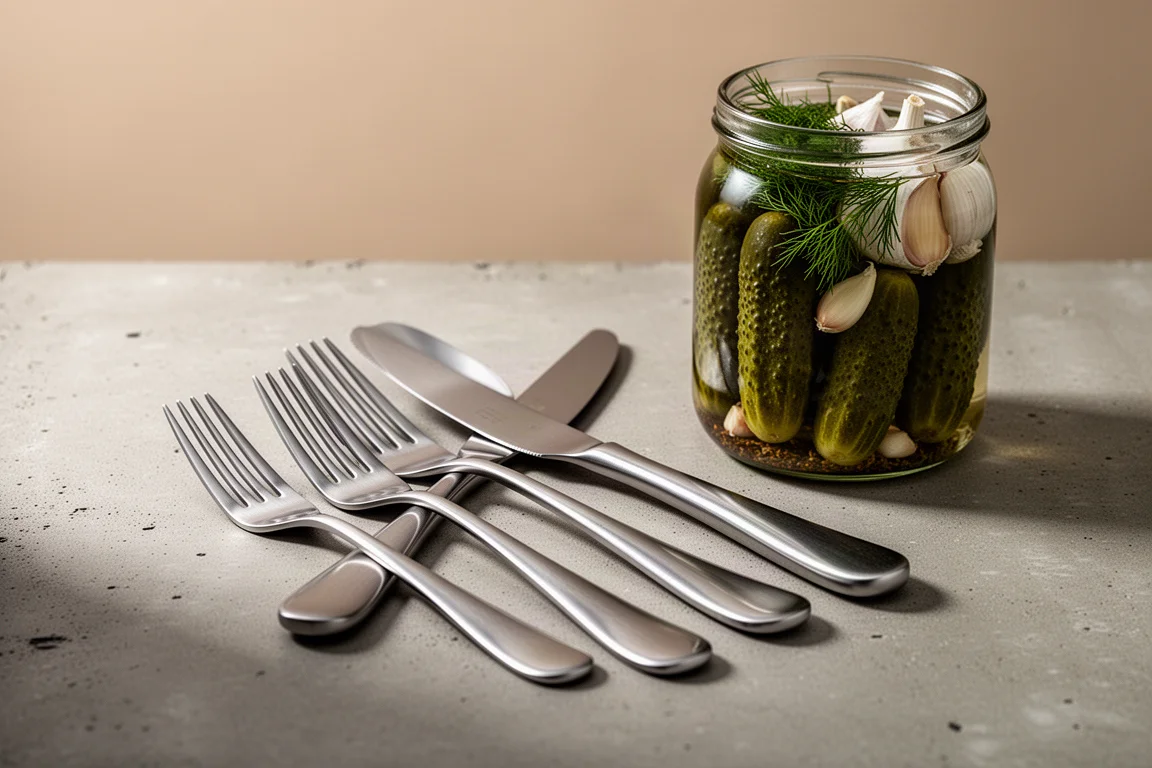
Best Flatware Sets and Whole Dill Pickles: Five Tested Picks Worth Your Money
Two flatware sets and three whole dill pickles put through real-world comfort, flavor, and crunch testing, with clear winners and trade-offs.
Kitchen & Food
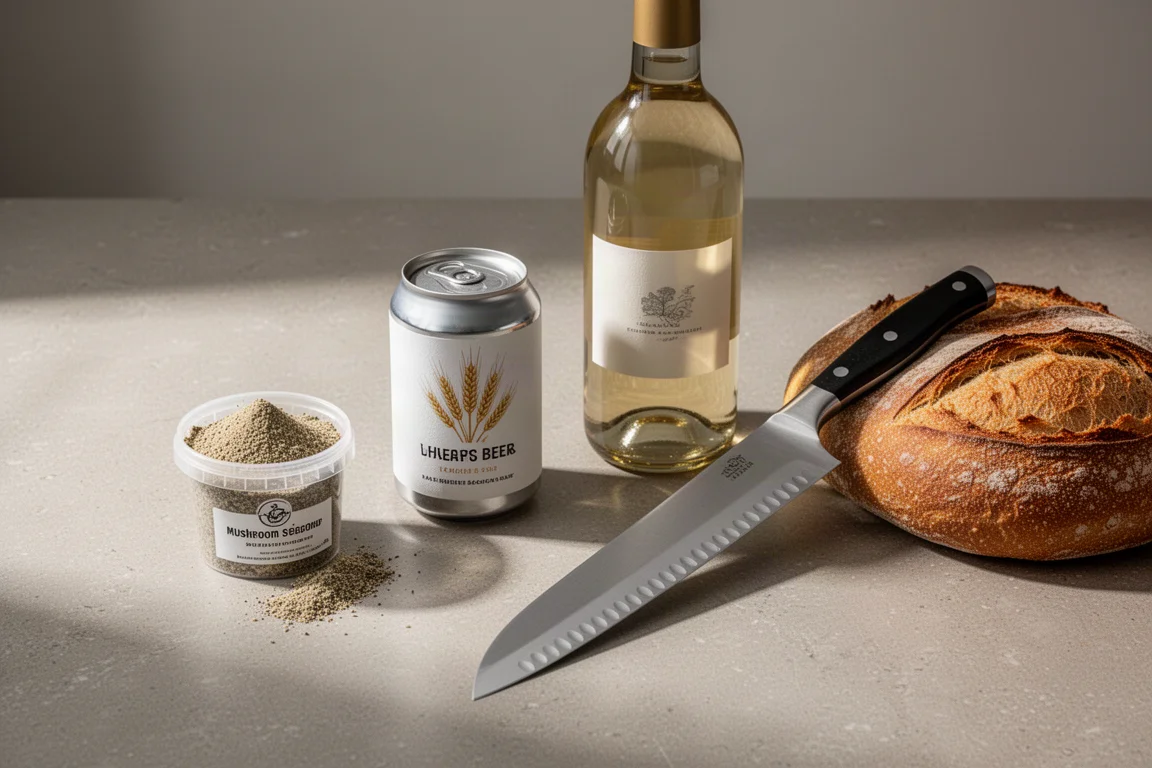
Four Chef-Approved Kitchen Favourites Worth Adding to Your Shortlist
A mushroom seasoning, a small beer, a playful London wine and a razor-sharp slicer, ranked by chefs who cook with them every day.