Food & Drink
Budget vs Premium Pantry Ingredients: 4 Everyday Swaps Worth Comparing
Oats, tomato puree, Red Leicester and mango went head to head in identical dishes. Here is what the tastings revealed about when premium is worth it.
Introduction
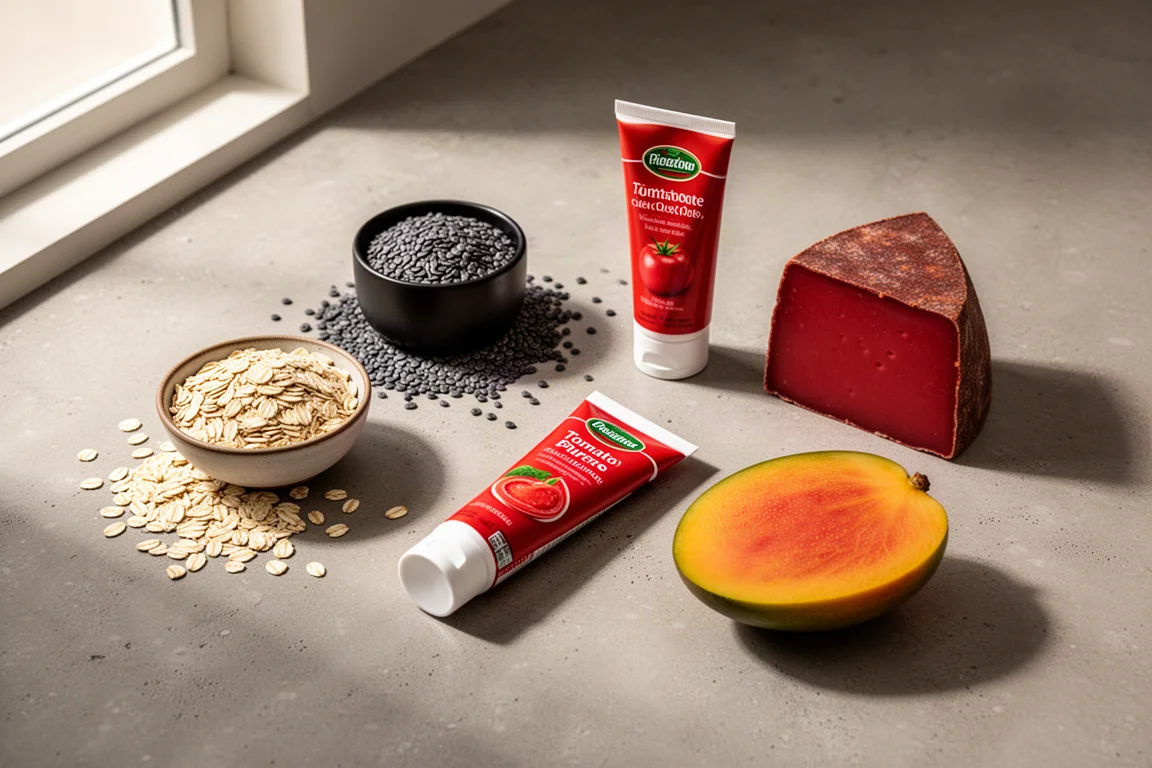
Can you actually taste the difference between a budget pantry staple and its premium counterpart? We compared four everyday ingredients in blind tastings, with each pair cooked into identical dishes using identical weights, measures, times and temperatures. Only one ingredient changed per round, and the results were genuinely revealing. Some premiums earned their price. Others turned out to be a matter of habit and texture preference.
Porridge Oats: Rolled vs Steel Cut Black Oats
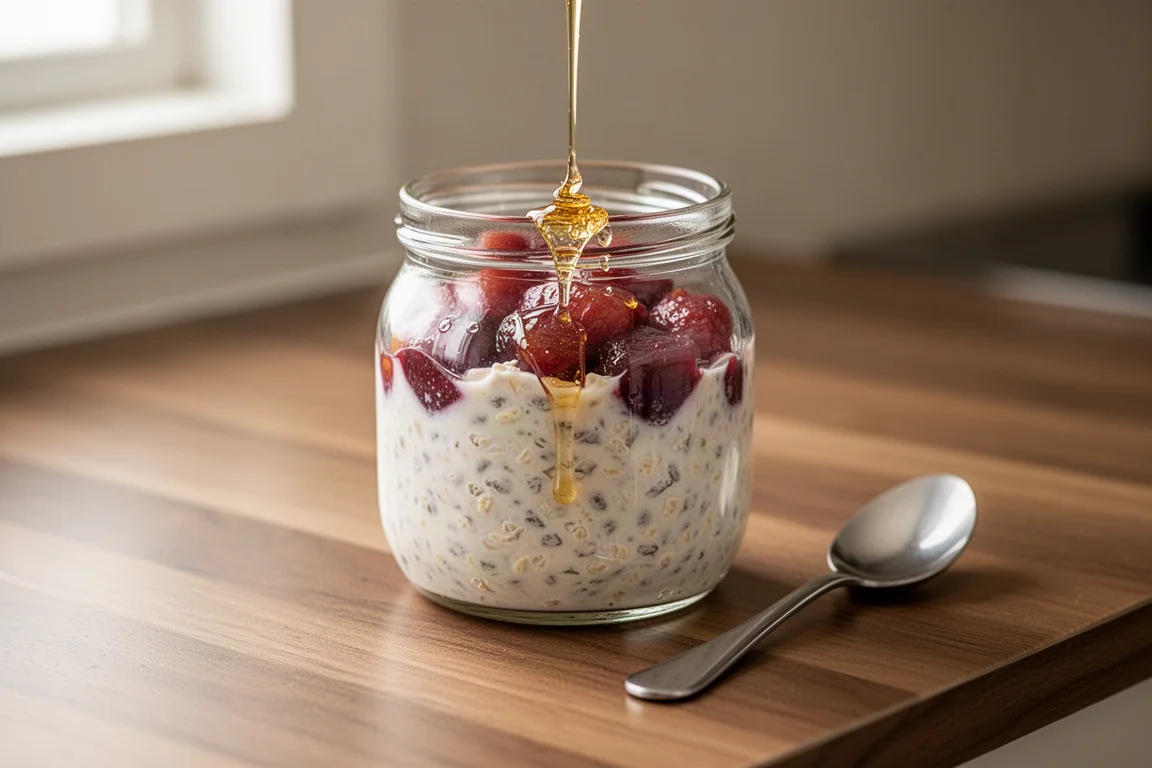
In an overnight oats test with honey and blood orange, tasters immediately noticed a texture difference rather than a flavour one. The cheaper oats absorbed more liquid, giving a softer, thicker, more poppy eating experience. The premium oats kept a nuttier, grainier bite that some compared to the difference between soft white rice and wild rice.
Morrisons Savers Porridge Oats
These are rolled oats, steamed, rolled and dried before packaging, which is why they cook quickly on the stove or in the microwave and absorb liquid fast in overnight oats. They are also fractionally higher in protein. At 99 pence per kilo, they are an extraordinary value baseline, and one taster preferred their softer, easier eating experience outright.
Den Sorte Havre Ancient Grain Black Oats
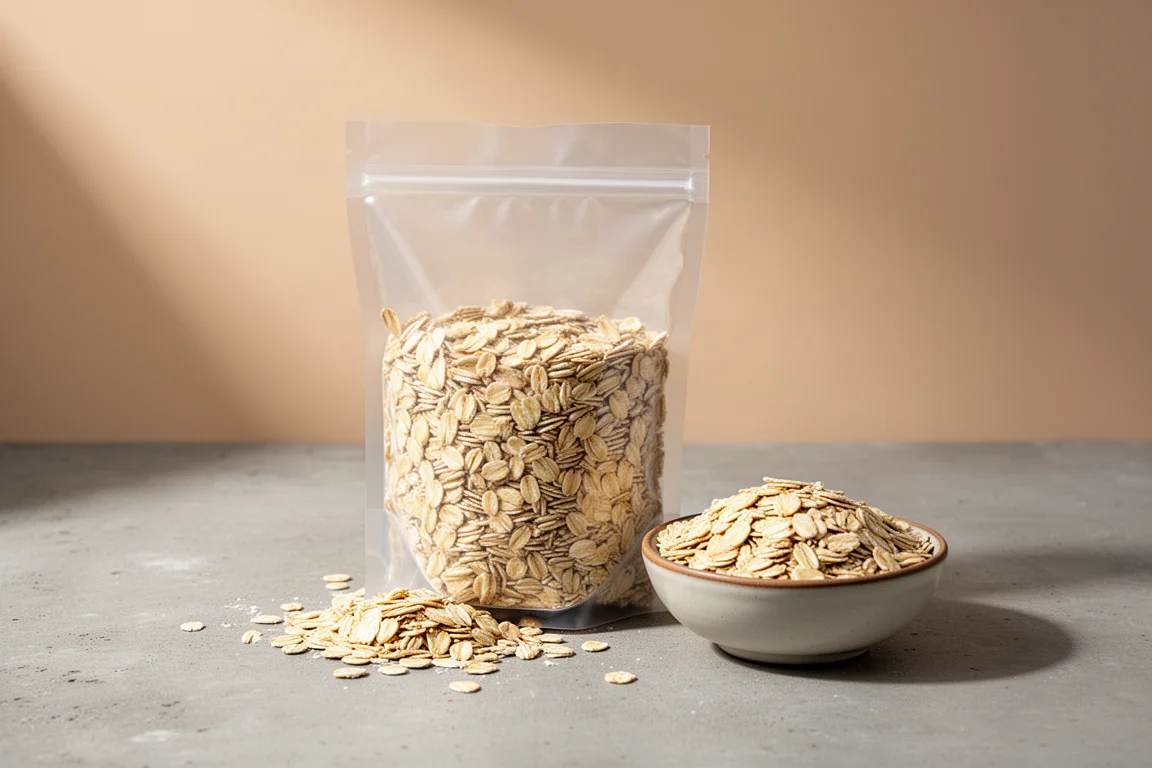
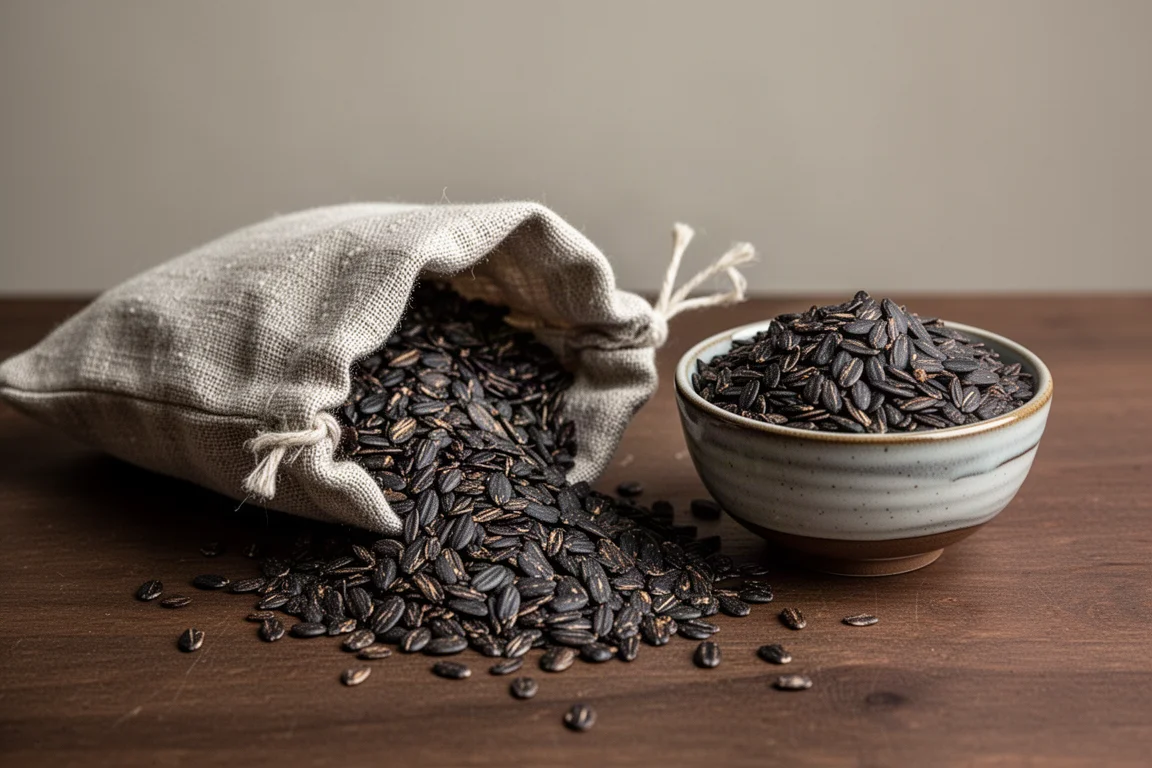
This Norwegian brand uses black oats, a different variety, and they are steel cut rather than rolled, literally chopped without the steaming process. That means a longer cook time but a nuttier texture and more flavour. It is an ancient grain variety that predates modern agriculture, sturdy enough to grow without pesticide treatment, making it a more sustainable choice. At 9.90 per kilo, it costs ten times the budget option, and tasters agreed the eating experience was better, but whether that justifies the price depends on your budget and your texture preference.
Tomato Puree: Double vs Triple Concentrate
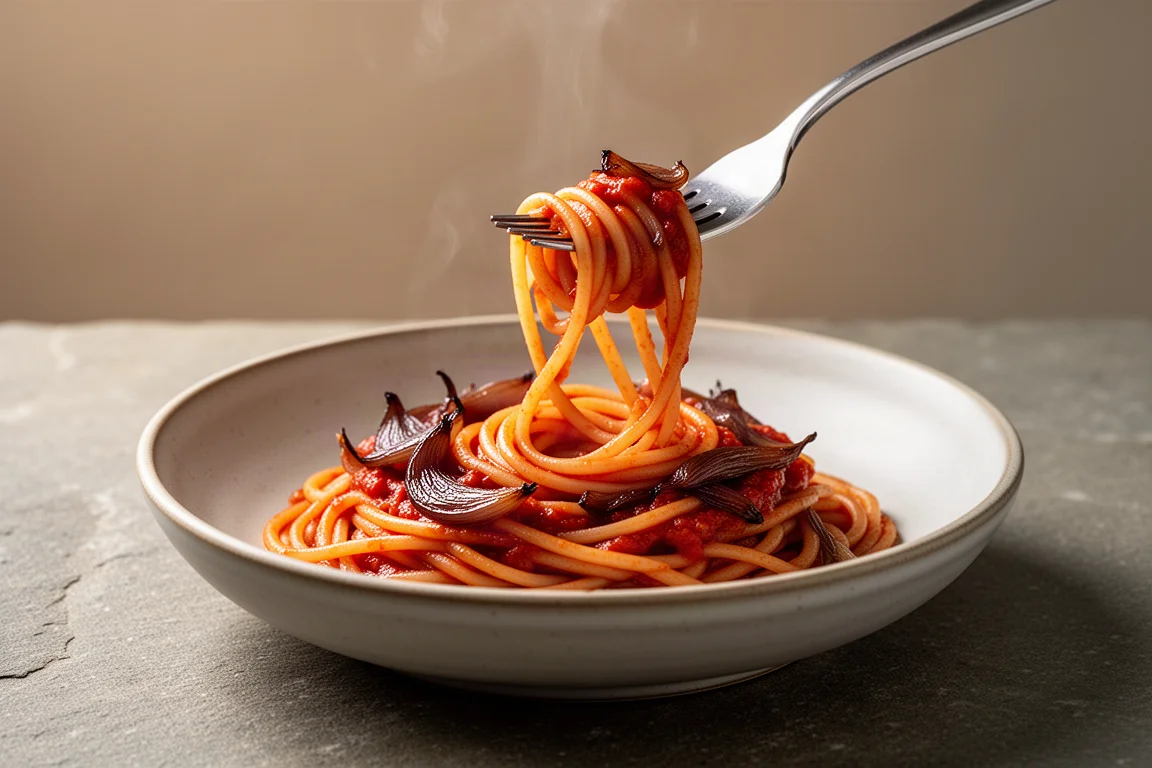
The dish here was caramelised shallot and tomato pasta, a perfect sidekick recipe for tomato paste as an instant hit of tomato. Both tasters locked in the same answer and both found the premium option sweeter, slightly darker and redder, and more vibrant, with some higher floral notes compared to a more one-level budget paste.
Ocado Italian Tomato Puree Double Concentrated
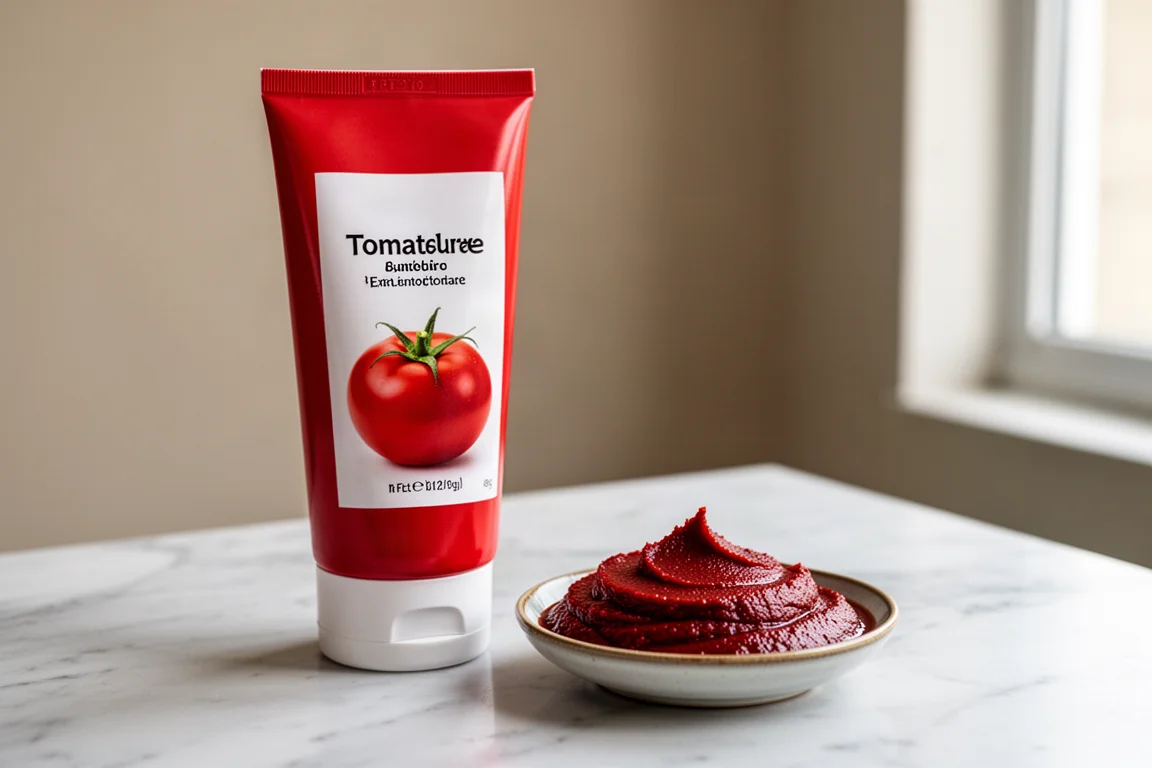
Sold in a 200 gramme tube at 65 pence, this double concentrated puree has been reduced down a little less than its premium rival. One fair observation from the tasting: a touch of sugar or extra reduction could plausibly close the gap, which says a lot about how small the real difference is in a finished dish. It remains a sensible buy for stews, casseroles and marinades where the puree is not front and centre.

Mutti Triple Concentrate Italian Tomato Puree
Also in a 200 gramme tube, at 2 pounds this is roughly three times the price. It tastes sweeter because the tomatoes were riper and carried more natural sugar before processing. When choosing tomato puree, look for something bright and red rather than dull, smooth with no chunks or seeds, and with no metallic taste from the packaging. Mutti also works with Italian farmers to reduce water consumption and CO2 emissions. At only around 1.35 more per tube, one taster argued the upgrade is easy to justify given how little it adds to the shopping bill.
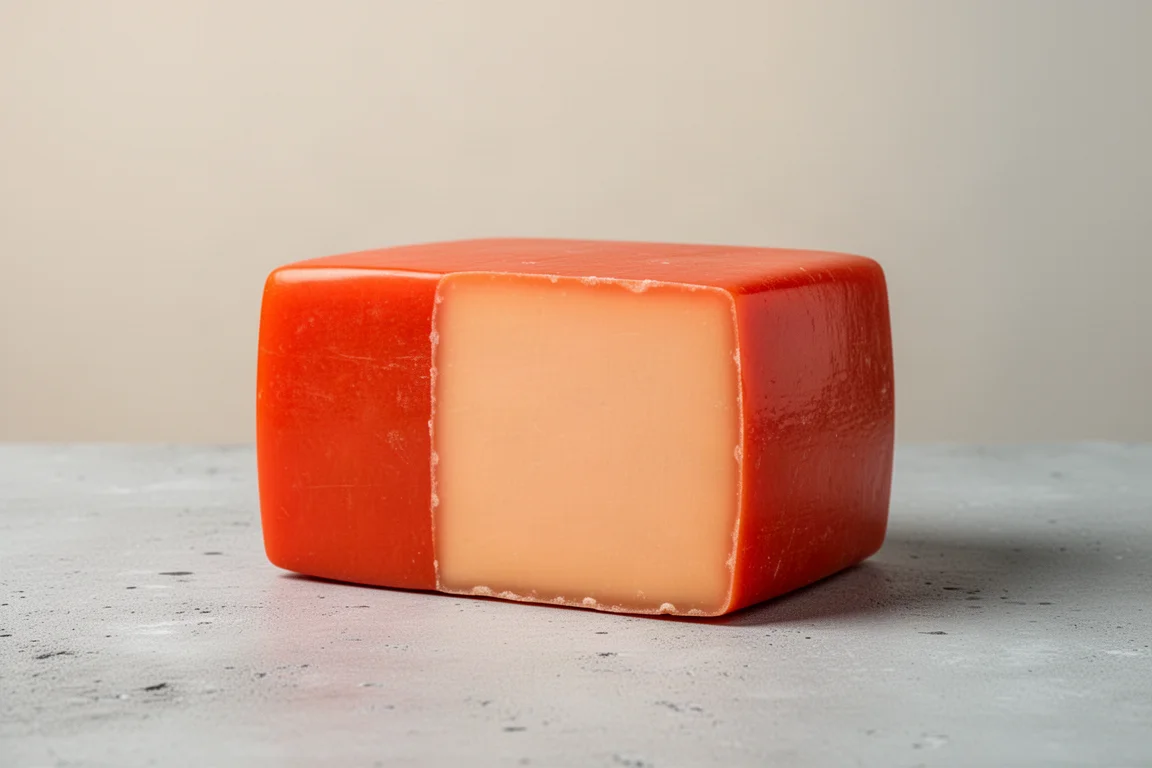
Red Leicester: Supermarket Block vs Artisan Wheel
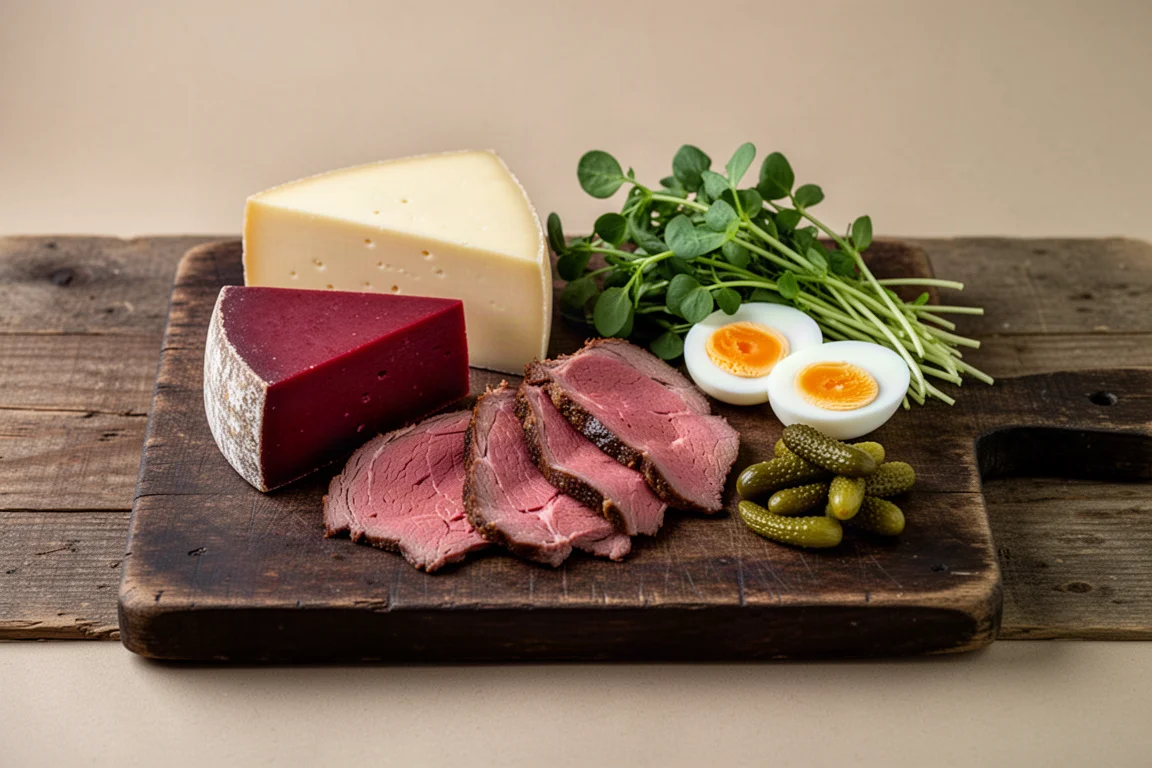
Blindfolded, both tasters independently picked the same wedge and both were right for the same reason: it was drier, saltier and more complex, closer to a Parmesan-style saltiness than the mild, cheddar-adjacent flavour most people associate with Red Leicester. Visually and on taste, this was the clearest win for premium in the entire test.
Sparkenhoe Red Leicester
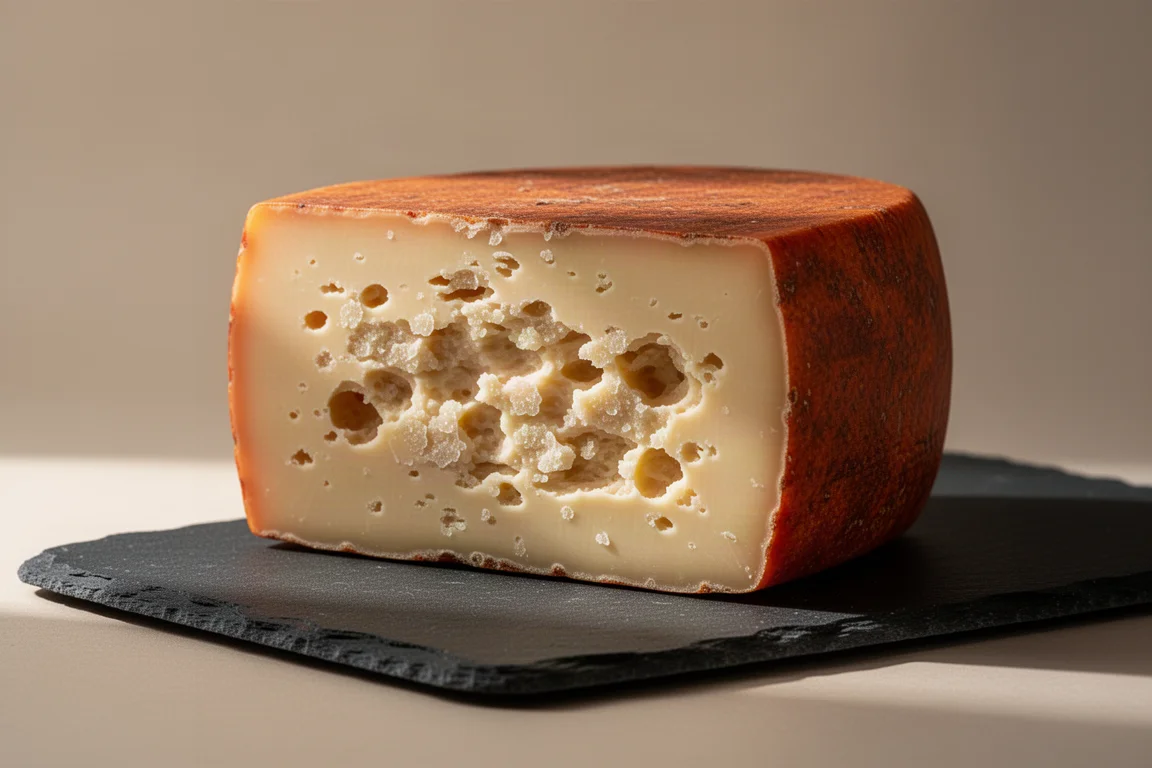
This is England’s only unpasteurised Red Leicester, made on the Sparkenhoe farm using methods dating back to 1875. The unpasteurised milk brings grassy, herbal notes through, and the wheel is aged six to twelve months, giving different textures from the fudgy centre towards the drier, more concentrated area near the rind. It is genuinely cheese-board worthy, which is rare for this variety. Expect to hunt for it at specialist retailers; this one came from The Fine Cheese Company, beautifully wrapped with a care booklet. At 36 pounds per kilo it is five times the price of the supermarket block, and arguably a different product entirely.
Sainsbury’s Stamford Street Red Leicester
A 600 gramme block at 6.98 per kilo, coloured with annatto for that classic hue, with the familiar fudgy, bouncy, mellow flavour. It is packaged in the UK, though the label does not state where it is made or where the milk comes from, so it may or may not be a British cheese. That said, cheap cheese has a real place: sandwiches, cheese on toast, a jacket potato topping. Millions of households rely on it, and its mildness is exactly what those uses call for.
Mango: Everyday Ready to Eat vs Alphonso
The dish was chilled coconut sticky rice topped with chilli, lime and mango, and this round showed the most dramatic visual difference. One mango was juicier and softer; the other firmer with more bite. The premium variety has a texture so soft it is often compared to spooning out gelato or sorbet.
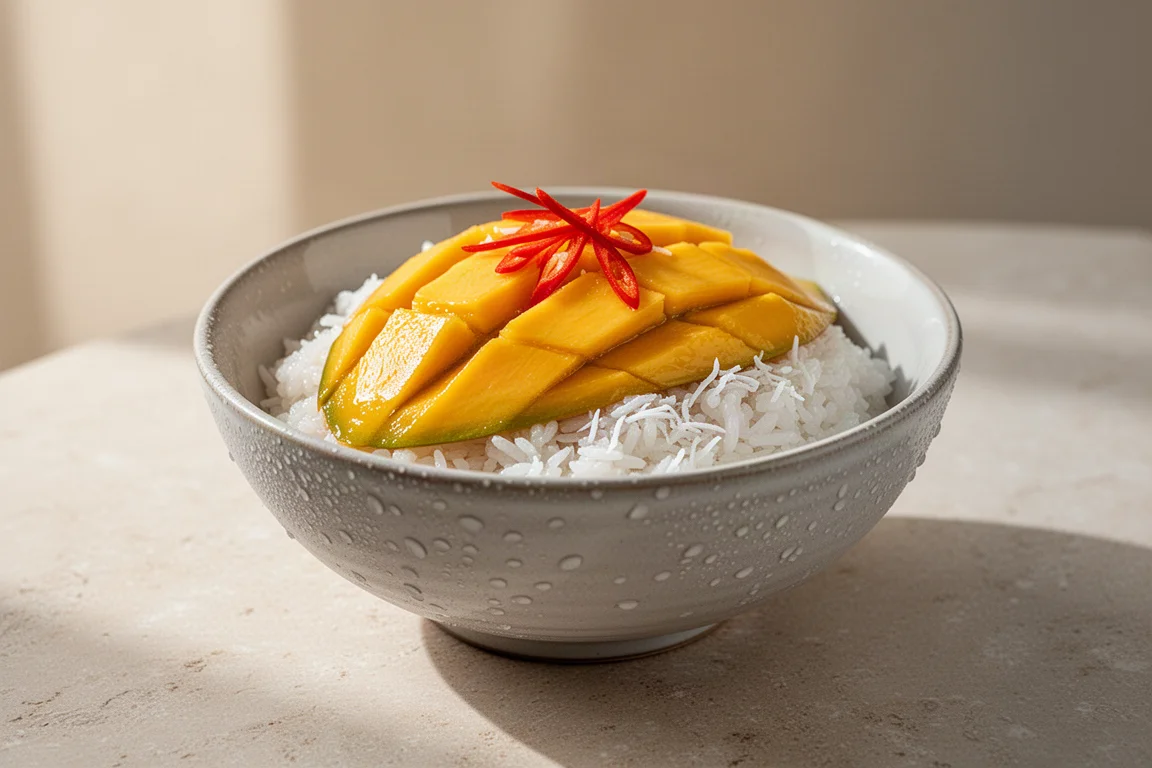
ASDA Ready to Eat Tropical & Sweet Large Mango
At 94 pence per mango, this Kent-variety fruit works out at 3.31 per kilo of prepared edible flesh. Supermarkets source varieties like Palmer or Keet from Peru, Israel, West Africa or Brazil depending on the season to guarantee a ripe, ready-to-eat fruit year round. It is firmer and drier than the premium option, but it is the mango most of us know, and it is always available.
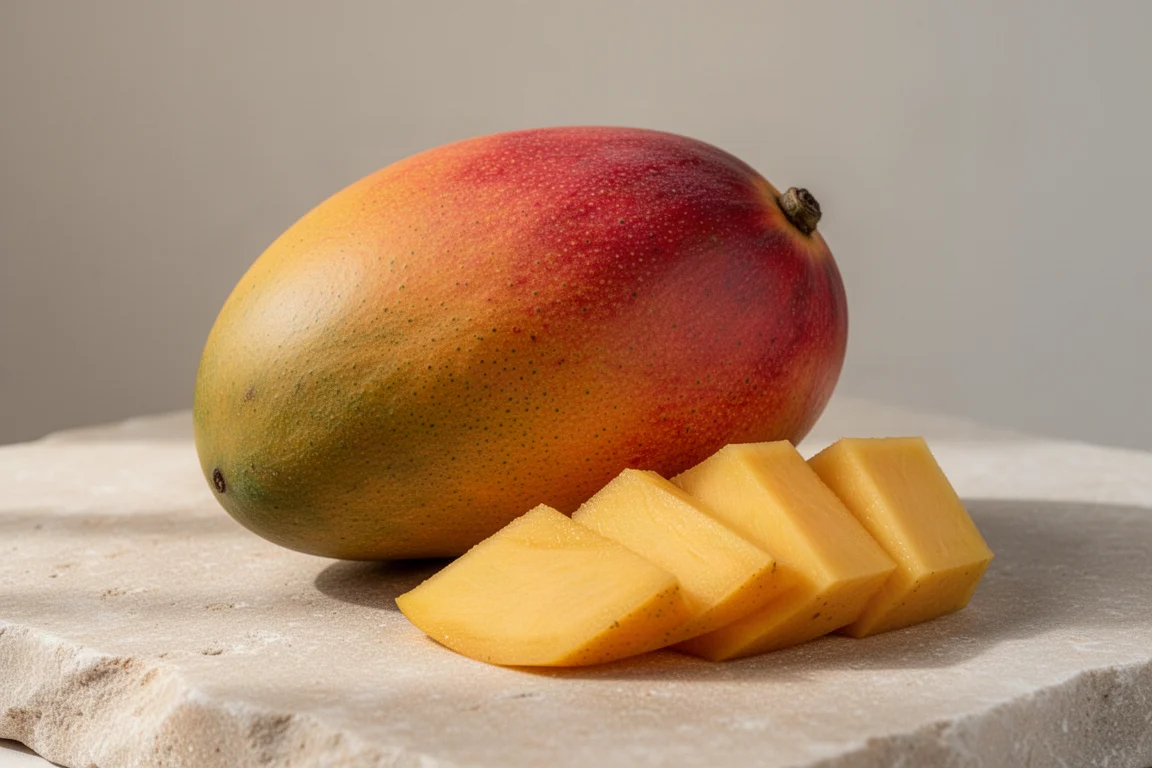
Alphonso Mango
Known as the king of mangoes, this highly prized Indian variety has a short season of just a few months, running from around now. It is beautifully perfumed with juicy flavour and an exceptionally soft, whipped texture. The trade-off is price and waste: with 31 percent of the fruit inedible, it works out at 19.71 per kilo, three or four pounds each. The consensus was clear: this is a special-occasion mango, best treated like British strawberries or exceptional Japanese fruit and enjoyed seasonally rather than routinely.
Overall Buying Advice
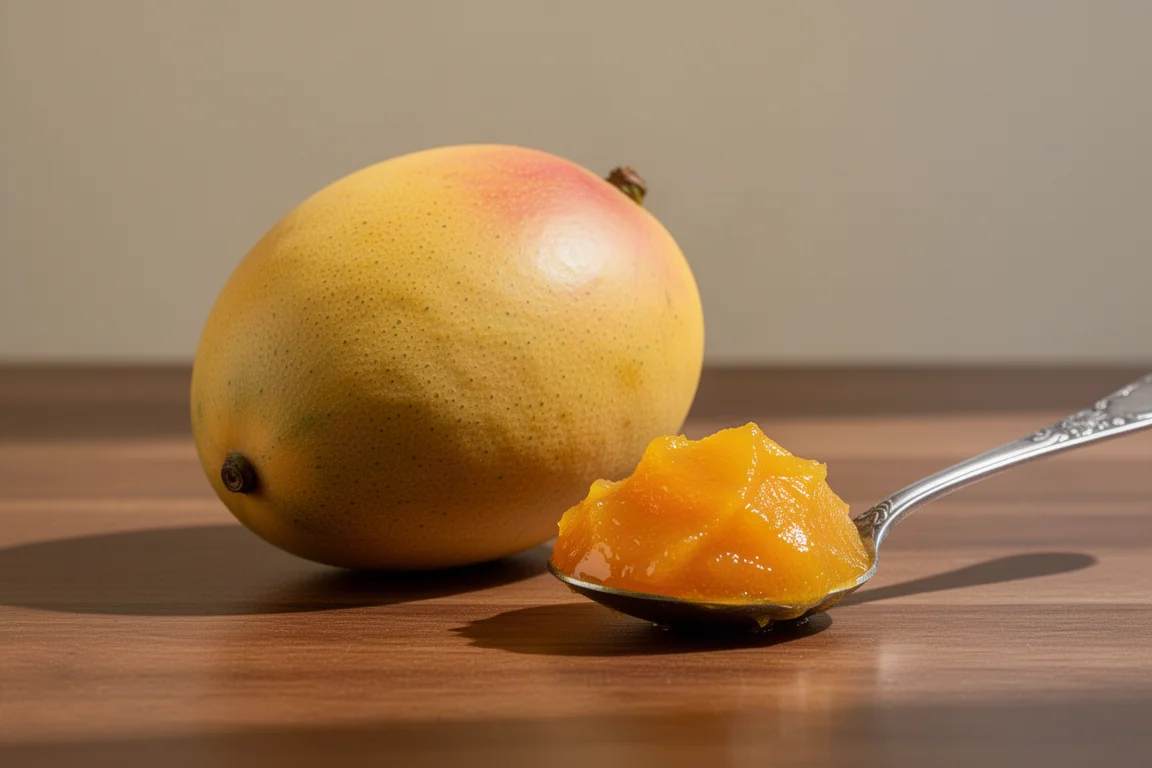
When buying any mango, choose one with a slight give that is not mushy, and smell it: a fragrant aroma without cutting into it is a good sign. For tomato puree, look for bright colour, smooth texture and no metallic notes. For oats, decide honestly whether you want soft absorption or nutty bite, because both are valid. And for cheese, match the product to the job: blocks for sandwiches, artisan wheels for the board.
Conclusion
Across four tastings, the pattern was consistent. Premium ingredients delivered noticeably better eating experiences when texture and complexity mattered, especially the Sparkenhoe Red Leicester and the Alphonso mango. But budget staples earned their place too, and in applications like stews and sandwiches the difference rarely justifies the spend. Buy premium for the occasions when the ingredient is the star, and save confidently everywhere else.
Further reading
Related Reviews
Food & Drink
Best Plant-Based Burgers From Major Chains: Six Options Rated
Six plant-based burgers from KFC, Leon, McDonald's, Burger King, Shake Shack, and Honest Burgers put to the taste test to see which fast-food options are actually worth ordering.

Food & Drink
Best Dark Chocolate for Less Sugar: Four Picks From 60% to 90%
Four dark chocolates that deliver more cacao and less sugar, from an everyday baking bar to an intense 90% pick.
Food & Drink
Four Kansas City Barbecue Sauces Worth a Spot on Your Table
We compare four very different Kansas City style barbecue sauces, from a classic sweet supermarket staple to three landmark restaurant sauces you can order online.