Hand Tools
Budget vs Premium Flex Head Ratchet: Duralast 71-417 vs Snap-On
An eight-dollar Duralast 1/4-inch flex head ratchet goes up against a roughly $148 Snap-On to see what the price gap actually buys you.
Introduction
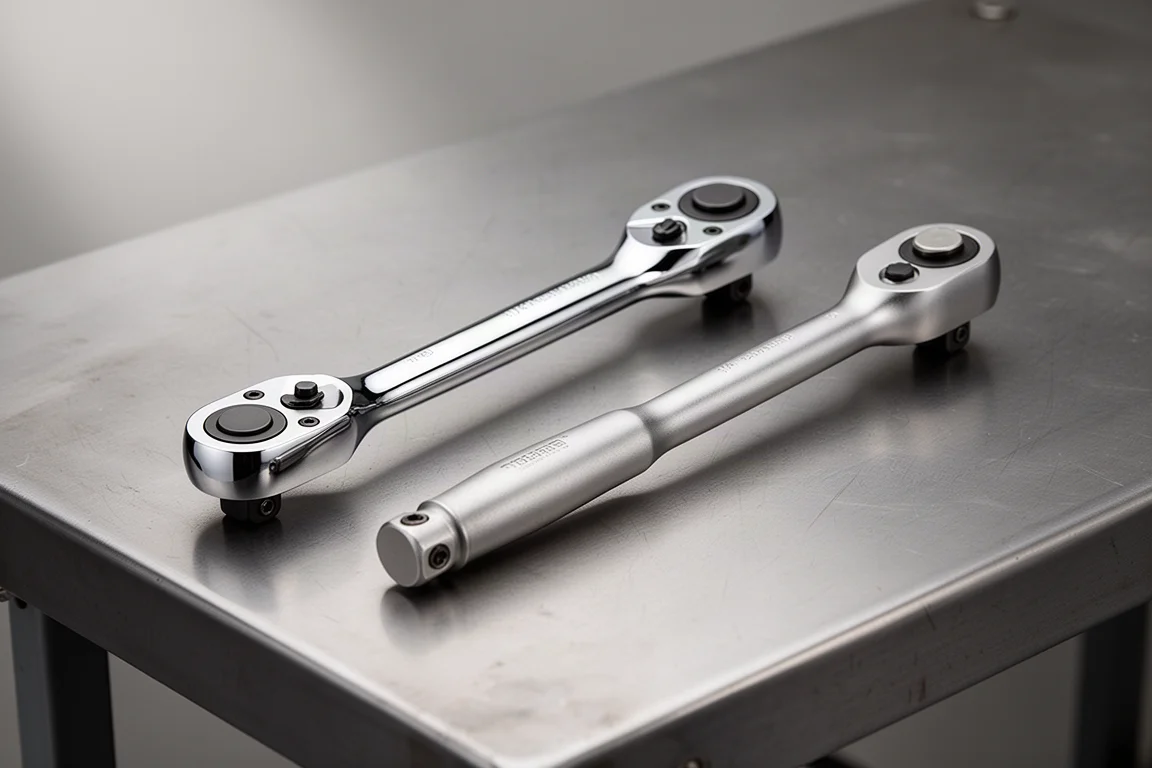
Waiting in line at the hardware store has a way of making you wonder whether the budget shelf is good enough. That question is exactly what this comparison sets out to answer, using two 1/4-inch flex head ratchets that look surprisingly similar on the surface: a Duralast 71-417 picked up for about eight dollars, and a Snap-On that sells for around $148, roughly 18.5 times more. The difference in feel, flex, and internal finish turns out to be worth understanding before you spend either way.
The Two Ratchets Compared
The Duralast 71-417 is a 1/4-inch drive flex head ratchet with a 72-tooth mechanism, made in Taiwan and distributed by Best Parts Incorporated. It was priced at $9.99, knocked down to $7.99 with a 20 percent off sale. The packaging states that if any Duralast hand tool ever fails, it can be returned to any AutoZone store and replaced free of charge, and the tool itself is marked “guaranteed for life.”
The Snap-On equivalent sells for about $148. Both tools offer the same basic idea: a small drive ratchet with a head that flexes, useful for working in tight spots and for driving fasteners in before snugging them down.
Flex and Feel Under Load
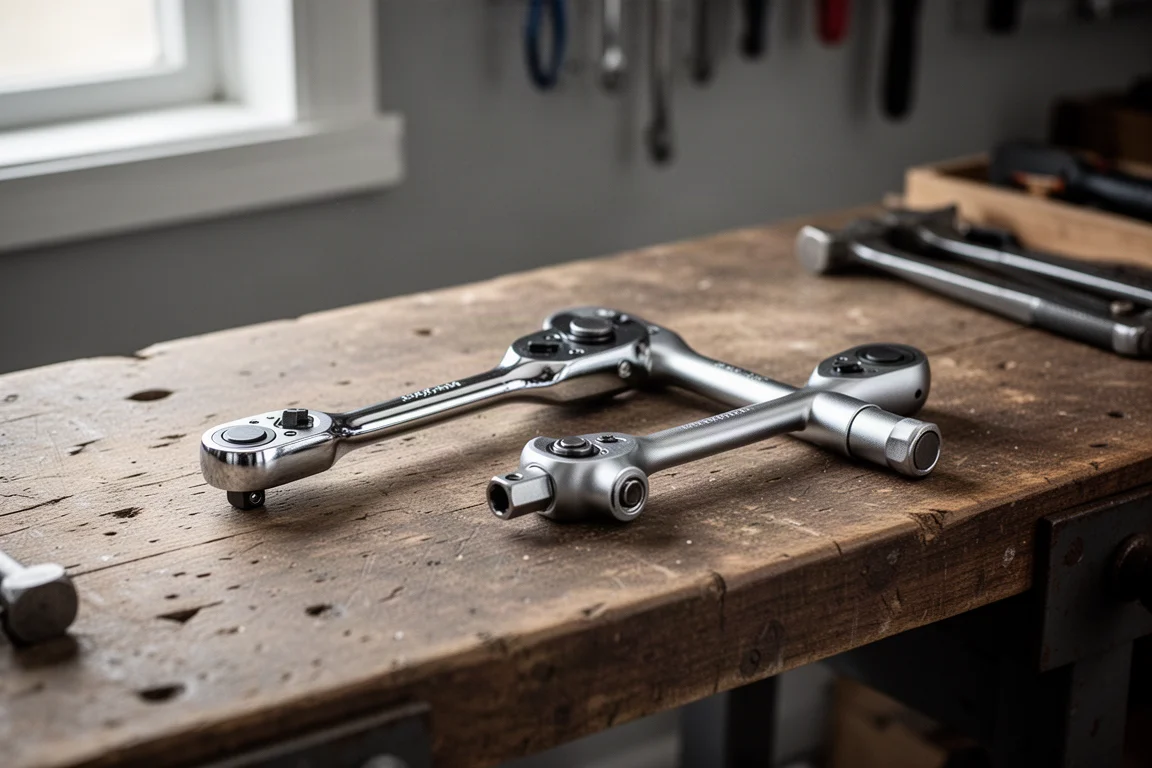
Right out of the package, one thing stands out on the Duralast: the head sits a little crooked and bounces around, slightly off center. The likely culprit is not a bent neck or Y-frame but the internal spring that holds the mechanism in place. Because the spring sits a bit deep, it pushes the mechanism slightly to the side and allows more play than ideal.
In a controlled flex test using an adjustable wrench as a lever handle, the difference becomes obvious. The Duralast shows a lot of bending at the front end, with a springy flex you can feel throughout the entire mechanism, enough to raise concerns about pushing it too hard. The Snap-On also flexes, but it is a firmer, less springy kind of flex. The budget tool is not designed for heavy torque anyway; its strength is convenience work like driving fasteners in and giving them a final tighten.
Inside the Duralast: Build and Finish
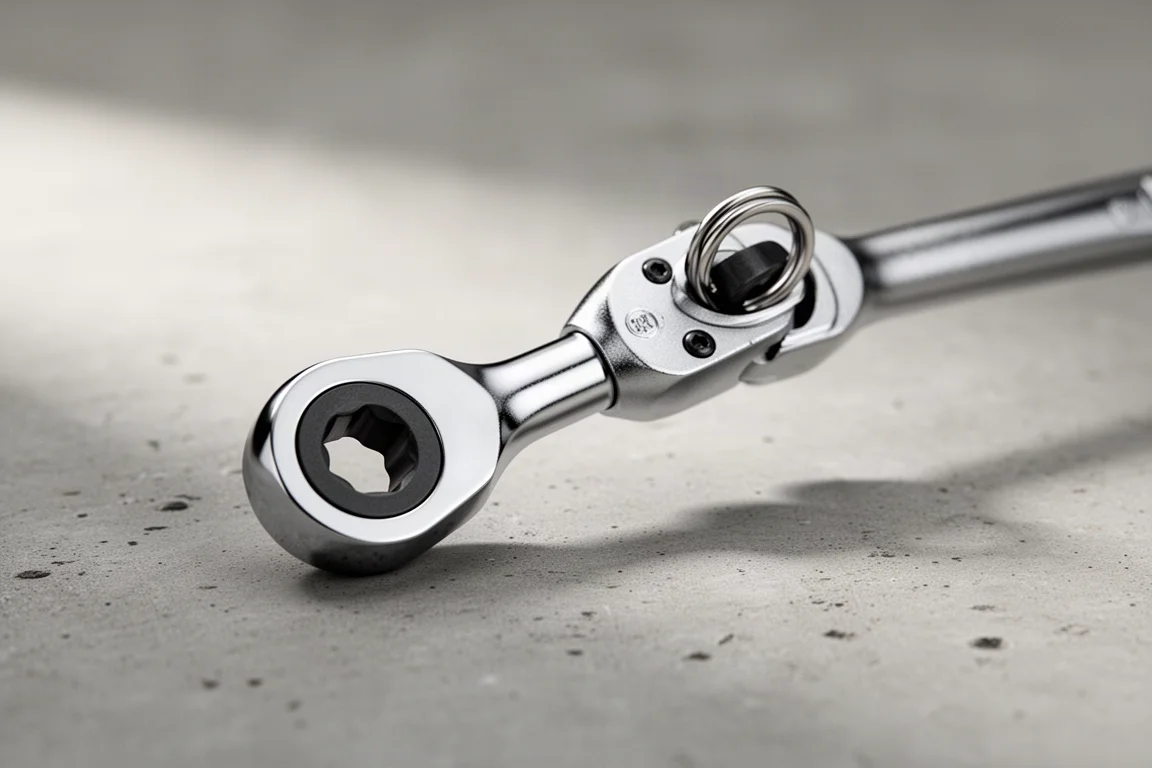
Teardown confirms the general picture. The flex mechanism uses a small split ring, which is common in these designs. The Y-frame looks straight but is not finished very well on the inside, and the internal surfaces are noticeably unpolished. There is no Loctite on the neck mechanism, though it does offer some resistance when adjusted.
What the Teardown Revealed
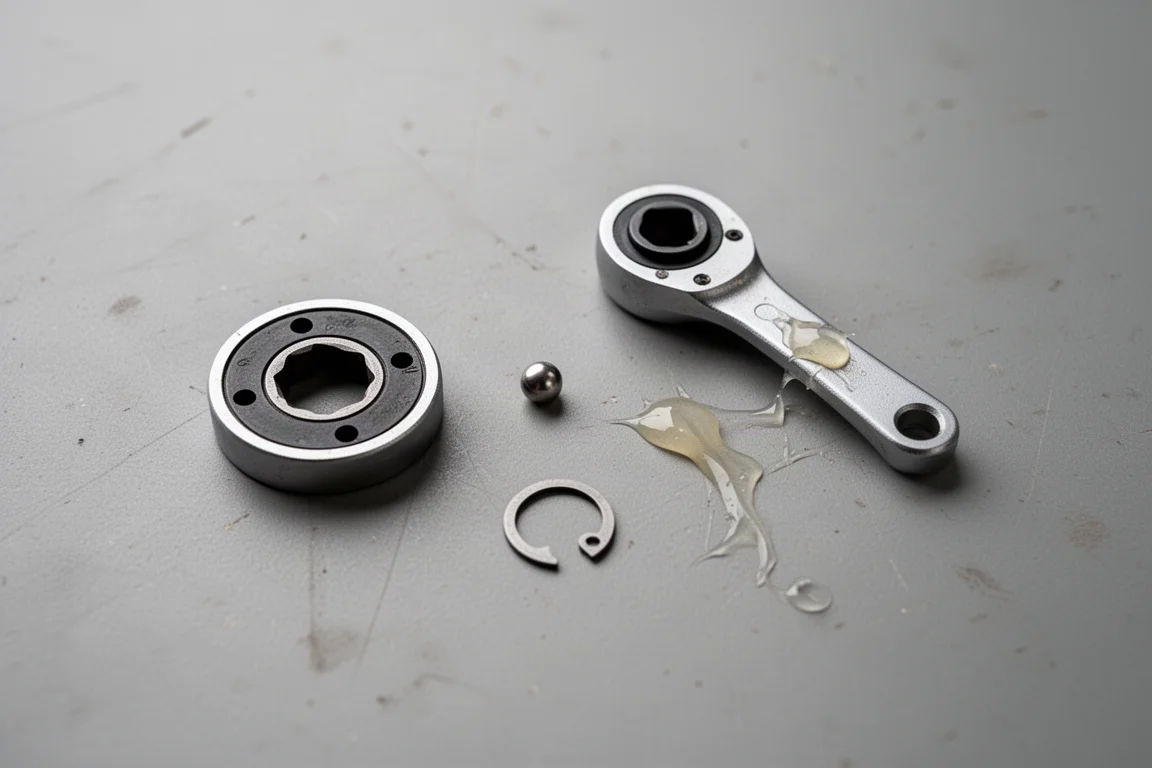
Opening the ratchet head shows a fairly symmetrical back plate with no o-ring, a ball detent, and real grease inside the mechanism. The reversing lever includes some kind of capture spring on top to hold it aligned, and it is not especially impressive, but it is serviceable. The honest verdict: it is not as bad as expected for an eight-dollar tool. These small ratchets are not built for huge torque loads, and for light-duty use the Duralast holds up reasonably well.
Buying Advice: Which One Makes Sense
The Snap-On earns its price with noticeably less play, a firmer and more controlled flex, and better internal finishing. That matters for people who use a 1/4-inch ratchet constantly and want it to feel precise every time.
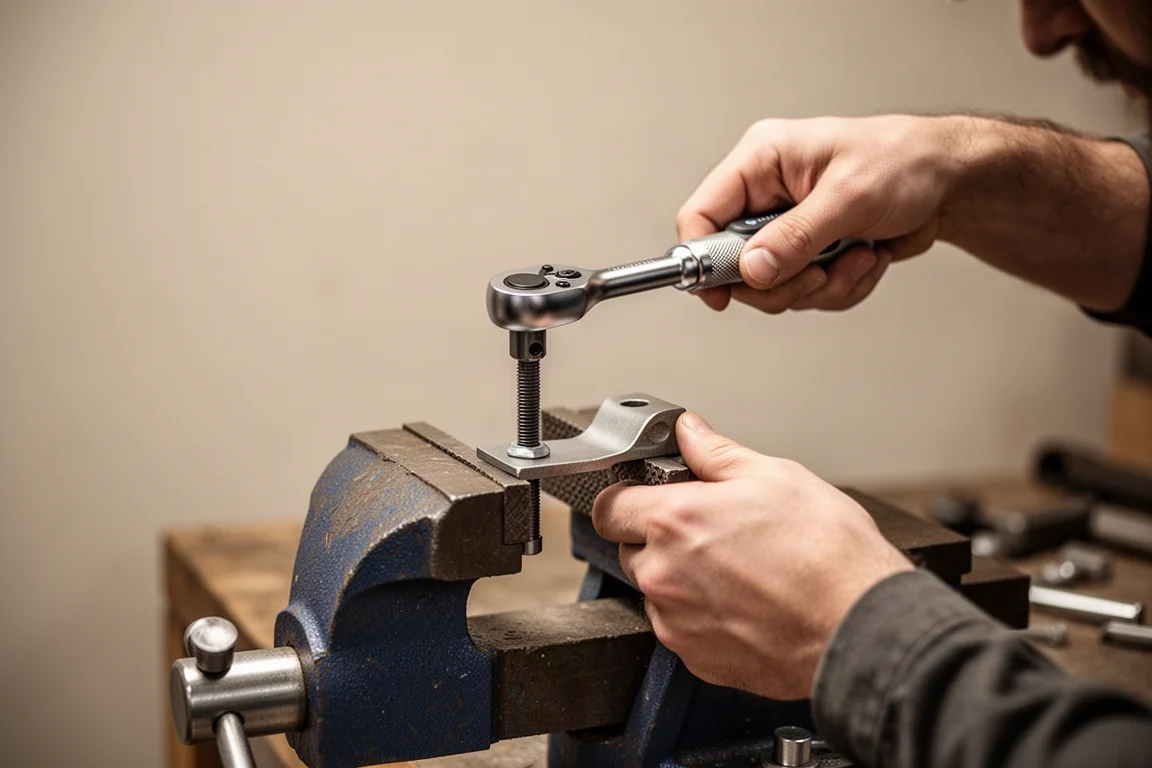
The Duralast makes a different kind of case. If you would not get your money’s worth out of a premium tool, or you are not sure a flex head ratchet will actually solve your problem, starting with a low-cost practice tool is a sensible move. At roughly $140 cheaper, it is darn close for the money, and the lifetime replacement promise at AutoZone softens the risk further. For light fastening work, it absolutely gets the job done.
Conclusion
On paper these two ratchets look nearly identical, and in light use the Duralast 71-417 delivers a surprising amount of function for eight dollars. The Snap-On justifies its premium through tighter tolerances and a more solid flex feel under load. Choose the Duralast if your use is occasional or experimental, and the Snap-On if daily precision work is your norm.
Product link
View more details for Duralast 71-417 1/4-inch Flex Head 72-Tooth Ratchet
This product is mentioned in the review. Check the specifications, options, and compatibility before buying.
View more details for Duralast 71-417 1/4-inch Flex Head 72-Tooth RatchetFurther reading
Related Reviews
Hand Tools
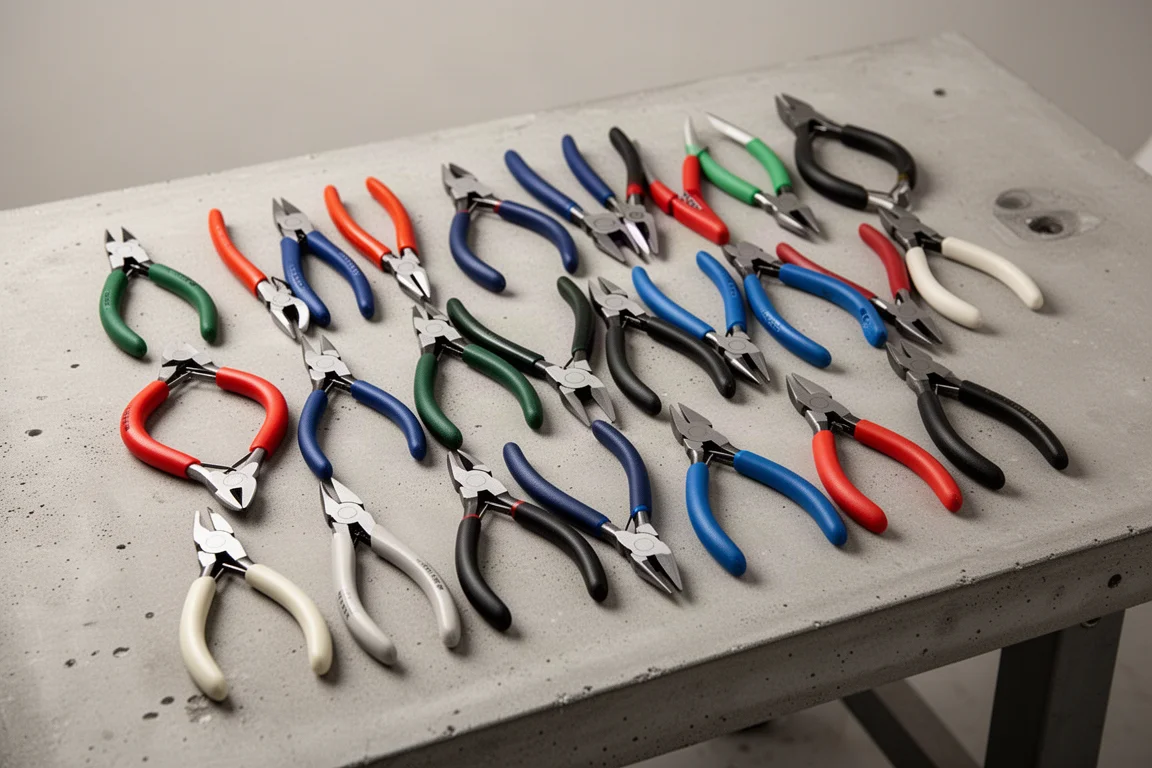
Best Diagonal Cutters 2026: 16 Pliers Tested for Cutting Power and Durability
We put 16 diagonal cutters through nail, screw, drill bit, and hex key tests to find the best value picks for your toolbox.
Hand Tools
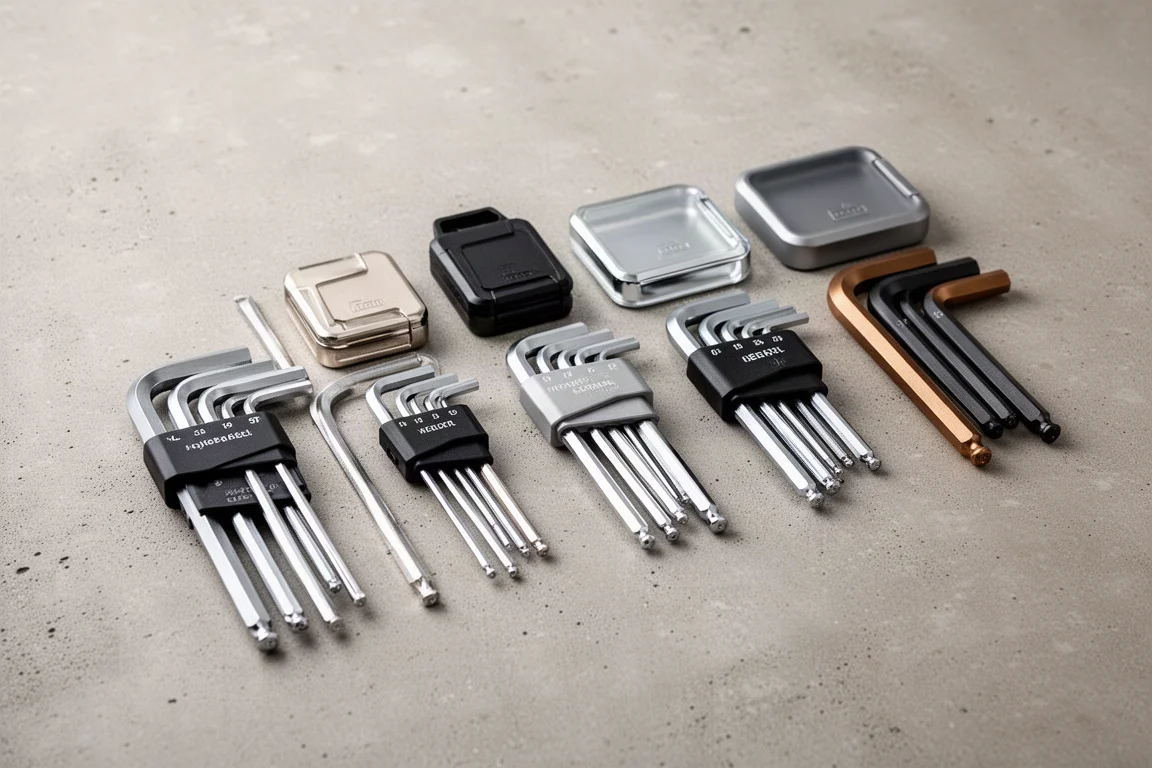
Best Hex L Key Sets 2026: Nine Sets Tested for Real-World Torque
Nine hex L key sets from budget to premium, tested for torque, fit, and durability. See which sets deliver real performance and which ones to skip.
Hand Tools
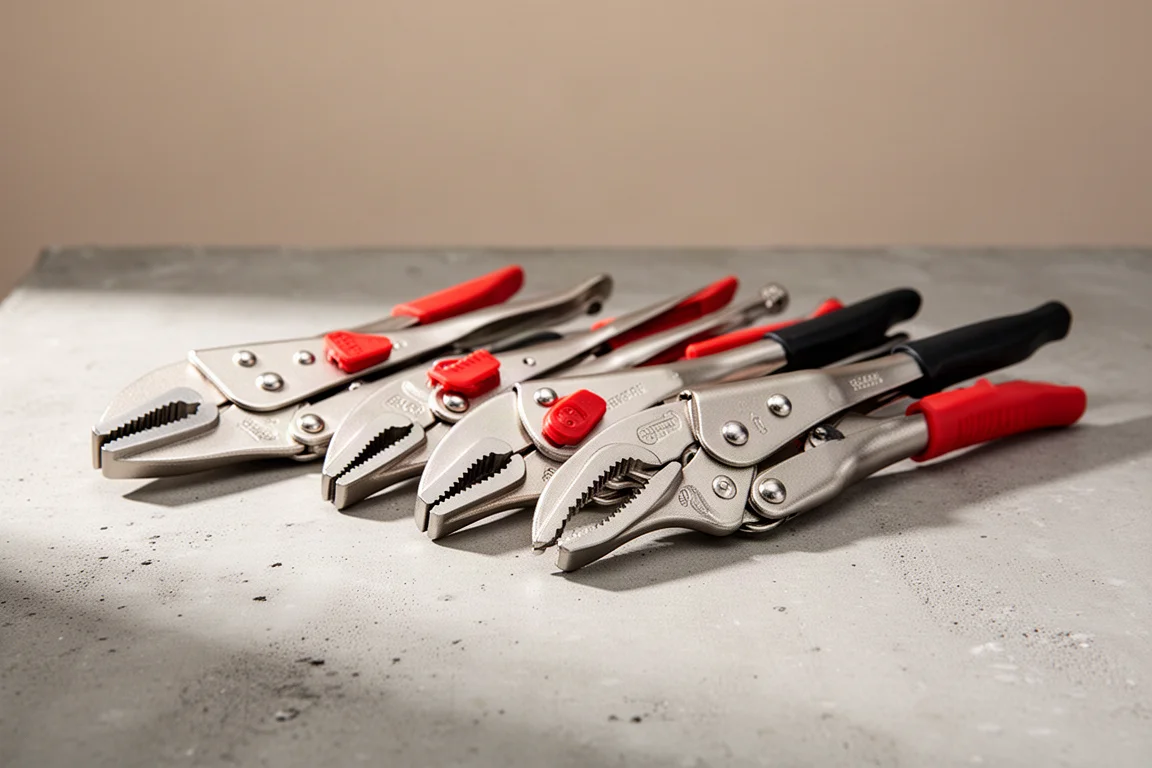
Best Locking Pliers 2026: Top Picks Tested for Grip and Durability
We tested 18 brands of 10-inch locking pliers for grip strength, jaw bite, build quality, and ease of release to find the best options for tough jobs.