Food & Drink
Budget vs Butcher Steak: 10 Steaks Tested to Find Where Your Money Actually Goes
Sirloin, rump, fillet and ribeye from budget supermarkets, mid-range supermarkets and butchers, tasted side by side to see which steaks justify their price.
Introduction
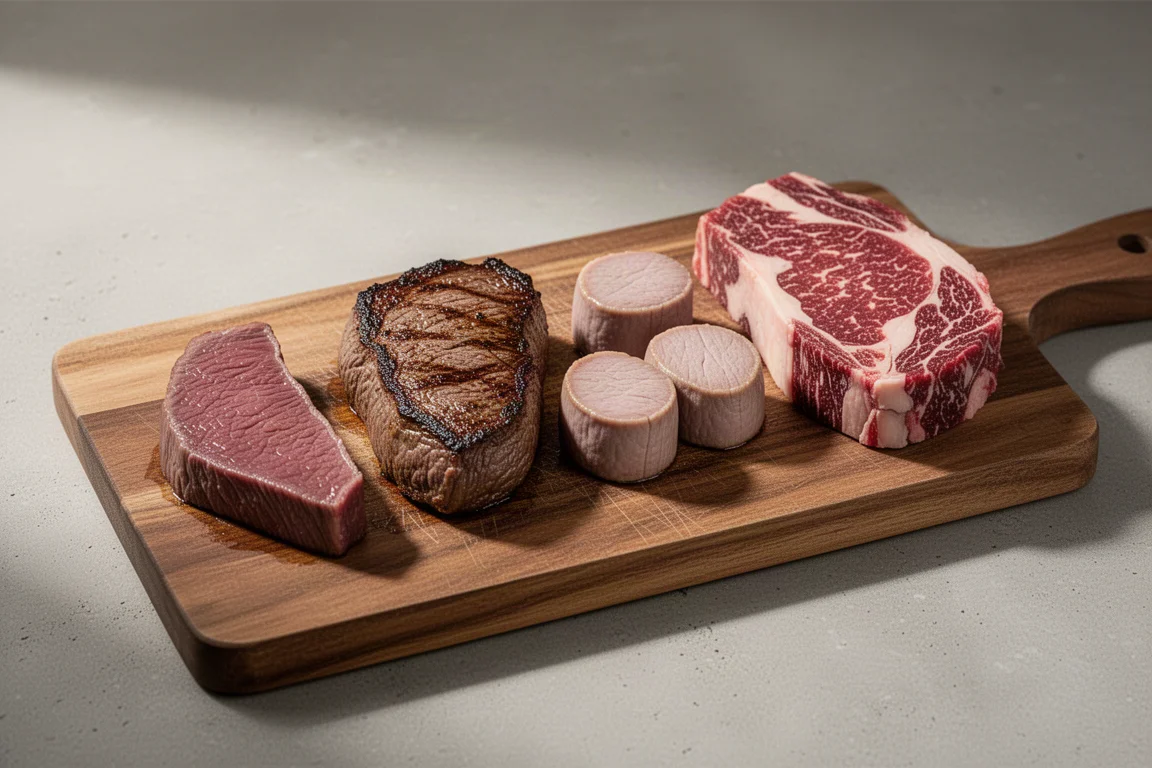
Steak pricing makes very little sense on the shelf. A budget supermarket rump can cost less per kilogram than a mid-range supermarket’s cheapest tier, while a butcher’s sirloin can run close to double the price of anything on a supermarket chiller. To find out where the extra money actually goes, ten steaks across four cuts were cooked identically, blind-tasted, and priced per kilogram. The results were not what most shoppers would predict.
How the Blind Taste Test Worked
Each round compared one cut from a budget supermarket, one from a mid-range supermarket, and one from a butcher, cooked the same way to the same temperature. Tasters were blindfolded and asked to identify which was which, then rate the flavour and texture honestly. Supermarket ranges also have tiers within themselves, so where relevant, the comparison used the tier that matched the cut’s price positioning: entry-level for sirloin, mid-tier for rump, and the most expensive option available for fillet and ribeye.
A useful habit for any steak shopper came out of the packaging itself: read what the label says, and what it pointedly leaves out. Maturity, origin, diet and assurance schemes vary enormously between products that look identical in the chiller.
Sirloin: The Budget Surprise
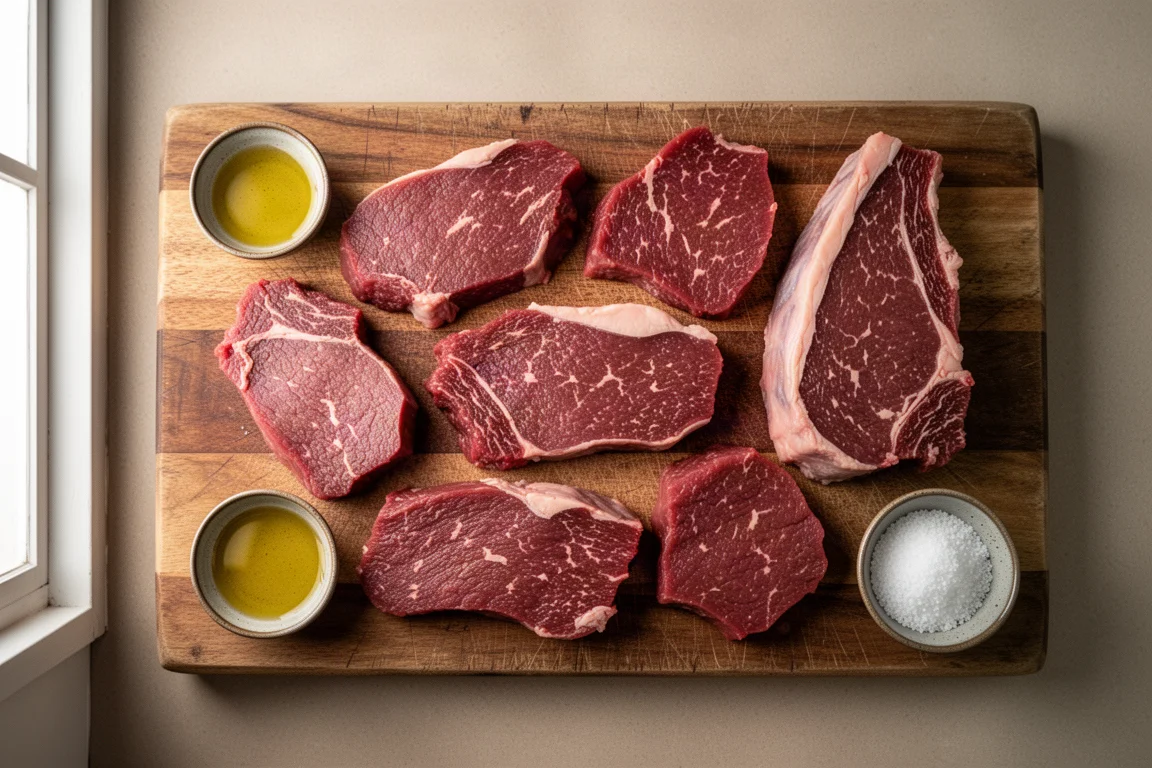
Sirloin is a leaner, well-worked muscle from the hindquarter, just ahead of the rump. In this round the steaks were pan-fried in oil and finished low and slow in a 50 degree oven until just before medium rare.
The blind verdict was unanimous and correct: the butcher’s sirloin was in a different league, with far more beefy flavour and better texture than either supermarket option. Both supermarket sirloins came from their cheapest tier, and it showed. The lesson when buying sirloin is to look for thin white flecks of fat running through the meat. That marbling melts during cooking and is where most of the juiciness and flavour comes from.
Lidl Sirloin
The budget entry was 21-day matured British beef with Red Tractor assurance, slaughtered and cut in the UK, at £5.29 for a 195g pack, working out at £27.12 per kilogram. It tasted slightly dry and under-flavoured against the butcher’s cut, but as a baseline sirloin it was recognisably competent, and the mid-range supermarket alternative (a 21-day aged Sainsbury’s sirloin at £28.29 per kilogram) was barely distinguishable from it.
HD Walter Sirloin
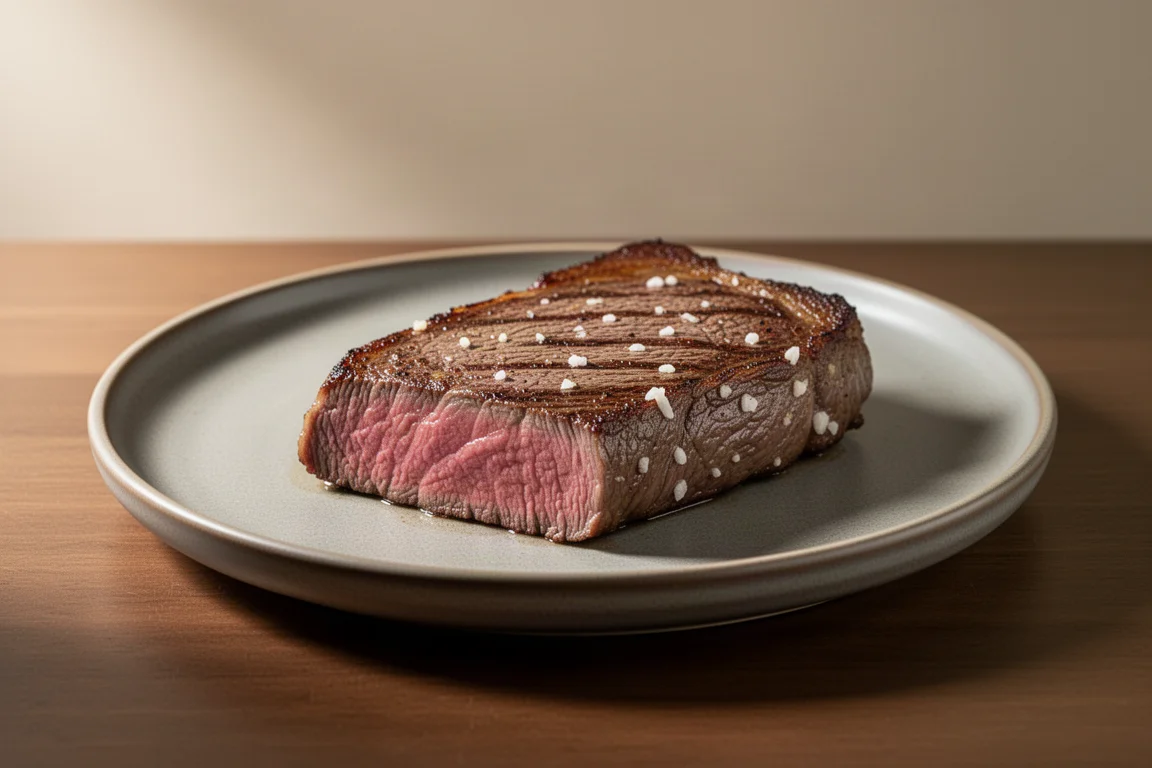
The butcher’s sirloin came from grass-fed Aberdeen Angus or Hereford cattle sourced from small-scale farmers rearing their herds to high standards on a hormone-free, grass-fed diet. It cost £12.15 for a 250g pack, around £48.60 per kilogram, almost double the supermarket price. It delivered roughly double the eating experience, with a thick, as-sold butcher cut and a much more pronounced beefy flavour.
Rump: The Cut That Split the Room
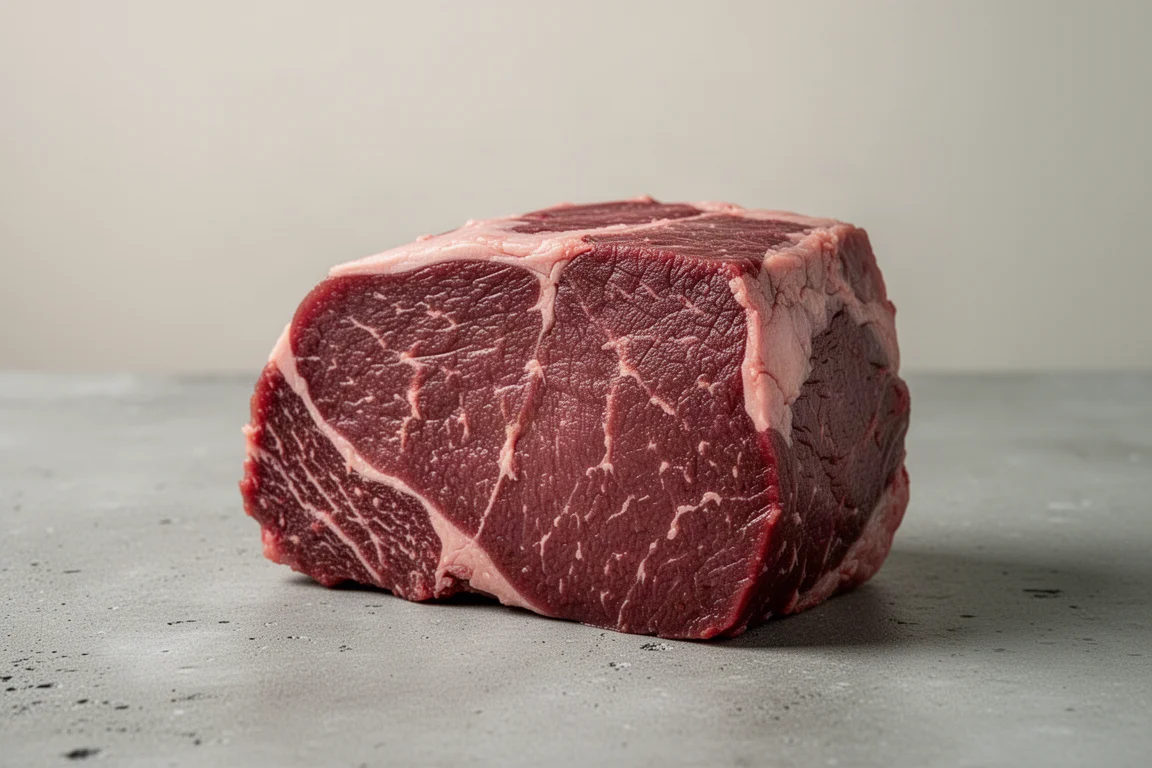
Rump comes from the well-used upper hind leg, so it is leaner and generally tougher, and it is usually the affordable option. These were cooked churrasco style, lightly oiled and chargrilled over charcoal.
The round produced the biggest upset of the test. One taster went in declaring rump a lost cause, then had to walk it back. Another concluded that if forced to buy a rump at all, the premium supermarket version would be the sensible spend, precisely because it was the one that delivered.
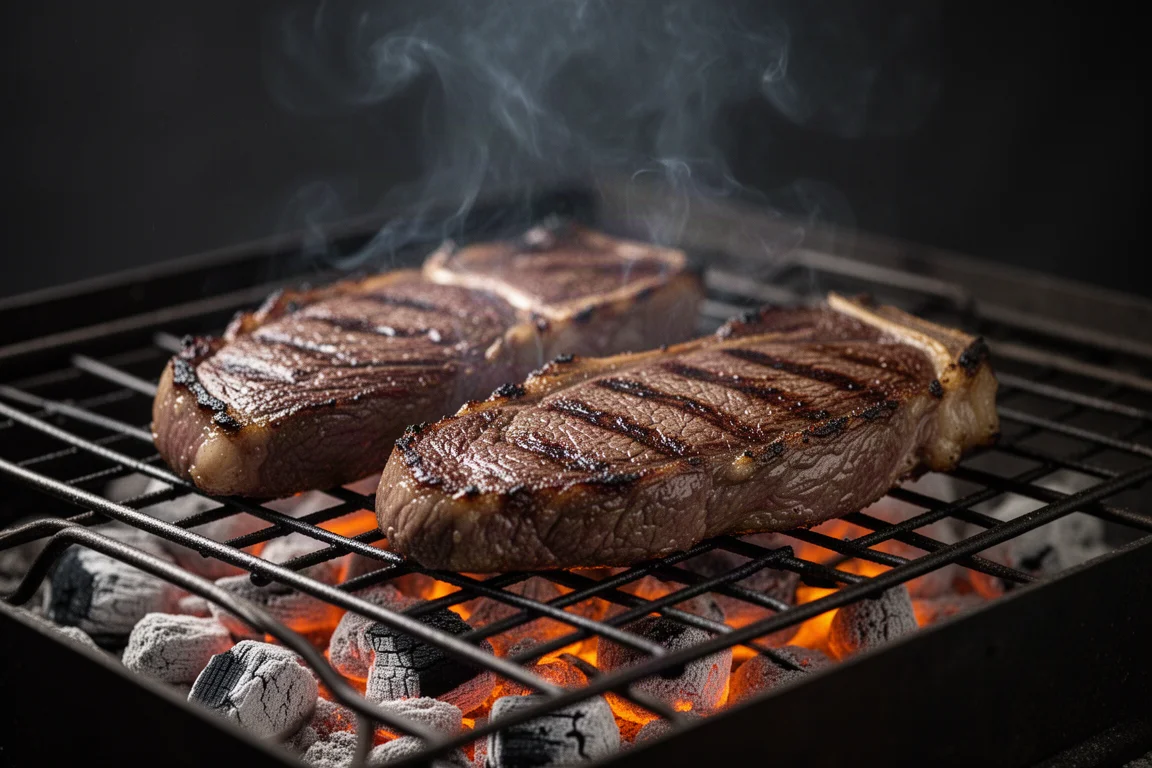
Lidl Grass-Fed Rump
The budget steak was thick cut, 36-day matured, guaranteed a 70% grass-fed diet and 180 days of natural grazing, at £6.99 for a 283g pack, or £24.70 per kilogram. Blind, it was judged the beefiest of the three: full-flavoured and aged-tasting, though with a slightly bouncy texture and some separation between fat and meat. Notably, it was matured longer than both pricier competitors.
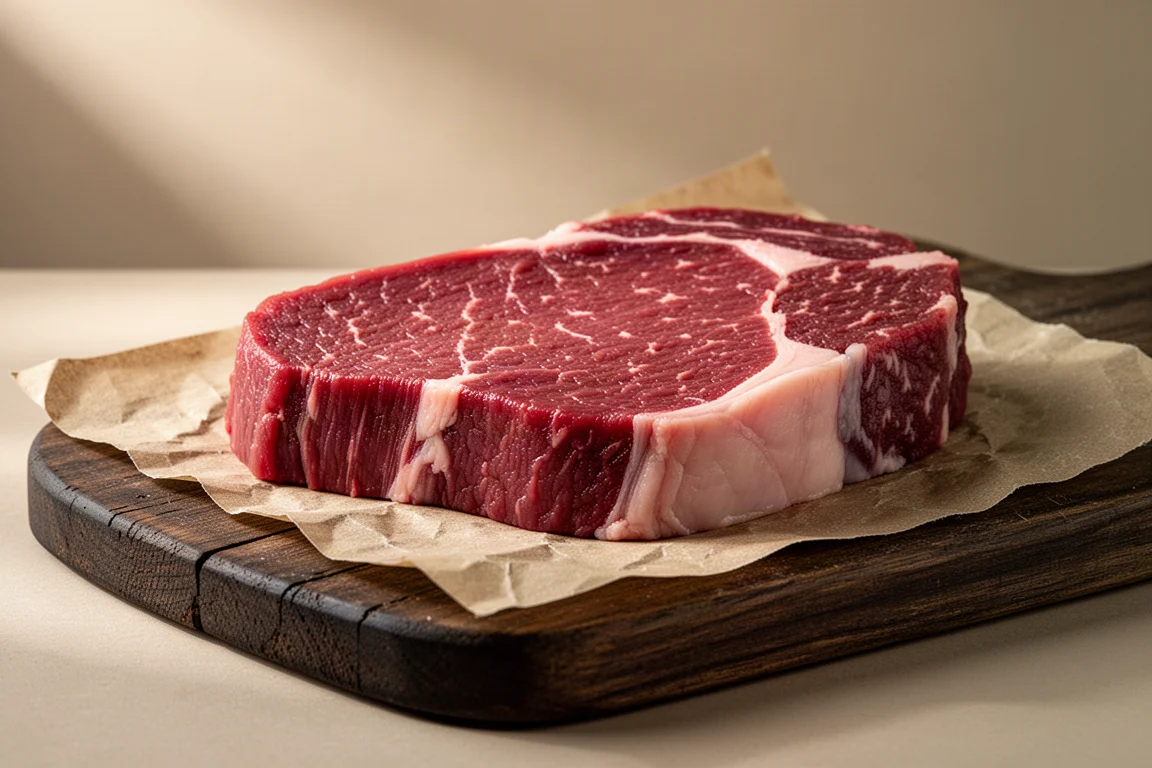
Tesco Finest Rump
The mid-range entry was a prime cut matured 30 days with UK origin, at £7.65 for a 255g pack, or £30.00 per kilogram. It was the easiest to eat, with no gristle and a cleaner texture, but tasters found it almost flavourless, leaving the board noticeably drier than the others. The texture won the round, but not on taste.
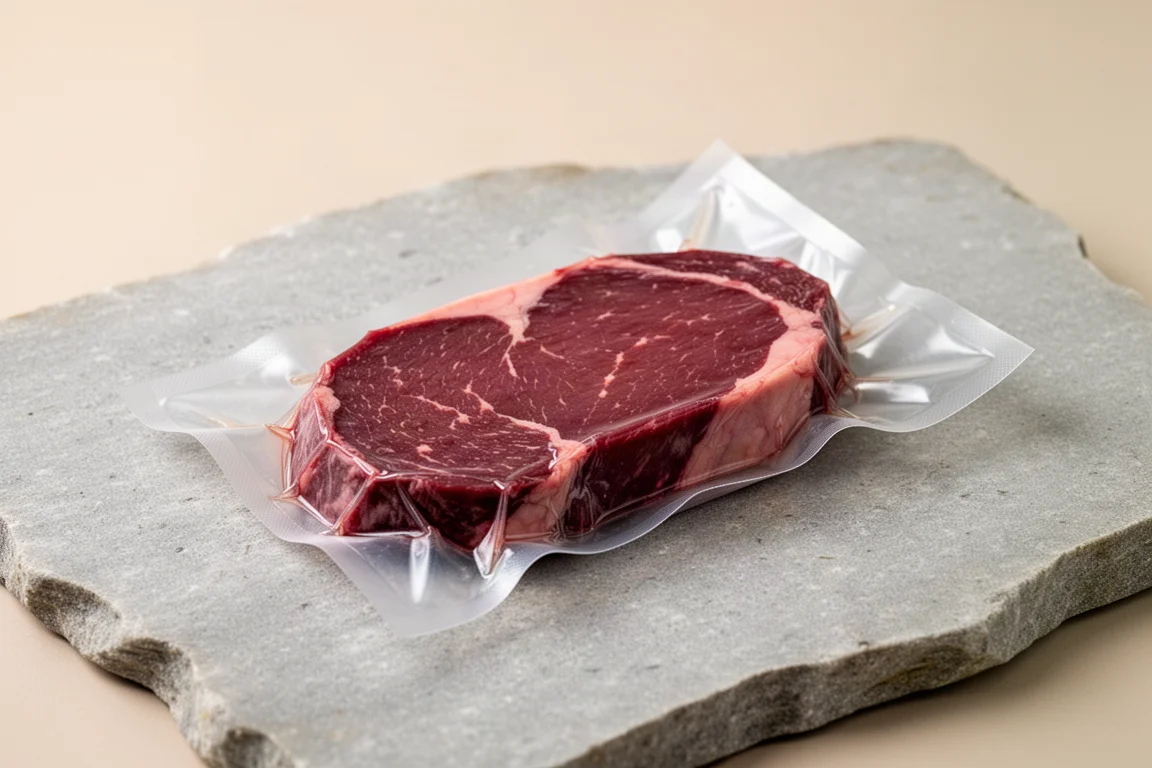
Turner and George Rump
The butcher’s rump was hand selected, naturally reared, free from growth promoters and hormones, and matured a minimum of 28 days, at £30.90 for an 800g pack, or £38.62 per kilogram. Turner and George supply the Hawksmoor restaurants, one of the best-known steakhouses in the world. Here it was the least successful: plenty of gristly, chewy fat and, relative to the price, the least impressive showing of any butcher steak in the test.
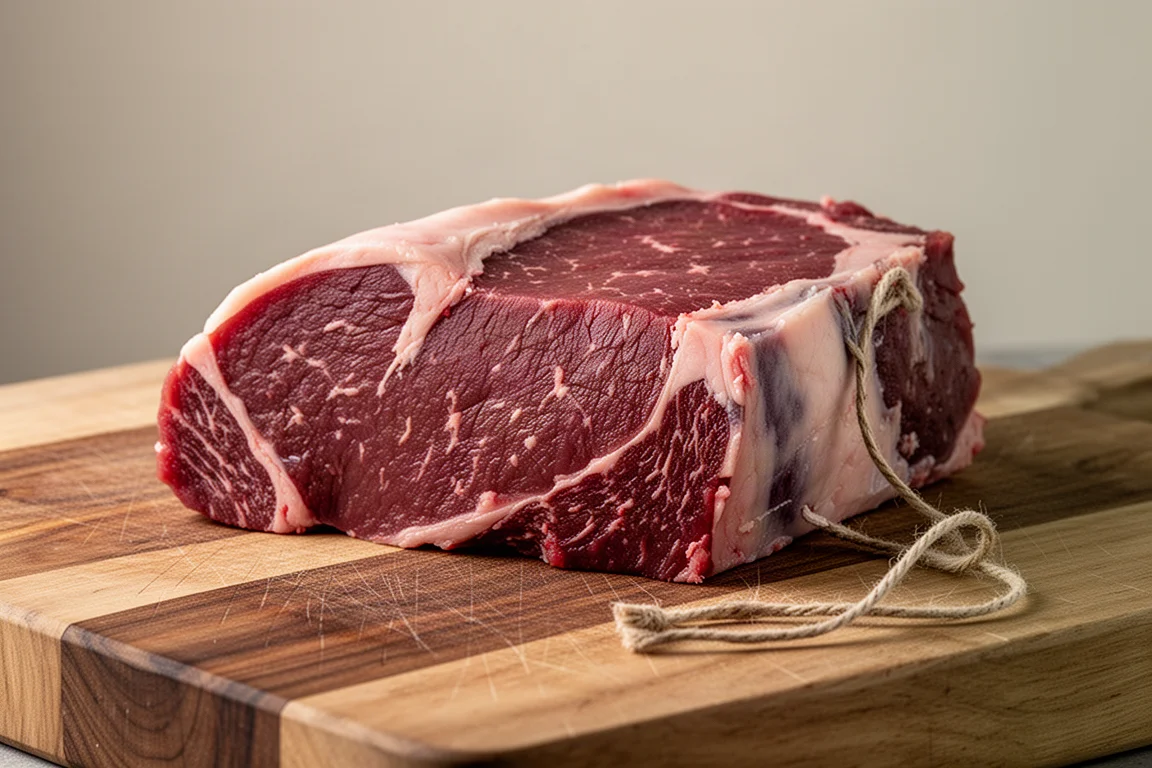
Fillet: Paying for Tenderness or Flavour?
Fillet is the long internal muscle along the spine, a near-unused muscle that is exceptionally tender. Each cow yields only about four to six pounds of it, which is why it commands premium prices. These were pan-fried and basted in butter, the classical treatment, and both supermarket entries came from their most expensive ranges.
Blind, the panel got this round almost completely wrong, which says a great deal about how unreliable price is as a proxy for quality in fillet.
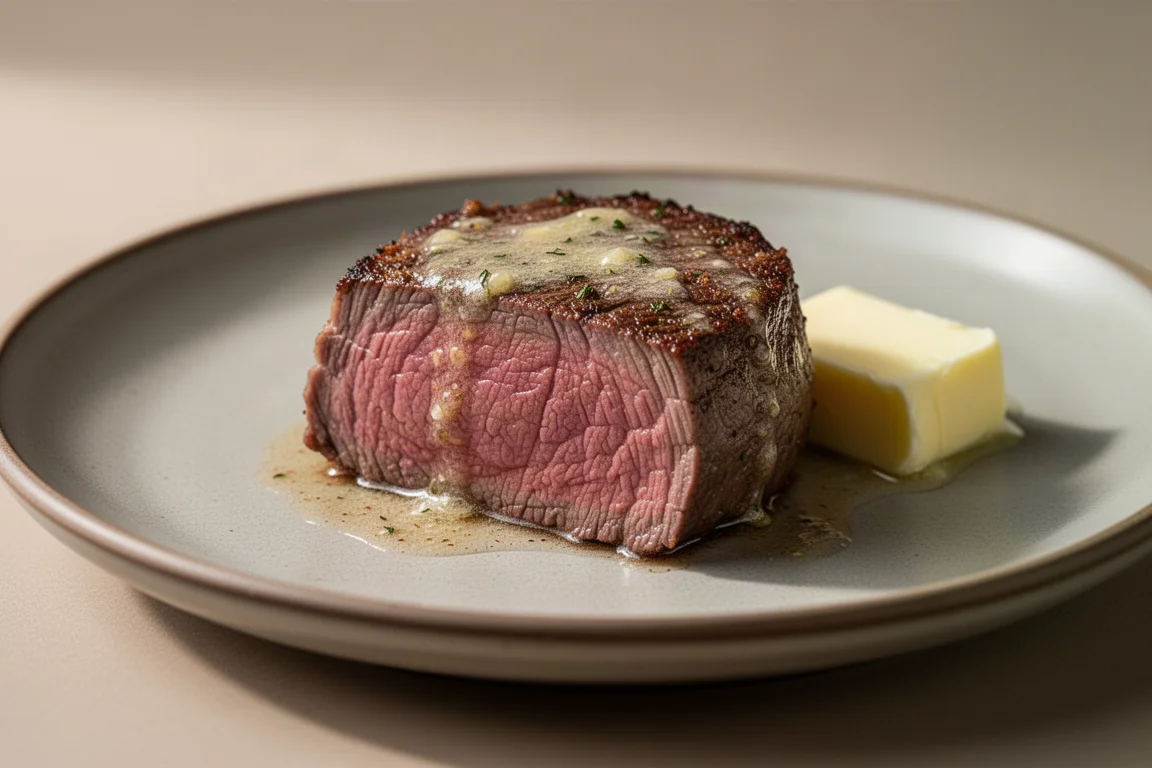
Lidl Deluxe Dry Aberdeen Angus Fillet
The budget supermarket’s top-tier fillet cost £7.99 for a 170g pack, or £47.00 per kilogram. It was judged to carry noticeably more flavour and more evident aging than expected, and it ate well. The caveat: if you shop for fillet, you usually want that clean, buttery, melt-in-the-mouth experience, and this one plays a different, beefier game.
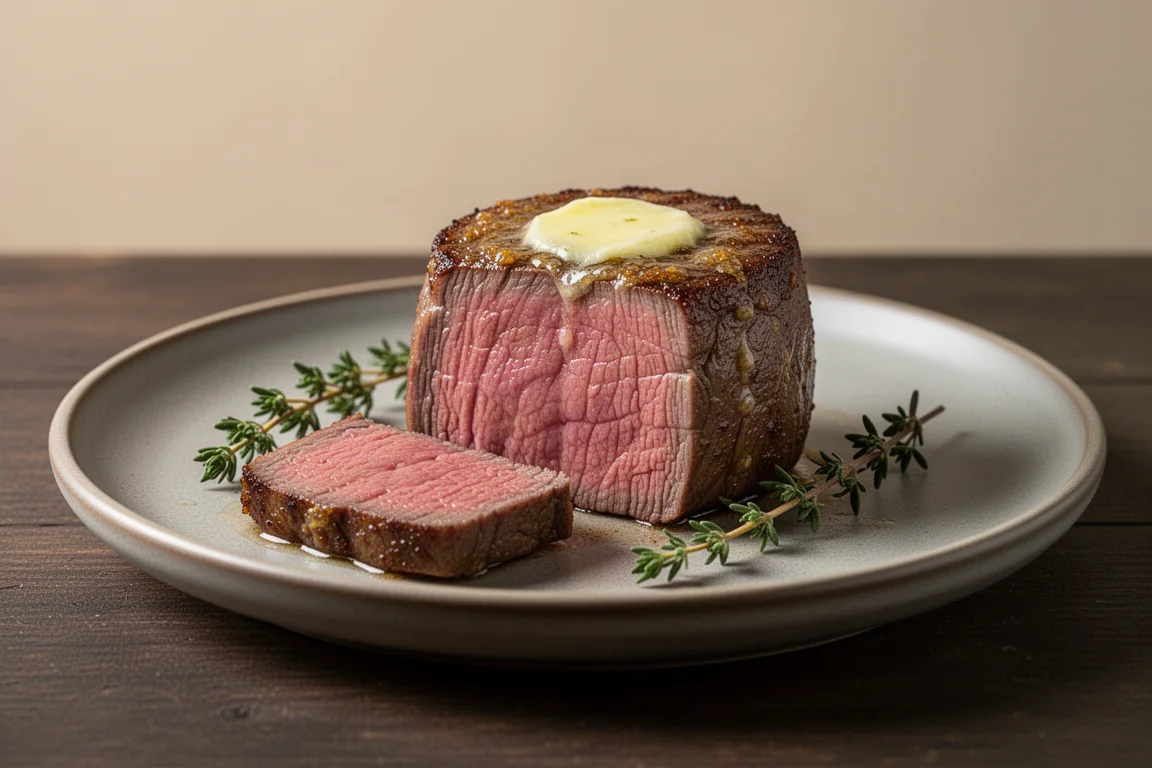
Waitrose No.1 British Center Cut Fillet
The mid-range supermarket fillet cost £16.00 for a 200g pack, or £80.00 per kilogram. Blind, tasters read its developed, aged flavour as proof it must be the butcher’s cut. It had the medallion shape and buttery texture you expect, but with more taste than fillet usually delivers. For some palates that made it the best fillet on the table, which is a strange thing to say about an £80-per-kilo supermarket steak that was mistaken for the butcher’s.
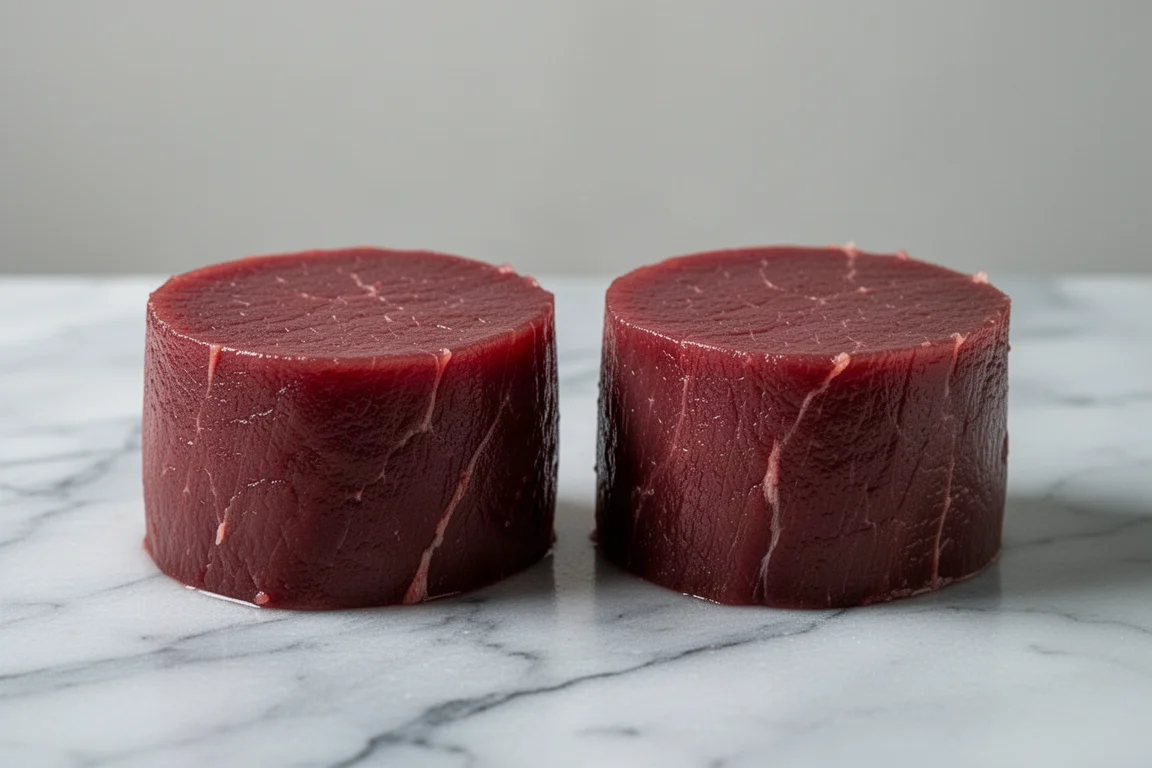
Turner and George Fillet
The butcher’s fillet cost £43.60 for a 500g pack containing two 250g steaks, or £87.20 per kilogram. Both tasters placed it as the budget option. It was tender and clean, but subtle to the point of being called flavourless by one taster, and the less medallion-like shape gave it away once blindfolds came off. Chef guidance for buying fillet: look for thick medallions, ideally three to five centimetres, with no tapered ends. Since fillet is already tender, aging matters more for flavour than softening, and top-end supermarkets can cost more than butchers here.
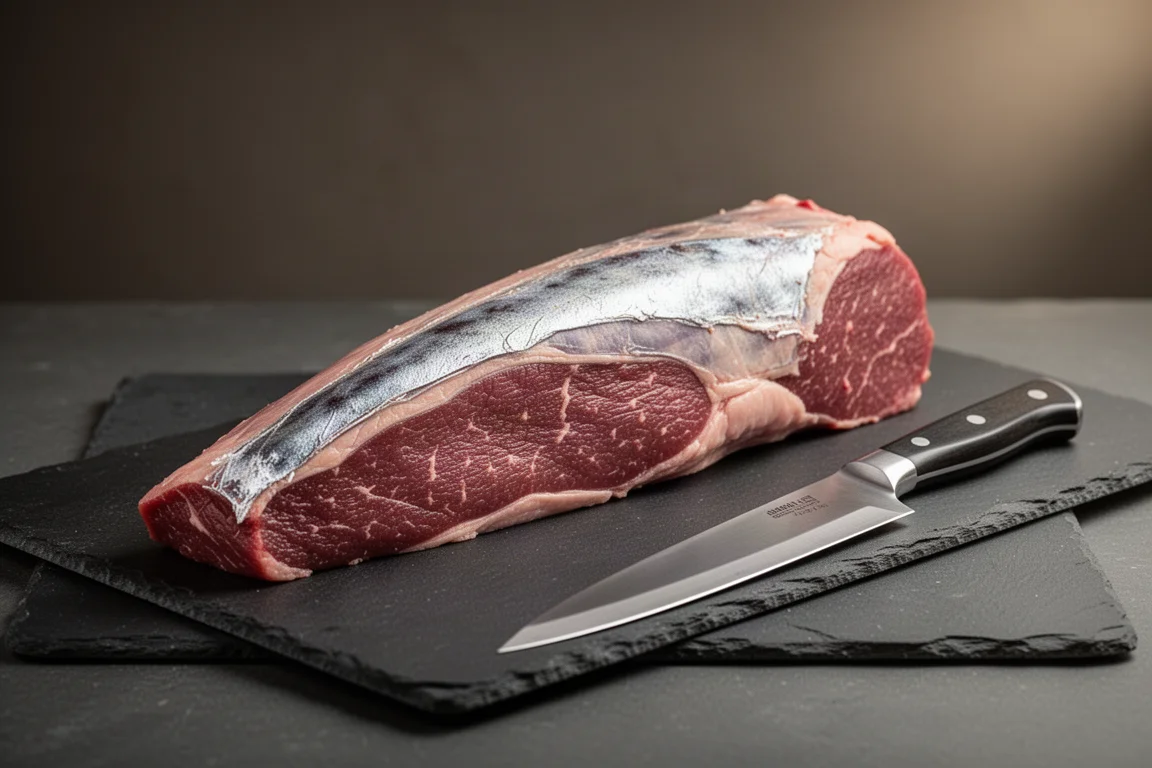
Ribeye: Where Marbling Levels the Field
Ribeye comes from the rib section and is one of the more tender, fatty cuts, with heavy marbling that renders into a juicy, flavourful cook. These were rubbed in oil and cooked over charcoal, using the most expensive ribeye each retailer offered. Bone-in cuts have the bone removed for a fair comparison, since you often pay for bone weight and cooking on the bone adds essentially nothing to the final result.
This was the round where the budget option held its ground best. Cheaper ribeyes can be forgiving to cook because the fat marbling protects them, and you want fine white streaks of fat through the meat rather than one large lump in the middle. Boneless ribeyes are quicker and more practical for home cooks; bone-in cuts are thicker and better for sharing, but you pay for the bone.
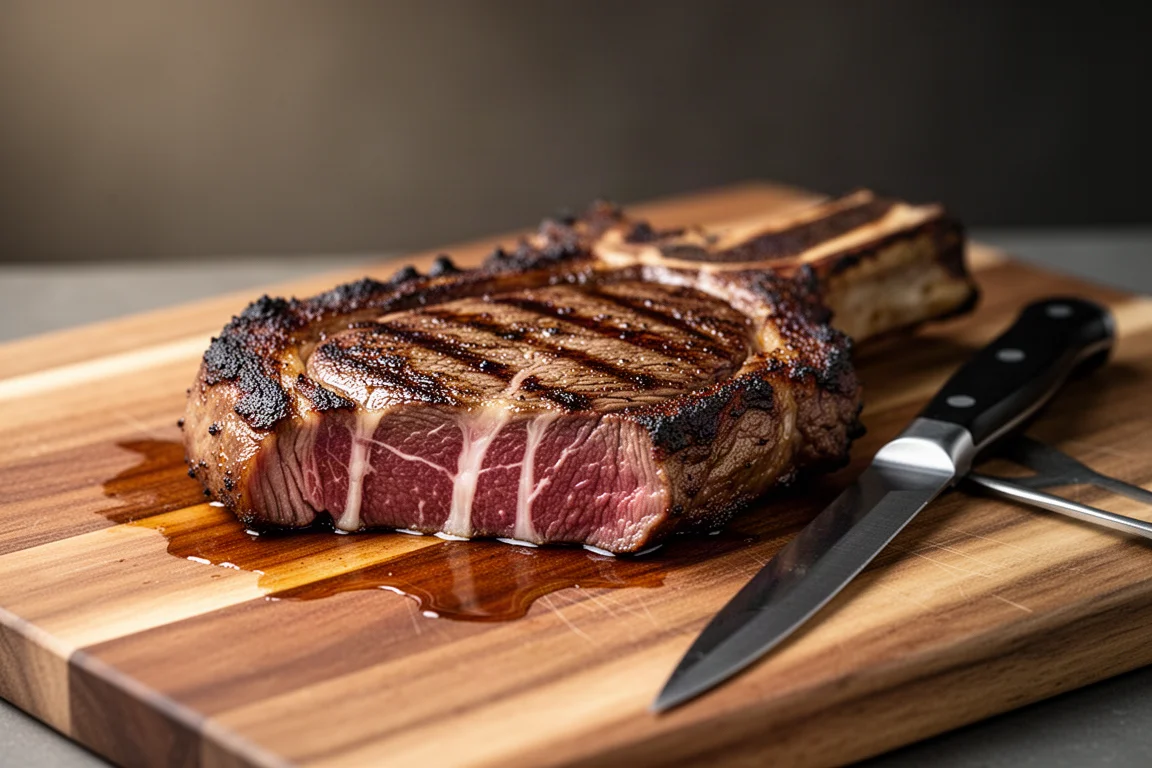
Lidl Deluxe Ribeye
The budget champion cost £8.19 for a 255g pack, or £32.12 per kilogram. Blind, tasters called it the meltiest of the three, with beautifully rendered fat and a texture that released juice in every bite. It lacked deep beefy flavour, but on texture and cooking forgiveness, it was judged a genuinely good cut to buy.
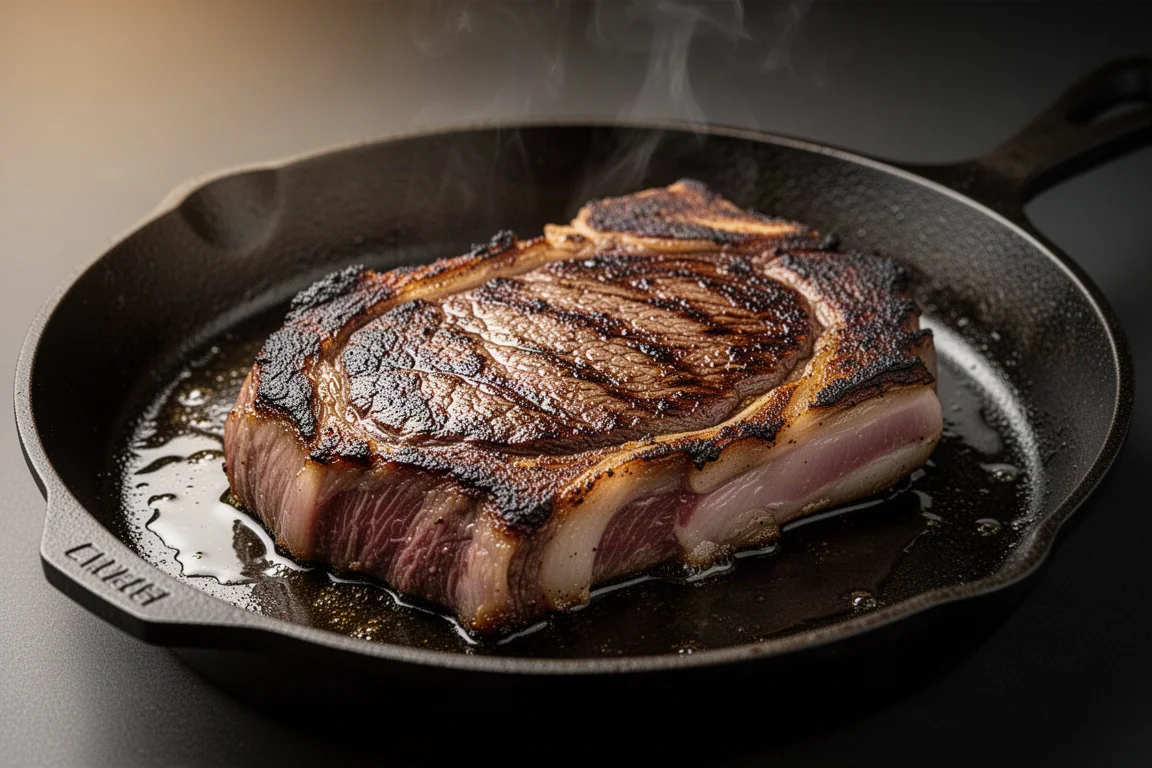
M&S Collection British Ribeye Steak Salt Dry Aged
The mid-to-upper supermarket entry cost £16.00 for a 240g pack, or £66.67 per kilogram. It was chewier than the Lidl, with plenty of rendered fat but less beefy flavour, and it was still one taster’s favourite of the round. A good steak, but the price per kilogram raises the bar considerably.
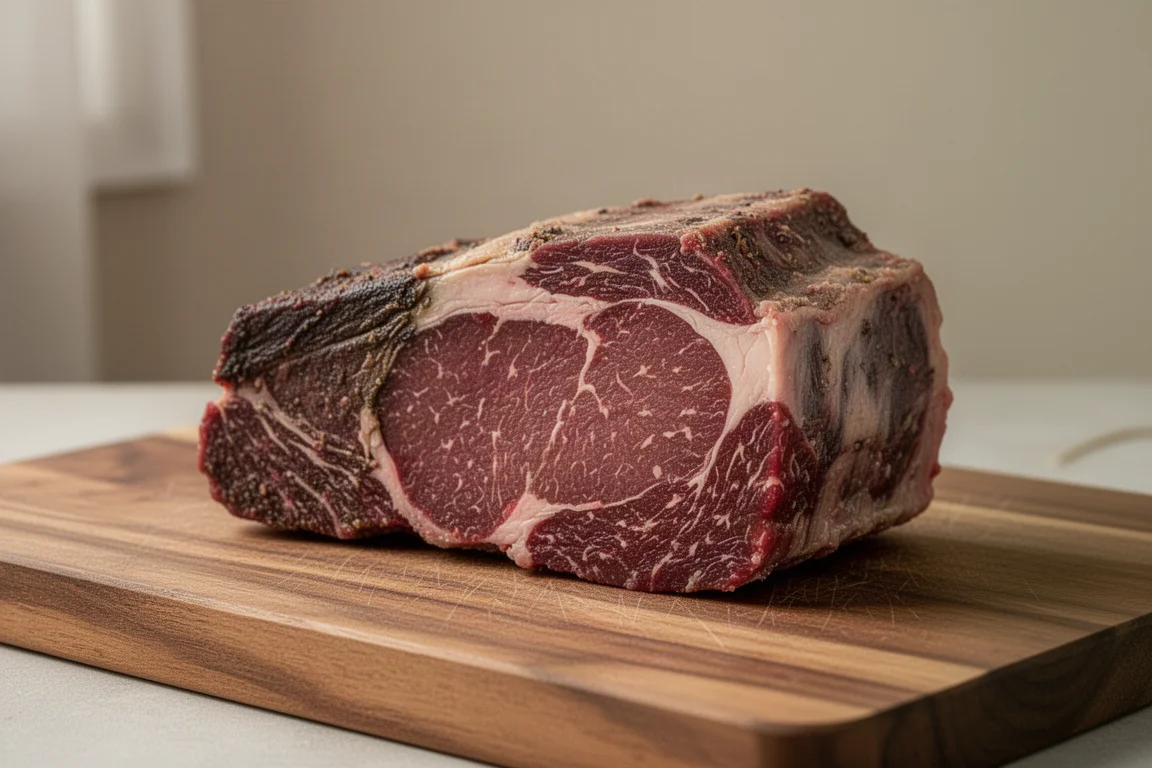
El Capricho Ox Steak
The outlier: steak from an older ox at El Capricho, a legendary beef producer and restaurant in Leon, Spain, described by international publications as serving among the greatest steaks anywhere. It cost £130 for a 1.072kg pack, of which 535g was bone, working out at £242 per kilogram of actual meat once the bone was removed. Hung at low temperature for 60 to 100 days, 100% Spanish beef and sold frozen, it delivered an earthy, deeply beefy flavour closer to ex-dairy-cow steak than anything else on the table. It was included as a talking point for near-unlimited budgets, and it is still cheaper than wagyu.
What the Test Actually Taught Us
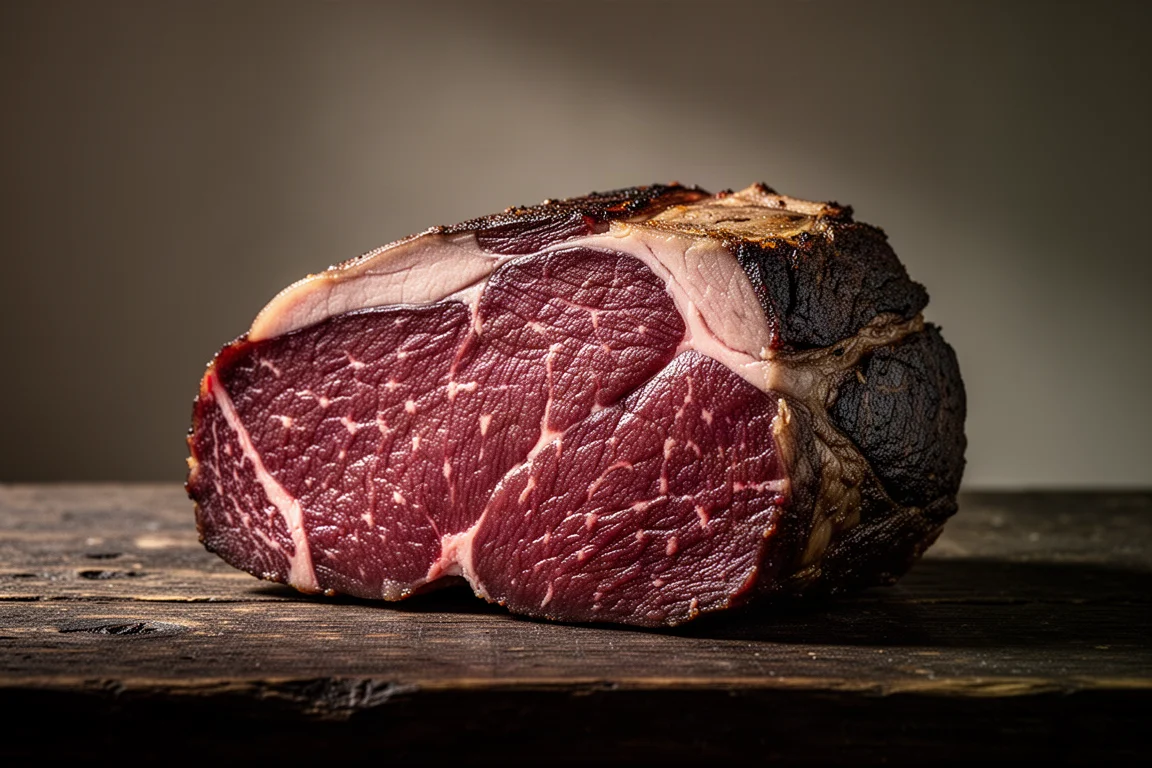
Three takeaways matter more than any single ranking. First, spending more does not reliably buy a better steak: the mid-range supermarkets were sometimes more expensive than the budget option and not always better, and the butcher’s rump underperformed its price badly. Second, cuts where you should spend up do exist, and sirloin was the clearest case, where the butcher’s steak was worth nearly double the money. Third, knowing what to look for beats knowing what to spend: marbling for sirloin and ribeye, thickness for rump and fillet, and label details like maturity days and diet guarantees everywhere else.
Conclusion
For sirloin, the butcher is worth the premium. For rump, the premium supermarket was the smart buy and the budget Lidl grass-fed version was the flavour sleeper. For fillet, the mid-range supermarket delivered a more interesting steak than the butcher’s, at a lower price per kilo. For ribeye, the budget Lidl Deluxe held up remarkably well on texture and forgiving cooking. Match the cut to the right retailer, read the label closely, and your money goes much further than the price tag suggests.
Further reading
Related Reviews
Food & Drink
Best Plant-Based Burgers From Major Chains: Six Options Rated
Six plant-based burgers from KFC, Leon, McDonald's, Burger King, Shake Shack, and Honest Burgers put to the taste test to see which fast-food options are actually worth ordering.
Food & Drink
Best Dark Chocolate for Less Sugar: Four Picks From 60% to 90%
Four dark chocolates that deliver more cacao and less sugar, from an everyday baking bar to an intense 90% pick.
Food & Drink
Four Kansas City Barbecue Sauces Worth a Spot on Your Table
We compare four very different Kansas City style barbecue sauces, from a classic sweet supermarket staple to three landmark restaurant sauces you can order online.