Power Tools
Budget Drill Driver Showdown: Denali vs Bauer vs Hart
Three similarly priced drill kits went head to head in torque and power testing, and the results were not what the price tags suggest.
Introduction
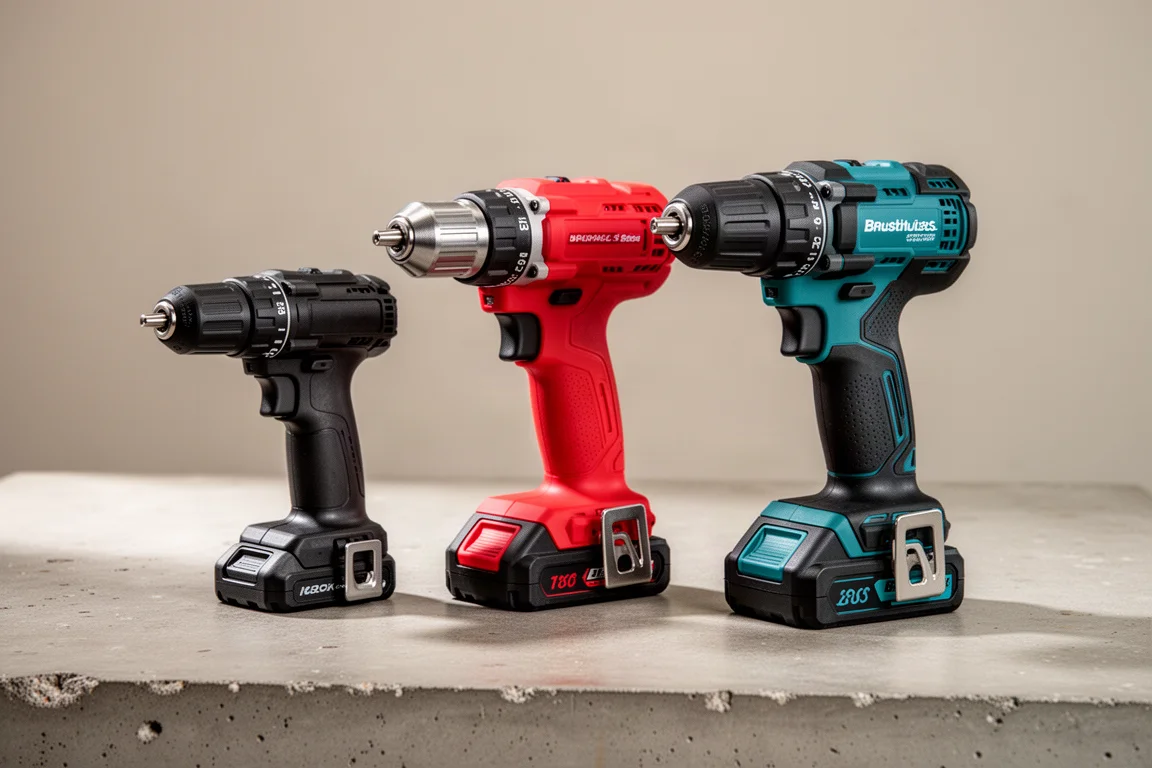
Budget drill kits are everywhere, but the numbers brands print on the box have grown faster than the tools themselves. To see what buyers actually get at the low end, three similarly priced drill driver kits were put through the same torque and sustained power testing, using identical methods across the board.
The three contenders are Amazon’s own new power brand Denali, Harbor Freight’s Bauer, and Walmart’s Hart. All three are available as kits with battery and charger for roughly a seventy to eighty dollar spread, which makes them a fair fight on paper. The testing says otherwise.
The Contenders
Denali’s kit includes a brushed drill and impact driver with two 2 amp hour batteries. The drill is around 7.5 inches long and advertises 350 inch pounds of torque, and the drill itself normally sells for about $75. Denali batteries are interchangeable with Skil Power Core packs, so existing Skil owners can skip buying a dedicated battery, though Denali’s own 4 amp hour pack costs an extra 50 to 70 dollars.
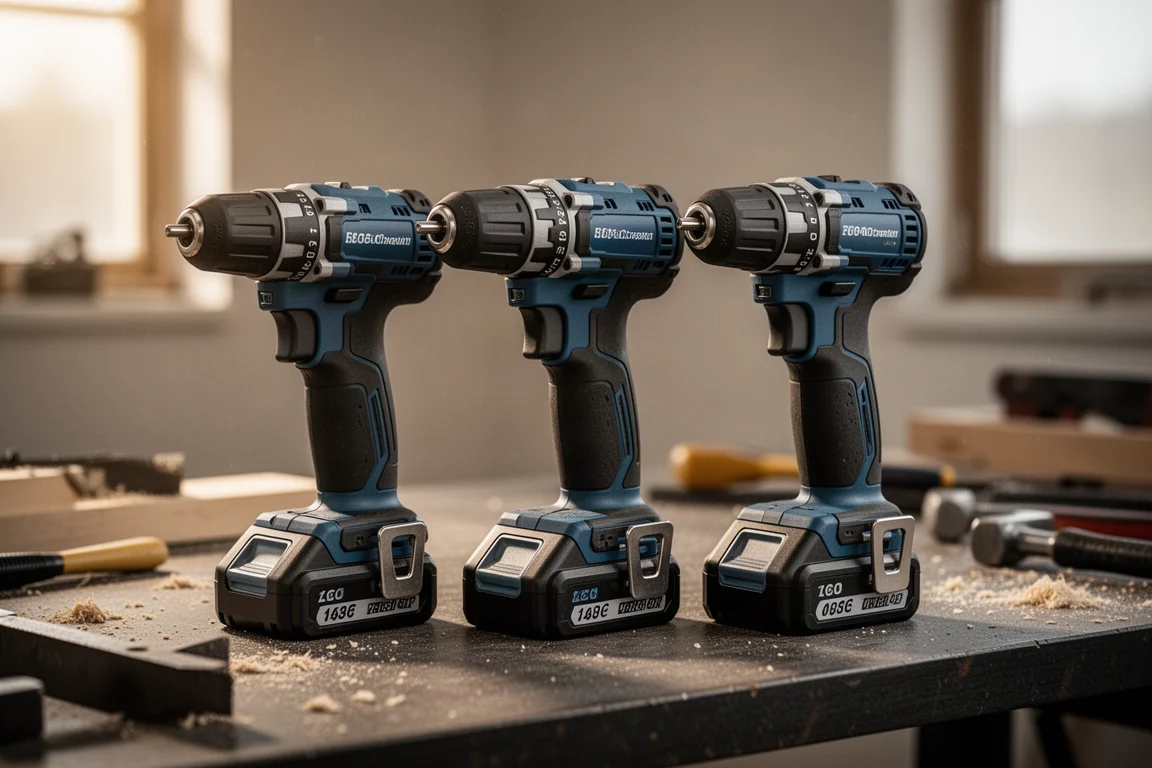
Bauer’s 1791C-B1 kit sells for around $70 and is only about an eighth of an inch longer, but it advertises a higher 450 inch pounds, uses a metal chuck instead of a plastic one, and comes with a 1.5 amp hour battery. Hart’s HP DD25B kit is the brushless outlier at $79, includes a 2 amp hour battery, and skips advertising a torque figure entirely. Hart is made by TTI, the same company behind Milwaukee.
How the Testing Works
Peak torque in low speed was measured across multiple runs, and sustained power at RPM was measured in watts, a metric that captures how much work a drill can keep doing under load rather than just how hard it stalls. Battery size mattered in every test, which is worth keeping in mind when comparing kit prices.
Denali Drill and Impact Driver Kit
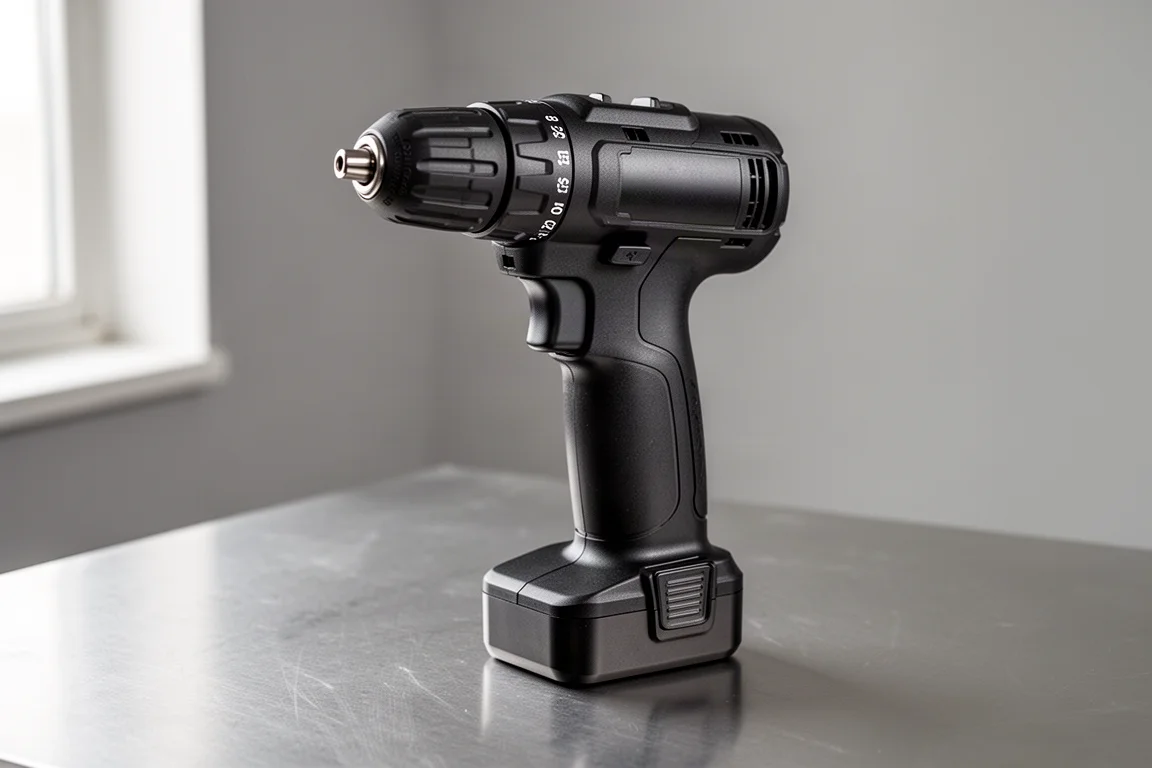
The Denali drill is consistent, but consistently low. In low speed it managed roughly 11 foot pounds of torque whether paired with a 2, 4, or 5 amp hour battery, a fraction of its stated 29.2. In sustained power it reached 110 watts in low and 150 watts in high with the included battery, rising to about 200 watts with a larger 5 amp hour Skil pack.
The kit’s impact driver fared worse. Rated at 1,100 inch pounds, it managed about 33 to 50 foot pounds in testing depending on direction, scored dead last against every other impact driver tested, and struggled to sink a deck screw into a 2x4. The appeal of the cheapest possible DIY tools evaporates when a Walmart or Harbor Freight is around the corner with much better options for the same money or less.
Bauer 1791C-B1 Drill Kit
The Bauer was the strongest of the brushed pair. With its stock 1.5 amp hour battery it posted around 15 foot pounds of low speed torque, and with a 5 amp hour pack it reached close to 20. In sustained power it climbed from 150 watts on the small battery to a repeatable 300 watts with a 5 amp hour pack, well beyond anything the Denali could hold.
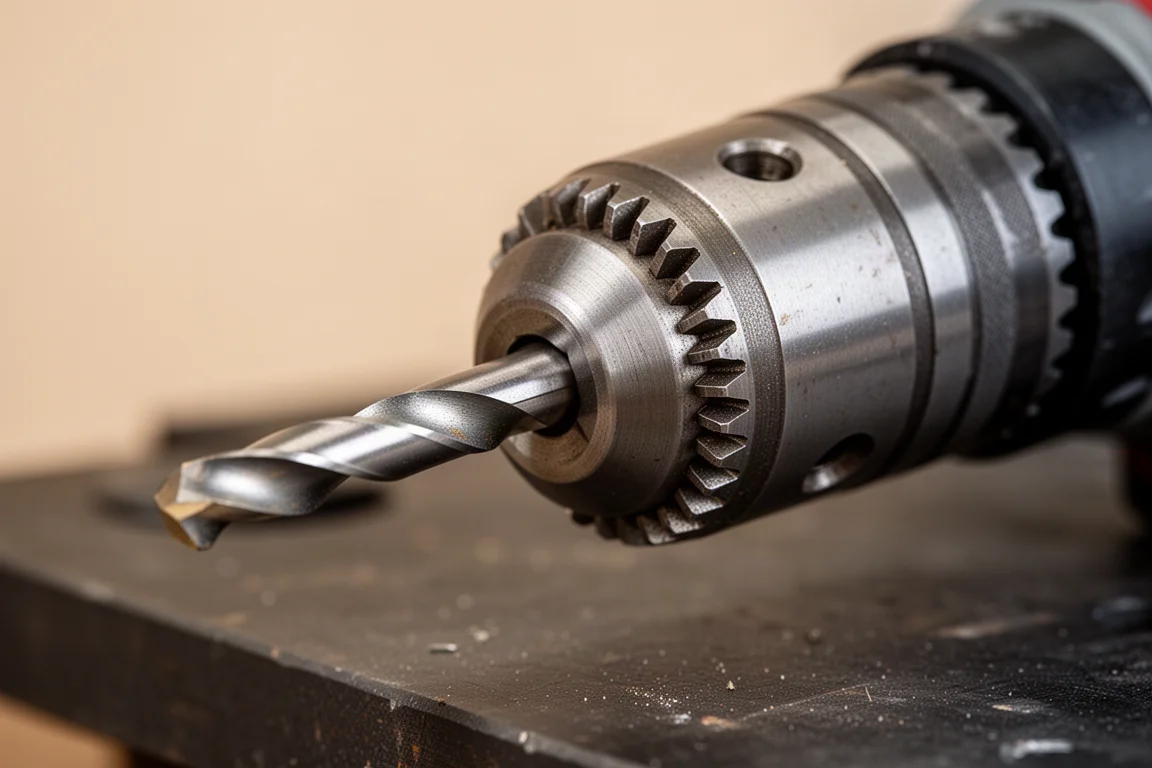
Its metal chuck also feels noticeably more solid than the plastic chucks on the other two, and it was the cheapest kit of the day. On the combined scorecard it took first place overall.
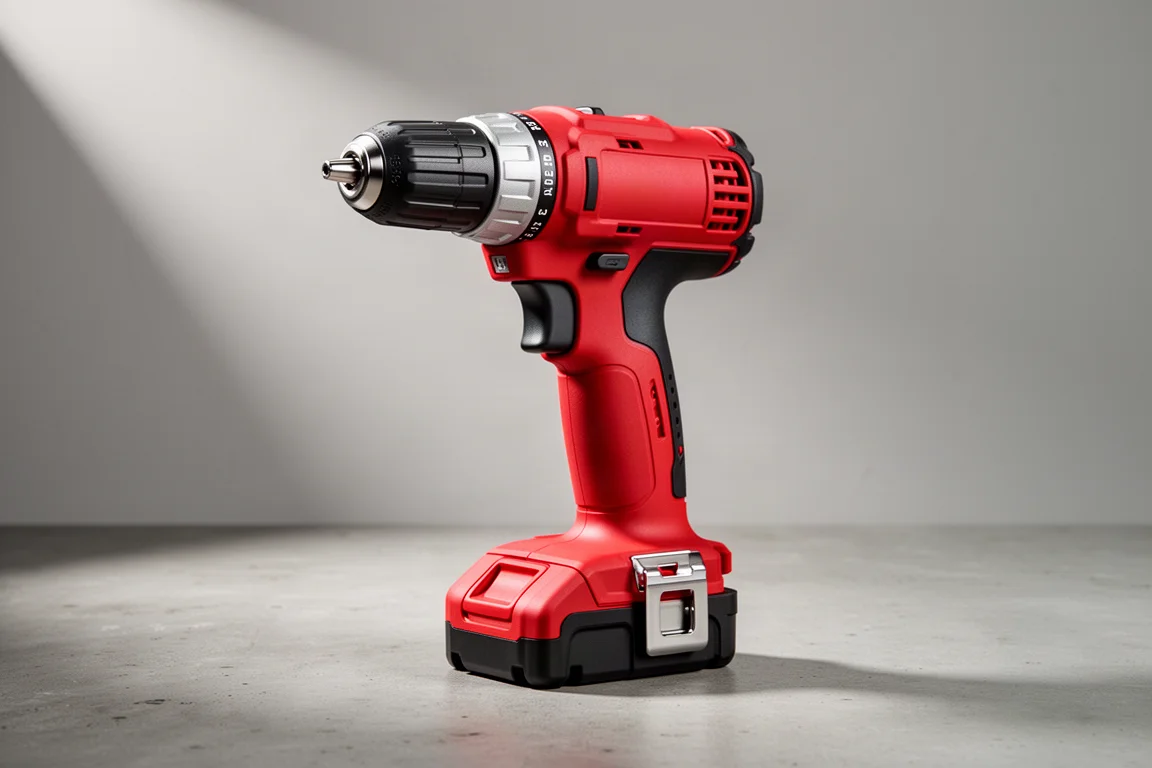
Hart HP DD25B Brushless Drill Kit
The brushless Hart delivered the best sustained power in the group. With the included 2 amp hour battery it held 170 watts in low and 230 in high, and with a 4 amp hour pack it sustained around 330 watts, the highest repeatable figure of the three. Low speed torque landed near 18 foot pounds, a touch behind the Bauer.
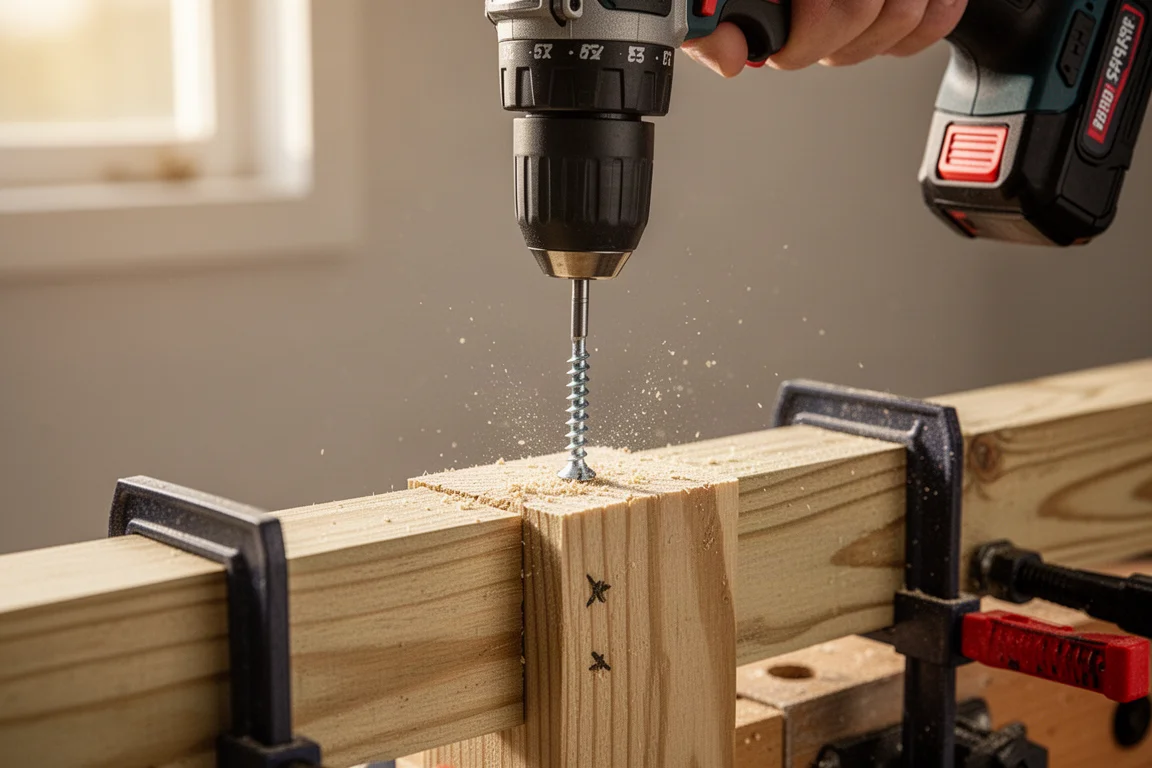
It is slightly chunkier and uses a light feeling plastic chuck, but for $79 it is one of the least expensive ways into a brushless drill, and its per dollar score beat the Denali by a wide margin.
Buying Advice
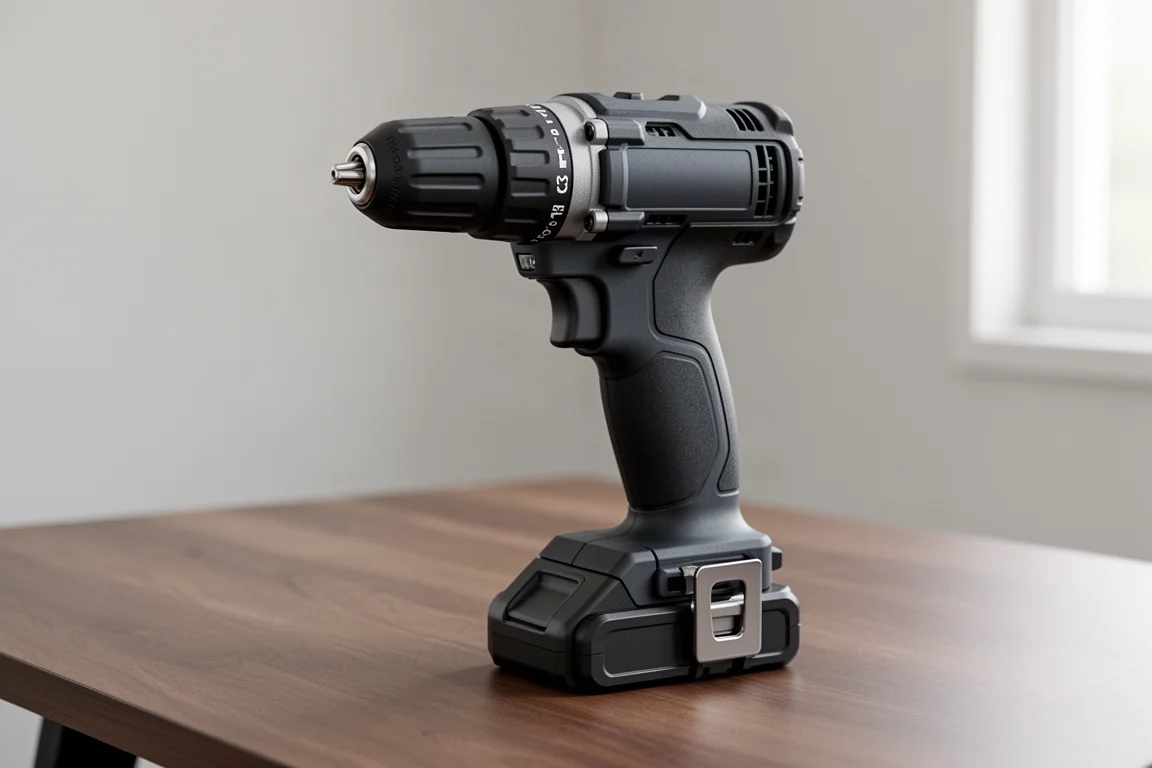
The scoreboard put the Bauer first, the Hart second, and the Denali a distant third. On performance per dollar the Denali delivered roughly a third of what its competitors did at a near identical price, and its impact driver should be a dealbreaker for anyone planning to drive screws. If you already own Skil batteries the Denali drill becomes marginally more interesting, but even then it does not outperform either rival.
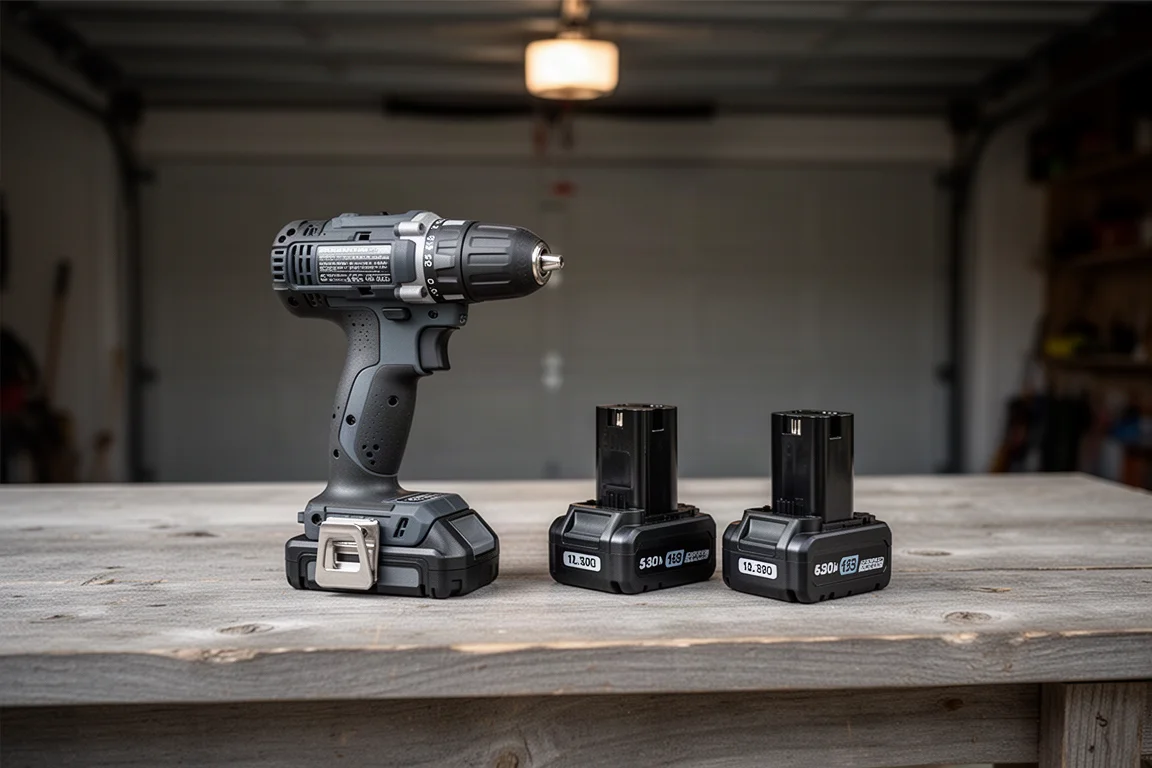
For most buyers the Bauer kit is the value pick thanks to its metal chuck, strong torque, and lowest price, while the Hart is the better choice if you want brushless efficiency and the highest sustained power in this price range.
Conclusion
At this price point, the differences between kits are larger than the $9 spread would suggest. The Bauer and Hart both earn their spots, while the Denali shows that a big brand name is no guarantee of usable performance in budget power tools.
Further reading
Related Reviews
Power Tools
Best 1-Inch Pistol Impact Wrenches: Three Heavy-Duty Options Compared
We compare three 1-inch pistol impact wrenches, from a budget-friendly Harbor Freight model to a premium Caterpillar unit, to help you choose the right one.
Power Tools
Best 3/4-Inch Impact Wrenches 2026: Five Contenders Compared
We compare five 3/4-inch impact wrenches across price and performance, from a budget Amazon option to Snap-on's most powerful model yet.
Power Tools
Best Budget Cordless Tools 2026: Walmart Finds That Punch Above Their Price
We tested five cordless tools from Walmart, including a high-torque impact wrench that trades blows with Milwaukee and a $35 duster that outperforms its price class.