Power Tools
Budget Cordless Impact Wrenches Compared: Greenworks vs Skil vs Kobalt 24V
Three budget half-inch cordless impact wrenches go head to head on torque, size, and value, with a look at what extra voltage actually buys you.
Introduction
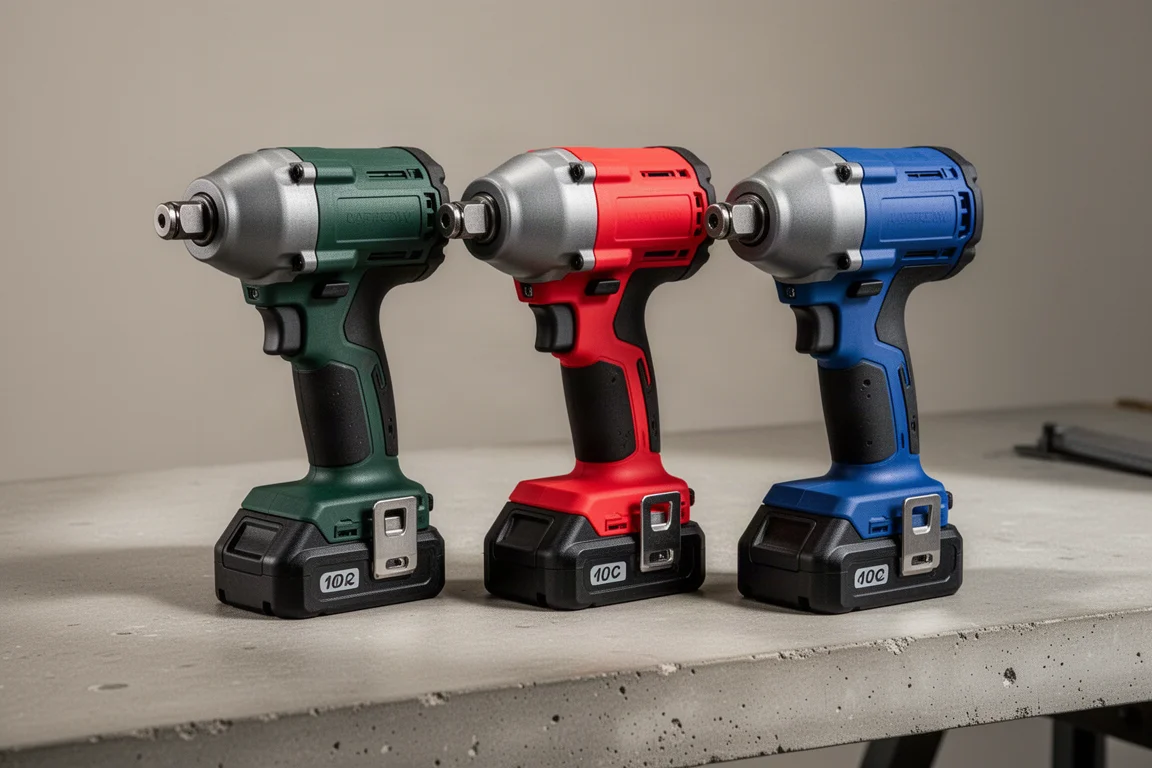
Budget cordless impact wrenches are everywhere right now, but the half-inch category is a tough place to shop. Power claims are all over the map, and the gap between what a label promises and what a tool delivers can be enormous. Three tools make an interesting case study here: the Greenworks 24V 1/2 inch impact wrench, the Skil 20V 1/2 inch impact wrench, and the Kobalt 24V 1/2 inch impact wrench. All three are compact, all three are brushless, and all three target buyers who want real fastening capability without spending premium-tool money.
Why Compare These Three
There is a twist in this lineup: the Skil and the Kobalt are near-identical twins. Both brands are owned by Chervon, which also makes Flex and Ego. The two tools share the same 6.1-inch length and are rated for the same power output, with the Skil running on the 20V Powercore platform and the Kobalt on a 24V battery. That makes them a rare opportunity to see, within effectively the same hardware family, what an extra cell in series buys you in real-world torque.
The Greenworks sits alongside them as the true bargain play, typically selling for around $76 bare tool, with the Skil at about $99 bare (though bare Skil units are getting harder to find). All three are compact at roughly 6.1 to 6.4 inches long, which puts them in an awkward no-man’s-land between compact and mid-torque tools.
Test Results: How They Measure Up
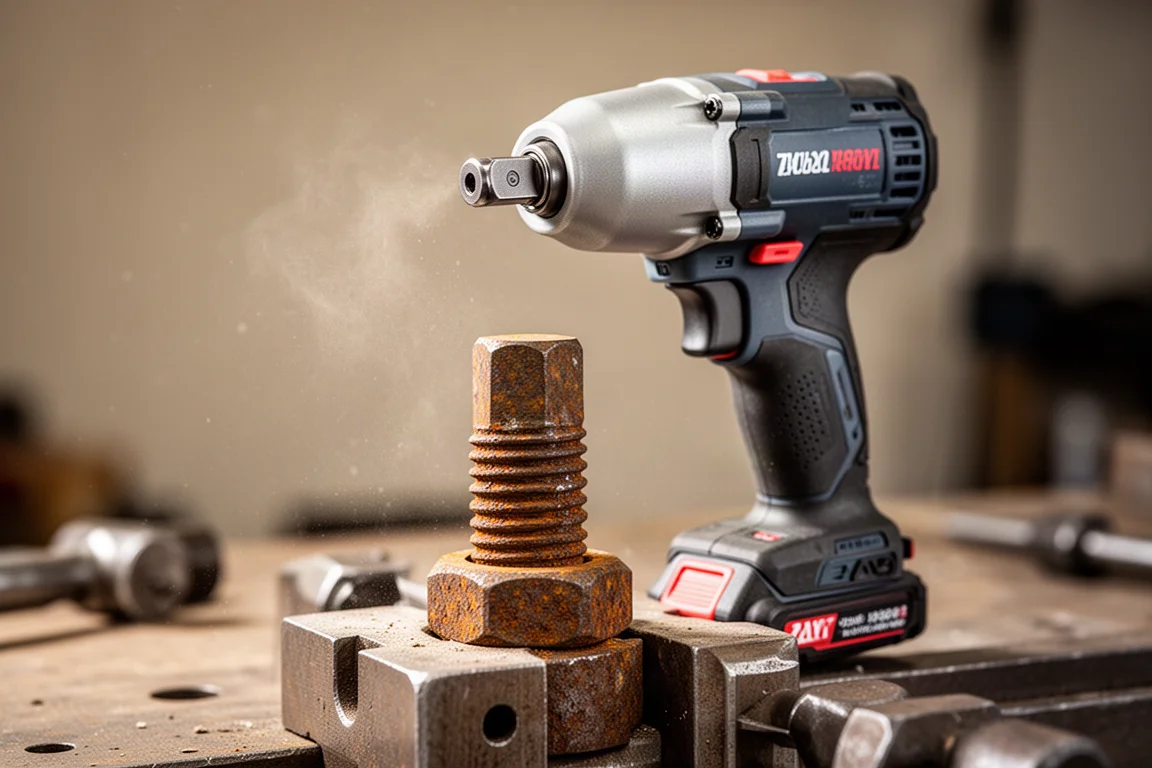
In a five-second forward working-torque test, the Skil posted 135 ft-lbs. The Kobalt, running on a 4Ah ultimate output battery with larger 21700 cells, reached 148 ft-lbs, almost 10 percent higher. The Greenworks, limited to a 2Ah battery, managed 113 ft-lbs, which is low even against compact-class rivals.
In reverse max-torque testing, where the real work usually happens, the Kobalt delivered 200 ft-lbs against the Skil’s 172. The Greenworks surprised with 177 ft-lbs, edging past the Skil despite its smaller battery.
The best-case-scenario test widened the gap again: the Kobalt hit 220 ft-lbs versus 188 for the Skil, maintaining roughly a 16 to 17 percent advantage for the 24V tool. The Greenworks reached 223 ft-lbs, essentially matching the Kobalt, though its torque builds gradually rather than arriving with strong initial dynamic torque, and it clearly prefers reverse.
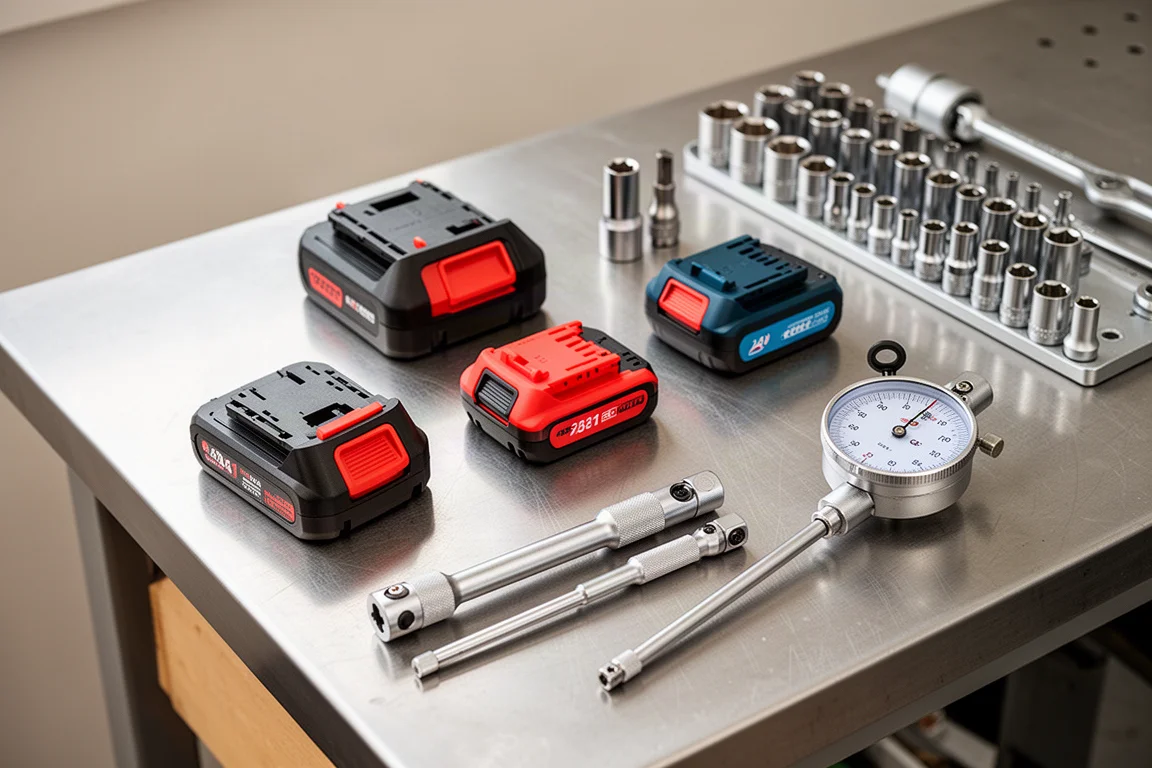
Rated against their claims, the picture is revealing. The Greenworks advertises 300 ft-lbs but delivered only 223, about 74 percent of the claim. The Skil maintained roughly 94 percent of its rating, in line with Chervon’s generally accurate ratings. On a foot-pounds-per-inch basis, the Kobalt scores 34.8 and the Skil 30.8.
What Extra Voltage Actually Buys You
The consistent 16 to 17 percent edge the 24V Kobalt holds over the otherwise identical 20V Skil raises a broader question about voltage architecture. Applied theoretically to a top-tier 18V high-torque impact wrench, that percentage would project around 910 ft-lbs, which would top most charts and rival the most expensive professional-grade guns. That assumes the hammer mechanism is not already maxed out, and it is not a claim that all 24V tools enjoy this advantage. Voltage alone is not a guarantee of power; engineering investment matters just as much. When you see a 740 ft-lb rated 24V tool next to a 1,000 ft-lb rated 18V tool on a store shelf, do not do the voltage math yourself. Look at real-world testing instead.
The Verdict on Each Tool
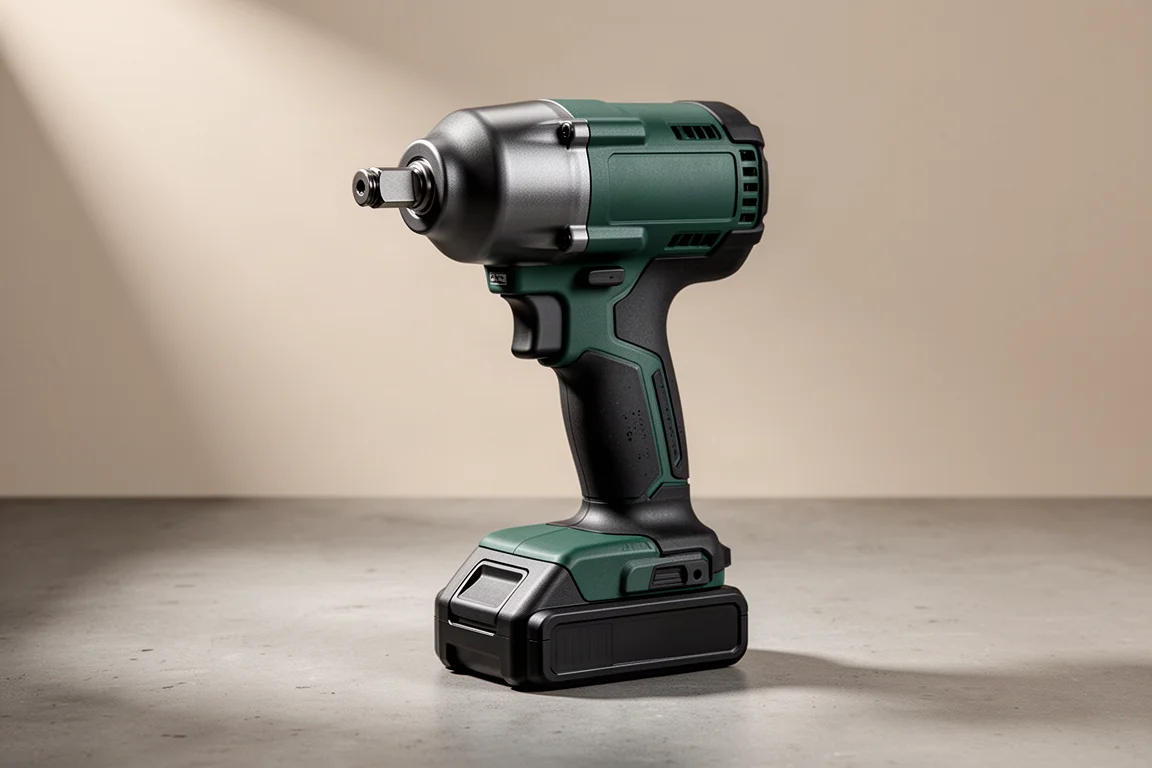
Greenworks 24V 1/2 inch Impact Wrench
The Greenworks is the cheapest of the three at around $76 bare, and its 223 ft-lbs in best-case testing shows it can match the Kobalt’s peak output despite a small 2Ah battery. But its forward working torque of 113 ft-lbs is weak for the class, and it delivers only 74 percent of its advertised rating. It is workable for light fastening tasks but sits near the bottom of the mid-torque rankings.
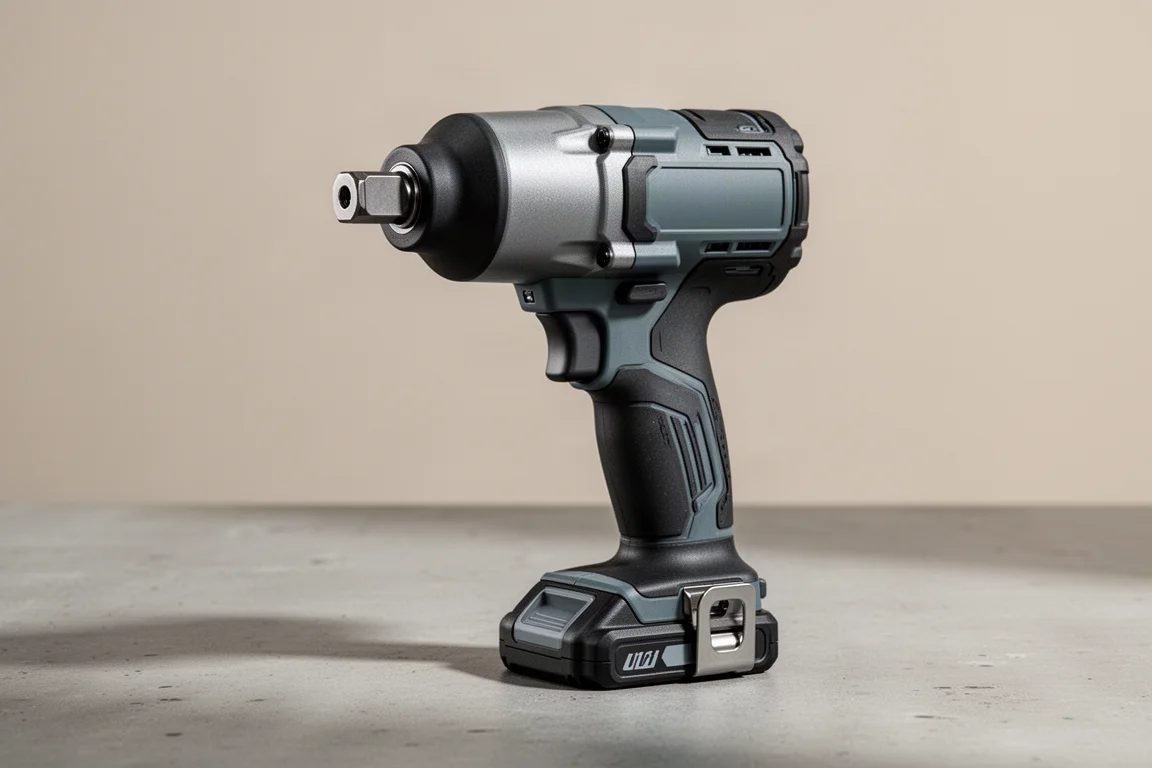
Skil 20V 1/2 inch Impact Wrench
The Skil impressed in forward working torque relative to its price and delivered 94 percent of its rated output, which speaks well of Chervon’s rating honesty. At around $99 bare it undercuts most name-brand rivals. The significant caveat: after a few weeks of use, our test unit stopped working entirely, which is hard to ignore at any price.
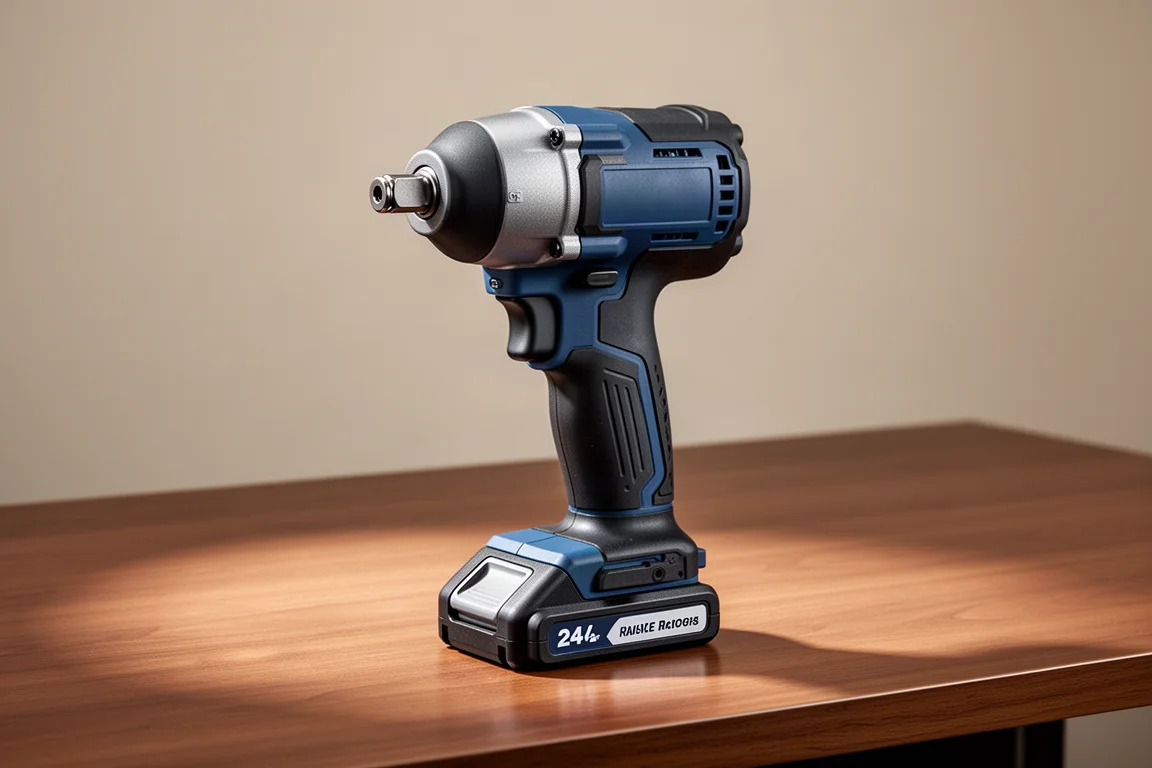
Kobalt 24V 1/2 inch Impact Wrench
The Kobalt posted the strongest forward numbers of the three and a consistent 16 to 17 percent advantage over its Skil twin, thanks to its 24V platform. It is a solid performer, but it still lands near the bottom of the mid-torque chart, so the extra voltage does not rescue it from a crowded field of stronger alternatives.
Buying Advice
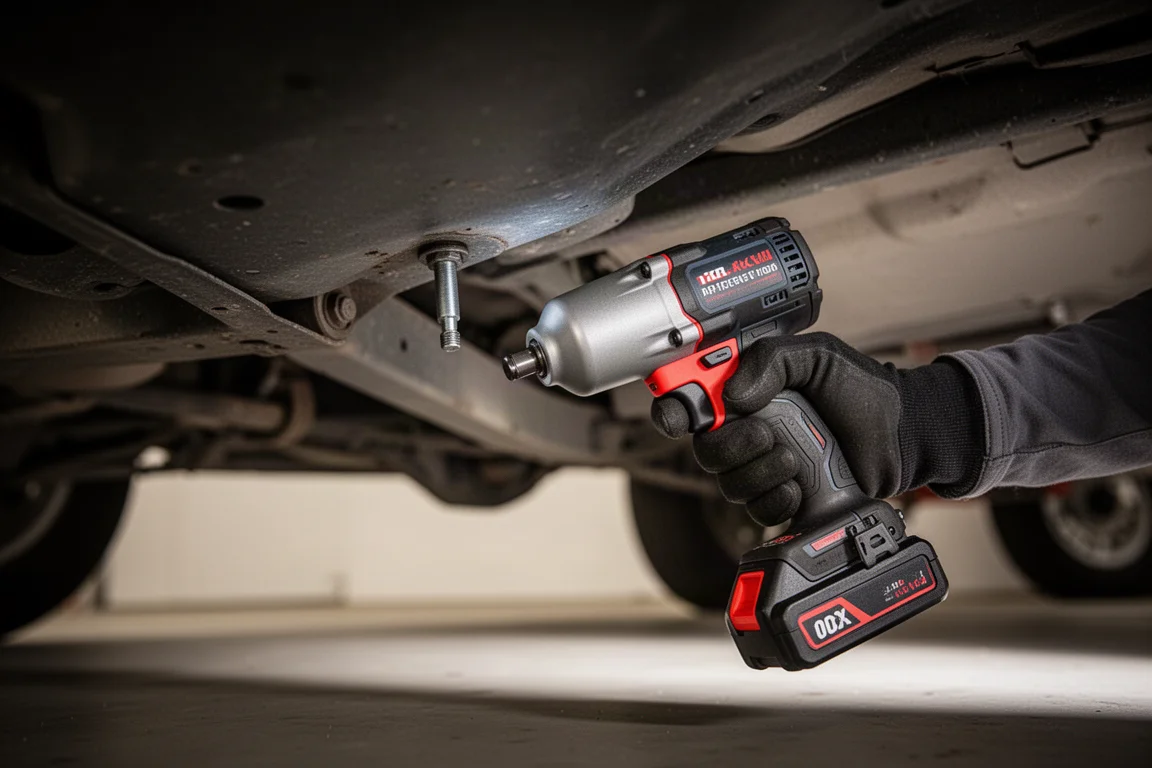
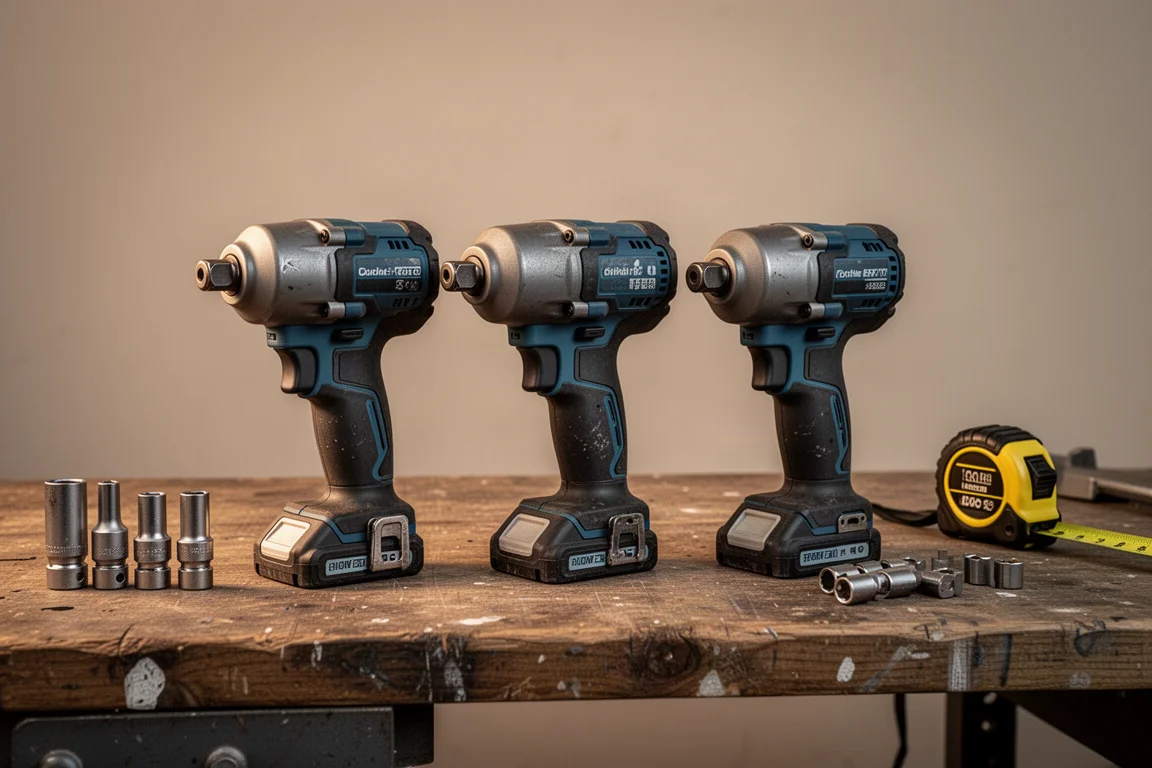
All three tools totaled roughly 203 points on a combined value-and-performance scale, placing them at the bottom of the mid-torque chart, and they would rank low on a compact list too. It is hard to give a wholehearted recommendation for any of them: there are simply too many other good options that do what these attempt, better, for not much more money. If you already own one of these brands’ battery platforms, they can make sense as an add-on tool. Otherwise, treat these as cautionary evidence that bargain pricing in the half-inch class usually comes with real compromises.
Conclusion
The Greenworks can match the Kobalt’s peak torque but struggles with sustained working output and overstates its rating. The Skil is honest about its numbers but suffered a reliability failure in testing. The Kobalt shows what 24V can add over 20V in the same hardware, yet still does not stand out in a competitive category. Match your purchase to your actual fastening needs, and lean on real-world test data rather than voltage claims when comparing budget impact wrenches.
Further reading
Related Reviews
Power Tools
Best 1-Inch Pistol Impact Wrenches: Three Heavy-Duty Options Compared
We compare three 1-inch pistol impact wrenches, from a budget-friendly Harbor Freight model to a premium Caterpillar unit, to help you choose the right one.
Power Tools
Best 3/4-Inch Impact Wrenches 2026: Five Contenders Compared
We compare five 3/4-inch impact wrenches across price and performance, from a budget Amazon option to Snap-on's most powerful model yet.
Power Tools
Best Budget Cordless Tools 2026: Walmart Finds That Punch Above Their Price
We tested five cordless tools from Walmart, including a high-torque impact wrench that trades blows with Milwaukee and a $35 duster that outperforms its price class.