Workwear
Brunt Torah vs Bamel FR Work Pants: Two Very Different Takes on the Same Job
A close look at two work pants that go about the job in opposite ways, from stitching and fit to pockets and flame resistance.
Introduction
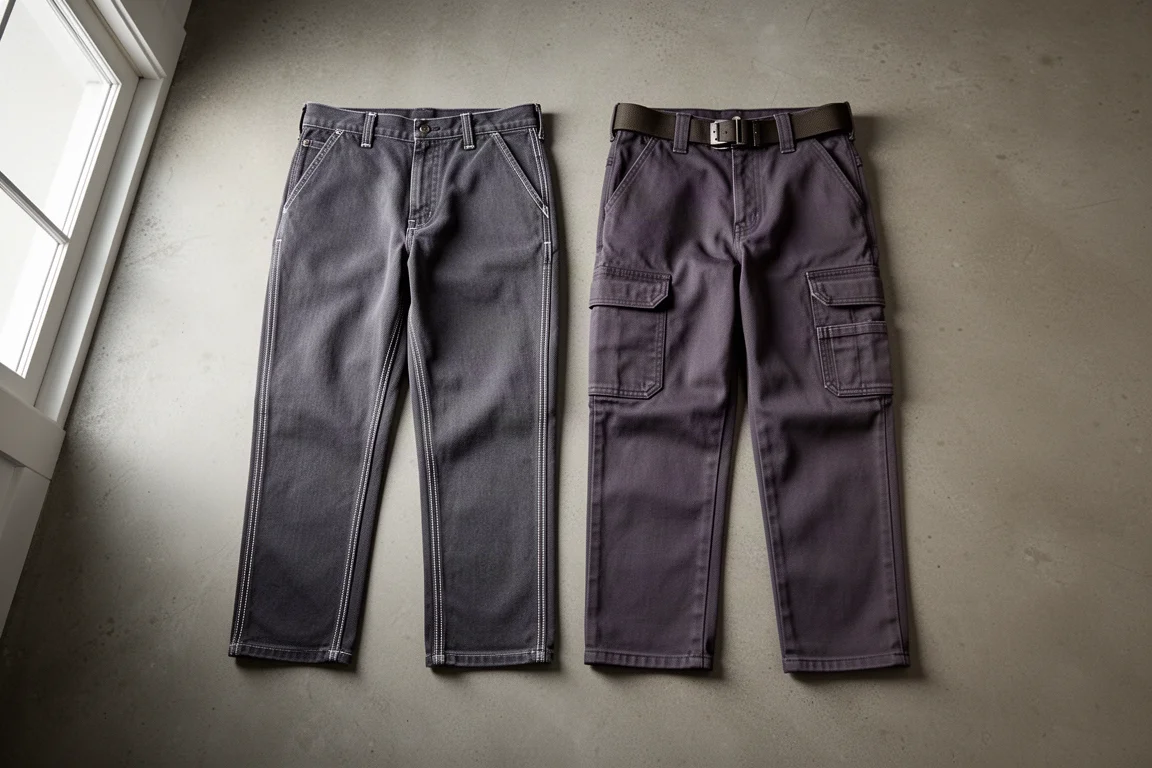
Not all work pants compete on the same terms. The Brunt Torah and the Bamel FR flame resistant pants were both worn for a few weeks of real work, and instead of one clear winner, the comparison kept flipping back and forth. Brunt does some things better, Bamel does others better, and the differences are far bigger than what you might expect from two pants in the same category.
That is the interesting part: unlike power tools, where one model is usually just slightly more powerful than another, these two pants genuinely feel like they were designed for different jobs and different kinds of wearers. Here is how they stack up.
Sizing Reality Check
The first thing worth knowing applies to both pairs. Testing was done in a 32 to 34 waist and 32 length, and both pants were ordered in the exact same size, yet they each fit noticeably differently. The common thread: both are cut quite long. With work boots on, the extra length evens out fine and nothing drags on the ground. Without boots, they very likely will drag.
If you wear a 34/32 like this, ordering a 34/30 is a reasonable suggestion unless you will always be wearing these with boots. Length is the one shared downside across both products.
Brunt Torah Work Pants
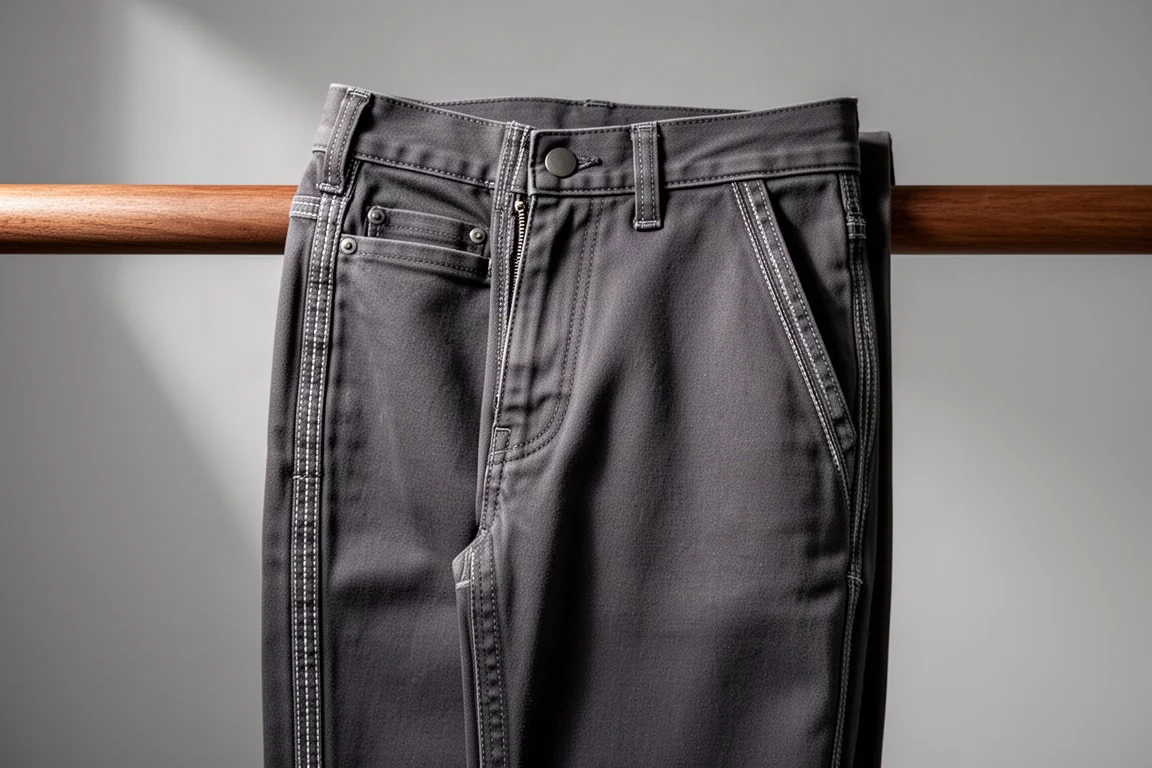
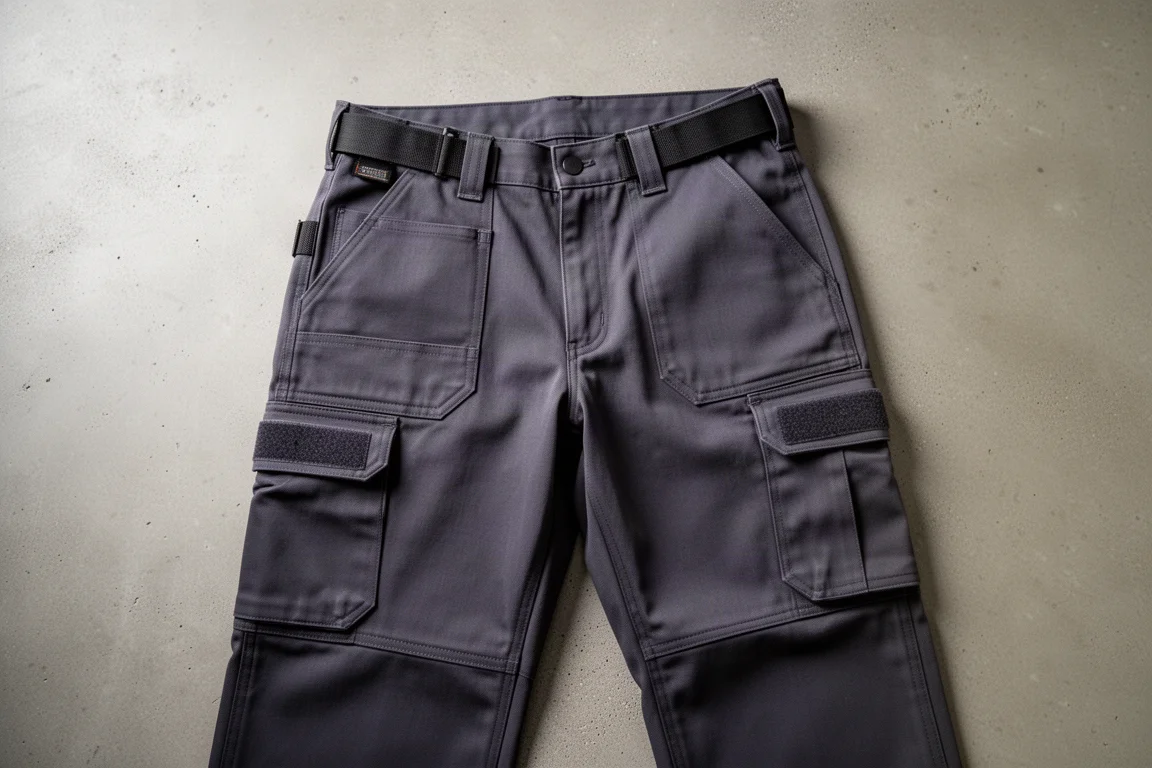
The Brunt Torah is the newer all-round work pant in the lineup, priced around $60. Construction detail is immediately visible: triple seams appear throughout the build, and these are made in Vietnam. There is a soft inlay at the waist, and the fabric feels slightly thin through the upper portion without feeling cheap, while the lower legs feel like very solid, substantial material.
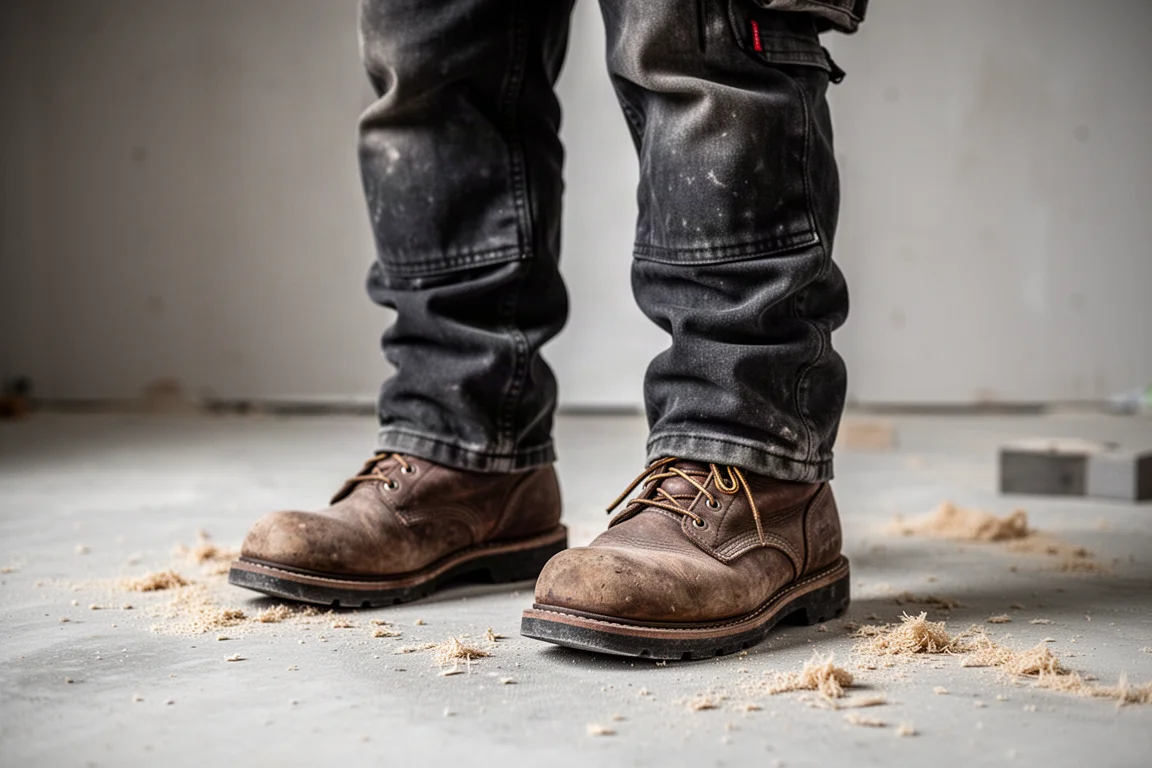
One small but clever touch: the front button is not sewn in. It is a rivet-style fastener, which matters because a popped button is one of the most common failure points on work pants, and this design should hold up better over time. The zipper feels quality, and the front left pocket is genuinely deep, running roughly 10 to 11 inches down.
The compromises are fit and pocket count. These run a decent amount baggy on the body, and the pocket layout is minimal, so those deep pockets are basically all you get. The waistband also has very little padding or structure, which is not a flaw so much as a different feel from the competition. Belt loops are on the thinner side, with a single line of stitching at the top, though the rear loop is much beefier.
Bamel FR Flame Resistant Work Pants
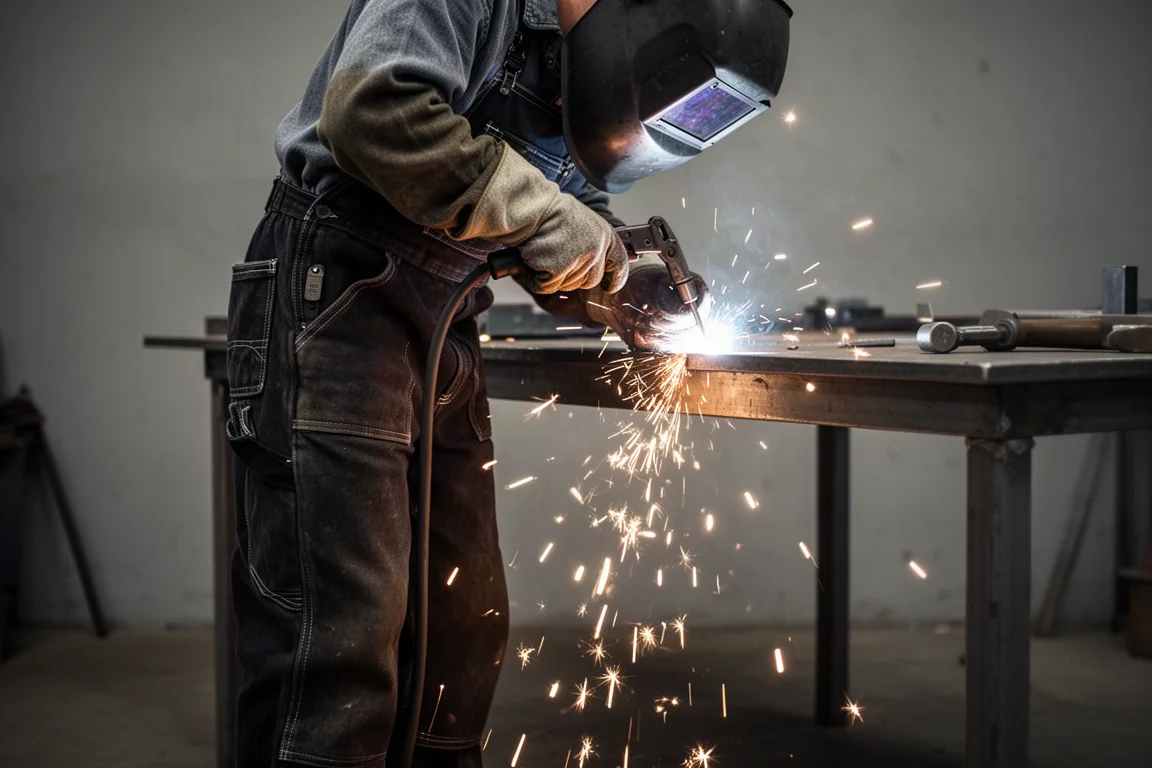
The Bamel FR pants approach the job from the opposite direction. These are flame resistant work pants, built for environments like welding where ordinary clothing gets destroyed quickly by sparks and heat.
Fit is the standout improvement. They are more fitted than the Brunt, staying close to the body without feeling tight, and the waistband includes built-in stretch zones that make them comfortable enough to wear almost without a belt. The belt loops are a clear step up as well: thick, heavy-duty loops at both front hips and across the rear, designed to keep everything secure.
Pocket count is another advantage. The design leans cargo, with velcro-closed pockets and a larger pocket below, giving you far more storage than the Brunt offers. Both colour options, blue and grey, have held up equally well in wear.
The trade-off shows up in the fabric details. The Bamel is also cut even longer than expected, closer to a 36 length in real terms.
Construction and Stitching: Where They Differ
Put the hems side by side and the quality split becomes obvious. The Bamel hem has a single line of smaller stitching, while the Brunt shows triple stitching running down the leg and a double stitching line at the hem.
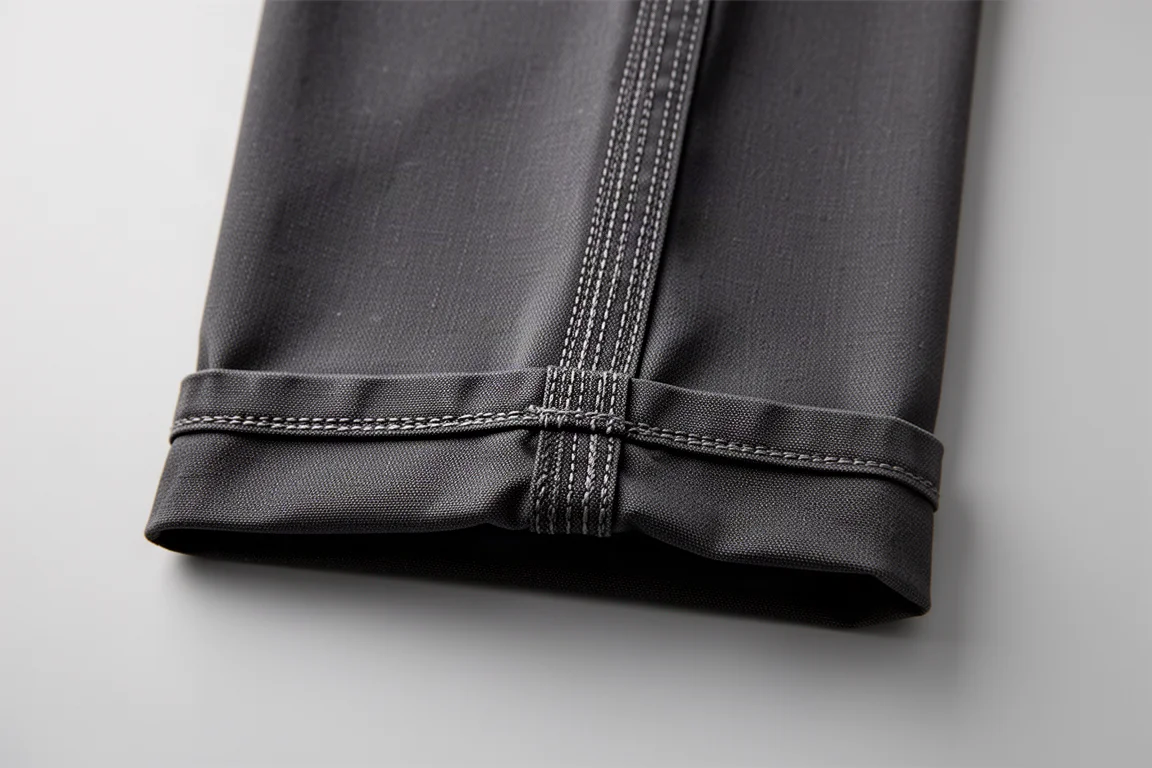
Neither hem is likely to fail outright, but the pattern holds across the whole garment: the upper portion of the Bamel, including the waist and fit, is better built, while the lower portion, the legs and hems, is clearly stronger on the Brunt. They are almost exact opposites of each other, which is what makes this comparison genuinely useful rather than a simple ranking.
Which One Should You Buy?
There is no glaring weakness on either pair, and both have been worn as everyday work pants for weeks without complaint. The practical answer comes down to priority.
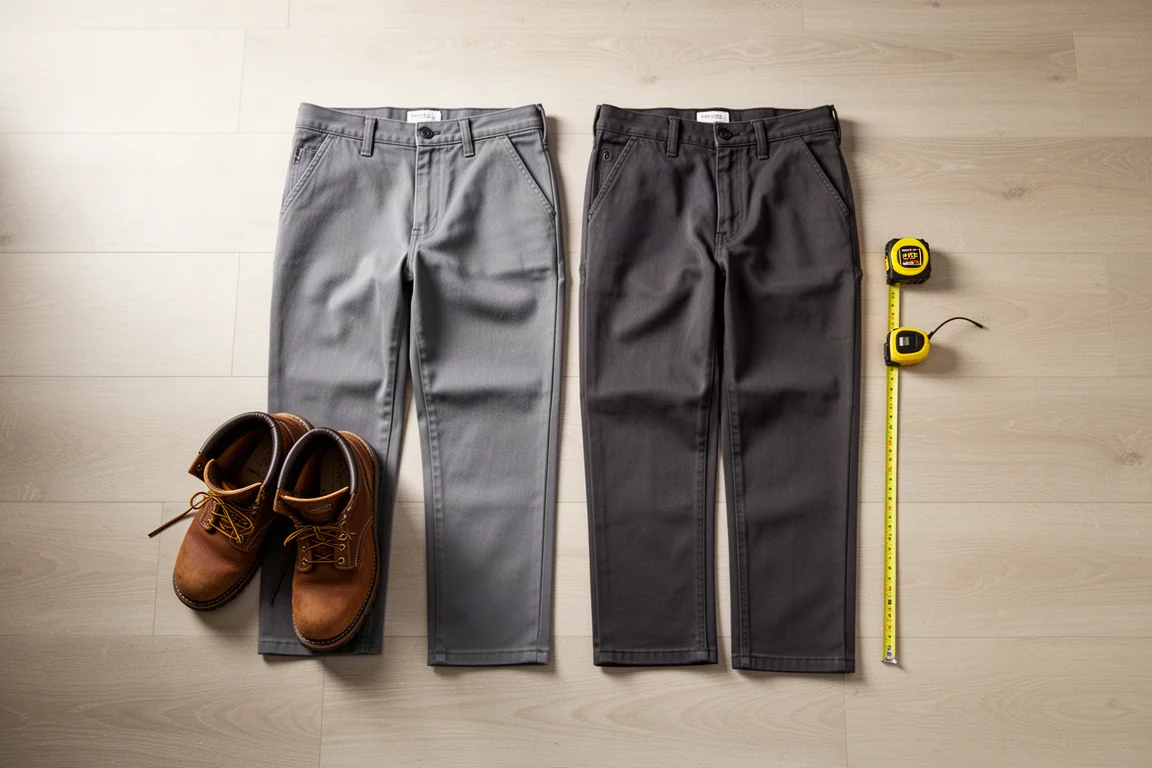
If style and a classic work pant look matter most, the Brunt Torah is the pick. If comfort, practical storage, and flame resistance matter most, the Bamel FR earns the nod. For anyone in a hot-work trade, the flame resistance alone settles it. For everyone else, it is a choice between baggier with better lower-body construction, or more fitted with more pockets and stretch.
Conclusion
The Brunt Torah at around $60 is a well-stitched, durable-feeling work pant with a few clever touches, and the Bamel FR is the more comfortable, more practical option with genuine flame resistance built in. Both run long, so size accordingly if boots are not part of your daily kit. Either is a solid work pant choice; it just depends on which set of strengths matters more to you.
Further reading
Related Reviews
Workwear
1620 Workwear Foundation Series Work Pants: Built Like Armor, Priced Like It Too
Heavy-duty waterproof work pants made in the USA with a tailored fit, thick Cordura-blend fabric, and a few trade-offs worth knowing before you spend around $140.
Workwear
Bamal FR Flame Resistant Shirts and Pants: Fire, Tear, and Water Resistance in One Kit
A hands-on look at Bamal FR's treated cotton workwear, which combines flame resistance with water and tear resistance, plus sizing notes worth knowing before you buy.
Workwear
Brunt Workwear Picks: Three Pieces Worth Considering in 2026
The Marin, the Omen, and McKenna workwear: three Brunt products that hold up to hard use, plus what to know before buying.